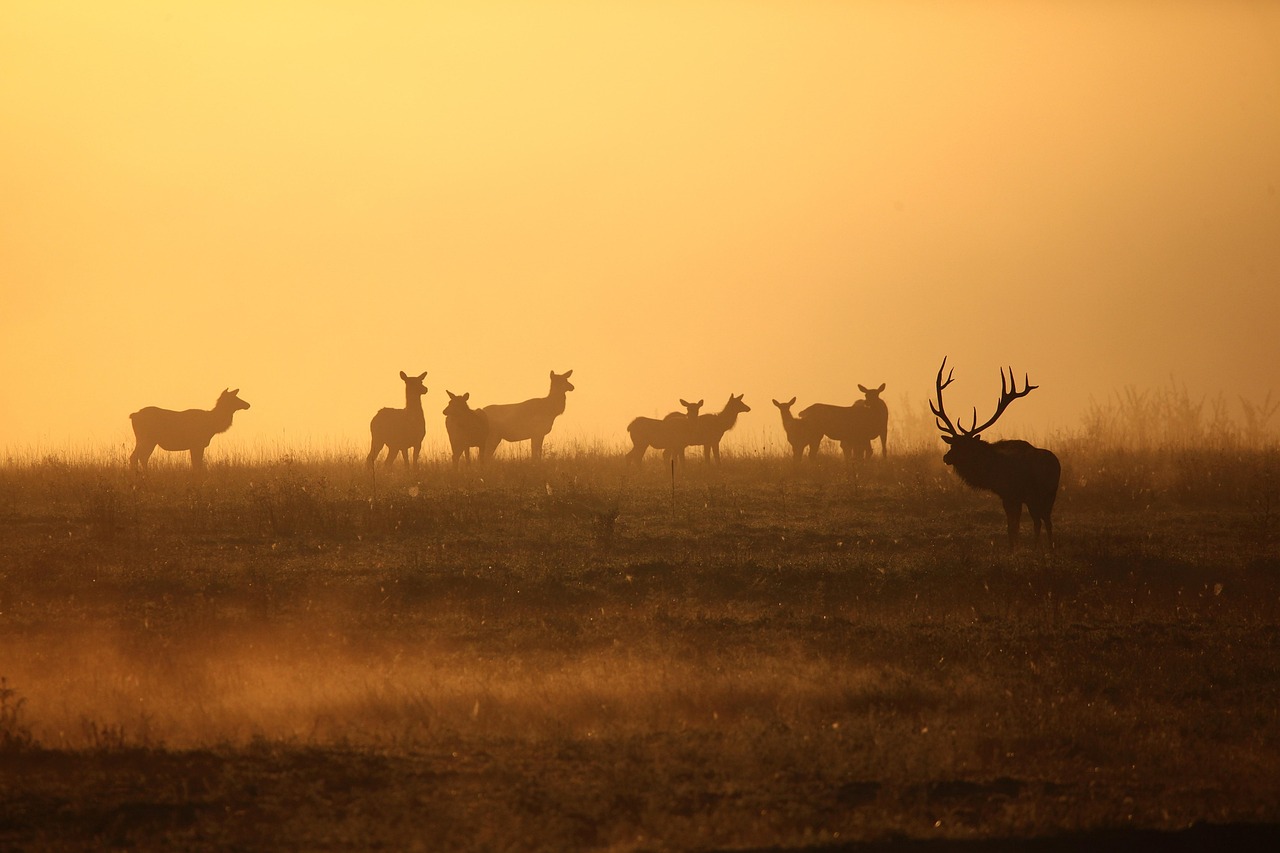
Hunting deer from the ground is a skill that demands patience, strategy, and respect for the animal and environment. Unlike stand hunting, ground hunting requires constant awareness, careful movement, and ethical decisions to increase success without disturbing the land. From scouting and wind management to shot selection and ethical practices, mastering these aspects makes the hunt safer, more effective, and rewarding. Here are 13 expert tips to help you hunt smarter and ethically.
1. Scout Thoroughly

Walking the hunting area before the season starts is crucial. Observe trails, bedding areas, feeding zones, and water sources. Look for tracks, droppings, and rubs to understand deer behavior patterns. Avoid overpressing the area before hunting, as deer quickly detect human presence. Proper scouting allows you to plan approach routes, anticipate deer movement, and increase the chance of success while minimizing disturbance.
2. Know Local Laws and Seasons

Before heading out, familiarize yourself with local hunting regulations, seasons, and bag limits. Rules vary widely by state, region, and forest, including allowed methods and safety requirements. Proper licensing, tags, and adherence to local laws not only keep you legal but also protect wildlife populations and ensure the longevity of hunting access. Knowledge of regulations is the foundation of responsible hunting.
3. Prioritize Wind and Scent Control

Wind direction plays a critical role in ground hunting. Approach from downwind whenever possible to prevent deer from detecting your scent. Avoid lingering near fresh signs like scrapes or droppings. Scent control sprays, laundry techniques, and proper storage are helpful supplements, but careful movement and awareness of natural wind patterns are far more effective.
4. Glass from Vantage Points

Before committing to a stalk, use binoculars or a spotting scope from ridgelines, rock outcrops, or field edges. Observing from a distance allows you to identify deer, evaluate size and behavior, and plan your approach without disturbing them. Glassing reduces unnecessary movement and increases your chance of a successful encounter. Patience at this stage often determines the quality of the hunt.
5. Plan Your Approach Carefully

Moving to your hunting position requires careful planning. Use natural cover like ridges, hollows, or hedgerows to break your silhouette. Walk slowly, pause frequently, and scan for deer before exposing yourself. A calculated approach beats hurried movements, reducing noise and the chance of spooking game. Proper planning allows you to get into position efficiently while staying hidden.
6. Hunt Travel Corridors and Edges

Deer often use predictable paths between bedding and feeding areas. Trail junctions, creek crossings, field edges, and ridges are prime locations for intercepting movement. Ground hunters benefit by positioning themselves along these corridors rather than deep in bedding areas. Observing these patterns over time increases encounter opportunities while maintaining ethical hunting practices.
7. Hunt Near Water Sources
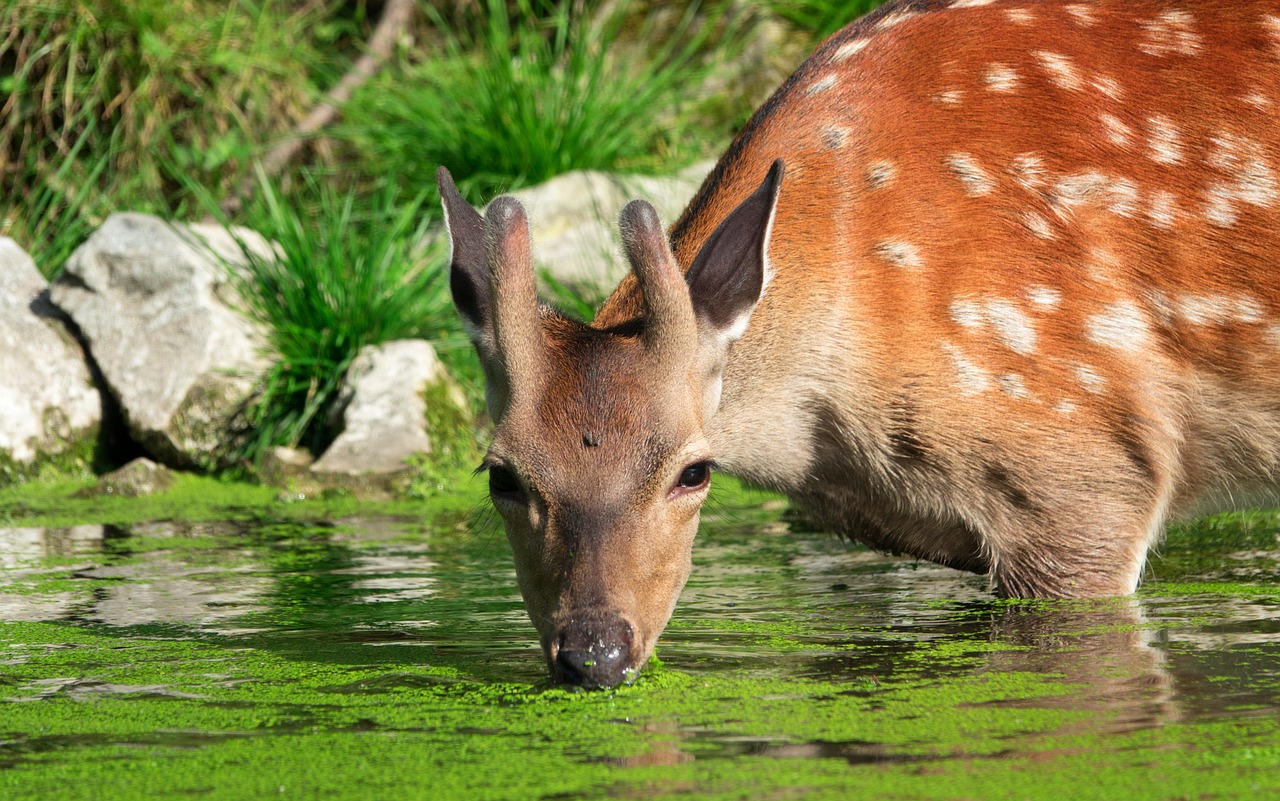
Deer often travel to streams, ponds, and small wetlands for drinking and cooling, especially during hot days or dry spells. Position yourself downwind and use natural cover like brush or trees to remain concealed. Early mornings and late evenings are peak activity times. Observing water sources allows you to anticipate movement without disrupting bedding areas, improving your chances while hunting ethically and safely.
8. Be Quiet and Minimize Gear Noise

Sound travels easily in forests. Loose zippers, clinking cans, or rattling packs can alert deer to your presence. Secure gear, use soft-close compartments, and move deliberately. Even small noises can end a stalk. Practicing quiet movement before hunting, like walking slowly over similar terrain, ensures you can remain undetected and increases the odds of a clean encounter.
9. Practice Ethical Shot Decisions
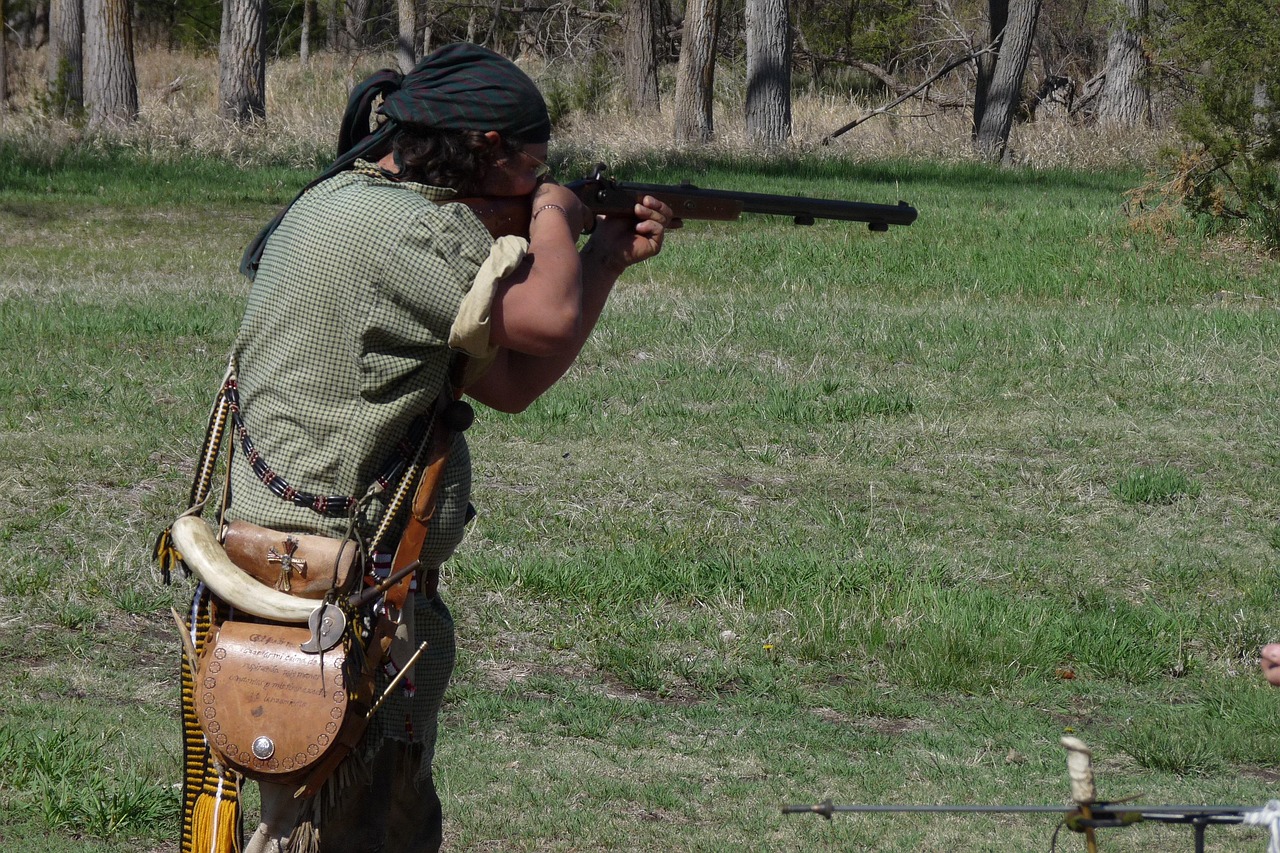
Ethical hunting prioritizes quick, humane kills. Know your effective range and only take shots you are confident will succeed. Avoid shooting in poor visibility or at obstructed deer. Waiting for a clean, high probability shot ensures the deer is harvested humanely and reduces suffering. Ethical shot selection is as important as skill and strategy in responsible hunting.
10. Stay Ready for Quick Follow-Up Shots
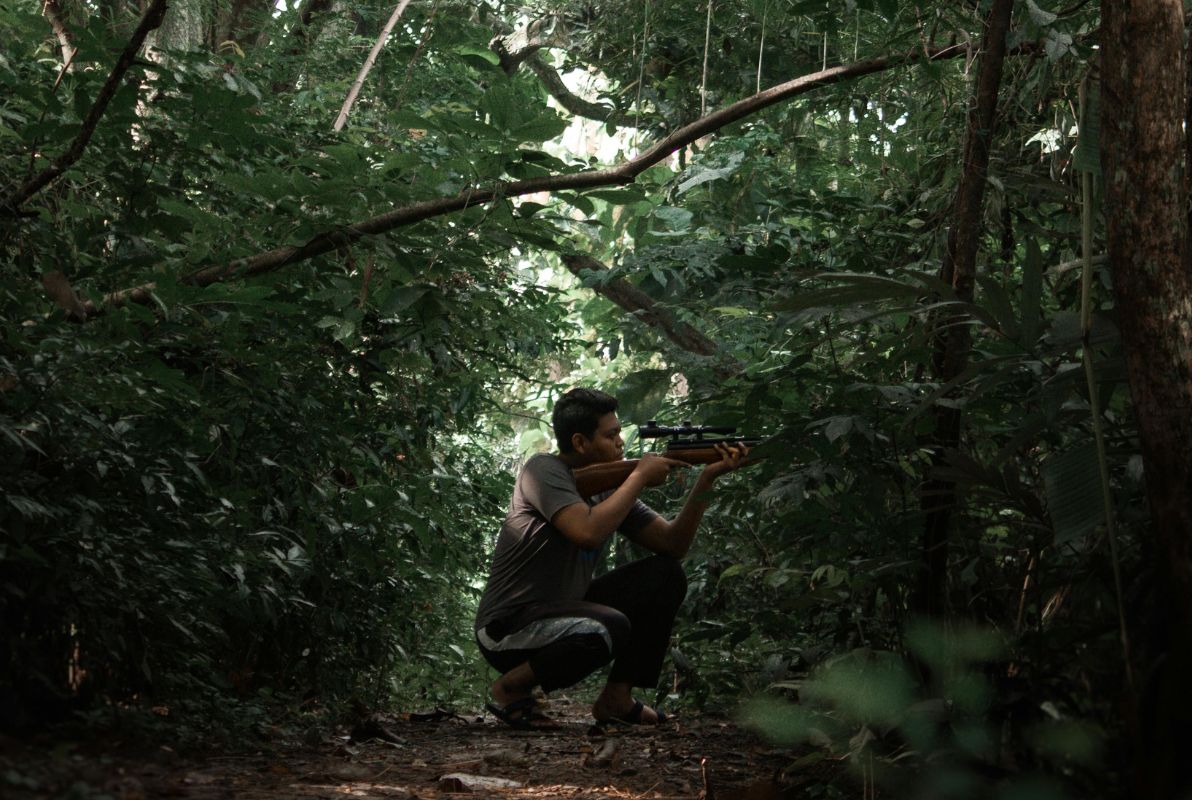
Ground encounters are often dynamic. Deer may change direction or posture unexpectedly, so maintain stability and readiness. Keep your shooting platform steady, assess angles quickly, and be prepared for follow-up shots if necessary. Practicing safe follow-up techniques ensures a successful harvest while minimizing risk to other hunters and non-target wildlife.
11. Hunt with a Partner Safely
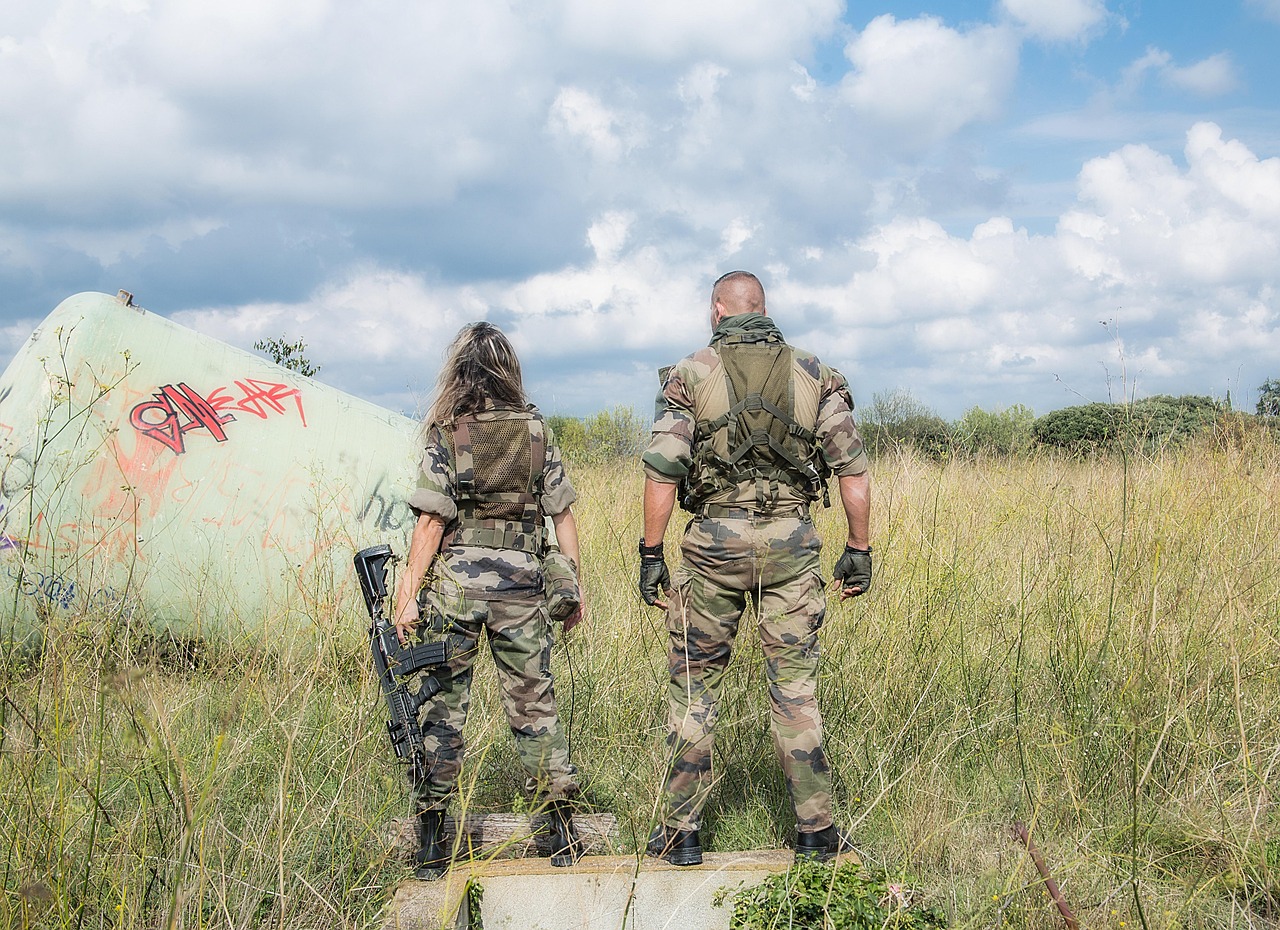
If hunting with a companion, clearly establish roles, sight lines, and communication methods. Prearranged signals help indicate movement, location, and potential targets. Confirm each other’s positions frequently to prevent accidents. Coordinating with a partner enhances safety and efficiency while improving your chances of spotting deer in larger areas.
12. Respect Private Property and Leave No Trace

Always obtain permission before entering private lands. Follow posted rules and leave the environment as you found it. Carry out trash, avoid damaging vegetation, and minimize trail impact. Respecting landowners and the natural environment preserves access for future hunters and protects the habitats that deer depend on. Ethical behavior ensures continued hunting opportunities.
13. Keep Learning and Practicing Skills

Ground hunting success comes with experience and ongoing learning. Practice stalking, shooting, map navigation, and tracking skills in controlled settings. Mentorship, hunter education classes, or guided trips enhance technique and confidence. Continual improvement in ethical hunting practices and field skills ensures safer, more effective, and more rewarding ground hunts over time.