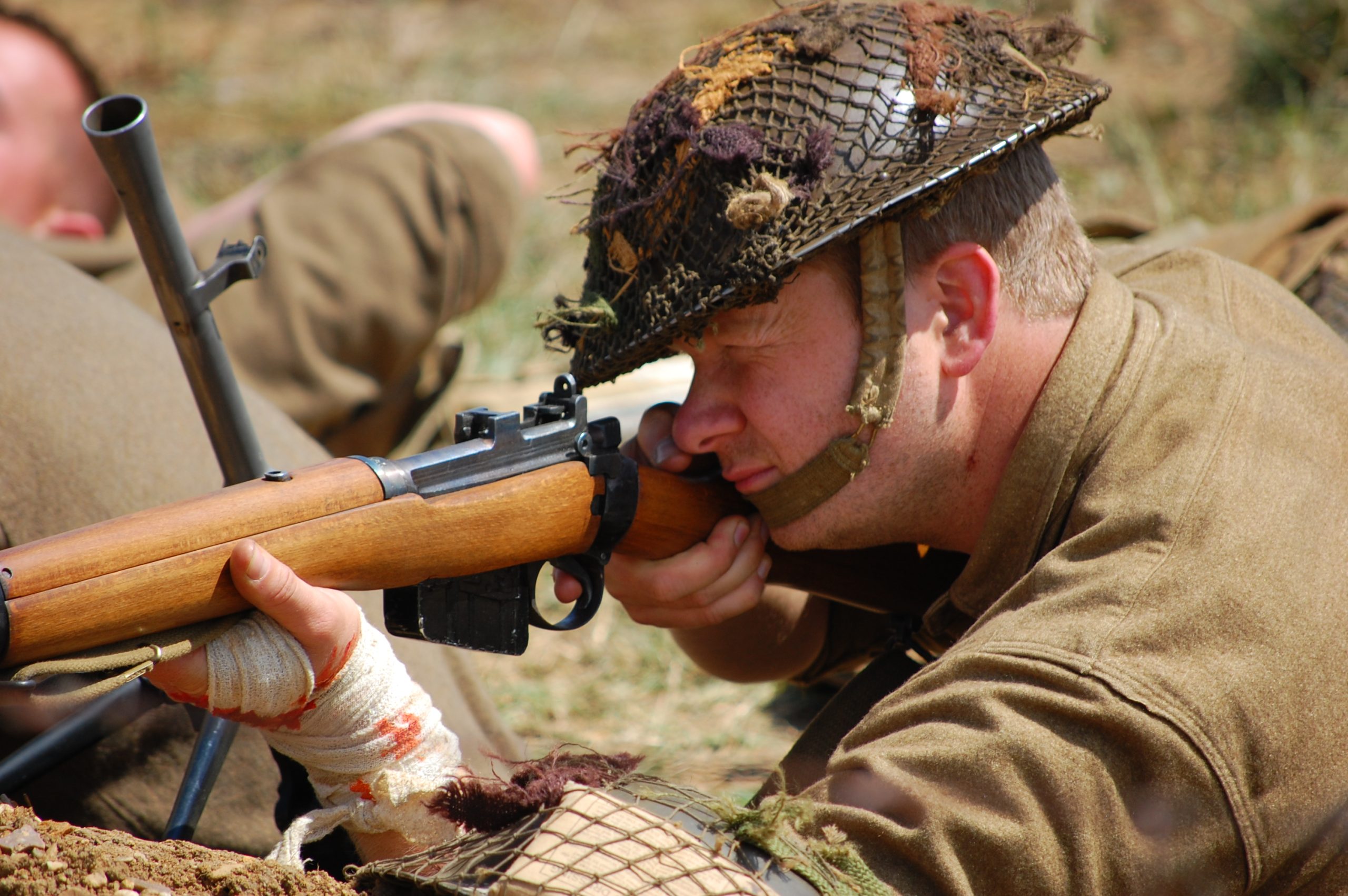
The Lee-Enfield did not become a Canadian icon by accident. It became the Rangers’ rifle because it fit the North better than almost anything else available at the time.
A rifle meets a mission
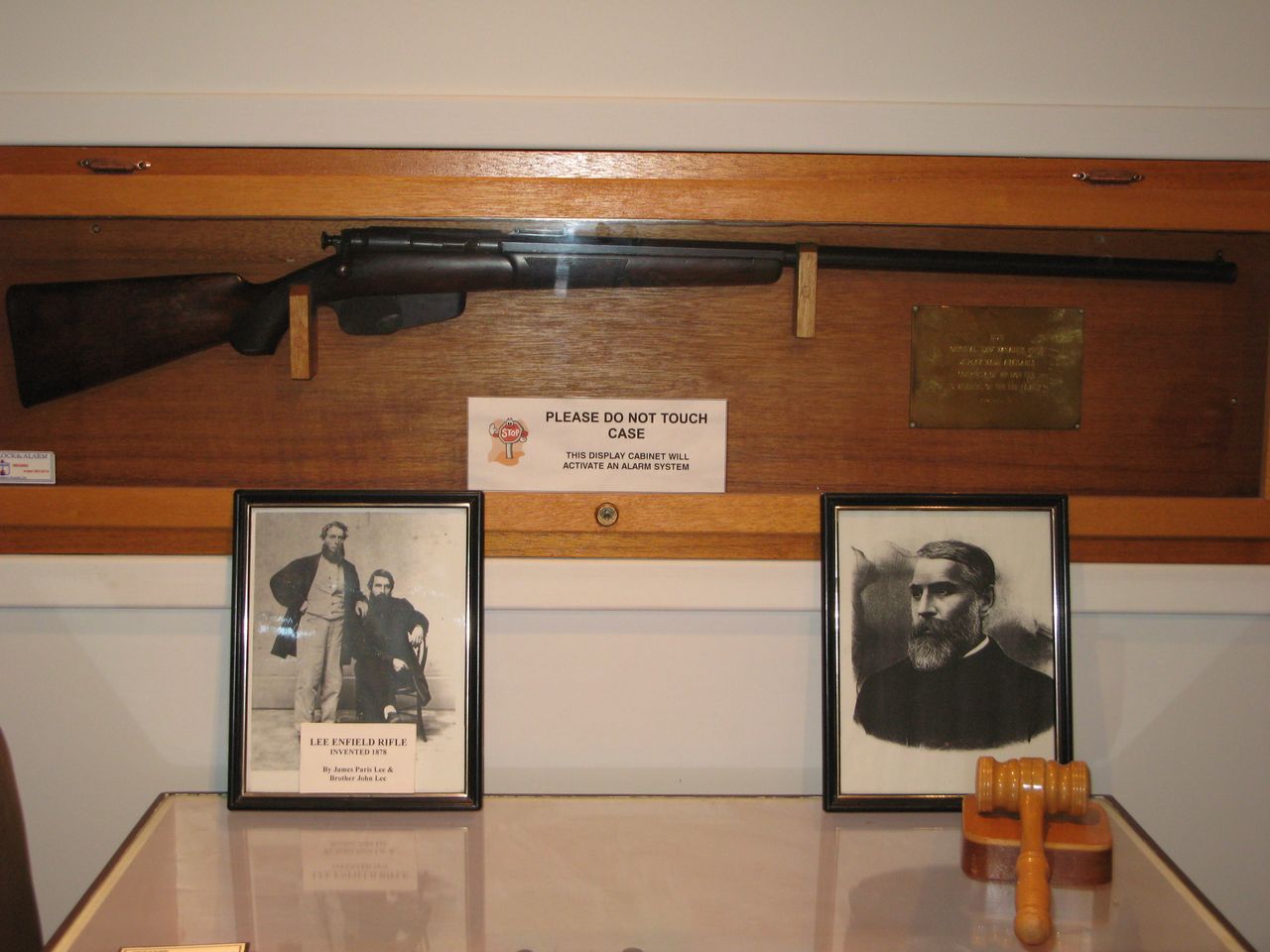
The Canadian Rangers were created in 1947 to give Canada a military presence in remote, coastal, and northern communities. They were never meant to look like a conventional infantry force. They needed simple tools, local knowledge, and equipment that could survive long distances, sparse infrastructure, and punishing weather.
That context matters. According to National Defence, the Rangers used the Lee-Enfield No. 4 from 1947 until the C19 replacement began rolling out in 2018. The rifle’s adoption was less about romance than practicality: Canada needed a dependable, affordable arm for part-time reservists operating far from major bases.
Why the Lee-Enfield made sense
In the years after the Second World War, Canada had access to large numbers of Lee-Enfield rifles already proven in military service. That alone gave the rifle a major advantage. It was available, familiar to armorers, and chambered in .303 British, a cartridge with a long service history in Canada.
The rifle also matched how Rangers actually worked. Patrol members traveled by sled, boat, snowmobile, and on foot, often in extreme cold where finicky systems could fail fast. A rugged bolt-action rifle with generous clearances and a reputation for reliability was a sensible answer for isolated patrols that could not count on quick resupply or sophisticated maintenance.
Built for cold, distance, and survival
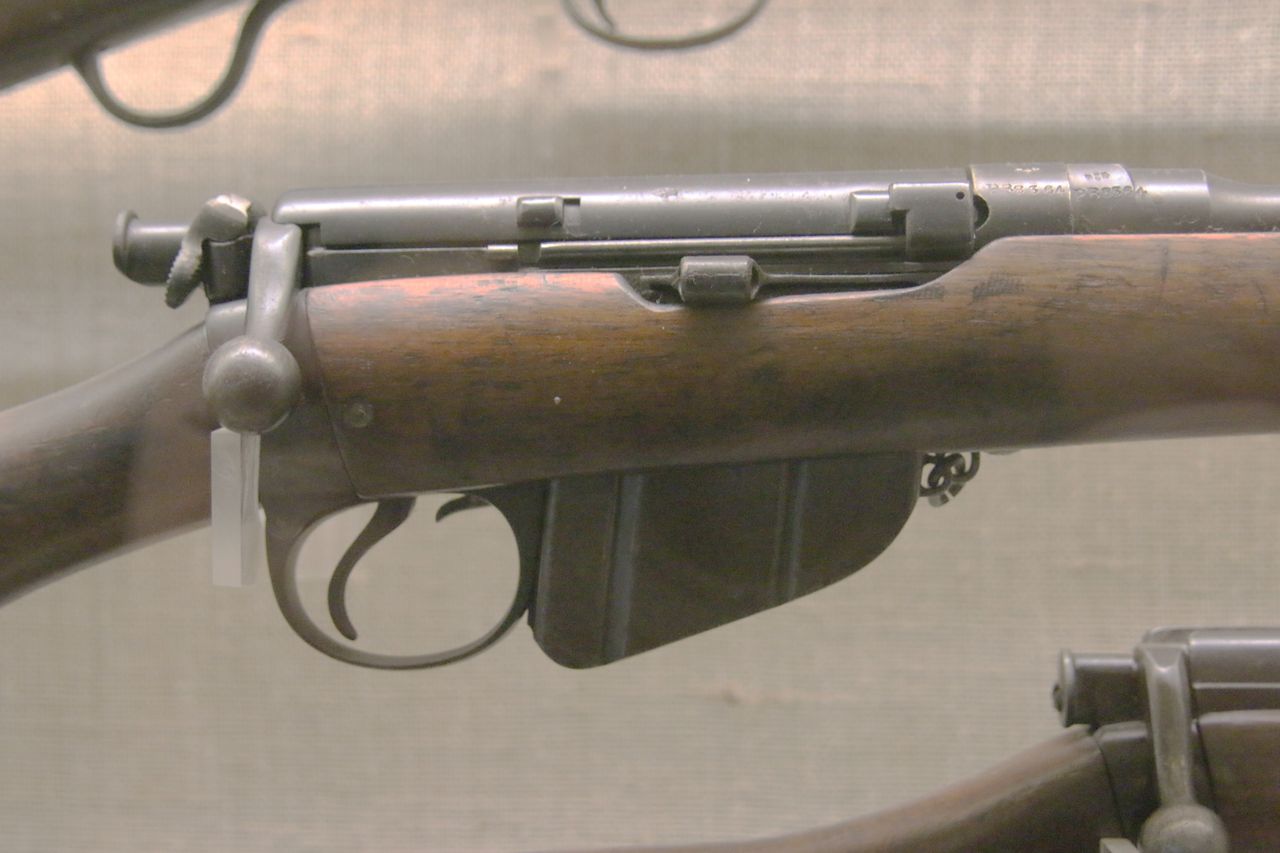
What really cemented the Lee-Enfield’s place was environmental performance. National Defence later acknowledged that the old rifle stayed in service so long because it performed superbly in Canada’s austere northern climate. That is a striking endorsement for a design rooted in an earlier era.
For Rangers, a rifle was not only a military symbol. It was a practical field tool used for patrol safety, signaling authority, and protection against dangerous animals in remote country. In that role, absolute battlefield modernity mattered less than whether the gun would fire after days of cold, travel, ice, and rough handling.
The rifle becomes part of Ranger identity
Over decades, the Lee-Enfield became woven into the public image of the Rangers themselves. Many patrols were issued 200 rounds annually, and the rifle became one of the most recognizable pieces of Ranger kit. In communities spread across the Arctic, sub-Arctic, and isolated coasts, it represented continuity as much as capability.
That long relationship also built trust. Rangers knew how the rifle handled in local conditions, how it behaved with gloves on, and how to keep it running. When equipment proves itself over generations, it stops being just issued gear and becomes part of institutional memory.
Why it finally had to go
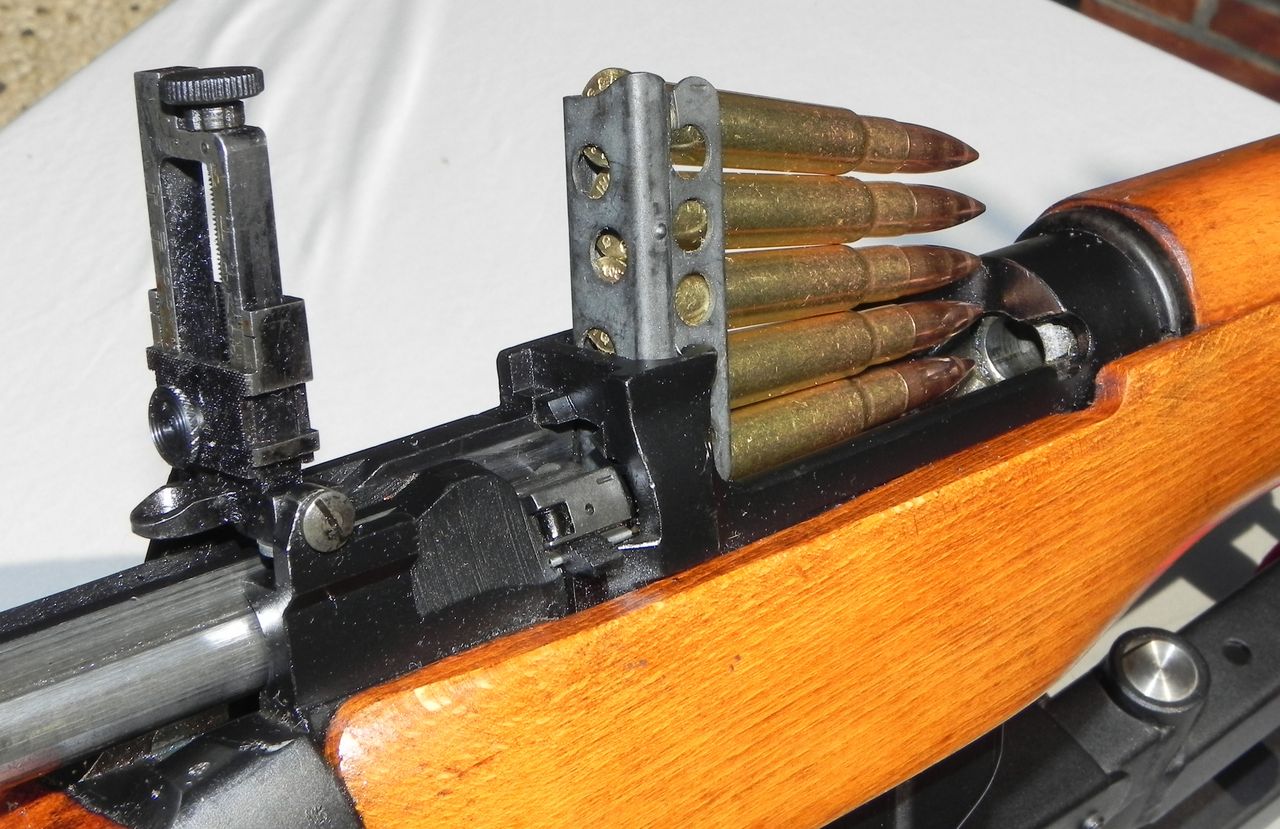
Even a beloved tool has limits. By the mid-2010s, the problem was no longer whether the Lee-Enfield worked, but whether it could be sustained. National Defence said replacement parts were becoming scarce and might be unavailable after 2017, making long-term maintenance increasingly unrealistic.
That drove the search for a successor. Canada first moved through prototypes and contracts in 2015 and 2016, then started issuing the new C19 rifle in April 2018. The replacement was based on a Finnish-designed Tikka platform and tailored for Ranger needs, especially cold-weather reliability and power in areas where wildlife threats are real.
A practical legend, not just a nostalgic one
The Lee-Enfield became the rifle of the Canadian Rangers because it answered a very Canadian problem: how to equip dispersed patrols across immense, harsh terrain without overcomplicating the job. It was tough, serviceable, and available when Canada needed it. Sometimes the best military choice is simply the one that works, year after year.
That is why the rifle’s legacy still carries weight. It was not chosen because it was flashy or new. It endured because it proved itself in one of the hardest operating environments on earth, and for the Rangers, that counted more than anything.