

Gear Guides
The ATF Rule Change That Could End Fingerprint Cards for Buying a Suppressor
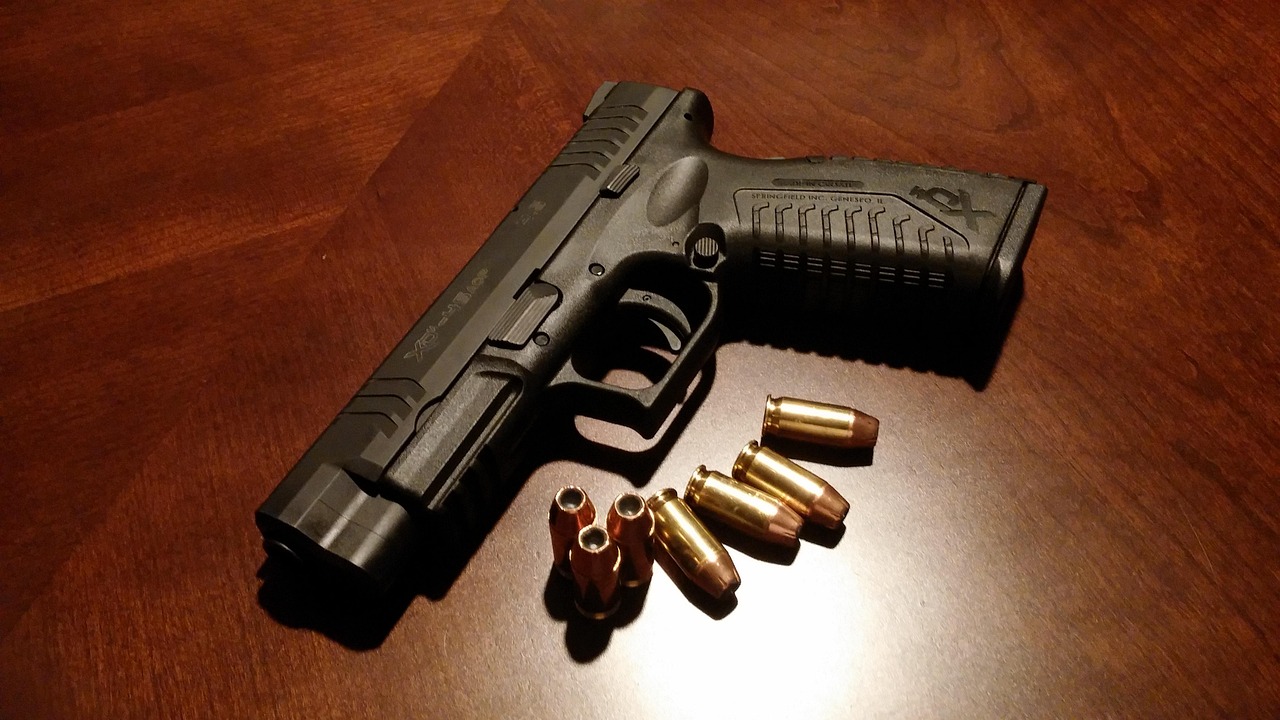
A new ATF proposal could dramatically cut the paperwork tied to suppressor purchases by reducing or, in some cases, eliminating traditional fingerprint card requirements. If it becomes final, the change would make the NFA process look a lot more like a modern digital system and a lot less like a mailroom exercise.
Gear Guides
The Supreme Court Ruling That Just Changed the Default Rule for Carrying a Gun on Private Property
A new Supreme Court ruling has redrawn the legal map for licensed gun carry on private property open to the public. The decision rejected Hawaii’s permission-first approach and could reshape gun laws far beyond one state.

Gear Guides
Why the Army’s Brand New Service Rifle Is Already Being Phased Out for Something Else
The Army’s new M7 rifle is not being scrapped, but it is already being joined by a shorter XM8 carbine built around soldier feedback. That fast pivot says a lot about weight, handling, ammunition, and how modern military gear now evolves in real time.

Gear Guides
Why Some State Gun Bans Are Now Defined by Cosmetic Features Instead of How the Gun Actually Fires
Many state assault weapon laws do not hinge on whether a gun is automatic or semiautomatic. Instead, they often rely on visible design features like pistol grips, threaded barrels, and folding stocks, because lawmakers wrote these bans to target a category of firearms associated with rapid, high-casualty attacks without redefining how the guns mechanically fire.

Gear Guides
The Difference Between “Threaded Barrel” and “Suppressor Height” Sights That Confuses Almost Every First-Time Buyer
Many first-time handgun buyers assume a threaded barrel and suppressor-height sights are the same upgrade package. They are not, and understanding what each part actually does can save money, frustration, and a bad first purchase.

Gear Guides
Why “Second Amendment Sanctuary” Counties Are Spreading Faster Than Most People Realize
Second Amendment sanctuary counties did not appear out of nowhere, and they are not fading as quickly as many people assume. Their rapid spread reflects a mix of local identity, distrust of state power, symbolic politics, and real conflicts over who controls gun policy.

Gear Guides
Why Gen Z Is Quietly Becoming the Fastest-Growing Group of First-Time Gun Buyers in America
Gen Z is showing up at gun counters, training classes, and shooting ranges in bigger numbers than many people realize. The reasons are less about stereotypes and more about safety, uncertainty, access to information, and a changing picture of who gun ownership in America actually looks like.

Gear Guides
Why Maryland Just Banned Every Glock Ever Made Over One Tiny Trigger Part
Maryland’s new law does not name Glock outright, but its definition is so specific that it sweeps in most Glock pistols and many Glock-pattern clones. The whole fight turns on one small internal part called a cruciform trigger bar and whether it makes a pistol too easy to convert with an illegal auto sear.

Uncategorized
Explore an Extraordinary 1961 Lakefront Legacy in Harrison, Idaho, with 52 Pristine Acres and Nearly 1,400 Feet of Coveted Shoreline
Elegant wood beams and vintage stone details define this timeless estate, perfect for creating cherished family memories.

Uncategorized
Serene 1980 Retreat in Ketchum, Idaho with Two Homes, Expansive Landscaping, and Abundant Access to Alpine Bliss and Privacy
Experience timeless charm with period details, surrounded by lush forests and serene lake views.
Gear Guides
Why Some Gun Buyers Are Choosing Parts Kits Over Complete Firearms and What It Says About the Market
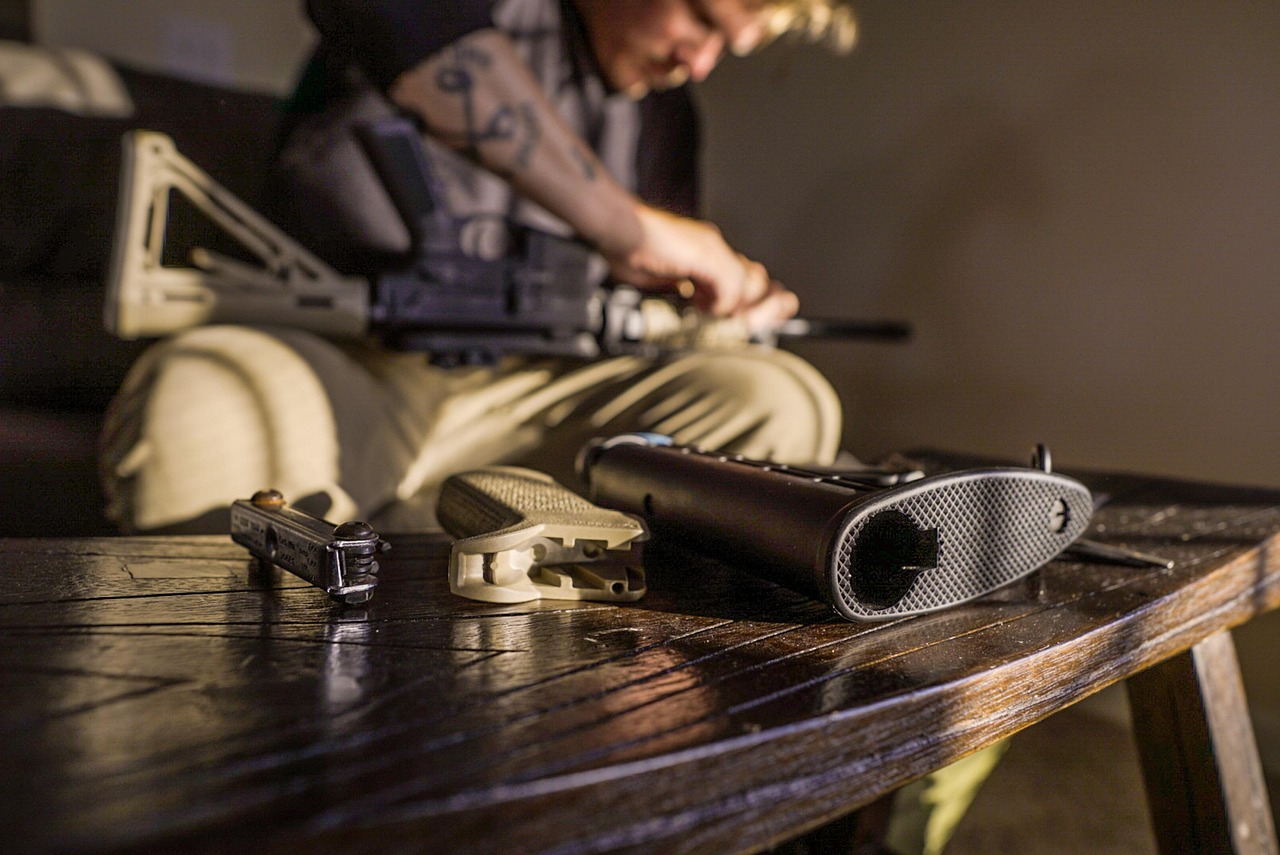
More gun buyers are looking at parts kits instead of complete firearms, and that shift says a lot about price pressure, customization, regulation, and consumer confidence. What looks like a niche preference is really a window into how the firearms market is changing.

Hunting Tips
Why Blood-Tracking Dogs Are Becoming a Paid, For-Hire Service for Hunters Who Lose a Wounded Deer
More hunters are paying trained dog handlers to recover wounded deer because the service improves odds of recovery, reduces waste, and fits a changing legal and ethical landscape. What used to be a favor among hunting circles is increasingly becoming a skilled, regulated business.