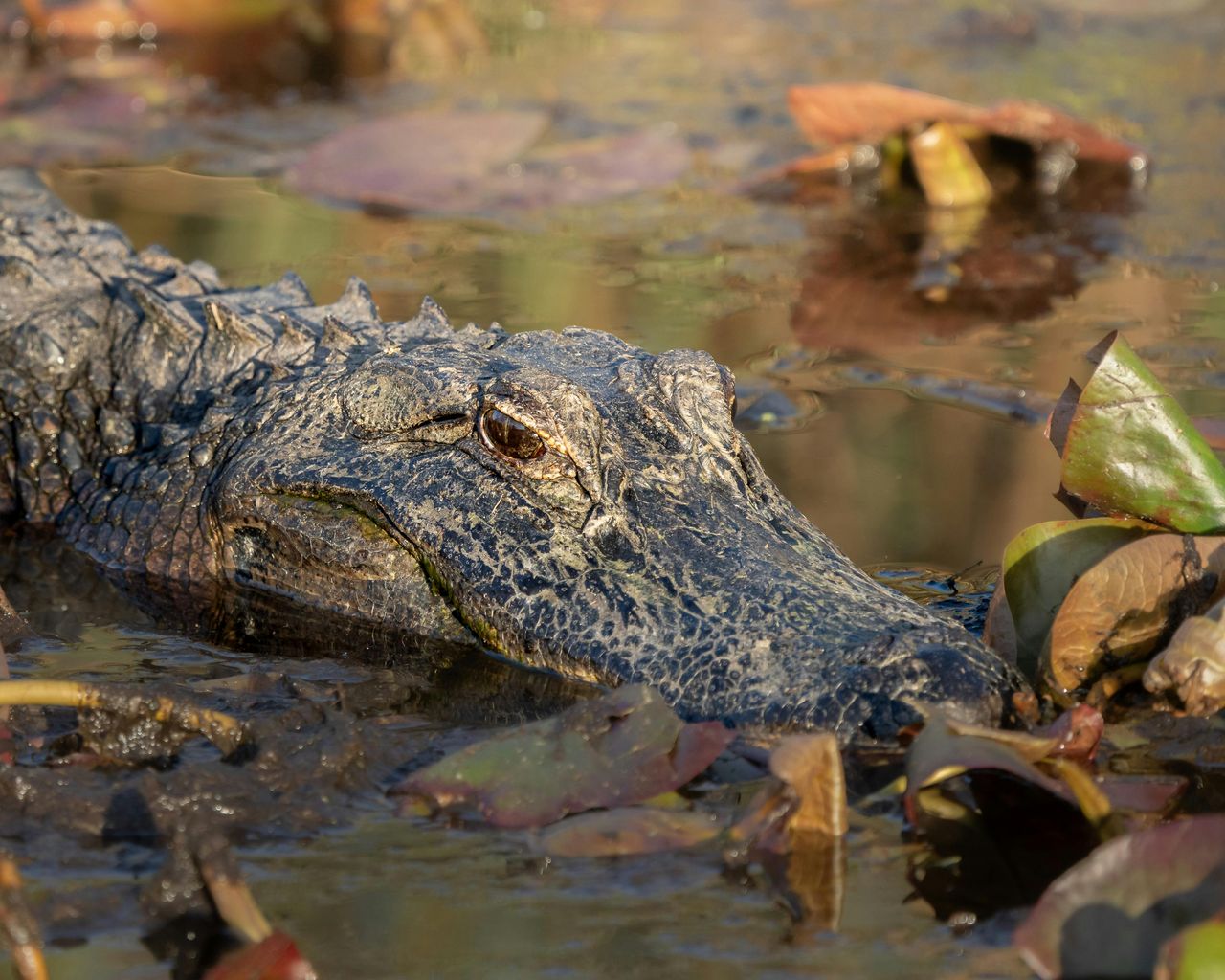
It sounds like a tabloid headline, until you realize wildlife agencies are actually dealing with it. In more parts of the U.S., alligator sightings are no longer just a Florida punchline.
The map is changing, but not in the way people think.

American alligators are not suddenly marching across the entire country. Their established range is still centered in the Southeast, with wildlife agencies in states like Florida, Louisiana, Texas, Georgia, Alabama, Mississippi, South Carolina, North Carolina, Arkansas, Oklahoma, and parts of Tennessee already treating them as part of the local landscape.
What is changing is where people are noticing them, and how often those sightings break expectations. Tennessee’s wildlife agency confirmed that in March 2024, an angler pulled a roughly 3-foot alligator from Norris Lake in East Tennessee, far from the places most residents associate with gators. The same agency has documented confirmed sightings in West Tennessee since 2018, including a 7-foot animal recorded in Fayette County.
North Carolina offers another clue to the bigger story. State wildlife officials describe it as the northernmost edge of the American alligator’s range in the United States, which means the species is already living at a climatic boundary. Once an animal is established near the edge of its range, even small shifts in winter severity, wetland conditions, and development patterns can make sightings feel suddenly more widespread.
That does not mean alligators are about to colonize Minnesota or Colorado. It does mean states near the current fringe of their range, especially in the lower Midwest and upper South, are more likely to see occasional animals, breeding pockets, or headline-making encounters that once would have seemed unusual.
Why sightings feel more common now

One reason is simple: there are more alligators than there used to be. The species is one of America’s major conservation success stories after severe declines from hunting and habitat loss, and in some states, populations are now robust enough that agencies manage nuisance complaints, controlled harvests, and coexistence programs instead of basic recovery.
Florida remains the best-known example. UF/IFAS Extension puts the state’s alligator population at about 1.5 million, a number so large that everyday encounters are part of life around ponds, golf courses, canals, and suburban lakes. In places where alligators are abundant, younger animals disperse, people move into wetland edges, and the odds of a viral sighting go up.
Another reason is that people are building directly into the habitat. North Carolina wildlife officials say many hotline calls come from fast-growing coastal counties such as New Hanover and Brunswick, where human populations have surged. That pattern matters because new neighborhoods often rise beside retention ponds, marshes, drainage canals, and stormwater basins that can attract alligators.
Then there is the climate piece. Alligators are more cold-tolerant than many people realize, and they can survive short cold snaps in remarkable ways, including the well-known “icing” behavior where they keep their snouts above frozen water. But survival during a freeze is not the same as thriving through repeated harsh winters. Warmer average conditions and fewer punishing winter events can make fringe areas more hospitable, especially over time.
The states most likely to see more surprises
If you are asking whether your state is next, the honest answer depends on geography. States bordering the current range or sitting at its outer edge are the most plausible candidates for more regular sightings, especially where there are slow-moving rivers, swamps, oxbows, reservoirs, and protected wetland habitat.
Tennessee is the obvious watch state because it is already seeing verified animals. The Norris Lake alligator made headlines partly because East Tennessee is not where most people expect one, but officials made clear it was real. That does not prove a breeding population in that part of the state, yet it does show how occasional appearances can leap far beyond public assumptions.
Arkansas is another important case. University of Arkansas extension experts say the state sits on the northern edge of the species’ natural range, with the northern half generally too cool for long-term survival. Even so, Arkansas recorded 57 nuisance complaints in 2023, and hunters set a record harvest of 202 alligators that year, signs of a stable and closely managed population in the parts of the state that suit them.
Oklahoma also belongs in this conversation. The Oklahoma Department of Wildlife Conservation says alligators occur in the state, especially in Red Slough Wildlife Management Area and Little River National Wildlife Refuge in the southeast. Missouri and Kansas are different stories: surprise sightings can happen, often involving released pets or misidentifications, but those states are not currently treated as part of the core native range.
Not every “new” alligator is a true range expansion.
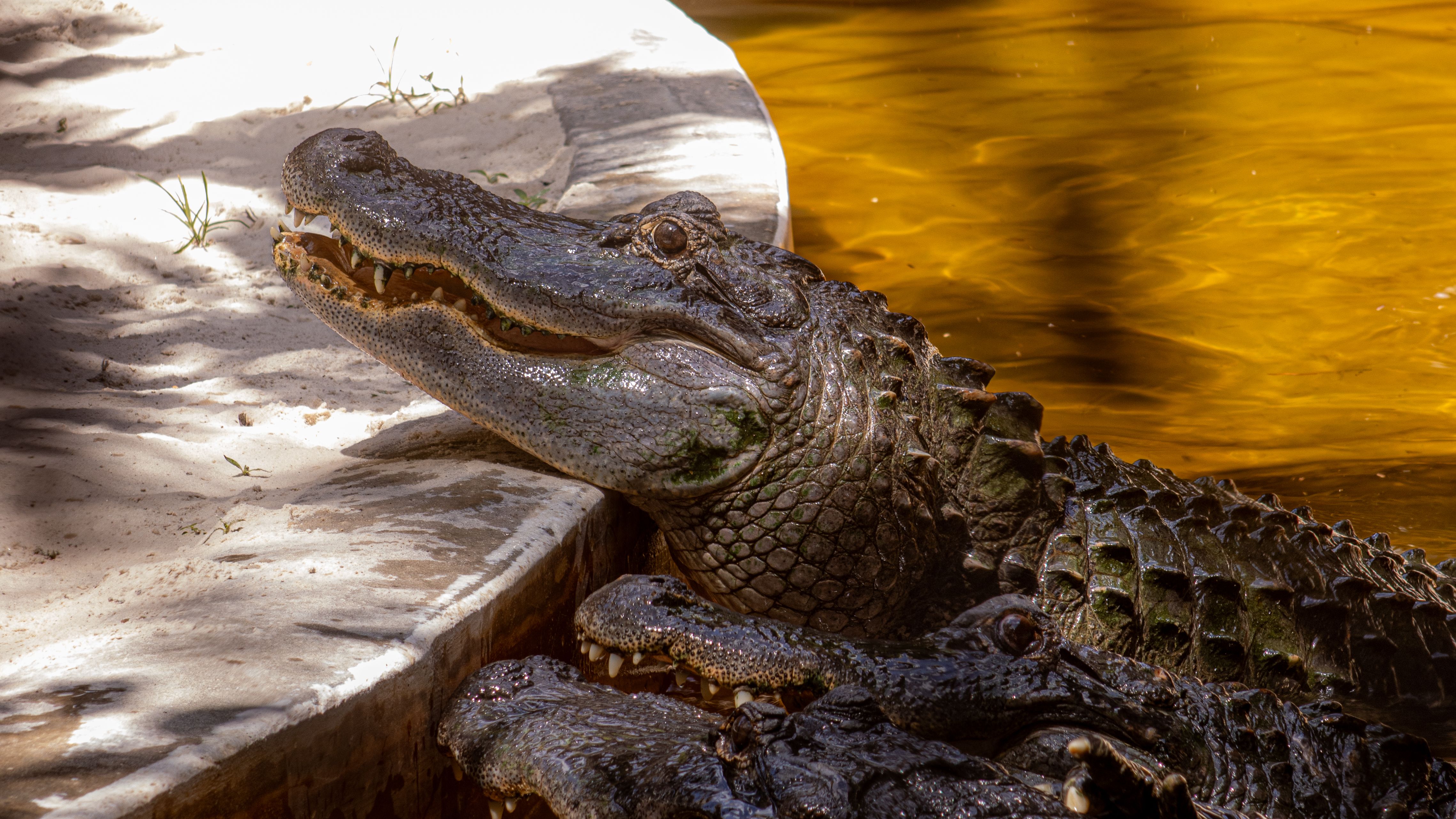
This is where the story gets messy. A surprising alligator in an unexpected place does not automatically mean climate-driven migration or a newly established wild population. Sometimes it means somebody illegally kept a pet and dumped it when it got too big, too aggressive, or too expensive to handle.
Wildlife agencies repeatedly confront this problem. Massachusetts, for example, dealt with a loose alligator near the Charles River in Boston in late 2025, a vivid reminder that isolated sightings far outside the native range often reflect human behavior, not natural spread. The same is true for random reports in northern cities, golf course ponds, and neighborhood lakes.
Misidentification also plays a role. People confuse alligators with caimans, large lizards, floating logs, beavers, and even oversized fish breaking the surface. Tennessee officials specifically noted that the Norris Lake animal was confirmed as an alligator and not a caiman, which tells you how often that distinction matters.
The better question is not “Was one seen here?” but “Are there repeated, verified sightings, suitable habitat, and evidence of survival over time?” Real range shifts usually look less like a movie monster reveal and more like a slow pattern: recurring records, breeding evidence, nuisance calls, and wildlife managers quietly adjusting to a species that is becoming less exceptional.
What this means for people living near water
For most people, an alligator nearby is not an emergency. State agencies across the Southeast stress that alligators usually avoid humans, and the biggest risk factor is food conditioning. Once people feed them directly, or indirectly by leaving scraps, bait, and unsecured pet food around water, animals can lose their natural wariness.
That is why the standard advice is so consistent from state to state. Keep your distance, never feed an alligator, keep pets leashed near shorelines, and avoid swimming in waters where visibility is poor, especially at dawn, dusk, or night. North Carolina’s wildlife agency explicitly warns people never to approach, capture, or handle an alligator, no matter its size.
In heavily populated states, officials have built systems around that reality. Florida’s nuisance alligator program allows residents to report animals that meet threat criteria, while South Carolina maintains a formal nuisance framework for animals that have lost their fear of people or are in places they should not be. These systems exist because coexistence, not eradication, is now the management norm.
The practical takeaway is that more Americans need “gator literacy,” even outside the classic Deep South stereotype. If your community has ponds, marsh edges, canals, or warm lowland rivers, basic awareness is no longer optional local trivia. It is part of modern outdoor common sense.
So, is your state next?
Probably not if you live far from the Southeast and your winters are long and severe. But if you live in a state that already touches the alligator’s range, sits just north of it, or includes warm, wet habitat connected to southern river systems, the odds of seeing more reports are real.
The most likely future is not alligators everywhere. It is more edge-state encounters, more suburban sightings in growth corridors, and more public confusion as people realize the old mental map is outdated. Tennessee, Arkansas, Oklahoma, and coastal North Carolina show different versions of the same trend: alligators are either established, persistent, or plausible in places where many residents still think of them as rare curiosities.
That trend will be shaped by warming winters, habitat protection, wetland development, and human behavior. It will also be shaped by whether isolated sightings turn into repeated records over many years. In other words, your state does not need to become Florida to start having Florida-style headlines.
So if you live near the species’ frontier, the smarter question is not whether alligators belong in your imagination. It is whether your local landscape is quietly becoming suitable enough that wildlife officials, developers, and homeowners will all need to plan for them.
Custom footer at the end of the article.