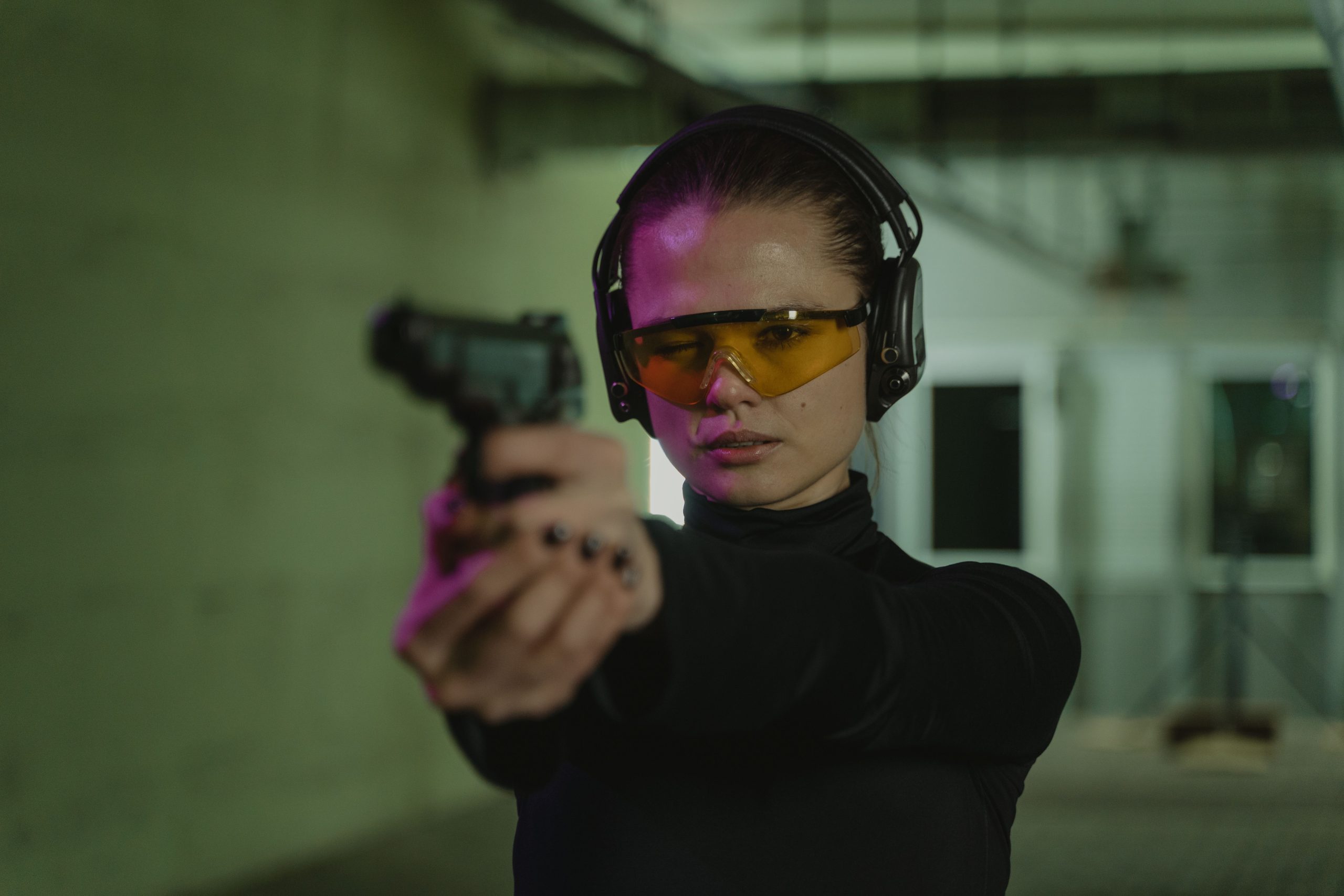
The STI 2011 was never conceived as an ordinary service pistol. It grew from the competitive shooting world, where fractions of a second, fast reloads, controllable recoil, and precise trigger work can separate a winner from everyone else. By combining familiar 1911 handling with a modular frame and double-stack capacity, STI created a platform that became deeply associated with practical shooting. Its story is less about compromise and more about building a handgun around the demands of competition.
1. It Was Born From a Competition Problem
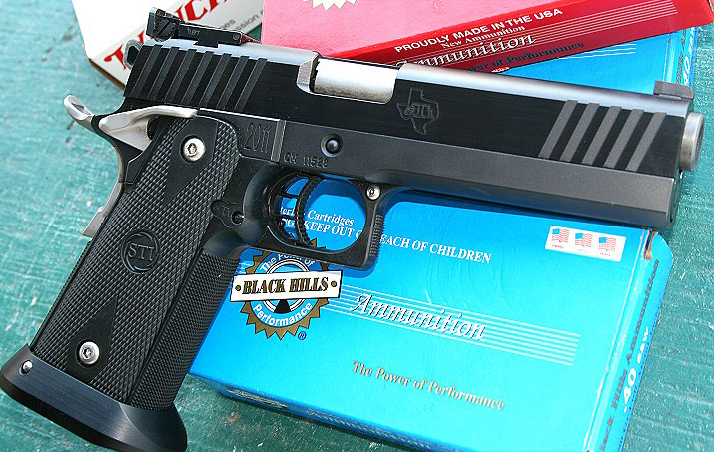
The STI 2011 was born from a simple competition problem: shooters wanted the familiar 1911 trigger and handling without accepting single-stack capacity. STI’s modular design is defined by a steel frame and separate polymer grip module, creating room for a double-stack magazine. The platform emerged in the early 1990s through Virgil Tripp and Sandy Strayer and reached commercial form in 1994. That combination made the 2011 less a cosmetic 1911 update and more a purpose-built race pistol foundation. It was a clear break from the old single-stack formula.
2. Double-Stack Capacity Changed the Game
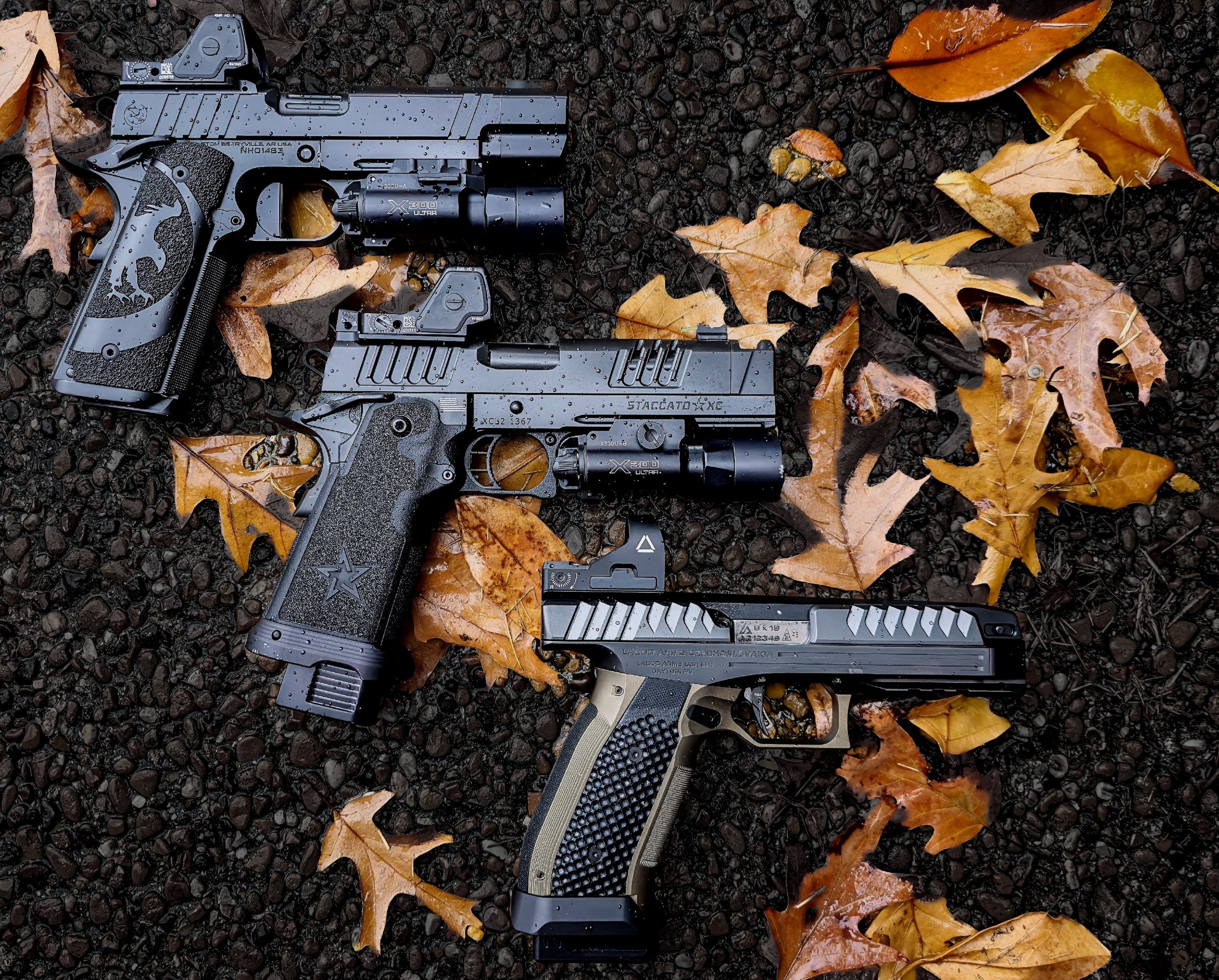
The biggest reason the STI 2011 earned its race-gun reputation was its capacity. Instead of the traditional 1911’s single-column magazine, the wide-body architecture accepted double-stack magazines, giving competitors substantially more ammunition before a reload. Exact capacity varied with caliber, magazine length, and competition rules, with STI examples offered around 17, 20, or higher. That mattered in practical matches, where fewer reloads could save time. The extra width also gave the shooter a broad, controllable grip.
3. The Trigger Was Designed Around Speed
STI built the 2011 around a crisp single-action trigger because competitive shooters value a predictable break and short reset. The design retained the 1911-style manual of arms while adding a grip safety and, on many models, ambidextrous thumb safeties. Factory specifications varied by model, so there was no single trigger weight for every STI 2011. Still, the platform became famous for tuned, competition-oriented trigger systems, including STI’s own components.
4. The 5-Inch Format Favored Match Performance
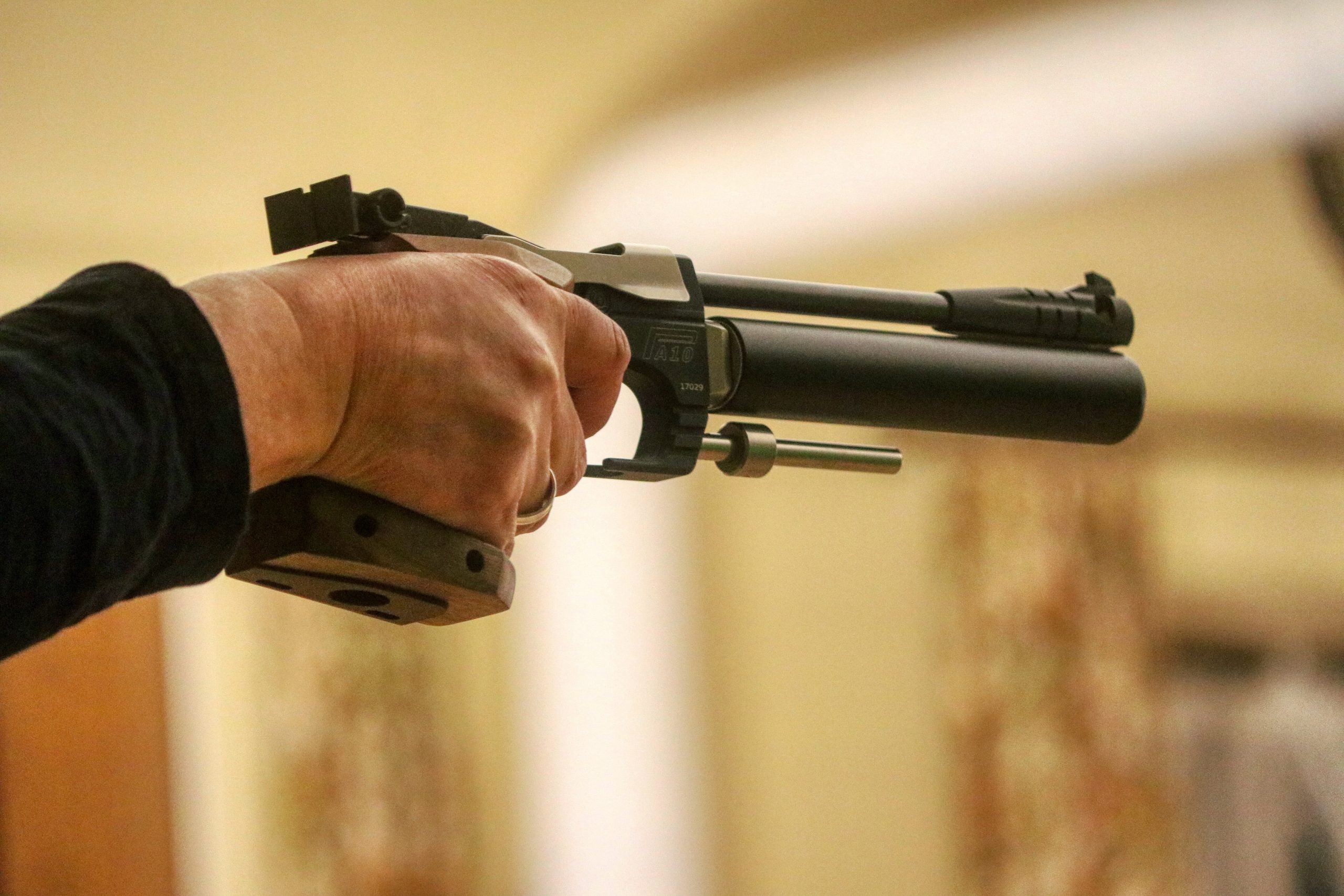
A major part of the STI 2011’s personality came from its 5-inch competition format. STI catalog examples used fully supported, ramped bull barrels, while tri-topped slides and carefully fitted components helped balance the pistol. One STI specification lists a 5-inch model at about 8.6 inches long and roughly 38 ounces empty. That combination was not designed for effortless concealment. It was aimed at steady tracking, fast follow-up shots, and predictable handling on a competition stage.
5. Its Modular Frame Was the Big Innovation
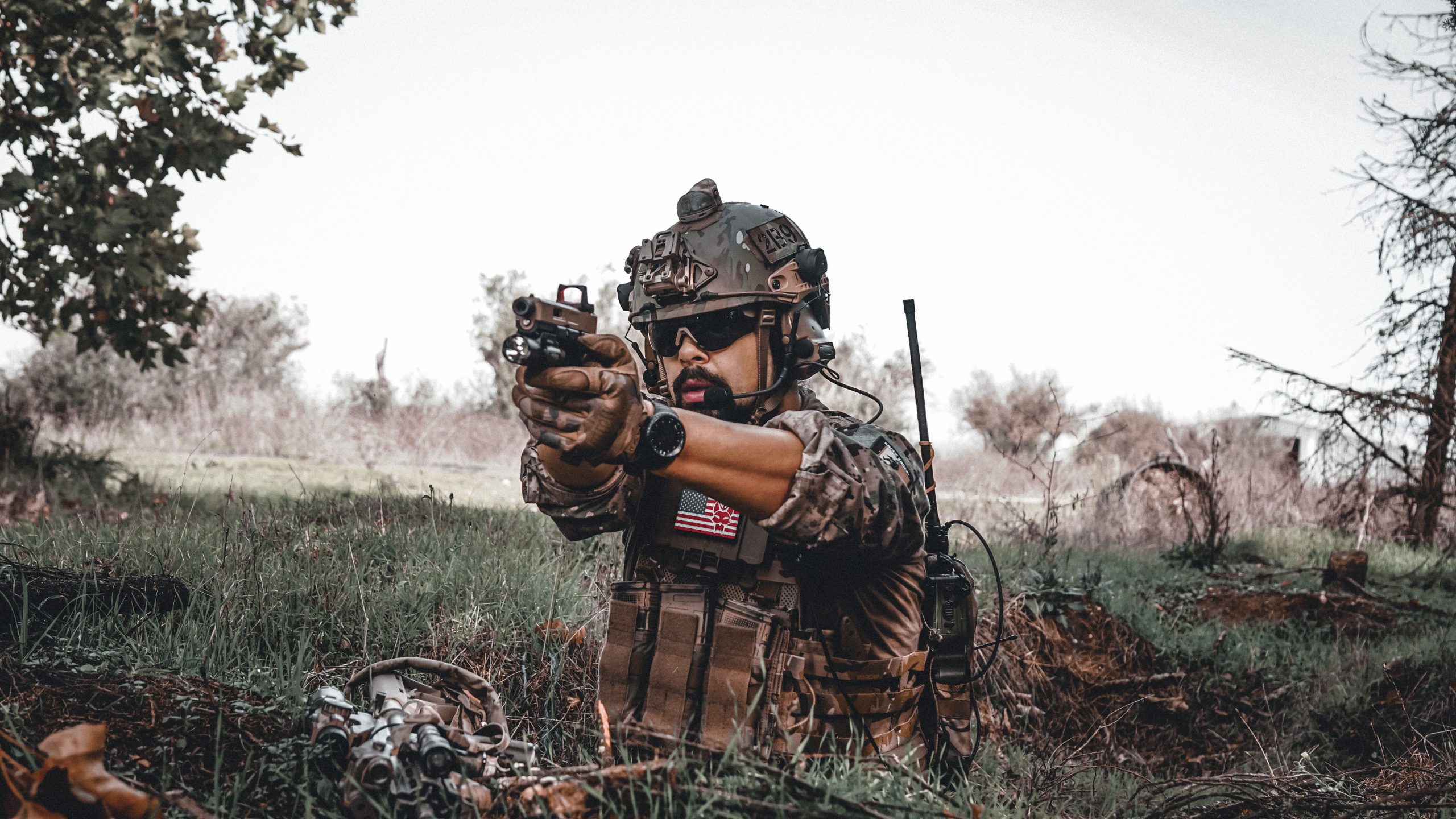
The modular frame was the 2011’s defining engineering trick. Instead of making the grip section permanently part of one large frame, STI used a steel upper frame with a separate grip module. That arrangement allowed the grip shape, texture, and other dimensions to be changed without redesigning the entire pistol. It also helped distinguish a genuine 2011-style architecture from ordinary double-stack 1911s. For competitors, the result was a platform that could be tailored to different hands and shooting preferences.
6. Competition Was Its Natural Habitat
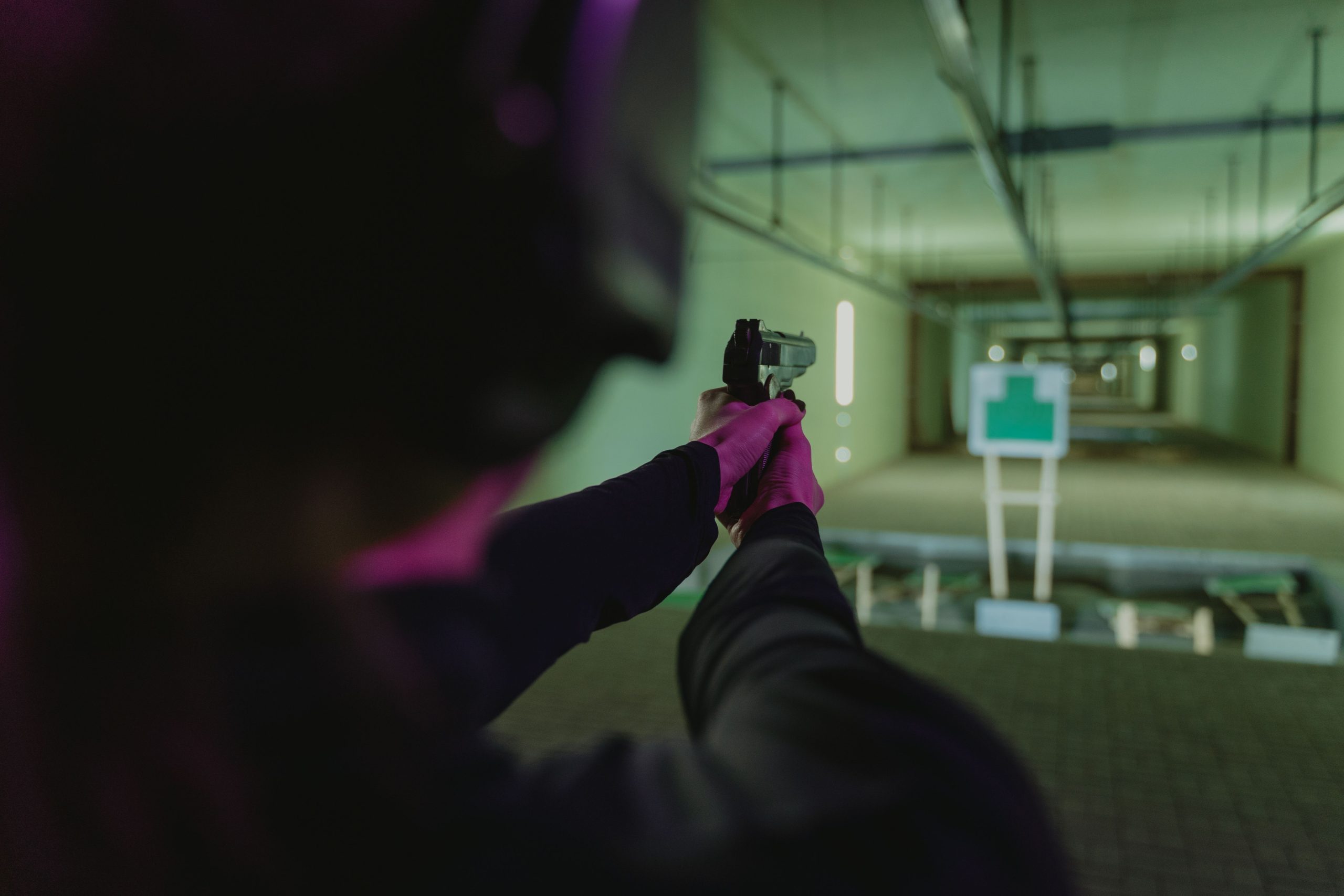
STI did not design the 2011 merely to look impressive on a bench. Its roots were in practical shooting, especially IPSC and USPSA competitions, where speed, accuracy, capacity, and controllability all matter at once. Models such as the Eagle and Edge became familiar names in that environment, while custom builders also used STI components as foundations for specialized race guns. This competition-first identity shaped the platform for decades before the design gained wider attention beyond the match world.
7. It Was Offered in Multiple Calibers
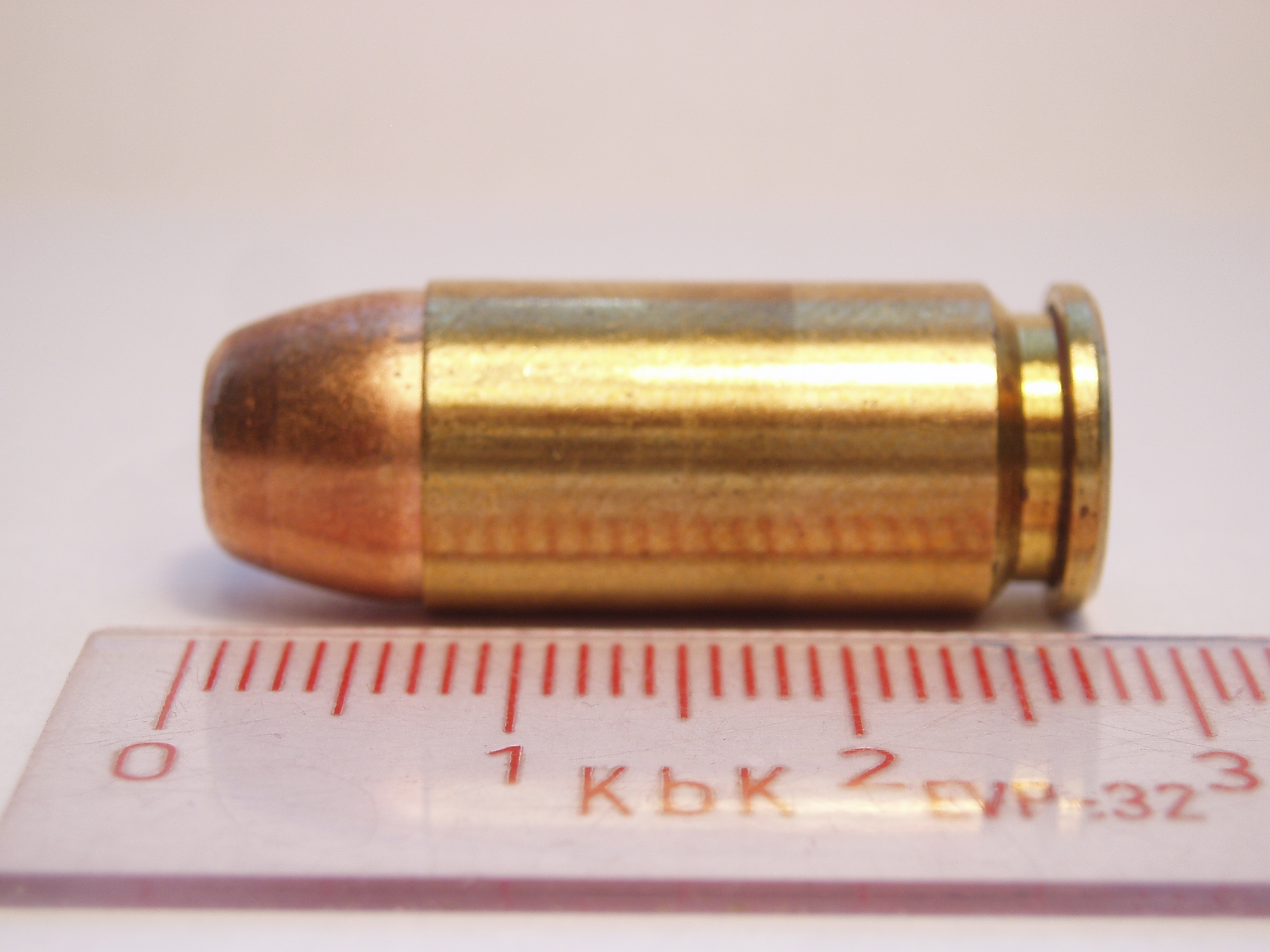
The 2011 platform also stood out because STI offered different chamberings and configurations rather than locking the design to one cartridge. STI specifications listed 9mm, .40 S&W, .45 ACP, and .38 Super among the available choices across its range. Barrel lengths, magazine capacities, finishes, sights, and competition features could also change from one model to another. That flexibility helped the platform serve different rule sets and shooter preferences while preserving its core modular architecture.
8. Its Accuracy Was a Complete-System Effort Overall
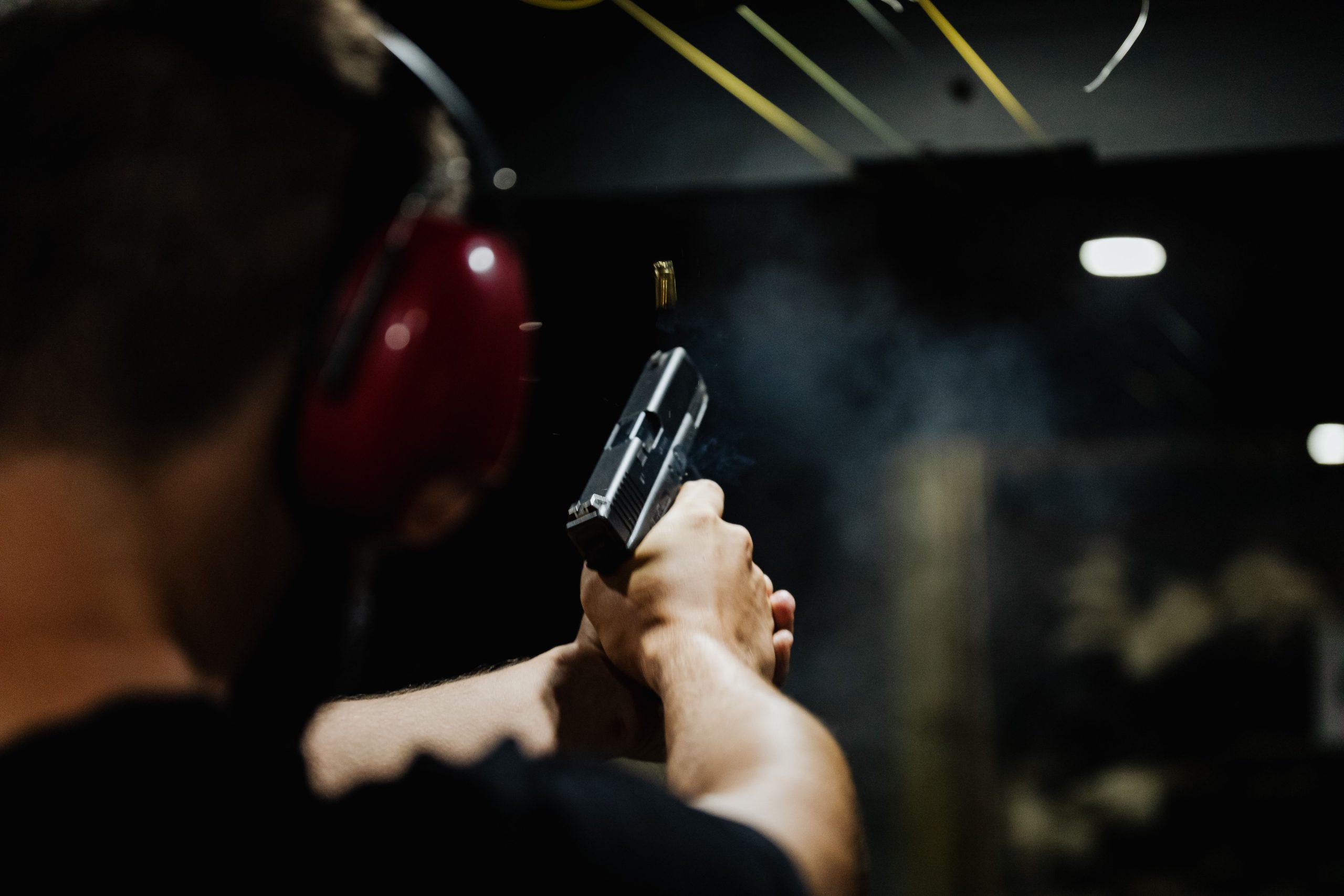
Accuracy was another major part of the STI formula, but it came from an overall system rather than one magical component. Competition models combined fitted slides, supported barrels, adjustable or fiber-optic sights, rigid frames, and carefully tuned triggers. Some STI examples used 5-inch bull barrels and sight systems specifically suited to fast target acquisition. The goal was not simply tiny groups from a bench, but repeatable hits while the shooter moved quickly between targets.
9. Its Legacy Outlived the STI Name
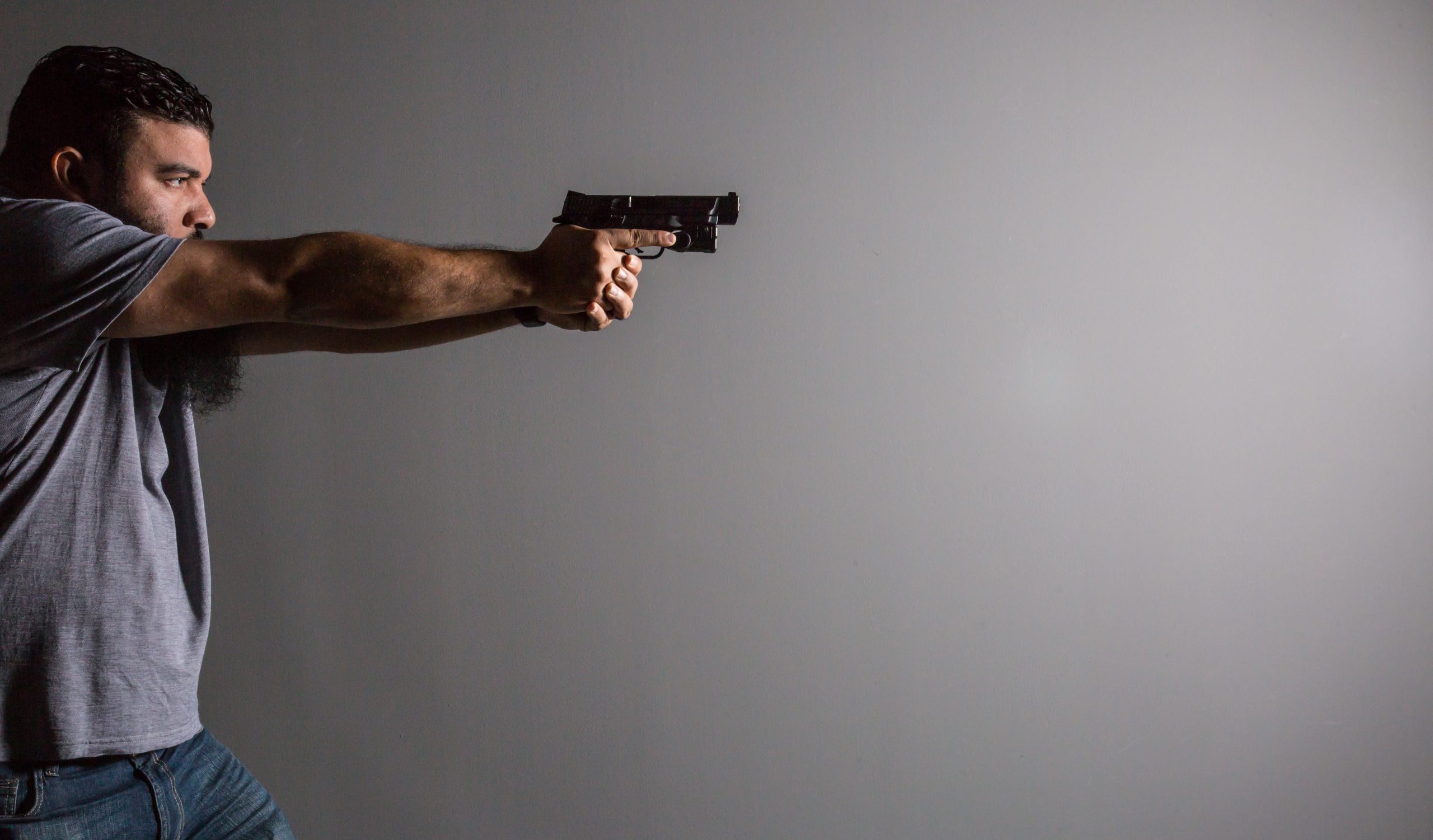
STI’s 2011 ultimately became influential because it changed what shooters expected from a competition pistol. The platform kept recognizable 1911 traits, then added modular construction, double-stack capacity, and a broad ecosystem of competition-focused configurations. Its success in practical shooting gave the design credibility long before the 2011 name became common in duty and defensive-pistol conversations. STI later became Staccato in 2020, but the basic concept remained recognizable.