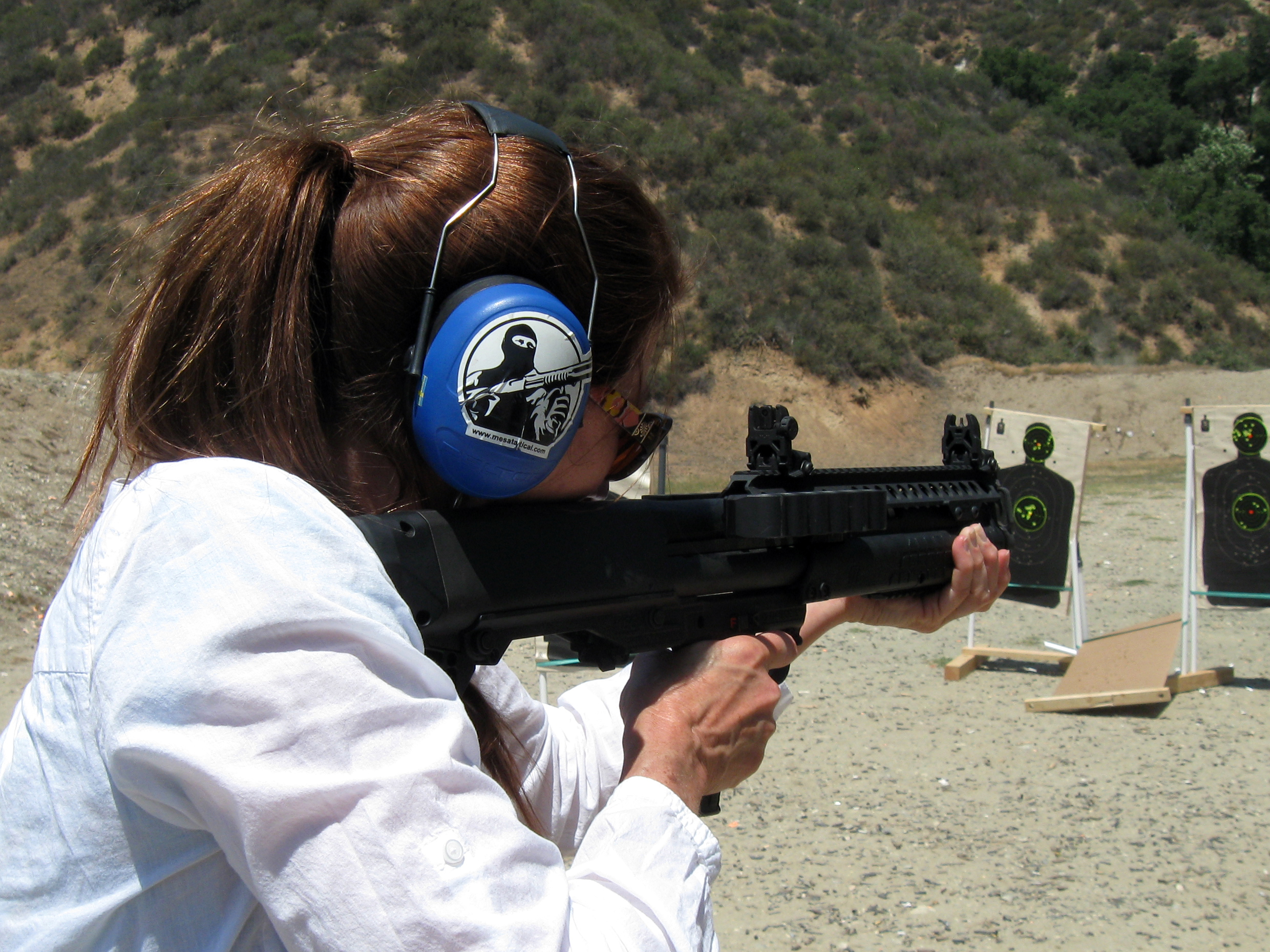
The Kel-Tec KSG became one of the most unusual pump-action shotguns of the modern era by challenging several familiar design assumptions at once. Instead of relying on a single magazine tube, it uses two, while its bullpup layout keeps the overall package remarkably short. The result is a 12-gauge that combines substantial onboard capacity with an 18.5-inch barrel and a 26.1-inch overall length. Its unusual appearance is only part of the story; the real fascination lies in how Kel-Tec packed so much capability into such a compact design.
1. Two Magazine Tubes Changed the Formula
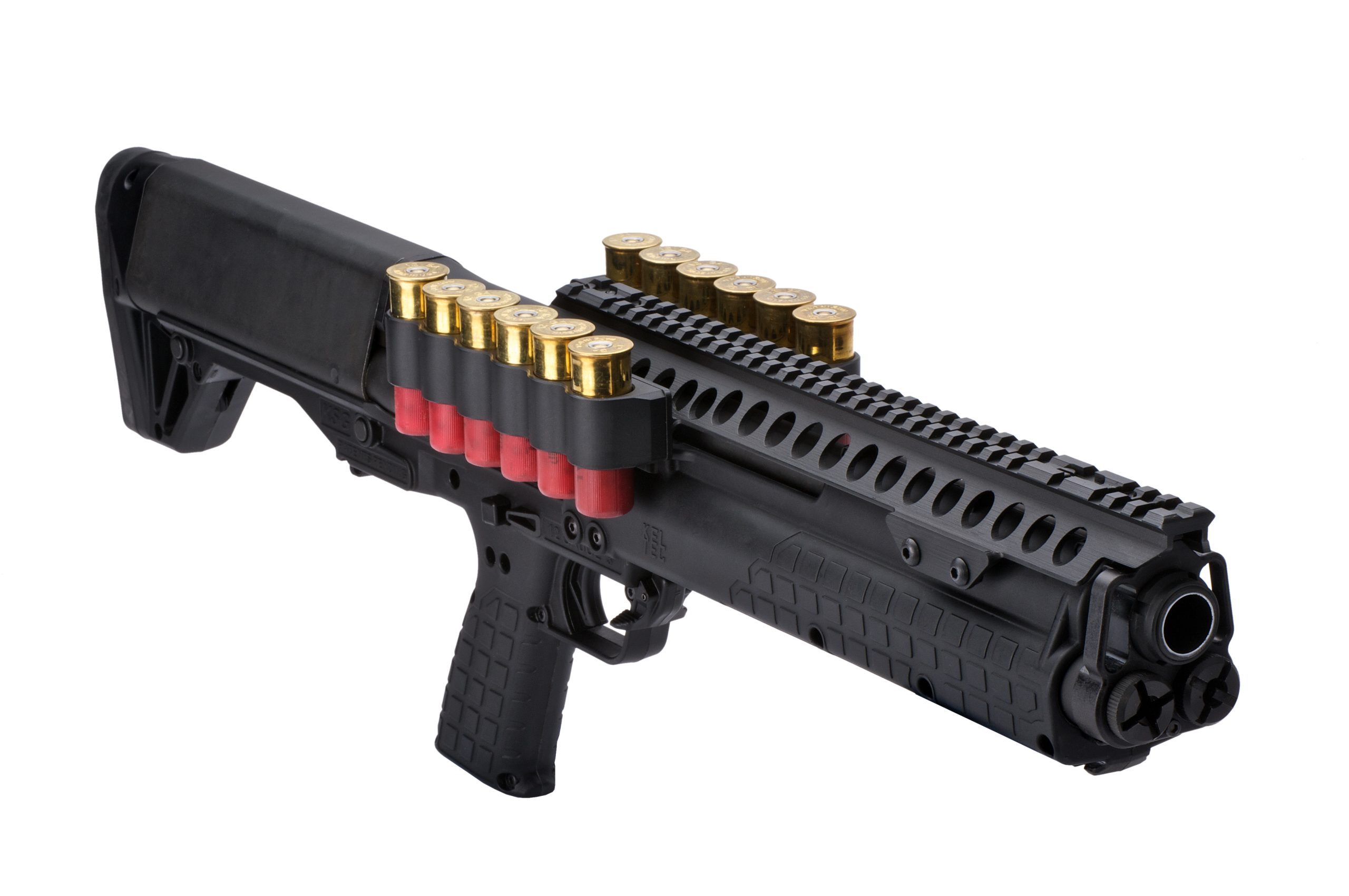
The KSG’s defining idea is surprisingly simple: instead of placing all ammunition in one tubular magazine, Kel-Tec arranged two tubes beneath the barrel. Each tube accepts 6 rounds of 3-inch ammunition, with an additional chambered round, producing a rated capacity of 13. With shorter 2¾-inch shells, each tube can hold 7, giving a total of 15 including the chamber. That arrangement effectively doubles the magazine-tube capacity compared with many conventional pump designs. The important point is that the KSG achieves this without making the shotgun exceptionally long.
2. The Bullpup Layout Keeps It Surprisingly Short
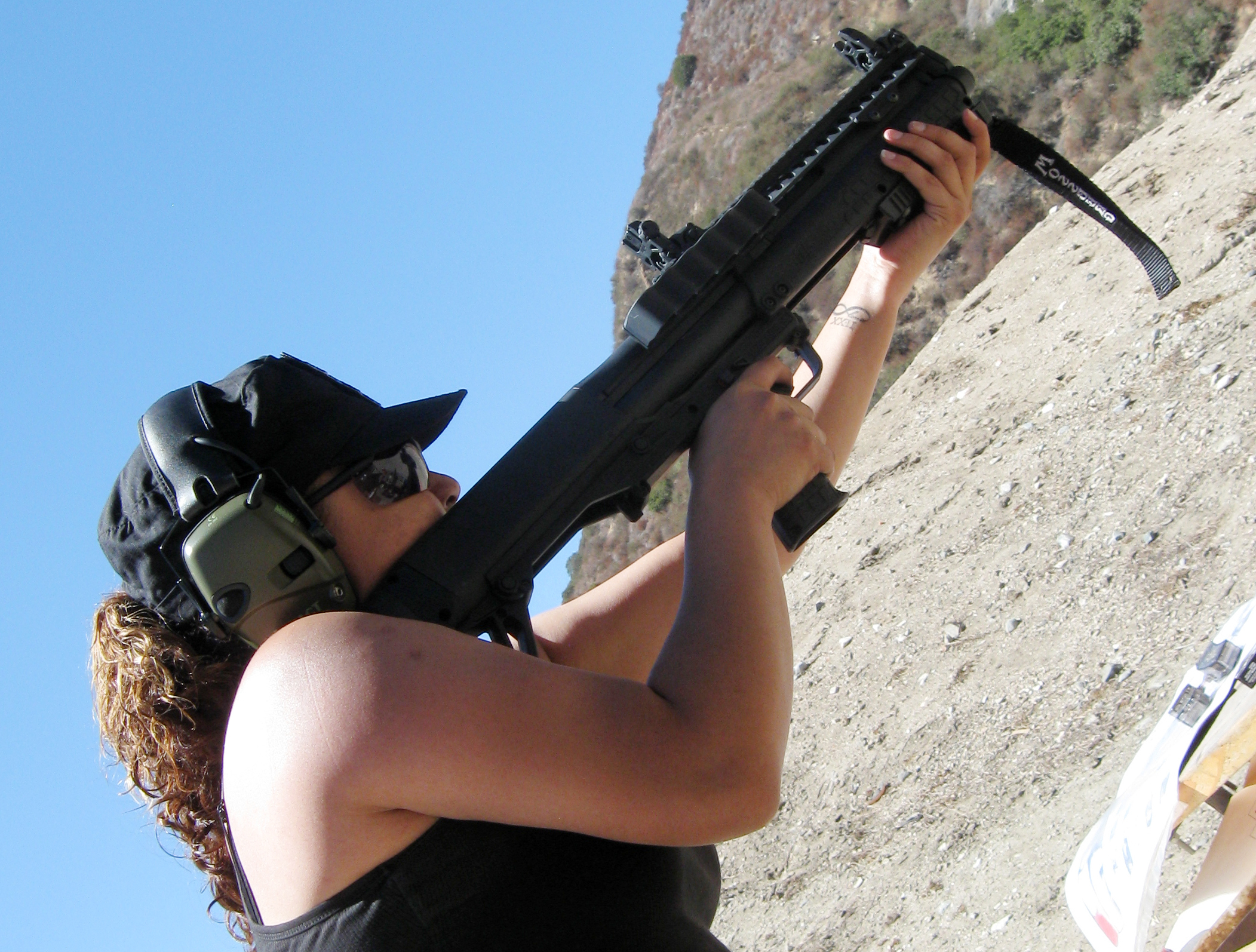
Capacity would mean less if the shotgun became unwieldy, so the KSG uses a bullpup configuration that places its action behind the trigger. That arrangement allows an 18.5-inch barrel to fit inside a package measuring only 26.1 inches overall. The official unloaded weight is approximately 6.9 pounds, while the length of pull is listed at 13 inches. Those figures explain why the KSG attracted attention: it combines a full-length barrel with dimensions more commonly associated with much shorter platforms. The compact proportions are therefore central to the KSG concept, not merely a cosmetic feature.
3. The Selector Gives the Two Tubes a Purpose
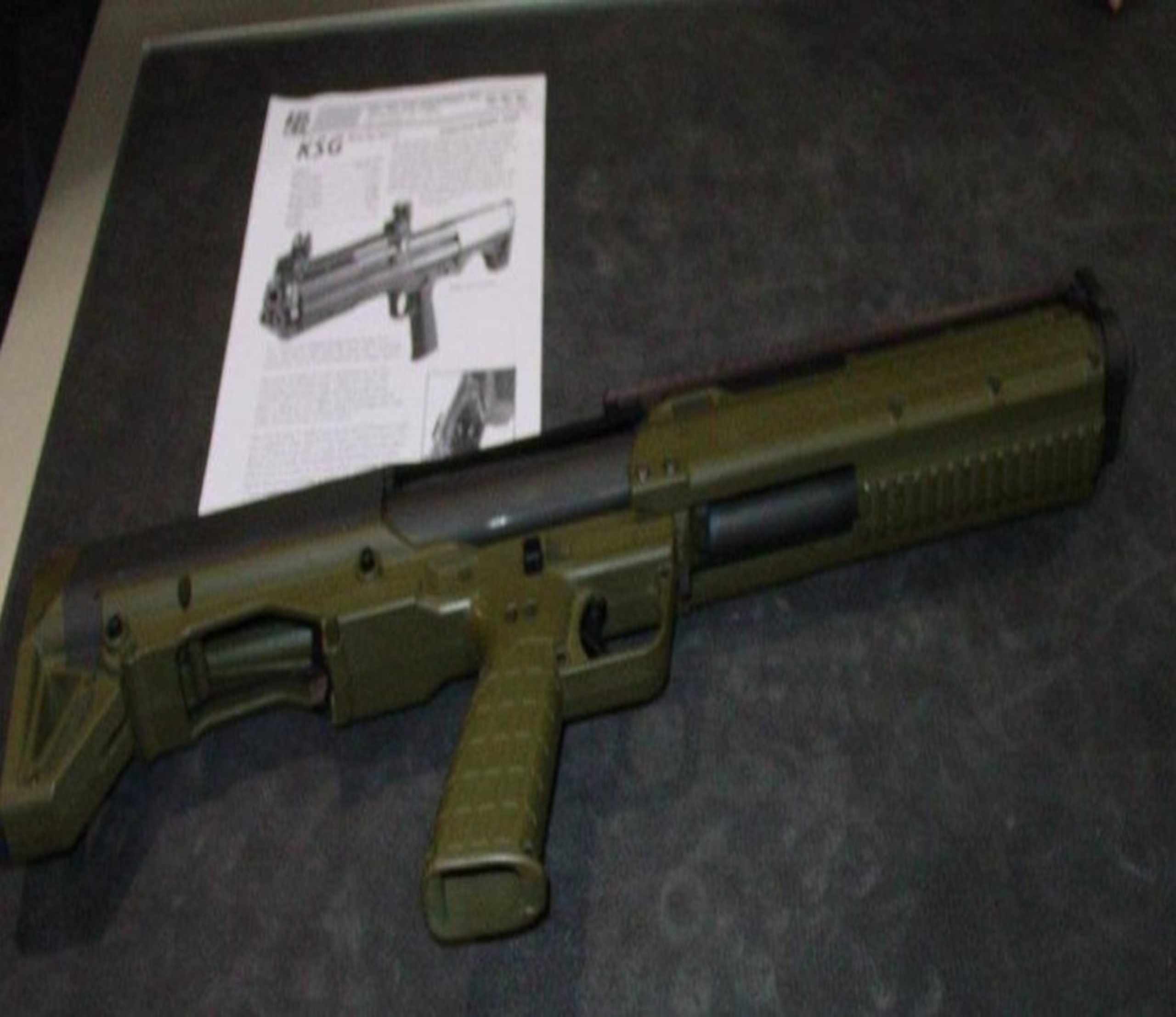
Having two magazine tubes would be little more than a novelty without a way to manage them, and the KSG incorporates a magazine selector for that reason. The selector determines which tube feeds the action, allowing the two ammunition reservoirs to function independently rather than behaving like one oversized magazine. Kel-Tec describes the design as a dual-magazine, select-feed pump shotgun. That arrangement is one of the KSG’s most distinctive engineering features because it adds flexibility while preserving the compact bullpup format. It also gives the shotgun a character unlike ordinary single-tube pump-action designs.
4. It Still Uses a Familiar Pump-Action System
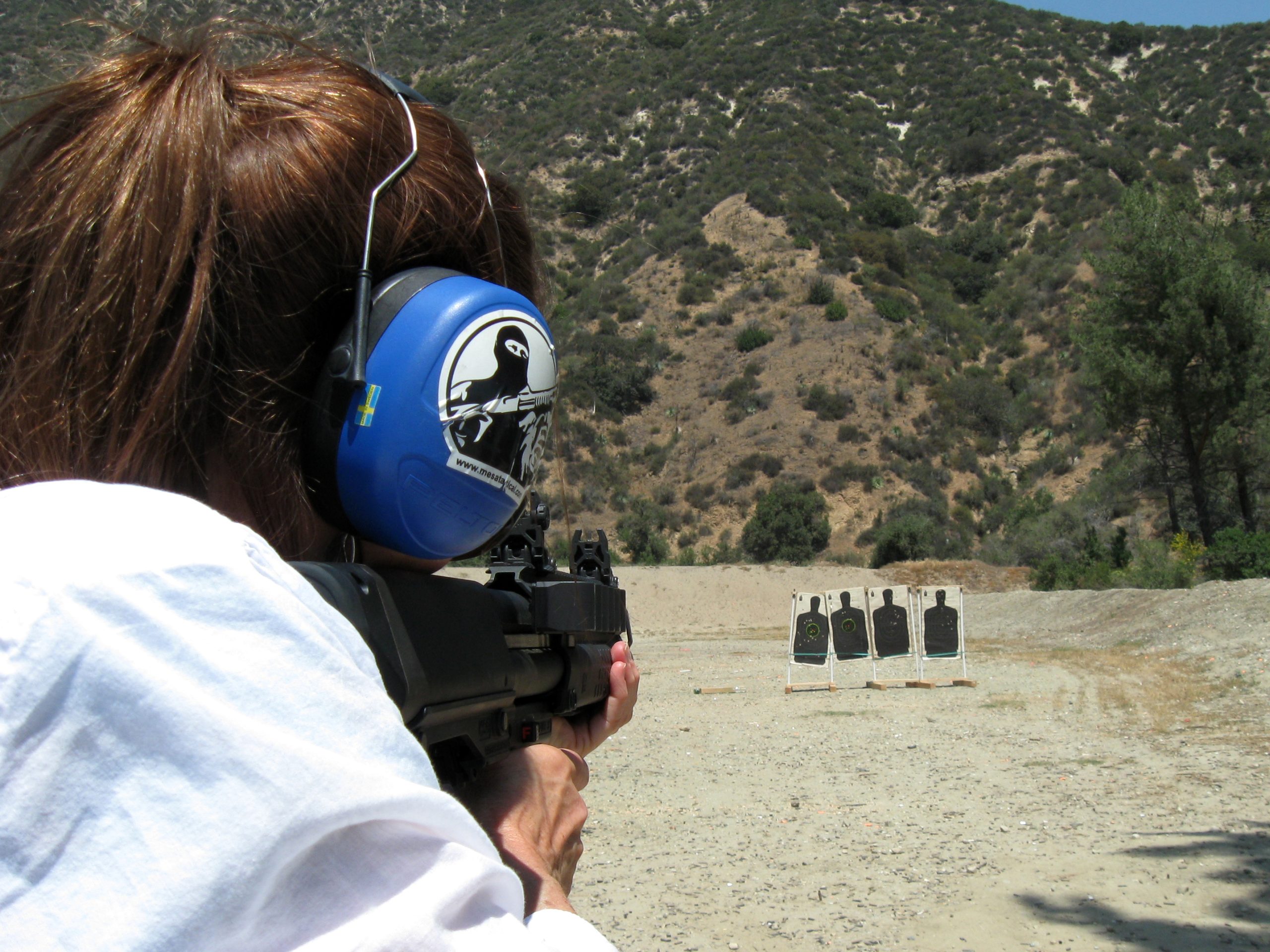
Despite its futuristic appearance, the KSG is fundamentally a pump-action shotgun. That matters because the operating concept remains familiar even though the surrounding architecture is unconventional. The standard model uses a 12-gauge, 3-inch chamber and an 18.5-inch barrel, according to Kel-Tec’s specifications. Its unusual magazine arrangement does not turn it into a semiautomatic firearm; the KSG remains manually operated. This combination of a traditional action with an unconventional feeding system is part of what made the design so interesting. Kel-Tec essentially rearranged familiar shotgun components around a very different internal layout.
5. The Numbers Make Its Size Stand Out

The KSG’s specifications become particularly interesting when viewed together rather than separately. It measures 26.1 inches in total length, uses an 18.5-inch barrel, stands about 8 inches tall, and weighs 6.9 pounds unloaded. Its width is approximately 2.2 inches. Those numbers show how much engineering went into keeping the platform compact while accommodating two magazine tubes. A conventional shotgun can have similar barrel dimensions while occupying considerably more overall length. The KSG’s unusual proportions therefore come directly from its bullpup architecture and integrated dual-tube arrangement, which are the heart of its distinctive physical profile.
6. Shell Length Directly Changes the Capacity

One detail often lost in discussions about the KSG is that its capacity depends on ammunition length. With 3-inch shells, Kel-Tec lists 6 rounds in each magazine tube plus 1 in the chamber, for 13 total. With 2¾-inch shells, the capacity increases to 7 rounds per tube plus 1, producing 15. That two-round difference demonstrates how much the dimensions of individual shells matter inside a tubular magazine. So describing the KSG simply as a “15-round shotgun” can be misleading without specifying ammunition length. The manufacturer’s figures make that distinction especially important when discussing the design accurately.
7. Downward Ejection Adds to Its Unusual Layout
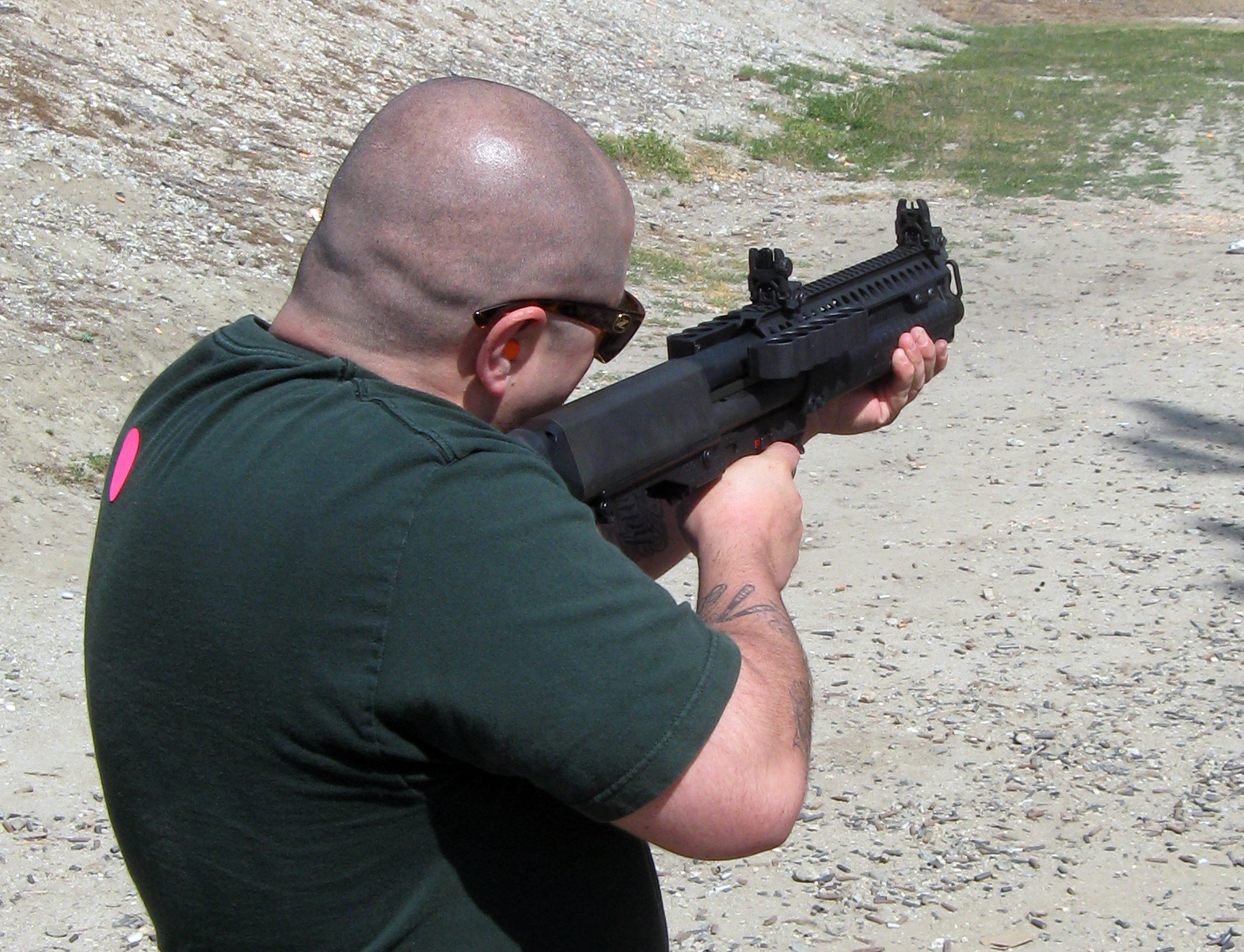
The KSG also departs from conventional shotgun architecture through its downward ejection system. Spent shells exit through a loading and ejection port positioned underneath the firearm rather than through a conventional side opening. Kel-Tec designed this arrangement to support ambidextrous operation, since there is no fixed side ejection pattern favoring one shoulder. The manufacturer also describes the KSG as completely ambidextrous. This feature fits neatly with the bullpup concept because the action, magazines, and ejection system are all organized around the central portion of the shotgun rather than being built around a conventional side-ejecting layout.
8. Its Compact Package Still Carries a Full-Length Barrel

A major reason the KSG attracted so much attention is the relationship between its barrel and overall dimensions. The standard model has an 18.5-inch barrel but measures only 26.1 inches from end to end. That leaves just 7.6 inches of difference between barrel length and total firearm length, illustrating how efficiently the bullpup configuration uses available space. The KSG therefore does not achieve its compact dimensions simply by using an unusually short barrel. Instead, much of the barrel sits within a layout where the action and ammunition storage are positioned behind the trigger. That is the engineering trick behind its distinctive proportions.