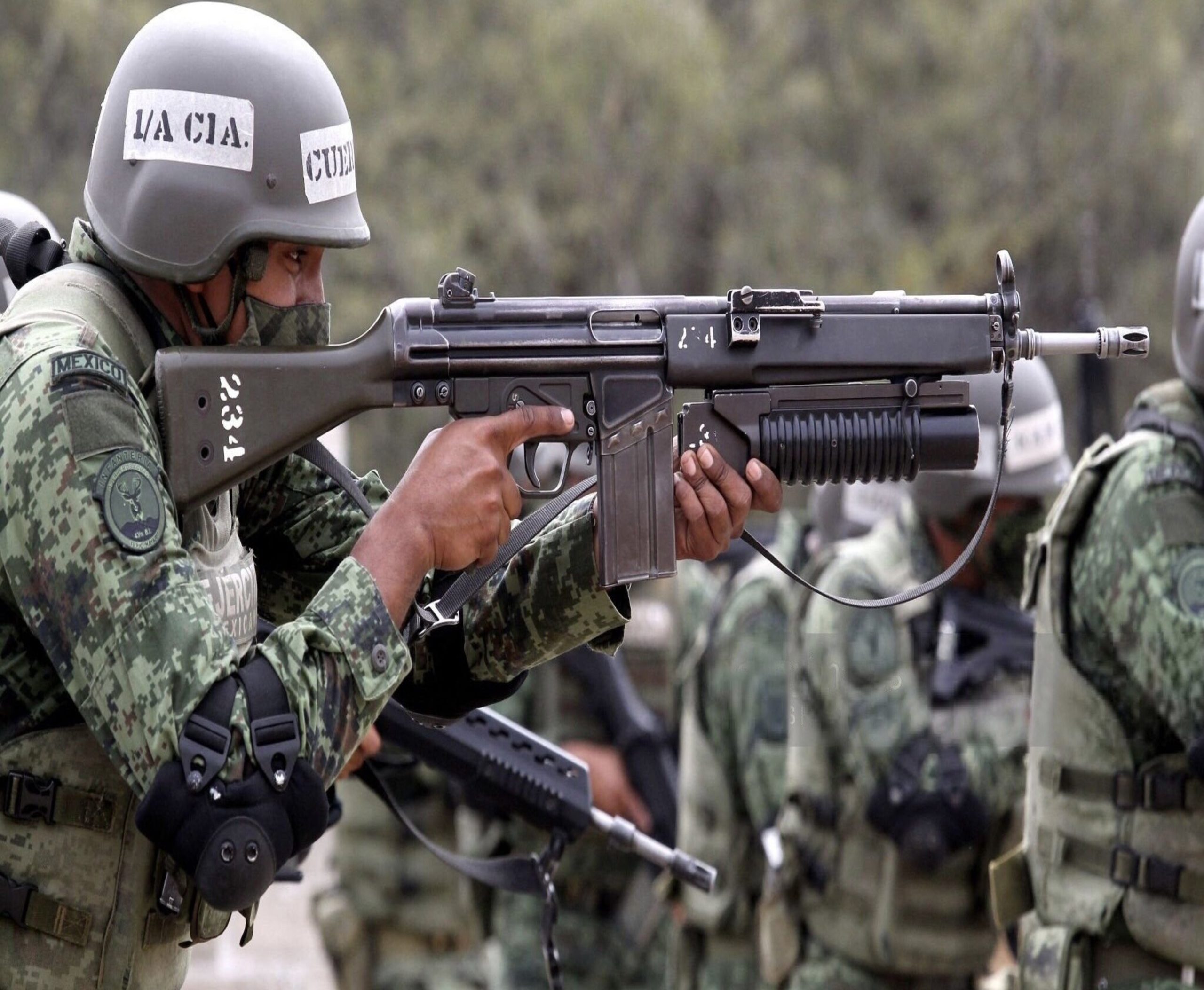
The HK G3 became one of the defining battle rifles of the Cold War, giving West Germany a powerful 7.62mm NATO service weapon at a time when NATO armies were standardizing around a common cartridge. Its unusual roller-delayed mechanism, stamped-steel construction, long service life, and enormous international reach made it far more than another military rifle. From its Spanish-German origins to decades of worldwide use, the G3 represented a very different answer to the same postwar infantry problem that produced the AK-47.
1. It Was Born From a Spanish-German Partnership
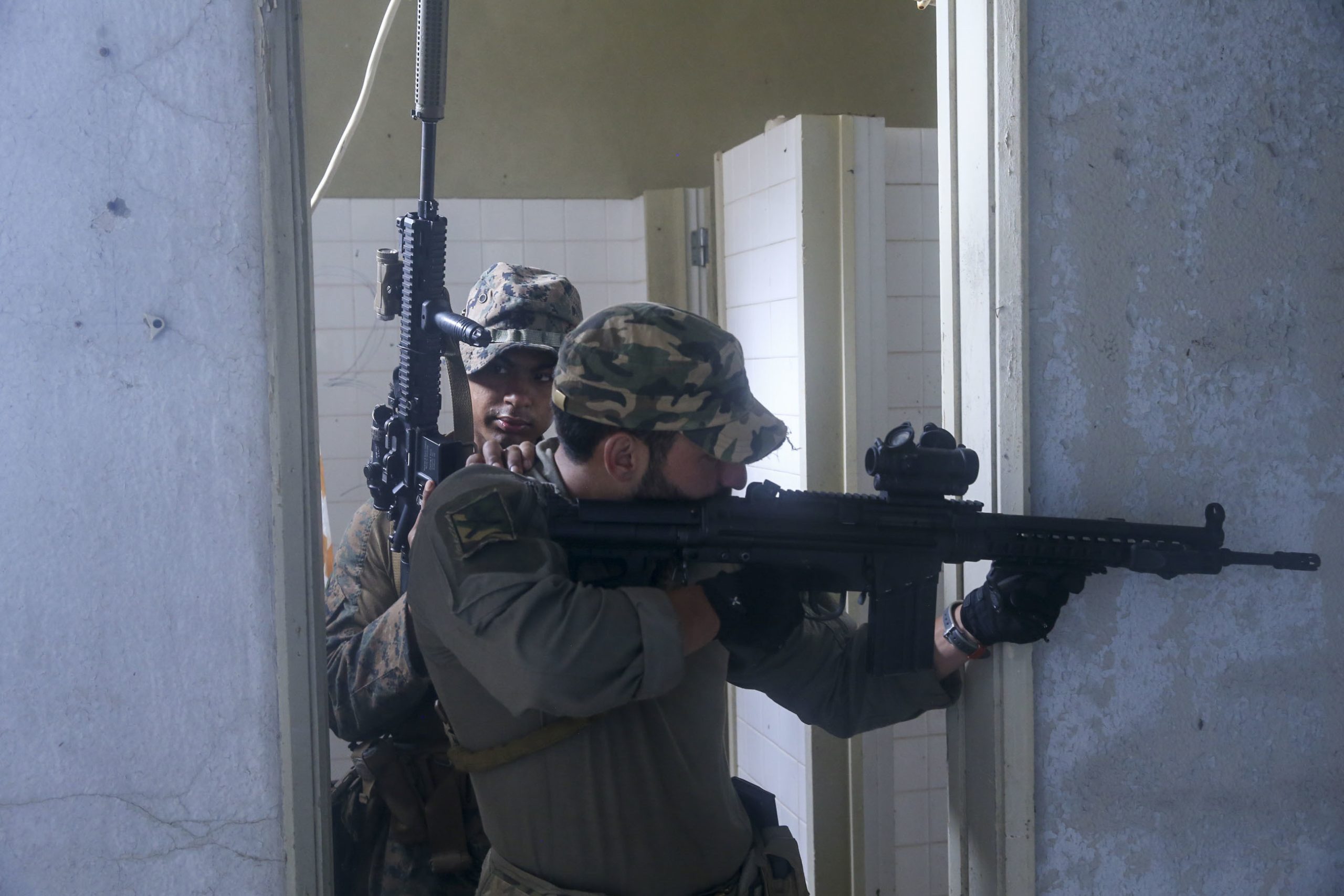
The G3 was not created from a blank sheet in West Germany. Its design grew from the Spanish CETME rifle program, whose engineers had developed a roller-delayed action with roots in late-war German research. Heckler & Koch refined that concept for the German military and adapted it to the full-power 7.62×51mm NATO cartridge. In 1959, the Bundeswehr adopted the G3 as its standard service rifle. That origin story matters because it explains why the rifle combined German engineering with a design lineage shaped across two countries. It was therefore a product of postwar European cooperation as much as a national German project. Its development reflects the broader NATO rearmament era.
2. NATO’s 7.62×51mm Round Defined Its Character
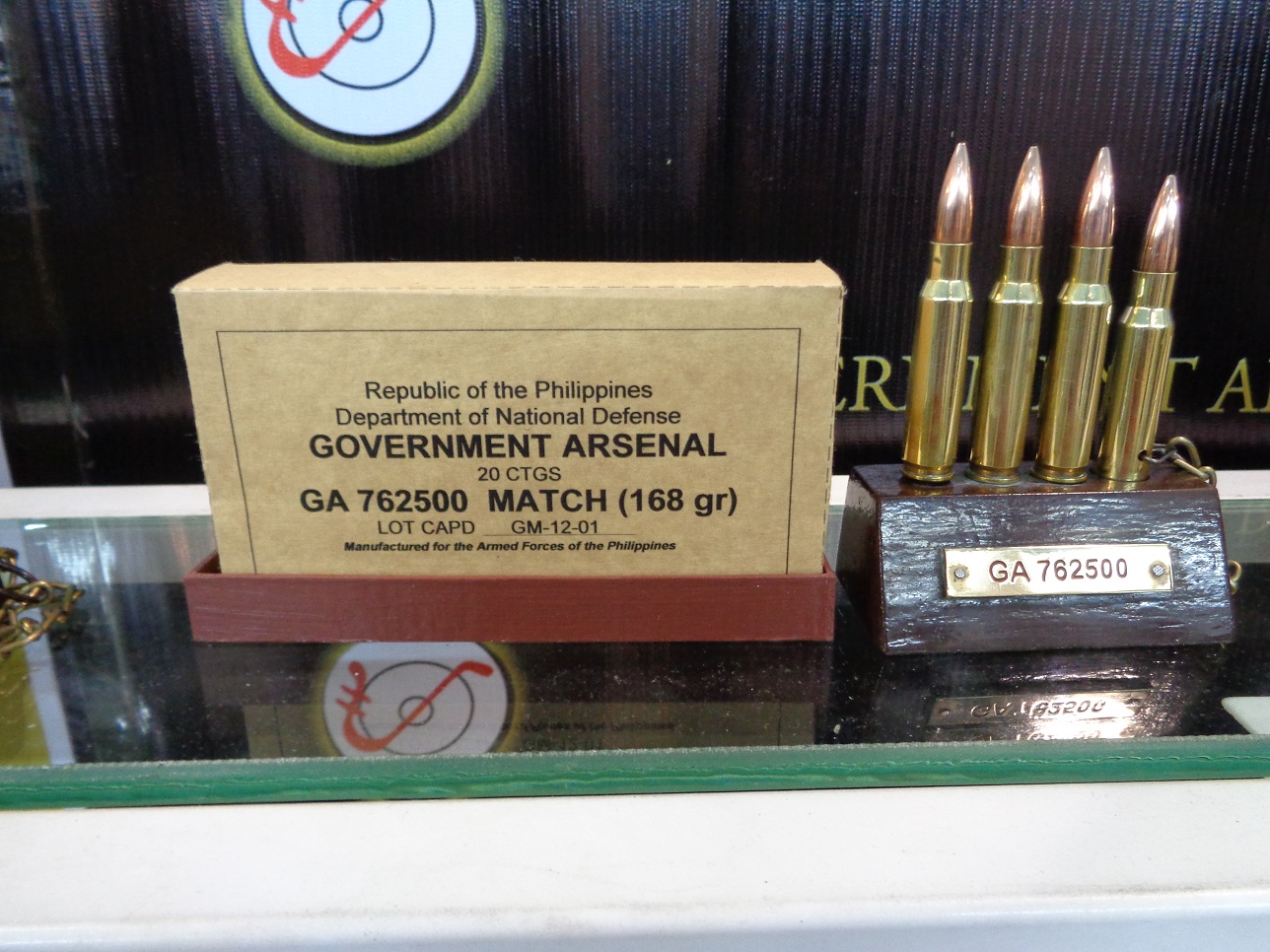
The G3 was built around 7.62×51mm NATO, a full-power rifle cartridge that gave infantry substantial reach and energy compared with later 5.56mm service rounds. Its standard magazine held 20 cartridges, while the rifle’s sights were commonly arranged around useful engagement distances out to about 400 meters. A typical G3A3 measured roughly 1,024mm long, with a 488mm barrel, and weighed about 4.58kg unloaded. Those numbers made it powerful and durable, but also heavier and less handy than the lighter assault rifles that followed. The cartridge choice also placed the G3 firmly in the battle-rifle category, rather than the lighter assault-rifle class that later became dominant.
3. Roller Delay Was Its Signature Engineering Trick
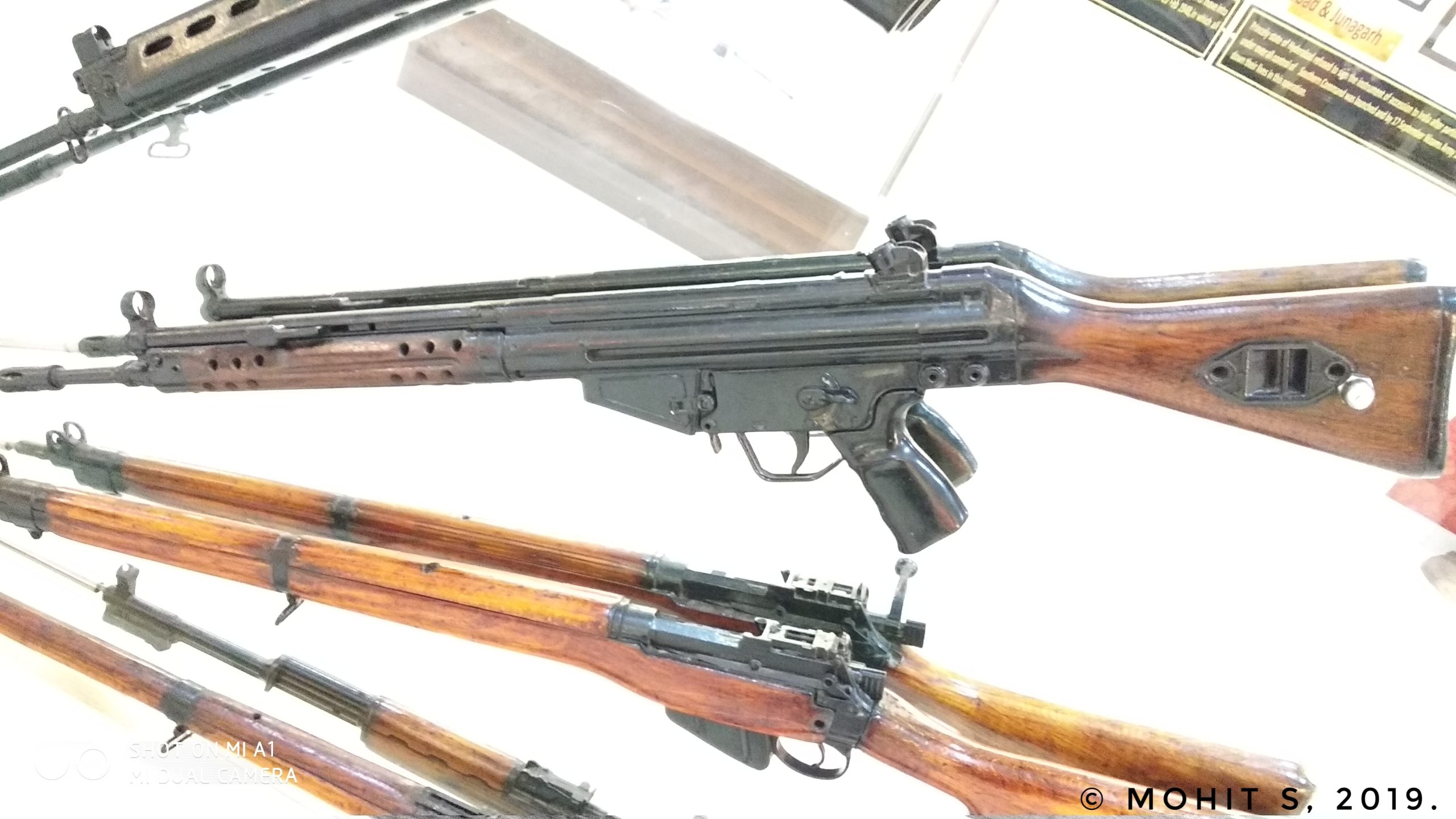
Instead of using a conventional gas piston system, the G3 used roller-delayed blowback. Two rollers helped keep the bolt assembly from opening too quickly after firing, allowing pressure to fall before the action moved fully rearward. The system was mechanically distinctive and became closely associated with Heckler & Koch. Its cleverness was not simply about fewer parts; it reflected an effort to produce a reliable military rifle using a manufacturing approach suited to stamped steel construction. The result was a design that looked unusual but proved remarkably influential. For soldiers and armorers, that unusual mechanism became one of the rifle’s most recognizable technical features.
4. Stamped Steel Helped Make It Practical to Produce

A major part of the G3 story is its manufacturing philosophy. Much of the rifle was built from stamped steel rather than relying on extensive machining, helping reduce production complexity for a weapon intended for large military inventories. The receiver, in particular, became one of its visual signatures, with a clean pressed-steel appearance rather than the heavy machined construction seen on some contemporary rifles. That approach supported large-scale production and licensing. It also helped the G3 become a platform that many countries could manufacture domestically under license. It suited a country rebuilding industrial capacity while preparing to equip a large Cold War force.
5. West Germany Wanted More Than a Wartime Relic
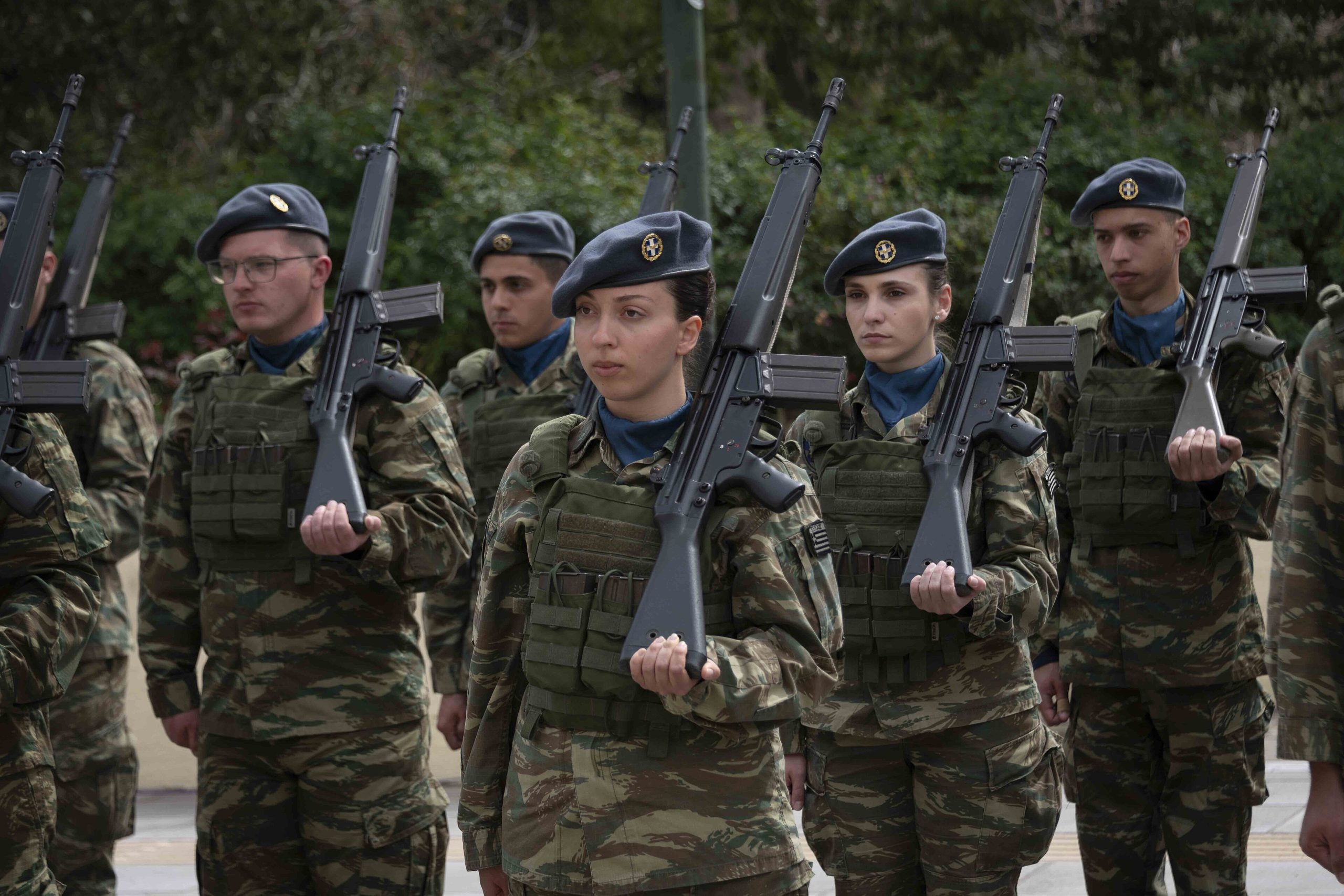
For the newly established West German armed forces, adopting the G3 was about rebuilding a modern military identity rather than simply reviving older German designs. The rifle entered Bundeswehr service in 1959 and remained the standard infantry weapon for decades. It was eventually replaced by the 5.56mm G36 in 1997, giving the G3 roughly 38 years as West Germany’s and later Germany’s principal service rifle. That long career shows how successfully the platform matched Cold War expectations for a robust, full-power infantry weapon. In other words, the G3 was not a temporary stopgap; it became a mature standard weapon with a remarkably long institutional life.
6. Its Firepower Came With Noticeable Weight
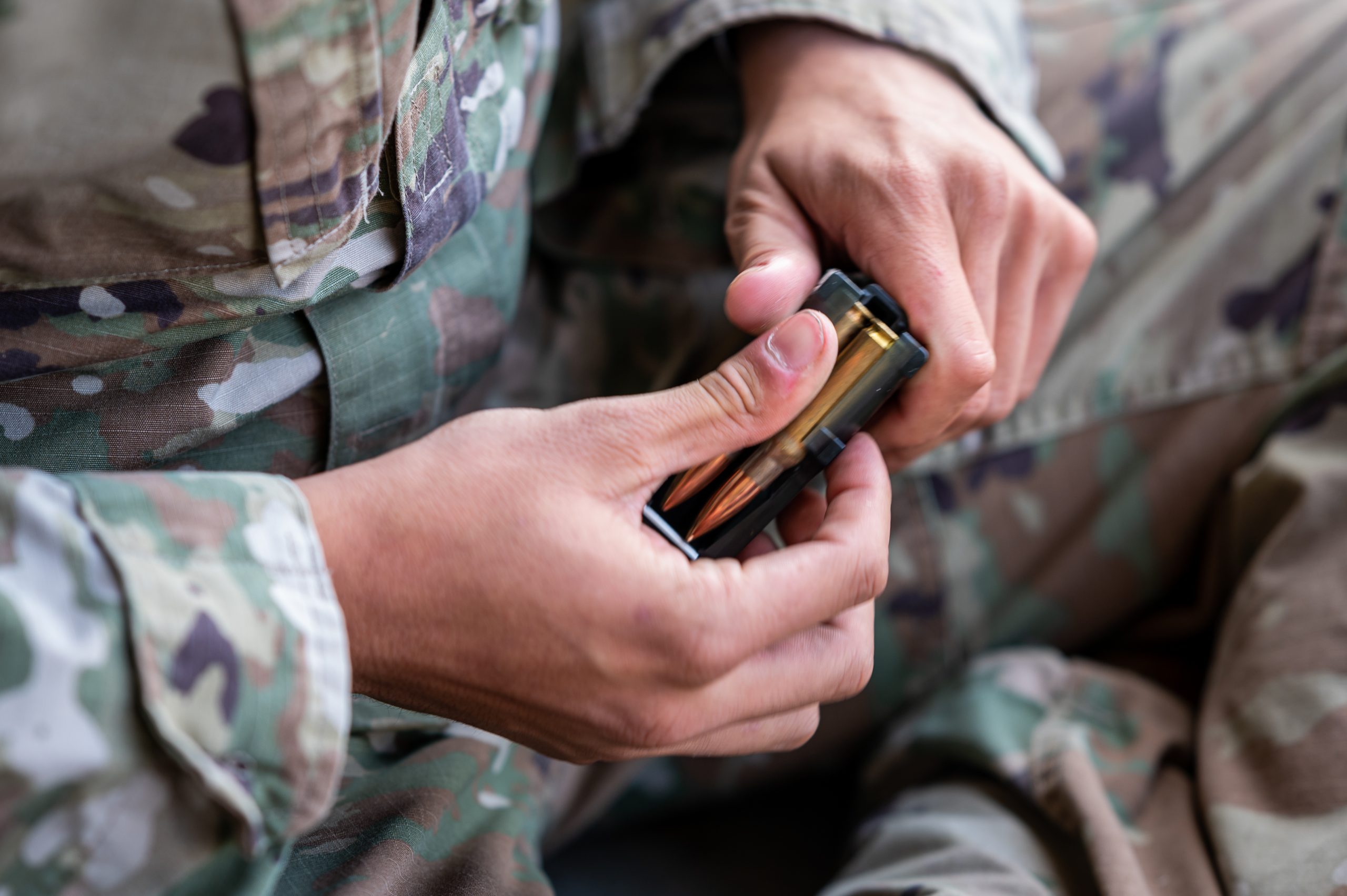
The G3 offered selective fire, with published specifications commonly giving a cyclic rate around 500–600 rounds per minute. Its 7.62mm cartridge provided strong ballistic performance, but the trade-off was substantial recoil and a rifle weight of roughly 4.5kg before ammunition. A loaded 20-round magazine added still more mass. These figures explain the G3’s personality: it was not designed to feel like a lightweight carbine. It was a battle rifle built around a powerful cartridge, and its handling reflected that choice in every dimension. In practical terms, the rifle emphasized range and cartridge power over the light, fast-handling character that later infantry weapons prioritized.
7. The Folding-Stock G3A4 Changed Its Flexibility
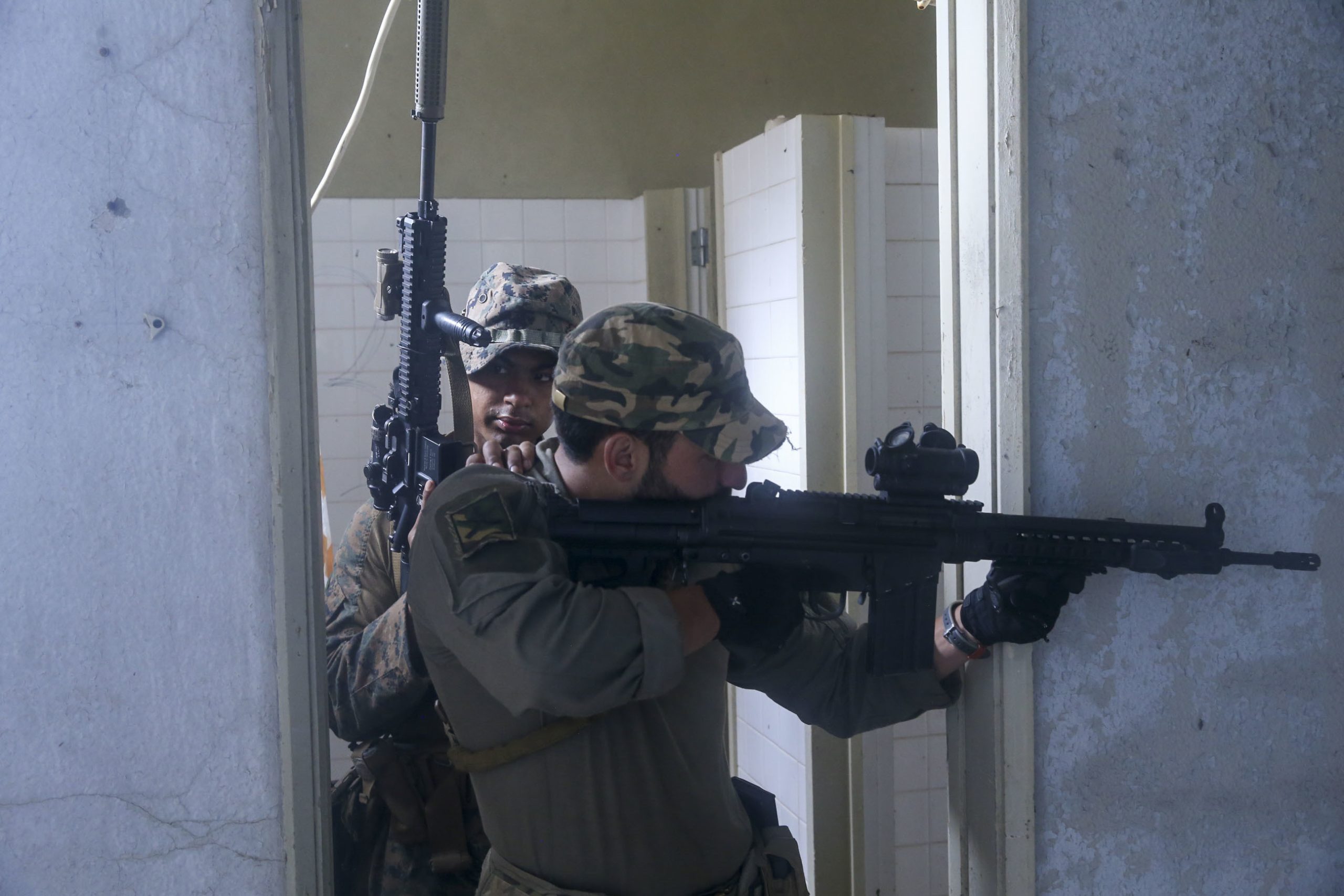
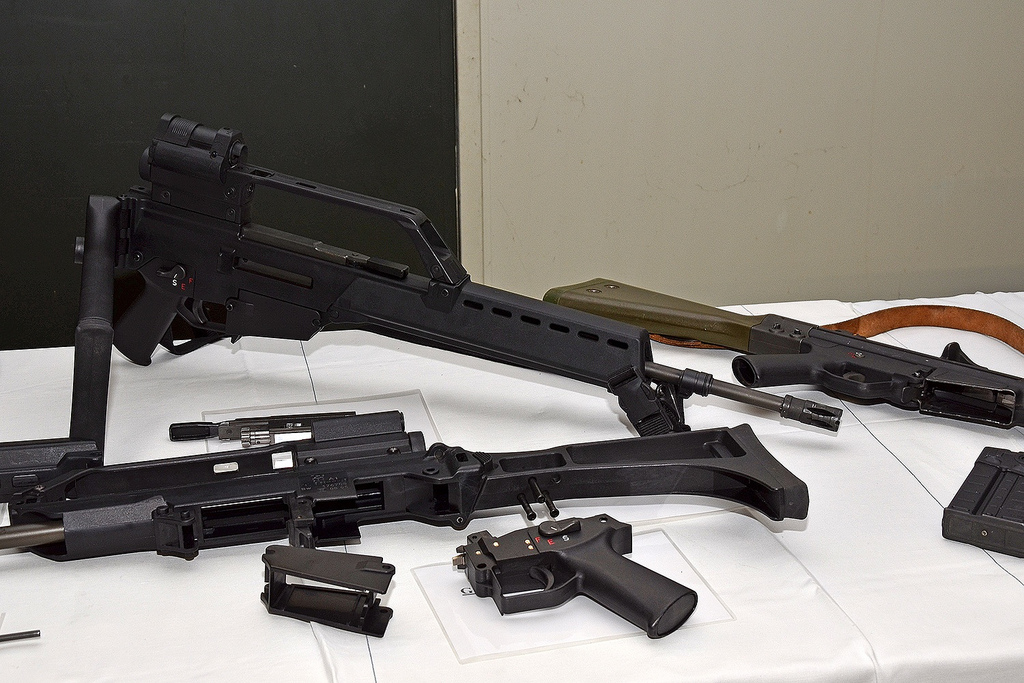
The basic G3 had a fixed shoulder stock, but the G3 family evolved into versions such as the G3A4 with a retractable stock. With the stock extended, the rifle remained about 1,020mm long; collapsed, it shortened to roughly 840mm. That difference made the design more adaptable for troops who needed a more compact package without abandoning the full-length 7.62mm cartridge. Other variants also explored shorter barrels and specialized roles. The family therefore became more than one rifle model, developing into a broad military system. That modular approach helped the G3 remain relevant even as armies demanded different configurations for changing tactical and organizational needs.
8. It Became a Global Cold War Rifle
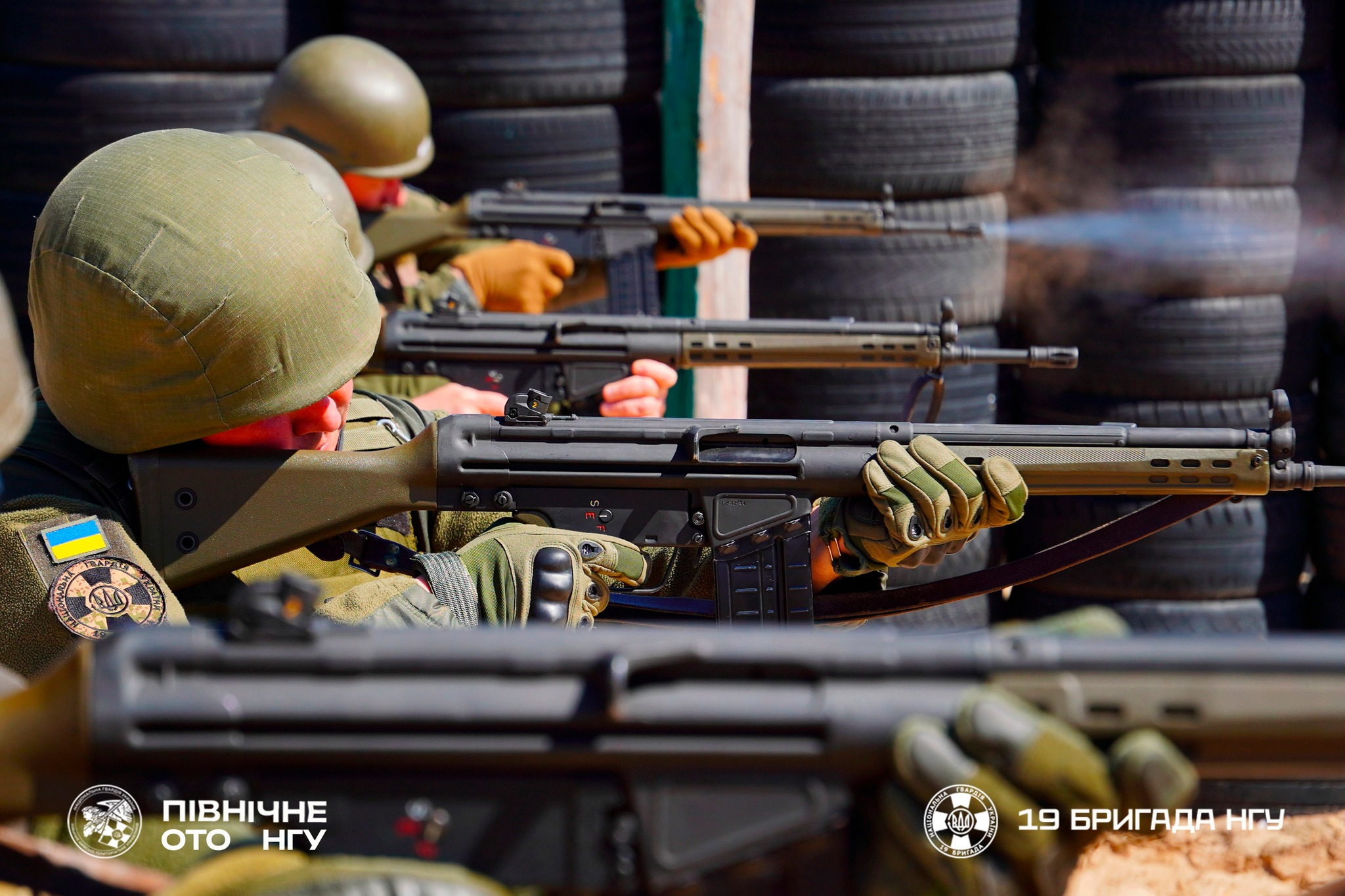
More than 70 countries have used the G3 or closely related versions, and several nations produced licensed derivatives. That international reach came from a combination of factors: NATO-standard ammunition, rugged construction, established manufacturing methods, and a design adaptable to different military requirements. Licensed production in countries such as Portugal, Greece, Turkey, and Pakistan helped spread the platform across continents. Few Cold War battle rifles achieved such a broad geographic footprint. Its spread also demonstrated that the design could be adapted to local factories, standards, and military preferences while retaining its recognizable identity. The G3 became a genuine international weapons platform rather than simply a German service rifle.
9. Its Legacy Survived the Move to Smaller Calibers
The G3 eventually lost its position as the dominant infantry rifle as armies increasingly favored lighter 5.56mm weapons. Yet its importance did not disappear. The same basic architecture supported numerous specialized variants, including designated-marksman and compact models, while the roller-delayed system became a defining feature of Heckler & Koch’s later designs. The G3 therefore represents a transitional era: it carried the full-power rifle tradition into the Cold War while introducing manufacturing and operating ideas that influenced generations of firearms. Its service life and global adoption remain the strongest measures of that legacy.