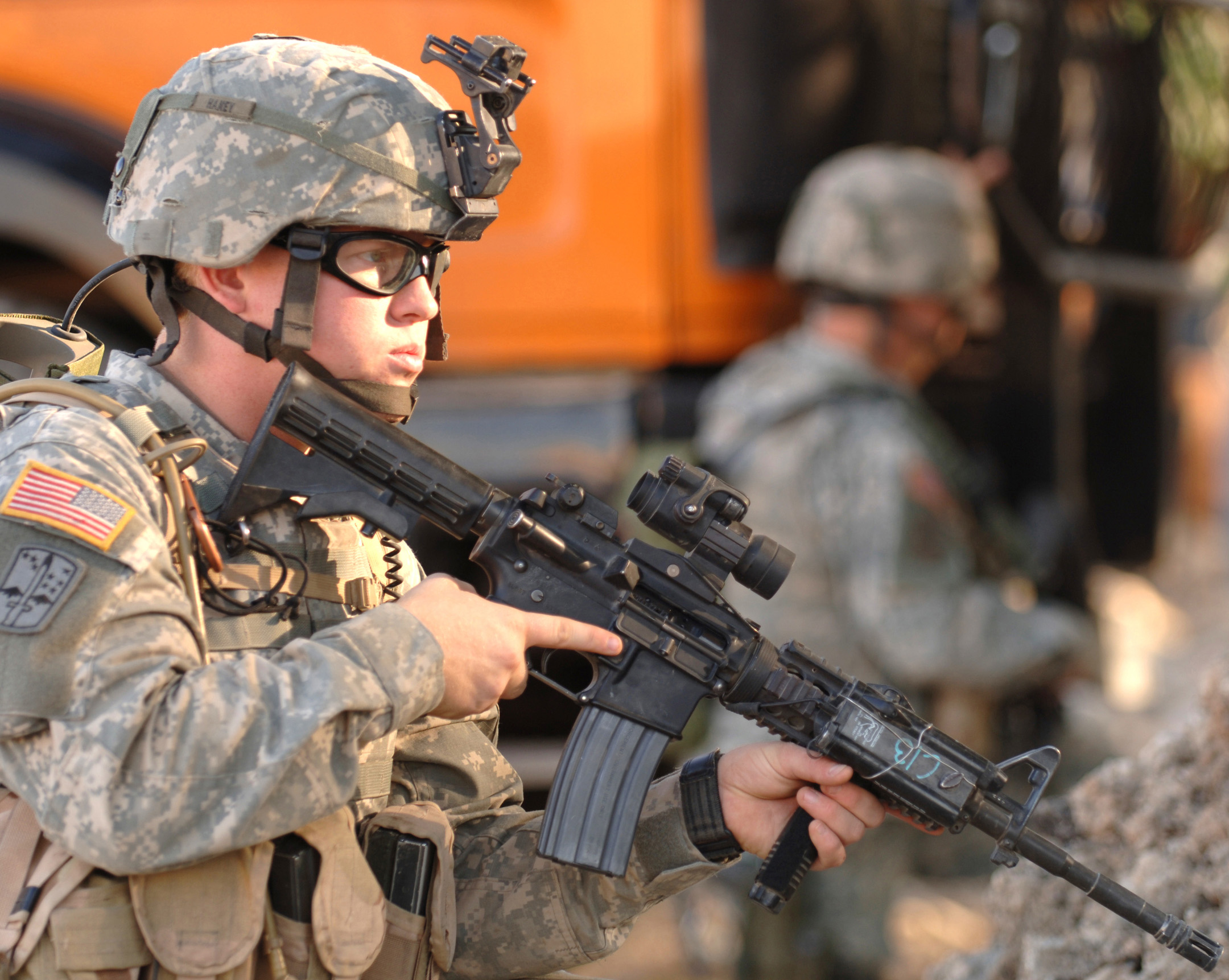
The Colt M4 Carbine became one of the most recognizable American military rifles of the modern era because it offered something deceptively difficult to achieve: compact size without abandoning the established M16 family. Entering Army service in 1994, the 5.56mm carbine gradually spread across roles where mobility mattered as much as firepower. Its 14.5-inch barrel, collapsible stock, familiar ammunition, extensive parts commonality, and ability to accept new equipment gave it remarkable staying power. The M4 was repeatedly upgraded rather than quickly discarded, helping it remain relevant through decades of changing warfare and technology.
1. It Solved the Army’s Mobility Problem
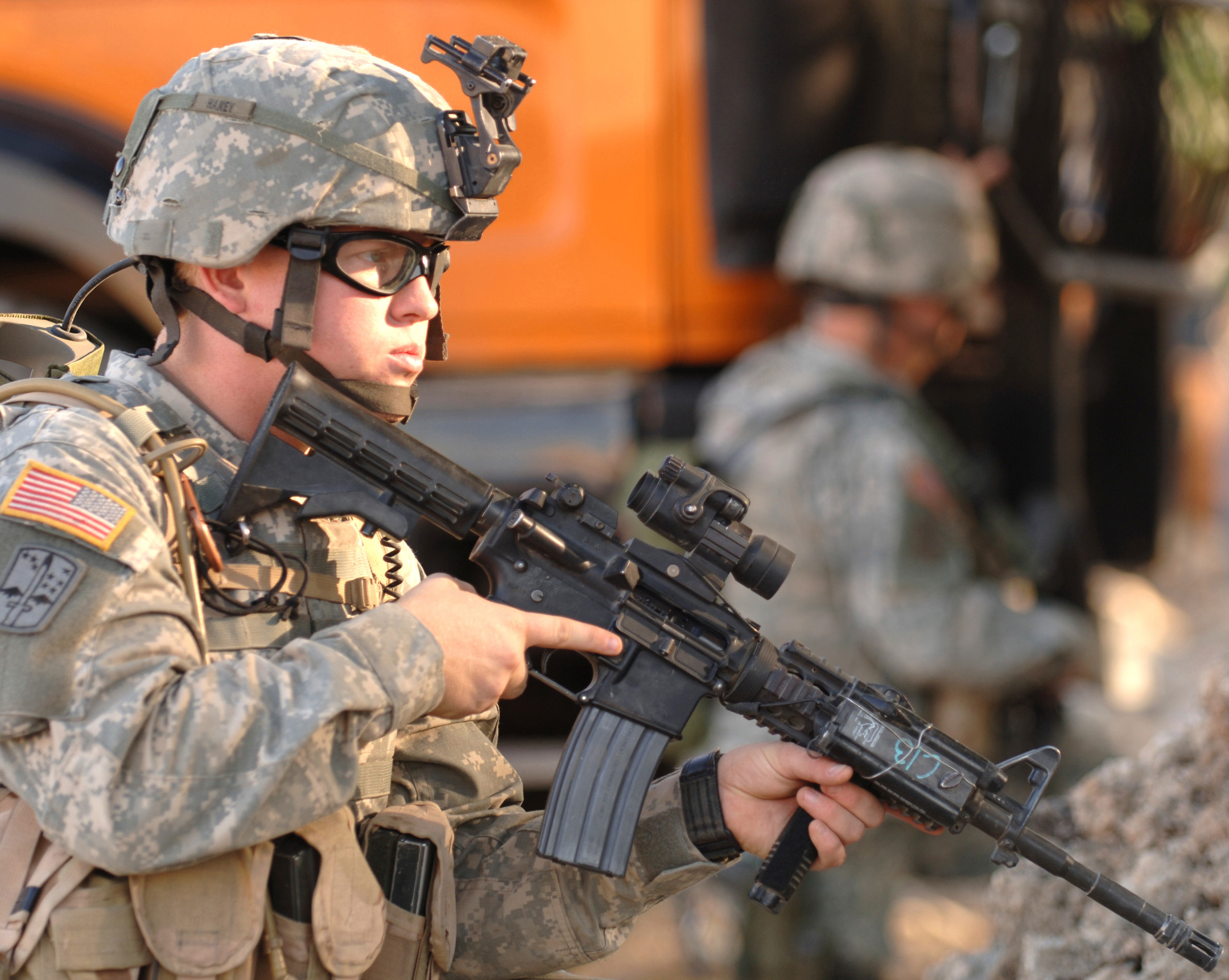
The M4 became famous not because it was simply a shorter M16, but because it solved a practical problem for a changing Army. Introduced in 1994, the carbine gave soldiers who worked around vehicles, aircraft, crew-served weapons, and confined spaces a lighter and handier 5.56mm option. Its collapsible stock and compact 14.5-inch barrel made movement easier without abandoning the M16 family’s ammunition and operating system. That balance mattered enormously. The Army could issue a common platform across many jobs while keeping training and logistics familiar. Its later M4A1 evolution extended that idea, turning a successful carbine into a long-running modernization platform.
2. It Shared an Enormous M16 Heritage
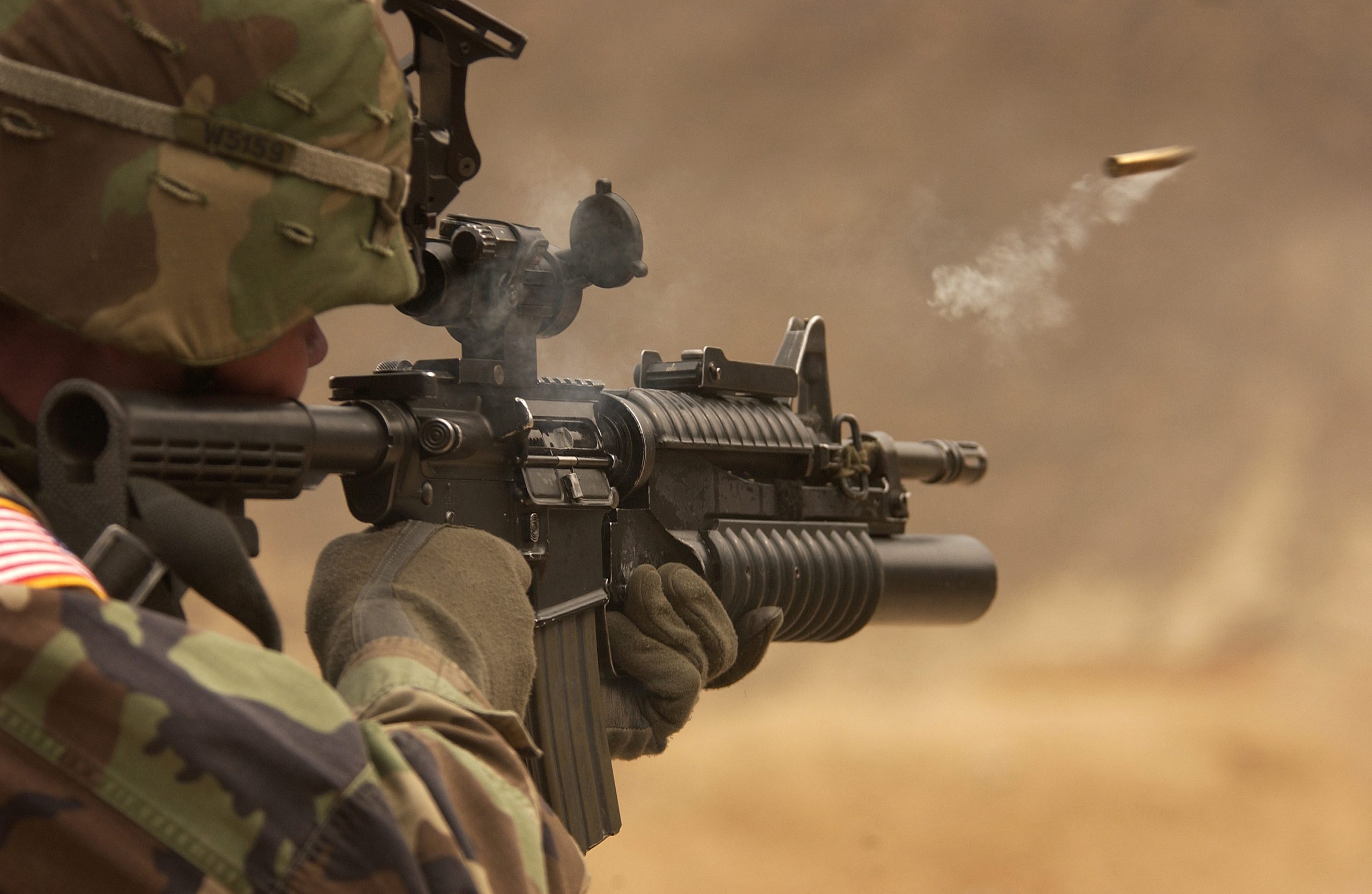
One of the M4’s biggest advantages was how much of its heritage it shared with the M16 family. Early Army material described more than 85 percent parts compatibility with the M16A2, a figure with major consequences for supply and maintenance. Soldiers and armorers were not starting from zero, and existing magazines, ammunition, training knowledge, and support infrastructure could continue to matter. The M4 also replaced several weapon types in selected roles, including M3 submachine guns and some pistols and rifles. That consolidation reduced the need to maintain completely separate systems. In military logistics, familiarity can be almost as valuable as raw performance.
3. Its Compact Dimensions Changed Its Role
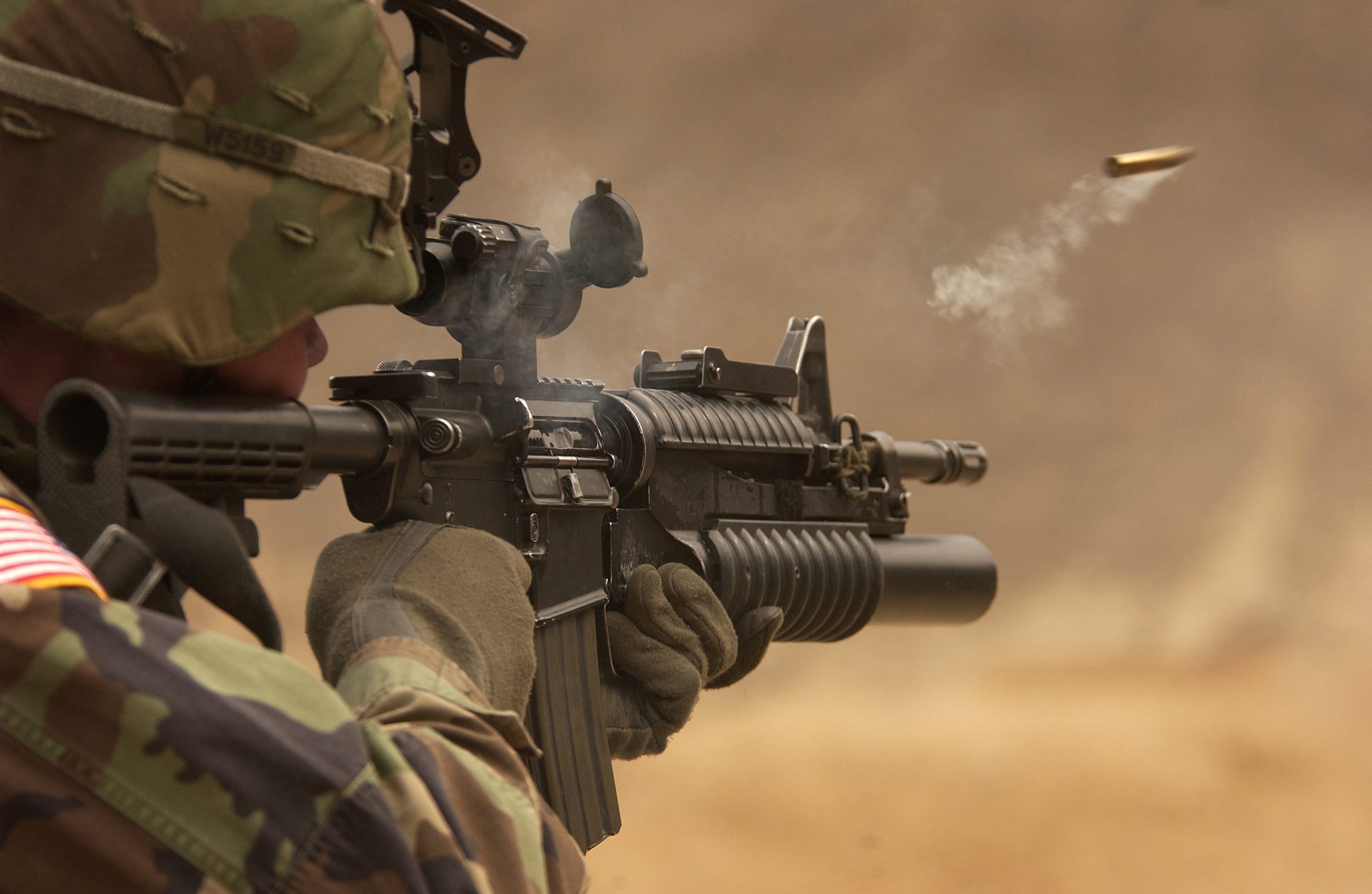
Size was central to the M4’s identity. The Army lists a 14.5-inch barrel and an overall length of 29.75 inches with the stock collapsed, extending to 33 inches when opened. Those dimensions made the carbine about 10 inches shorter than the M16A2 while retaining the same 5.56mm chambering. That difference is especially meaningful around vehicles, buildings, aircraft, and heavy equipment, where a long rifle can become awkward. The compact format also helped soldiers keep both hands available for their primary duties when carrying or operating heavy mission equipment. The M4 was therefore designed around mobility, not merely reduced length in practice.
4. Continuous Upgrades Kept It Relevant
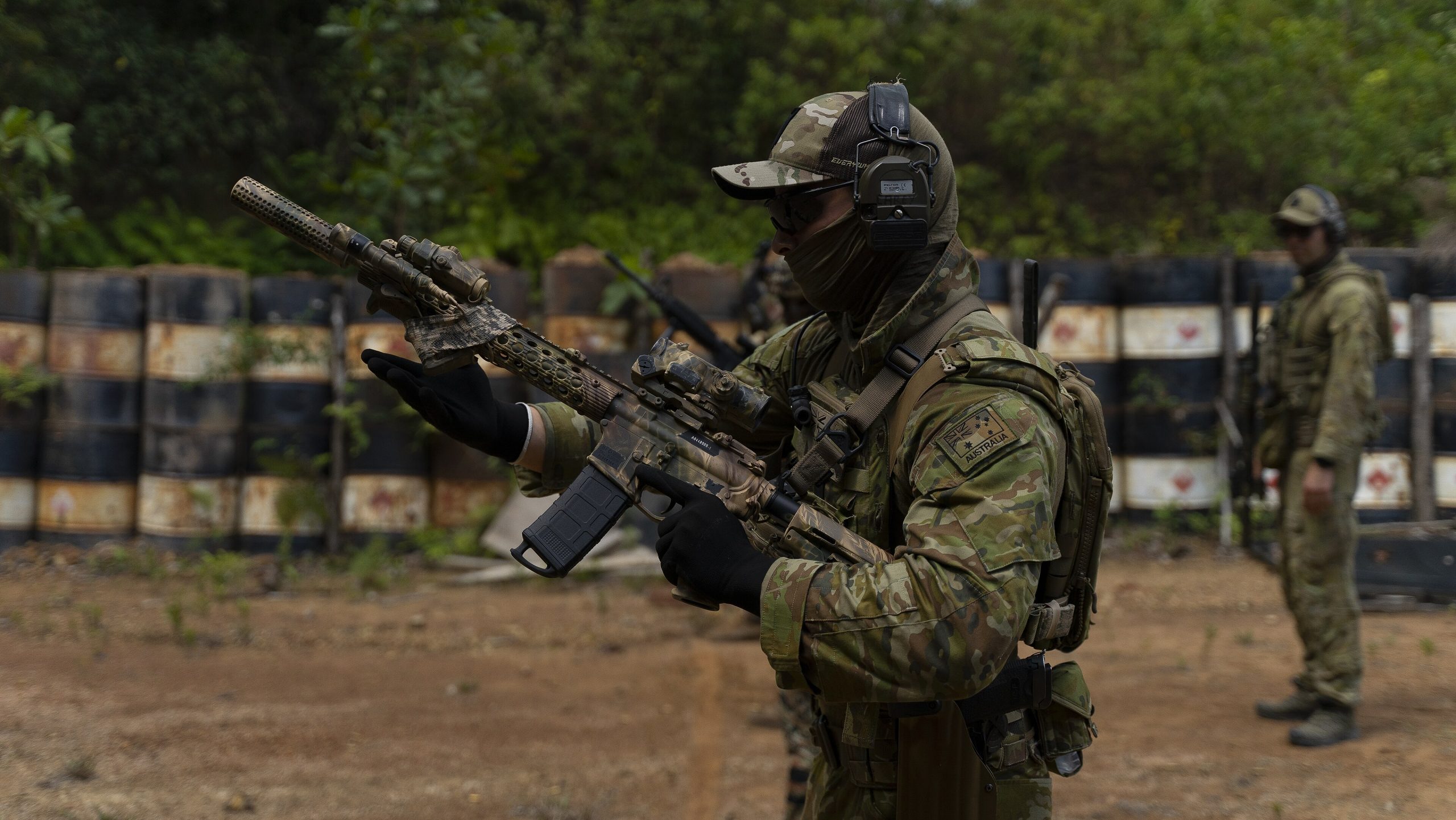
The M4 did not remain frozen after entering service. The Army describes more than 90 engineering change proposals applied to the family, covering reliability, durability, ergonomics, and adaptability. That continuous-improvement approach helped the carbine stay relevant as optics, aiming devices, night equipment, and accessories changed. In 2010, the Army authorized the M4A1 as its standard carbine, and the improvement program began converting existing rifles rather than replacing the entire fleet. This was an important economic decision: the Army could modernize weapons already owned. By 2017, about 150,000 M4s had been converted, with a broader fleet conversion underway.
5. The M4A1 Fixed Important Limitations
The M4A1 solved several limitations of the original M4 configuration. The standard M4 used a three-round-burst setting, while the M4A1 added fully automatic fire and an ambidextrous fire-control arrangement. It also received a heavier barrel intended to improve sustained-fire durability. Army conversion teams replaced the barrel, trigger mechanism, and buffer, while adding the ambidextrous selector. In one 2017 conversion operation, technicians were processing about 300 rifles in seven hours. The Army estimated that converting an existing M4 cost roughly $200 to $300 less than buying a new M4A1. Modernization therefore became part of the M4’s strength.
6. Its Architecture Welcomed New Accessories
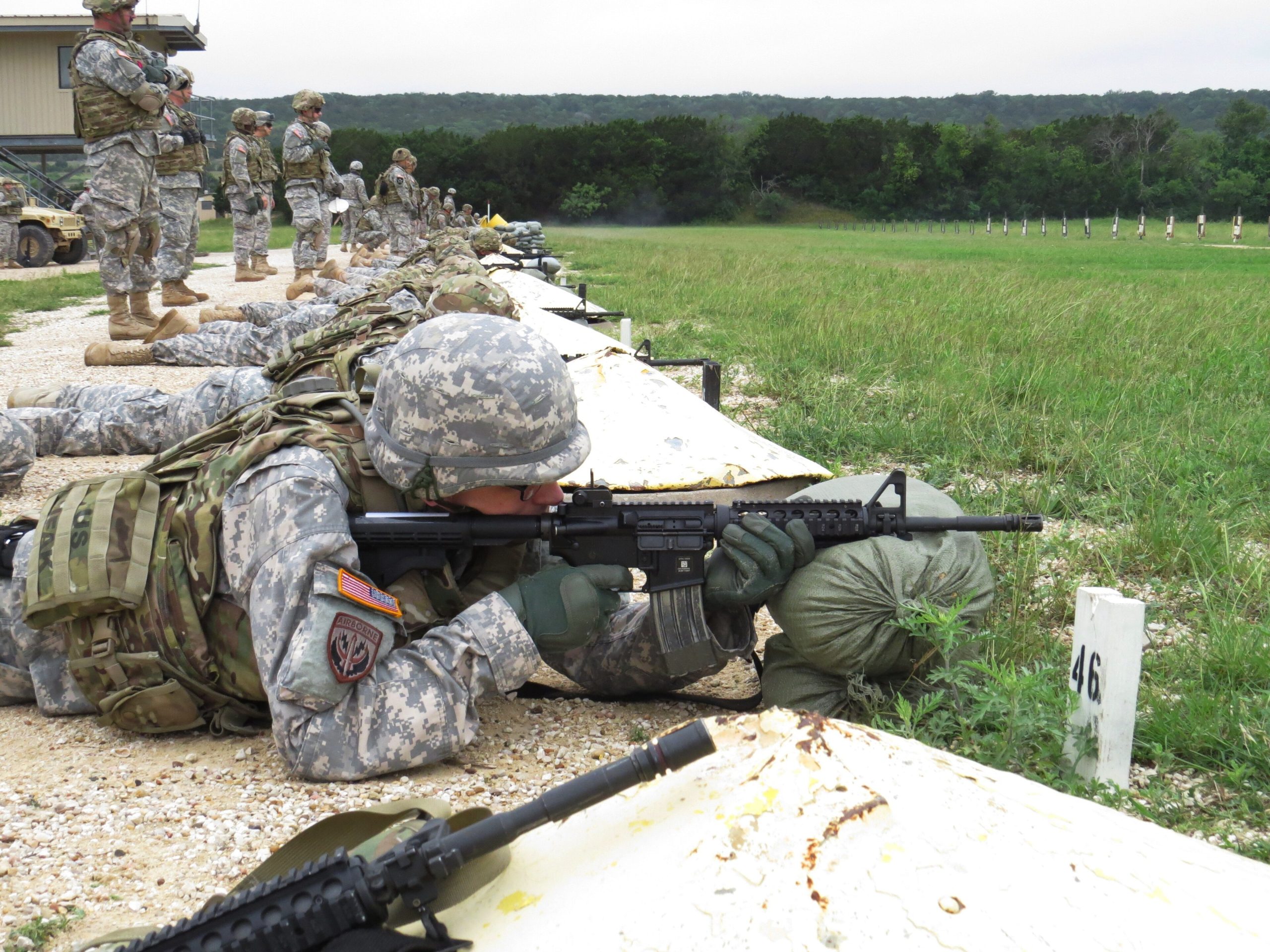
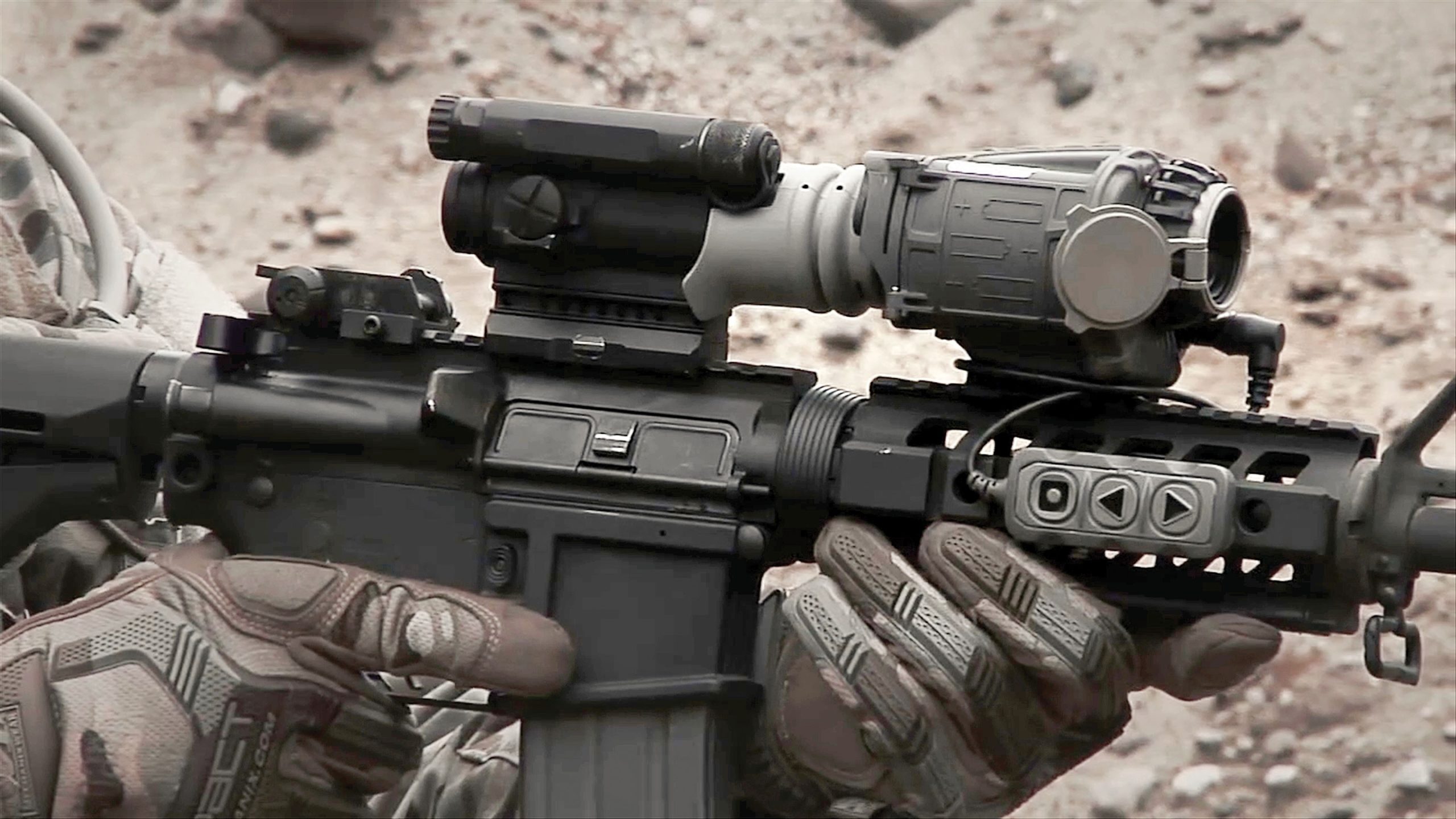
Another reason the M4 endured was its ability to accept changing equipment. The carbine’s flat-top receiver and MIL-STD-1913 rail architecture allowed soldiers to configure the weapon with optics and other mission equipment rather than being locked into a fixed sighting arrangement. Army documentation also lists compatibility with systems such as the M203A2 and M320A1 grenade launchers and the M26 accessory shotgun system. This adaptability became increasingly important as combat equipment evolved. A rifle that can accept new accessories has a longer useful life than one designed around a single configuration. The M4’s basic structure gave the Army room to keep changing the system around it.
7. Soldiers Gave the M4 Strong Approval
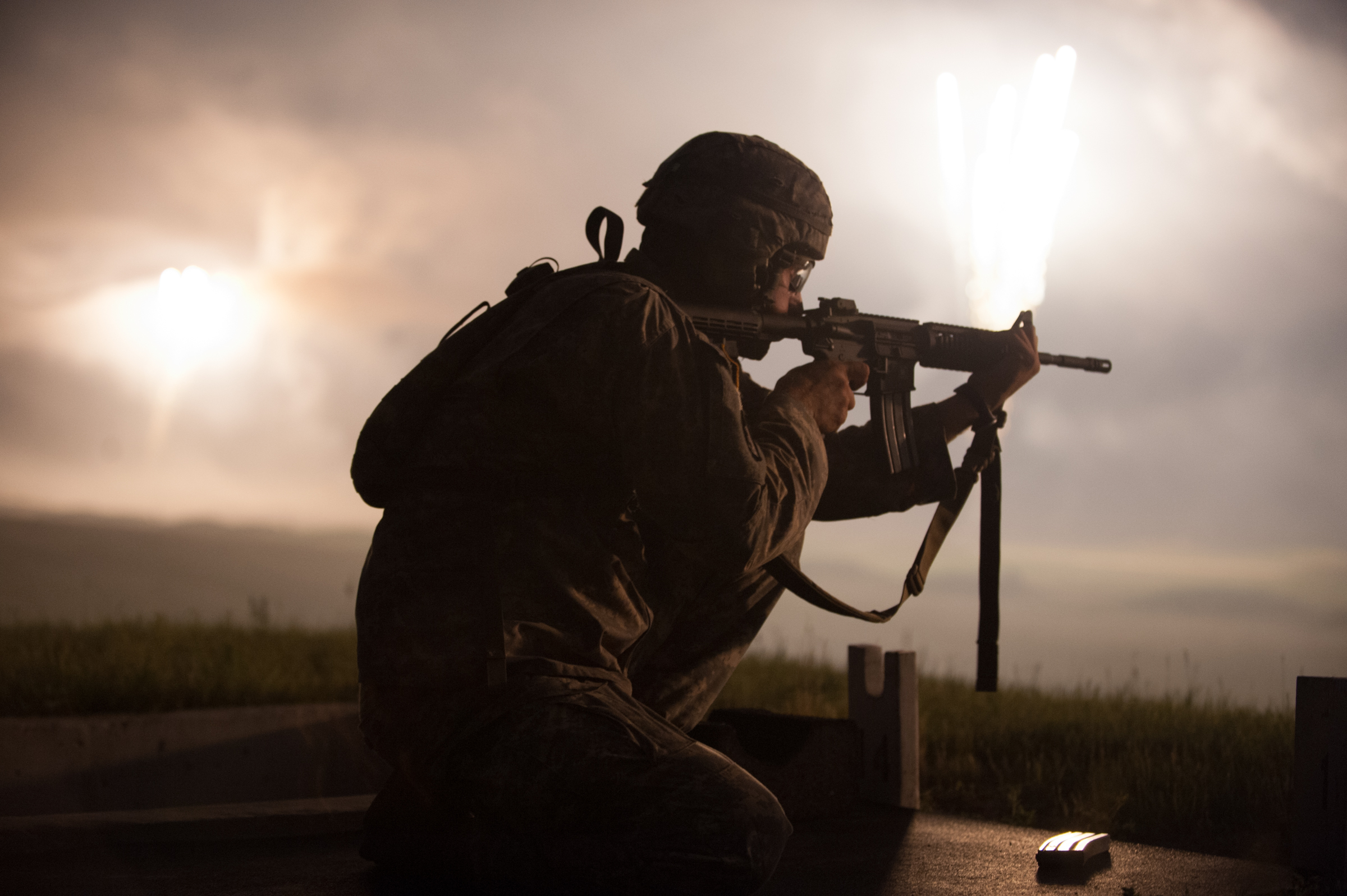
The M4 also benefited from unusually strong user acceptance. During the Army’s Individual Carbine competition, the M4A1 was retained as the baseline for comparison, showing that the service considered the existing carbine a serious benchmark. In 2013, Army officials reported more than 483,000 M4 carbines in the inventory and cited post-combat surveys showing more than 80 percent satisfaction over four years, with 86 percent in the preceding two years. Those figures did not prove perfection, but they showed why replacing the carbine was difficult. A weapon with a mature support system and high soldier confidence creates a demanding standard for any successor.
8. It Worked Across Many Military Jobs
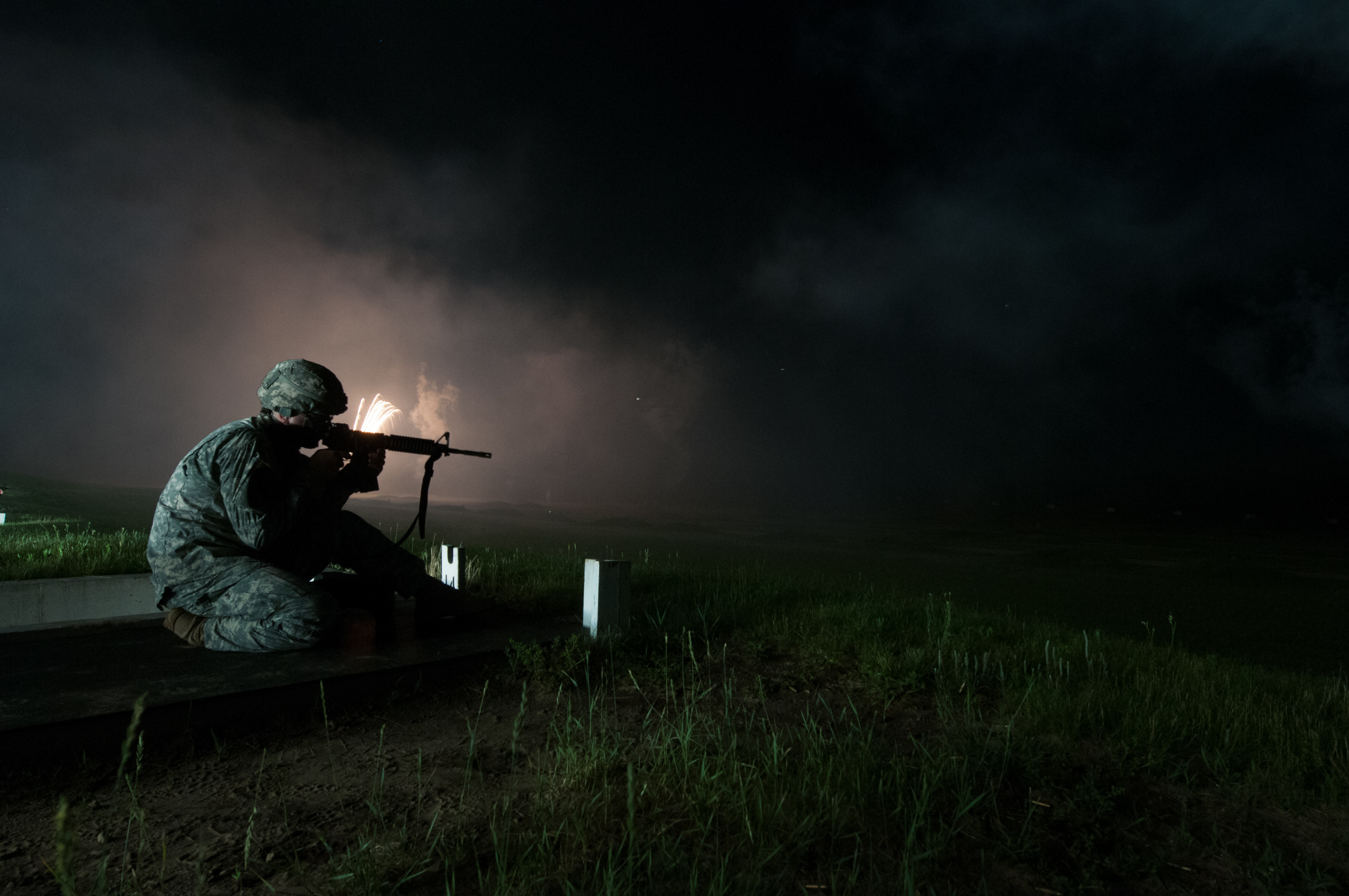
The M4’s influence reached far beyond infantry riflemen. Its compact form was particularly useful for soldiers whose main duties involved crew-served weapons, vehicles, aircraft, or large mission equipment. The Army’s original 1994 procurement language specifically highlighted those users and explained that the shorter weapon could replace selected pistols, submachine guns, and M16 rifles. That broad role helped the M4 become a common personal weapon across very different military specialties. It was not designed to make every soldier perform the same job; it was designed to give many soldiers a practical common carbine. That versatility became one of its defining military advantages.
9. Its Legacy Survived Its Replacement
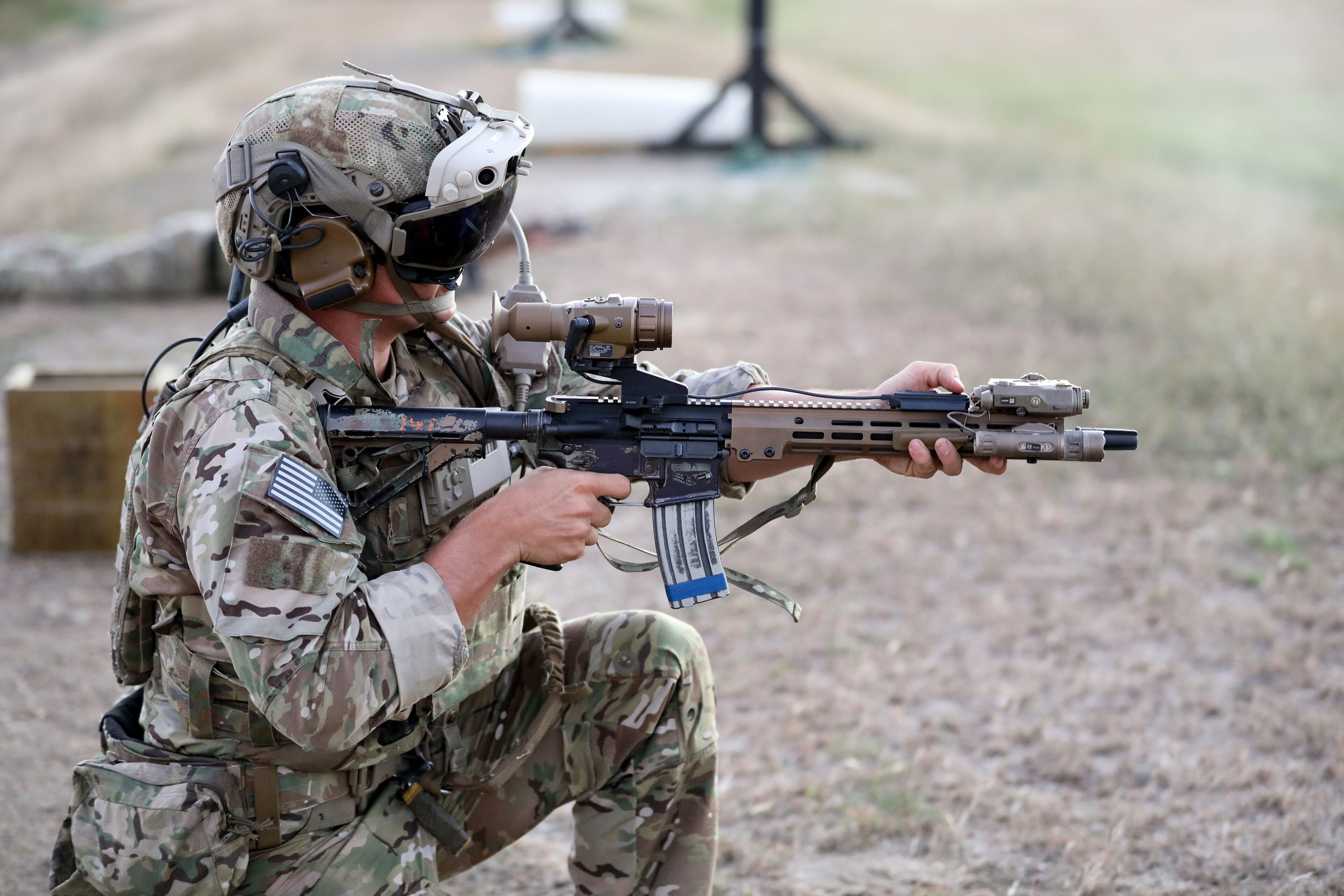
The biggest misconception today is that every U.S. soldier still carries the M4. The Army has begun replacing the M4A1 in the Close Combat Force with the 6.8mm M7 rifle under the Next Generation Squad Weapon program. That makes the M4’s legacy more interesting, not less. After entering service in 1994, it survived decades of combat use, repeated improvement programs, major accessory changes, and at least one serious replacement competition. Its endurance came from a combination of compact dimensions, common logistics, modularity, modernization, and soldier familiarity. The M4 was never perfect, but it became one of America’s most recognizable service carbines.
.