.22 LR is one of the most familiar cartridges in shooting, which is exactly why so many assumptions about it go unchallenged. Even seasoned shooters can miss how much rimfire ammo varies by load, firearm, and conditions. This gallery breaks down the most persistent .22 LR misconceptions in plain language, with a focus on what actually matters at the range and in the field.
Not All .22 LR Loads Behave the Same
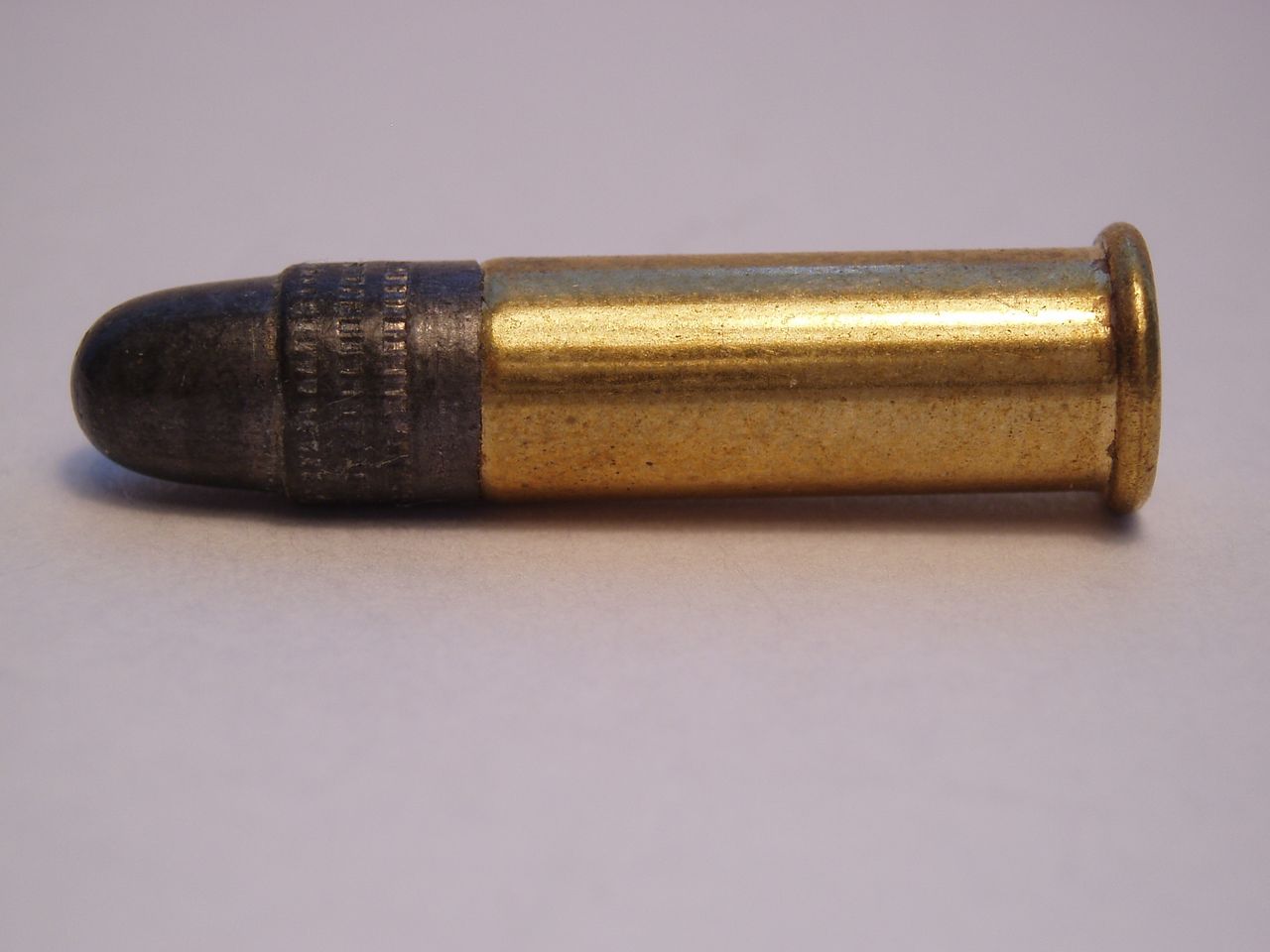
A lot of shooters talk about .22 LR as if it were a single, fixed thing. In reality, the cartridge covers a wide spread of bullet weights, velocities, lubricants, priming consistency, and intended uses. Two boxes that look similar on the shelf can produce very different results on paper.
That matters because rimfire guns often show clear preferences. One rifle may stack standard velocity loads beautifully and scatter high velocity rounds, while another does the opposite. Treating all .22 LR as interchangeable is one of the fastest ways to misread your firearm, your groups, and your expectations.
Higher Velocity Does Not Automatically Mean Better Accuracy
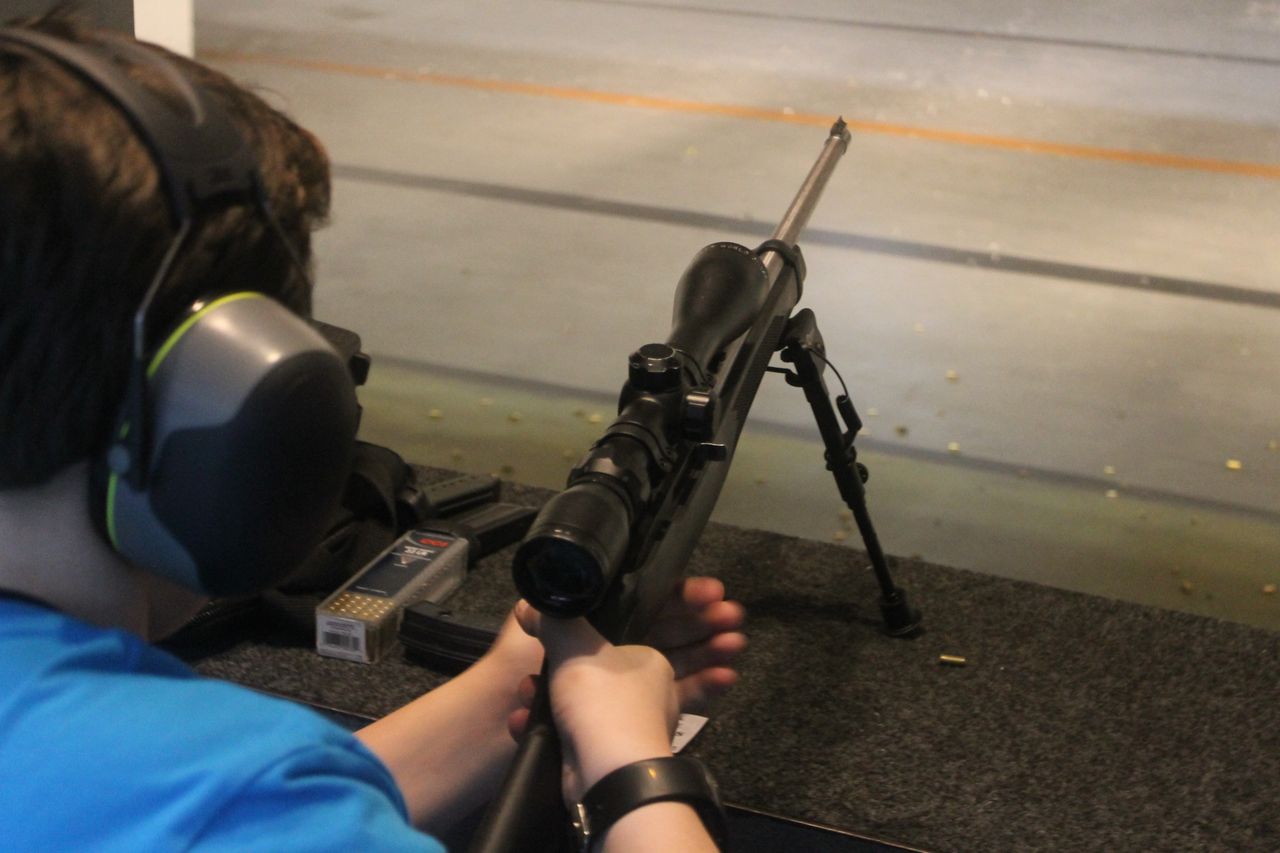
It is easy to assume faster ammo should be better ammo, especially when the box promises extra speed. But with .22 LR, accuracy is often less about raw velocity and more about consistency. Extreme spread, bullet uniformity, and how a particular load transitions in flight can matter more than the headline number.
Many shooters find that standard velocity ammunition outperforms hotter loads in their rifles, especially at common target distances. A round that stays consistent shot to shot usually beats one that is merely fast. Chasing speed without testing for precision can lead to bigger groups and a lot of unnecessary frustration.
Bulk Pack Ammo Is Not the Same as Match Ammo
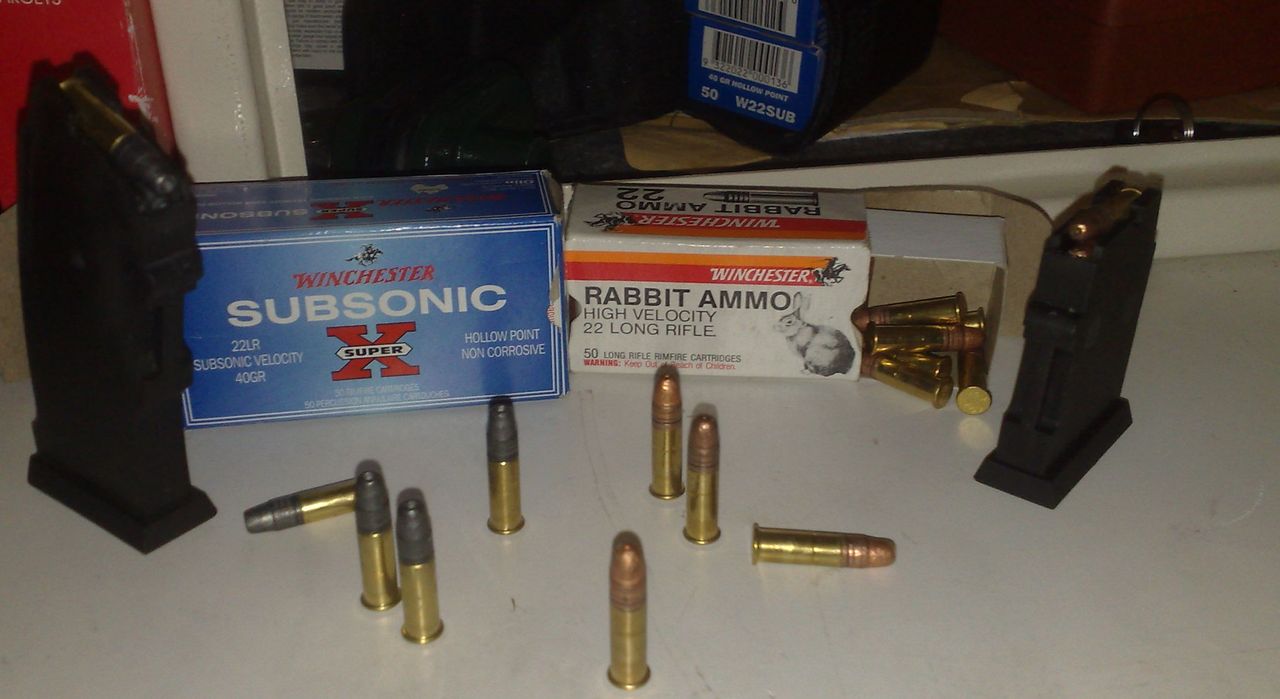
Bulk .22 LR has its place, and for casual plinking it is often the smart buy. But experienced shooters still sometimes act surprised when economy loads produce wider groups, more flyers, or occasional feeding issues. Lower cost ammunition is usually built for volume, not for the strict consistency that precision shooting demands.
Match ammunition is generally made with tighter standards for priming, bullet shape, case dimensions, and velocity uniformity. That does not mean every rifle loves every match load, or that every bulk round is poor. It simply means price often reflects the level of consistency you can reasonably expect from the box.
Rimfire Reliability Is More Sensitive to Ammunition Quality
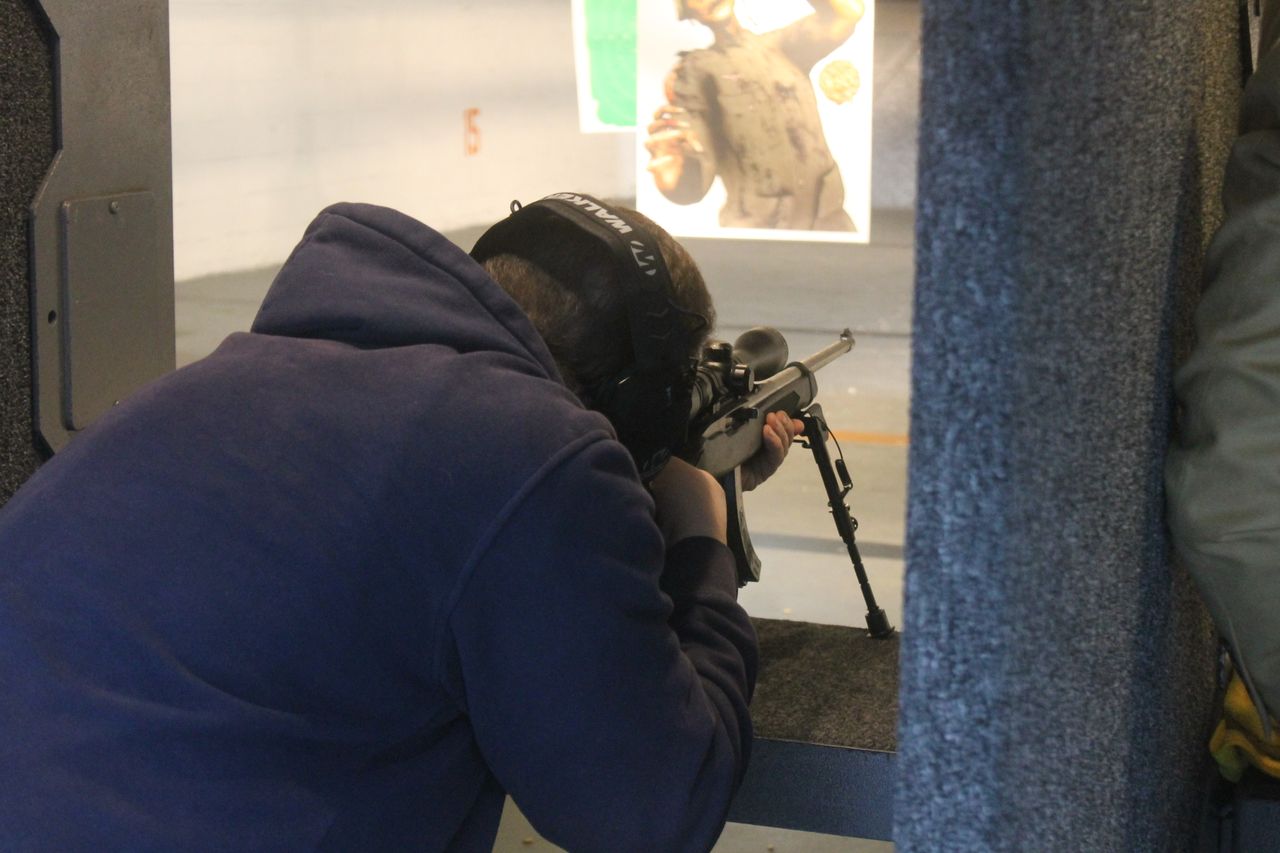
Centerfire shooters sometimes underestimate how much ammunition quality affects rimfire reliability. With .22 LR, the priming compound sits in the rim, and ignition depends on an even distribution and a firm, consistent strike. That makes the system more vulnerable to occasional duds and variations between brands or lots.
When shooters blame every malfunction on the firearm, they can miss the obvious variable sitting in the magazine. Weak priming, inconsistent powder charges, and soft or uneven rims all show up sooner in rimfire. If reliability suddenly changes, ammunition deserves a hard look before the gun gets all the blame.
A Suppressor Does Not Make Every .22 LR Load Quiet
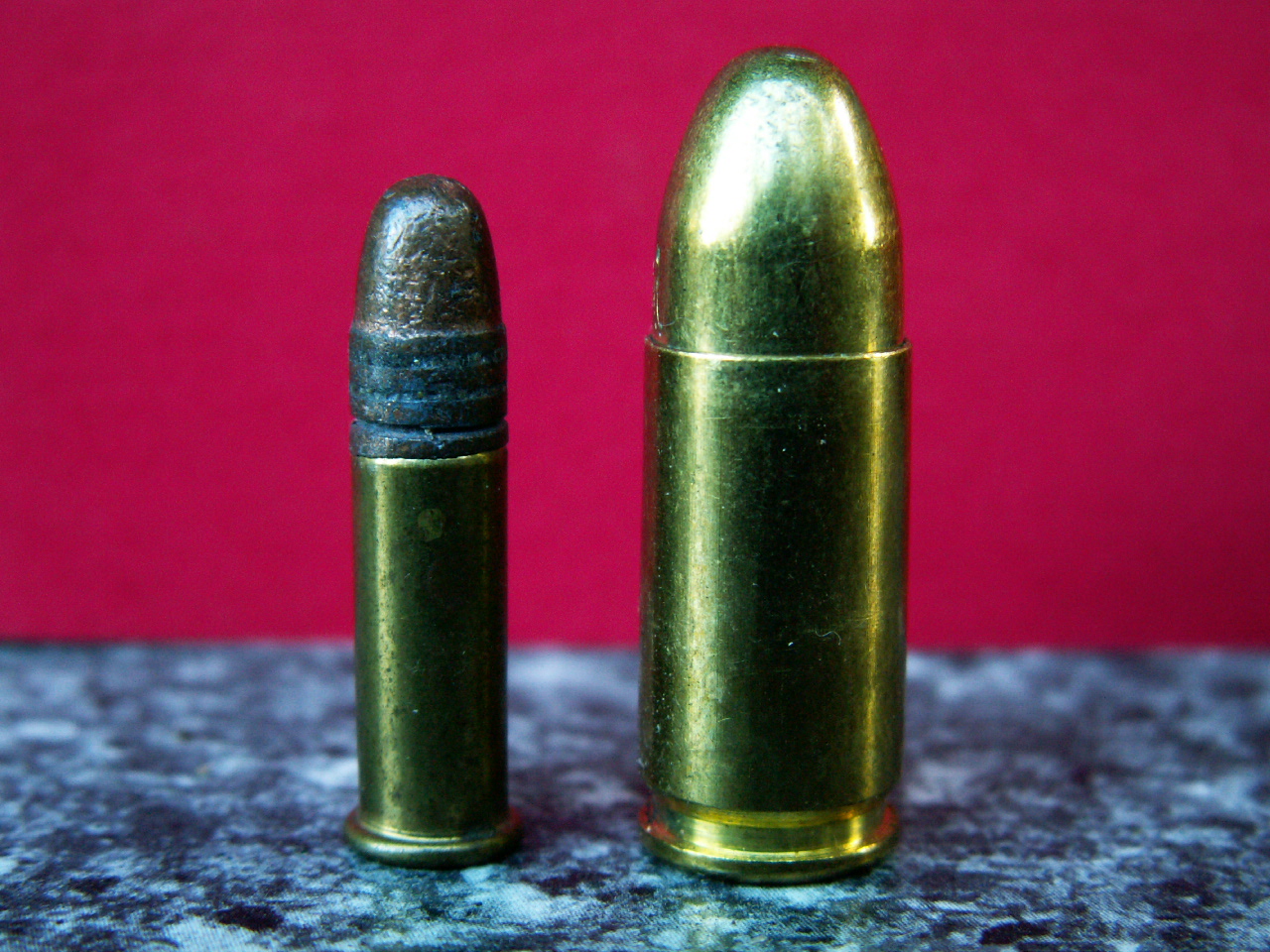
Plenty of shooters assume a suppressor turns all .22 LR into movie quiet ammunition. In practice, the load matters as much as the can. If a round is traveling fast enough to break the sound barrier, you still get a sharp crack that no suppressor can erase.
That is why standard velocity and purpose built subsonic loads are often preferred for the quietest setup. Barrel length also changes the equation, since some loads gain enough speed in a rifle to go supersonic even if they stay slower in a pistol. Suppressed rimfire performance is a system, not a single accessory purchase.
Barrel Length Can Change What the Ammo Actually Does

The velocity printed on a .22 LR box is not a guarantee of what you will see from your firearm. Manufacturers test with specific barrel lengths, and your rifle or pistol may produce meaningfully different numbers. That difference can affect noise, cycling, drop, and real-world terminal performance.
A load that functions perfectly in a rifle may feel sluggish in a short barreled pistol. Another may become louder than expected because the longer barrel pushes it into supersonic territory. Assuming published velocity tells the whole story is a classic rimfire mistake. Your gun, not the packaging, decides the final result.
Lot Variation Is Not Just a Competitive Shooter Problem
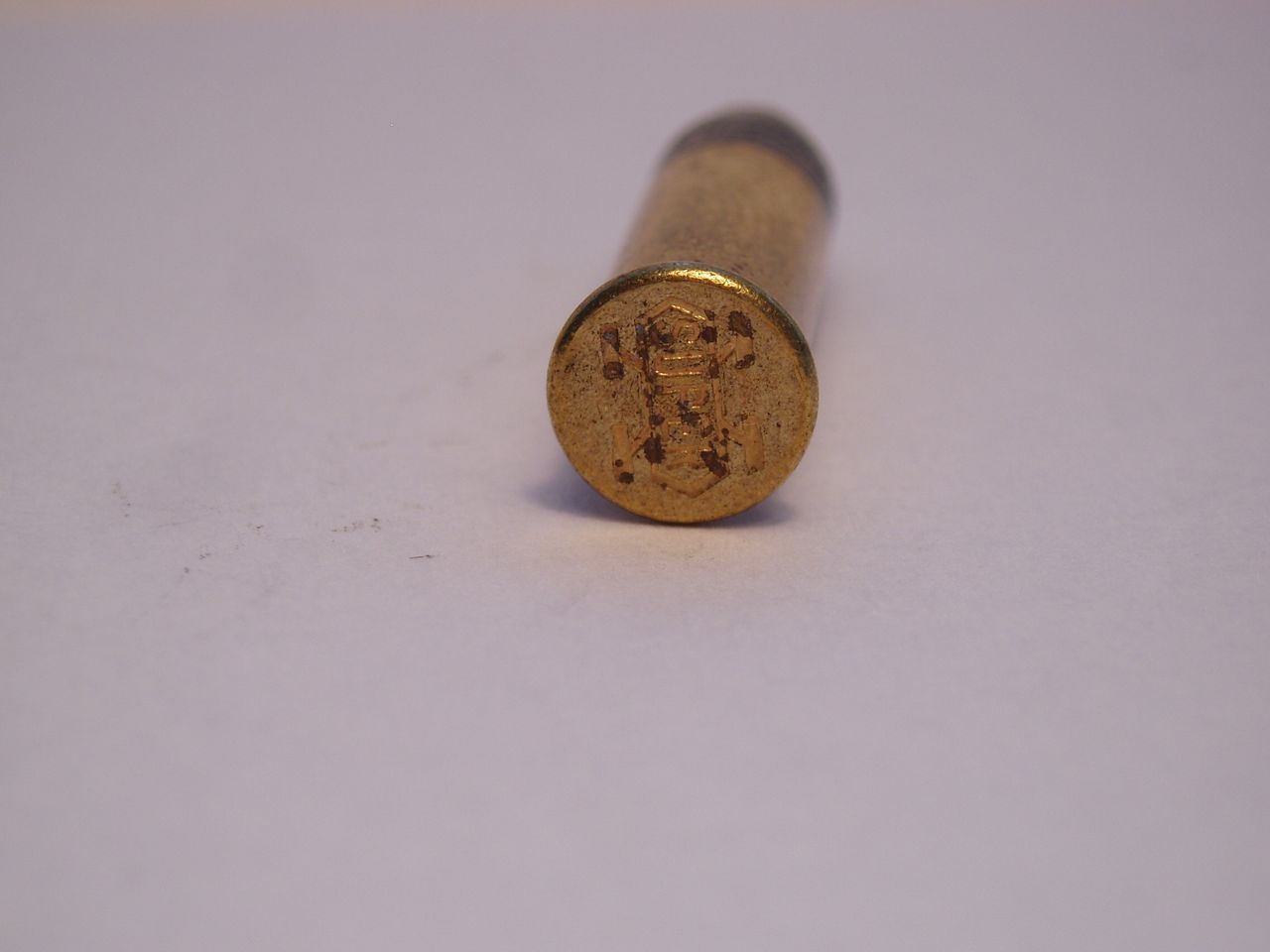
Many casual shooters roll their eyes when precision rimfire fans talk about lot testing. But lot variation can show up in ordinary use too, especially if you buy a brand regularly and assume every box will behave like the last one. Manufacturing changes, component shifts, and quality fluctuations are real.
One lot may group tightly and run clean, while the next produces more fouling or a different point of impact. You do not need to become a benchrest obsessive to benefit from paying attention. If you find a load your gun loves, buying enough of the same lot can save time, money, and confusion later.
Storage Conditions Matter More Than People Think
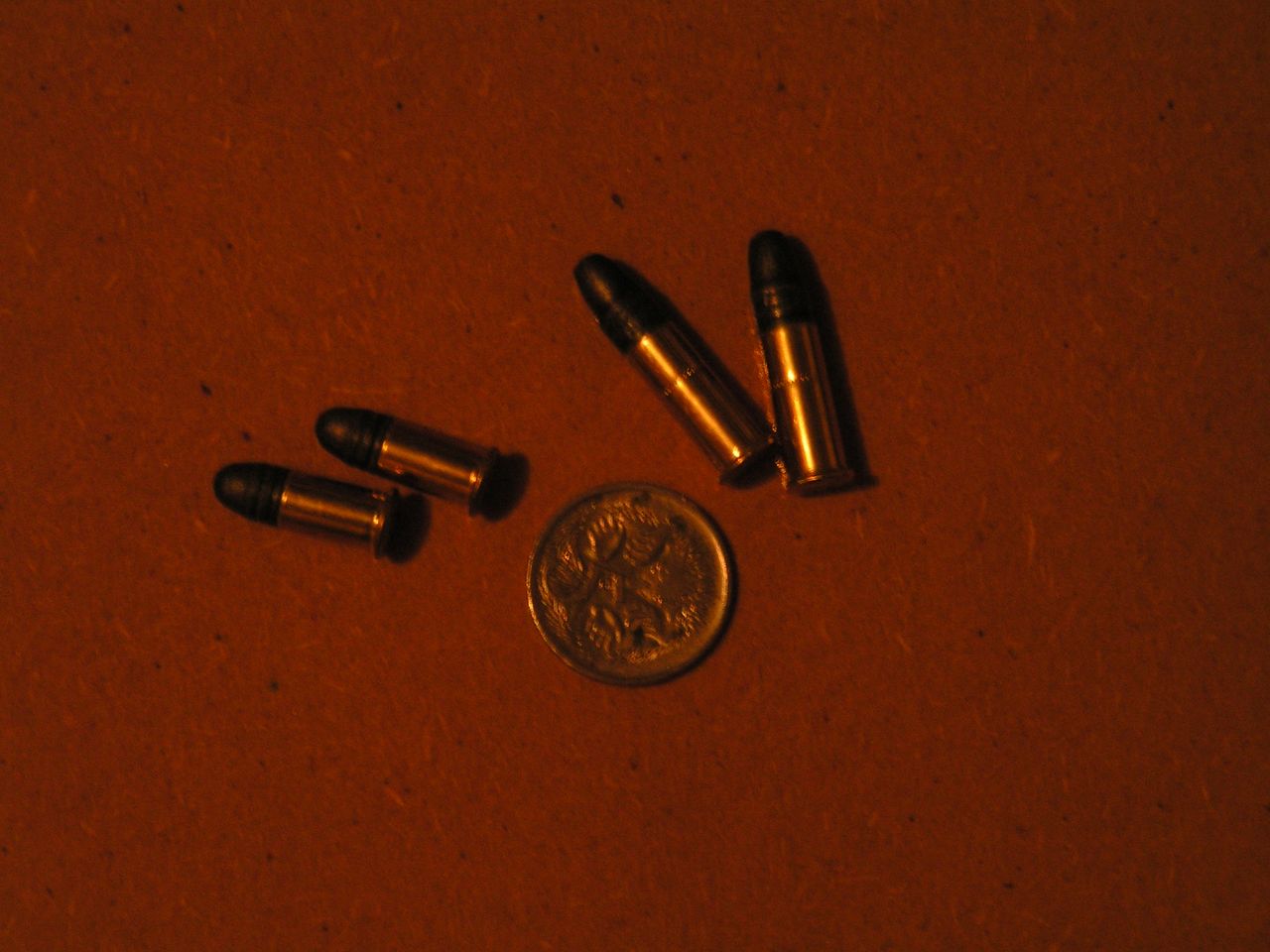
Because .22 LR is inexpensive and common, people often treat it casually in storage. Tossed into damp garages, hot car trunks, or loose range bags, rimfire ammo can be exposed to moisture, oils, temperature swings, and physical damage that undermine reliability over time.
The rim is especially important, and dents or contamination there can affect ignition. Good storage does not need to be dramatic or expensive. A cool, dry environment and sensible handling go a long way. If a batch starts producing odd misfires or inconsistent report, how it was stored may be part of the story.
The Best .22 LR Ammo Is Whatever Your Firearm Shoots Well
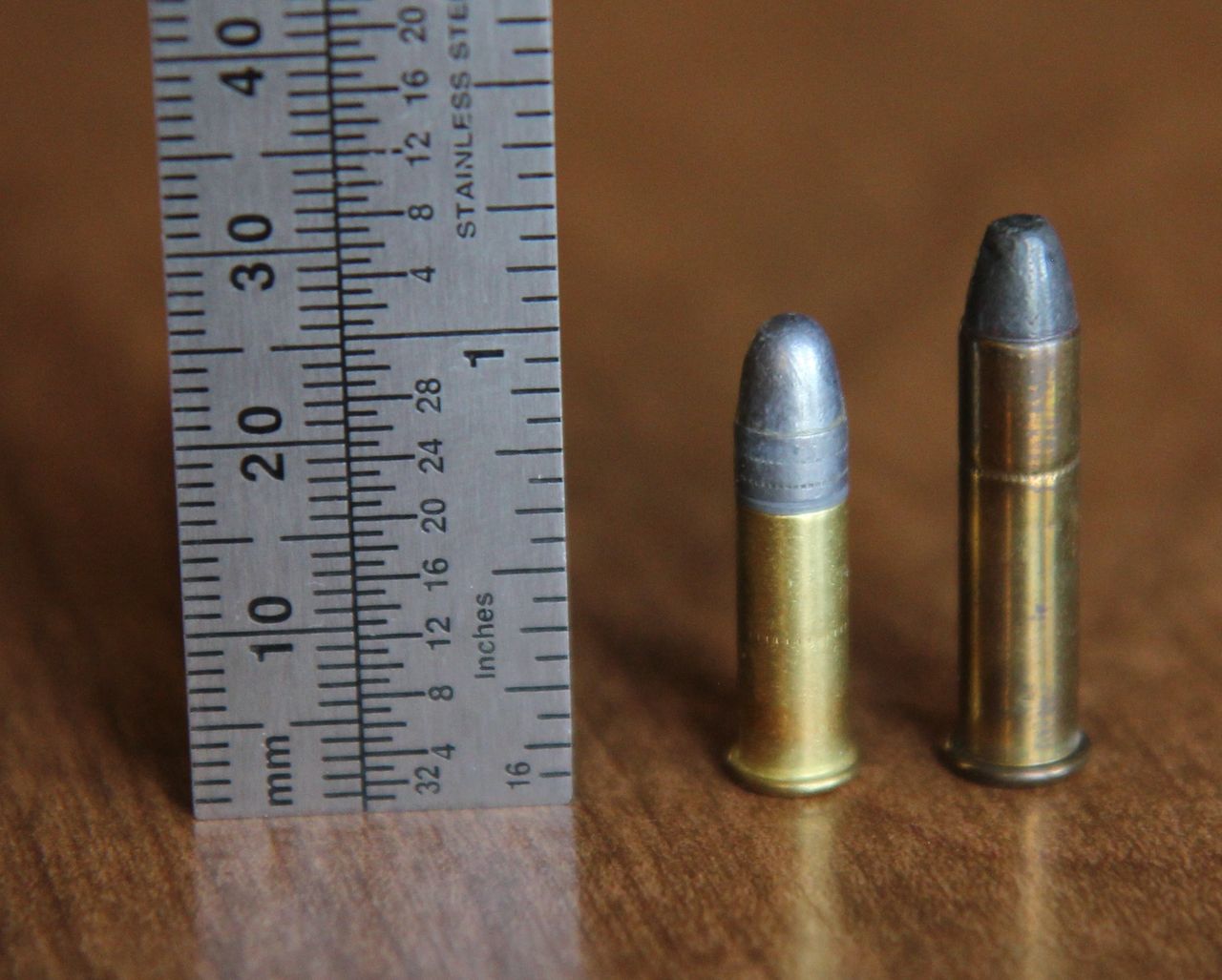
This is the lesson many shooters resist the longest. They want a universal answer, a single best .22 LR load that works flawlessly in every rifle and pistol. Rimfire rarely cooperates with that idea. Chamber dimensions, barrel harmonics, action design, and magazine geometry all influence what a gun prefers.
Brand reputation helps narrow the field, but testing is still king. The smartest approach is simple: try several loads, document results, and let targets and reliability tell you what matters. In .22 LR, experience is valuable, but evidence is better. The gun gets the final vote every time.