Some of the biggest changes in firearm history did not arrive as flashy leaps. They came from small, practical ideas that solved stubborn problems and quietly reset expectations for soldiers, hunters, competitors, and manufacturers alike. This gallery explores nine innovations whose simplicity was exactly what made them so transformative.
The Cartridge Case

Before metallic cartridges, loading a firearm meant juggling powder, projectile, and ignition materials as separate steps. The self-contained cartridge case brought those elements together into one durable package, making the whole process faster, cleaner, and far more consistent under pressure.
That sounds almost obvious now, which is exactly why it was so revolutionary. A brass case also helped seal the chamber on firing, improving safety and efficiency. Once ammunition became something you could carry, chamber, and extract as a single unit, firearm design opened up in ways earlier generations could barely imagine.
The Percussion Cap
The percussion cap replaced older flintlock ignition with a compact, impact-sensitive cap that fired much more reliably in damp weather and rough conditions. It seems like a tiny change, but it dramatically reduced one of the biggest frustrations of early firearms: inconsistent ignition.
By making the firing sequence more dependable, the percussion cap boosted confidence in both military and civilian use. Hunters could trust a shot when it mattered, and soldiers gained a practical edge in the field. It also helped prepare the way for later cartridge systems, proving that a simpler ignition method could change everything around it.
Rifling

Rifling is just a set of spiral grooves inside a barrel, yet that modest idea transformed accuracy. By spinning the projectile in flight, rifling stabilized it, allowing bullets to travel farther and straighter than smoothbore firearms ever could.
The concept was mechanically simple, but its consequences were enormous. Better accuracy changed hunting, target shooting, and military tactics all at once. Marksmen could engage at longer distances, and manufacturers had a powerful reason to refine ammunition to match. Few innovations look so understated from the outside while altering performance so completely from within.
The Revolving Cylinder
The revolving cylinder solved a stubborn problem with elegant economy: how to fire multiple shots without reloading after each one. Instead of building an entirely new weapon around complexity, designers placed several loaded chambers in a rotating cylinder and let the gun index from one shot to the next.
That one decision changed the pace of personal firearms. Revolvers gave users repeat fire in a compact, practical form that worked well on horseback, in law enforcement, and for civilian defense. The mechanism felt intuitive, and its basic logic was so sound that the revolver remained relevant long after many supposedly newer ideas faded.
The Lever Action

The lever action turned cycling a firearm into a fast, fluid movement that could be done without taking the gun fully out of position. With one downward and upward sweep, the shooter could eject a spent case, chamber a fresh round, and get ready for the next shot.
Its genius was partly ergonomic. The system was not just mechanically clever, it felt natural in the hands. That combination of speed and simplicity made lever-action rifles a defining tool on frontiers and in hunting camps. They were practical, repeatable, and easy to appreciate even for people who knew nothing about internal mechanisms.
The Bolt Action
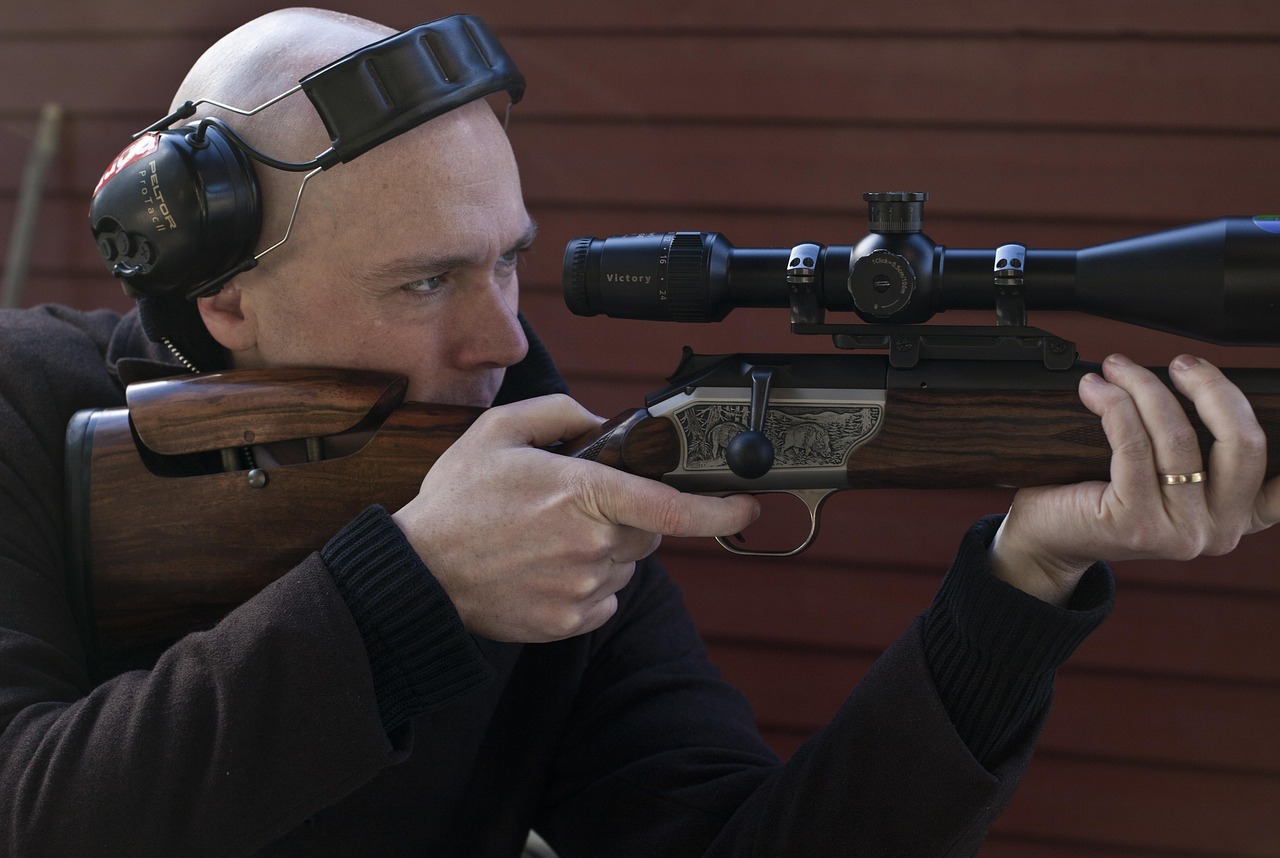
Bolt-action firearms refined the art of doing more with less. The rotating bolt gave shooters a strong, secure lockup, straightforward manual operation, and impressive consistency. It did not require theatrical complexity to become one of the most trusted systems ever built.
That simplicity paid off in durability and accuracy. Military forces valued the design for rugged service, while hunters and precision shooters appreciated how reliably it chambered and supported powerful cartridges. The bolt action also made maintenance relatively clear and predictable, which helped it earn a reputation for practical excellence that still holds today.
The Safety Selector
Not every important innovation makes a firearm shoot better. Some make it safer to carry, handle, and manage under stress, and the safety selector is a perfect example. A simple control that blocks firing or changes readiness can prevent disastrous mistakes without getting in the way of normal use.
Its real impact is cultural as much as mechanical. By giving users an intentional, repeatable way to control a firearm’s firing status, safeties helped shape training habits and responsible handling standards. The best versions are easy to understand at a glance, which is often the hallmark of design that truly lasts.
The Semi-Automatic Action

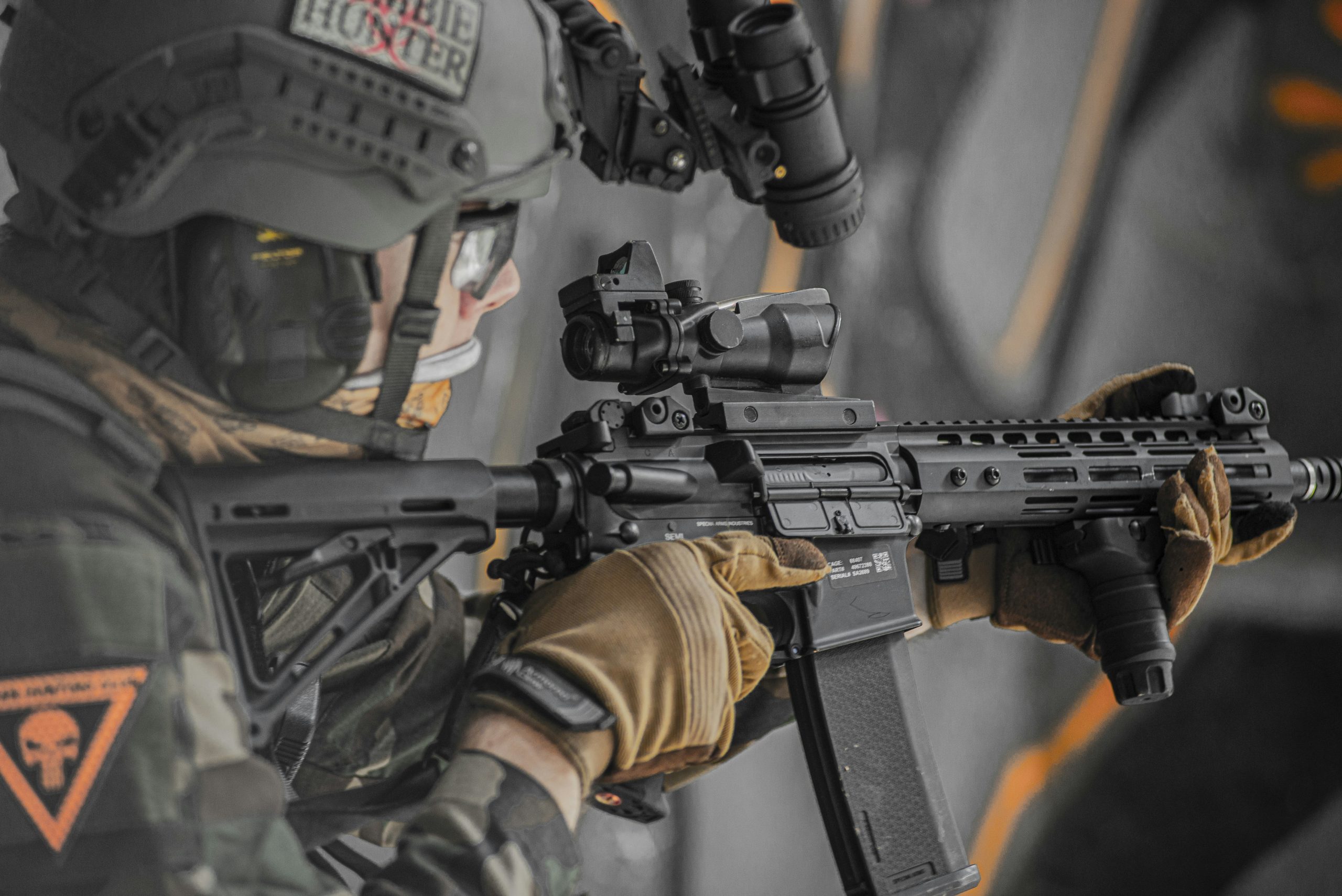
The semi-automatic action took the energy from a fired round and used it to load the next one. That is a remarkably elegant idea because it removes a manual step while still requiring a separate trigger pull for every shot. In practice, it made firearms quicker and smoother without making operation feel mysterious.
This innovation changed expectations almost immediately. Shooters gained faster follow-up shots, less interruption between rounds, and a platform that could be adapted across pistols, rifles, and shotguns. The principle sounds simple when explained plainly, which is often a sign that an invention has settled deep into everyday life.
The Aperture Sight

Compared with dramatic changes in ammunition or action design, the aperture sight can seem modest. It is basically a small rear opening that helps the eye naturally center the front sight. Yet that simple visual trick made aiming faster and more precise for countless shooters.
Its brilliance lies in working with human vision rather than against it. Aperture sights improved practical accuracy without adding major weight, cost, or mechanical complication. For military rifles, sporting arms, and competition guns alike, they proved that sometimes the most important upgrade is not more power or speed, but a clearer way for the shooter to see the shot.