Deer hunting in the United States rarely follows one nationwide pattern. In 2026, states are using different combinations of archery, firearms, muzzleloader, youth, and antlerless seasons, while some divide dates by county, wildlife unit or management zone. A hunter traveling across state lines can therefore encounter completely different opening dates, weapon rules, and harvest opportunities. These nine states show just how varied the 2026 deer calendar has become.
1. Pennsylvania
Pennsylvania’s 2026-27 deer calendar stands out for its mix of weapon seasons and extended opportunities. Statewide archery runs Oct. 3-Nov. 20 and Dec. 26-Jan. 24, while regular firearms runs Nov. 28-Dec. 13. Hunters also get a statewide antlerless muzzleloader period on Oct. 17-25 and an antlered or antlerless flintlock season from Dec. 26-Jan. 24. Selected Wildlife Management Units have earlier archery openings beginning Sept. 19. The state also added Sundays within listed 2026-27 seasons, giving hunters additional dates beyond the traditional calendar. One antlered deer is allowed per hunting license year, while antlerless deer require the appropriate license or permit.
2. Michigan
Michigan splits its 2026 deer opportunities into several distinct periods instead of relying on one long general season. Statewide archery opens Oct. 1-Nov. 14, then returns Dec. 1-Jan. 1. In the Lower Peninsula, an early antlerless firearm hunt runs Sept. 12-13 in designated deer management units, while the December firearm hunt is Dec. 4-6. There is also a statewide Independence Hunt from Oct. 15-18 for qualified hunters with disabilities. The early antlerless and December firearm dates depend on the exact place and hunt type. One regional opening date should not be assumed to apply everywhere.
3. Wisconsin
Wisconsin’s 2026 deer season is unusually layered, with archery and crossbow hunting stretching from Sept. 12 into January 2027, depending on location. The statewide gun deer hunt is Nov. 21-29, followed by a statewide muzzleloader period Nov. 30-Dec. 9. An antlerless-only season runs Dec. 10-13, while selected farmland counties receive another antlerless-only holiday opportunity from Dec. 24-Jan. 1. Metro sub-units can have different closing dates, too. The holiday hunt is especially regional, so checking the current deer structure map before a trip matters.
4. Texas
Texas turns deer hunting into a highly localized affair in 2026-27. Archery-only season runs Oct. 3-Nov. 6 in counties with an open season, followed by general season beginning Nov. 7. The North Zone closes Jan. 3, while the South Zone remains open through Jan. 17. Youth hunters receive special periods beginning Oct. 30, and a muzzleloader season runs Jan. 4-17. Texas has white-tailed deer seasons in 252 of its 254 counties, but county rules determine bag limits and other details. The statewide annual limit is five white-tailed deer, with no more than three bucks under the standard limit.
5. Ohio
Ohio’s 2026 deer calendar includes a notable disease-management wrinkle alongside its regular statewide framework. Archery season runs statewide from the last Saturday in September through the first Sunday in February, but a designated disease surveillance area opens earlier, beginning the second Saturday in September. That area also receives a special gun period from Oct. 10-12. Youth gun season is scheduled for Nov. 21-22 for hunters 17 and younger. These differences mean the opening date is not identical everywhere in Ohio. Hunters therefore need to check whether their county falls inside the special surveillance area before planning around the standard statewide dates.
6. Indiana
Indiana’s 2026 deer calendar gives hunters several distinct ways to pursue deer. Statewide archery runs Oct. 1-Jan. 3, while designated Deer Reduction Zones can open from Sept. 15-Jan. 31. Firearms season is Nov. 14-29, followed by muzzleloader hunting from Dec. 5-20. Youth season falls on Sept. 26-27. Indiana also changed county antlerless limits for 2026, including reductions in Bartholomew, Jennings, Martin and Porter counties and increases in Franklin and Fayette. Breech-loading muzzleloaders are newly legal during the 2026 muzzleloader season, adding an equipment change hunters need to understand. Hunters should check county rules because antlerless limits vary locally.
7. Missouri
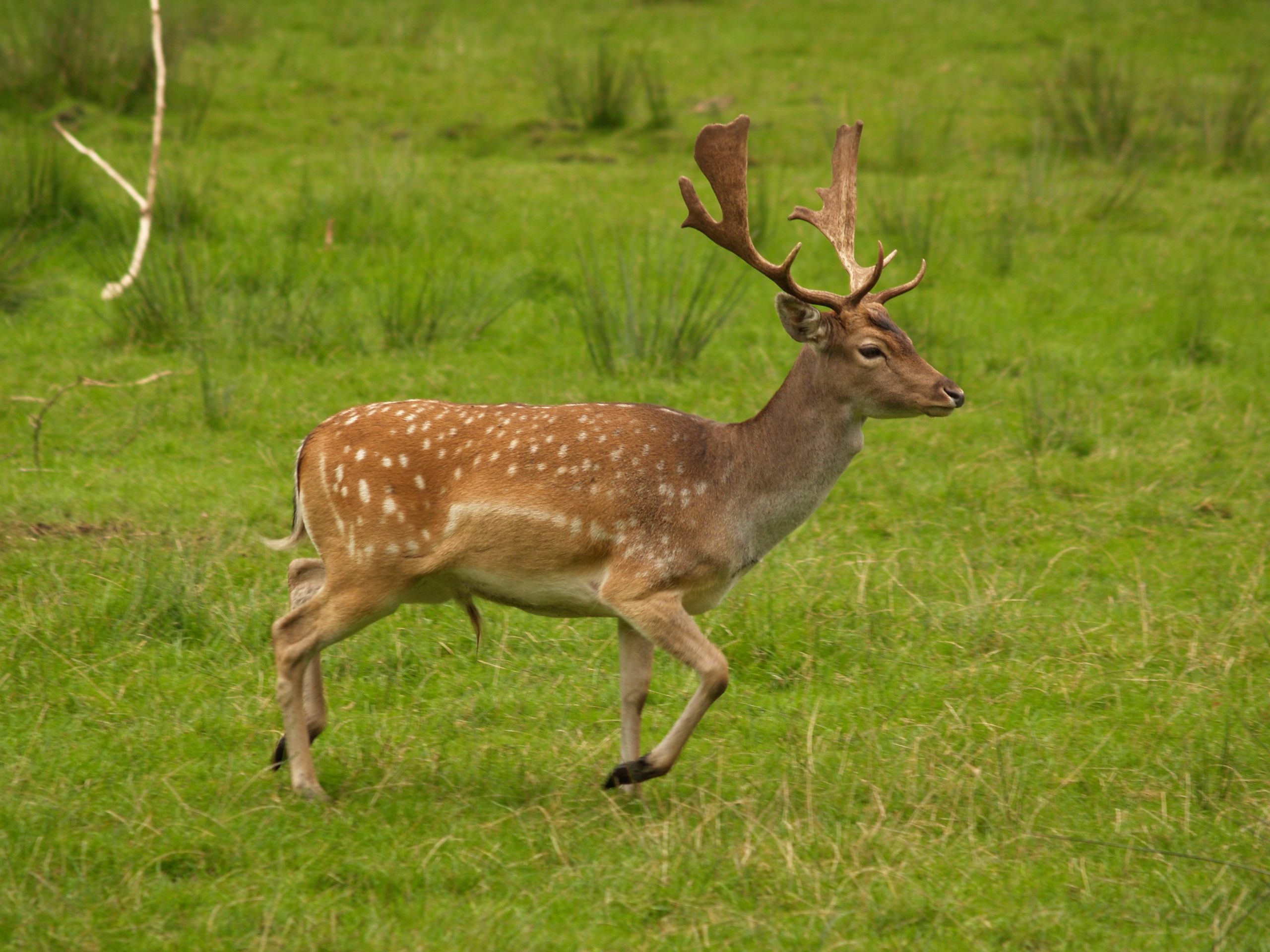
Missouri’s 2026 deer calendar is divided into separate firearm portions rather than one continuous gun season. An early youth portion runs Oct. 24-25, followed by the main November firearms portion from Nov. 14-24. Antlerless-only firearm periods are scheduled for Oct. 9-11 and Dec. 5-13 in selected counties. During those periods, only antlerless deer may be taken, and county rules can limit how many antlerless permits a hunter may fill. Missouri also allows several legal firearm types, including centerfire rifles, shotguns with slugs, qualifying air-powered firearms and muzzleloaders. Fully automatic firearms and magazines exceeding 11 rounds are prohibited for deer hunting.
8. Kansas
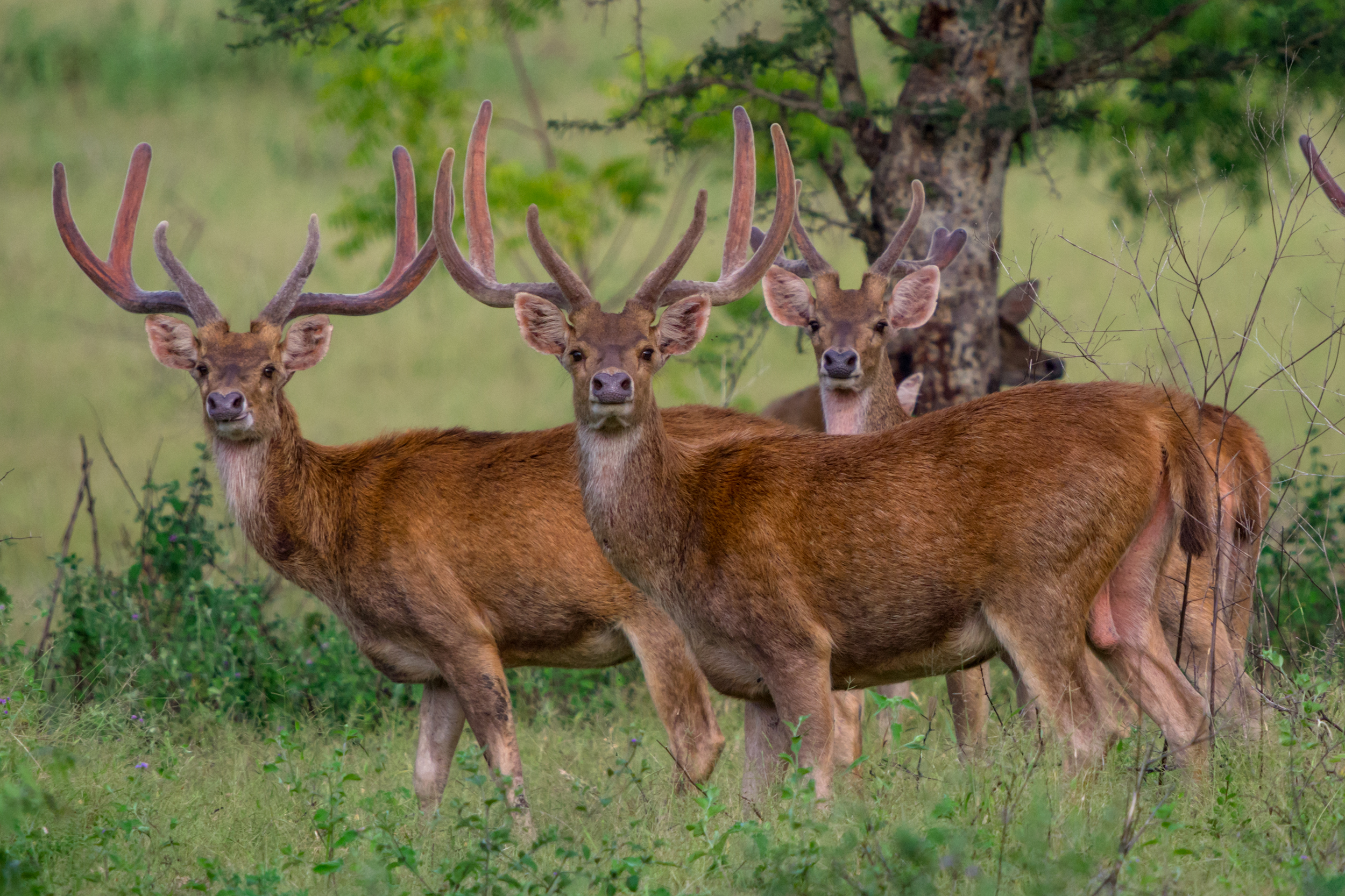
Kansas gives deer hunters a calendar that changes significantly by weapon and management unit. The statewide archery season runs Sept. 14-Dec. 31, while the muzzleloader season is Sept. 14-27. A statewide pre-rut firearm period for antlerless whitetails is scheduled for Oct. 10-12, with an additional Oct. 13-18 opportunity in Unit 12. The regular firearm season runs Dec. 2-13. Kansas also extends antlerless opportunities into January 2027 in several units, with different closing dates. Because those late seasons vary by unit, a hunter cannot rely on the statewide calendar alone when planning a January hunt or checking which deer may legally be harvested.
9. Colorado
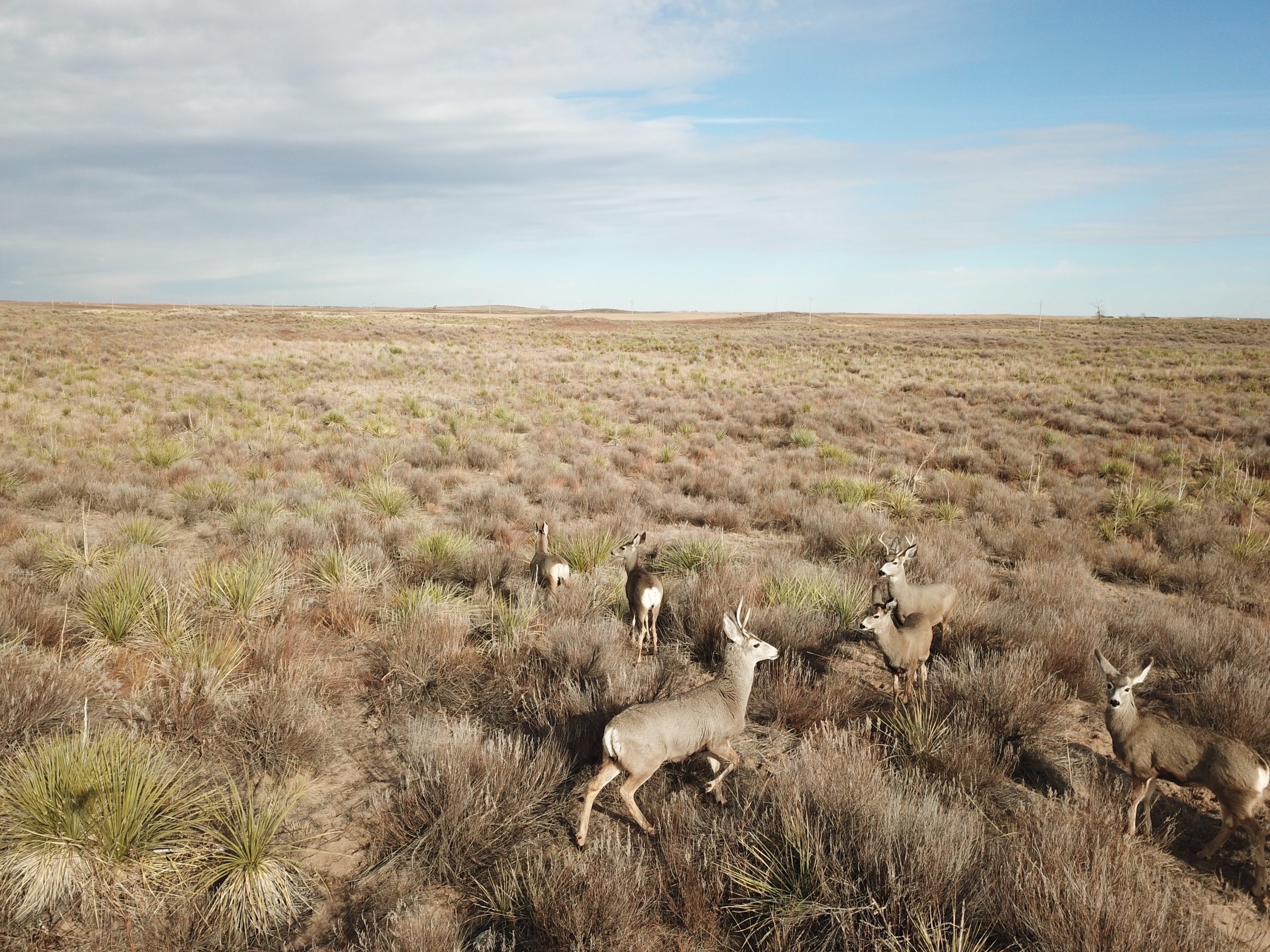
Colorado’s 2026 deer season is built around hunt areas, license types, and several separate weapon periods rather than one statewide schedule. The 2026 big-game calendar lists archery from Sept. 2-30, muzzleloader from Sept. 12-20, and several rifle periods, including Oct. 14-18, Oct. 24-Nov. 1 and Nov. 7-15. Plains deer seasons can follow a different structure east of Interstate 25, while some licenses are limited through the draw and others are available over the counter in specified units. That means the same deer species can have very different dates depending on the game management unit and license held. Some units offer over-the-counter licenses, but these remain restricted by unit and season.