Wildlife safety advice is becoming more specific in 2026 as changing weather, drought, expanding development, and shifting animal behavior bring wildlife into places people do not always expect. In several states, agencies are emphasizing different precautions than the familiar “keep your distance” message. Bear attractants, hunting-season encounters, urban mountain lions, alligators near homes, and even wildlife-viewing traffic are receiving renewed attention. These 9 states show how public warnings are becoming more practical, situation-specific,c and focused on preventing conflicts before they turn dangerous.
1. Colorado Is Putting More Focus on Food and Bear Encounters

Colorado’s bear warnings are increasingly centered on preventing animals from learning that neighborhoods are reliable food sources. State officials recorded more than 7,000 bear sightings in 2026, already exceeding the previous full-year record from 2019. Drought has reduced natural foods, pushing black bears toward towns,homess and businesses. Residents are being reminded that unsecured garbage, bird feeders, and other attractants can create repeat visits. Colorado also stresses staying calm during encounters, never approaching a bear and leaving it an escape route. The message is shifting from reacting to bears to preventing them from becoming comfortable around people.
2. Utah Is Warning About Bears Moving Into Cities
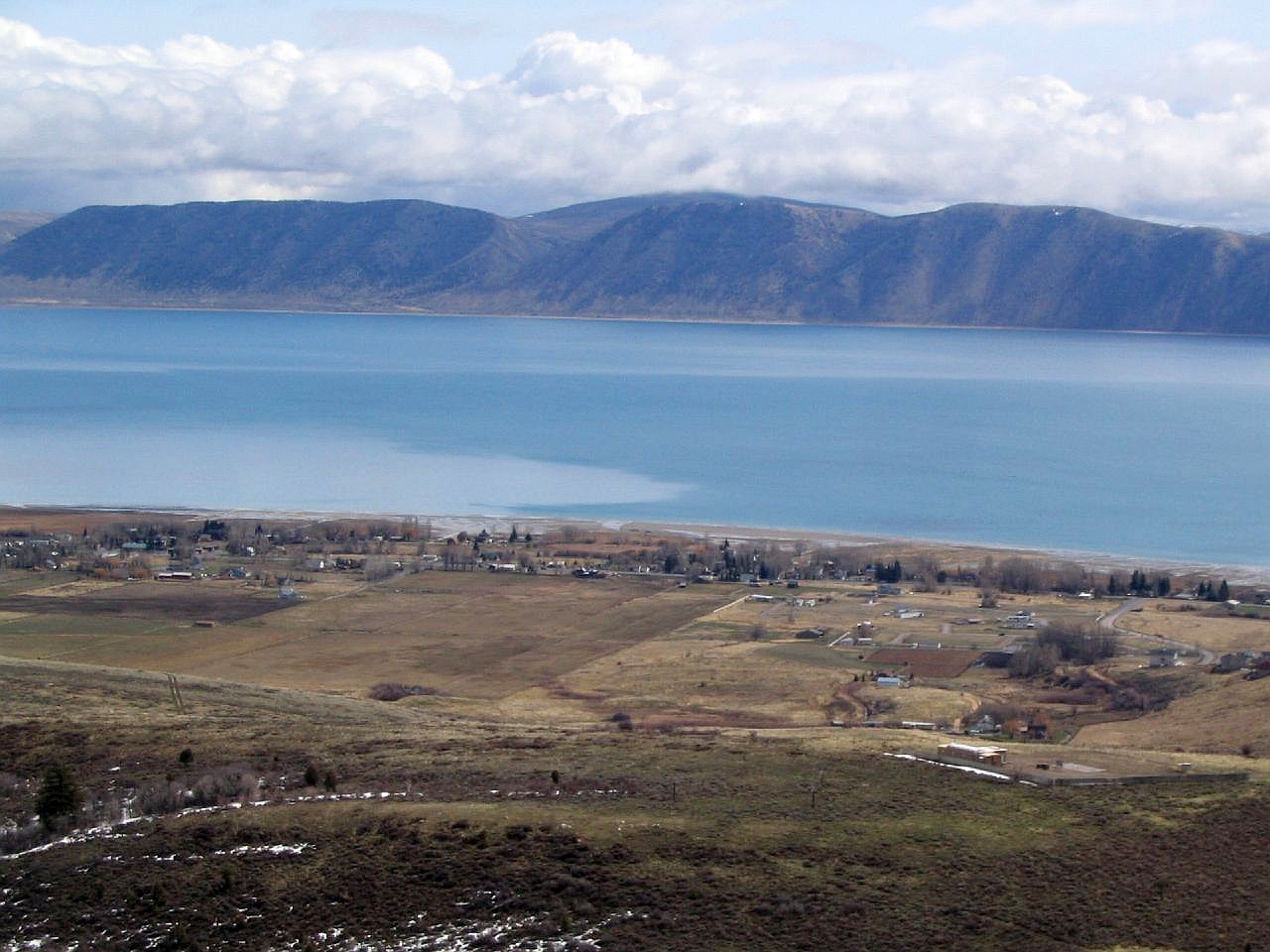
Utah’s 2026 warning has become more urgent because bear incidents requiring agency response have doubled compared with last year. Severe drought and damaged supplies of berries, corn, and other natural foods are pushing black bears toward lower elevations and populated neighborhoods. Wildlife officials say 90% of a black bear’s diet can consist of these natural plant foods, making shortages especially important. Residents are urged to secure garbage and food, report bears inside cocommunitiesities and avoid running or climbing trees during encounters. If a black bear attacks, Utah’s guidance is to fight back rather than play dead.
3. New Mexico Is Dealing With an Exceptional Bear Problem
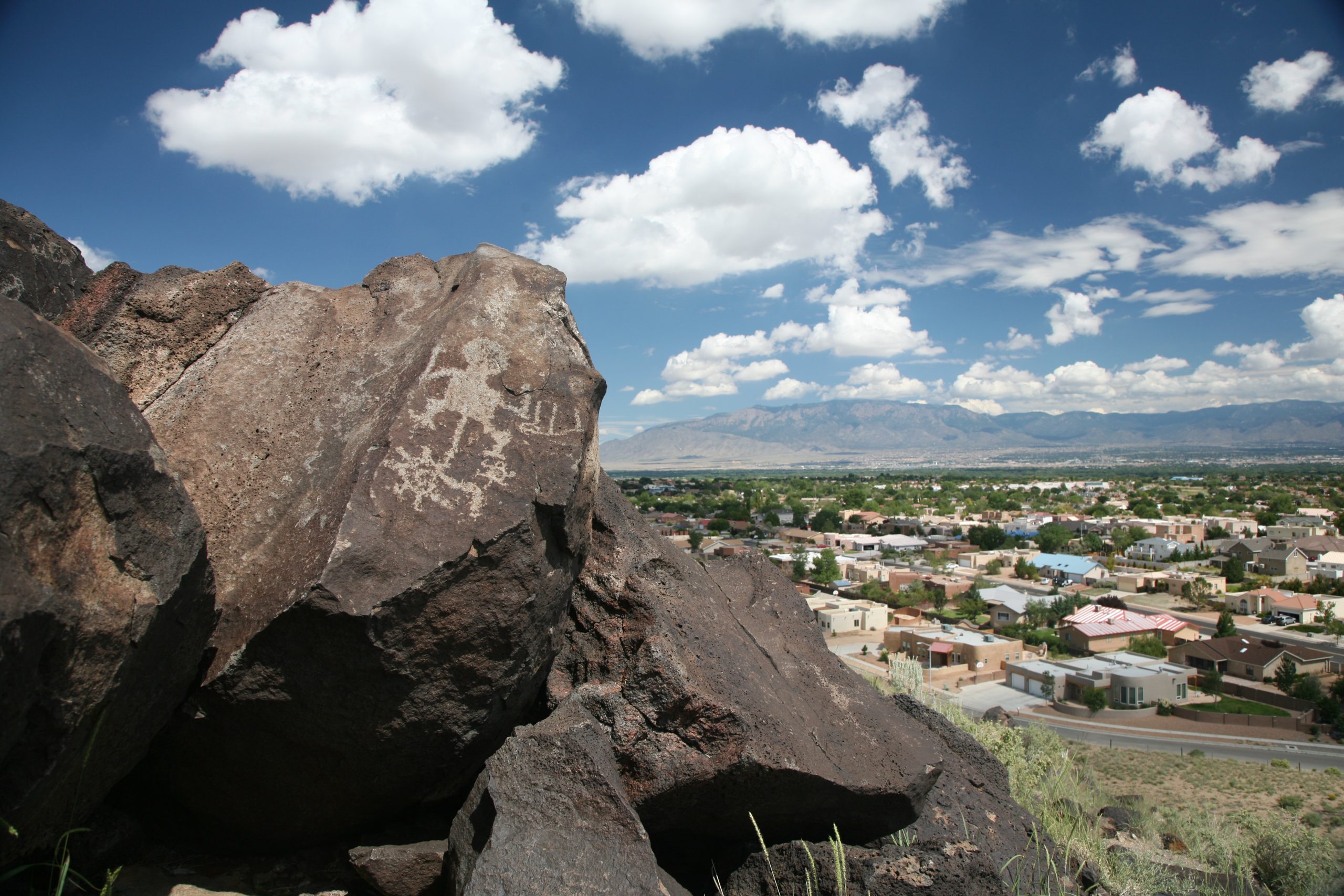
New Mexico’s 2026 wildlife warnings have taken on greater urgency as human-bear conflicts rise dramatically. State authorities have killed 187 bears this year, the highest number recorded in the state since 2011, while 51 bears were relocated, including 35 adults and 16 cubs. Drought and poor natural food availability are helping drive bears toward human settlements, where garbage and other attractants can create dangerous habits. The warning is therefore not simply about what to do after seeing a bear. Residents are being urged to remove food sources, report conflicts early, and prevent bears from becoming conditioned to human neighborhoods.
4. Montana Is Expanding Its Bear-Aware Message
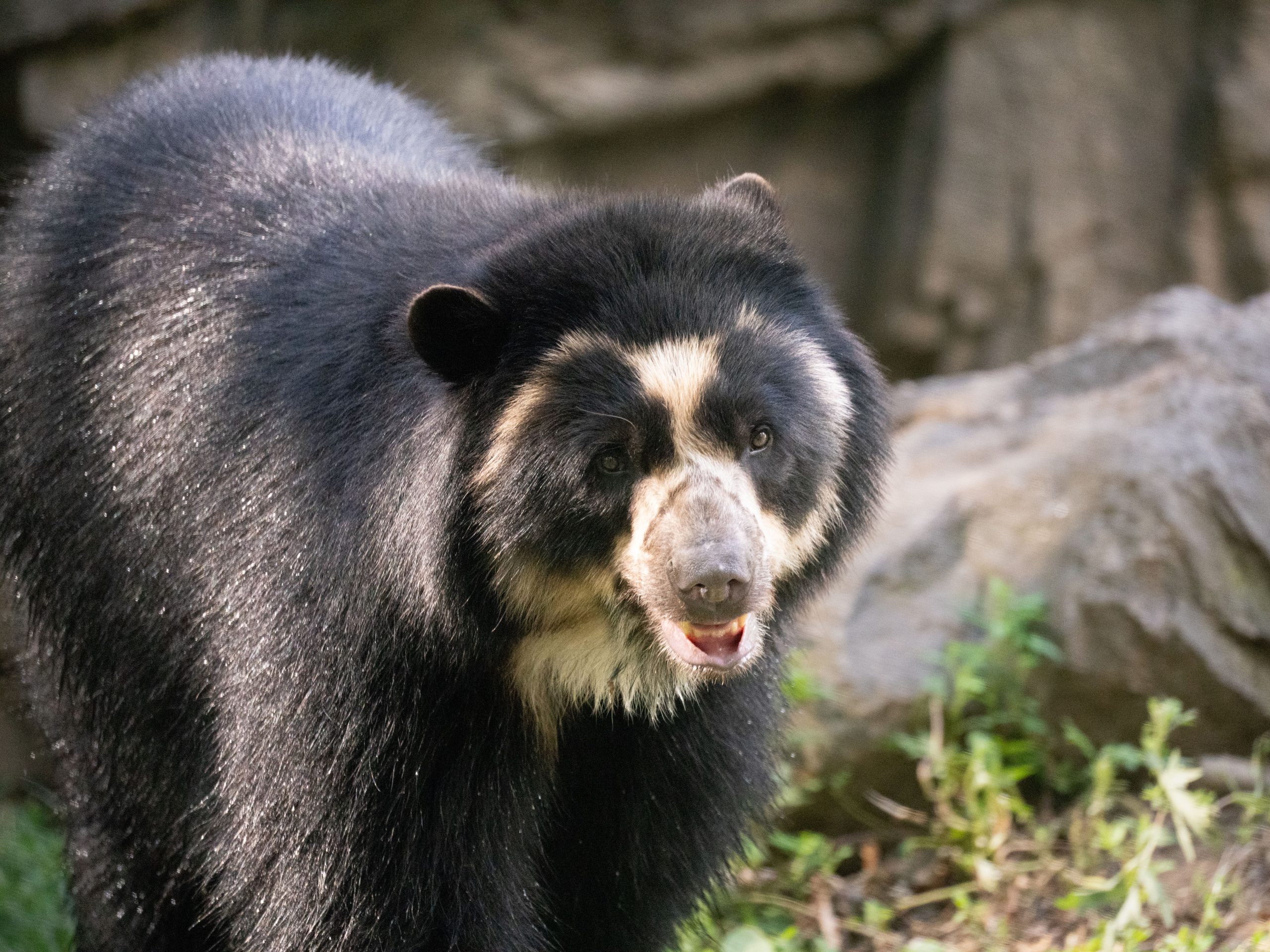
Montana’s guidance is becoming especially important as grizzly bears occupy areas where people may not have expected them previously. The state’s Bear Aware resources now emphasize that grizzlies can occur across western and central Montana, while some remain active into December and occasionally during winter. The advice covers hikers, hunters,,anglers and landowners rather than treating them as separate groups. Carrying bear spray, understanding bear behavior, and securing attractants are major themes. Hunters also face an added challenge because grizzlies and black bears can look similar, making correct identification essential before any shot is taken.
5. Wyoming Is Reworking Warnings Around Hunting Season
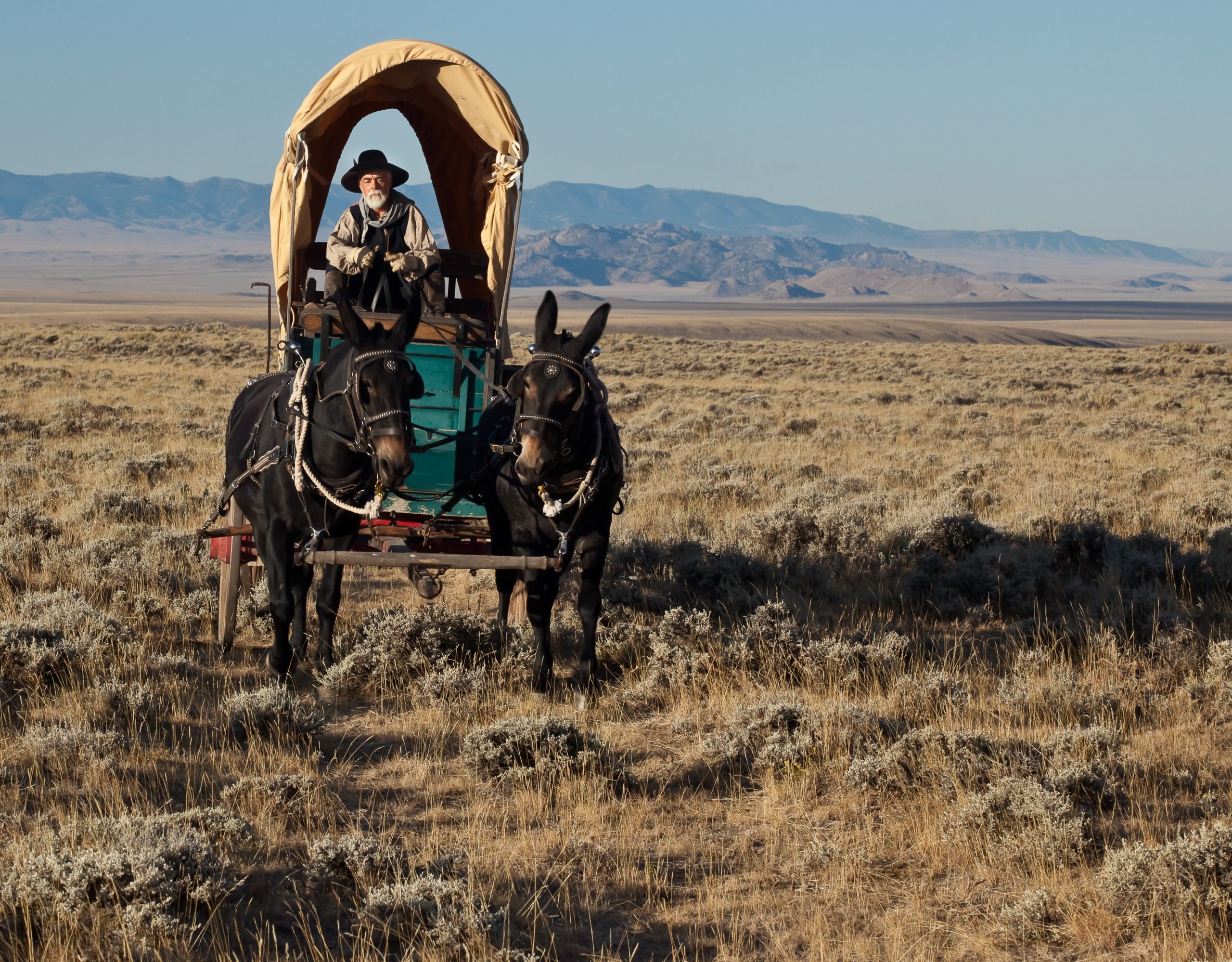
Wyoming’s 2026 warnings are paying particular attention to hunters because fall activities can unintentionally increase bear encounters. Hunters often move quietly, travel with the wind and use game calls, all of which can reduce a bear’s ability to detect people. Blood and meat from harvested animals can also attract bears. During fall hyperphagia, bears may consume up to 20,000 calories a day while preparing for winter. Wyoming is therefore stressing carcass management, attractant control, and heightened awareness rather than relying on general wildlife caution. Free bear-spray training and distribution programs are also being used to prepare outdoor users before they enter bear country.
6. Nevada Is Targeting an Overlooked Bear Attractant
Nevada’s 2026 warnings highlight a surprisingly ordinary source of bear conflicts: bird feeders. Wildlife officials reported increased calls involving both traditional birdseed feeders and hummingbird feeders filled with sugar water. The warning matters because bears can quickly learn that neighborhoods provide easy calories. Residents are being advised to remove feeders when bear activity is present and secure garbage, pet ffood grills and other attractants. Nevada has also emphasized that about 90% of bear-related calls are connected to unsecured trash. The updated approach makes household habits a central part of wildlife safety rather than treating encounters as unavoidable accidents.
7. Arizona Is Paying Closer Attention to Mountain Lions
Arizona’s warnings are increasingly shaped by research into mountain lion behavior and changing habitat conditions. The Arizona Game and Fish Department received 531 mountain-lion-related public calls in 2025, showing how frequently these animals can intersect with people even when attacks remain uncommon. Drought, wildfire, habitat f,ragmentation and expanding development can bring lions closer to human activity. Residents are advised not to run if they encounter one, to face the animal, appear larger a,nd give it an escape route. Children and pets require extra supervision, particularly around dawn and dusk when predators can be more active.
8. Florida Is Making Alligator Safety More Practical
Florida’s wildlife warnings continue to focus on preventing people from treating alligators like harmless pond wildlife. The state’s alligator population occurs in all 67 counties, meaning encounters are not limited to remote swamps. Officials stress keeping a safe distance, never feeding an alligator,a nd swimming only in designated areas during daylight. Florida also operates a statewide nuisance-alligator system for animals that threaten people, pets, or property. Generally, an alligator measuring at least 4 feet may qualify as a nuisance when it is considered a threat. The message is clear: observe wildlife from a distance and let trained personnel handle dangerous encounters.
9. Minnesota Is Adding Research Protection to Wildlife Warnings
Minnesota’s 2026 bear guidance goes beyond protecting people from wildlife and also asks hunters to protect animals being studied. The Department of Natural Resources is monitoring 50 radio-collared black bears, particularly in several research areas. Hunters are being asked to recognize the large colored ear tags and radio collars and avoid shooting marked research animals during the bear season. At the same time, Minnesota’s broader BearWise advice stresses staying alert, keeping children close, packing out food and trash, and keeping dogs leashed. It is a useful example of wildlife safety becoming a two-way responsibility involving people, animals, and long-term research.