A gun safe can create a strong sense of security, but the label on the door does not always tell the whole story. From weak construction to poor placement, small issues can add up to major vulnerabilities. These nine signs can help you spot whether your safe is truly protecting your firearms and valuables, or simply giving you peace of mind without the performance to back it up.
It Is Not Bolted Down

A gun safe that is not anchored is easier to defeat than many owners realize. If a thief can tip it, pry at weak points, or haul it away to open later, the safe stops being a serious barrier and becomes a very heavy box with a time limit.
This matters even more with smaller safes and many entry-level models. Weight alone is not the same as security, especially on smooth concrete or wood flooring.
If your safe shifts when pushed or was simply set in place and forgotten, that is a major warning sign. Secure storage starts with proper installation, not just a locking door.
The Steel Body Feels Thinner Than Expected
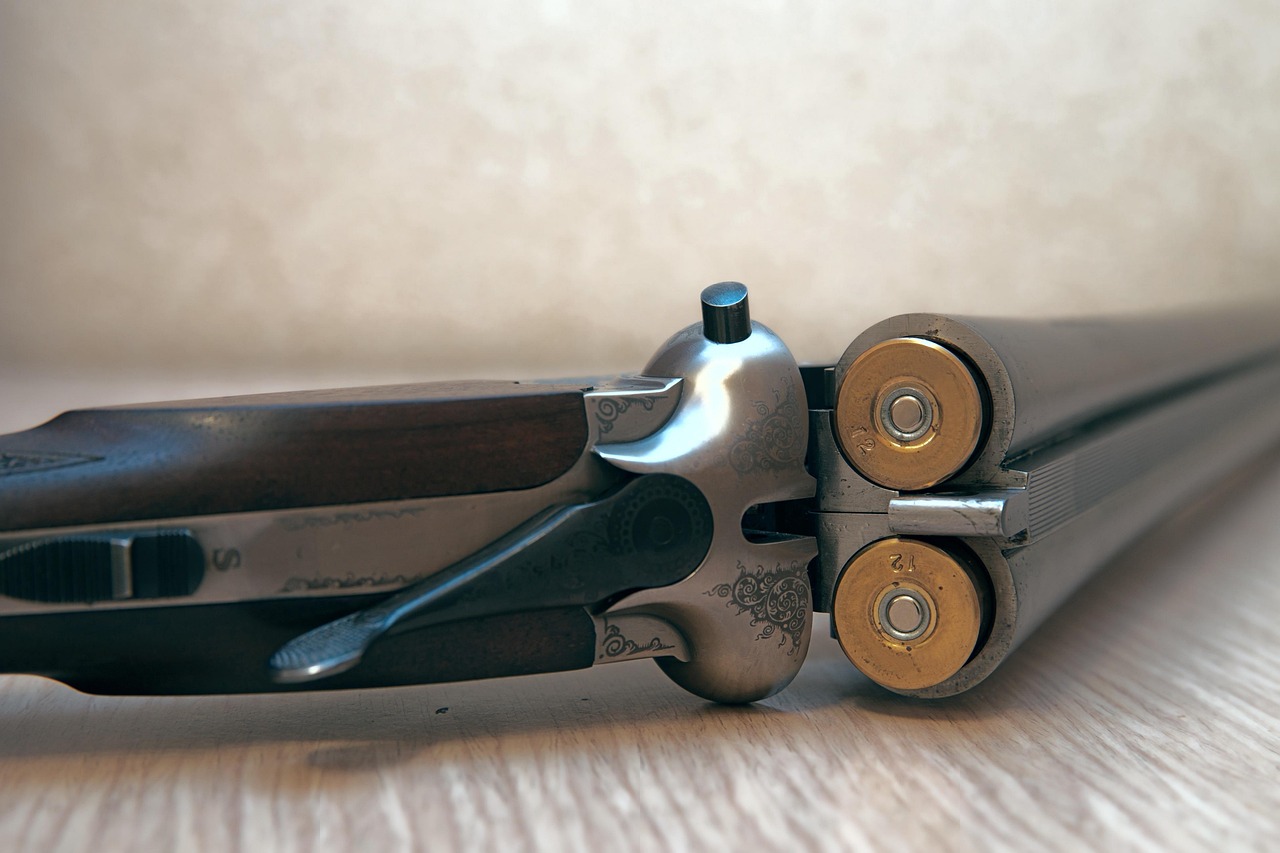
Many safes look tough from the outside because of size, paint, and big locking handles. But appearance can be misleading. Thin steel can bend, peel, or give way under pry attacks much faster than buyers expect, especially when the door frame and body are lightly built.
A bulky interior does not always mean robust construction. Some units emphasize storage capacity over defensive strength, and that tradeoff can be hard to spot on a showroom floor.
If the metal seems light for the size or the product details avoid clear steel thickness information, that is worth questioning. Real protection depends on construction, not just marketing language.
The Fire Rating Sounds Impressive but Vague

Fire protection is one of the most misunderstood parts of safe shopping. A sticker that promises fire resistance may sound reassuring, but it means very little if the rating is unclear, self-certified, or missing key details like time, temperature, and testing method.
Some safes survive only limited conditions that do not reflect a real house fire. Others protect paper better than they protect heat-sensitive optics, documents, electronics, or ammunition components.
If your safe’s fire claim is built around broad wording instead of specific standards, you may be assuming more protection than you actually have. In a fire, vague promises do not help much.
The Lock Has Been Acting Unreliable

A sticking keypad, delayed opening, grinding dial, or handle that occasionally resists are not harmless quirks. They are early signs that the lock, relocker, boltwork, or door alignment may be developing a problem that could leave you locked out or less secure.
Electronic locks are convenient, but they still depend on batteries, clean contacts, and quality internal parts. Mechanical locks can also drift out of adjustment over time.
If you have to jiggle the handle, re-enter the code, or hope it opens on the second try, pay attention. Security equipment should work predictably, especially when access and safety matter most.
Humidity Is Building Up Inside
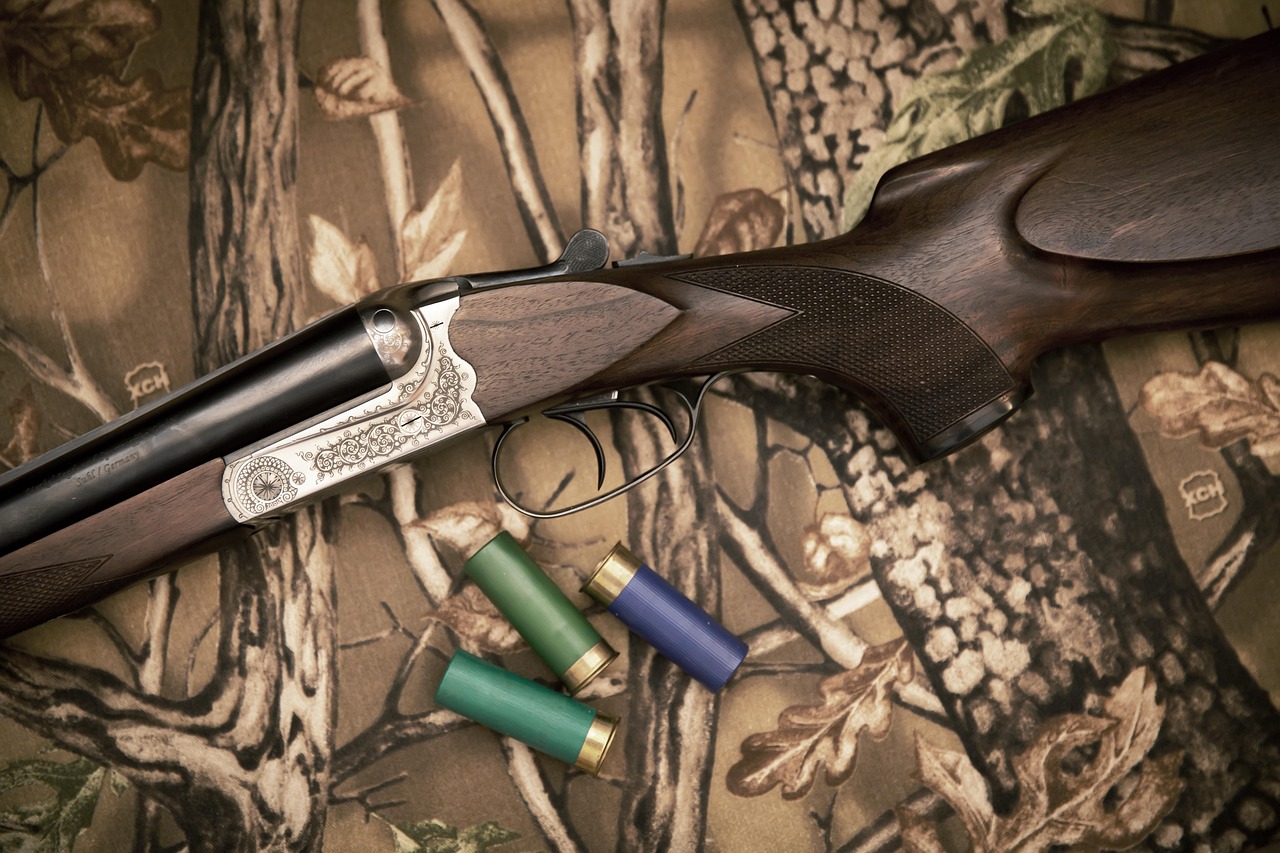
Protection is not just about theft. If moisture is collecting inside your safe, your firearms, documents, and accessories may be slowly deteriorating even though they are technically locked away. Rust, pitting, mold, and damaged finishes can start in spaces that seem dry from the outside.
Basements, garages, and poorly insulated rooms make the problem worse. Foam linings and fabric interiors can also hold moisture longer than people expect.
If you notice condensation, a musty smell, or surface corrosion on metal parts, the safe is not doing its full job. Controlled storage conditions are part of real protection, not an optional extra.
It Is Kept in an Obvious or Isolated Spot

Where a safe sits can affect how vulnerable it is. A unit placed in plain view may invite attention from visitors, contractors, or thieves who now know exactly what to target. At the same time, a safe isolated in a detached garage or remote outbuilding may give an intruder more privacy and time.
Location can either add friction for a criminal or remove it. The best spot balances concealment, convenience, structural support, and limited access.
If your safe is visible from a doorway, easy to reach with tools, or tucked somewhere no one would hear an attack, placement may be undermining everything else you paid for.
The Door Gaps and Hinges Look Easy to Attack
A secure safe should not offer obvious pry points, exposed weaknesses, or flex around the door. Large gaps, thin door edges, and vulnerable hinge areas can all make forced entry easier, especially when paired with basic tools and enough time.
External hinges are not automatically bad, but poor door design often is. What matters is how well the door seats into the frame and whether the locking bolts are backed by solid structure.
If the door seems to wobble, flex, or reveal generous seams, do not ignore it. A strong lock means less when the surrounding metal gives an attacker a simpler path inside.
You Use the Factory Code or a Simple Combination
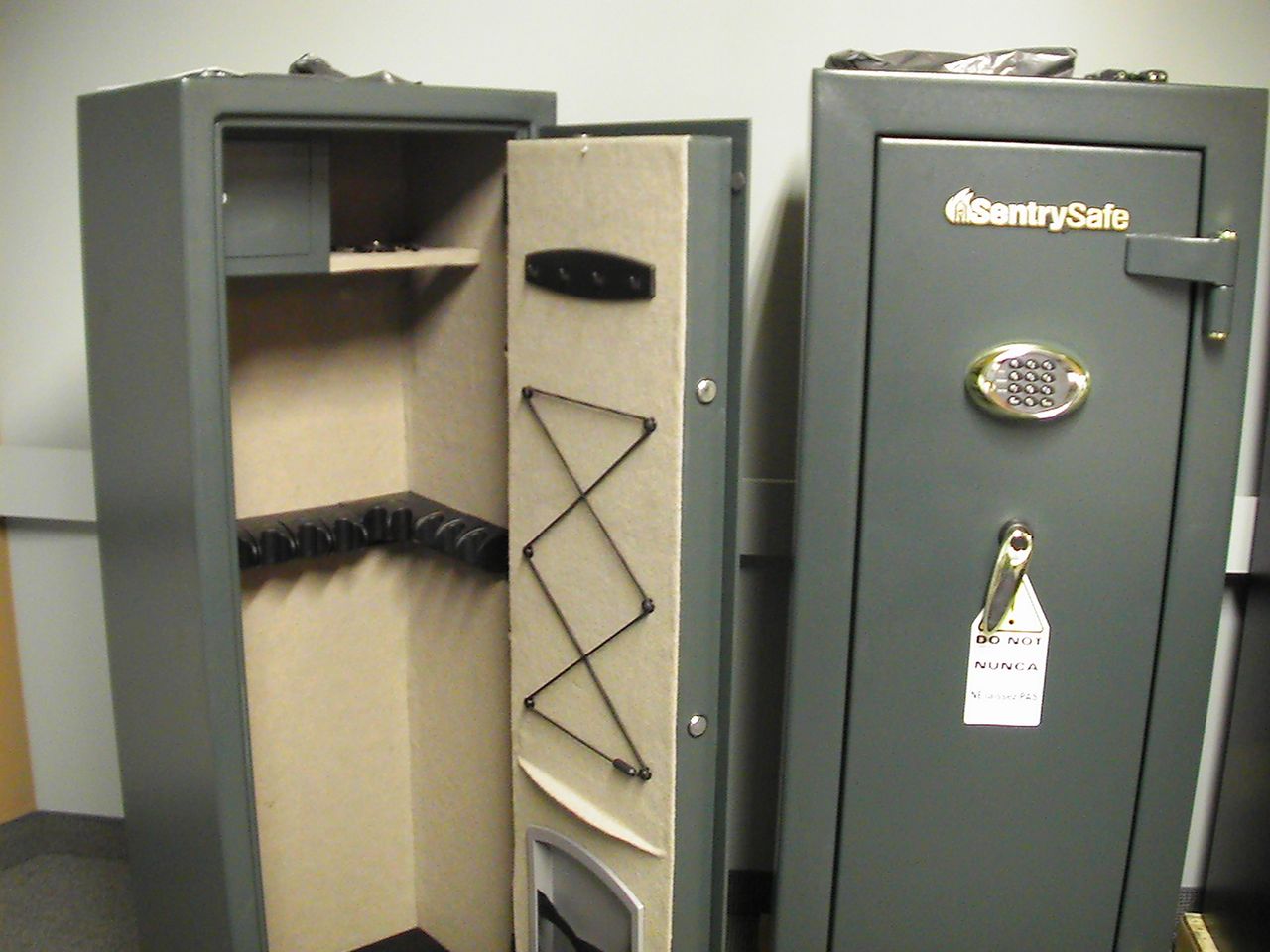
Even a well-built safe can be compromised by weak access habits. Default codes, birthdays, repeating digits, and easy patterns make unauthorized entry more likely, especially in households where multiple people have seen the keypad or know your routines.
Convenience is important, but predictable codes create unnecessary risk. The same goes for keys hidden nearby or combinations written down and stored close to the safe.
If your access setup was chosen because it was easy to remember in five seconds, it may also be easy to guess. Security depends as much on user behavior as it does on steel and locks.
It Is Overstuffed or Poorly Organized
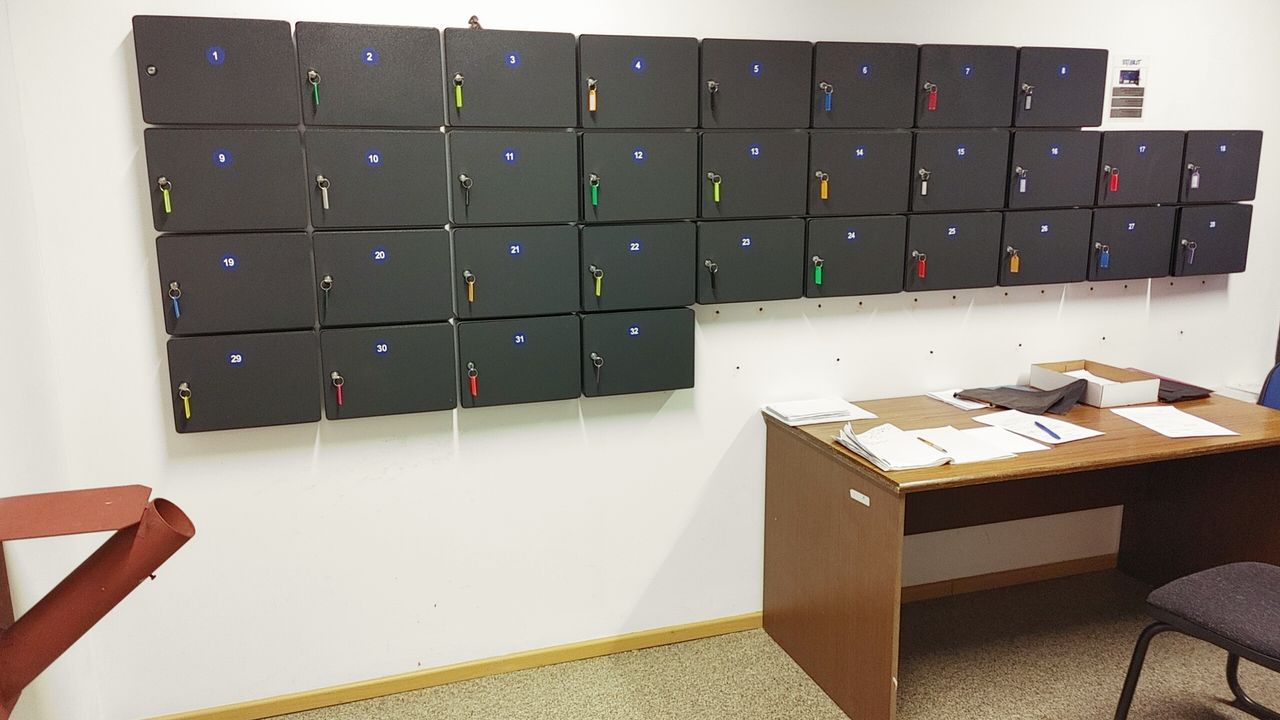
A crowded safe can create its own problems. Firearms pressed together, accessories piled on shelves, and documents crammed into corners can lead to scratches, broken optics, blocked airflow, and difficulty checking what is actually inside.
Disorganization also slows access and makes maintenance easier to postpone. If something is missing, damaged, or corroding, you may not notice until much later.
When a safe is packed beyond its practical capacity, protection becomes more theoretical than real. Good storage should let items sit securely, remain visible, and be inspected regularly without turning every opening into a frustrating shuffle.
You Have Never Reviewed Its Real Limits

One of the clearest signs of false confidence is not knowing exactly what your safe can and cannot do. Many owners assume burglary resistance, fire endurance, waterproofing, and child deterrence are all covered equally, when in reality those are separate performance areas.
A safe is part of a broader security plan, not a magic solution. Alarm systems, room placement, humidity control, installation quality, and routine maintenance all matter.
If you bought the safe years ago and have not revisited its specs, lock condition, and setup since then, now is the time. Protection works best when expectations are realistic and regularly updated.