When the weather turns ugly, a retriever’s reputation gets tested fast. Some breeds get all the glory, but hunters who spend long mornings in icy blinds know several underappreciated dogs can shine in punishing cold, rough water, and relentless wind. This gallery highlights nine retriever breeds that many outdoorsmen say deserve more respect for their grit, stamina, and adaptability when conditions are anything but comfortable.
Labrador Retriever
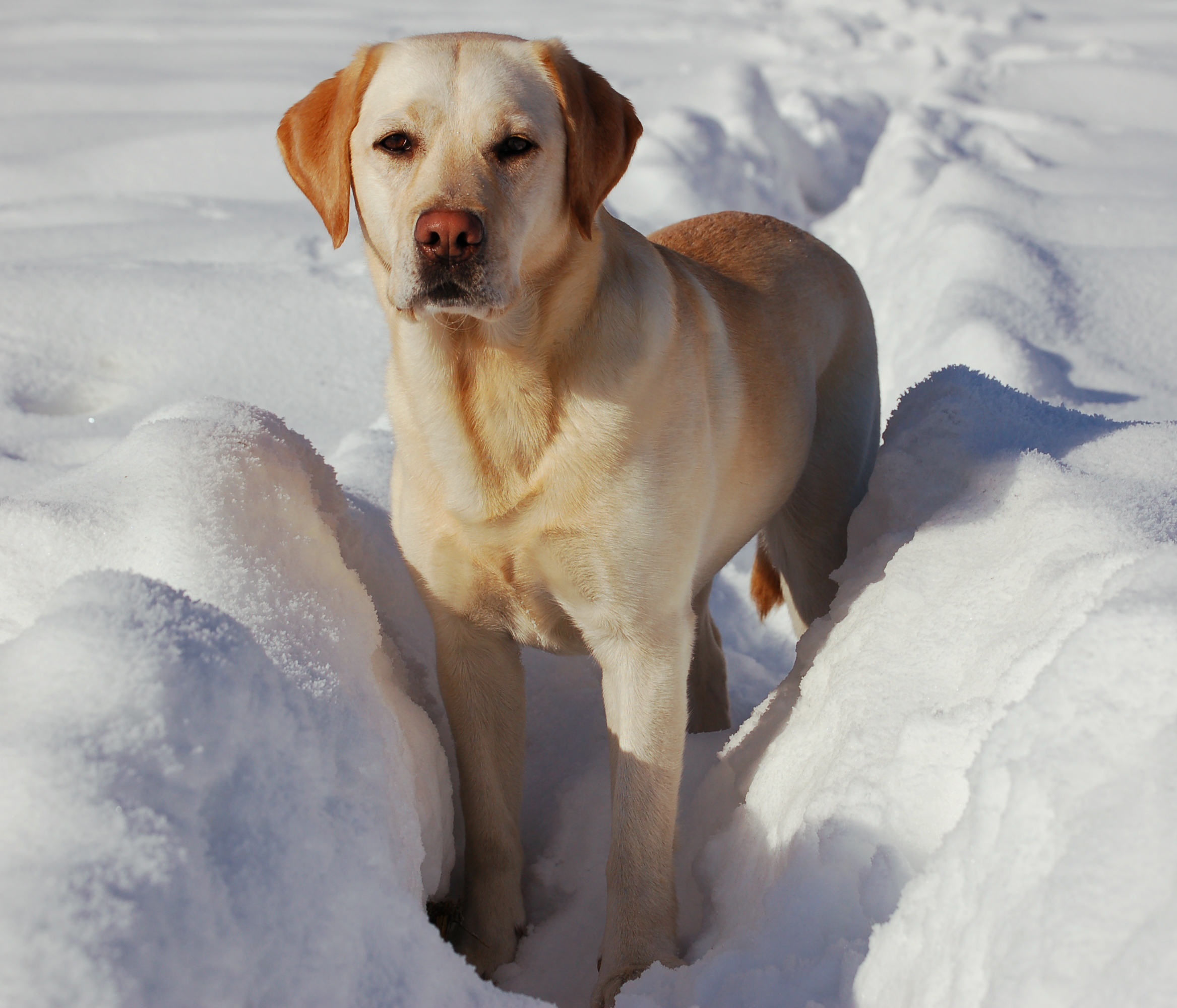
The Labrador Retriever is hardly a secret in duck country, but many hunters still argue that people underestimate just how well a solid field Lab handles brutal weather. In freezing rain, icy mud, and choppy water, a well-bred Lab often keeps working with a calm, businesslike attitude that makes the hard stuff look routine.
That reputation comes from more than enthusiasm. Labs typically pair a dense double coat with strong swimming ability, trainability, and the kind of steady temperament hunters value in cramped blinds and long waits. In harsh climates, that combination can matter as much as raw speed.
The best ones are practical dogs. They conserve energy, mark well in ugly light, and seem to understand that late-season work is about endurance, not theatrics.
Chesapeake Bay Retriever
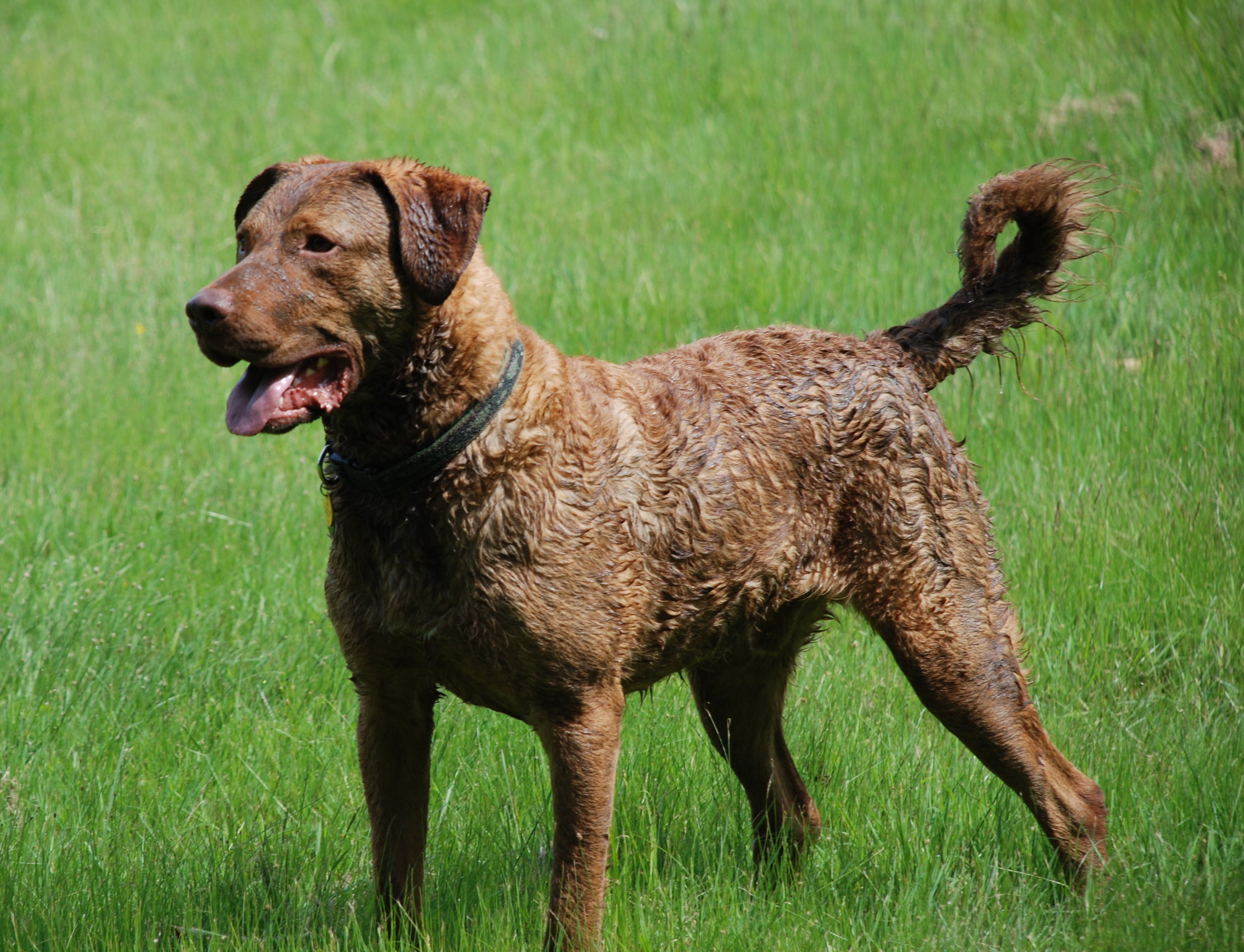
The Chesapeake Bay Retriever has long been associated with tough water and tougher weather, yet even this breed can feel oddly underrated outside serious hunting circles. Hunters in northern flyways often describe the Chessie as a dog built for the kind of days that send fair-weather sportsmen back to the truck.
Its oily, harsh coat and muscular frame are part of the appeal, but so is its determination. Chesapeake Bay Retrievers are known for powering through cold water and rough retrieves with a focused, almost stubborn sense of purpose.
They are not always the easiest fit for every household or first-time trainer, and that may be part of why they get overlooked. In the right hands, though, they can be absolute specialists when winter marshes turn mean.
Curly-Coated Retriever

The Curly-Coated Retriever does not dominate hunting conversations the way some better-known breeds do, but many admirers insist that is a mistake. In cold, wet environments, that distinctive tight curl is more than a style point. It offers practical protection against water and nasty weather.
This is a breed with athleticism, intelligence, and a slightly independent streak that can serve it well in difficult terrain. Hunters who know Curlies often praise their stamina and their ability to stay composed when conditions are sloppy and demanding.
Because they are less common, plenty of people have never seen one work a late-season marsh. Those who have tend to remember a dog that looks unusual, thinks for itself, and handles ugly weather with surprising assurance.
Flat-Coated Retriever

The Flat-Coated Retriever is usually celebrated for personality first, but experienced handlers say that cheerful style can distract from real field toughness. Underneath the upbeat attitude is a sporting dog with drive, athleticism, and a willingness to keep moving when cold wind and long retrieves start wearing everyone down.
Flat-Coats are often at their best with active handlers who appreciate a dog that brings energy to the job. In wet, chilly conditions, that enthusiasm can be a real asset, especially on hunts that involve repeated retrieves and uneven footing.
They may not be the first breed people picture for severe weather, and that is exactly why they make this list. A good Flat-Coat can be much more rugged than its sunny reputation suggests.
Nova Scotia Duck Tolling Retriever
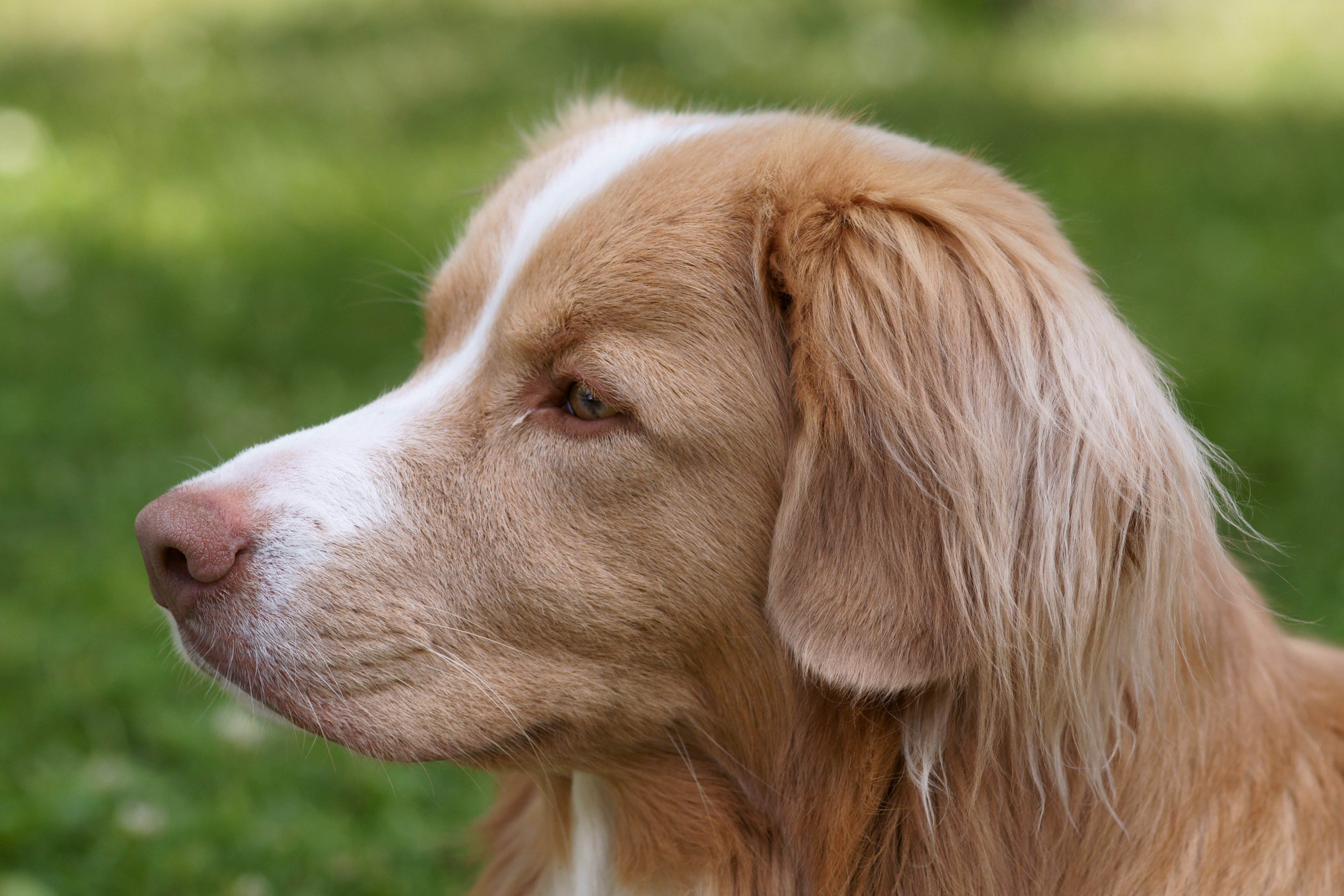
At first glance, the Nova Scotia Duck Tolling Retriever can seem too small or too refined for punishing late-season hunts. Hunters who work with Tollers often push back on that idea quickly. These dogs were developed around waterfowl work, and many bring serious grit to cold, wet, windy days.
Their compact size can actually be an advantage in tight boats, cramped blinds, and long travel days. Add in a weather-resistant coat, sharp intelligence, and plenty of drive, and you get a dog that often punches above its weight in rough country.
Tollers are not miniature Labs, and they are not for everyone. But when trained well and conditioned properly, they can surprise people who mistake smaller stature for softness.
Golden Retriever
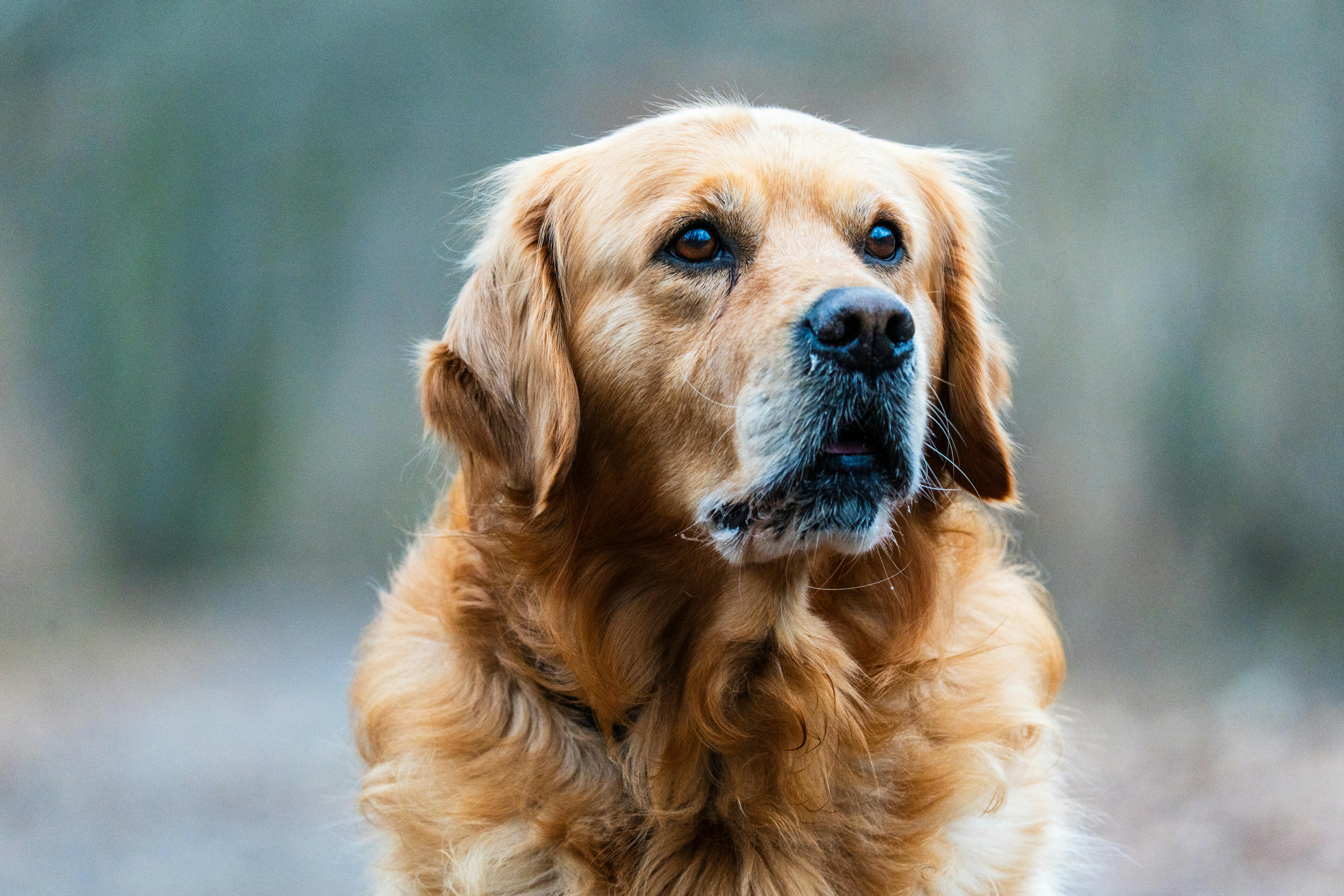
The Golden Retriever is often pigeonholed as a family companion first and a hunting dog second, which can obscure what a good field-bred Golden is capable of. Talk to hunters who use them in cold wetlands, and you hear plenty about heart, steadiness, and a willingness to work through miserable conditions.
A strong Golden combines biddability with athleticism, and that matters when wind complicates marks and icy banks turn every retrieve into a physical challenge. Their coats vary, but many field lines carry enough protection for cold-weather duty when properly maintained.
They may not have the hard-edged image of some late-season specialists. Still, plenty of hunters swear a driven Golden can be one of the most reliable partners in a rough marsh.
German Shorthaired Pointer

Purists may raise an eyebrow at seeing the German Shorthaired Pointer in a retriever-focused conversation, but versatile hunting dog fans know why it belongs here. In some waterfowl camps, a tough GSP earns respect by doing far more cold-weather retrieving than outsiders expect.
No, the short coat is not ideal for every frozen setting, and nobody pretends otherwise. But with conditioning, smart hunt planning, and the right individual dog, some GSPs handle cold, wind, and marsh work with remarkable determination and athletic ability.
The appeal is versatility. Hunters who chase upland birds one week and ducks the next often value a dog that adapts, and a driven GSP can surprise people who assume harsh-weather water retrieves are beyond the breed’s comfort zone.
Wirehaired Pointing Griffon
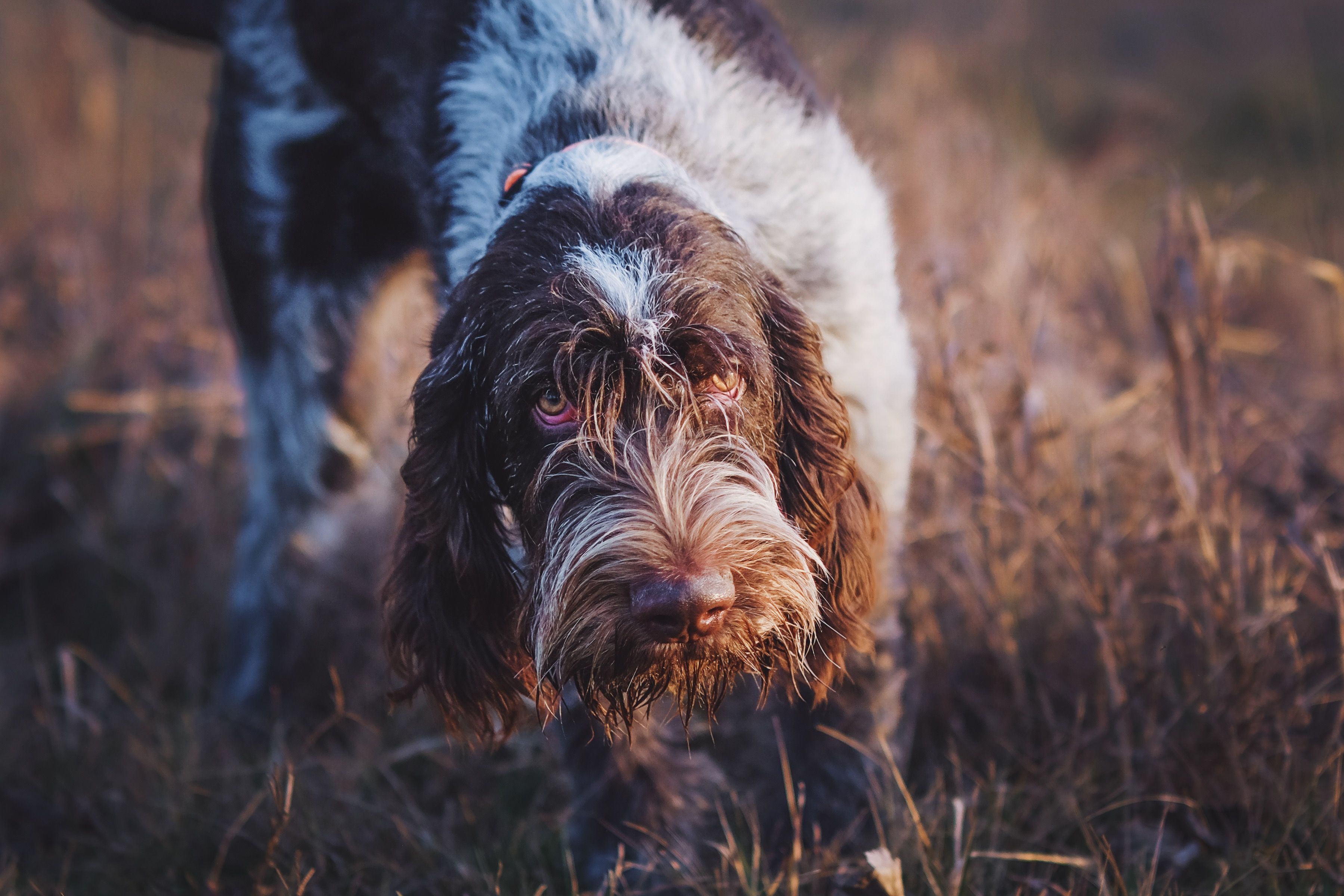
The Wirehaired Pointing Griffon is another versatile breed that does not always get enough credit from waterfowl hunters who have never watched one grind through bad weather. Those wiry coats and hardy builds can make a real difference when the day is raw, wet, and relentlessly uncomfortable.
Griffons are often praised for their close-working style and cooperative nature, which can be especially useful in marshes where visibility is poor and retrieves need careful handling. They may not have the powerhouse reputation of classic retrievers, but they bring steadiness and resilience.
For hunters who want one dog to cover multiple jobs, the Griffon can be a compelling answer. In cold, ugly conditions, it frequently proves tougher and more capable than casual observers expect.
Poodle

The Poodle still surprises people in serious hunting discussions, even though the breed has a legitimate retrieving history. Among hunters willing to look past show-ring stereotypes, there is genuine respect for a well-bred Standard Poodle that has the coat, drive, and training to work birds in miserable weather.
That dense curly coat can offer useful insulation, and the breed’s intelligence is rarely in doubt. A hunting Poodle with solid nerves and physical conditioning can handle cold retrieves with more confidence than skeptics imagine, especially in marshes where brains matter as much as brute force.
They remain uncommon in many waterfowl circles, which only adds to the underdog appeal. When one performs well on a frigid morning, it tends to change a few minds in a hurry.