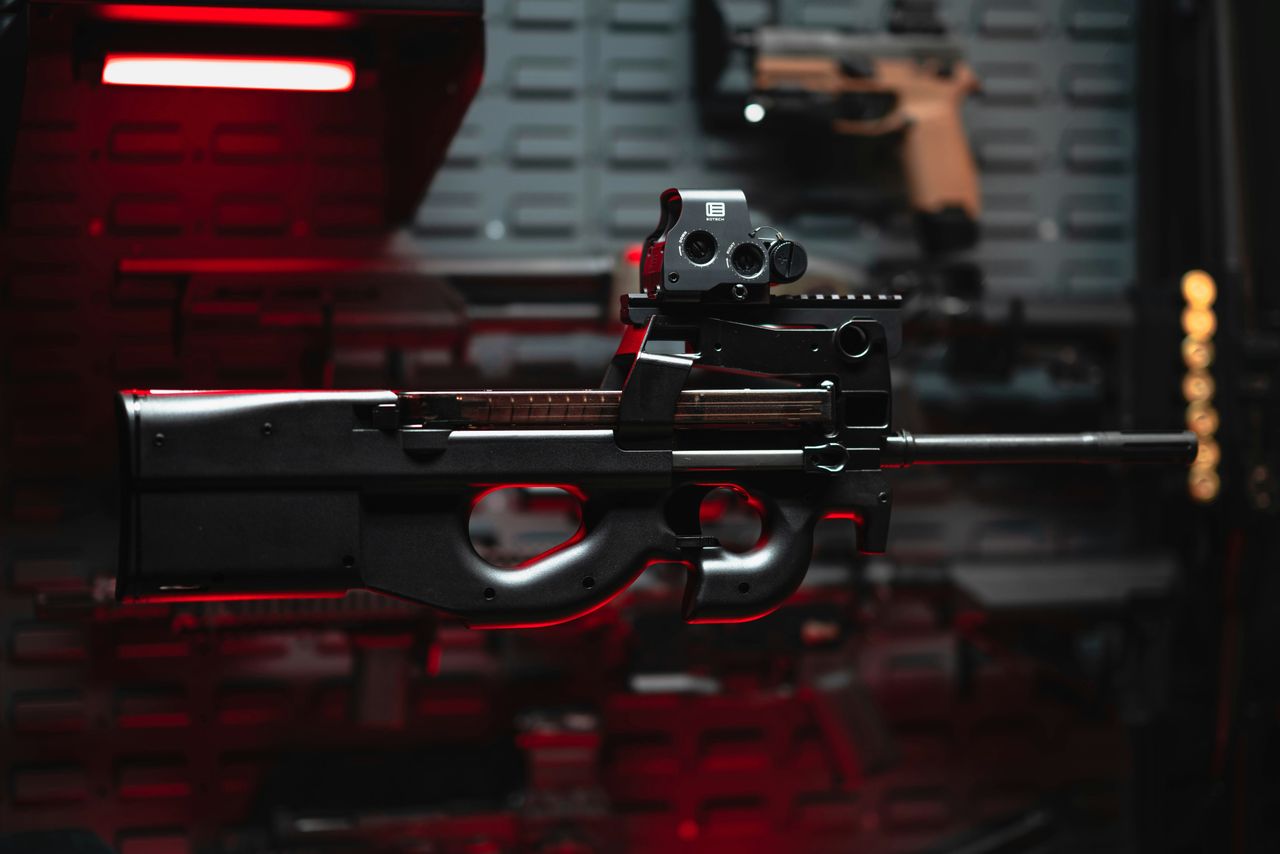
A premium pistol optic setup can still perform like a bargain-bin build if the mounting job is even slightly off. The frustrating part is that many of the most damaging mistakes are small, easy to miss, and often hidden until rounds start wandering or screws start backing out. This gallery breaks down the common errors that quietly sabotage expensive red dot setups and explains why they matter.
Using the Wrong Screws
A surprising number of expensive optics get mounted with whatever screws happen to be in the package, even when they are the wrong length, thread pitch, or head style for the slide and plate. Everything may seem fine at first, but poor screw fit can strip threads, bind before clamping, or leave the optic barely secured.
That is how a premium setup starts shifting under recoil without obvious warning. The fix sounds basic because it is basic: verify the exact screw spec for the optic, plate, and slide combination before anything gets tightened. On a hard-running pistol, screw choice is not a minor detail. It is the foundation of the whole system.
Ignoring Torque Specifications
Many owners think tighter automatically means safer, but over-torquing can be just as destructive as leaving screws loose. Too much force can stretch screws, crush mounting surfaces, or damage the optic housing, while too little allows movement that slowly wrecks zero.
This is one of those mistakes that does not always show up immediately. The pistol may survive a few magazines before the optic starts walking or the screws begin backing out. A proper inch-pound torque driver is not an accessory for people who like gadgets. It is one of the cheapest ways to protect a build that already cost serious money.
Skipping Thread Locker or Using Too Much

Thread locker gets treated like magic, but it only works when it is used correctly. Skip it entirely and recoil can loosen screws over time. Flood the threads with too much and you create a mess that interferes with proper seating, curing, and future maintenance.
The smarter move is controlled application on clean, dry threads with the right product for the job. A small amount does plenty when the parts fit correctly and torque is set properly. People often blame the optic when screws loosen, but the real issue is usually a rushed install where chemistry was expected to cover for poor prep.
Mounting on Dirty or Oily Surfaces

Oil is great for a pistol in motion and terrible for a mounting surface that needs friction and stability. If the slide cut, plate, or optic base has grease, solvent residue, or carbon buildup on it, the parts may never fully mate. That tiny layer of contamination can become the reason your zero drifts.
This mistake is easy to make because the gun may look clean from a normal glance. But mounting surfaces need deliberate prep, not a casual wipe on a shop rag. Degreasing and inspecting contact points takes only a few minutes, and it often separates a setup that survives thousands of rounds from one that starts moving far too soon.
Trusting a Poorly Fitted Adapter Plate

An adapter plate can be a perfectly good solution, but only when the fit is precise and the stack-up is solid. If the plate introduces slop, uneven contact, or tolerance issues between the slide and optic, the whole assembly becomes more vulnerable to movement and wear under recoil.
That extra layer also means more surfaces that must align correctly. Budget plates on expensive pistols are a strange place to cut corners, yet it happens all the time. A plate should feel like a purposeful part of the system, not a temporary workaround. If the fit looks questionable on the bench, it will almost certainly get worse on the range.
Failing to Check Screw Engagement Depth

Even when the screws are technically the right type, engagement depth can still be wrong. Too few threads and the optic may loosen or shear screws under recoil. Too much depth and the screws can bottom out, interfere with internals, or create a false sense of tightness before the optic is actually clamped.
This is one of the quietest ways to sabotage a setup because everything can look perfect from above. The optic sits flat, the screws feel snug, and the owner moves on. Then reliability problems or zero shifts appear later. Measuring and confirming thread engagement is tedious, but it is a lot less tedious than chasing mysterious performance issues afterward.
Not Verifying the Optic Is Fully Seated

A red dot can appear mounted correctly while still sitting slightly proud due to debris, plate mismatch, finish buildup, or imperfect machining. That tiny gap matters because recoil will keep hammering the optic against the mount until something shifts, wears unevenly, or loosens.
This is where patience pays off. Before torqueing anything down, the optic should sit flush and stable with no rocking, no visible daylight, and no need for the screws to pull it into place. Screws are there to clamp a properly seated optic, not to force parts together. If the fit needs persuasion, the setup is already telling you something is wrong.
Assuming Zero Problems Are Ammunition Problems

When groups open up or the point of impact starts wandering, many shooters blame ammo, technique, or the optic itself before questioning the mount. But a slightly shifting optic can imitate all kinds of other issues, especially early on when movement is subtle and inconsistent.
That misdiagnosis wastes range time and sends people chasing the wrong fix. They change loads, adjust brightness, or tinker with fundamentals while the real problem is mechanical. A red dot setup should be part of the troubleshooting process anytime accuracy suddenly changes. Expensive components do not exempt a system from basic checks, and a loose mount does not care what brand name is on the side.
Skipping Post-Installation Checks

A clean install is not the finish line. New mounts and screws should be checked after initial shooting because recoil can reveal fit issues that the bench never showed. If you mount the optic, fire a few hundred rounds, and never inspect anything, you are trusting hope more than process.
Good setups are usually boring because they stay consistent, but consistency comes from follow-through. Recheck torque if the manufacturer recommends it, inspect witness marks, and confirm zero after break-in. This does not mean obsessively taking the pistol apart every trip. It means treating the first range sessions as part of the installation, not as proof the job was perfect.
Choosing Convenience Over Durability

Some mounting decisions are made for speed, looks, or convenience rather than long-term reliability. A plate that is easy to source, screws that almost fit, or a quick install done without the right tools can all seem harmless when the pistol is sitting still on the bench. Recoil is where those shortcuts start billing you.
The costly part is not just replacing stripped screws or chasing zero. It is losing confidence in a setup that should have been trustworthy from day one. Durable mounting is rarely glamorous, but it protects every dollar spent on the slide cut, optic, irons, and ammunition. In the end, the best red dot setup is the one that stays invisible because it simply works.