Some vehicles look ready to cross deserts, climb mountain passes, and disappear into the backcountry for weeks. But image and capability do not always line up with real-world dependability. This gallery highlights overlanding favorites with tough styling and big adventure appeal that have also earned reputations for costly, recurring breakdowns.
Jeep Wrangler

The Jeep Wrangler is almost the default image of overlanding. Solid axles, removable doors, and serious off-road credentials make it feel like it was born for the wild. It also has an enormous aftermarket, which only strengthens its adventure-ready reputation.
The problem is that many owners know the Wrangler for more than trail fun. Electrical gremlins, steering issues, water leaks, and inconsistent build quality have shadowed multiple generations. When a vehicle is meant to take you far from pavement, even minor reliability annoyances can become major trip-ending problems.
That does not make every Wrangler unreliable, but it does mean the badge alone is not a guarantee of stress-free exploration.
Land Rover Discovery

The Land Rover Discovery has all the ingredients of an expedition icon. It looks upscale yet purposeful, with genuine off-road hardware and a long history of appearing on remote trails around the world. On paper, it feels like an ideal balance of comfort and capability.
In practice, the Discovery has often been weighed down by reliability complaints. Air suspension failures, electronics problems, cooling system issues, and expensive maintenance have given owners plenty to worry about. A refined cabin is nice, but it loses its charm quickly when warning lights start stacking up.
For overlanders, the Discovery can be incredibly appealing, but it often asks for deep pockets and a lot of patience.
Land Rover Range Rover

Few vehicles project go-anywhere luxury like the Range Rover. It looks equally at home outside a five-star lodge or crawling along a rough fire road, which is exactly why some overlanders are drawn to it. The blend of prestige and off-road talent is undeniably seductive.
Reliability, however, has long complicated that fantasy. Complex electronics, air suspension problems, drivetrain issues, and high repair costs have become part of the ownership conversation. When something breaks, it is rarely simple or cheap, and that is the last thing you want before a remote trip.
The Range Rover can absolutely venture far from civilization. The bigger question is whether you trust it to make the round trip without drama.
Nissan Xterra

The Nissan Xterra built a loyal following by being simple, rugged-looking, and unapologetically outdoorsy. Its boxy design, roof rack, and trail-friendly attitude made it seem tailor-made for camping gear, muddy weekends, and budget overland builds. It still has real charm in the used market.
But some model years developed reliability baggage that buyers cannot ignore. Transmission failures tied to radiator issues became especially notorious, and other aging-related problems can pile on in high-mileage examples. For an adventure rig, that kind of weak point can feel like a ticking clock.
A well-sorted Xterra can still be a fun platform, but shopping carefully matters more here than the rugged styling might suggest.
Hummer H3

The Hummer H3 looks like it could drive straight through a boulder field and ask for more. Its chunky proportions and military-inspired styling scream toughness, which helped it earn a place in the imagination of buyers who wanted a dramatic adventure vehicle. It certainly looks ready for the apocalypse.
Unfortunately, the ownership experience has not always matched the visual promise. Engine concerns, electrical issues, and generally mediocre long-term dependability have made the H3 less heroic in daily life. Add in its size, weight, and efficiency drawbacks, and the novelty can wear off quickly.
For overlanding, the H3 has presence in abundance. What it often lacks is the confidence-inspiring durability that serious remote travel really demands.
Jeep Grand Cherokee
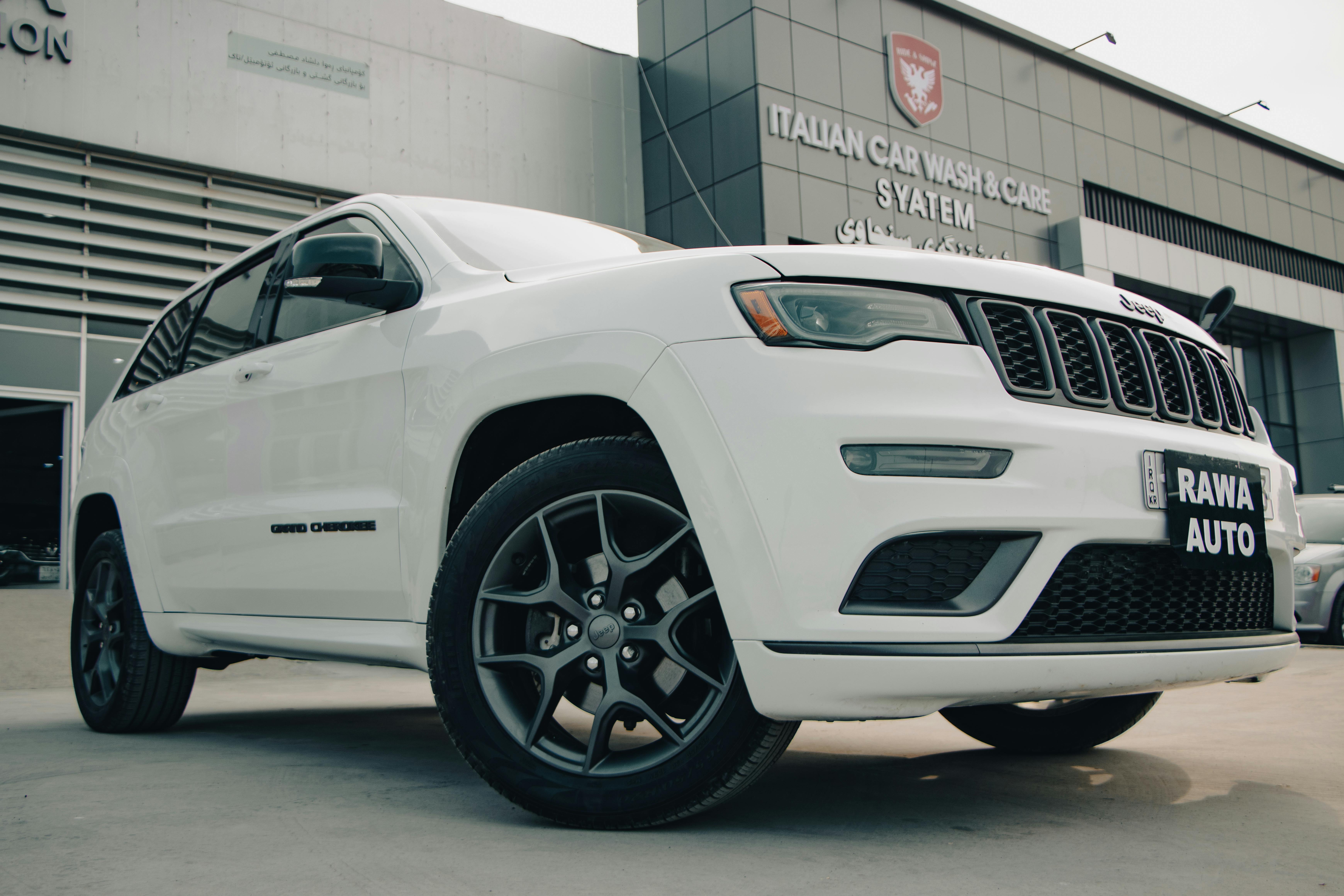
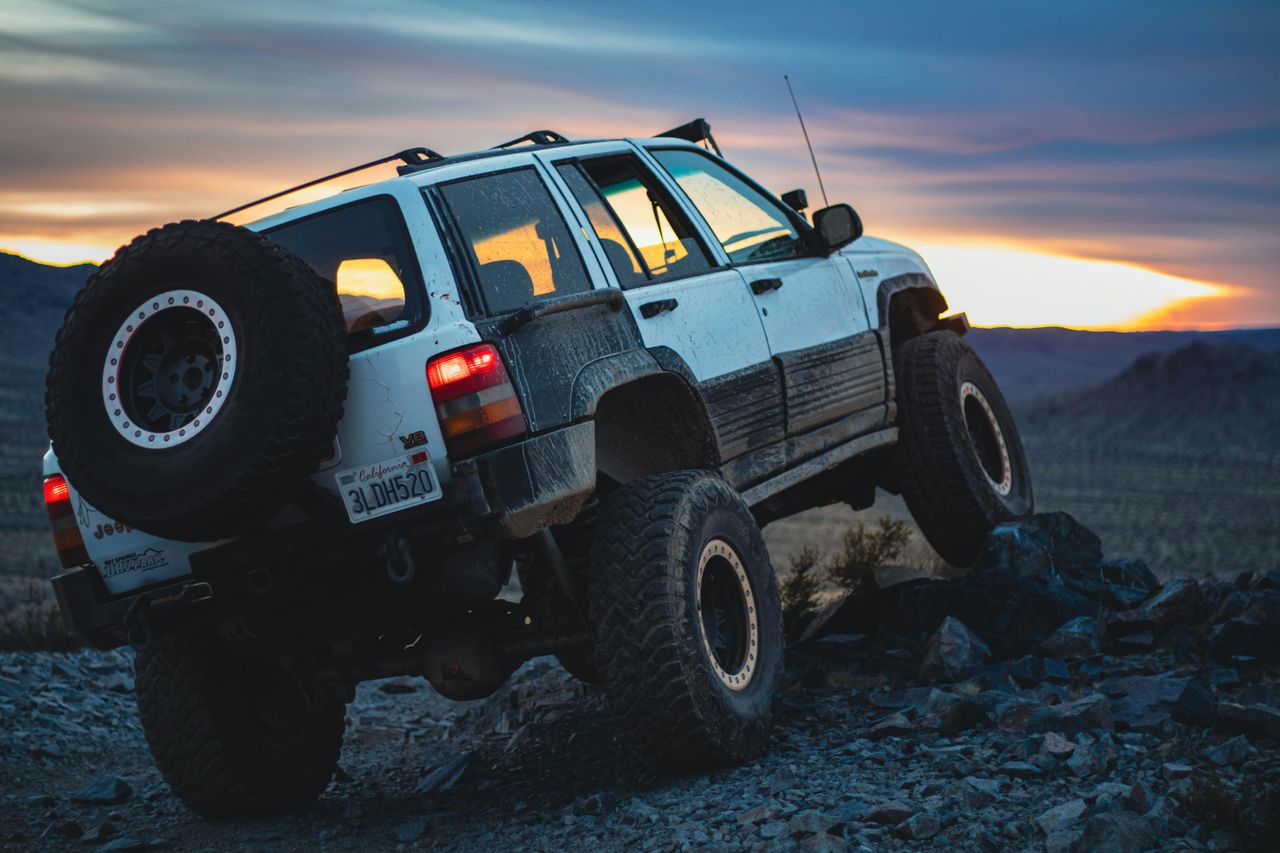
The Jeep Grand Cherokee has always sold the idea of refined adventure. It offers real off-road capability in many trims, a comfortable highway ride, and just enough rugged design to make it look ready for a week beyond cell service. For many buyers, that mix feels ideal.
Its reliability story is less reassuring. Depending on the generation, owners have reported transmission issues, electrical problems, air suspension faults, and engine concerns. Those are manageable in suburbia, but far from pavement they can turn confidence into anxiety very fast.
That is what makes the Grand Cherokee such a tempting but risky overlanding choice. It can be excellent when everything works, yet that qualifier matters more than it should.
Mercedes-Benz G-Class

The G-Class has genuine off-road roots, and that pedigree gives it enormous credibility in adventure circles. Its upright shape, locking differentials, and unmistakable presence suggest it could conquer nearly any terrain with ease. Even standing still, it looks engineered for serious terrain.
Still, complexity follows the G-Class everywhere. Maintenance and repairs can be eye-wateringly expensive, and modern versions pack in enough electronics and luxury systems to create plenty of potential headaches. It is one thing to absorb those costs in the city and another to deal with them after a long drive into nowhere.
As an overlanding fantasy, the G-Class is powerful. As a practical long-distance wilderness companion, it can be harder to justify than its image suggests.
Toyota FJ Cruiser

The Toyota FJ Cruiser is often praised for durability, and compared with many vehicles on this list, that reputation is not undeserved. Its retro styling, stout mechanical feel, and trail ability have made it a favorite among enthusiasts who want something distinctive for backcountry travel. It definitely looks the part.
Even so, it is not immune to trouble, especially as examples age. Some owners have dealt with drivetrain wear, rust concerns, and maintenance-related neglect that can undermine the brand’s sturdy image. Limited visibility and quirky practicality also make it less effortless to live with than its fans sometimes admit.
The FJ Cruiser is more dependable than most flashy pretenders, but buying purely on Toyota confidence can still lead to expensive surprises.
Ford Bronco Sport

The Ford Bronco Sport arrived with excellent timing, tapping into the renewed appetite for adventure-branded SUVs. It looks rugged, comes with clever trail-focused features, and photographs beautifully next to tents, bikes, and mountain scenery. For casual overlanding, it sells a very convincing image.
But newer vehicles can bring newer uncertainty, and some owners have already reported recalls and quality issues that raise eyebrows. That does not doom the Bronco Sport, but it does mean the wild-ready styling may be ahead of a fully settled long-term reliability record. In remote travel, unknowns matter.
The Bronco Sport may mature into a trustworthy companion. Right now, though, it still carries enough question marks to make cautious buyers pause.
Ram 1500 EcoDiesel

A half-ton truck with diesel torque sounds like overlanding gold. The Ram 1500 EcoDiesel promises strong range, towing confidence, and the kind of road-trip comfort that makes long miles easier to swallow. Add a camper shell or rooftop tent, and it looks ready for serious exploration.
The catch has been the EcoDiesel’s uneven reliability reputation. Emissions-system complications, engine concerns, and costly repairs have frustrated enough owners to tarnish the truck’s adventure appeal. A capable platform loses a lot of shine when one major issue can swallow the travel budget for a season.
The Ram still makes sense for some builds, but the EcoDiesel version is a reminder that ideal specs do not always translate into dependable backcountry performance.