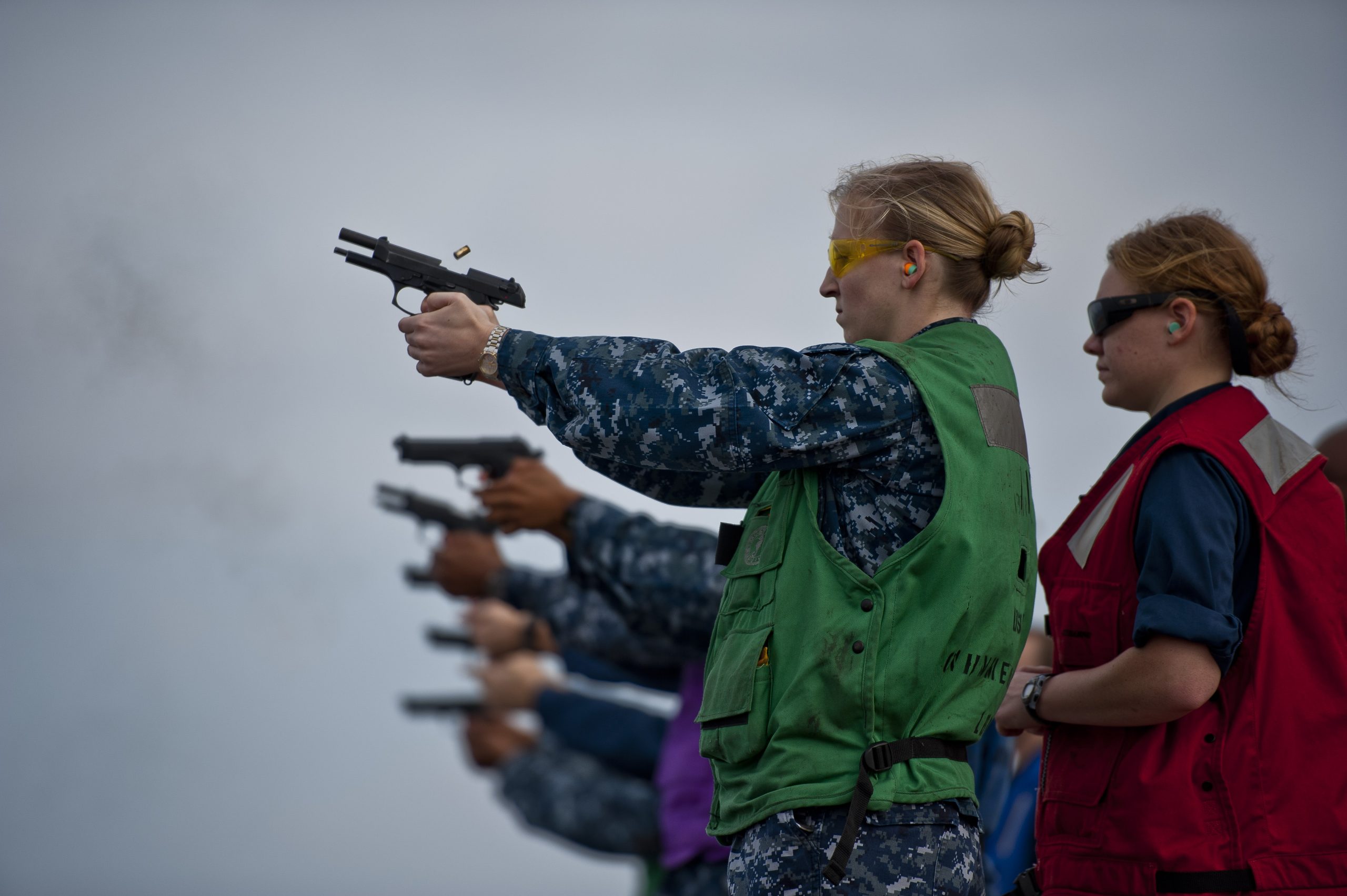
Choosing a handgun is not simply about caliber, size, or reputation. Experienced female instructors often place unusual emphasis on grip circumference, trigger reach, slide operation, recoil, and how comfortably a shooter can practice for long periods. That can lead them toward models that are overlooked in conversations dominated by male shooters. The recommendations below are not “women-only” guns. They are examples of firearms whose ergonomics and controllability can make sense for many shooters.
1. Walther PDP-F
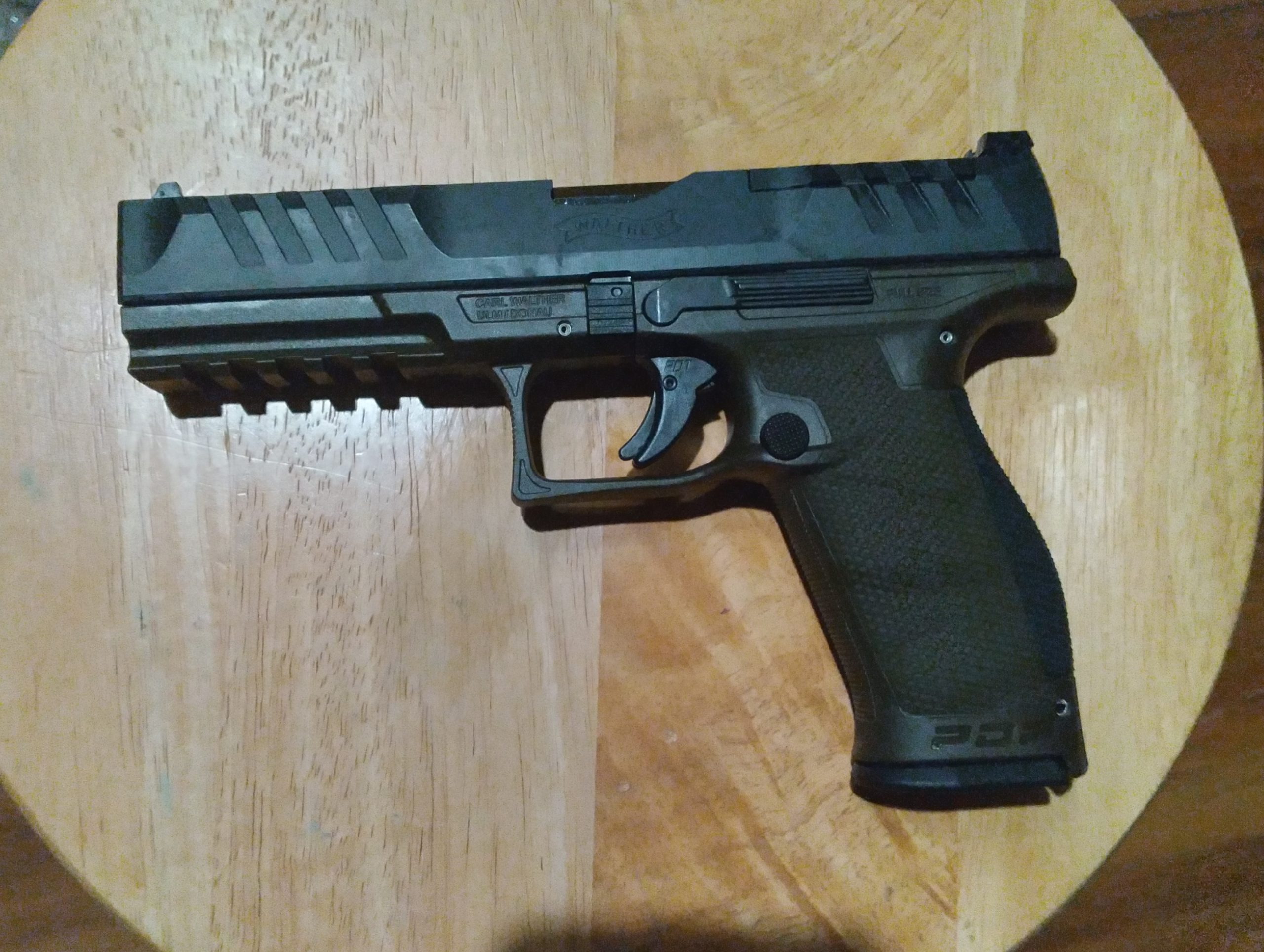
Walther’s PDP-F earns attention because its design puts hand fit ahead of marketing. The 9mm pistol uses a shorter trigger reach and slimmer grip geometry than the standard PDP, helping many shooters with smaller hands maintain a stable hold. Its 15-round magazine gives it useful capacity without forcing a tiny frame. Instructors often value this balance because a comfortable grip can improve trigger control, recoil management, and practice time. The lesson is simple: fit can matter more than size, and a gun that feels natural in the hand is easier to train with consistently.
2. Smith & Wesson M&P9 Shield EZ
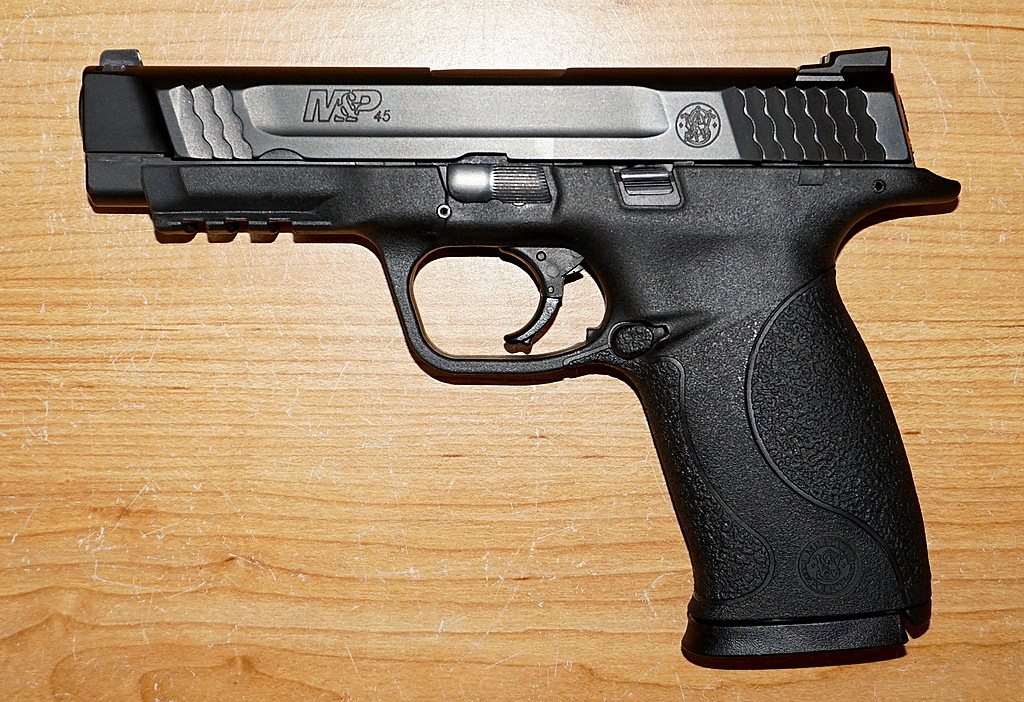
The M&P9 Shield EZ is often brought up when slide manipulation is the main obstacle. Chambered in 9mm, it uses a design intended to make the slide easier to operate than many conventional compact pistols. Its magazine holds 8 rounds, and the grip shape is straightforward for learning basic handling. Female instructors may recommend it to shooters who struggle with hand strength rather than simply steering them toward a smaller gun. Its appeal is practical: easier operation can mean less frustration, smoother range sessions, and more consistent training over time.
3. Glock 19
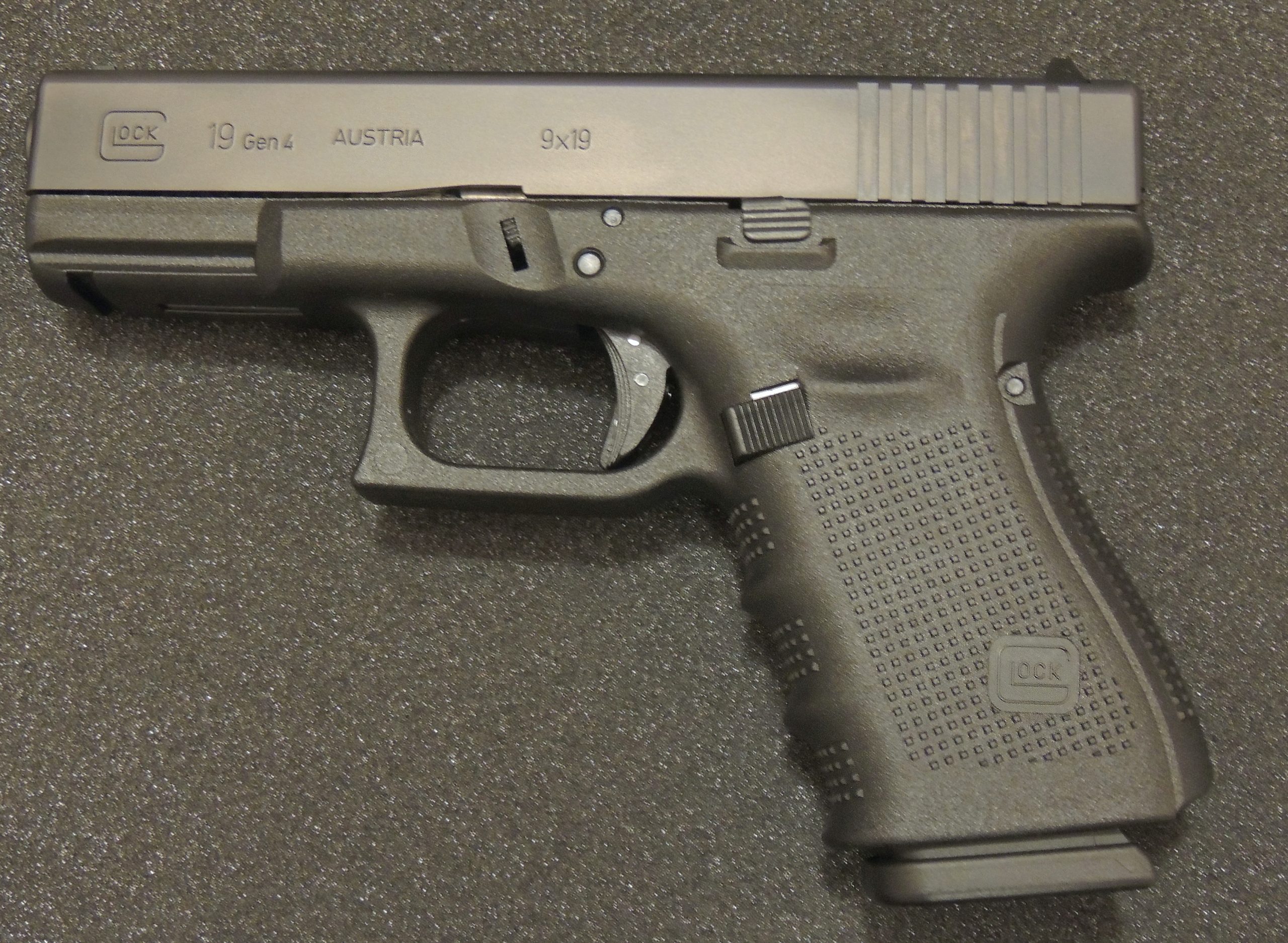
The Glock 19 is not a stereotypical choice for a smaller-handed shooter, yet instructors frequently use it to demonstrate why bigger is not automatically harder. Its 9mm chambering, 15-round standard magazine, and roughly 4-inch barrel give it a useful balance of shootability and size. The compact frame also provides more grip and weight than many micro pistols. For a shooter who can reach the controls comfortably, that extra stability can make practice more enjoyable. The important test is whether the hand fits the gun, not whether the gun looks small enough.
4. SIG Sauer P365 XL
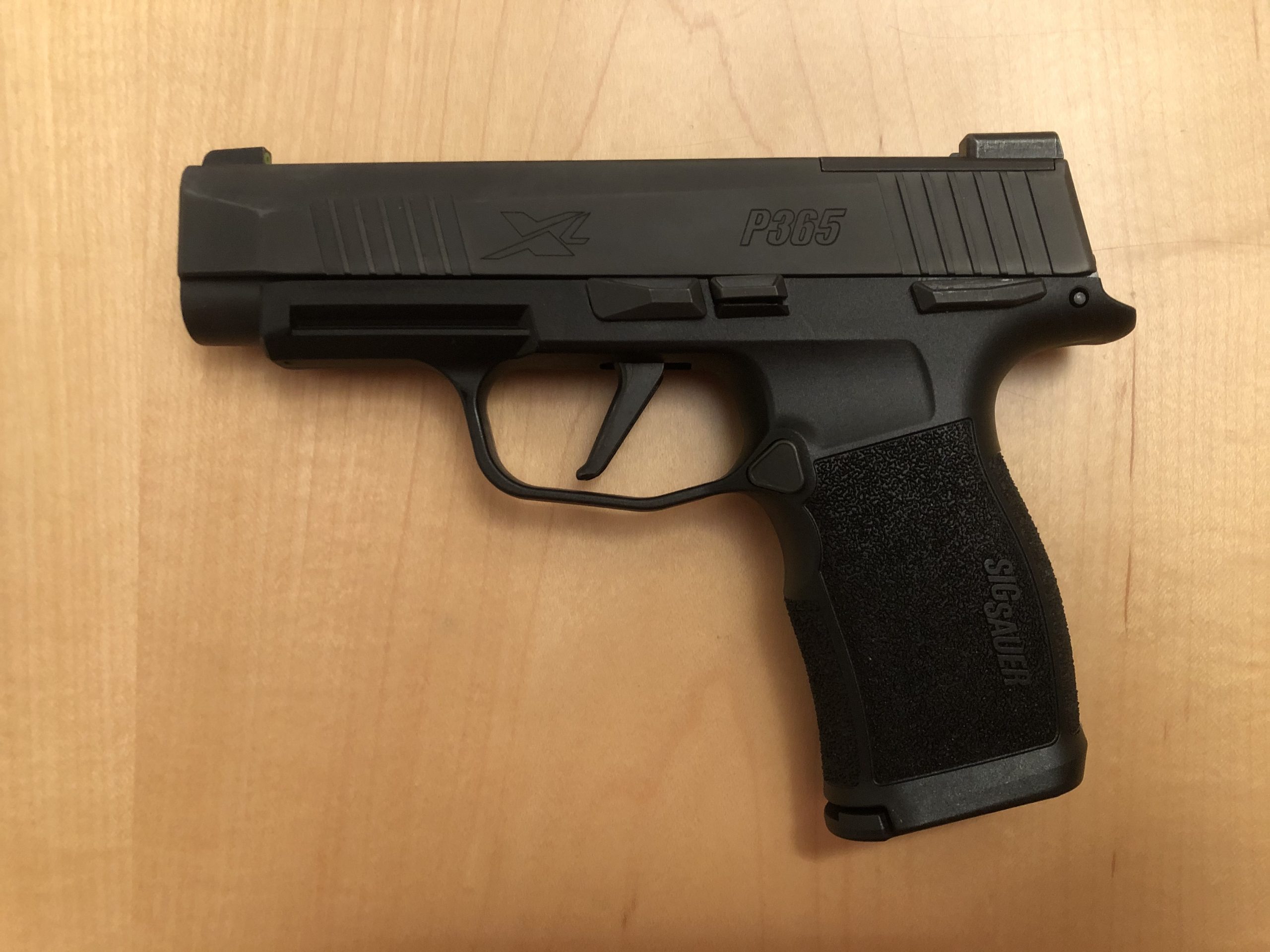
The P365 XL shows why instructors sometimes prefer a slightly larger carry pistol over the smallest possible option. Its 9mm chambering, approximately 3.7-inch barrel, and slim profile provide a middle ground between concealability and control. Depending on the magazine, capacity can reach 12 rounds or more. The longer grip gives the shooter more purchase than the original micro-compact format. That extra contact can help reduce movement during recoil. Instructors often stress that a compact pistol should still provide enough grip for confident, repeatable shooting.
5. Smith & Wesson M&P Shield Plus
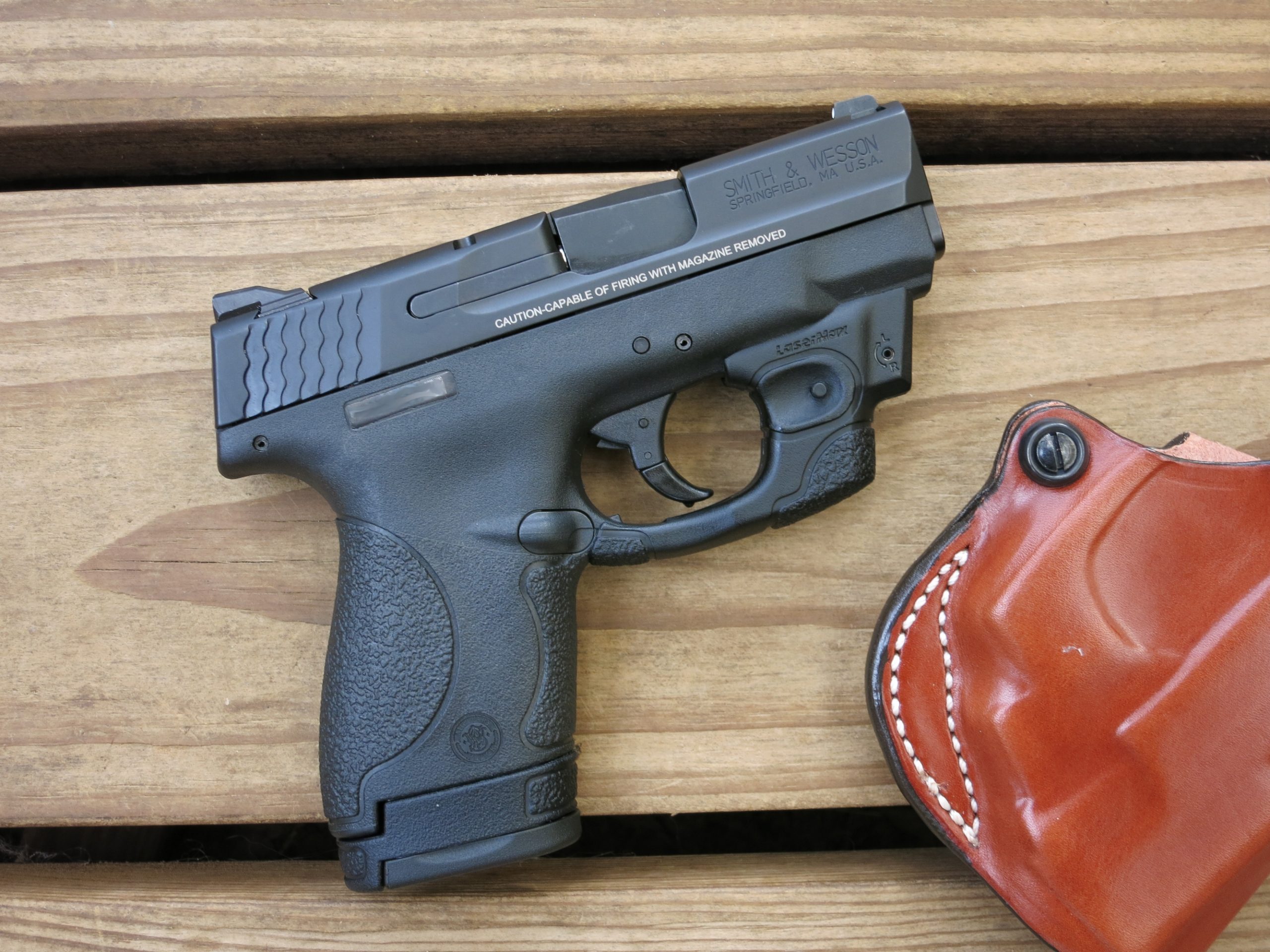
The M&P Shield Plus is another example of a compact pistol that avoids making small size the only goal. Its 9mm chambering and 13-round extended magazine offer useful capacity while keeping the pistol relatively slim. The textured grip gives the hands a clear contact surface, while its compact dimensions suit shooters who want something easier to manage than a full-size handgun. Female instructors may highlight it because it combines practical size, capacity, and controllability. A pistol that encourages regular practice can be more valuable than a smaller model that feels unpleasant.
6. CZ P-10 C
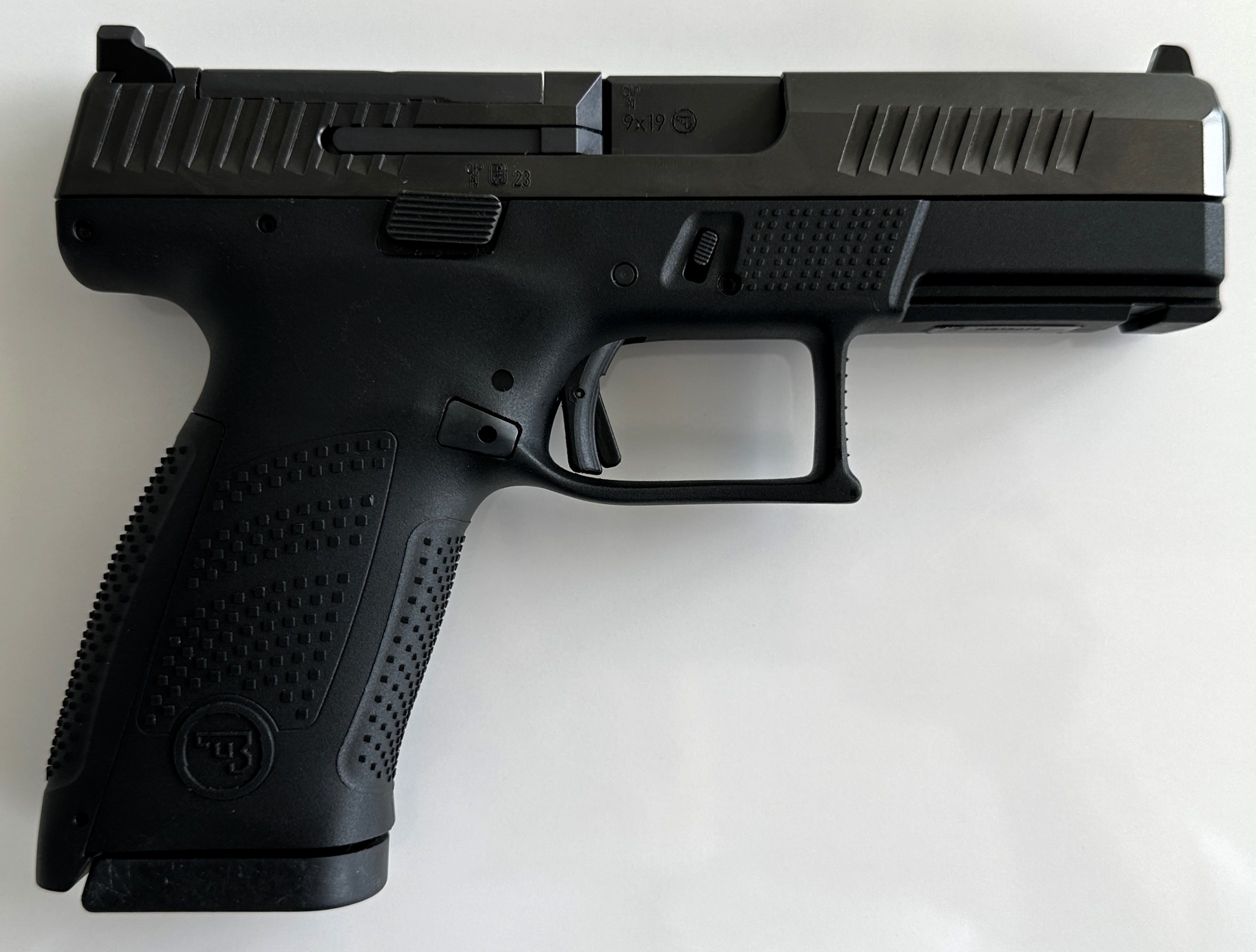
The CZ P-10 C is often overlooked when discussions focus only on the biggest American brands. This 9mm compact has a 15-round magazine and a grip shape that many shooters find secure without feeling excessively bulky. Its roughly 4-inch barrel and compact frame provide a useful compromise for range work and general defensive training. Instructors may point to it when a shooter wants substantial grip area but does not need a full-size pistol. The key number is not capacity alone: consistent control across repeated shots matters more than chasing the smallest package.
7. Ruger LCR
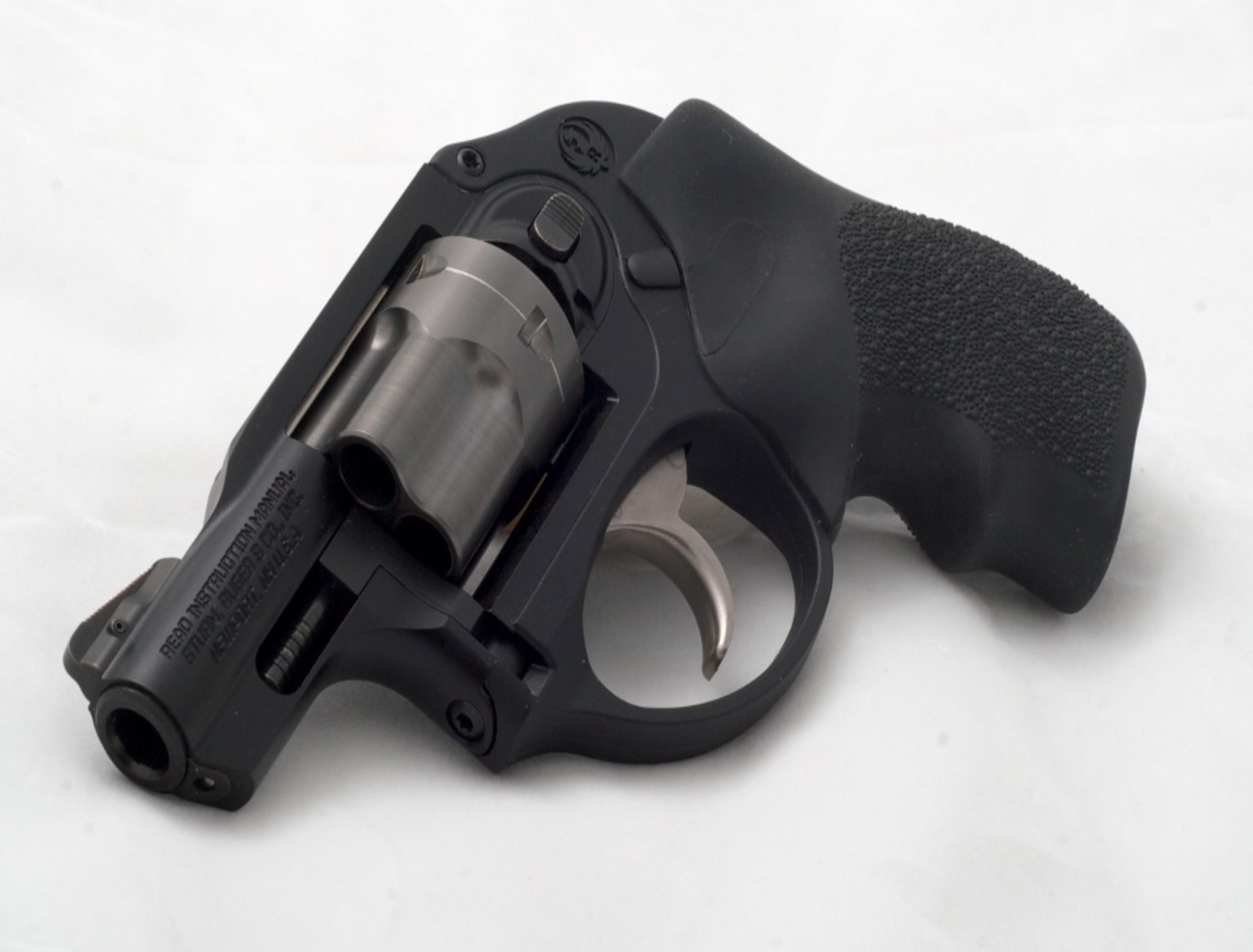
The Ruger LCR represents a completely different approach. Rather than a semi-automatic, it is a compact double-action revolver offered in several chamberings, including .38 Special. Depending on configuration, it holds 5 rounds, making simplicity its major attraction. There is no slide to rack, which can matter for shooters who find that task difficult. However, its light weight can make recoil feel sharper, especially with stronger loads. Instructors therefore tend to emphasize handling, trigger control, and comfortable practice rather than assuming a revolver is easier for everyone.
8. Glock 43X
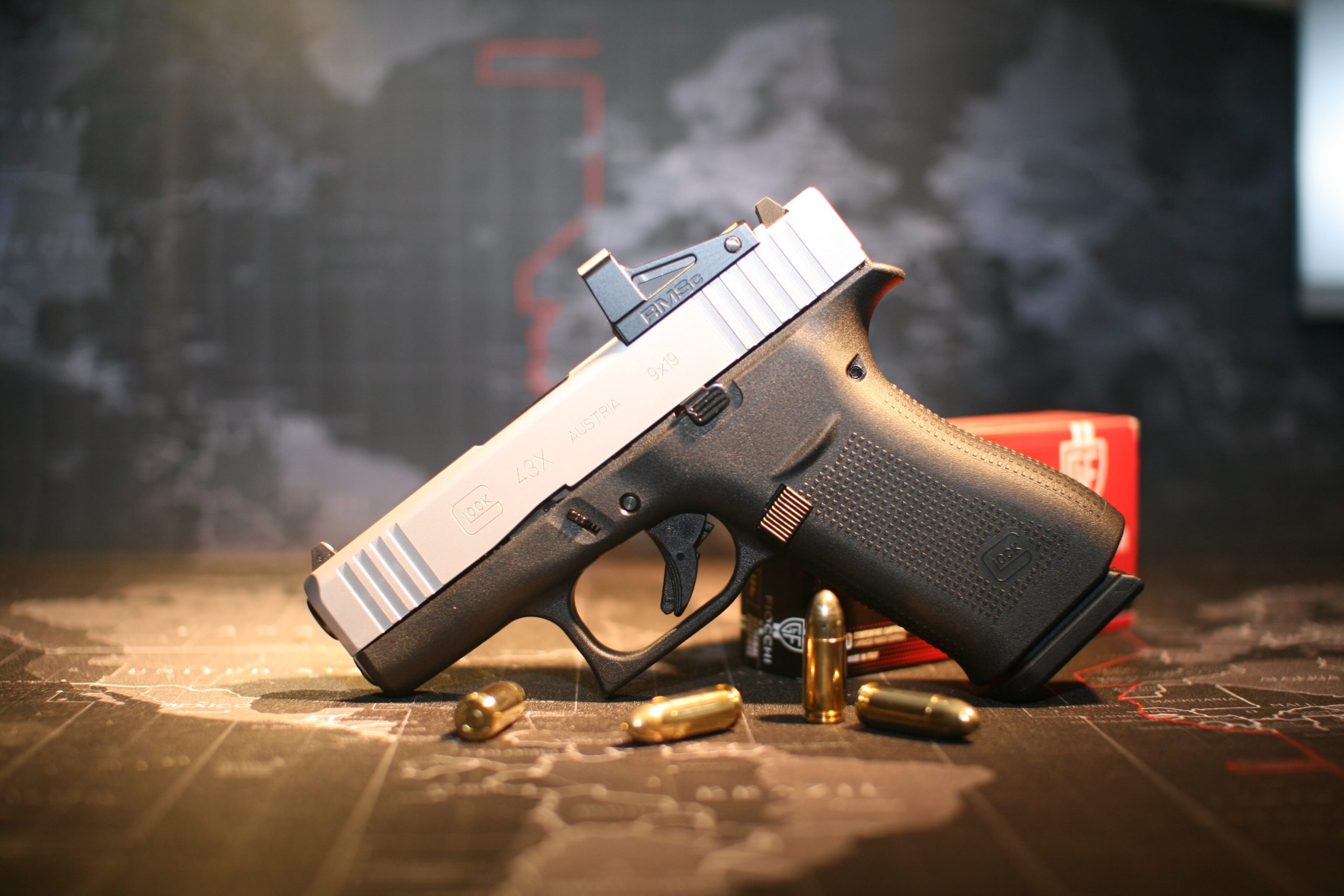
The Glock 43X sits between the tiny pocket-pistol concept and the larger compact handgun. Its 9mm chambering, slim frame, and 10-round standard magazine give it a useful combination of manageable size and usable capacity. The longer grip also gives the shooter more room for the firing hand than many very short micro-compacts. Female instructors may mention it when a shooter wants concealability without sacrificing too much grip. Its value is not that it is a “women’s gun,” but that its dimensions can work well for many different hand sizes and shooting preferences.
9. Springfield Armory Echelon
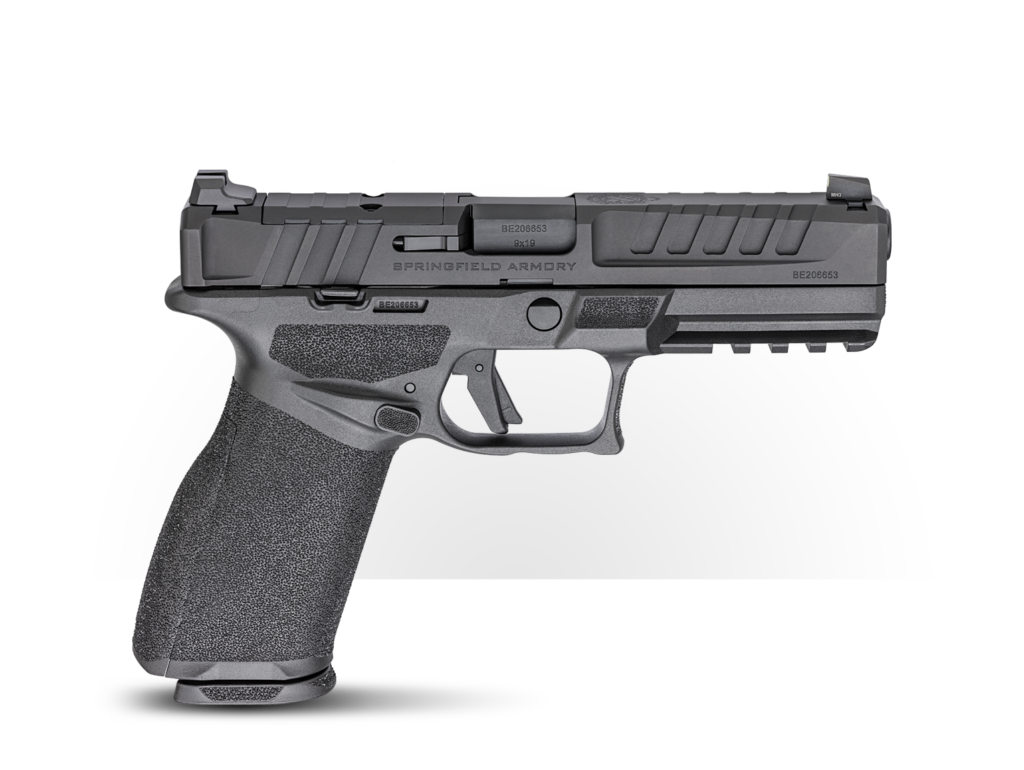
The Springfield Armory Echelon is a less obvious recommendation, but its full-size 9mm layout can make sense for shooters who prioritize control over concealment. It uses a 4-inch barrel and a standard 15-round magazine, with an interchangeable grip system that allows different grip sizes to be fitted. That adjustability can be useful when trigger reach or palm comfort becomes an issue. Female instructors may use models like this to challenge the idea that smaller is always better. A heavier, well-fitting pistol can sometimes feel calmer and easier to control during practice.