Modern firearms accessories often look as though they were invented specifically for shooting, but their histories can be surprisingly broad. Some grew from automotive engineering, others from photography, optics, lighting, or standardized industrial hardware. The interesting part is not simply what these accessories do today, but how older technologies were adapted, miniaturized, and refined for firearms. The nine examples below reveal how ideas from completely different fields eventually became familiar parts of modern firearm equipment.
1. Suppressor Technology Borrowed From the Automobile World
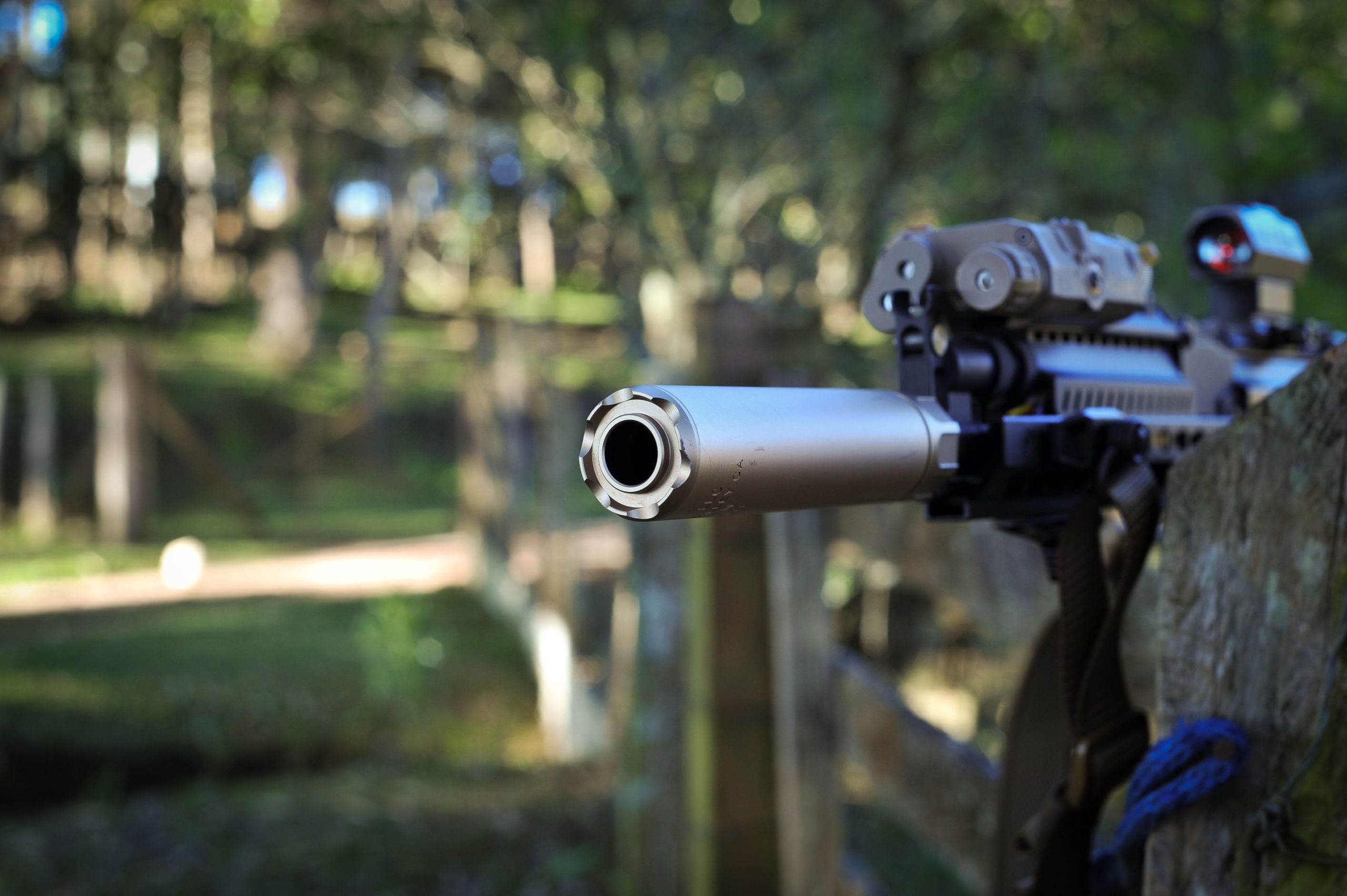
The modern suppressor owes part of its ancestry to automobile mufflers, not just firearms engineering. Hiram Percy Maxim was already working with exhaust-silencing technology when he turned that knowledge toward gunshot noise, leading to a U.S. patent in 1909. The principle was related: manage expanding gases through chambers rather than allowing them to escape as one violent blast. That crossover helped turn an automotive engineering idea into a firearm accessory. More than 100 years later, the same broad gas-management concept remains central to suppressor design.
2. Red-Dot Sights Grew From the Wider World of Reflex Optics
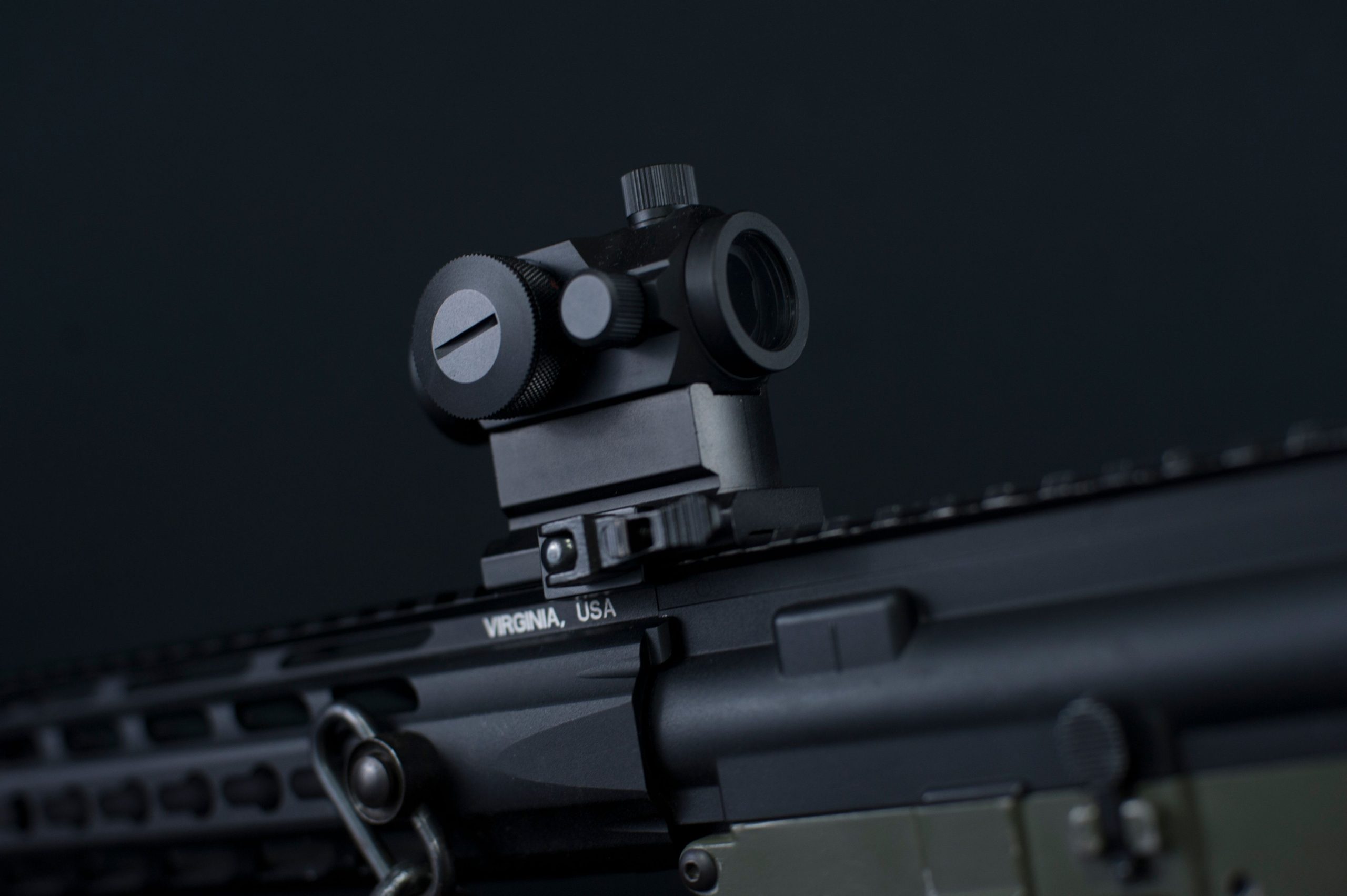
A red-dot sight looks inseparable from modern rifles, yet its core idea belongs to the broader history of reflector optics. Reflex sights date to around 1900, while electronic red-dot sights emerged much later, with Aimpoint introducing an LED-based model in 1975. The crossover was optical rather than tactical: a glowing point reflected toward the viewer could indicate an aiming reference without the shooter aligning several iron-sight elements. Today, that concept is one of the most recognizable sighting systems in shooting sports. Its 1975 milestone made the concept practical.
3. Fiber-Optic Sights Borrowed the Logic of Light Transmission
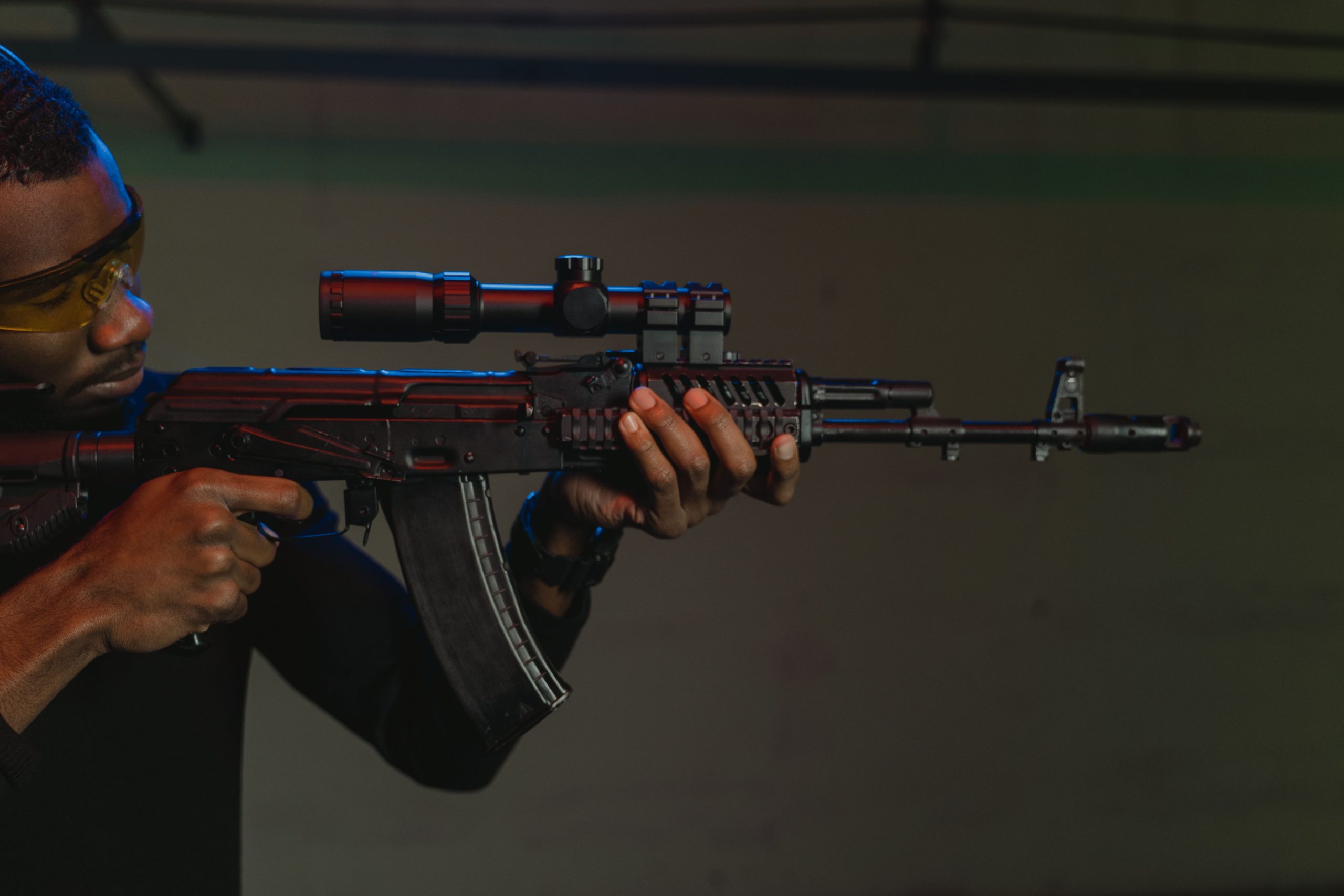
Fiber-optic sights became popular on firearms because tiny strands can gather surrounding light and concentrate it into a bright aiming point. The underlying technology grew from broader optical and communications uses, where transparent fibers guide light over distance. Firearm manufacturers adapted the principle into compact sight inserts rather than inventing an illumination method from scratch. A typical fiber element can be only a few millimeters across, yet it may appear remarkably bright in daylight. The result is a striking example of industrial optics finding a new role on a gun.
4. Weapon Lights Evolved From Ordinary Portable Lighting
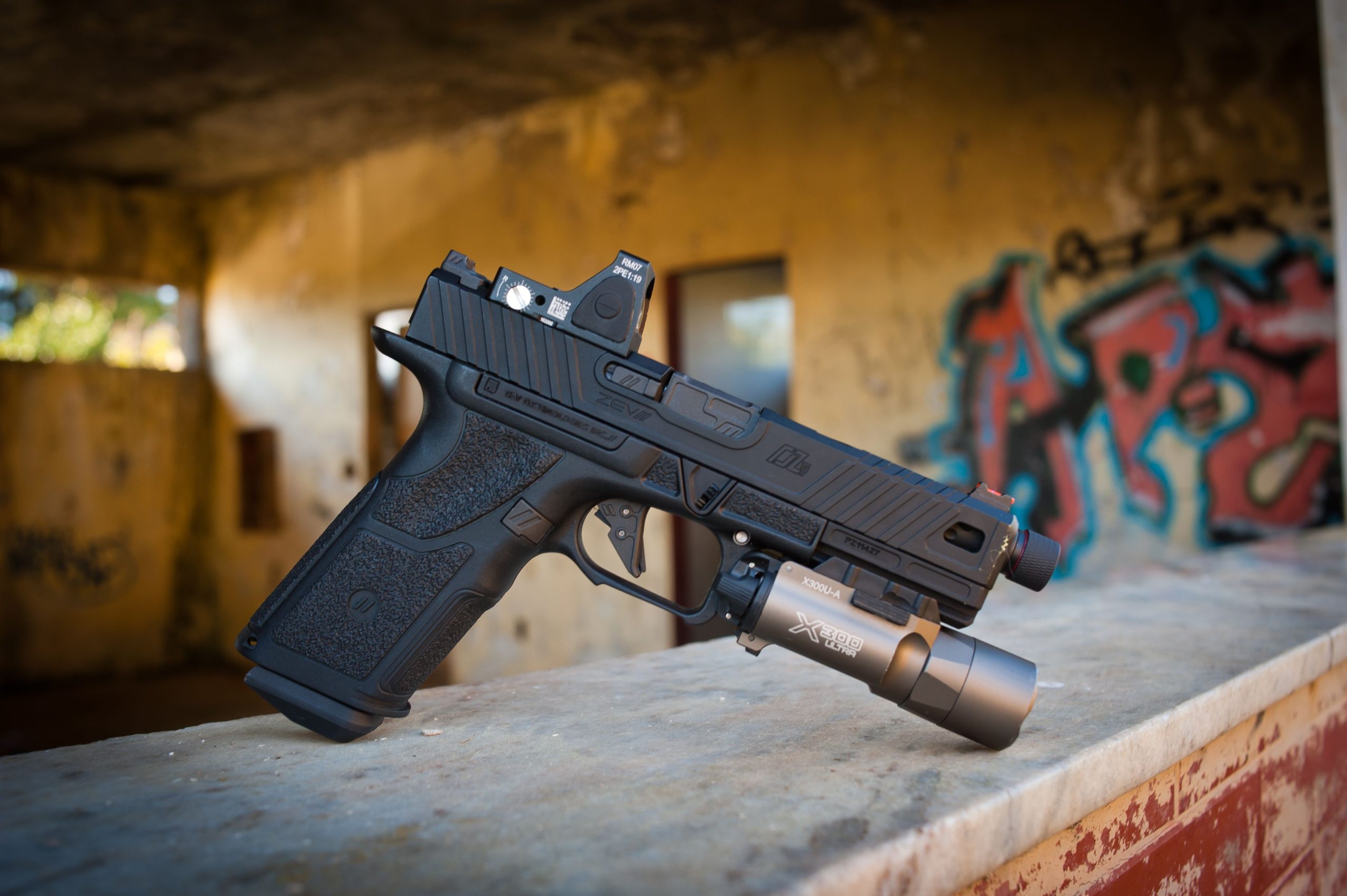
The modern weapon light did not begin as a miniature firearm component. Its roots lie in portable electric lighting, including handheld flashlights that became smaller and more dependable as batteries, bulbs, and switches improved. Mounting a light to a firearm simply placed that established technology where illumination was needed. Early users had to improvise because ordinary lights were bulky and mounts were limited. Later designs combined compact bodies, pressure switches, rugged housings, and dedicated attachment systems. A familiar household technology became a field accessory.
5. Bipods, Echoed Camera, and Optical Equipment Supports
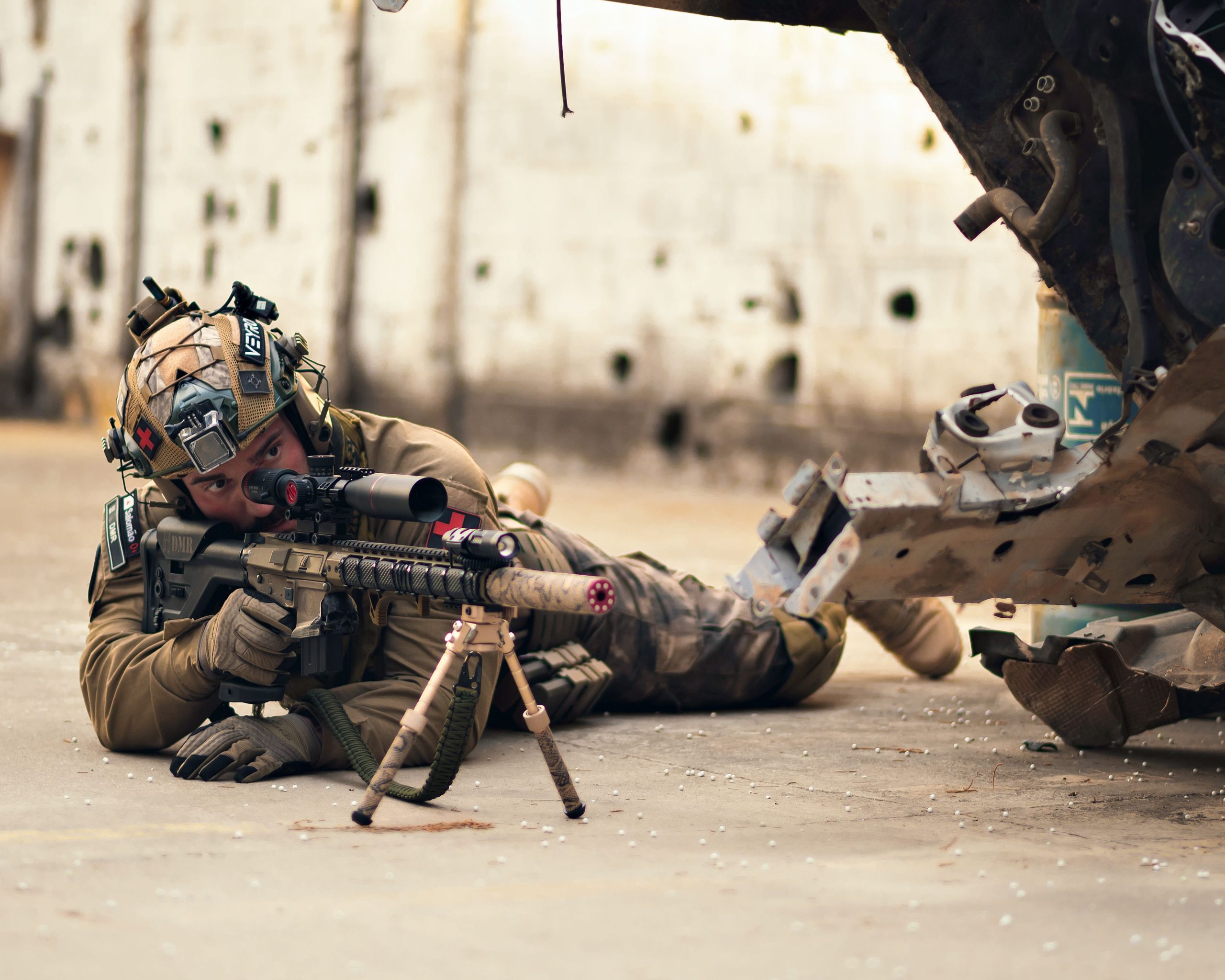
Bipods are strongly associated with rifles, but the broader engineering idea of supporting equipment with folding legs predates many modern firearm accessories. Cameras, surveying instruments, telescopes, and optical equipment have long used portable supports to stabilize heavy objects while keeping them movable. Firearm designers adapted that mechanical logic to create compact supports that could fold against a rifle when not needed. The modern accessory is therefore part of a much larger family of portable stabilization equipment. That lineage is easy to overlook.
6. Rifle Slings Share Their DNA With General Carrying Straps
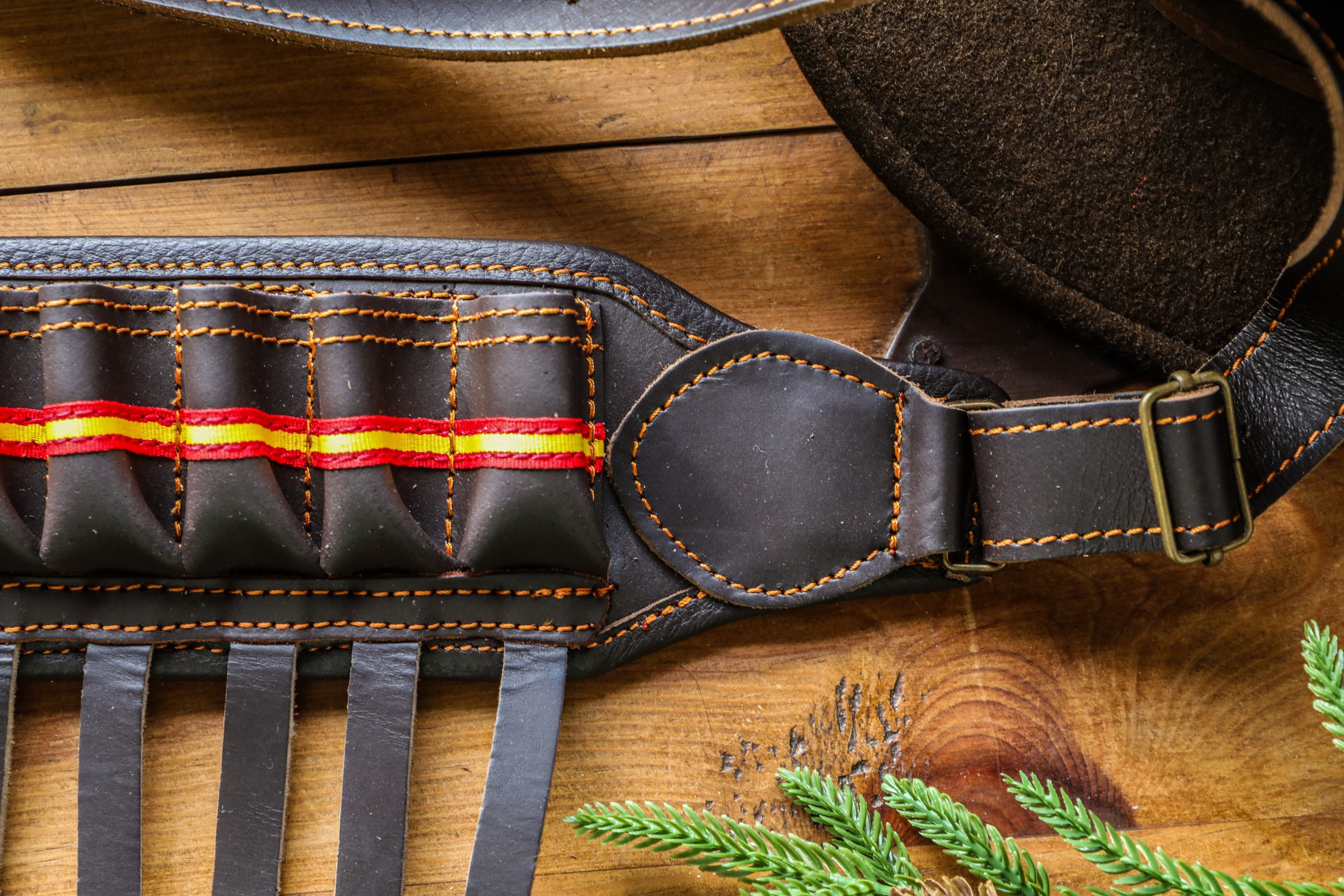
A rifle sling may look purpose-built, but its basic idea is simply a strong adjustable strap used to carry and stabilize a long object. Similar strap systems have been used for tools, bags, instruments, and equipment for centuries. Firearms turned that humble concept into a specialized accessory by adding attachment points, adjustable lengths, and materials suited to field conditions. Some shooting techniques also use sling tension to steady the rifle without a rest. A modern sling can serve two jobs at once: carrying equipment and helping manage its position. The clever part is the adaptation.
7. Tripod Mounts Borrowed a Platform From Photography and Surveying
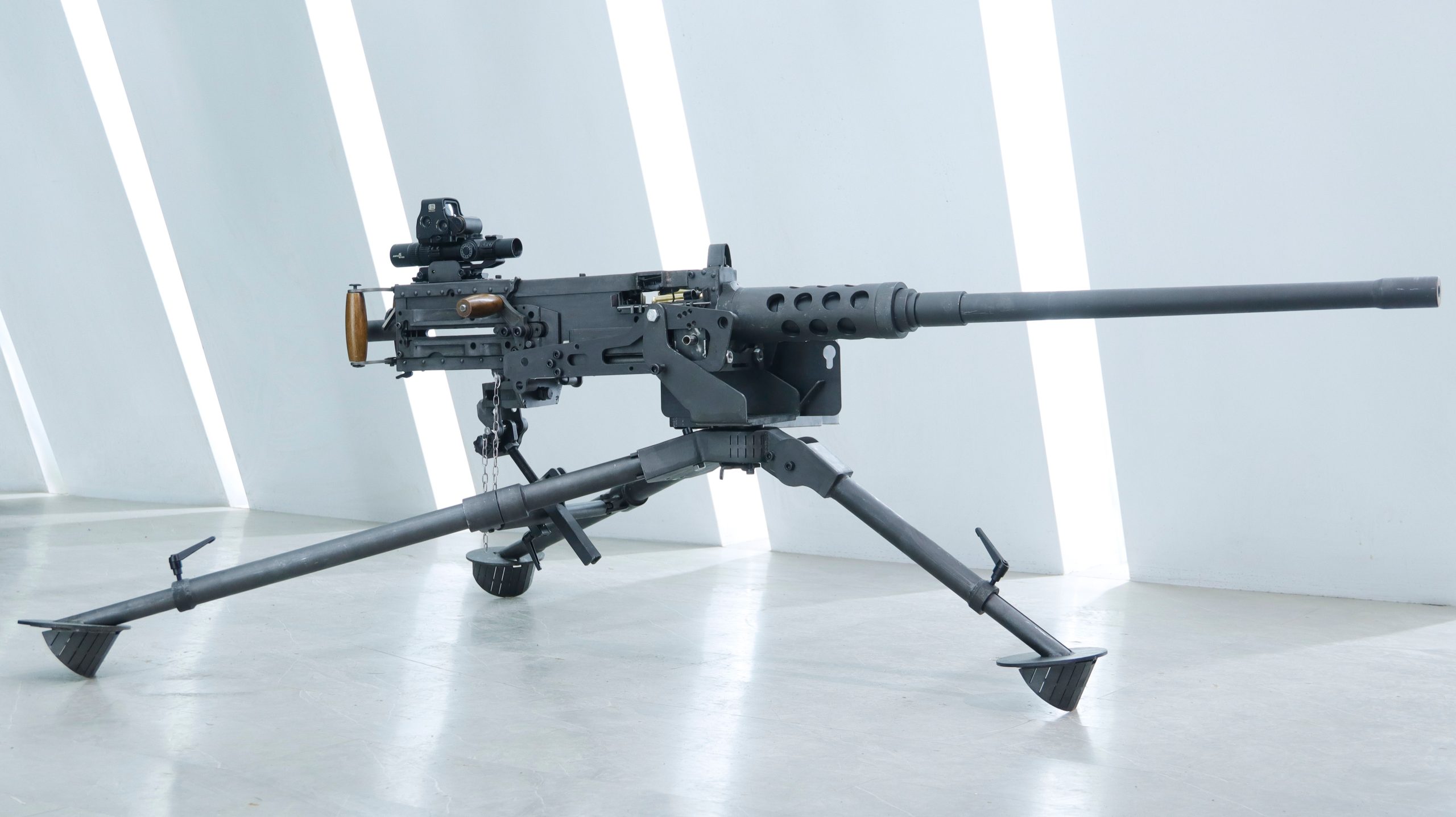
Modern rifle tripods are another example of firearm equipment adopting a mature support technology. Tripods were already fundamental to photography, surveying, optics, and scientific instruments because three contact points create a stable platform on uneven ground. Firearm systems adapted this geometry with compatible mounting heads and stronger hardware suited to heavier loads. The change was adapting its interfaces and strength for rifles. That crossover explains why a support associated with cameras and measuring instruments can appear in precision-shooting equipment today.
8. Laser Modules Came From a Technology Much Broader Than Firearms
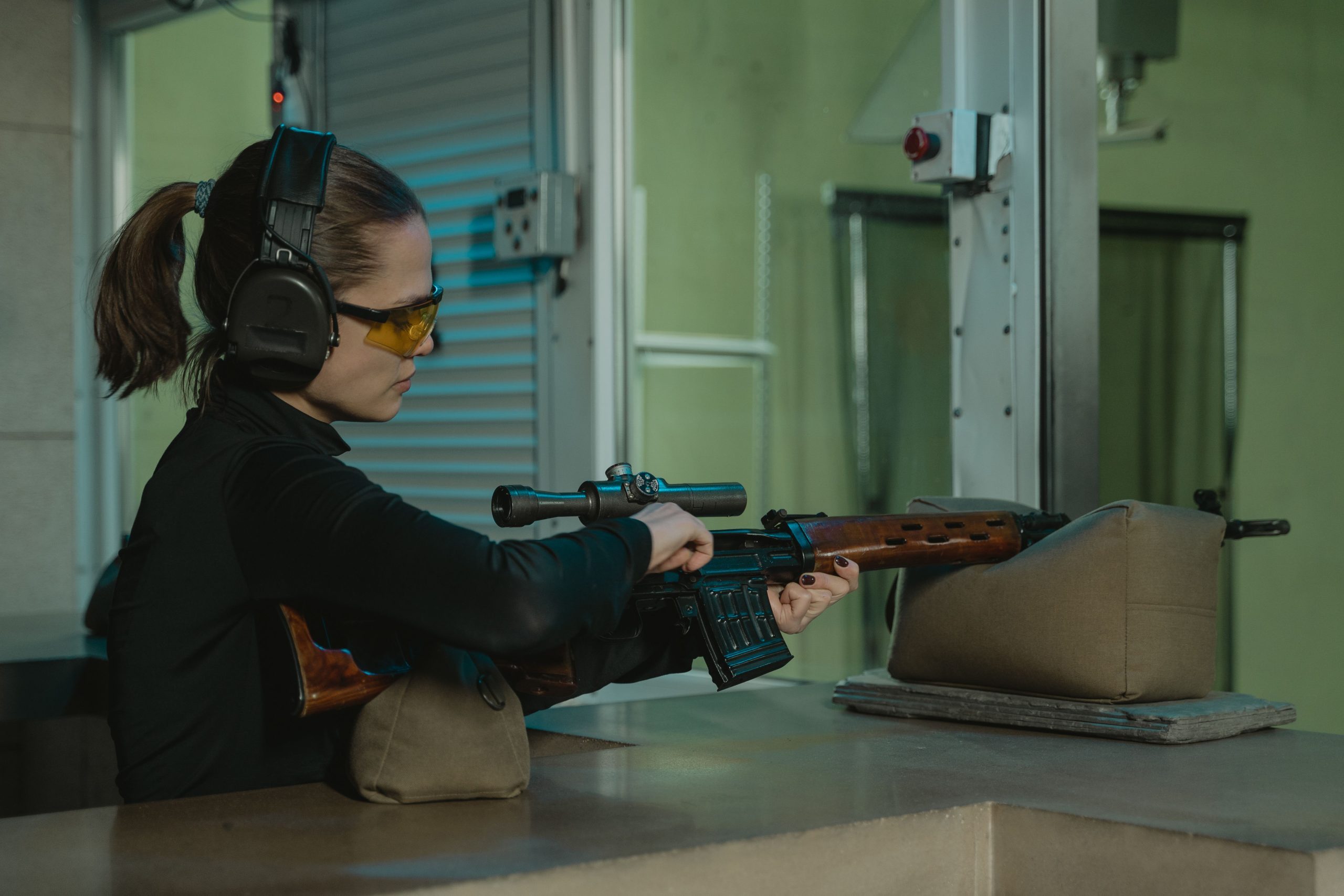
Laser aiming devices apply a technology developed for measurement, alignment, surveying, manufacturing, and communications. The laser was demonstrated in 1960, decades before compact aiming modules became common. Designers eventually packaged low-power laser emitters into small housings that could attach to firearms. The attraction was straightforward: a visible point could provide an immediate reference without requiring the shooter to look through a conventional sight. It is a broader technology miniaturized and redirected toward a specialized task. The 1960 milestone puts its origins far outside modern firearm accessories.
9. Picatinny Rails Turned an Engineering Interface Into a Universal Accessory Platform
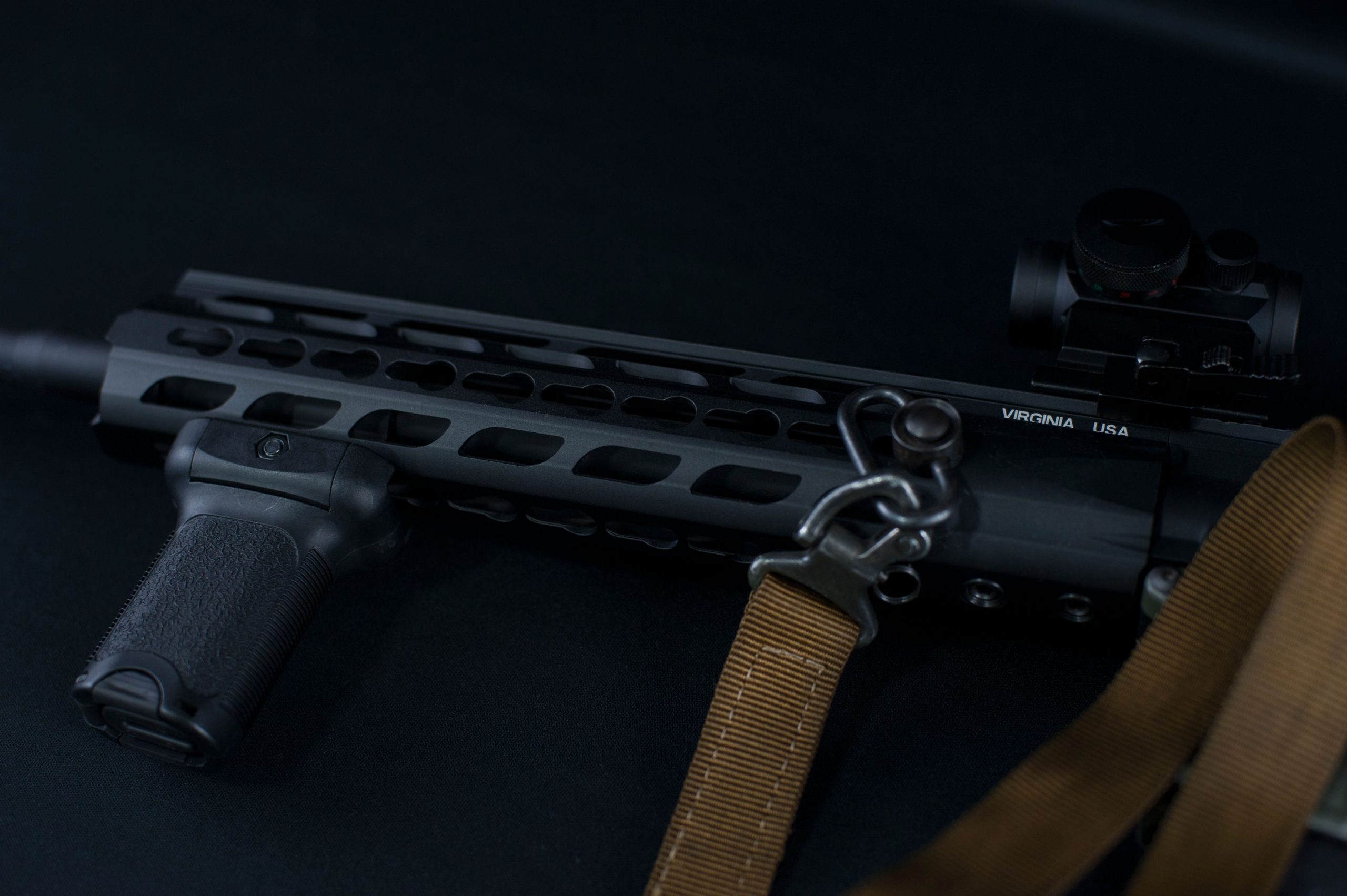
The Picatinny rail is less an accessory than a mounting language, reflecting a wider engineering trend toward standardized interfaces. Developed from the Weaver-style rail concept and formalized as MIL-STD-1913 in 1995, it gave accessories a repeatable way to attach to firearms. The idea echoes mounting standards in cameras, machinery, and other equipment, where interchangeable parts depend on consistent dimensions. Once adopted, lights, optics, grips, and other devices could move between compatible platforms more easily. The real innovation was compatibility, not decoration.