The Remington Model 1100 arrived in 1963 at a moment when semi-automatic shotguns were still searching for the right balance between dependable cycling, manageable recoil, and practical handling. Designed by Wayne Leek and his team, the 1100 brought a refined gas-operated system into a sleek sporting shotgun that quickly became a landmark design. It did not invent the gas-operated shotgun, but it helped make the concept mature, practical, and widely accepted. Its influence stretched from hunting fields to skeet and trap ranges, while millions of examples cemented its place in shotgun history.
1. It Arrived in 1963 as Remington’s Big Autoloader Gamble
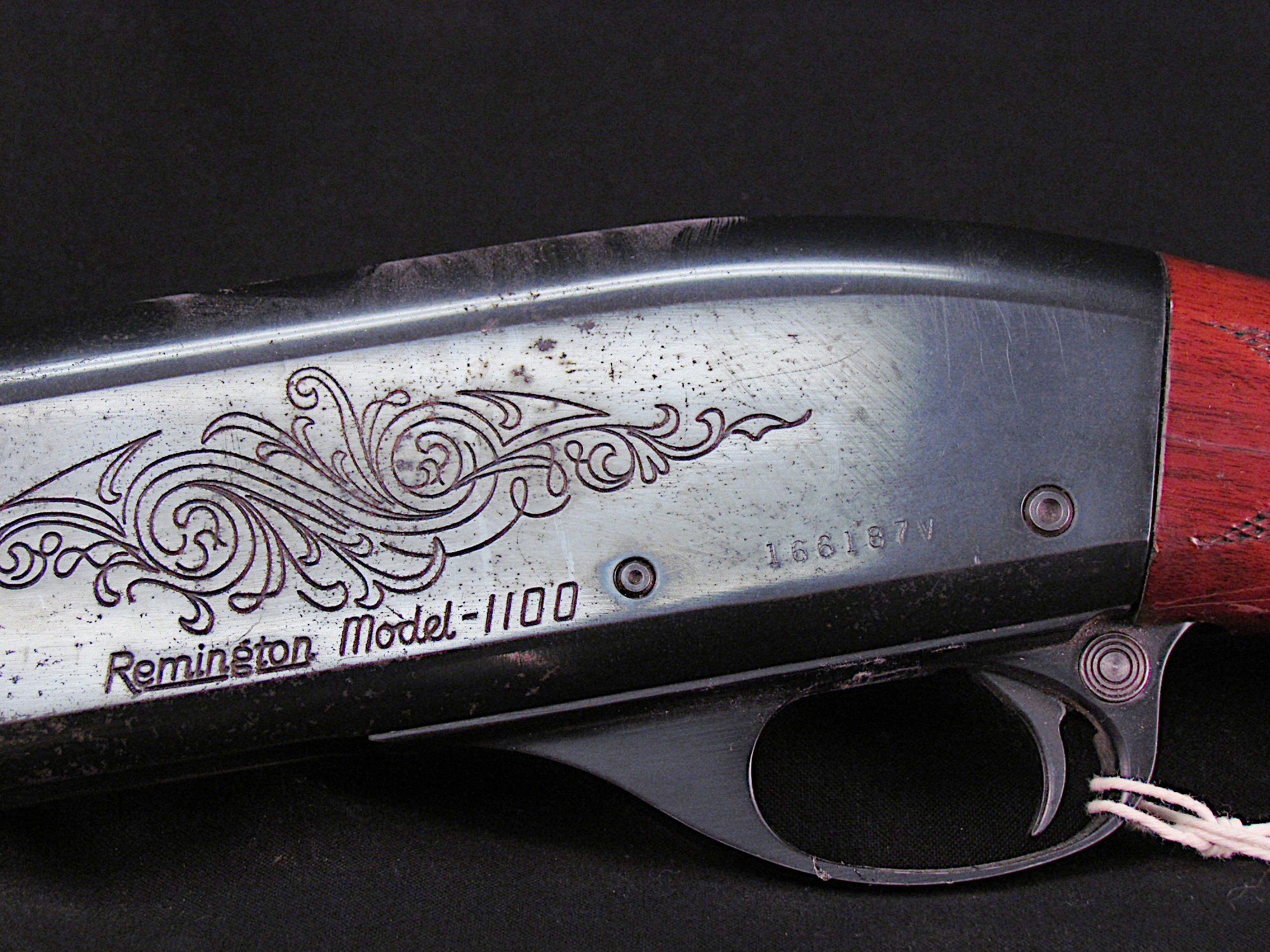
The Model 1100 was introduced in 1963 after roughly three years of development, replacing Remington’s earlier Model 58 and Model 878 autoloaders. The original lineup concentrated on 12-gauge guns, including Field, Skeet, Trap, and Magnum versions, giving shooters several specialized choices from the beginning. The design aimed to combine reliable cycling, pleasant handling, lower perceived recoil, and conventional shotgun balance in one package. Its arrival mattered because earlier gas guns often demanded compromises or adjustments. The 1100 instead presented a much more polished approach, helping establish the modern sporting semi-auto as a practical everyday shotgun.
2. Its Gas System Changed the Shooting Experience
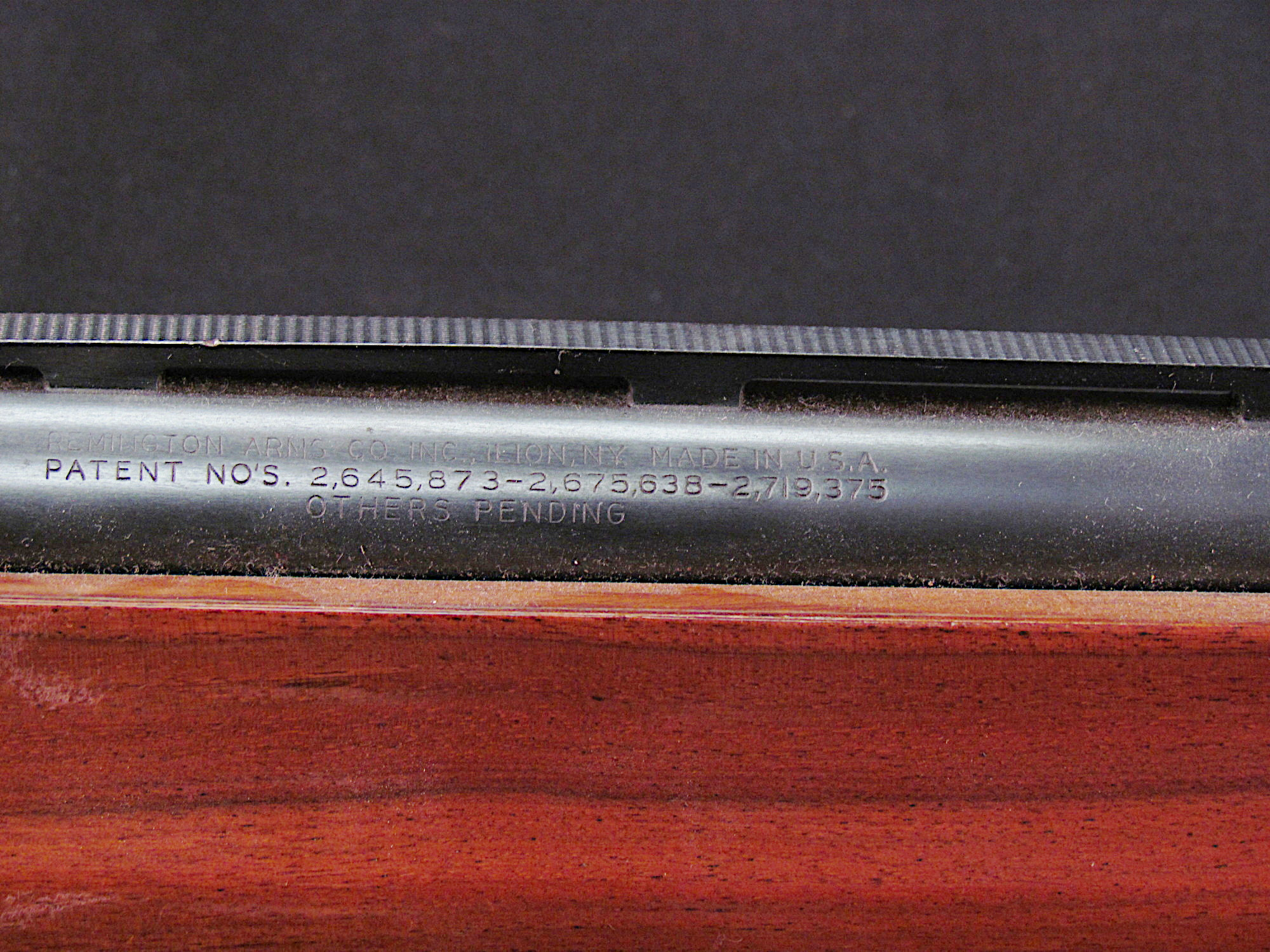
The 1100’s defining feature was its gas-operated action, which redirected propellant gas to cycle the mechanism rather than relying solely on the gun’s recoil. Remington positioned the gas ports outside the magazine tube, making the system easier to access and clean while helping manage excess gas. The moving action also stretched the recoil impulse, making the shotgun feel considerably softer than many fixed-action designs. Remington promoted reductions of as much as 55 percent under particular comparisons, while contemporary accounts commonly described the 1100 as exceptionally soft shooting. That combination made long sessions of trap, skeet, or hunting noticeably less punishing.
3. Reliability Came From Refinement, Not a Magical Mechanism
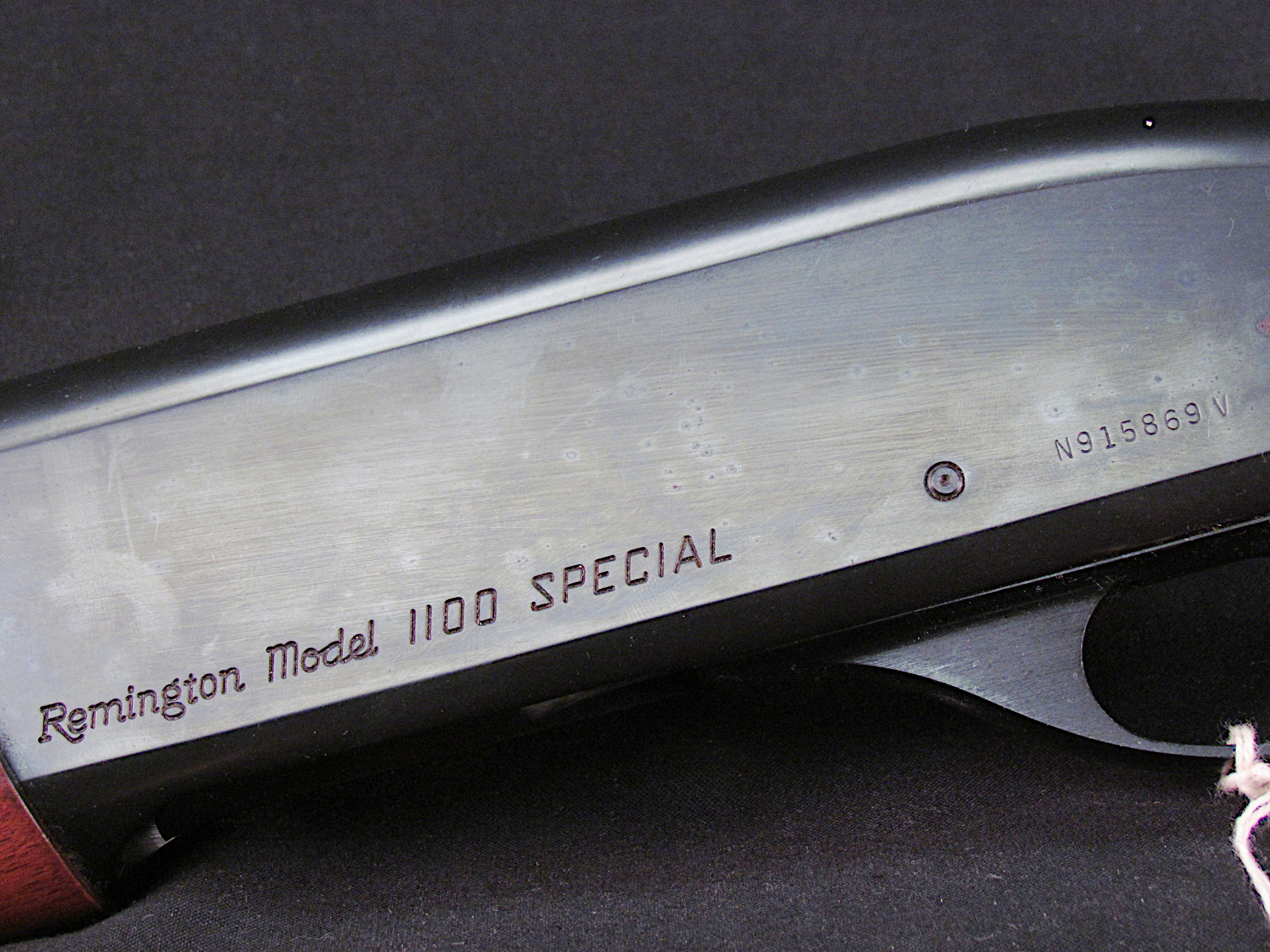
Calling the 1100 the first reliable semi-auto shotgun would be inaccurate. Gas-operated designs already existed, including Remington’s Model 58 and 878, but those earlier guns revealed practical limitations. The 1100 refined the concept by placing the operating components where they could be more easily serviced and by regulating the action for a broad range of conventional loads. Its success came from how several details worked together rather than from one revolutionary component. The result was a shotgun that could cycle repeatedly without the shooter constantly adjusting the mechanism, an important step toward the dependable semi-autos that became common later.
4. The First Version Was Built Around the 12 Gauge
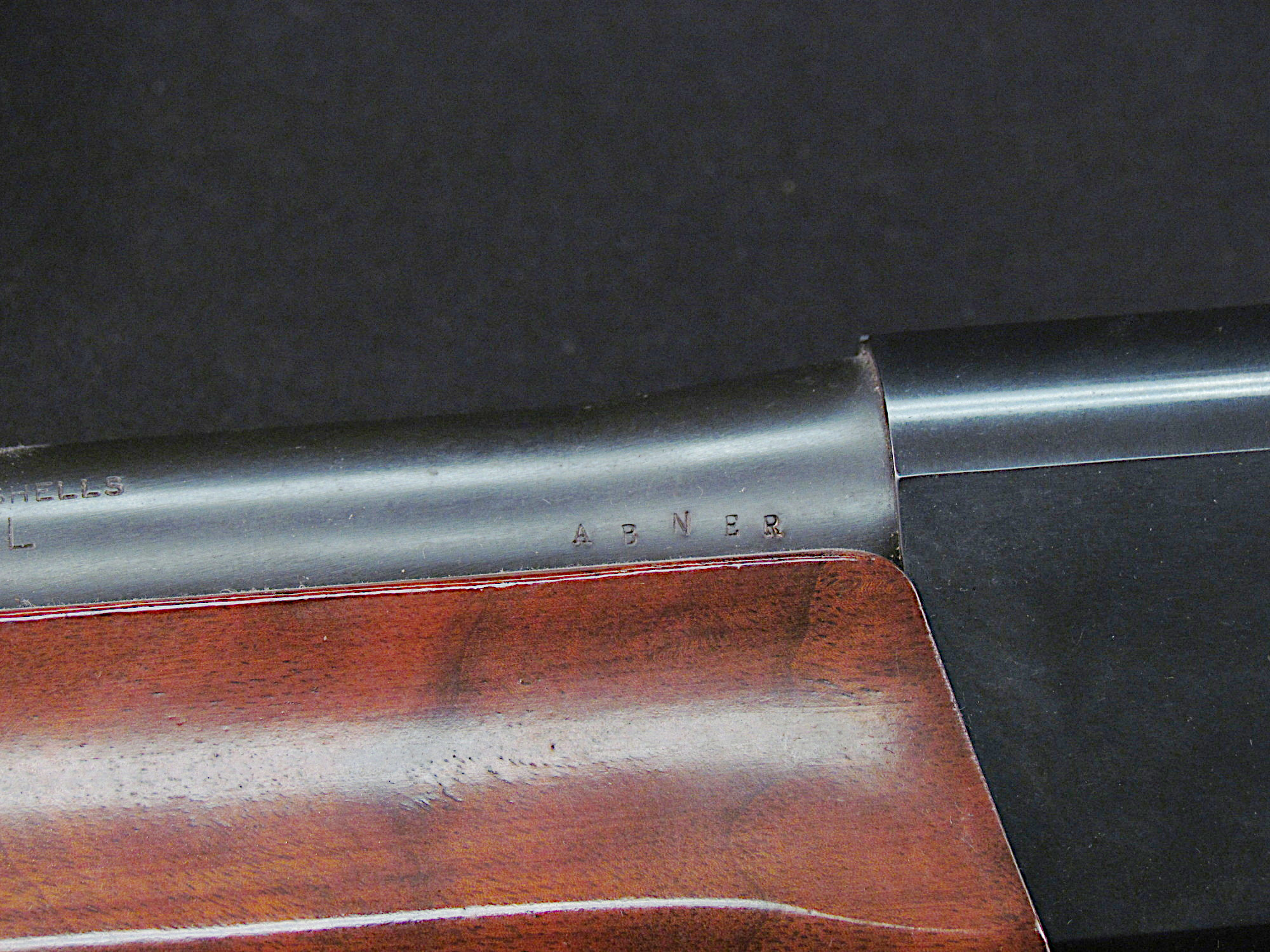
When the Model 1100 reached dealers in 1963, the 12-gauge version formed the heart of the lineup. Standard Field and Skeet configurations were intended around 2¾-inch ammunition, while a dedicated Magnum Duck Gun was offered with a 3-inch chamber. That distinction is important because not every early 1100 was designed around interchangeable use of every modern shotshell. Remington expanded the family rapidly: 16- and 20-gauge models appeared in 1964, while 28-gauge and .410-bore versions followed in 1969. The platform therefore evolved from a single dominant configuration into an unusually broad shotgun family.
5. It Became a Serious Competition Shotgun
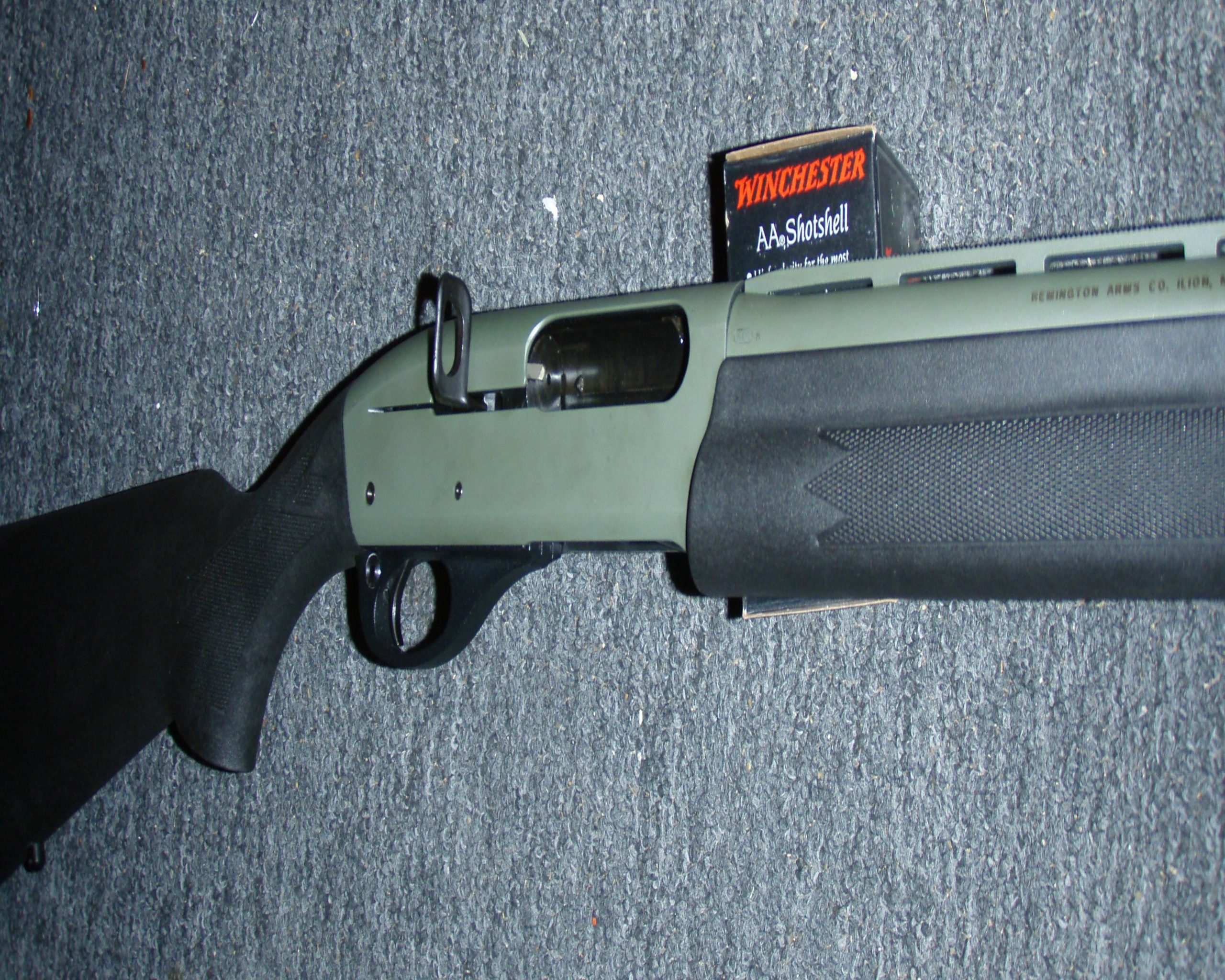
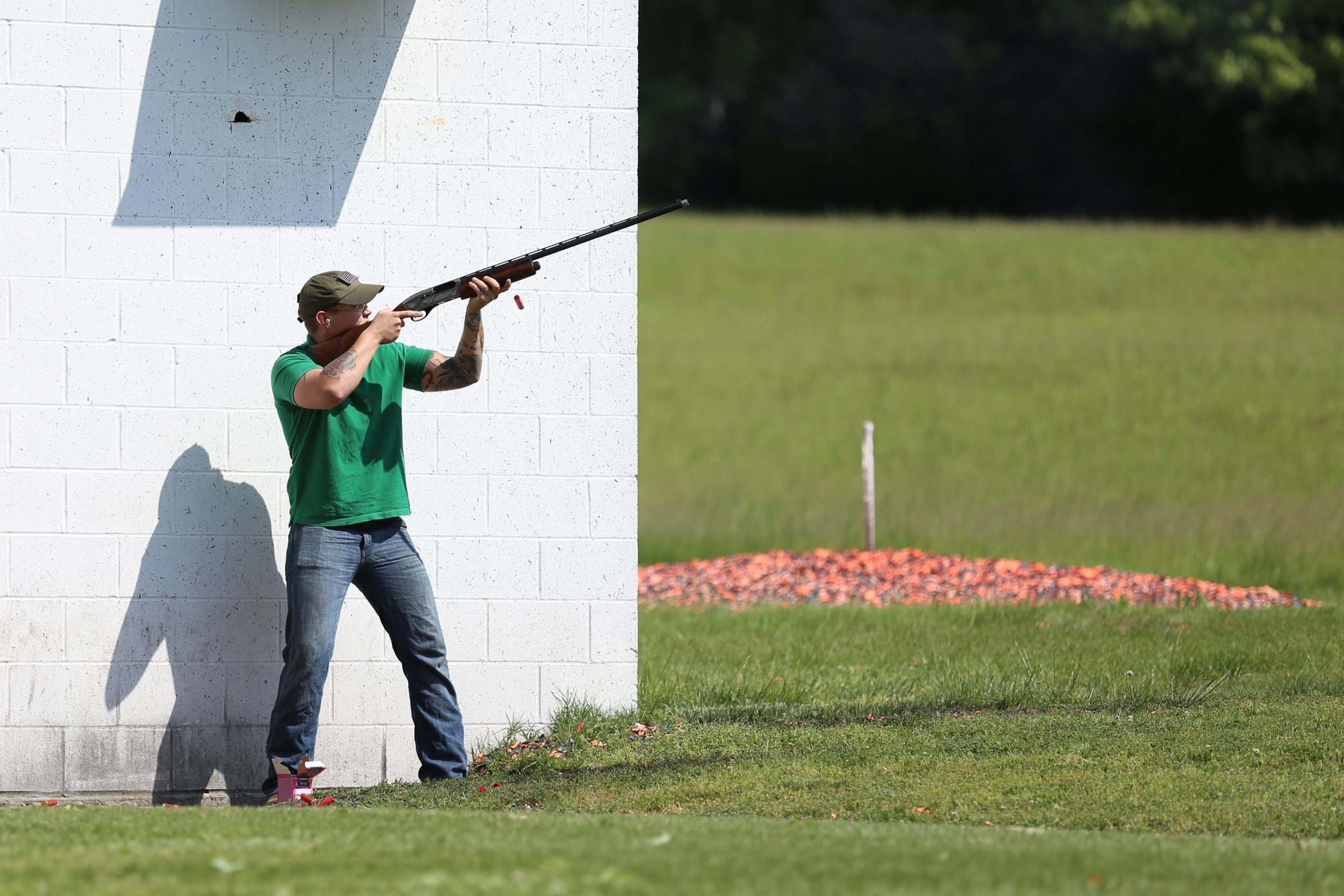
The 1100 was never limited to hunting. Remington offered dedicated Skeet and Trap versions, and the gun quickly became associated with high-volume clay shooting. That environment was particularly demanding because competitors could fire hundreds of shells during practice and tournaments, making recoil, balance, and dependable cycling extremely important. The 1100’s gas action helped reduce the sharpness of recoil, while its handling characteristics suited repeated mounting and swinging. By 1972, the company had reached the remarkable milestone of 1 million Model 1100s sold. Its competition reputation helped turn the shotgun from a successful product into an enduring sporting institution.
6. The Design Was Built for More Than One Kind of Shooter
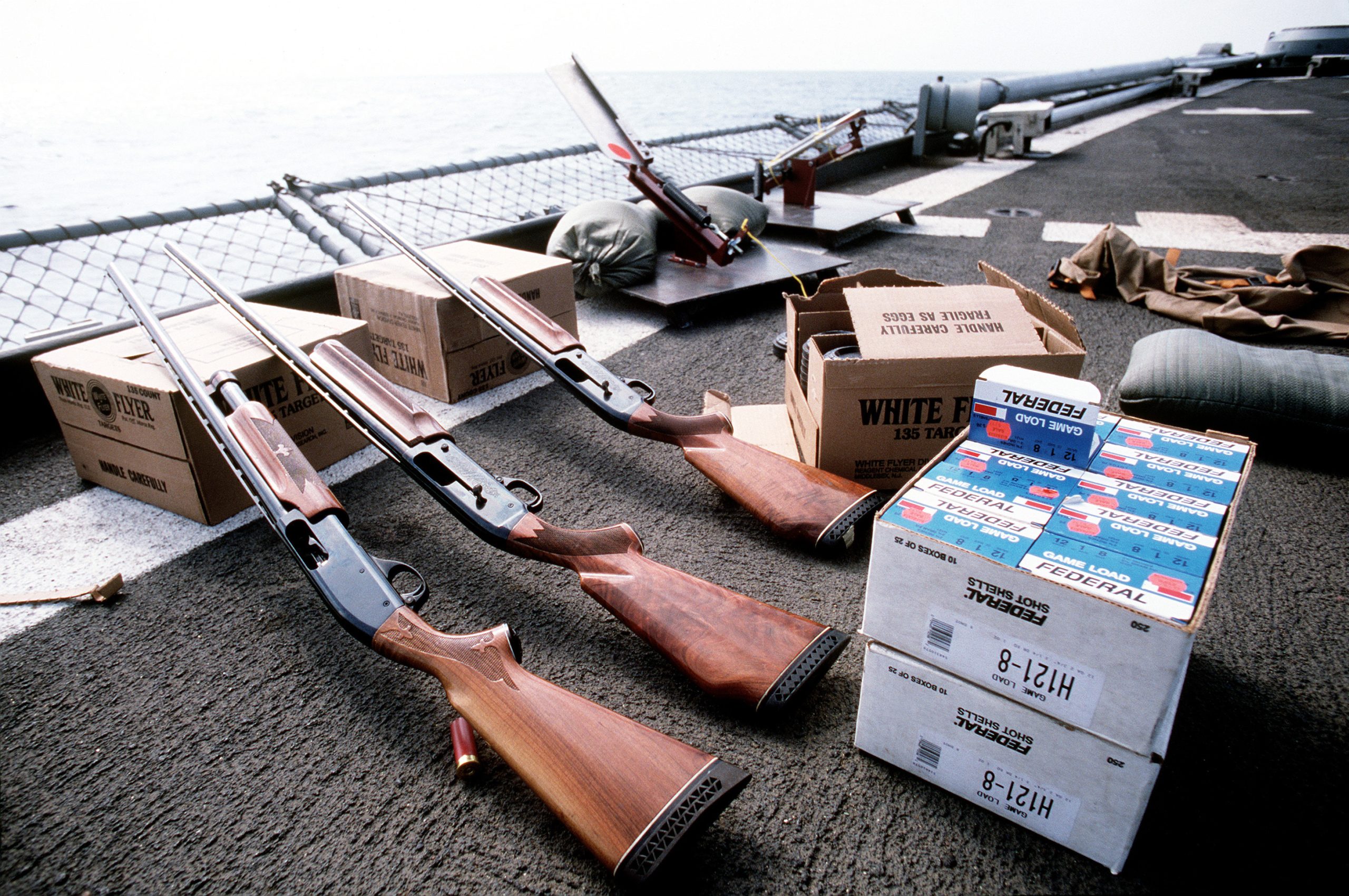
One reason the 1100 lasted so long was the extraordinary variety developed around its basic action. Remington produced Field, Magnum, Deer, Skeet, Trap, Tournament, Lightweight, Synthetic, Sporting, and specialized versions across decades of production. Gauge choices eventually extended from 12 and 20 to 16, 28, and .410 bore. The company also produced left-handed variants and compact configurations, showing that the basic platform could be adapted without abandoning its core operating system. This versatility allowed one recognizable design to serve hunters, clay shooters, collectors, and recreational shooters rather than being locked into a single niche.
7. Its Famous Smoothness Did Require Regular Maintenance
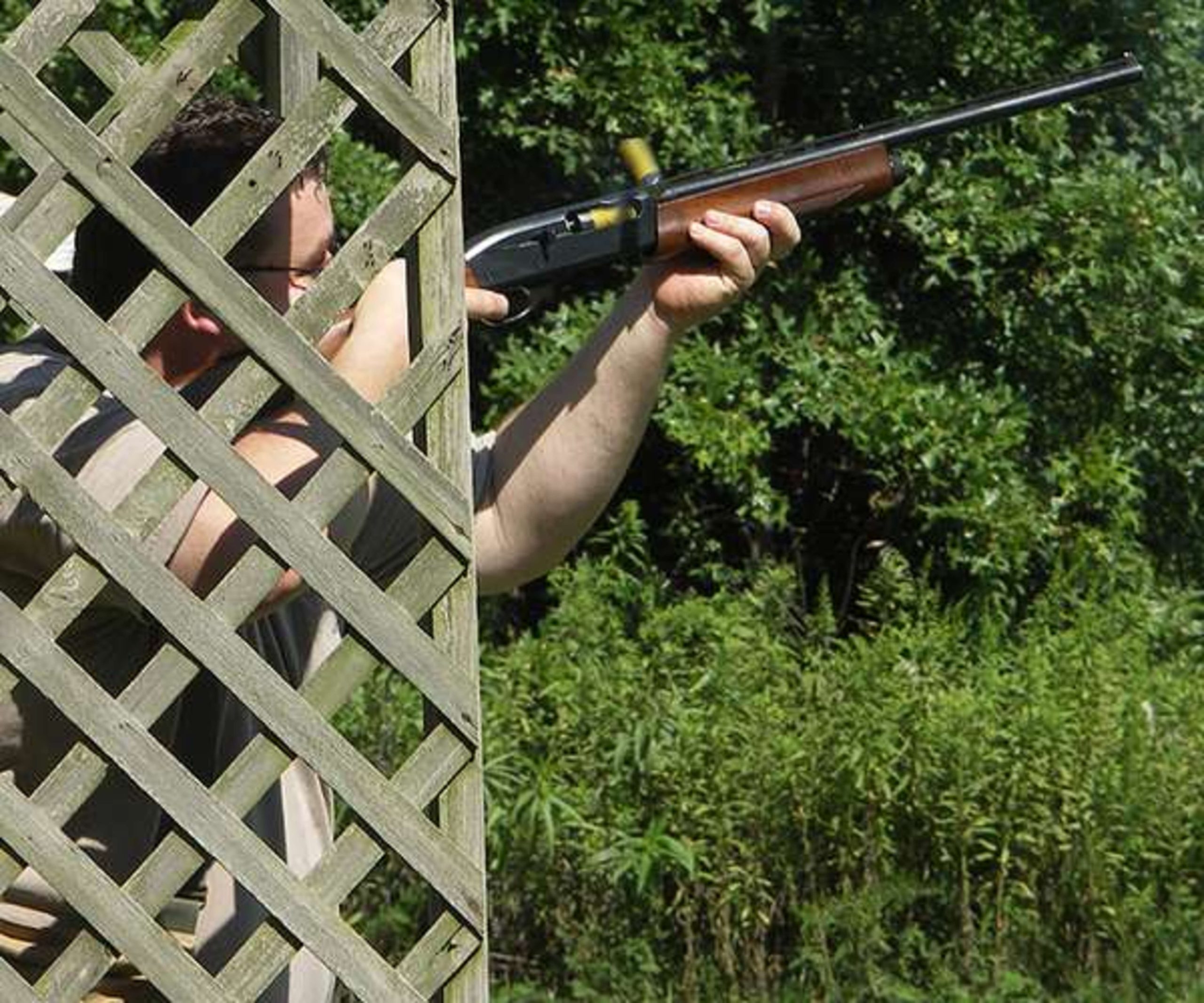
The 1100 earned a reputation for dependability, but that reputation never meant it could be neglected indefinitely. Like other gas-operated semi-autos, it accumulates fouling around its operating components, and worn parts can eventually cause cycling problems. The magazine-tube O-ring is particularly important because deterioration there can interfere with reliable operation. Regular cleaning and inspection therefore remain part of owning an older 1100. This is also why two examples of similar age can behave very differently today: one may have received careful maintenance for decades, while another may have accumulated wear, hardened residue, or neglected replacement parts.
8. Three Million Had Been Produced by 1983
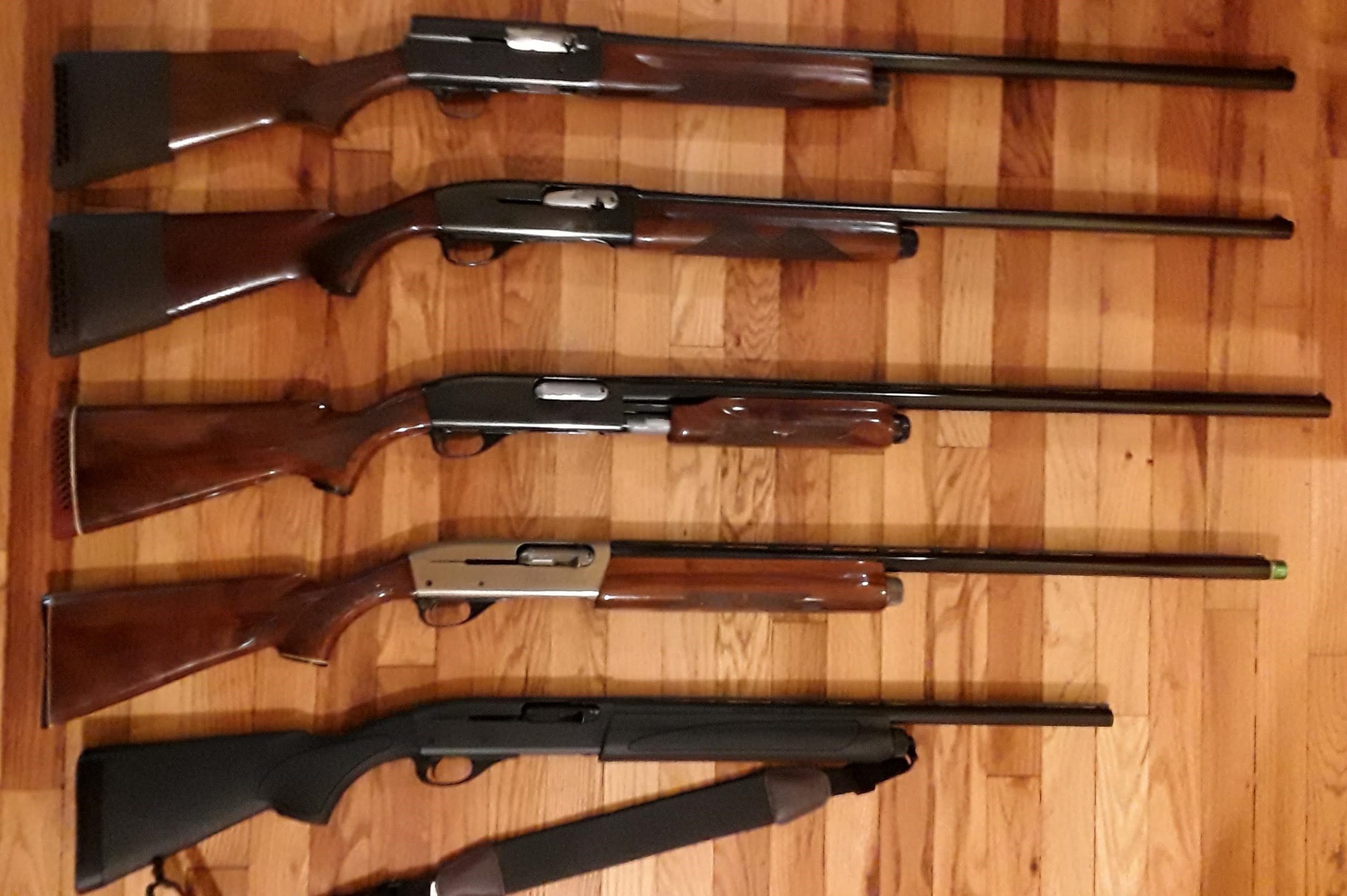
The scale of the Model 1100’s success is one of the clearest measures of its historical importance. Remington announced production of the three-millionth example in 1983, only 20 years after the original introduction. Contemporary histories describe the 1100 as the best-selling autoloading shotgun in the United States by that period, an extraordinary achievement for a design that began life as an attempt to replace two earlier Remington gas guns. Production figures vary among historical accounts and later totals, but the central point is unmistakable: the 1100 was produced in the millions and became one of the defining semi-automatic shotguns of the 20th century.
9. Its Influence Continued Into the 11-87 and Beyond

The Model 1100’s importance did not end when newer semi-autos appeared. Remington’s Model 11-87, introduced in 1987, retained major elements of the 1100 concept while adding changes intended to broaden ammunition compatibility and reduce some maintenance demands. That progression shows why the 1100 deserves to be viewed as more than an old shotgun. Its real achievement was demonstrating that a gas-operated semi-auto could combine soft recoil, attractive proportions, practical maintenance, and dependable cycling in a package ordinary shooters actually wanted. More than six decades after its 1963 debut, the 1100 remains a reference point whenever classic gas-operated shotgun design is discussed.