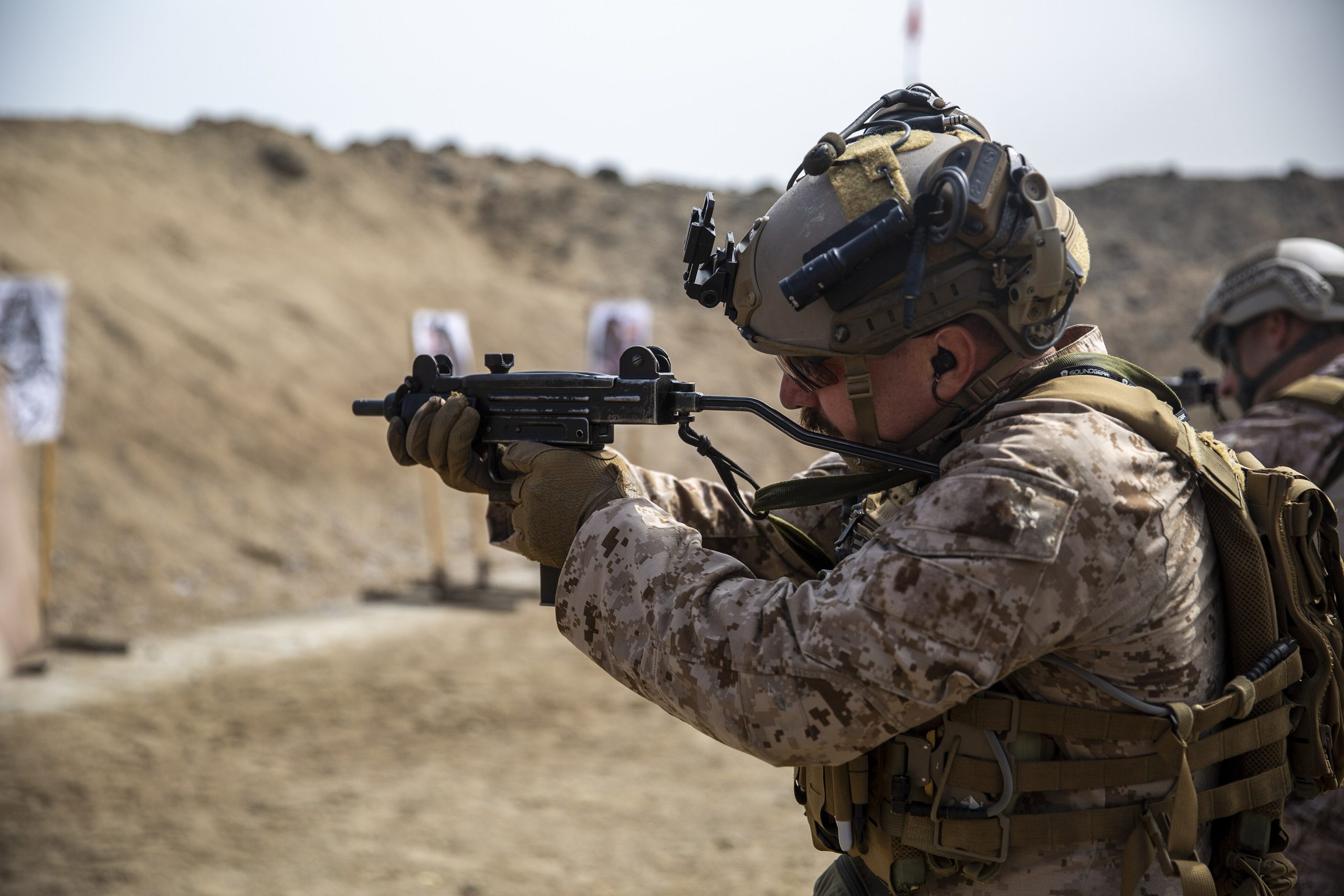
The Uzi became one of the most recognizable submachine guns of the 20th century, but its fame began with a practical Israeli military requirement. Designed by Uziel Gal in the late 1940s, it was intended to be compact, rugged, straightforward to manufacture, and dependable in harsh conditions. Adopted by Israel in the 1950s, the Uzi eventually reached military, police, and security users around the world. Its compact architecture, distinctive appearance and extensive service history turned it into much more than another Cold War firearm.
1. It Was Designed for Israel’s Difficult Conditions
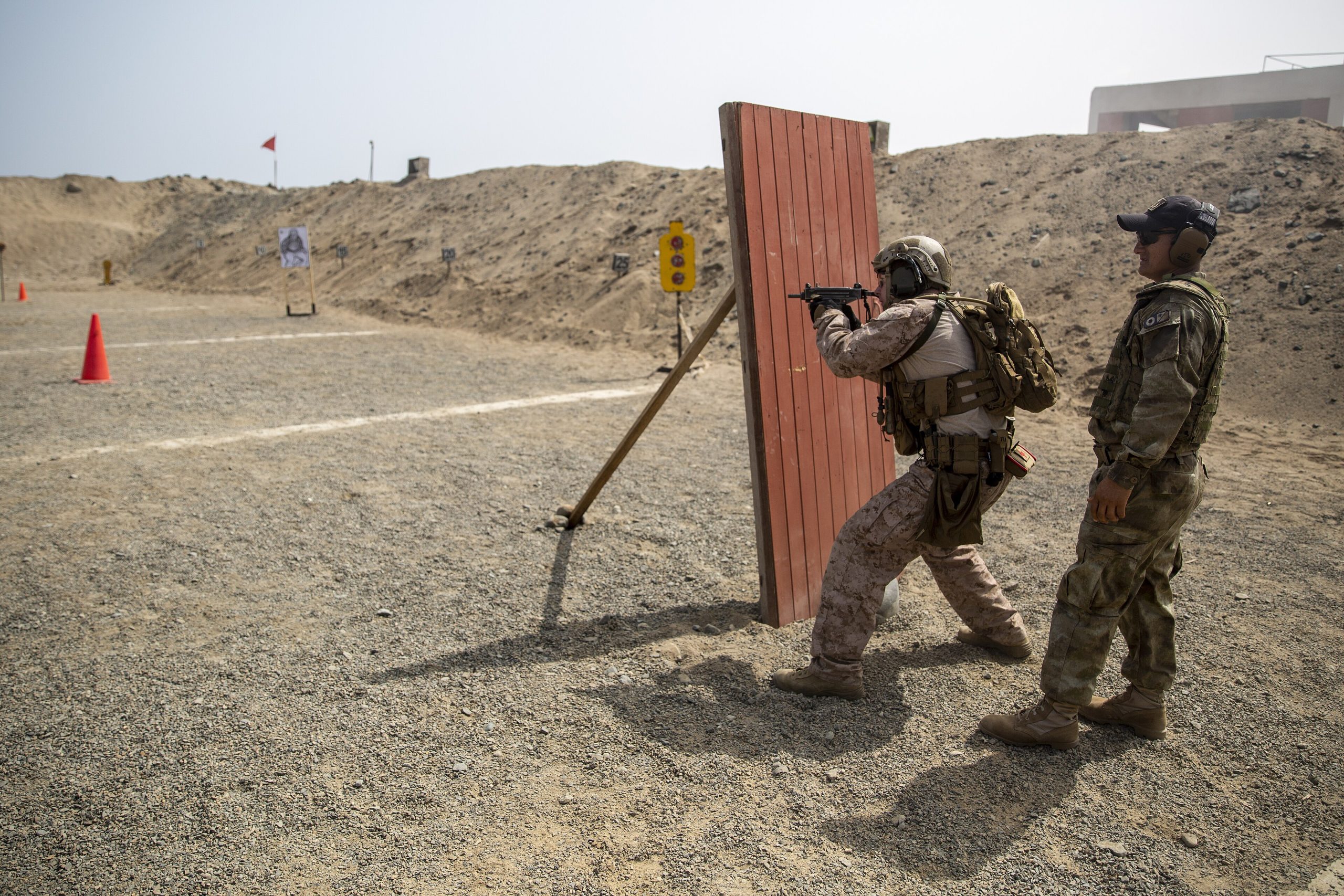
The Uzi was created after Israel’s 1948 war exposed the problems of relying on a mixture of imported weapons. Uziel Gal began developing a compact 9mm submachine gun around 1949, concentrating on reliability, simplicity, and ease of production. Prototype testing began in 1951, with the design competing against another Israeli weapon. The Uzi won because it combined a compact layout with stamped-steel construction that was easier to manufacture. By 1955, the recognizable production design had entered Israeli service, giving the young country a domestically developed weapon suited to demanding field conditions.
2. Its Bolt Helped Shrink the Whole Package
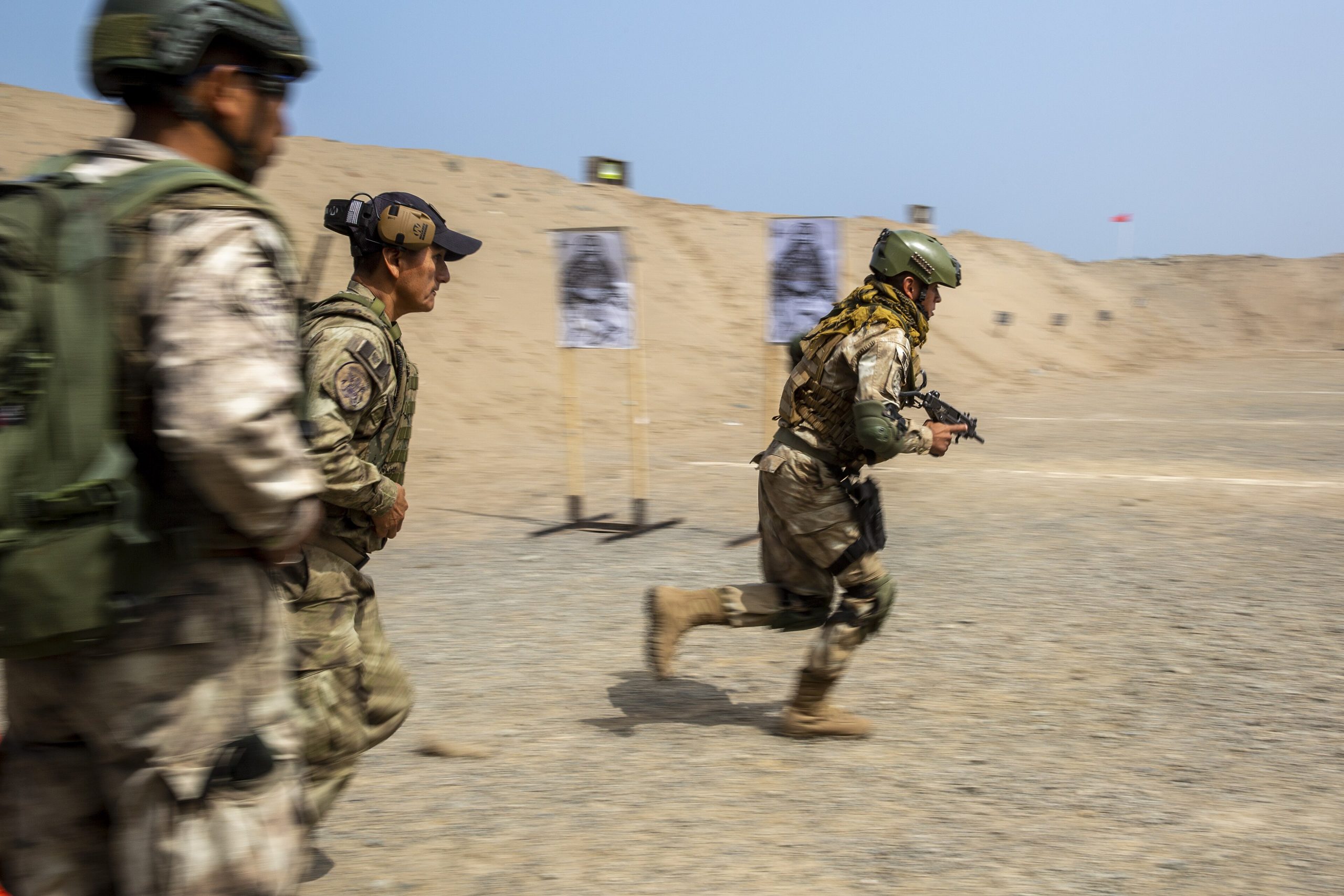
The Uzi’s compactness came from an unusual telescoping bolt arrangement that travels around much of the barrel rather than sitting entirely behind it. That clever layout allowed a 260mm barrel to fit inside a weapon measuring about 650mm with its stock extended. Fold the metal stock and the overall length dropped to roughly 470mm. The standard model weighed around 3.5kg without ammunition. These numbers explain why the Uzi looked so compact despite retaining a substantial barrel for its class. The arrangement also shifted some mass forward, contributing to the distinctive handling that became closely associated with the design.
3. The Magazine Sat Inside the Grip
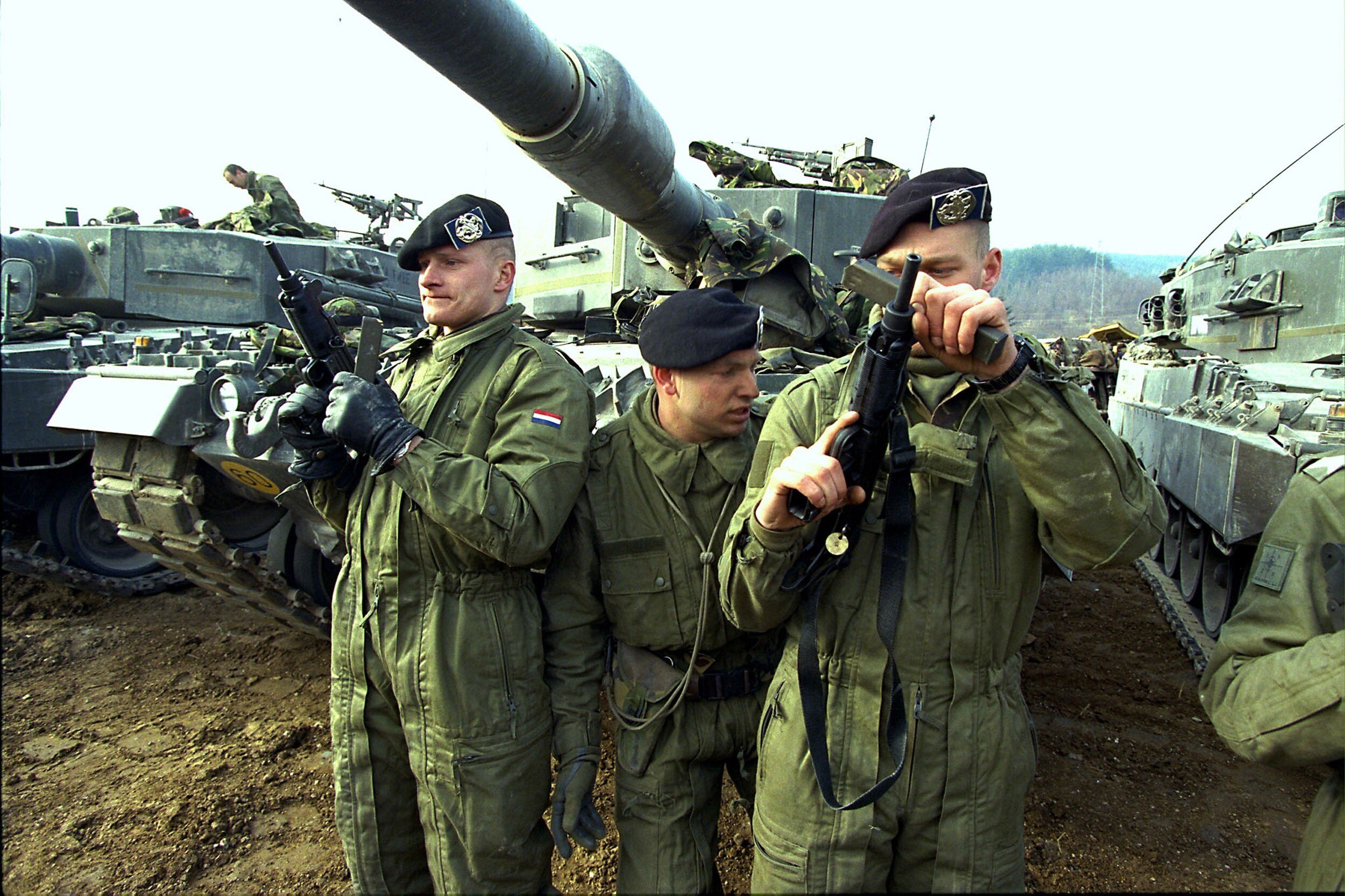
One of the Uzi’s most memorable features was its magazine position. Instead of placing the magazine well ahead of the trigger as on many earlier submachine guns, Gal incorporated it into the pistol grip. The arrangement shortened the overall package and gave the weapon a very distinctive silhouette. The original design used a 30-round magazine, while later production commonly offered 25- and 32-round magazines. More importantly, the location was intended to make magazine changes easier to locate by touch, especially when visibility was poor. It was an example of human-centered design influencing the physical architecture of the weapon.
4. Stamped Steel Made Mass Production Practical

The Uzi’s appearance can seem crude compared with finely machined firearms, but that simplicity was deliberate. Large portions of the receiver were formed from stamped steel, reducing the need for expensive machining and allowing production to expand more efficiently. The design also avoided the extremely tight manufacturing tolerances demanded by some competing prototypes. That mattered for a young country trying to establish a domestic arms industry rather than depend entirely on foreign suppliers. The Uzi’s construction therefore connected engineering with industrial practicality. Its success came not from making every component elaborate, but from creating a design that could be produced in significant quantities without sacrificing the rugged qualities soldiers needed.
5. Its Reputation Was Built on Harsh-Service Reliability
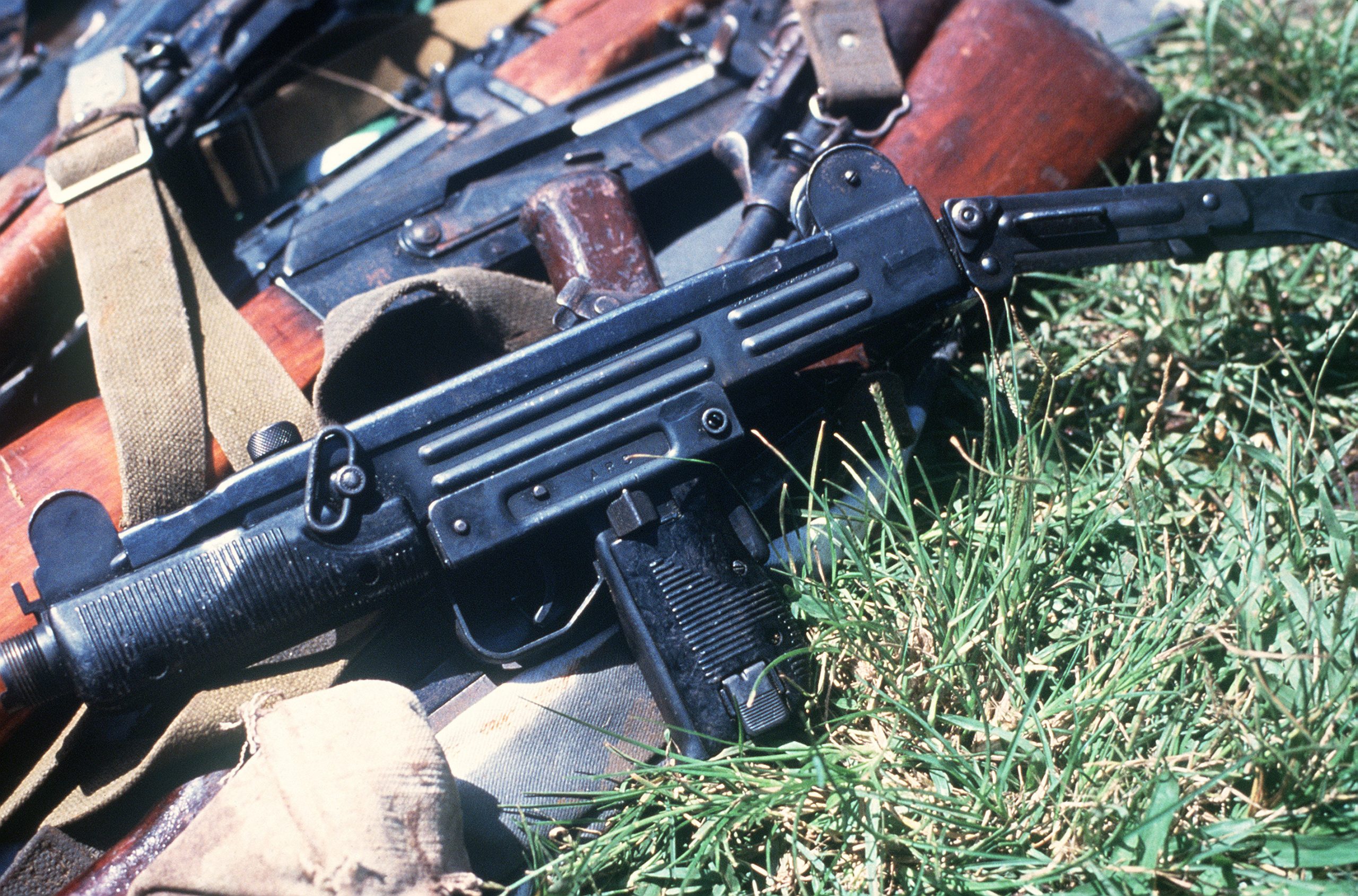
Reliability became central to the Uzi’s reputation. During its development, Israeli testers deliberately subjected competing designs to demanding conditions, including environments containing dust and grit. The Uzi’s relatively straightforward mechanism and manufacturing approach performed well during those trials, helping it defeat the competing Kara design. The weapon entered wider Israeli service in 1955 and saw combat during the 1956 Suez Crisis. That early operational experience gave the design credibility beyond laboratory testing. Its reputation subsequently grew because soldiers and security personnel encountered a weapon built around straightforward mechanics rather than delicate complexity.
6. Six Hundred Rounds Per Minute Defined the Original
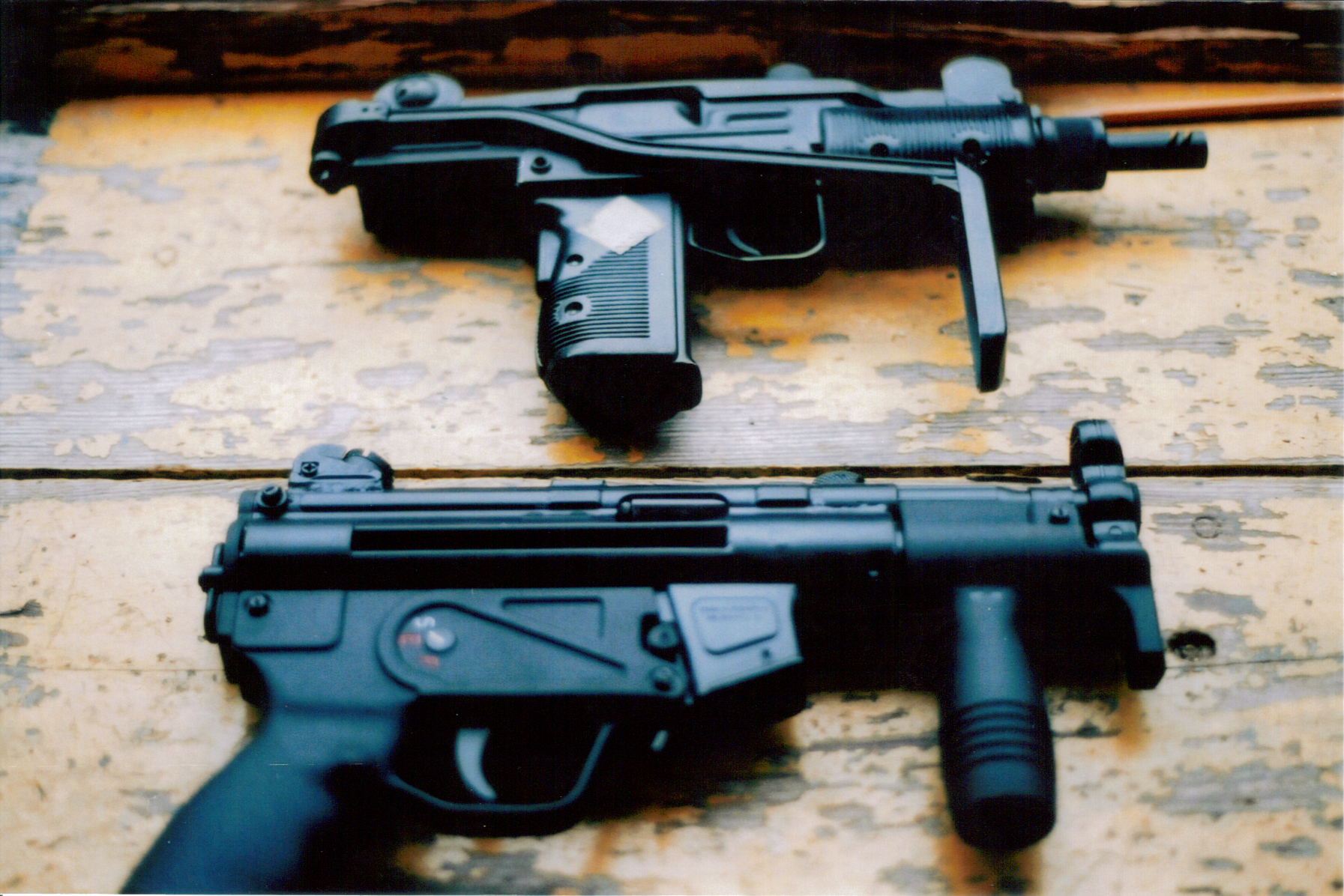
The standard Uzi was not simply about extreme firing speed. Published specifications give the original 9mm model a cyclic rate of approximately 600 rounds per minute, combined with a 260mm barrel and magazines commonly holding 25 or 32 rounds. Its open-bolt blowback system was relatively uncomplicated, while the substantial weight helped manage the movement of the weapon during automatic fire. Later compact variants became considerably faster: the Mini Uzi is commonly listed around 950 rounds per minute, while the Micro Uzi can exceed 1,200 rounds per minute. Those figures show how dramatically the platform changed as it became smaller.
7. The Uzi Became a Worldwide Export Success
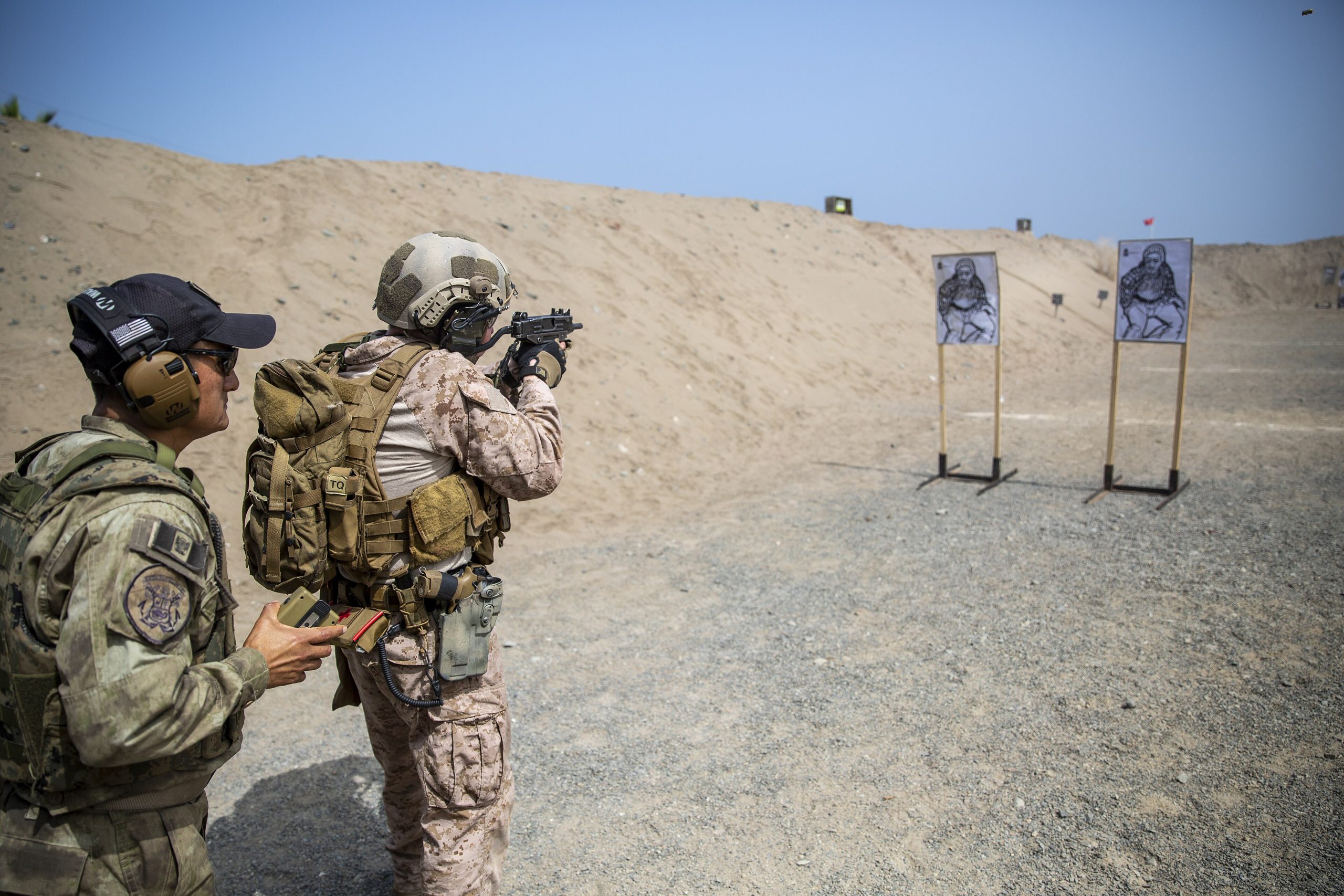
The Uzi’s international career was extraordinary for a weapon developed by a relatively young country’s arms industry. It was exported to more than 90 countries and was manufactured not only by Israel Military Industries but also under license by FN in Belgium and other producers. Military, police, and security organizations adopted different versions according to their requirements. The platform eventually generated compact variants such as the Mini Uzi and Micro Uzi, extending its usefulness beyond the original infantry role. Its international popularity also turned the distinctive silhouette into a cultural symbol, ensuring that the name remained recognizable even among people unfamiliar with its technical history.
8. Its Legacy Outlived Its Original Battlefield Role
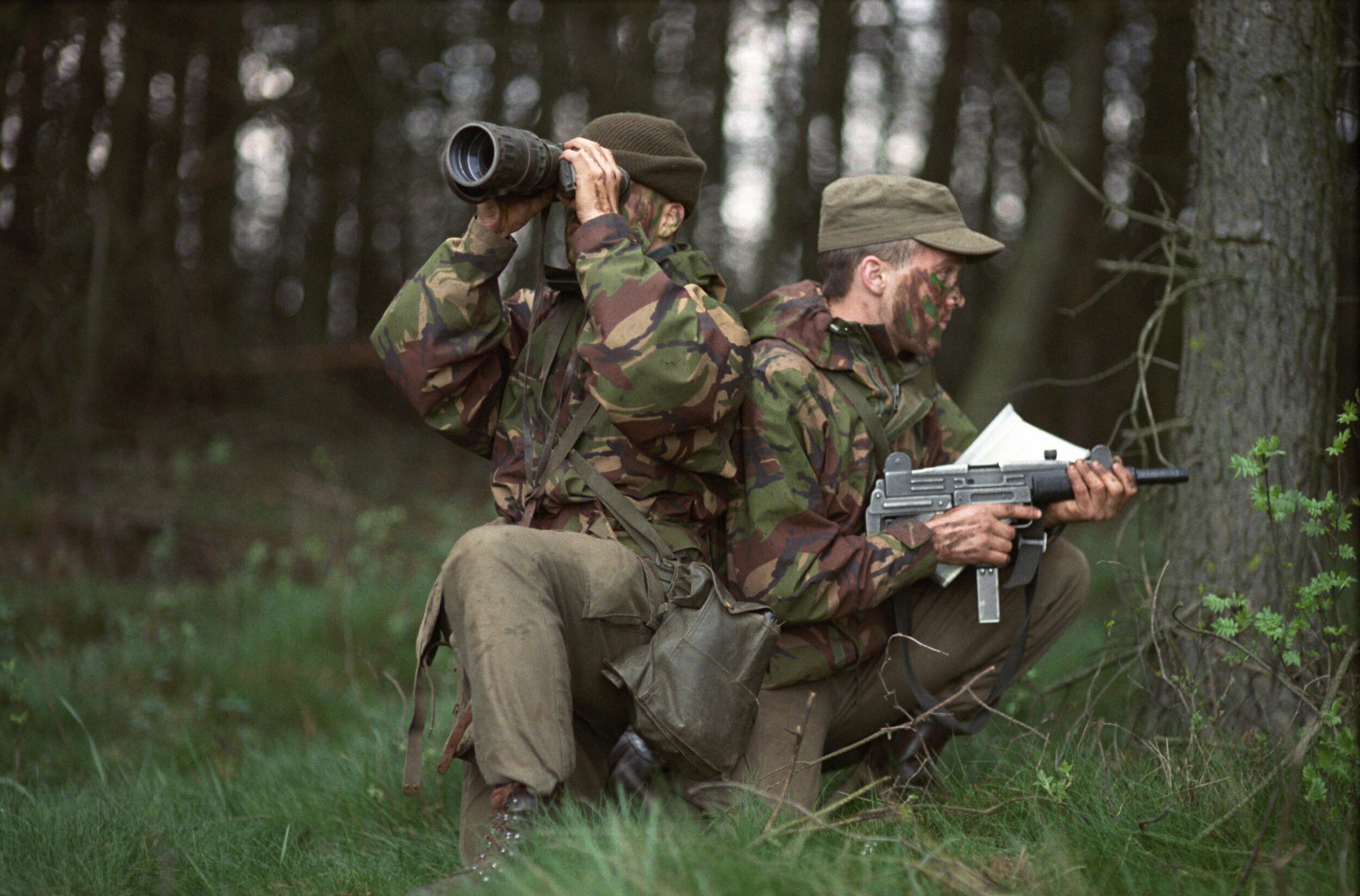
The Uzi’s greatest achievement may be its longevity rather than any single technical feature. The original design appeared in the 1950s, while smaller variants followed decades later, including the Mini Uzi in 1980 and Micro Uzi in 1986. More than 90 countries reportedly adopted some form of the platform, and production reached millions of examples worldwide. Its combination of compact dimensions, stamped construction,n and recognizable handling made it an enduring Cold War icon. Although newer compact weapons eventually offered different advantages, the Uzi remained historically important because it demonstrated how a relatively simple design could achieve global military and cultural influence.