The Thompson submachine gun occupies a rare place in American history. It was born from a military idea, became notorious during Prohibition, and eventually earned genuine respect from soldiers in World War II. Its hefty construction, .45 ACP chambering, distinctive appearance, and unusual commercial history helped turn it into far more than another firearm. Behind the famous gangster image was a complicated story of expensive civilian sales, law-enforcement adoption, military refinement, and mass wartime production.
1. It Was Born Too Late for Its First War
John T. Thompson imagined his new weapon during World War I as a compact arm for breaking trench stalemates. The prototype arrived too late to influence that conflict, but the idea survived. Colt produced 15,000 Model 1921 Thompsons in 1921–22, just as wartime demand had collapsed. The timing created a strange beginning: a weapon designed for soldiers first had to find customers elsewhere. Its .45 ACP chambering, wooden furniture, and rapid-fire capability made it unlike the ordinary rifles and pistols then filling military inventories. This unusual start helped create its lasting mystique.
2. The Price Made It a Luxury, Not a Street Standard
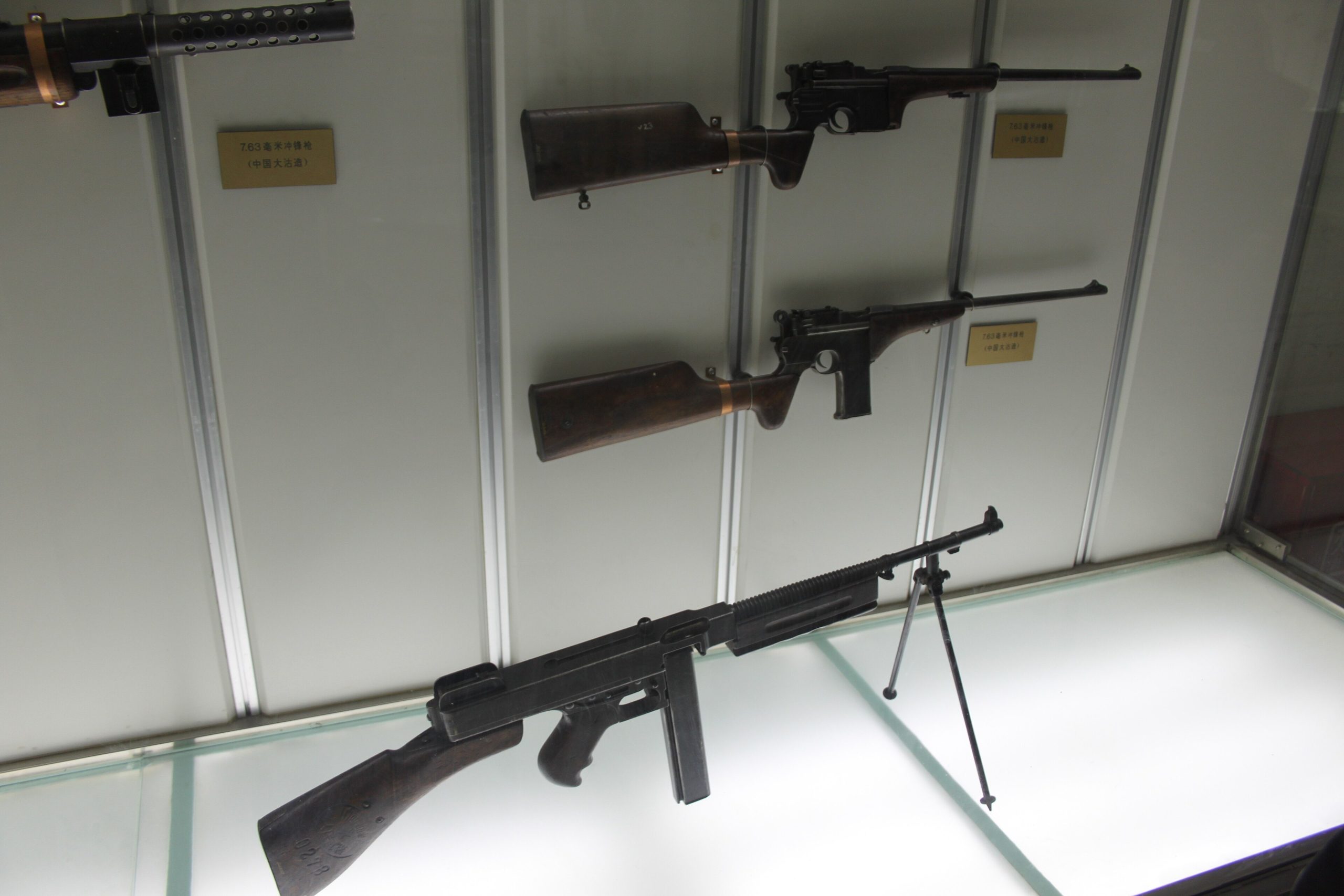
The original Thompson was spectacularly expensive for its era. In 1921, it sold for $200 with a 20-round magazine, a price that made casual civilian sales difficult. That cost also helps explain why the gangster image can be misleading: criminals used Thompsons, but they never became an everyday weapon for every gang. Production quality was exceptionally high, with Colt making the first 15,000 examples. The combination of scarcity, price, and publicity gave the gun an aura that went far beyond its actual numbers. For many buyers, ownership was a statement as much as a purchase.
3. Prohibition Turned Its Reputation Into Legend
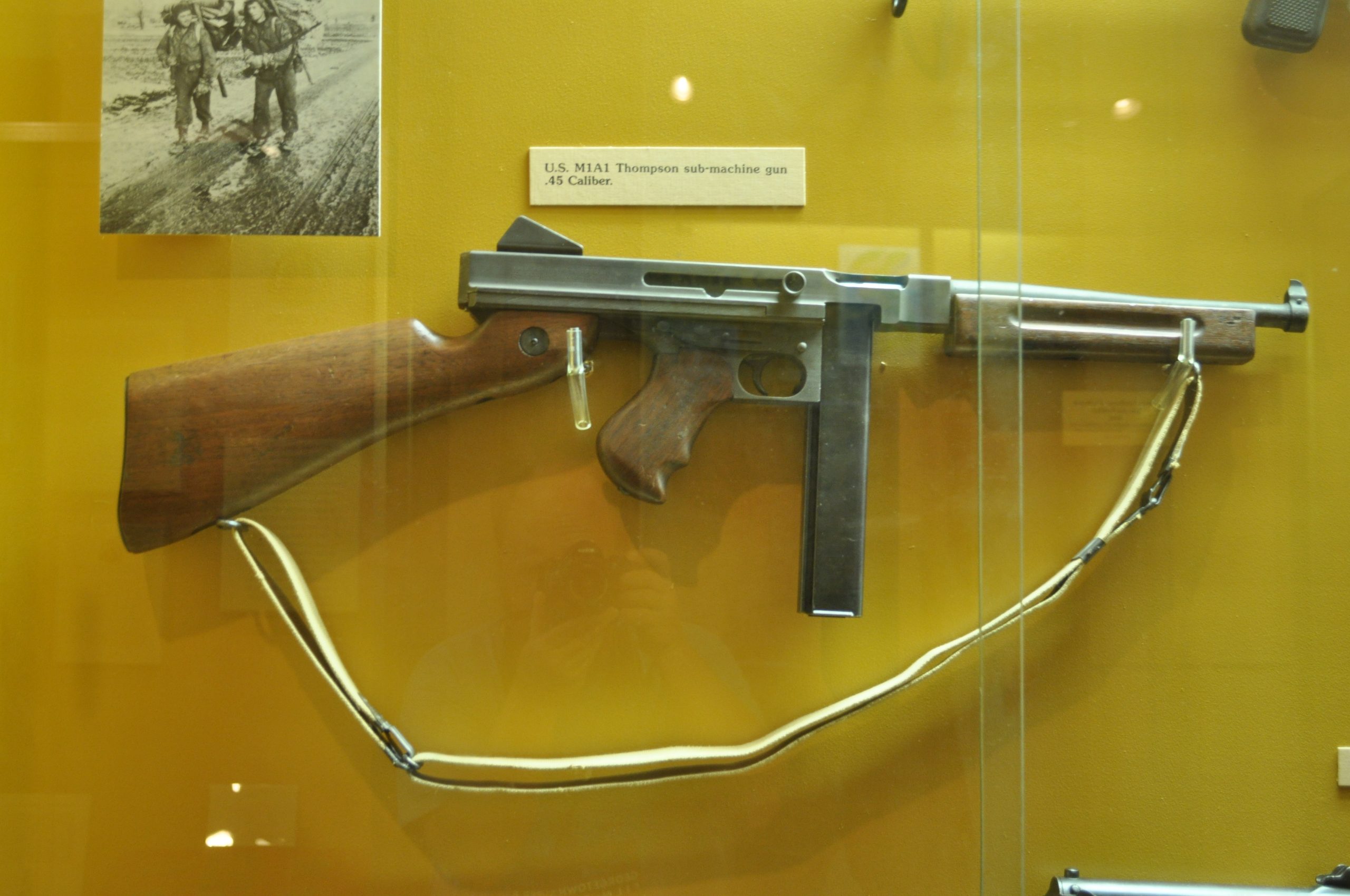
During Prohibition, newspapers and photographs repeatedly linked the Thompson with bank robbers, bootleggers, and organized crime. Nicknames such as “Tommy Gun” and “Chicago Typewriter” became part of American popular culture. Yet the historical picture is more complicated than movies suggest. Police agencies, federal investigators, and security organizations also acquired Thompsons because they feared being outgunned. The gun, therefore, became a symbol on both sides of the law. Its cultural reputation grew faster than its actual criminal use. That dual identity made it instantly recognizable.
4. Soldiers Valued Its Heavy, Solid Construction
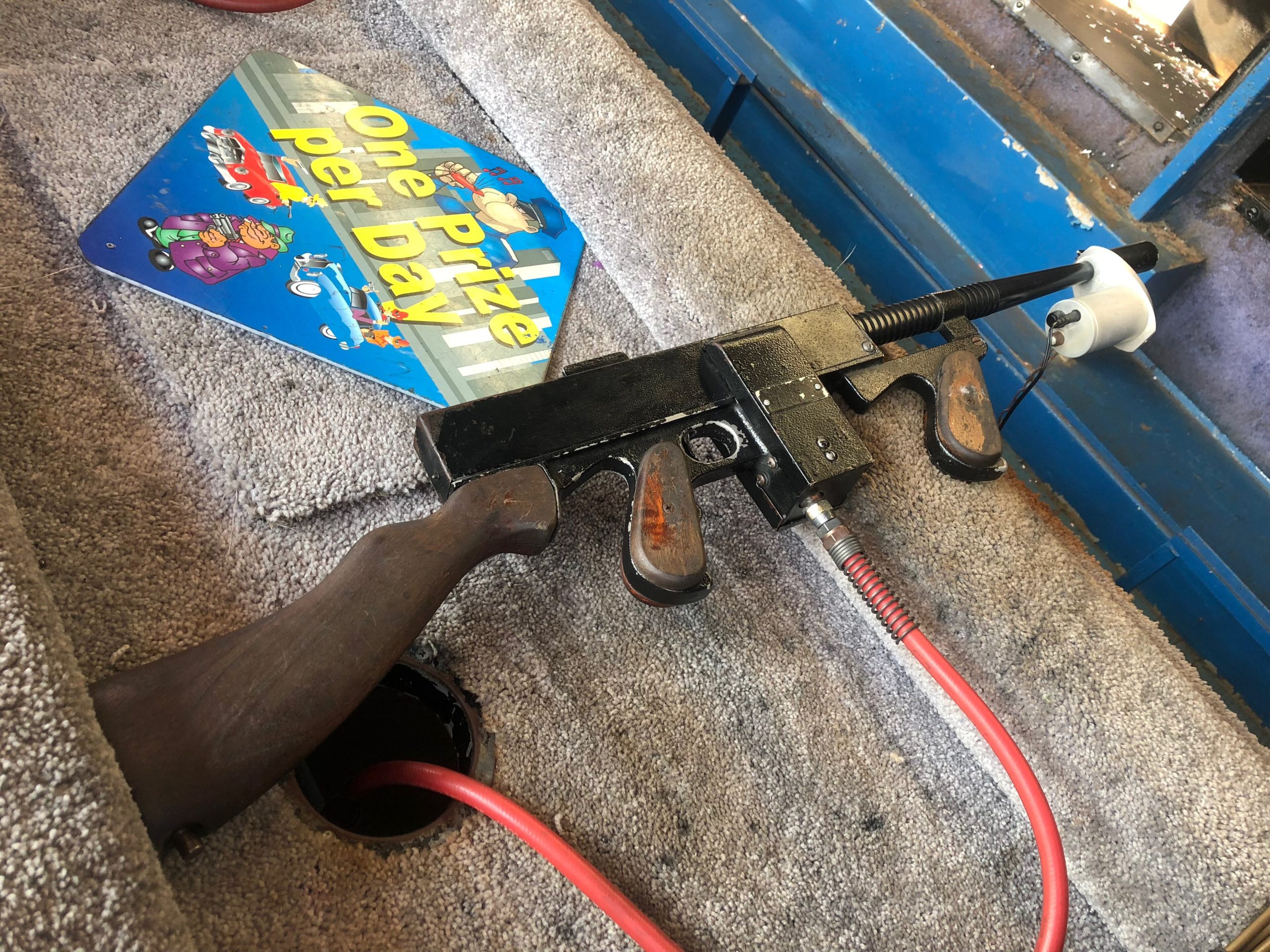
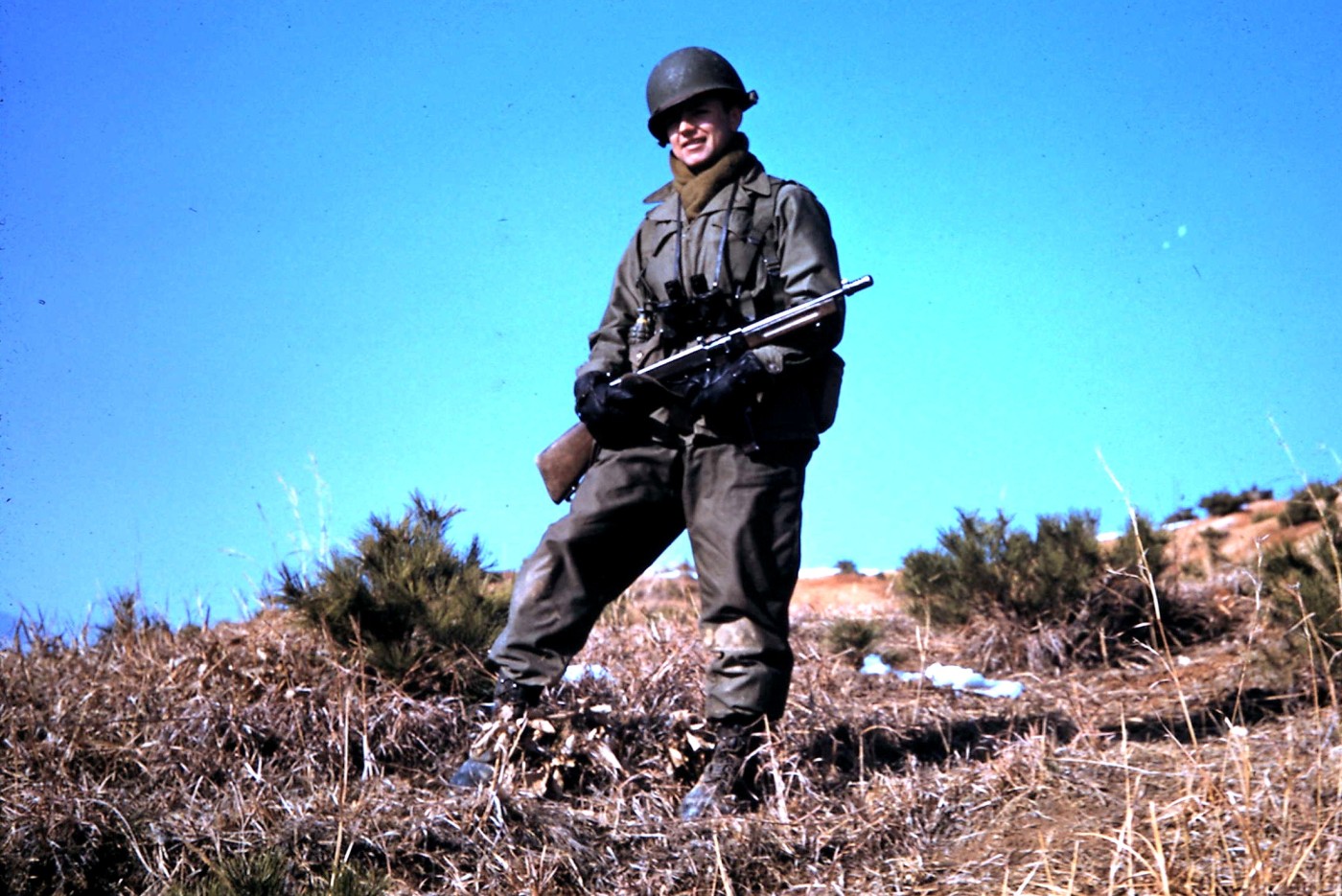
When World War II created enormous demand for small arms, the Thompson finally found the military market its designers had originally imagined. The M1928A1 weighed about 10.8 pounds empty, while the later M1A1 was roughly 10 pounds. That was heavy compared with many rival submachine guns, but troops often appreciated its sturdy construction and controllable .45 ACP fire at close range. The Army and Marines issued Thompsons especially to formations and personnel who benefited from compact automatic fire, including Rangers, paratroopers, and armored crews.
5. The War Simplified the Thompson
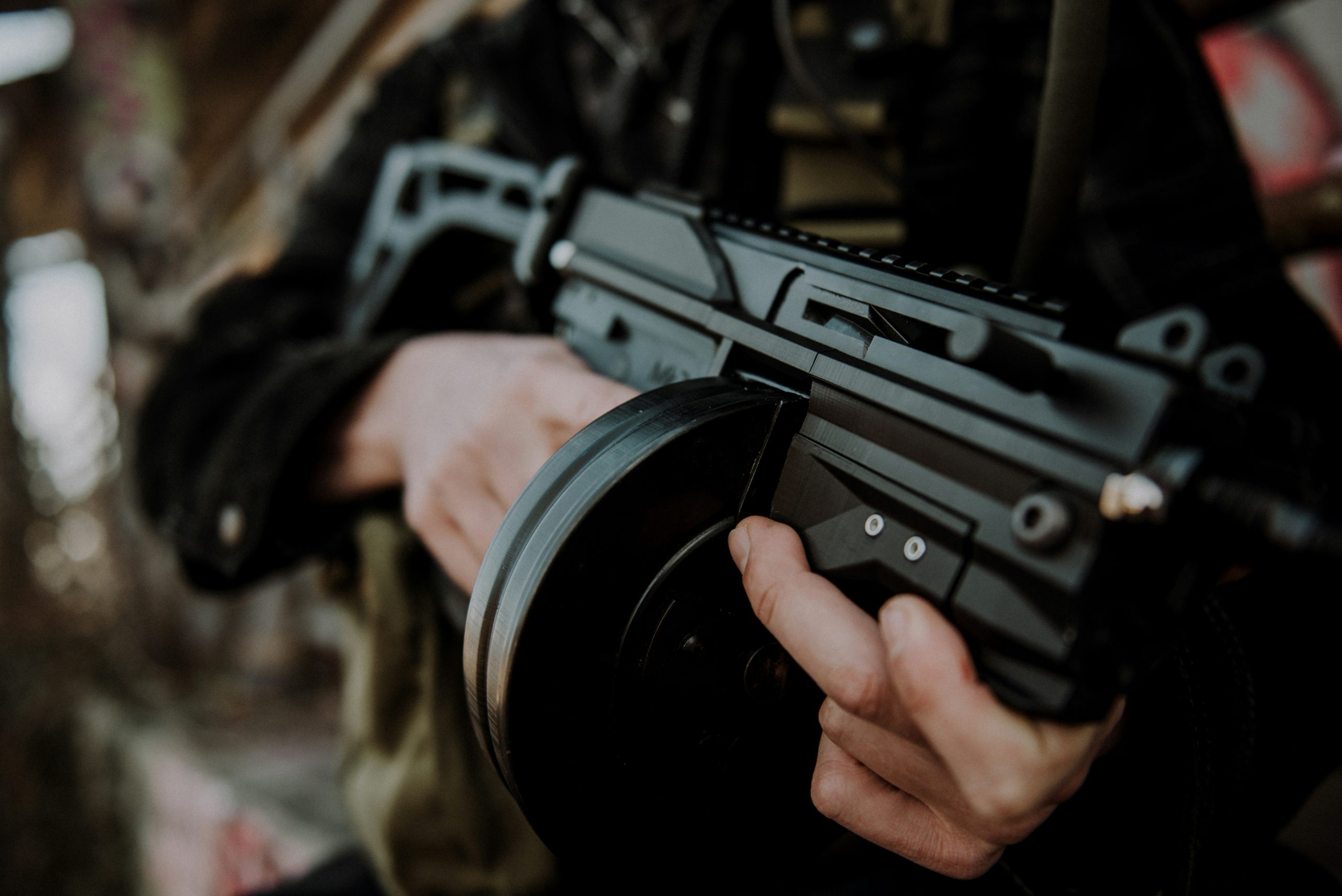
The wartime Thompson changed dramatically because factories needed to produce large quantities faster and at lower cost. The M1 and M1A1 removed several elaborate features associated with earlier models, including the complicated delayed-blowback system and drum-magazine compatibility. The charging handle moved to the side, the barrel lost its cooling fins, and manufacturing became more practical. These changes sacrificed some of the refined character of the 1921 and 1928 guns, but they made the design better suited to mass production. Function mattered more than ornament.
6. Its Rate of Fire Was Part of the Story
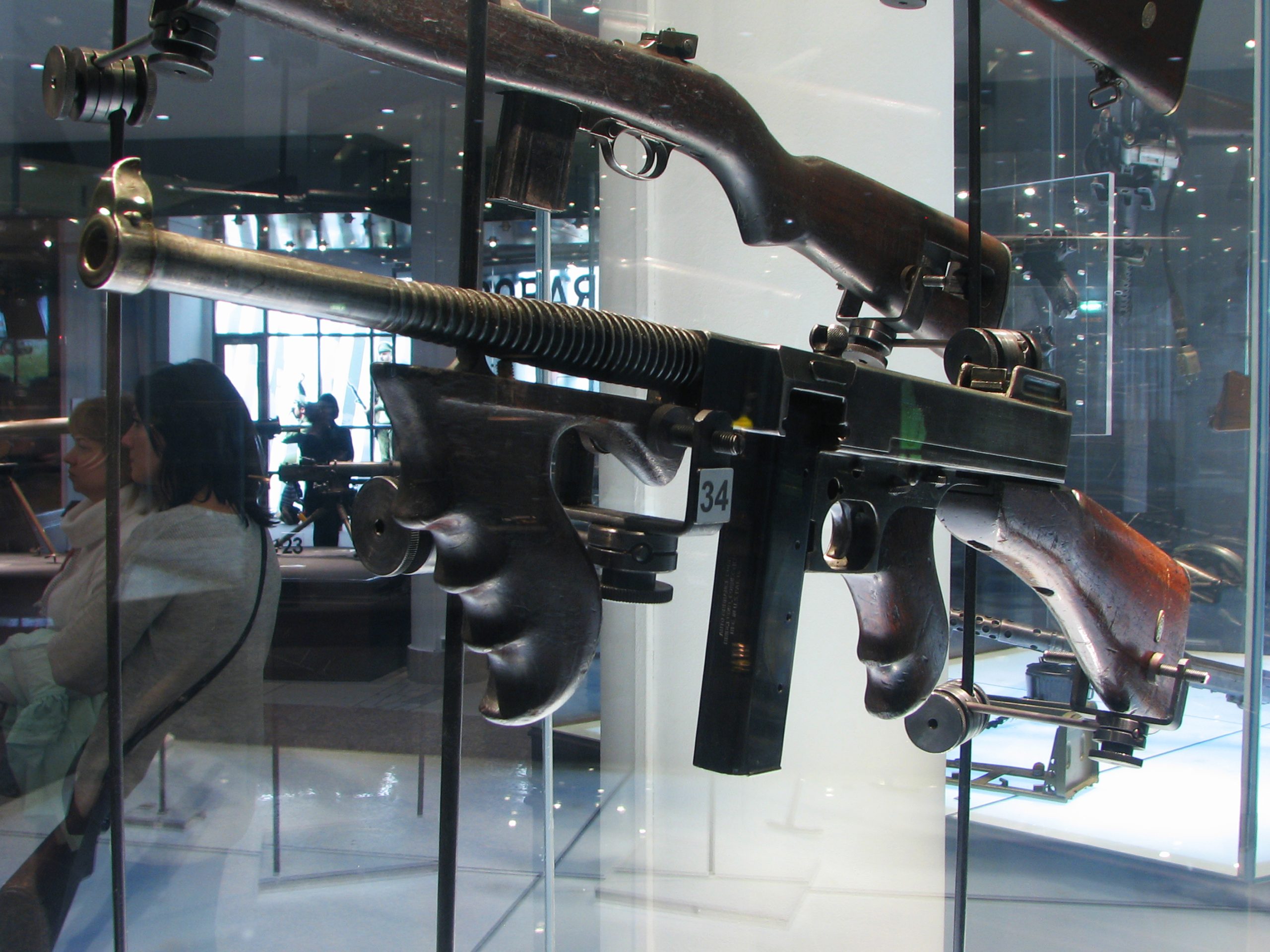
Early Thompsons were famous for a fast cyclic rate, with the Model 1921 running at roughly 800 rounds per minute. The 1928 series was deliberately slowed, with figures commonly placed around 600–725 rounds per minute, to improve control and reduce ammunition consumption. That change reflected practical military thinking rather than a loss of performance. A slower rhythm could make short bursts easier to manage. The Thompson’s reputation for overwhelming firepower therefore came from a balance of cartridge, weight, and automatic fire—not simply from having the highest possible rate.
7. More Than 1.5 Million Were Made for the War
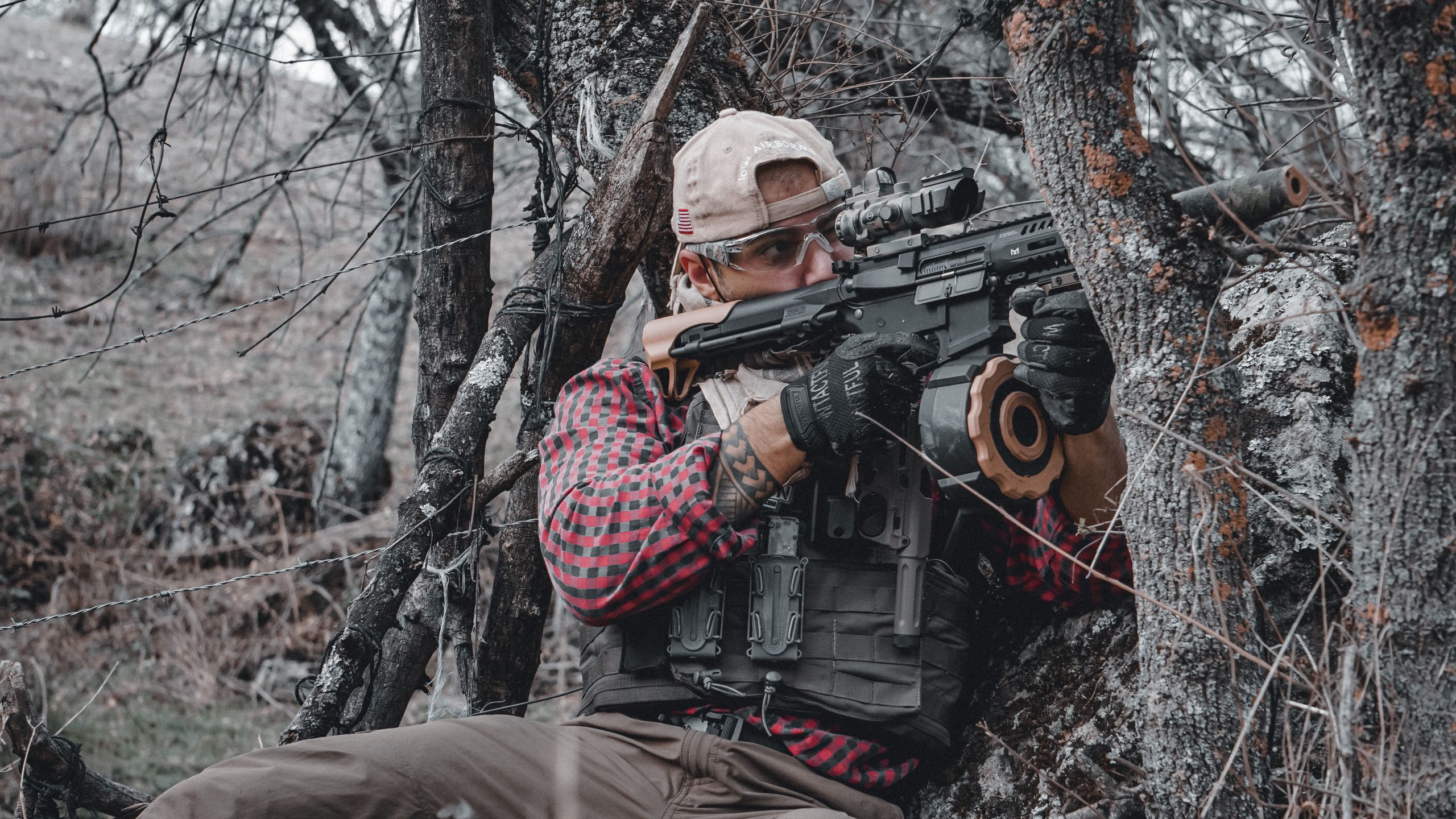
The Thompson’s transformation from expensive commercial curiosity to wartime workhorse was enormous. More than 1.5 million were produced during World War II, with Savage Arms and Auto-Ordnance contributing to the effort. The M1 and M1A1 versions were designed around faster, cheaper production than the earlier guns. They became familiar across Allied forces, while earlier Thompsons remained in service as well. This huge wartime output explains why the Thompson became far more visible among soldiers than it had ever been among civilians during the 1920s.
8. Gangster Icon and GI Favorite Became One Legacy
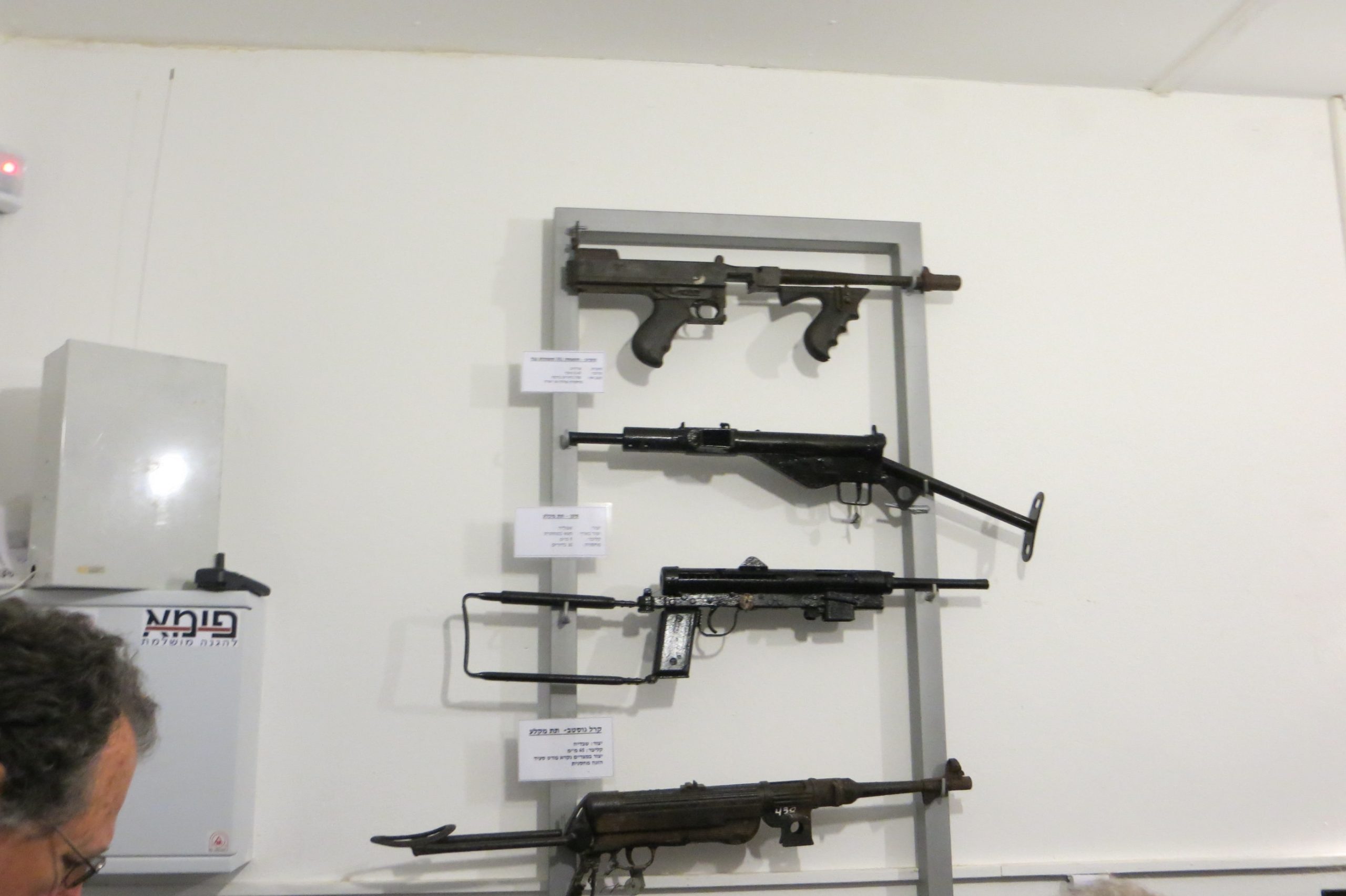
The Thompson ended up carrying two powerful identities at once. In the 1920s and 1930s, it became a visual shorthand for organized crime, helped by sensational journalism and famous photographs. In World War II, the same basic design was carried by American troops and Allied personnel in combat. Its weight, .45 ACP chambering, and compact layout made it useful for close-range military work, while its history gave it an unmistakable personality. Few firearms crossed the gap between criminal folklore and battlefield service so completely. Its postwar service extended that complicated legacy.