The Savage Model 24 became memorable because it refused to fit neatly into one category. Instead of choosing between a rifle and a shotgun, it placed both functions into a single over-under design. Its long history includes military service, numerous chamberings, compact variants, and a surprisingly wide range of configurations. Here are eight details that explain why this unusual combination gun earned such a lasting reputation.
1. It Started as a Stevens, Not a Savage
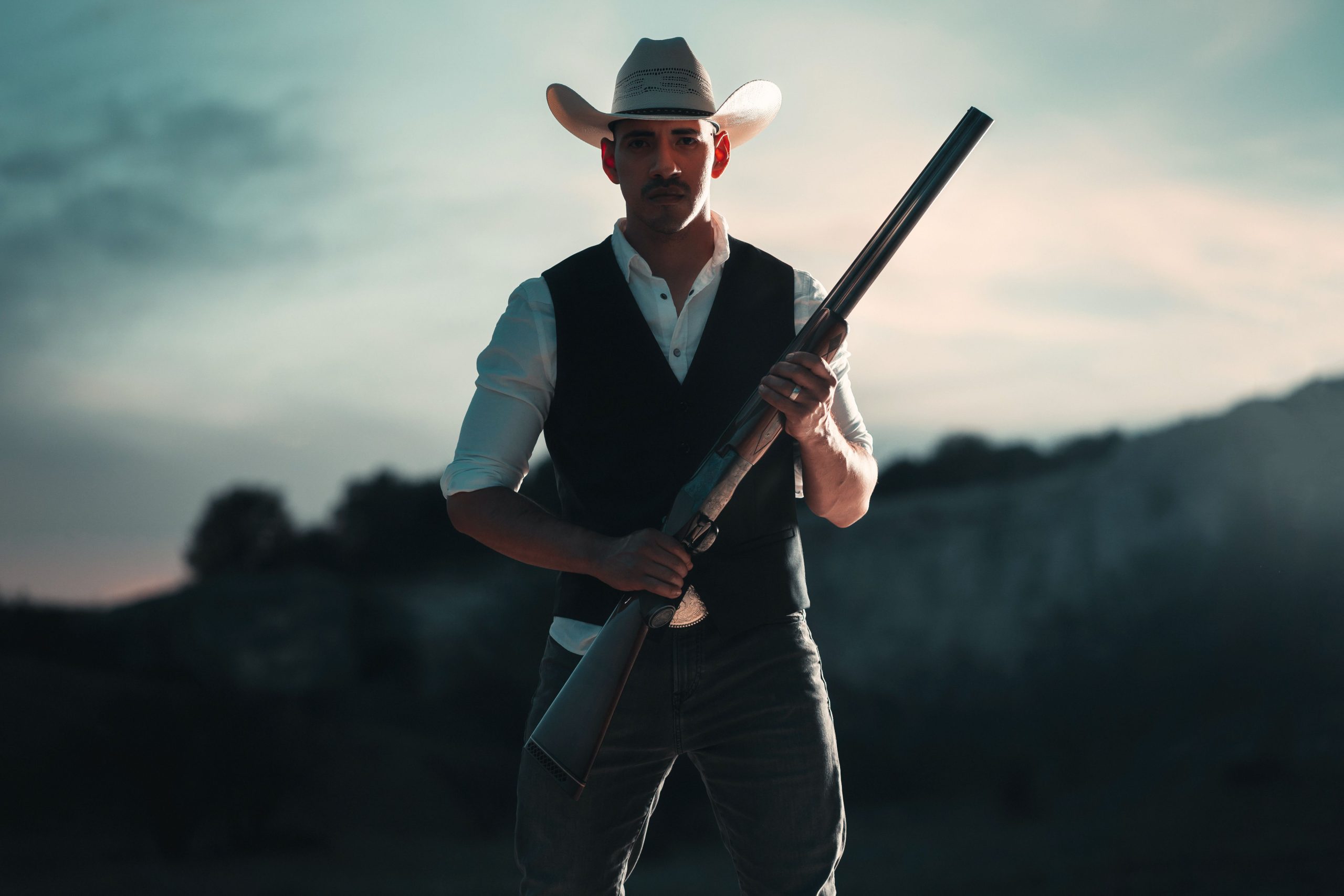
The Model 24 story begins in 1938, when Stevens introduced the 22-410, an over-under combination gun pairing a .22 rimfire with a .410 shotgun barrel. Savage later brought the design under its own name, turning it into the Model 24 in 1950. That change matters because the concept was already proven before the famous Model 24 badge appeared. The design survived for decades because its purpose was simple: to carry one compact firearm that could handle two very different kinds of small-game shooting. Its roots explain why the Model 24 feels more like an evolution than a sudden invention.
2. Two Barrels, Two Completely Different Jobs
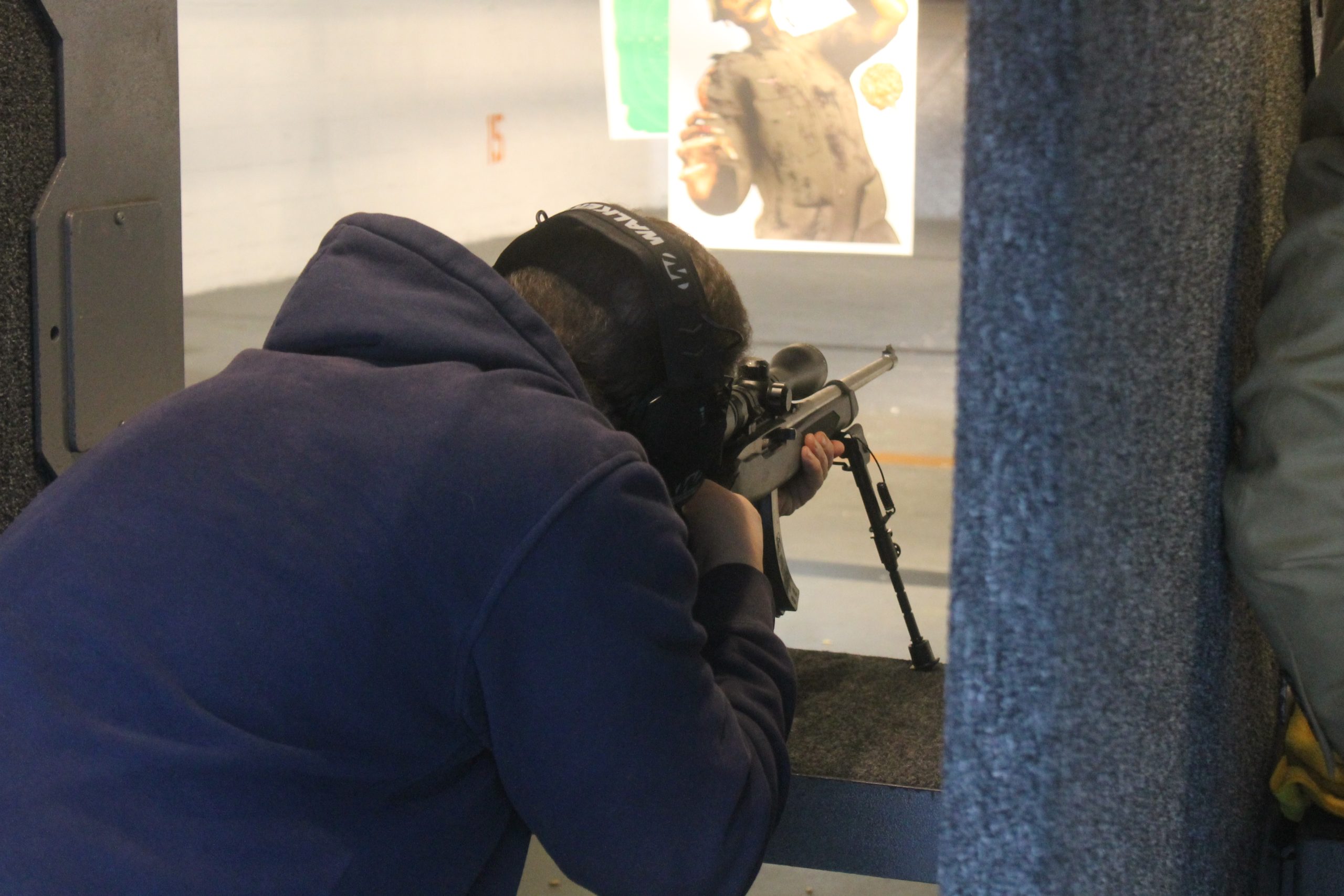
The cleverness of the Model 24 was not simply having two barrels stacked together. The upper barrel was rifled for cartridges such as .22 LR, while the lower barrel was smoothbore for shotshells. On the classic .22/.410 version, both barrels were commonly 24 inches long, with the complete gun around 41 inches and roughly 7 pounds. That gave the owner a rimfire option for precise small targets and a shotgun option for birds or pests. That distinctive profile made its purpose obvious at a glance.
3. The Caliber Choices Became Surprisingly Broad
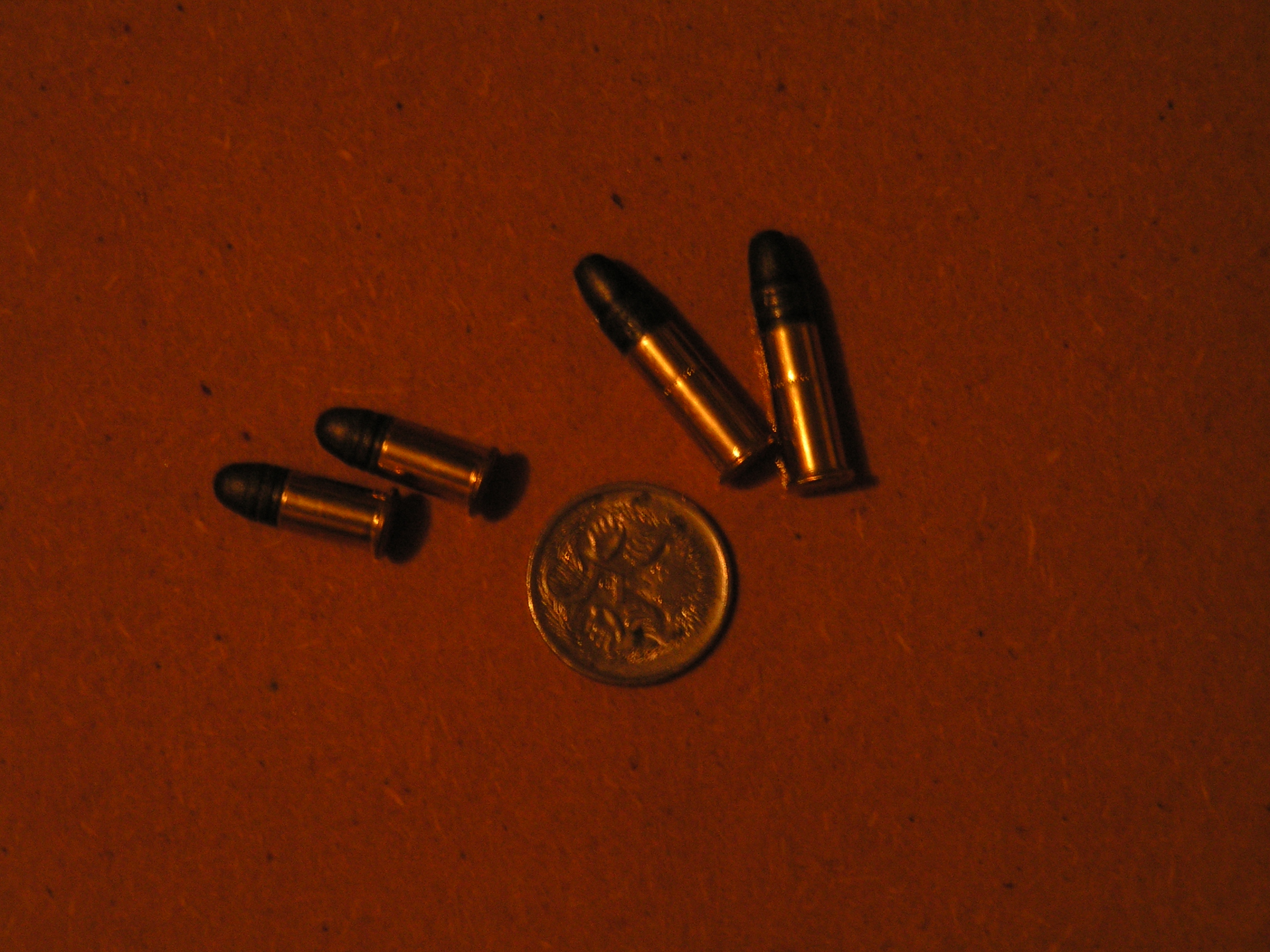
Savage did not keep the Model 24 locked to .22 LR and .410. Over its long production history, rifle barrels appeared in choices including .22 WMR, .22 Hornet, .222 Remington, .223 Remington, .30-30 Winchester, .357 Magnum, and .357 Maximum. Shotgun barrels also expanded beyond .410 to 20 and 12 gauge in various versions. That meant the Model 24 could range from a lightweight small-game outfit to a more powerful field combination. The exact pairing depended on the specific model and production period. That variety made the Model 24 useful to a much wider range of hunters and outdoorsmen.
4. The Break-Open Action Kept Everything Simple
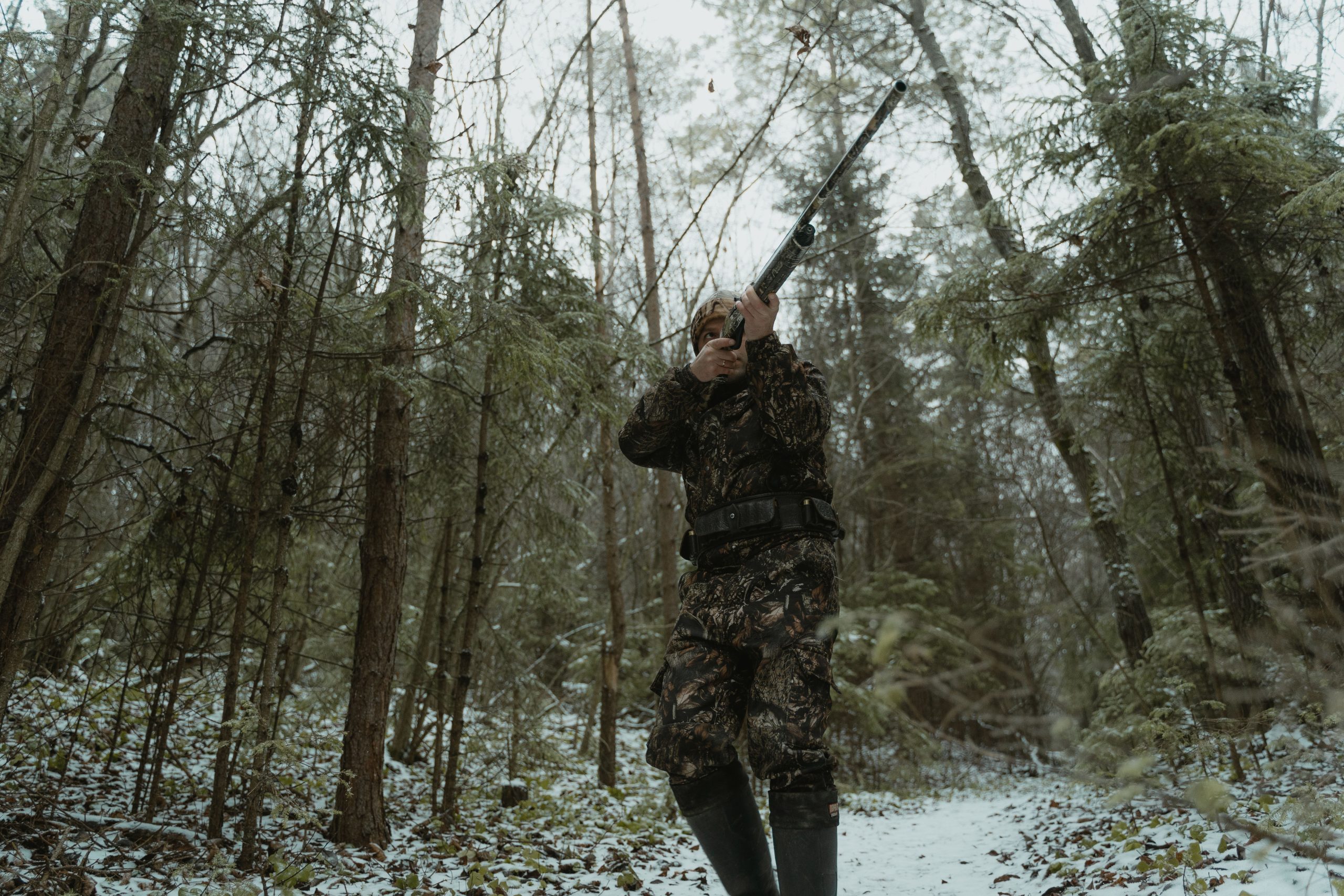
The Model 24 used a break-open action, so the barrels hinged downward for loading and unloading. A single trigger served the combination, while a selector determined which barrel would fire. Many versions used an exposed, rebounding hammer, and later configurations incorporated safety changes. Its appeal was practical rather than flashy: open the action, access both chambers, select the appropriate barrel, and carry a compact two-purpose firearm. Specific controls varied among Model 24 variants. That makes identification important before assuming two examples work exactly alike.
5. It Was Built for More Than Backyard Plinking
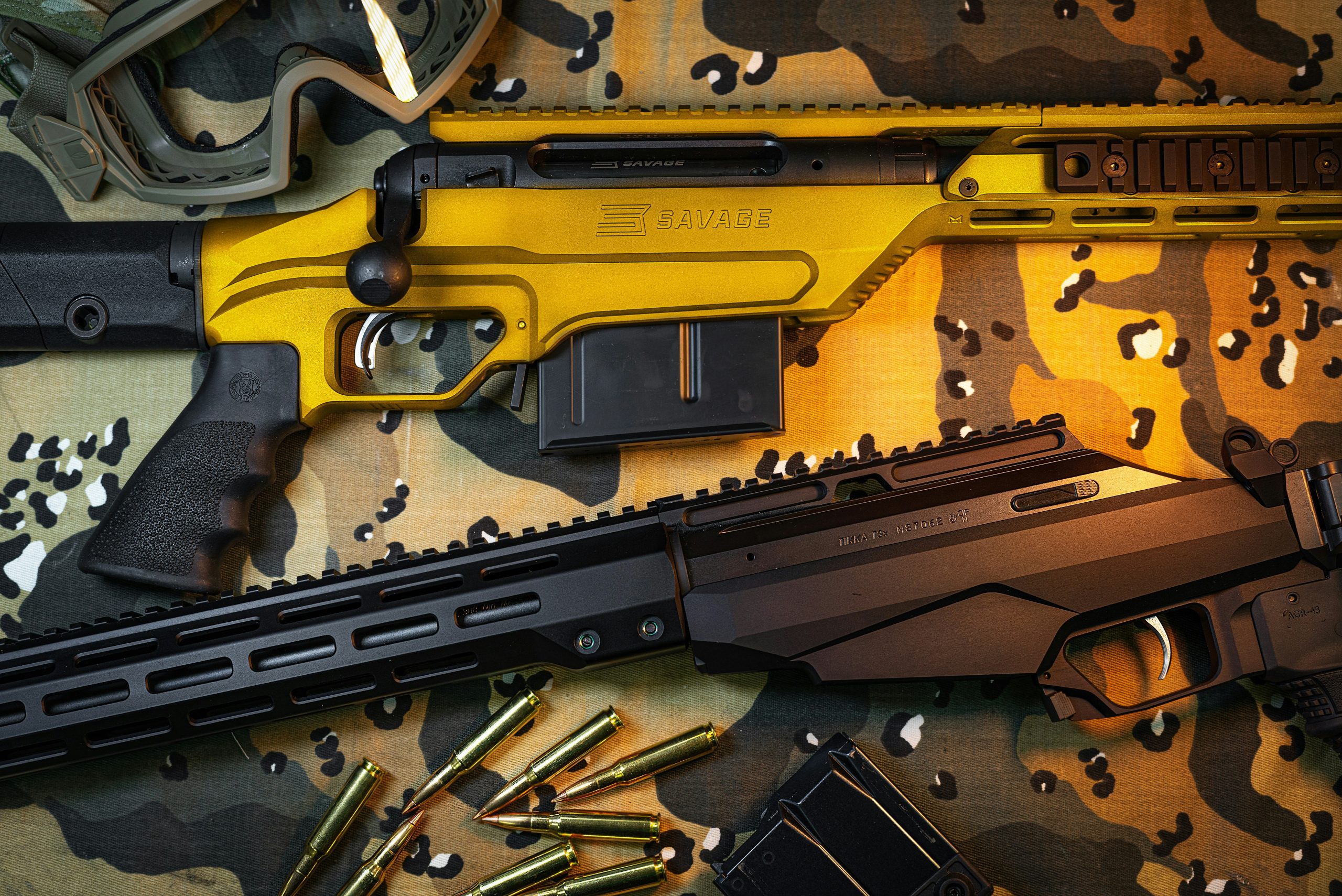
The Model 24 gained a reputation as a practical field companion because its two barrels matched common small-game situations. A .22 could suit a squirrel or similar target, while the shotgun barrel offered a different way to handle birds and close-range pests. During World War II, roughly 15,000 Stevens 22-410 guns were acquired by the U.S. Army Air Corps as survival firearms for aircrews. That military connection gave the combination-gun idea an unusual chapter beyond ordinary civilian hunting use. The story also helped cement the combination gun’s reputation as a practical survival concept.
6. The Compact Versions Took Portability Seriously
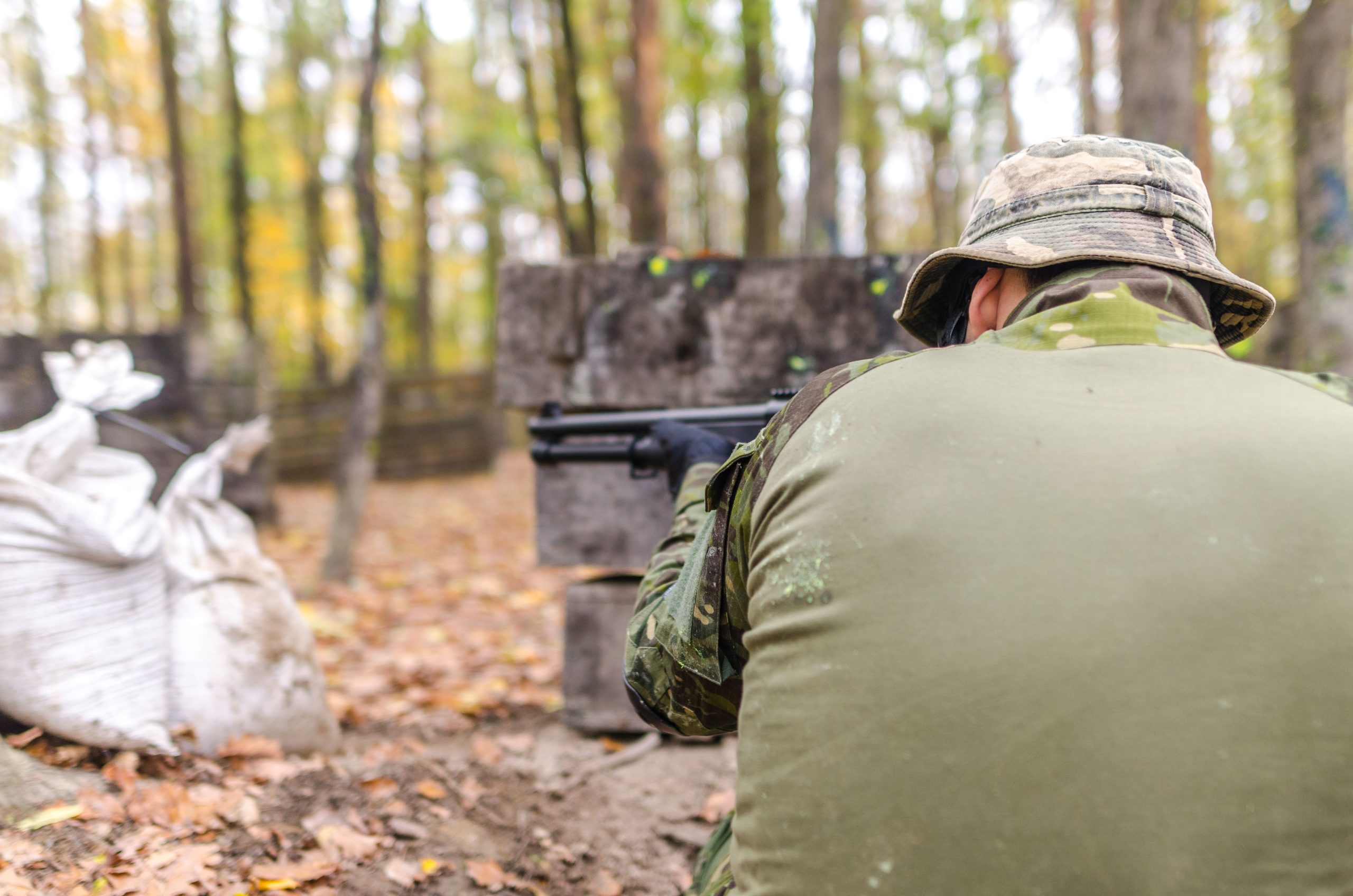
Portability was another reason the Model 24 stood apart. Standard examples were already modest in size, but special versions pushed the idea further. The Model 24C Camper’s Companion was listed at about 5¾ pounds and could be stored in a compact carrying case. Some configurations also used stocks with storage space for additional ammunition. The result was a firearm designed around transportation as much as shooting. For hunters, campers, and outdoorsmen who valued limited bulk, the combination of two barrels and a break-open action made the Model 24 unusually easy to pack and stow.
7. Its Many Variants Make Every Model 24 a Little Different
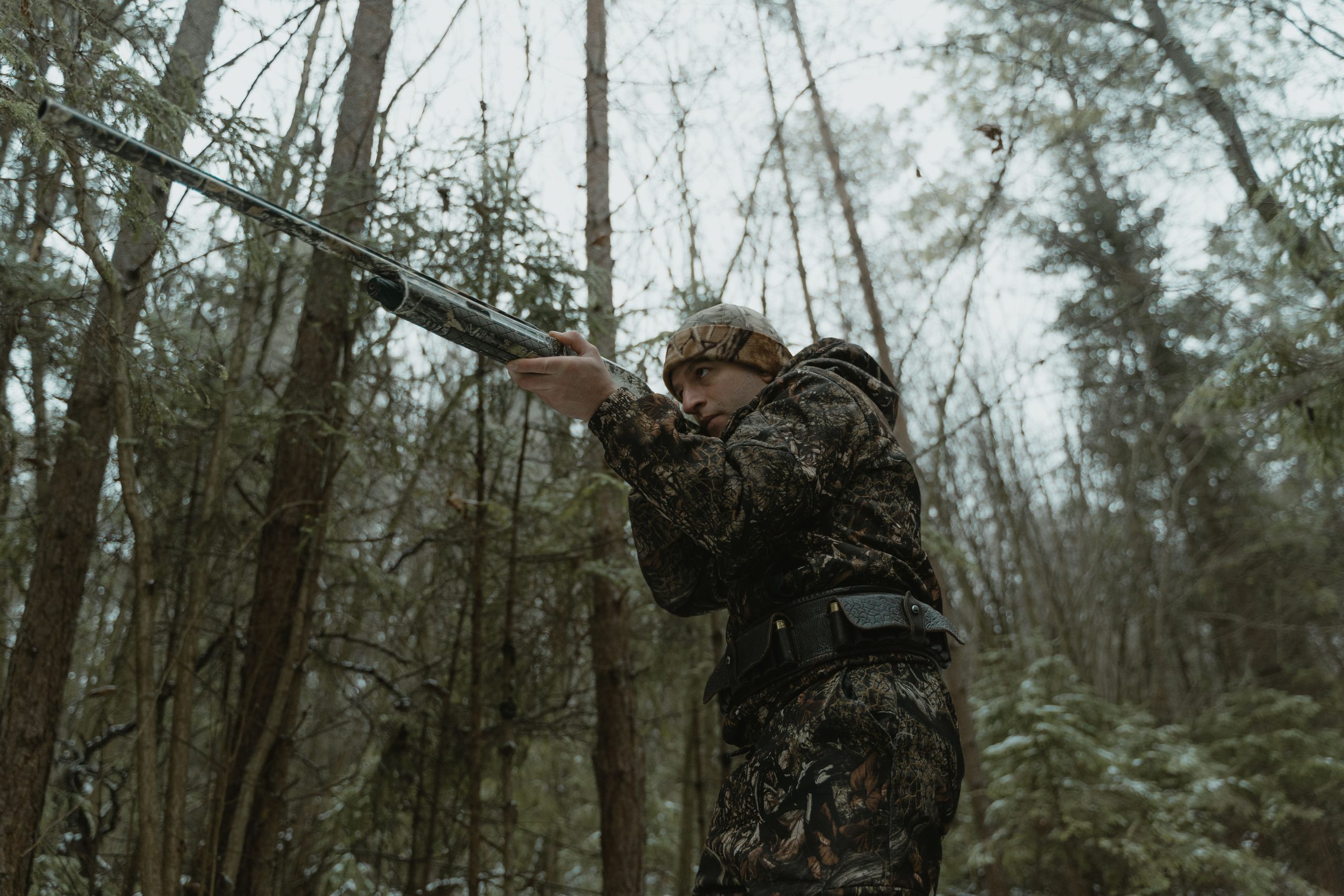
Calling every Model 24 simply a .22/.410 can be misleading. Savage produced numerous versions, with different chamberings, stocks, finishes, barrel arrangements,s and features. The National Rifle Association’s museum notes 13 different versions, while surviving examples show how broad the family became. Some had wood furniture, while others used Tenite-era or later synthetic materials. This variety is why the model number alone does not tell the whole story. A Model 24’s letter suffix, chamber markings, and physical configuration can be crucial to identifying what it actually is.
8. Its Legacy Outlasted Its Production Run
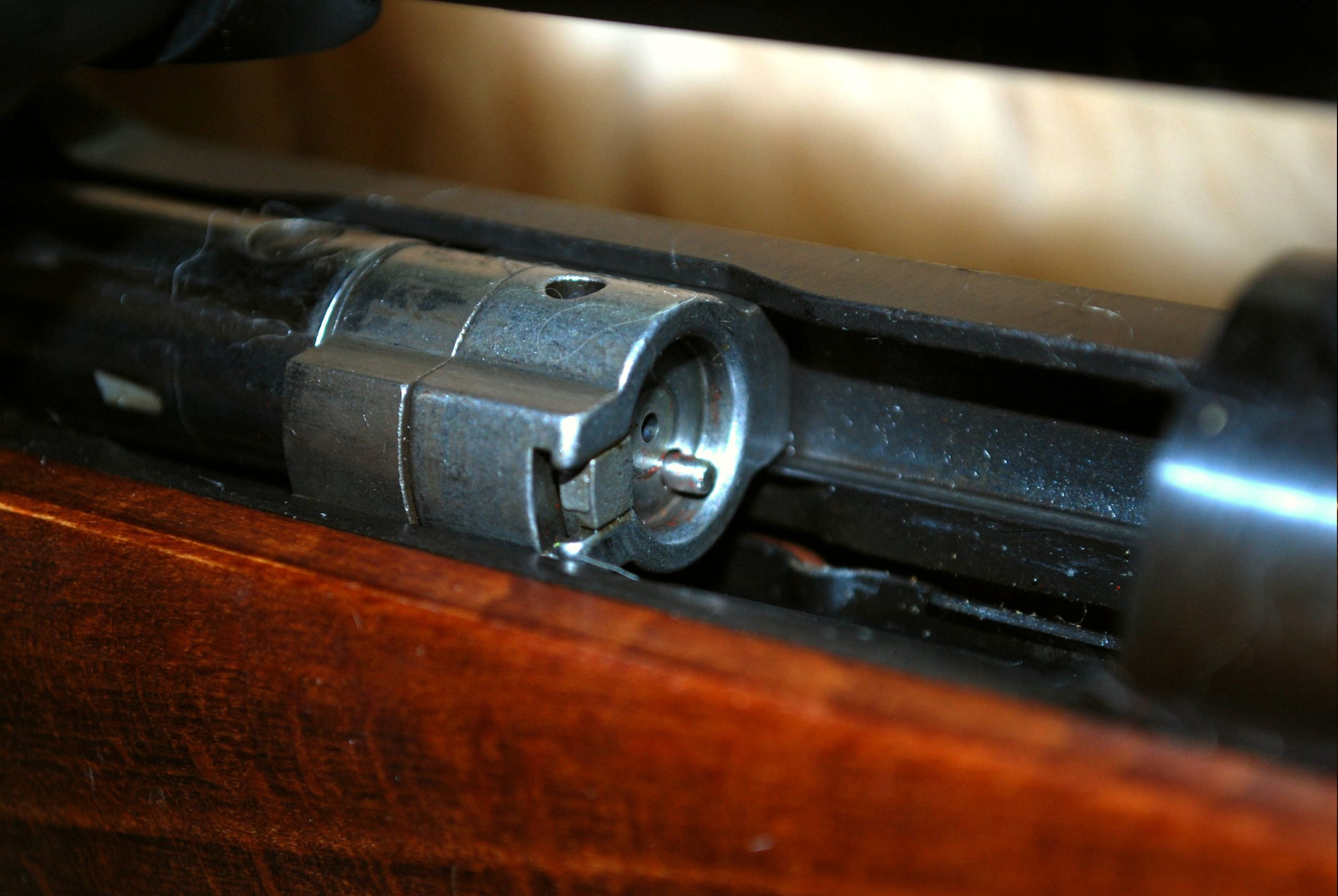
The Model 24 was eventually discontinued, but its basic idea never disappeared. Savage later introduced the Model 42 as a modern combination-gun successor, keeping the familiar rifle-over-shotgun formula in a newer package. The original Model 24 remains notable because it solved an old outdoor problem with an unusually direct answer: two useful barrel types in one break-open gun. With production stretching across many decades and numerous configurations, its legacy is less about raw power than versatility, compactness and a design that refused to choose between rifle and shotgun.