The phrase “pistol ammo” can make the weapon sound more modern than it really was. During World War I, British troops relied heavily on service revolvers such as the Webley, which combined a six-chamber cylinder with a large .455 cartridge. These handguns filled a very different role from rifles, especially in trenches and cramped fighting positions. Here are 8 important details that explain how the system worked and why it remained so useful.
1. The “Pistol” That Was Really a Revolver
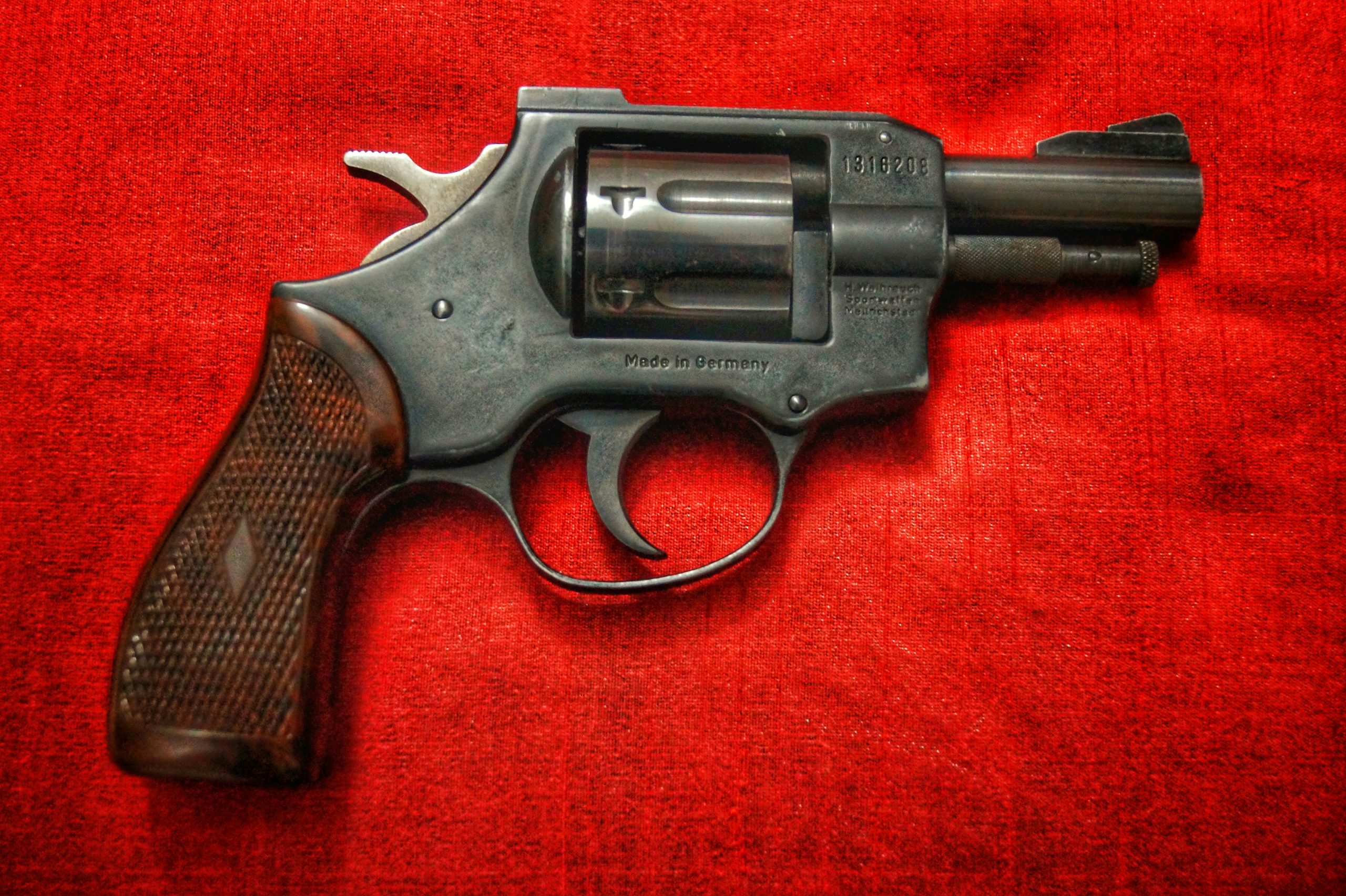
During World War I, British documents often called the Webley a “pistol,” even though its cylinder clearly made it a revolver. The best-known wartime model, the Webley Mk VI, entered service in 1915 and used six chambers. Its official cartridge was the .455-inch revolver round, a rimmed centerfire design built specifically for this type of handgun. That distinction matters: soldiers were not firing ordinary rifle ammunition from a cylinder, but a dedicated service pistol cartridge matched to the revolver. That terminology can be confusing today, but it reflects period British usage.
2. Six Shots, One Heavy Cartridge
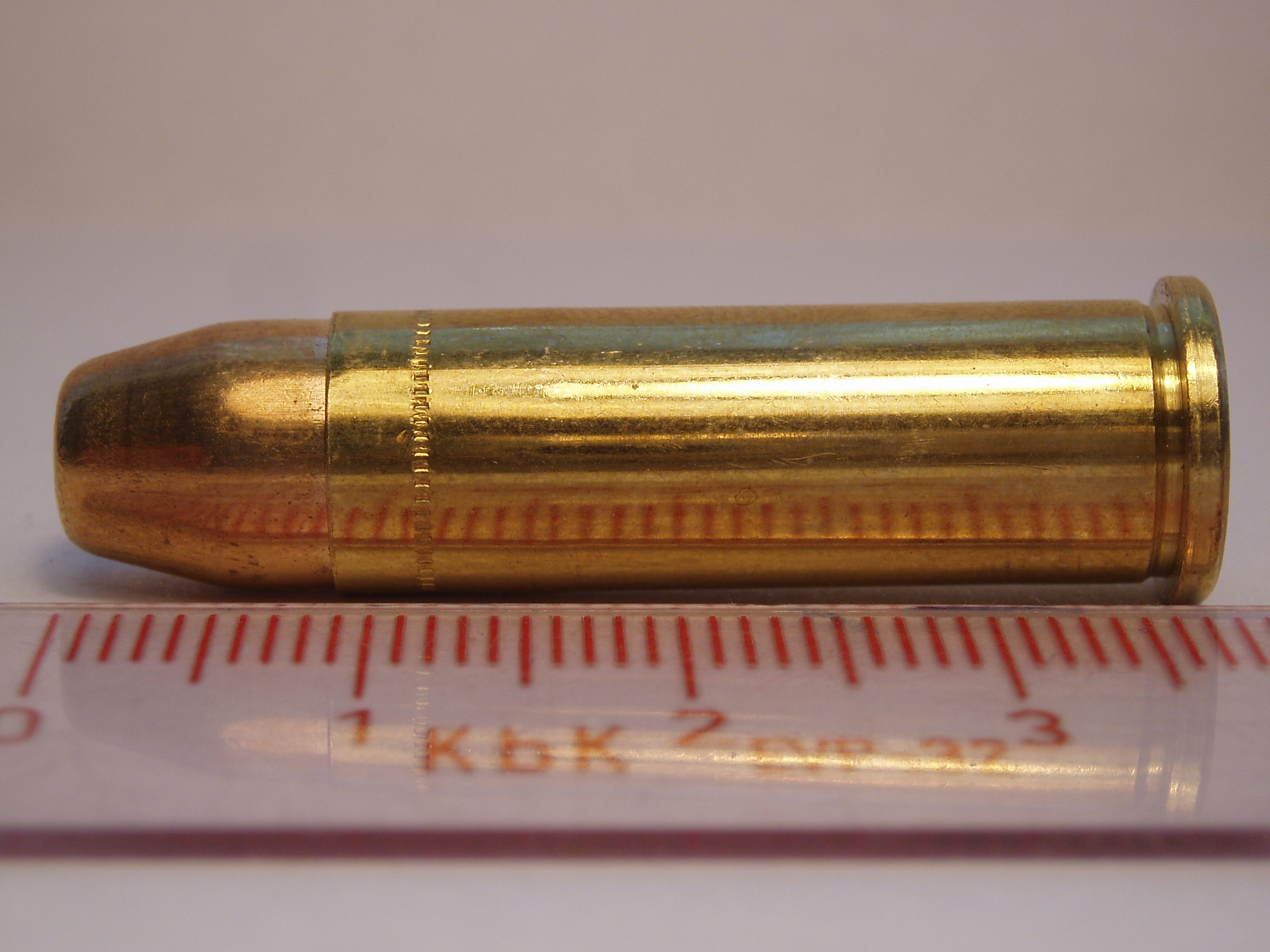
The Webley Mk VI carried 6 rounds, giving troops a compact reserve of firepower for situations where a rifle was awkward. Its .455 Mk II service cartridge used a 265-grain bullet and was deliberately a large, relatively slow-moving round. Standard figures put velocity around 600 to 650 feet per second, depending on the load and source. The combination emphasized dependable close-range performance rather than rifle-like reach, making the revolver especially useful in trenches, dugouts, tanks, and confined spaces. For a sidearm, that was a substantial payload in a compact package.
3. The Cylinder Made Loading Different
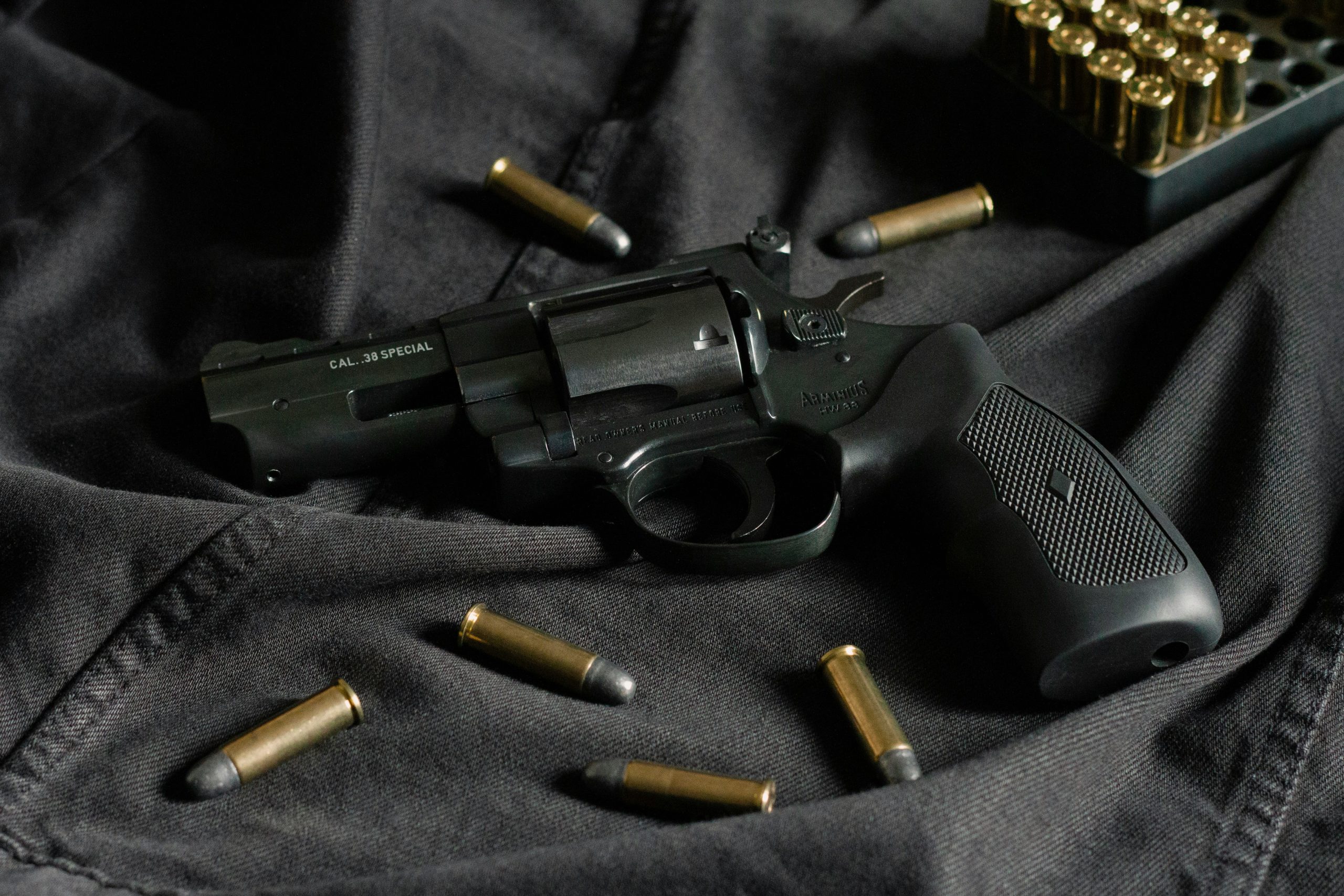
A revolver’s cylinder allowed six cartridges to sit ready in separate chambers, with each chamber aligned with the barrel in turn. On the Webley, pressing the catch opened the break-top action, and the extractor lifted the spent cases together. That meant a soldier could clear all 6 chambers at once instead of removing cases individually. Reloading could still be slow when every round had to be inserted by hand, so accessories such as the Prideaux speed loader were valued because they helped refill the entire cylinder much faster. That saved valuable time under pressure.
4. It Was Built for Trench Abuse
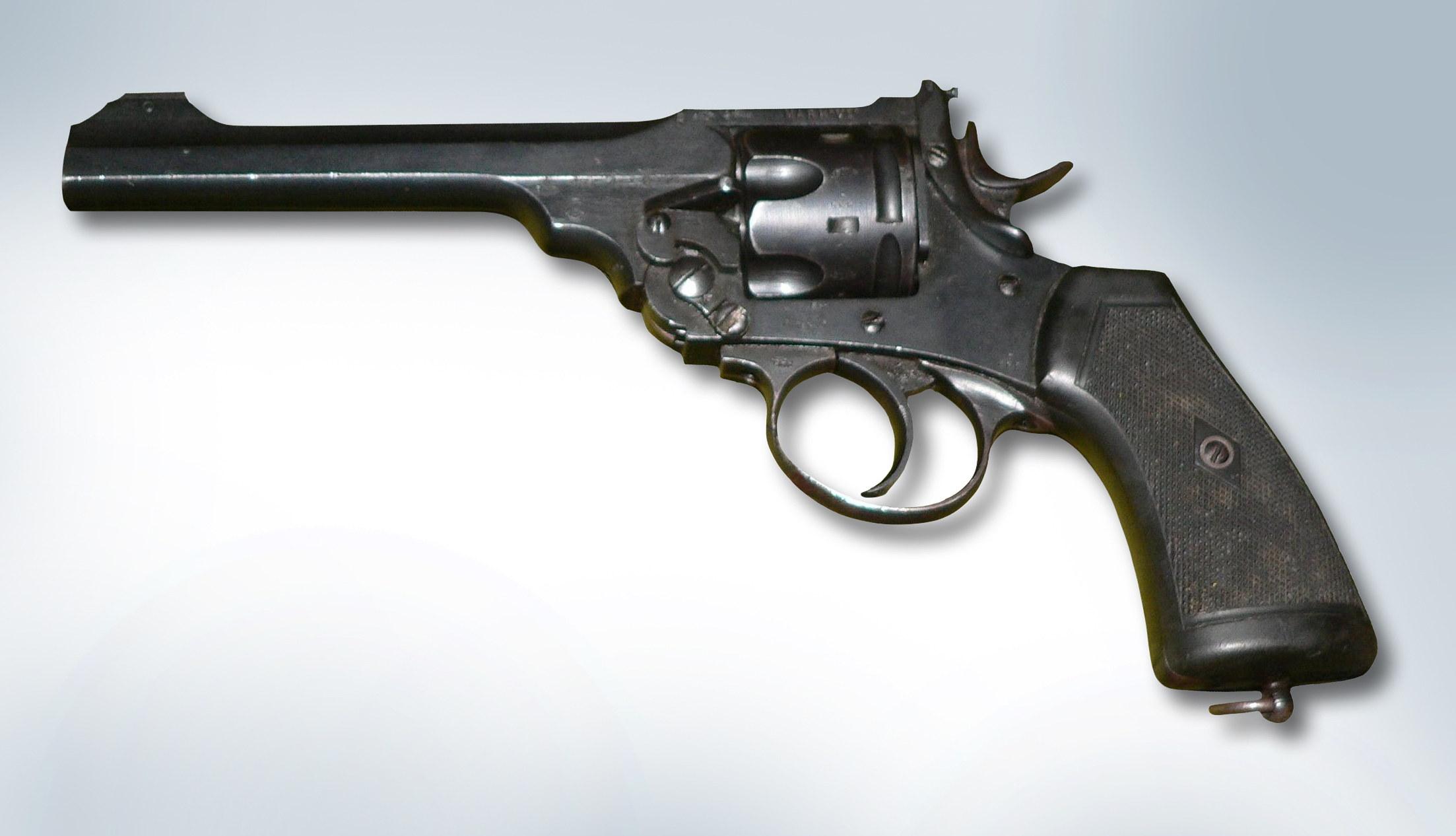
Webley’s wartime reputation came partly from its rugged construction. The Mk VI had a 6-inch barrel and a sturdy double-action mechanism, features suited to the rough conditions of 1914 to 1918. Mud, dust, cold weather, and hurried handling were normal parts of service life. The revolver could be fired by pulling the trigger through its double action, while manually cocking the hammer allowed a more deliberate shot. Its fixed sights were simple, reflecting a weapon intended mainly for practical close-range use. That rugged simplicity helped when maintenance time was scarce.
5. The Ammunition Had Its Own History
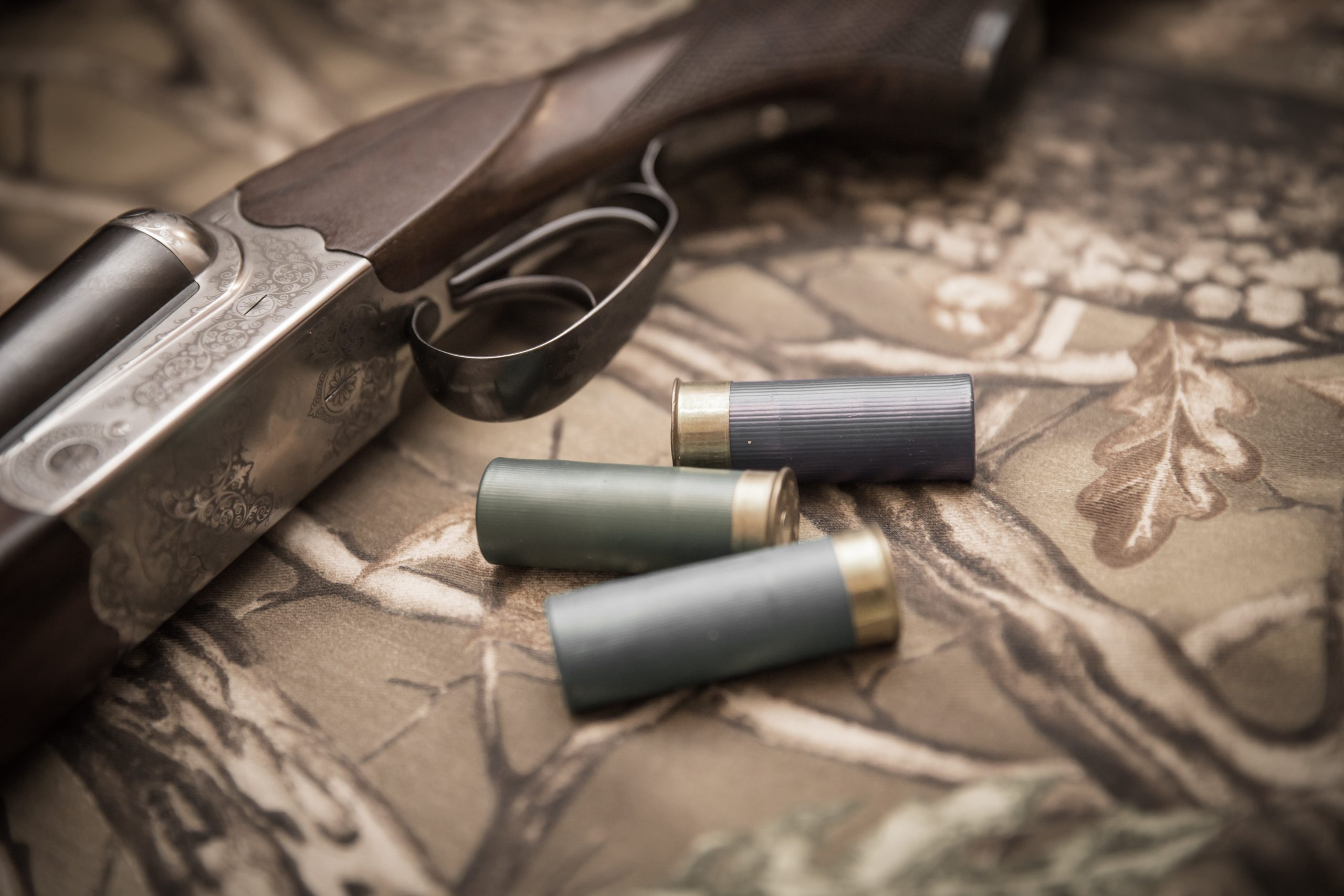
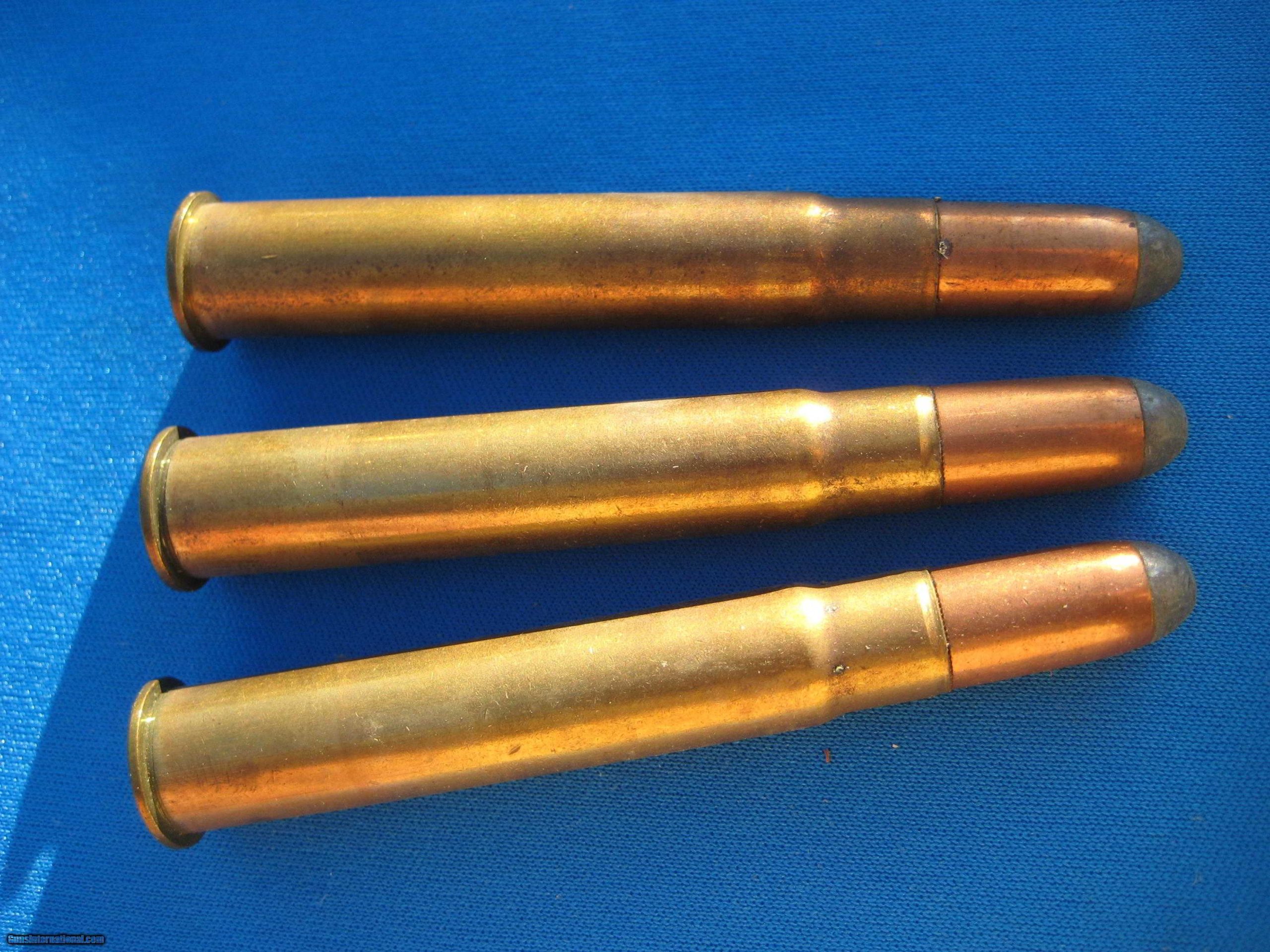
The .455 cartridge did not appear suddenly in 1915. British service revolvers had used the caliber since the late 19th century, and the ammunition changed through several marks. Early rounds used black powder, while later military loads adopted smokeless Cordite. The Mk II became the important wartime service pattern, using a 265-grain lead bullet. Earlier experimental designs included expanding bullets, but the Hague Convention influenced British ammunition policy and pushed military service toward non-expanding projectiles. The cartridge reflects technology and changing rules of warfare.
6. Short Range Was Part of the Design
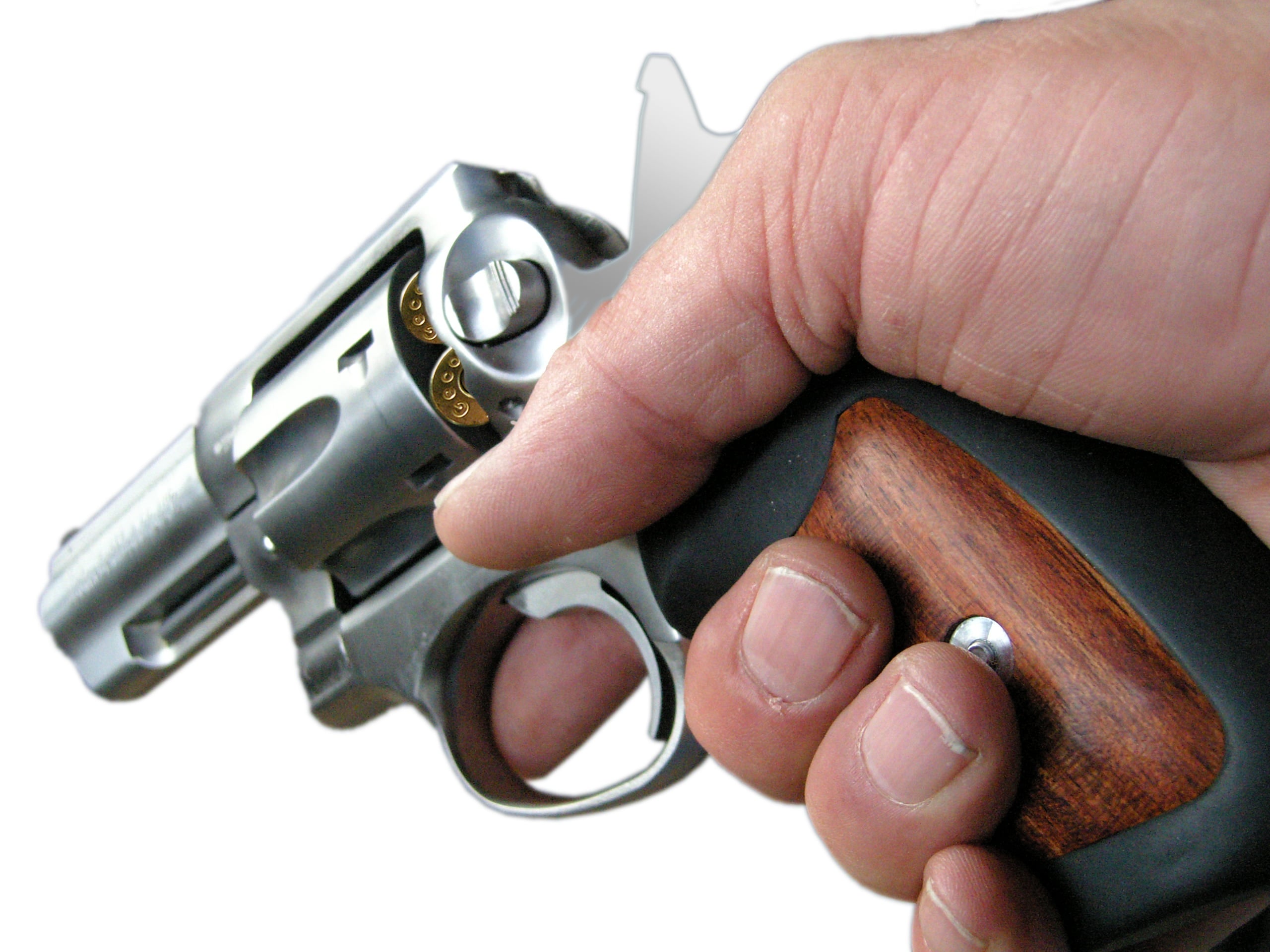
The .455 Webley was not intended to compete with a rifle at long distance. Its broad bullet and modest velocity reflected the priorities of a service sidearm, where engagements could occur across trenches, passages, or other restricted spaces. The Mk VI’s 6-inch barrel provided a useful balance between handling and ballistic performance, but its fixed sights limited fine range adjustment. In practical terms, the revolver was a close-quarters tool, carried when portability mattered more than the reach and magazine capacity of a service rifle. It was suited to a different tactical role.
7. Thousands Came From Outside Britain
Wartime demand quickly exceeded what British production alone could comfortably supply. To expand the pool of suitable handguns, Allied procurement included American revolvers chambered for the British .455 cartridge. Colt New Service and Smith & Wesson Hand Ejector revolvers were among the types obtained for British service. This created an interesting wartime mix: different revolver designs could still share the same basic .455 ammunition. The common cartridge simplified supply while giving troops more dependable sidearms. It simplified wartime supply without requiring identical guns.
8. More Than an Officer’s Sidearm
Although the Webley is strongly associated with British officers, its use in World War I was broader than that image suggests. National Army Museum records note issues to machine gun crews, tank personnel, airmen, and naval boarding parties, while the Royal Armouries also highlight raiding parties. These troops often needed a compact weapon that could be carried without the bulk of a rifle. With 6 shots, a robust action, and a dedicated .455 cartridge, the Webley became one of the war’s recognizable close-quarters service revolvers. Its history explains the revolver’s continued wartime relevance.