Few pump-action shotguns have become as familiar in America as the Remington 870. Introduced in 1950, it combined practical engineering, broad versatility and production efficiency in a package that could serve hunters, competitive shooters, police agencies and military users. Its record is remarkable: millions produced, dozens of configurations and a design that remained recognizable across generations. Here are eight reasons the 870 became a benchmark for durability, adaptability and commercial success.
1. It Replaced an Older Design With Smarter Engineering
It was built to replace a problem, not chase a fad. Remington introduced the Model 870 in January 1950 as the successor to the Model 31, a well-regarded pump that was costly to manufacture. The new design borrowed ideas and some parts from the Model 11-48, while using a hardened barrel extension for the bolt lockup and twin action bars for smoother cycling. That combination made the 870 easier to produce and helped keep its operation consistent. In its first year, Remington offered 15 versions, covering field, trap, skeet and specialized roles. That unusually broad launch hinted at its future. Its success was engineered into the concept from day one.
2. One Platform Could Serve Remarkably Different Shooters
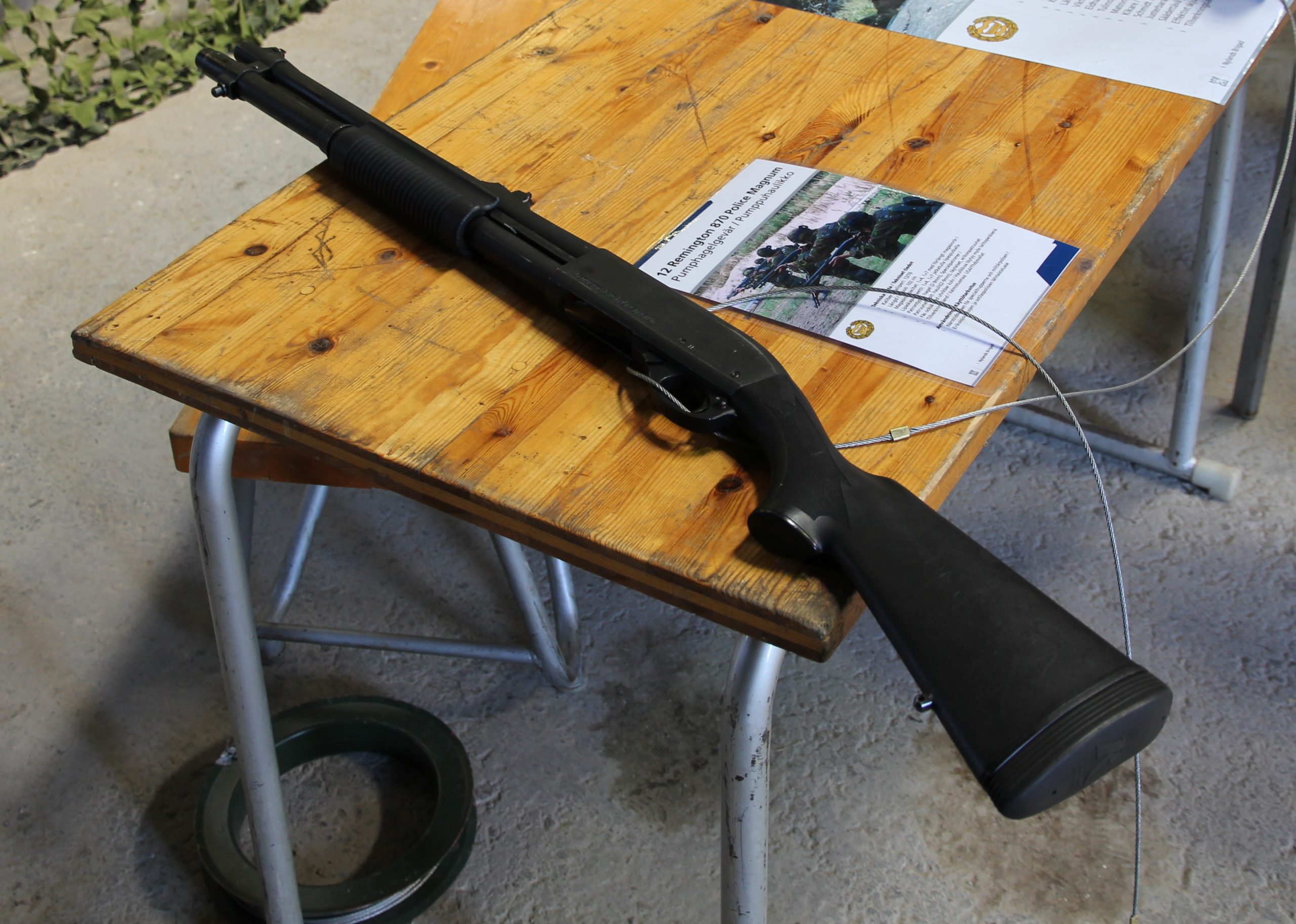
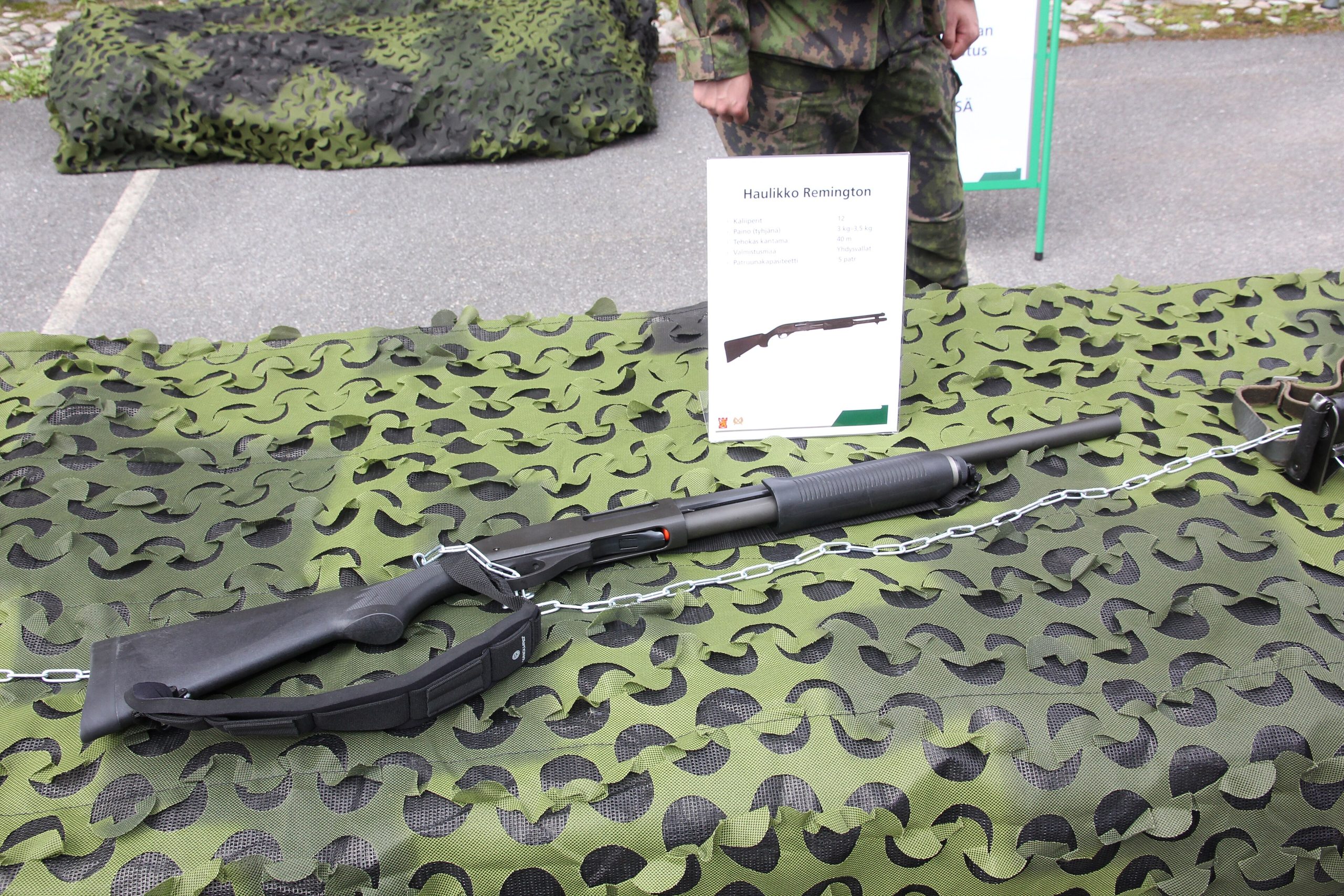
The 870 became famous partly because one basic design could serve very different owners. From the beginning, Remington offered it in 12, 16, and 20 gauge, while later production expanded the family to 28 gauge and .410 bore. The company also created field, waterfowl, deer, trap, skeet, law-enforcement, and military variants. By 1955, 12-gauge Magnum versions were available for 3-inch shells. Instead of replacing the platform whenever a new use appeared, Remington kept adapting the same core design. That flexibility turned the 870 from one shotgun into a remarkably broad product family. That breadth was central to its staying power for decades. Period.
3. Its Production Numbers Became Almost Unbelievable
The numbers tell the story better than any advertising slogan. Remington announced production of the 1,000,000th Model 870 in 1966, only 16 years after its debut. The 2,000,000th arrived in 1973, showing that demand was accelerating rather than fading. By 2009, the company had produced its 10,000,000th example, and Remington now lists total production at more than 10 million. Other historical accounts put the lifetime figure above 11 million. Those milestones matter because they show how quickly the 870 moved from a new product to an enduring American firearms institution across its long service life.
4. Its Manufacturing Approach Helped Make Mass Production Possible
Another reason the 870 lasted was its practical engineering. The receiver was comparatively streamlined, while the bolt locked into a hardened extension associated with the barrel rather than relying on a deep locking recess in the receiver itself. Twin action bars connected the fore-end to the action, helping reduce twisting during operation. Remington also designed the system around repeatable manufacturing, which supported barrel interchangeability without the extensive fitting associated with older designs. The result was not revolutionary-looking, but it was clever: fewer manufacturing complications, consistent assembly and a platform that could be produced in huge numbers.
5. Its Pricing Helped Put the Design Within Reach
Affordability helped the 870 reach ordinary American shooters, and the original pricing shows how aggressively Remington positioned it. In 1950, the standard 870 AP was listed at $69.95, while the deluxe ADL cost $79.95. Yet the same platform could also be ordered in specialized grades. That spread let the 870 occupy both practical and premium territory without abandoning its recognizable mechanical foundation. As production grew, the platform could be offered across different price levels, making it easier for hunters, competitors, and institutional buyers to find an 870 suited to their budgets. That pricing strategy helped the model cross sporting and social boundaries in America.
6. It Expanded Far Beyond the Hunting Field

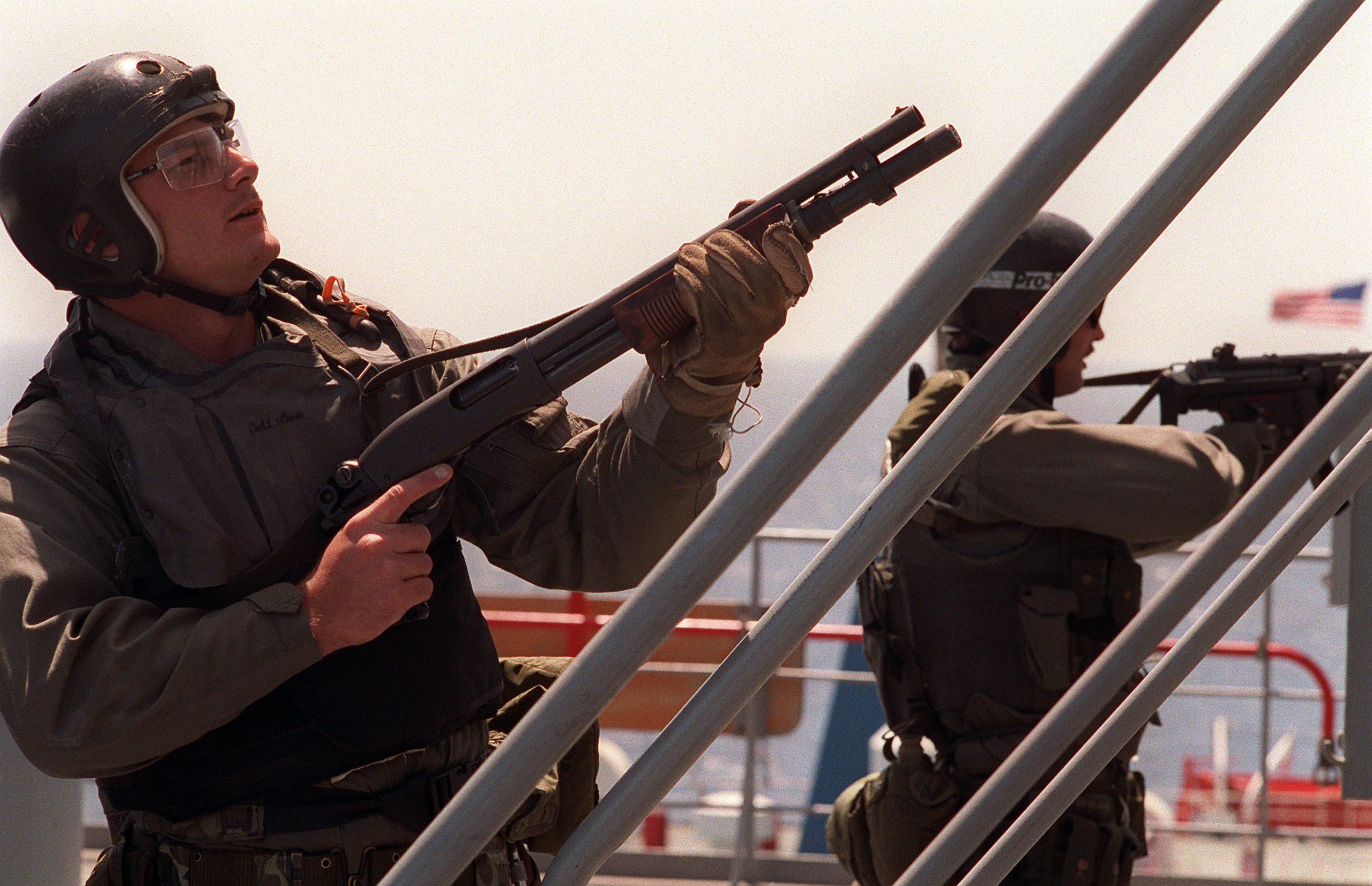
Its reputation was also strengthened by how many jobs the shotgun could handle. The 870 appeared in hunting fields, clay-target sports, law-enforcement inventories and military service, including the Model 870 Mk 1 associated with the U.S. Marine Corps. Remington introduced specialized versions for deer and slugs, trap, skeet and other uses, while left-handed models broadened its appeal. This was more than a marketing trick: the same fundamental action could be configured for very different environments. Few sporting shotguns achieved such a long-running mix of civilian, sporting and institutional recognition. It became recognizable well beyond the hunting market.
7. Decades of Familiarity Became a Competitive Advantage
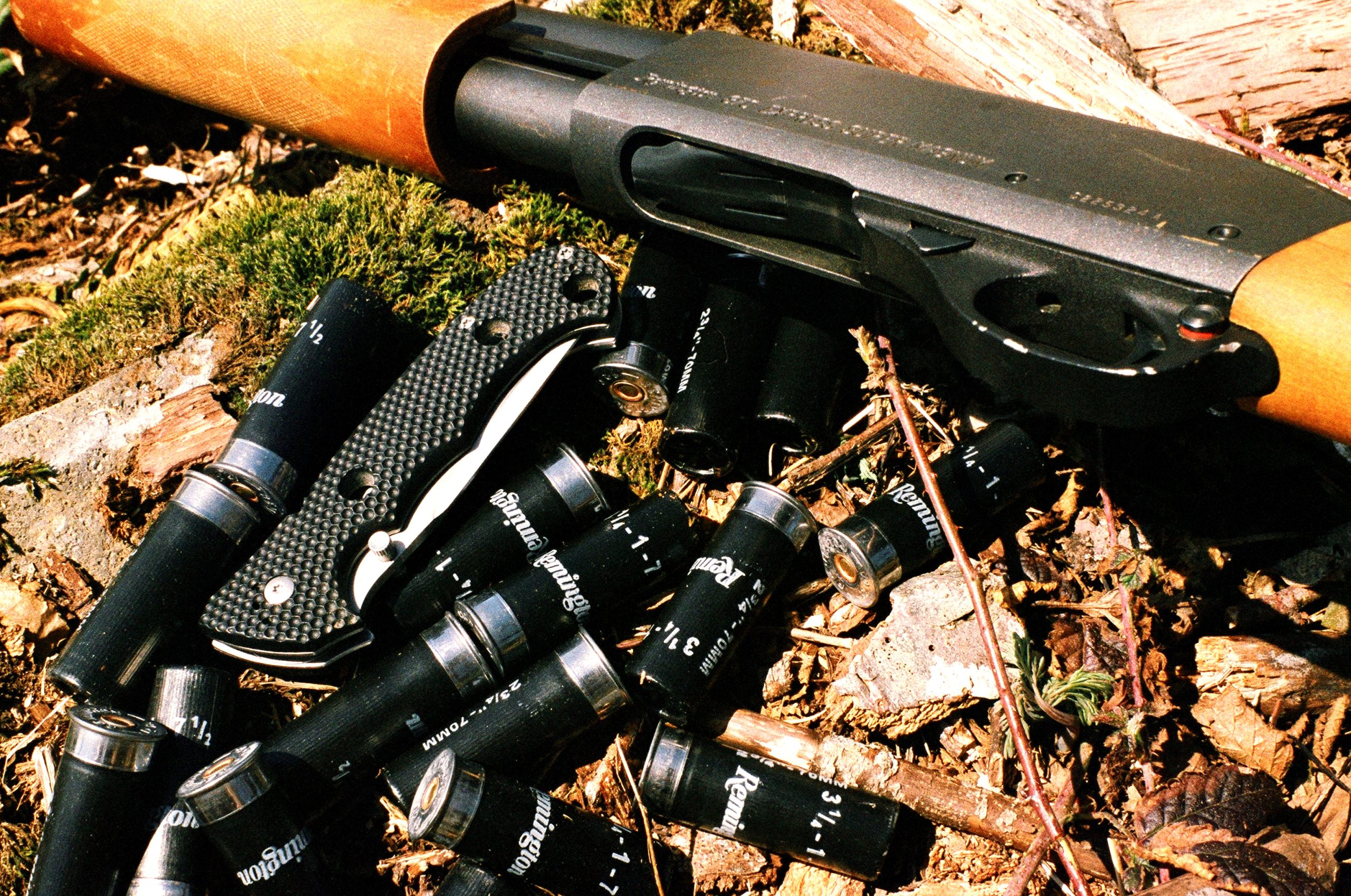
Longevity became one of the 870’s biggest advantages because familiarity created its own momentum. Introduced in 1950, the design remained in production for decades while Remington continued adding variants and refinements. A hunter who learned an 870’s controls could encounter the same basic layout years later, while agencies and sporting organizations could build experience around a familiar platform. By the 1970s, production had already passed 2 million units, and the model continued expanding into new configurations. That continuity helped create a huge installed base, which in turn reinforced the 870’s reputation and visibility. Each generation added another layer to its legacy.
8. Its Greatest Feature Was the Ability to Keep Evolving

The final secret is that the 870 succeeded without needing to reinvent itself every few years. Its blend of manageable manufacturing costs, a strong locking system, dual action bars, broad chambering choices and numerous configurations gave Remington a platform that could evolve with changing demand. The timeline is extraordinary: introduced in 1950, one million produced by 1966, two million by 1973 and ten million by 2009. Remington’s own history now describes it as the greatest-selling pump-action shotgun in firearms history. Its achievement was therefore less about one dramatic feature and more about 70-plus years of useful design decisions in American gunmaking.