The Air Force Texan occupies an unusual place in the airgun world. Rather than chasing the familiar characteristics of conventional pellet rifles, it was developed as a big-bore PCP platform capable of launching substantially heavier projectiles. Its .308 version is especially interesting because the Air Force rates it for velocities above 1,000 feet per second and energy approaching 300 foot-pounds. The result is an air rifle that looks familiar at first glance but operates in a very different performance class.
1. The .308 Bore Changes the Whole Concept
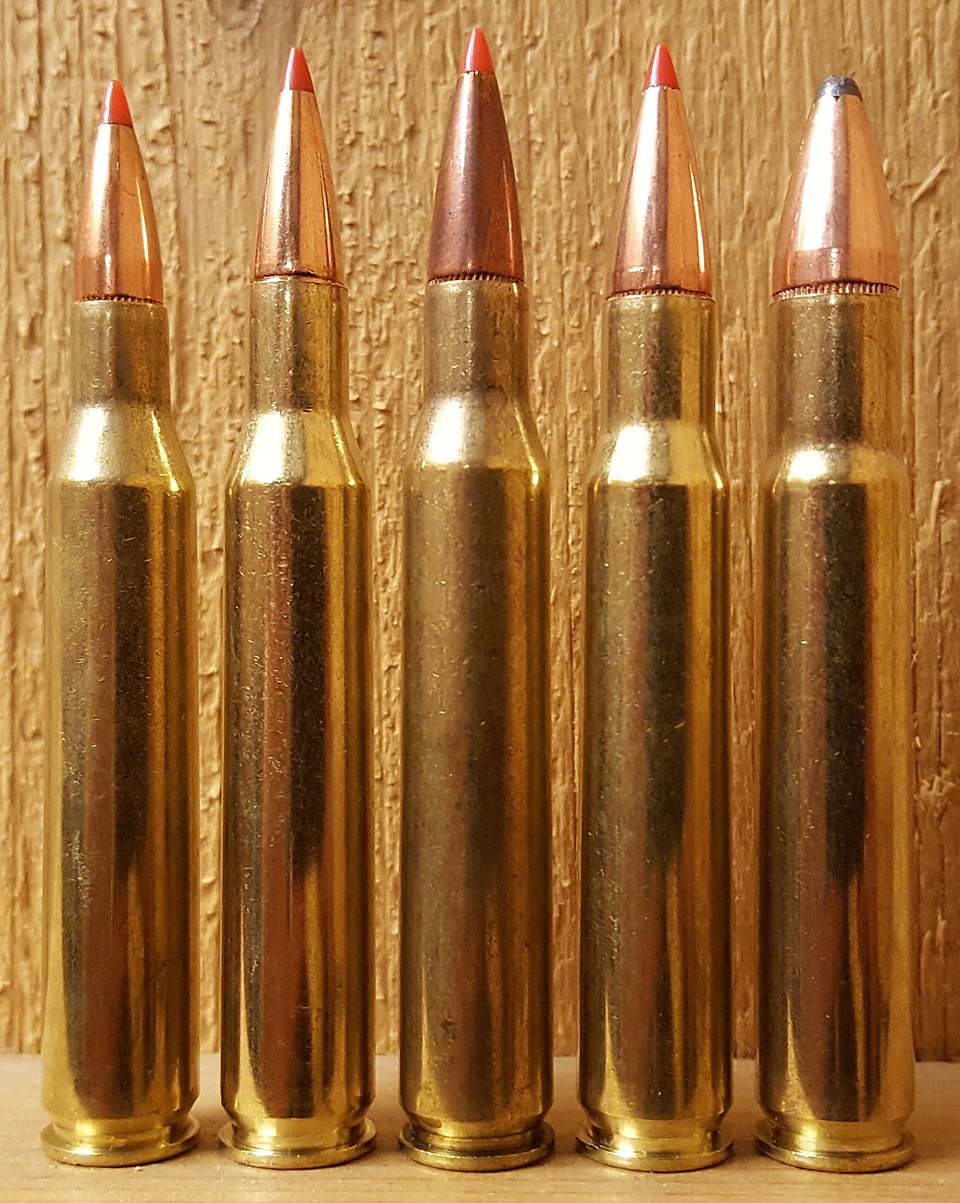
The Texan’s .308 configuration is where the comparison with traditional centerfire-style performance becomes especially interesting. Instead of using a small-caliber pellet, it launches .30-caliber projectiles from a high-pressure pre-charged pneumatic system. Air Force lists the .308 model at more than 1,000 feet per second, with energy exceeding 275 foot-pounds depending on ammunition and settings. That combination gives the rifle substantially more projectile mass than typical airguns. It is still an air rifle, but its .308 bore places it firmly in the big-bore category.
2. A 500cc Air Reservoir Feeds Its Power
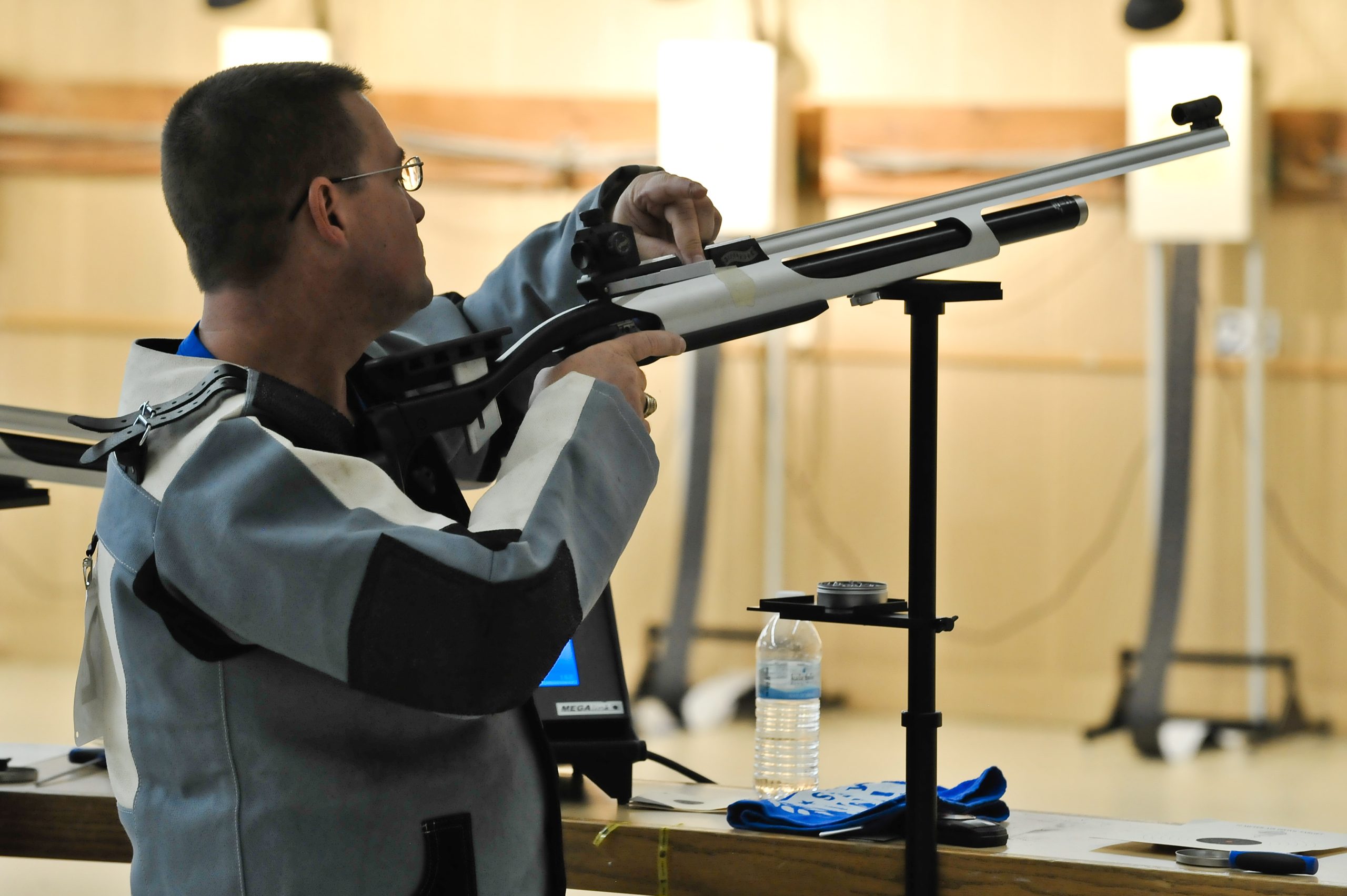
Behind the Texan’s performance is a surprisingly substantial air reservoir. The current .308 version uses a 500cc carbon-fiber air bottle and can be filled to as much as 3,625 psi, according to AirForce’s current specifications. That compressed-air supply provides the pressure and volume required to propel large projectiles at impressive speeds. Unlike a conventional firearm that burns the propellant in a cartridge, the Texan uses stored compressed air. The reservoir,r therefore, becomes a central part of the rifle’s engineering and explains why high-pressure air management is so important.
3. Its 34-Inch Barrel Gives the System Room
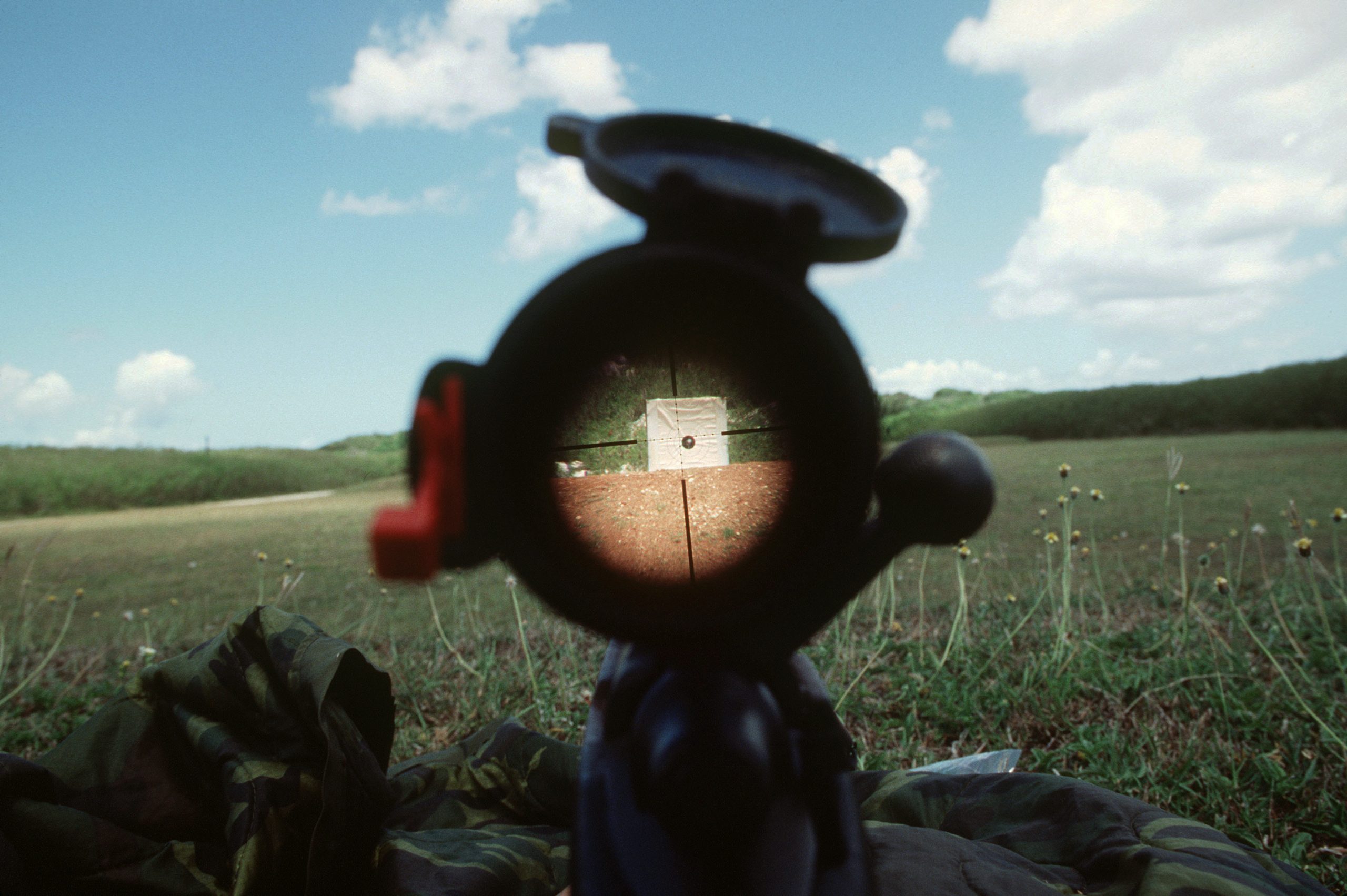
The standard Texan is built around a 34-inch barrel, a dimension that immediately separates it from compact hunting airguns. That long barrel gives the expanding air column considerable distance to act on the projectile before it exits the muzzle. AirForce pairs the barrel with a Lothar Walther barrel on the .308 model, emphasizing precision as well as power. The complete rifle measures about 48 inches and weighs roughly 7.65 pounds in the current specification. Those numbers make the Texan a full-sized platform rather than a lightweight plinker.
4. Single-Shot Operation Keeps It Deliberately Simple
The Texan does not try to imitate a repeating firearm. Its action is single-shot, with a side-lever mechanism handling the loading cycle. That simplicity suits the rifle’s big-bore purpose because the design concentrates on delivering one substantial projectile rather than maximizing magazine capacity. AirForce describes the side lever as low-effort, while the trigger uses a two-stage arrangement with positional adjustment. The result is a mechanically straightforward platform with relatively few controls competing for the shooter’s attention. Its design philosophy is essentially about controlled, deliberate shooting rather than rapid follow-up fire.
5. The Energy Figure Is What Makes It Stand Out
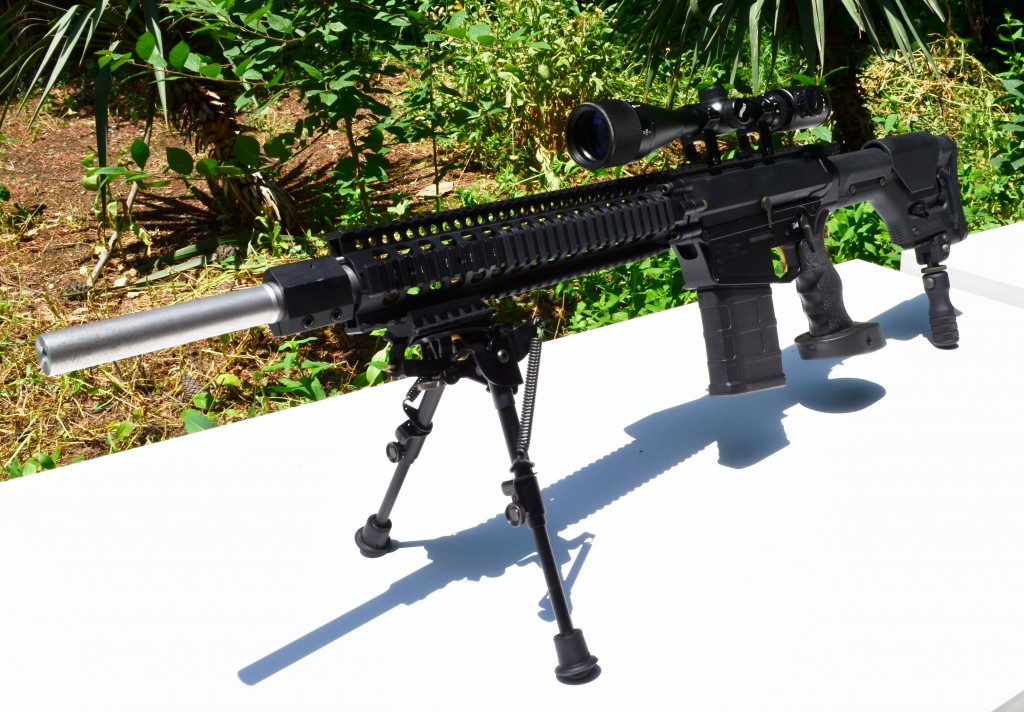
Raw energy is the number that best explains why the Texan attracted so much attention. Air Force rates the current .308 model at more than 275 foot-pounds, while velocity can exceed 1,000 feet per second depending on projectile weight and power configuration. Those figures put it far beyond the energy levels associated with ordinary recreational air rifles. However, velocity and energy vary with ammunition, tuning, and caliber, so headline numbers should not be treated as universal results for every shot. The important point is the platform’s ability to produce serious big-bore airgun energy.
6. Multiple Calibers Make the Texan More Than a .308
The Texan family is not restricted to one bore size. Air Force lists the platform in .257, .308, .357, .457, and .510 calibers, giving the same basic concept several different directions. The .308 is particularly notable for its balance of projectile size and energy, while larger versions move the platform deeper into big-bore territory. The .510 model, for example, is rated at more than 800 foot-pounds in the current platform. That five-caliber range is one reason the Texan has become a recognizable name among high-power PCP airguns.
7. Modern Rails Make the Platform More Flexible
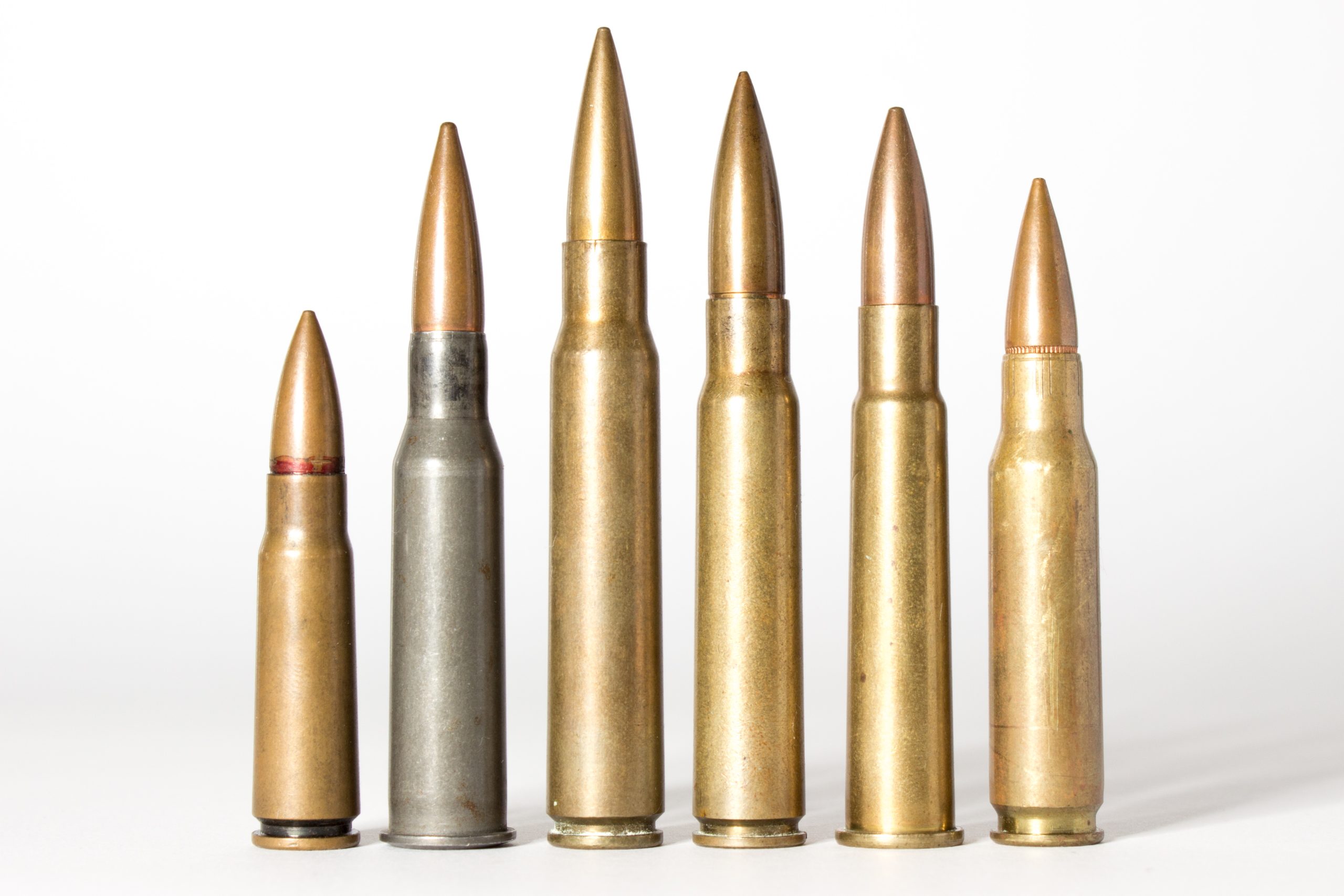
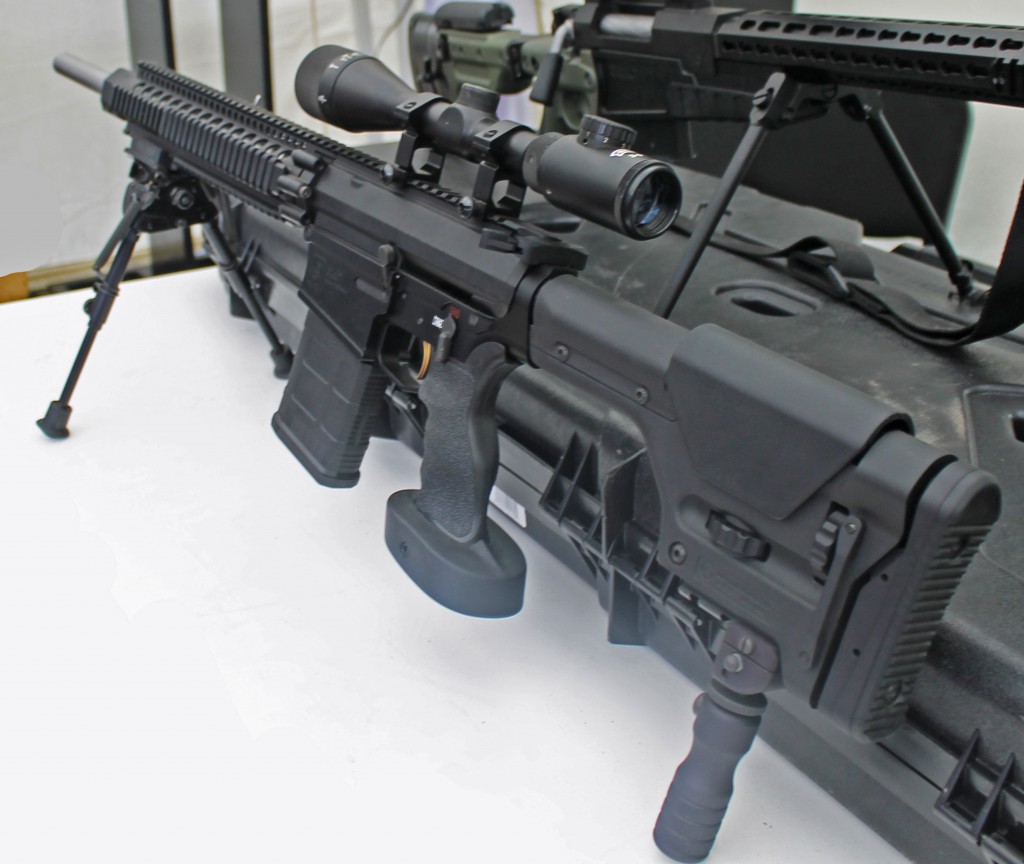
Despite its traditional-looking proportions, the modern Texan incorporates mounting options suited to contemporary equipment. The current .308 version has a full-length Picatinny scope rail plus upper and lower 11mm dovetail accessory rails. That gives users considerably more flexibility when configuring optics and other compatible equipment. The rifle can also accommodate open or optical sights, according to the Air Force. This combination reflects how the Texan has evolved from an unusual big-bore air rifle into a more configurable platform without abandoning its basic single-shot architecture and long-barrel layout.
8. The Texan Helped Redefine What an Air Rifle Could Be
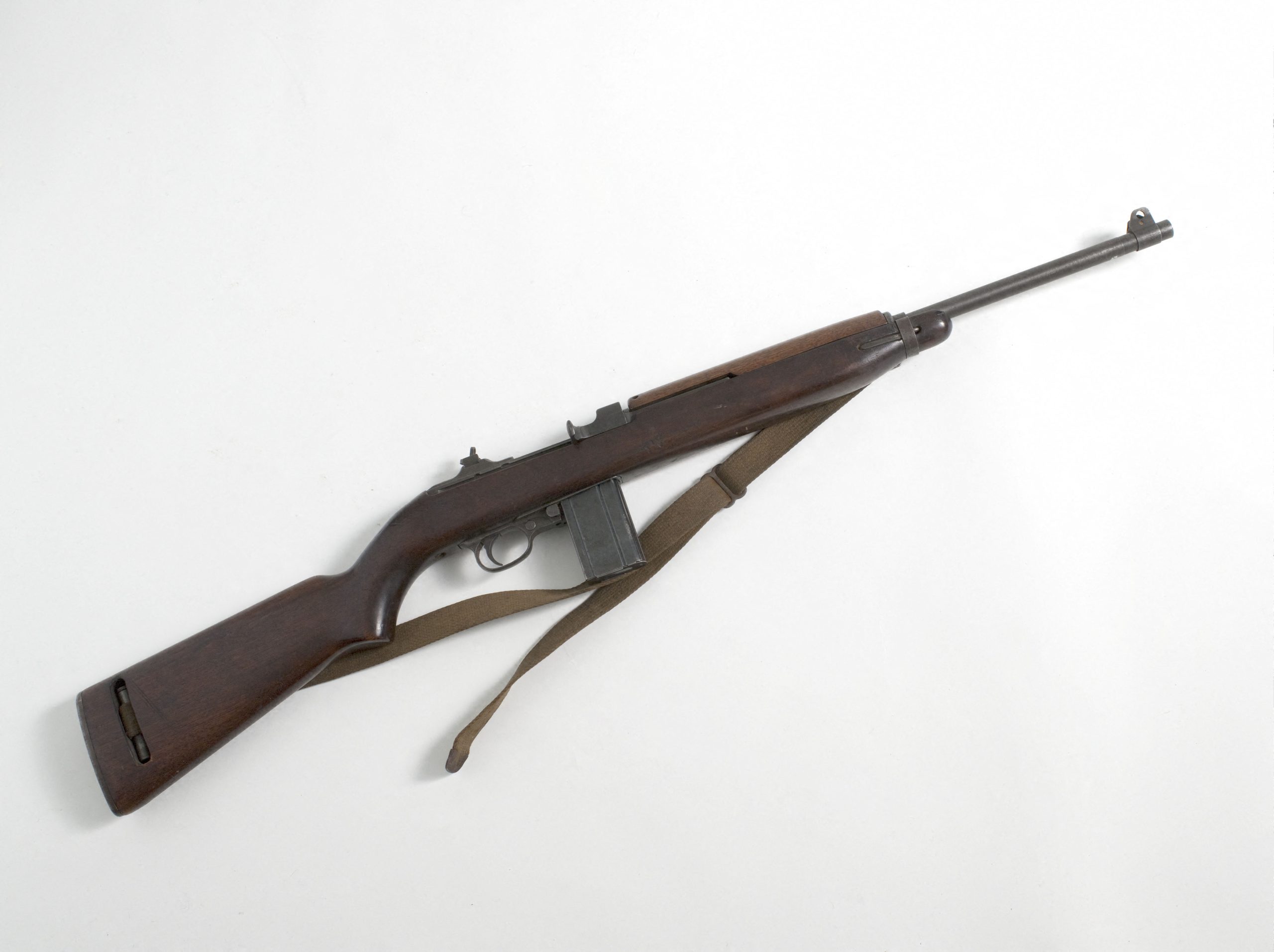
The Texan’s biggest achievement may be conceptual rather than purely numerical. With a .308 bore, 500cc air reservoir, 34-inch barrel, and energy exceeding 275 foot-pounds, it demonstrated that a production PCP air rifle could occupy a performance category far removed from ordinary pellet guns. AirForce continues to offer the platform in several calibers, with the .510 version reaching more than 800 foot-pounds under specified conditions. That combination of scale, pressure, projectile weight, and energy is what made the Texan such a distinctive name in modern big-bore airgunning.