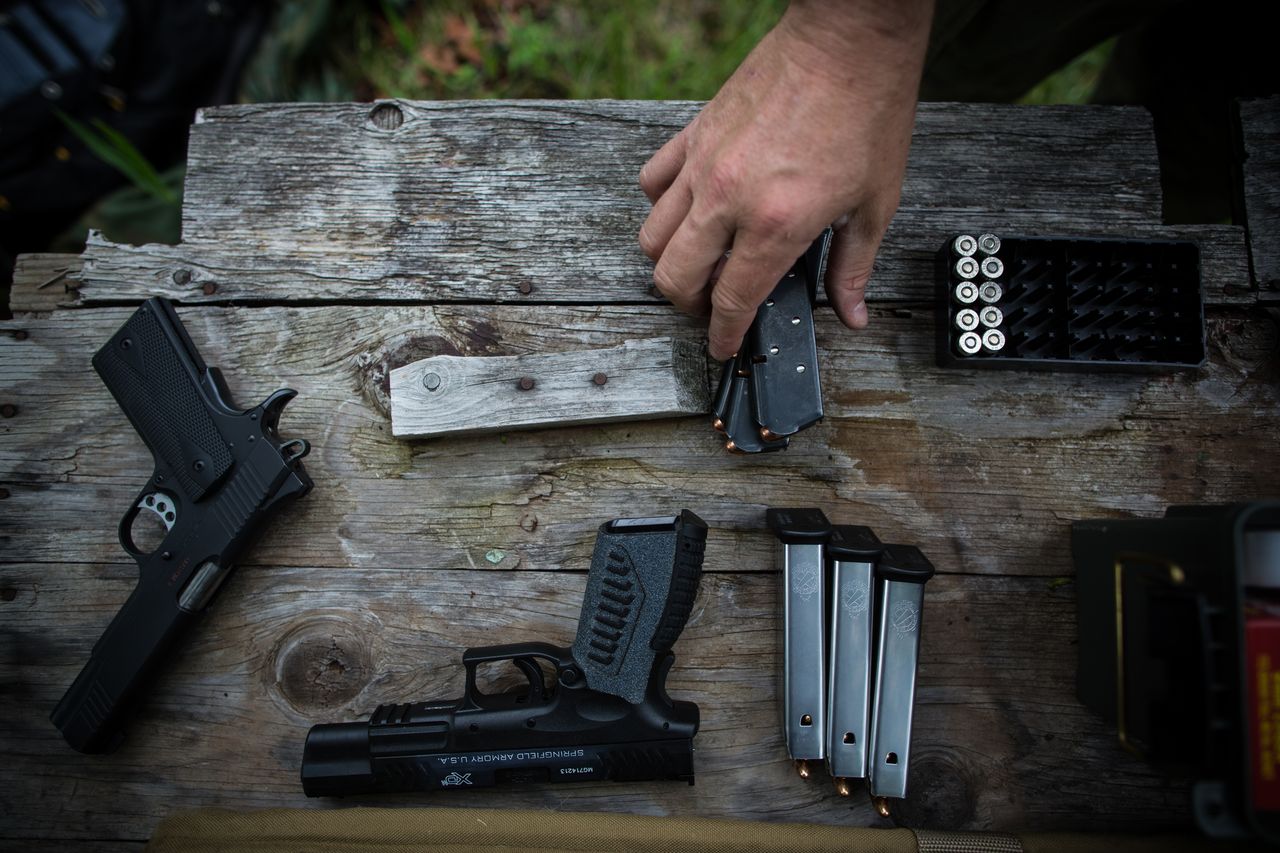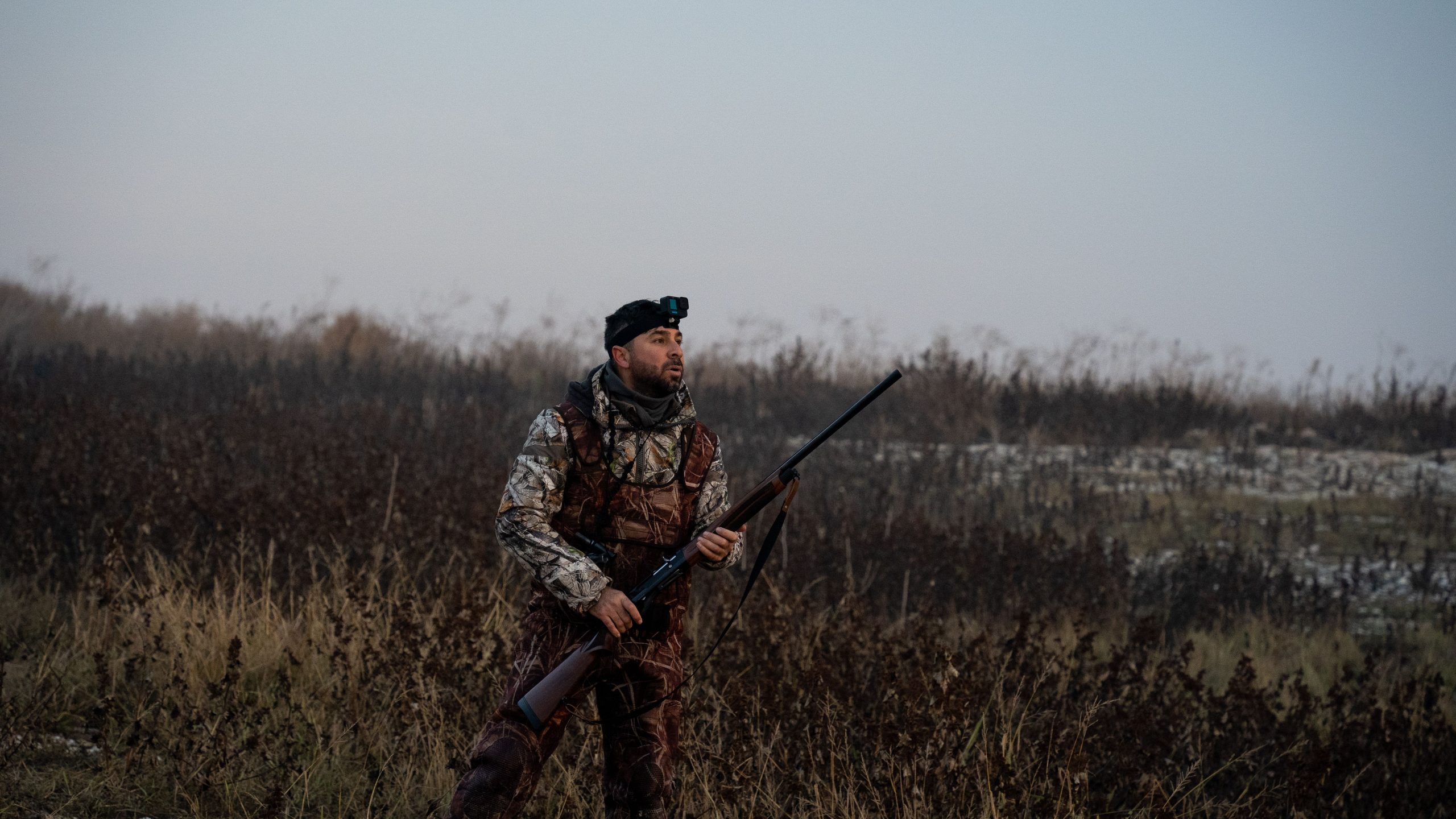
Hunters rarely choose a firearm simply because one is considered better than the other. Rifles and shotguns are built around different strengths, and the right choice depends on the animal, habitat, distance, ammunition, local regulations, and the hunter’s ability. A rifle generally favors precision with a single projectile, while a shotgun can excel when targets move quickly or appear at shorter distances. Here are 8 practical reasons hunters make that distinction.
1. Rifles Suit Longer, Deliberate Shots
Rifles usually take the lead when hunters expect a deliberate shot at a big animal standing or moving slowly at a distance. A rifled barrel stabilizes a single bullet, giving the hunter a narrow point of aim and a more predictable trajectory. That matters for deer, elk, and similar game when terrain opens up beyond thick cover. As a practical example, a hunter may choose a .270, .308, or similar cartridge for a 150-yard opportunity. The exact cartridge must match the game and local rules. The goal is not maximum range, but a controlled shot that fits the animal and conditions.
2. Shotguns Handle Fast-Moving Targets
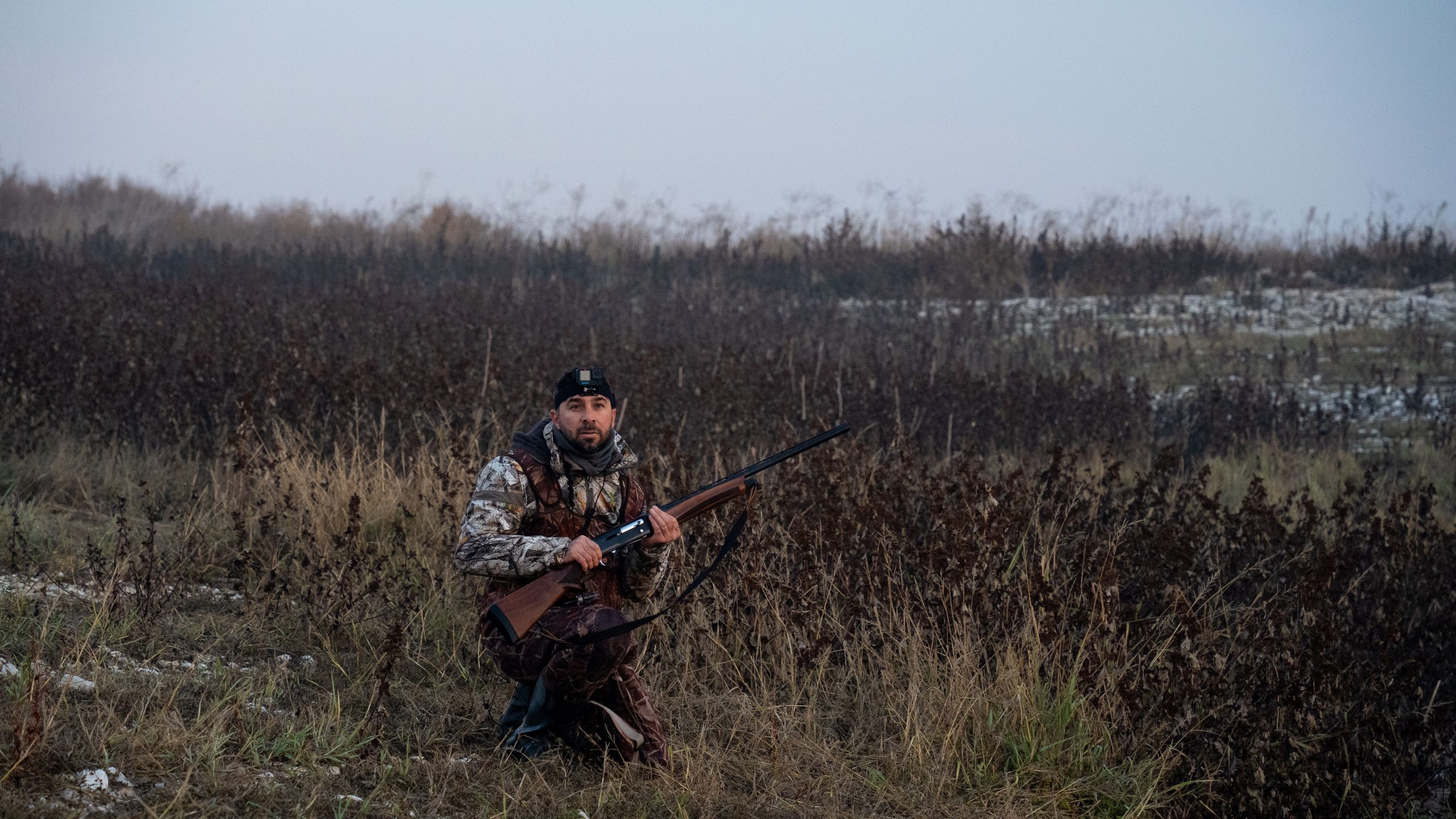
Shotguns become attractive when the target is fast, close, or moving unpredictably. A shotshell can send multiple pellets toward birds such as pheasants, quail, and waterfowl, creating a useful pattern when the hunter swings with the target. For example, a 12-gauge is commonly used with different shot sizes and chokes depending on the species. Patterning is important because two guns can produce different results with the same load. The best range is the distance where the pattern remains reliable. Even a versatile 12-gauge depends on the right load, choke, and distance. Hunters often pattern at 3 distances before the season to confirm performance.
3. Thick Cover Can Favor Shotguns

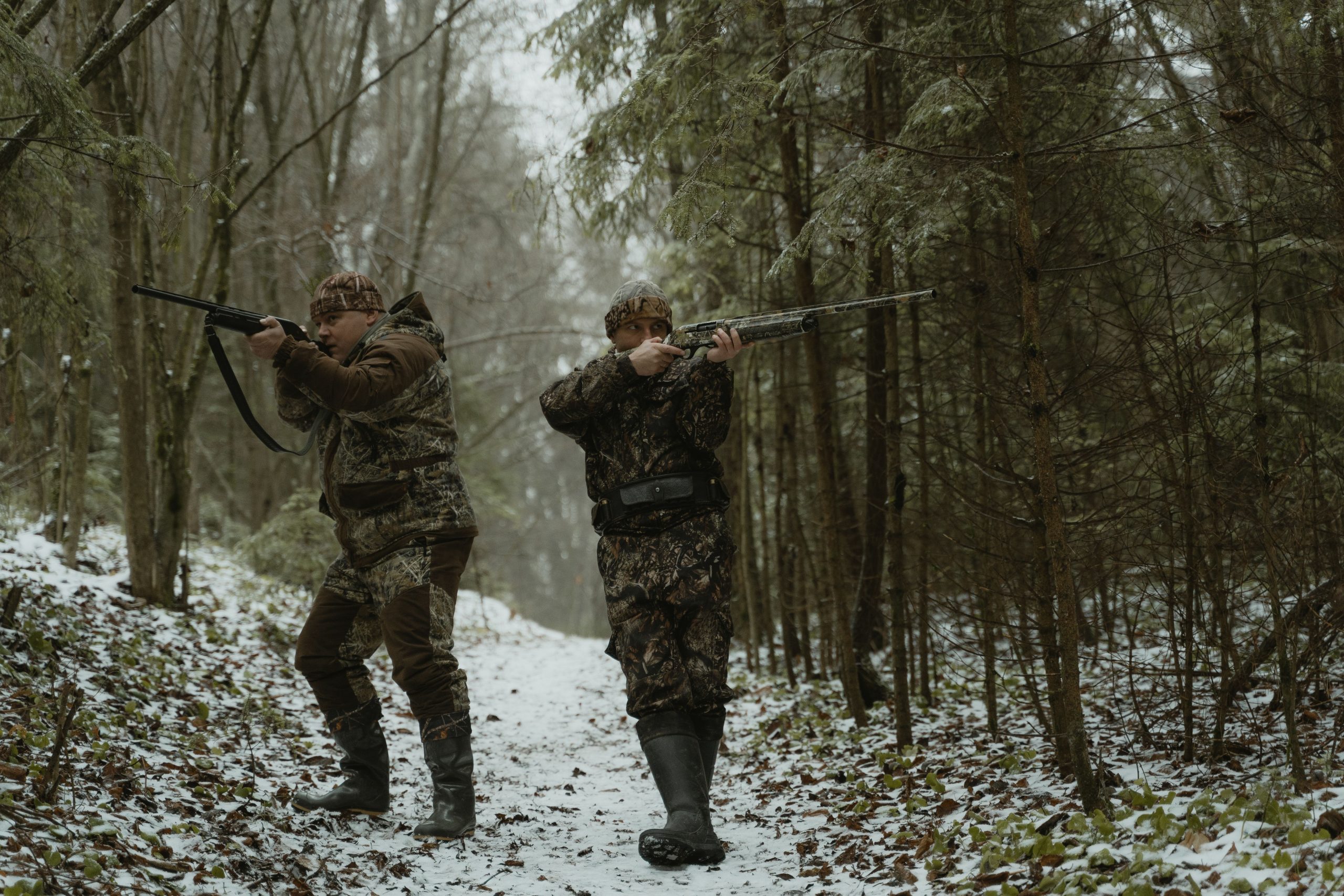
Cover can decide the firearm before the animal ever appears. In dense woods, brush, or areas with short sightlines, a shotgun can be convenient because opportunities may occur suddenly and at a modest distance. A slug can also be used for certain big-game hunts where regulations permit it. In more open country, a rifle often makes more sense because its single projectile is designed for precise shots at greater distances. One key number is sight distance, not simply the gun’s maximum range. A clear view of the animal and what lies beyond it remains essential, regardless of the firearm.
4. Hunting Regulations Can Decide the Choice
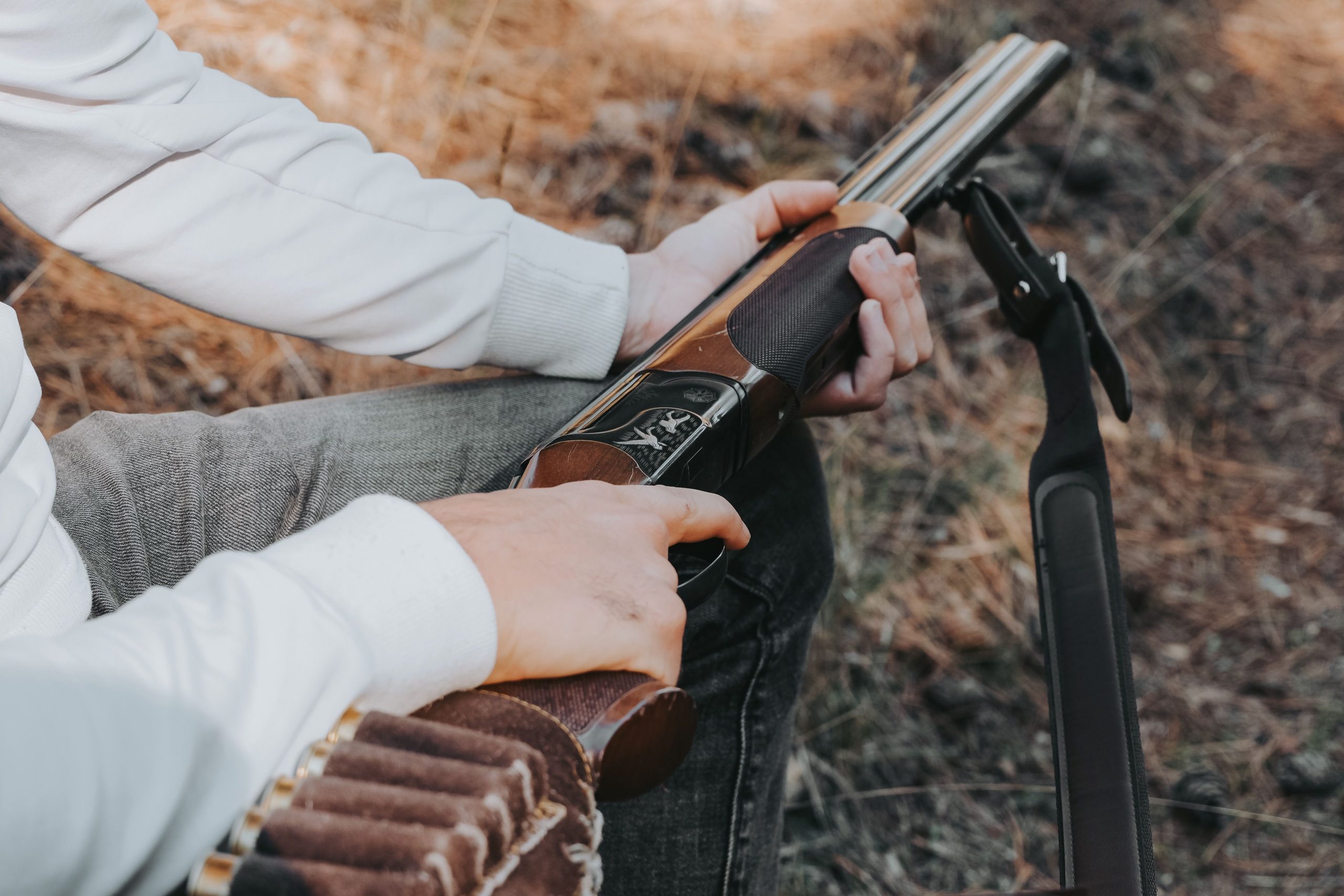
Hunting rules are another major reason hunters switch between rifles and shotguns. Wildlife agencies can restrict certain seasons to specific firearms, ammunition, gauges, calibers, or projectile types. A deer hunt might permit rifles in one zone while requiring shotguns or other equipment in another. For example, a regulation may set a minimum caliber or prohibit particular loads. Hunters therefore check the current season rules before choosing equipment. Legal compatibility comes first, even if another firearm seems more suitable. Rules can change by season or area, so last year’s setup may not be legal now. Checking official rules before traveling prevents avoidable mistakes.
5. Game Size and Behavior Matter
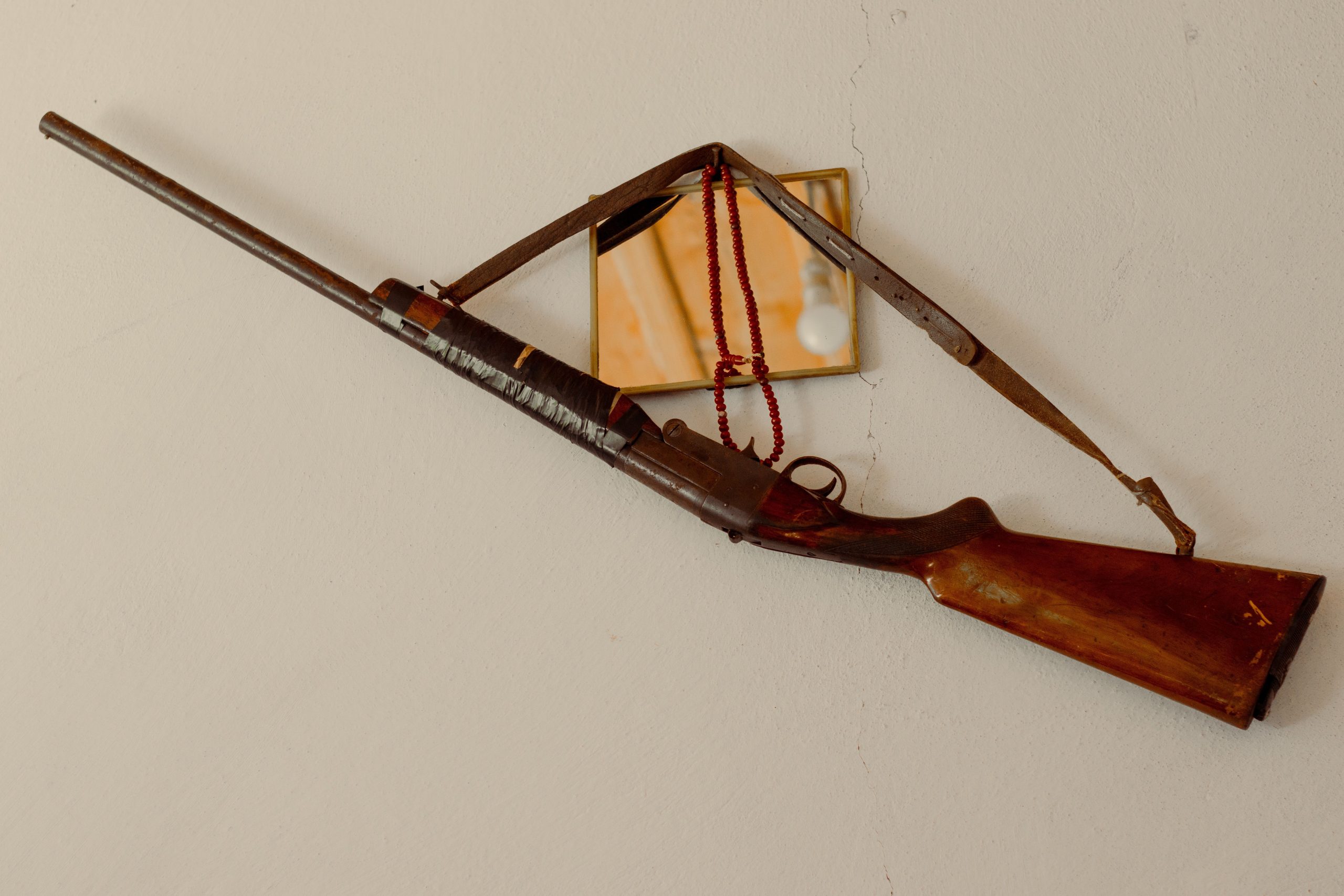
The size and behavior of the game also shape the decision. Small, fast animals often favor a shotgun because a spreading shot pattern can improve the chance of connecting with a moving target. Larger game generally calls for a suitable single projectile, making a rifle a common choice where legal. A useful comparison is 1 bullet versus dozens of pellets, although the actual pellet count varies by shell. Ammunition must still be matched to the species, range, and firearm. The same shotgun can handle different game only when the ammunition and choke are appropriate for the job.
6. Terrain Changes: What Feels Practical
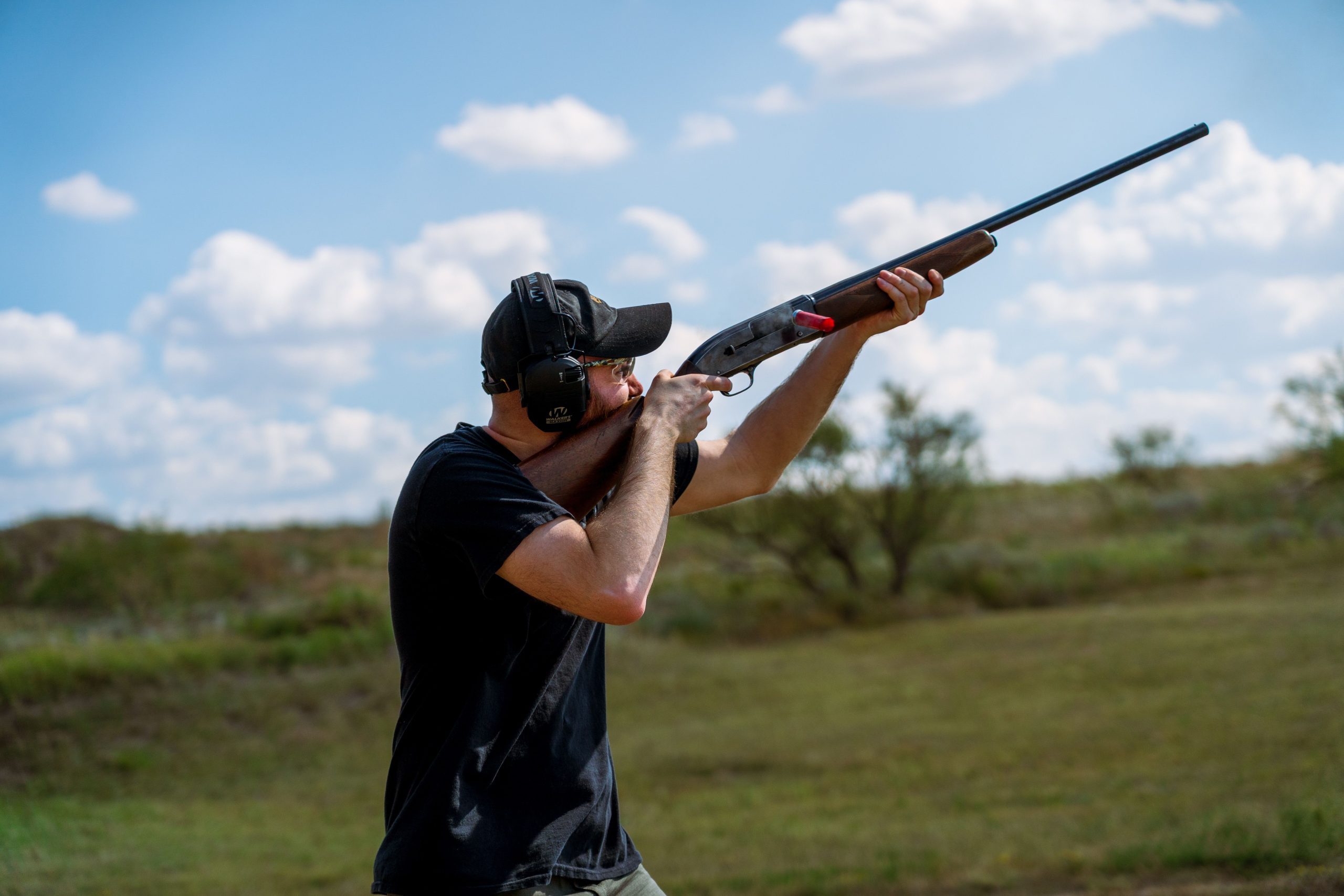
Terrain and shooting position can change what feels practical in the field. A rifle may be excellent from a stable rest overlooking an open slope, where the hunter can identify the target and estimate the distance carefully. A shotgun may feel more natural while walking through cover, where the animal can appear with little warning. Neither firearm automatically makes a shot ethical. Hunters still need a safe backstop, a clear target, and a realistic effective range. The maximum projectile range can be much greater than the clean-kill range. Knowing the maximum projectile range matters because a miss can travel well beyond the target. A hunter’s personal limit should come from verified accuracy, not advertised capability. Practice should confirm that limit.
7. Recoil and Practice Influence Confidence
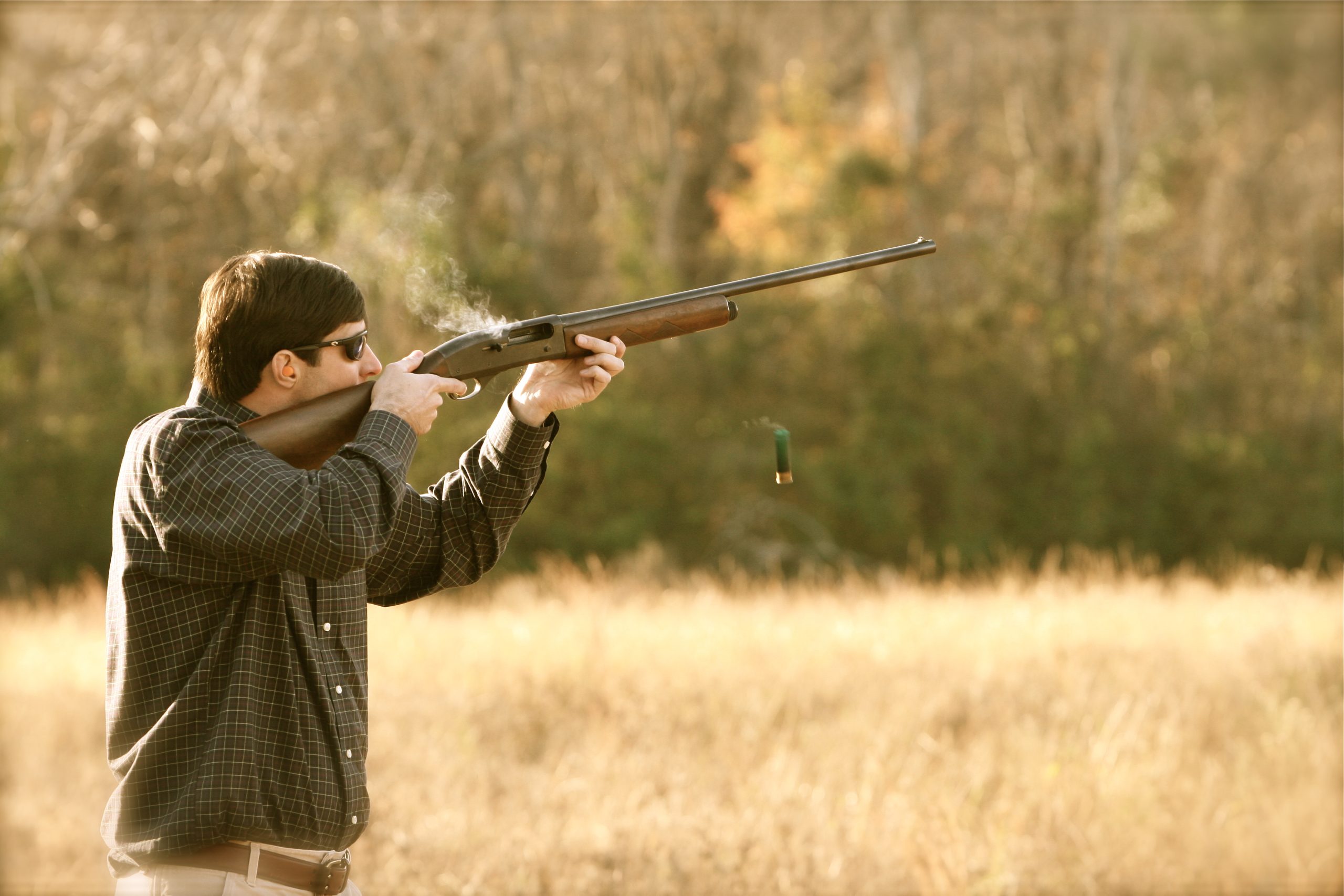
Recoil, fit, and practice can quietly influence the choice more than raw power. A firearm that feels uncomfortable may discourage practice, while a well-fitted gun can help the hunter shoot consistently. Shotgun recoil varies with gauge, load, gun weight, and stock design, while rifle recoil changes with cartridge, bullet weight, and rifle weight. As one practical benchmark, spending 20 to 30 minutes practicing before a season can reveal whether the chosen setup is manageable. Accuracy and confidence matter more than reputation. A few focused sessions can reveal problems faster than firing many rounds. Consistent hits on paper are a better measure of readiness than confidence alone. This builds useful consistency.
8. Many Hunters Eventually Keep Both
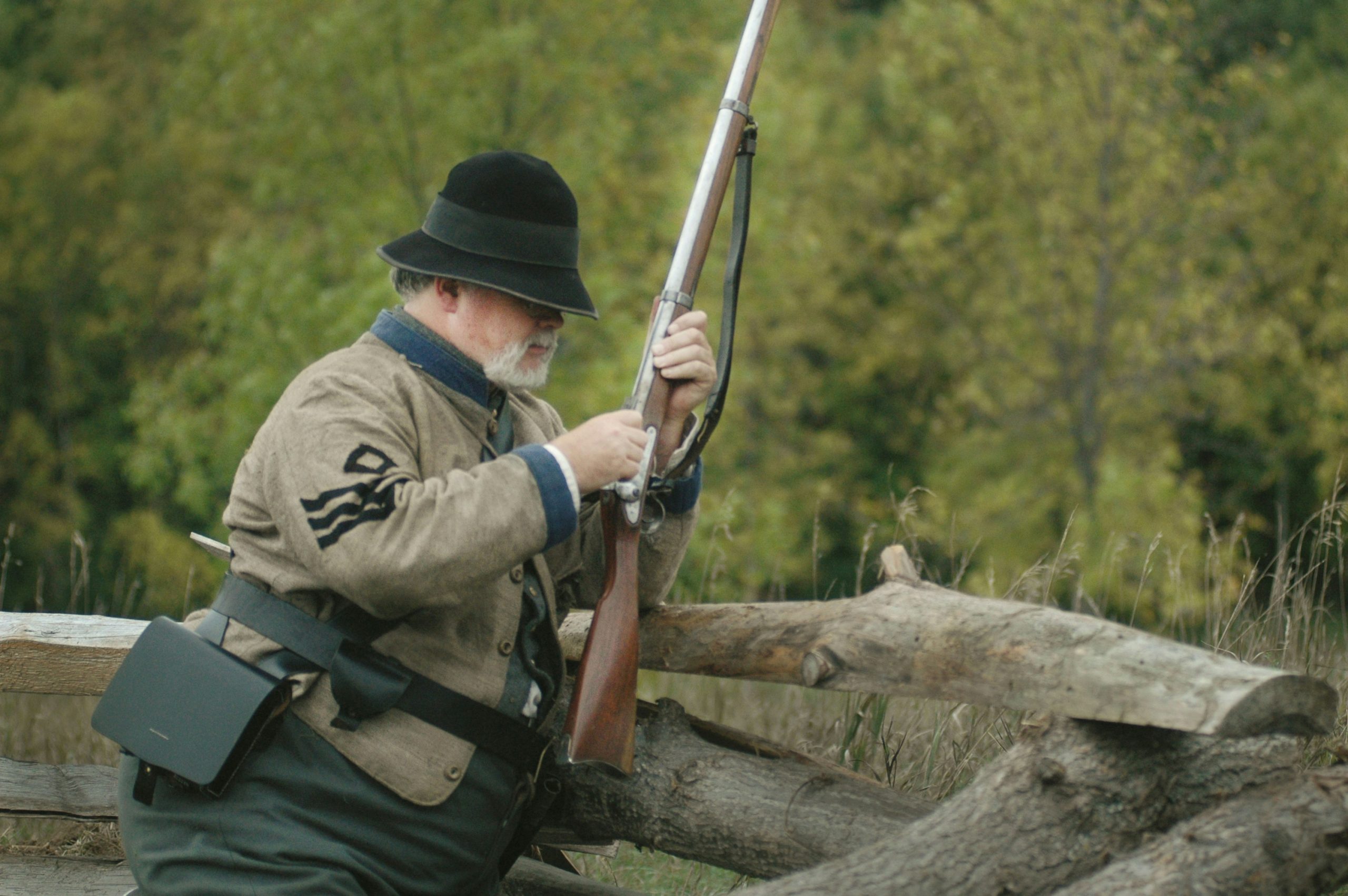
Many hunters eventually keep both because different seasons demand different strengths. A rifle can serve well for precise big-game hunting, while a shotgun can cover upland birds, waterfowl, and some close-range big-game opportunities where permitted. This is not simply a question of which firearm is better. It is about matching the tool to the animal, habitat, distance, regulations, and hunter. Understanding those 5 factors helps hunters choose wisely instead of forcing one firearm into every situation. The safest choice is the legal setup they can handle accurately and responsibly.