The 7mm Remington Magnum did not arrive in a vacuum. It emerged in 1962, when Winchester’s magnum family was already reshaping American hunting. Remington’s answer combined a fast 7mm bullet with a standard-length rifle and launched alongside the Model 700. The result was more than another cartridge: it became a commercial turning point that challenged the .264 Winchester Magnum and helped ignite a fresh contest over speed, bullet weight and practical hunting range.
1. The Race Began With Winchester
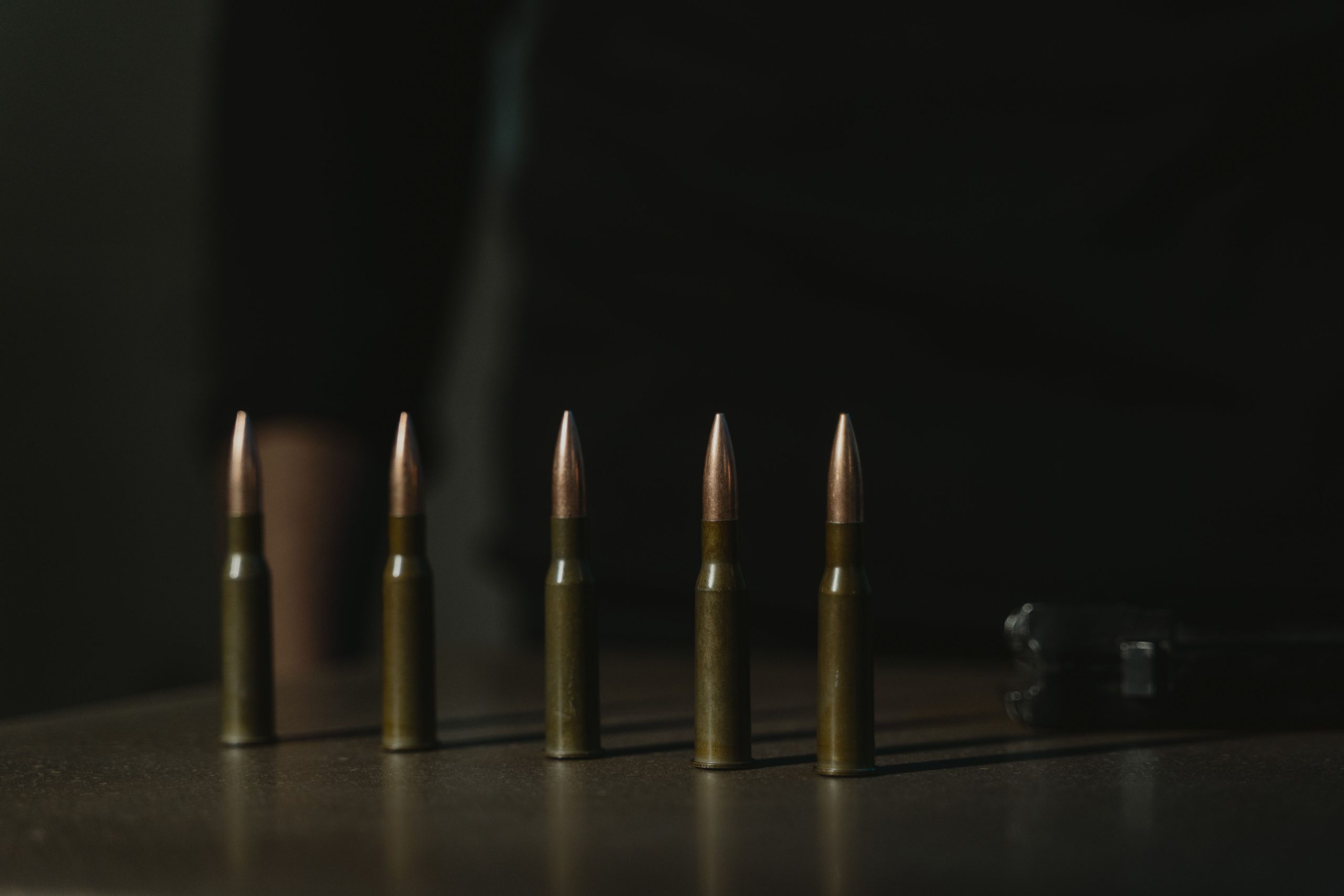
In the late 1950s, Winchester was building a family of belted magnums, including the .264 Winchester Magnum, introduced around 1959. Remington saw an opening: a 7mm could launch heavier bullets than the .264 while retaining the speed hunters wanted. The result appeared in 1962, giving Remington a direct answer to Winchester before the .300 Winchester Magnum arrived in 1963. The contest was not simply about velocity. It was about owning the next generation of mainstream hunting cartridges. That urgency shaped its identity from the beginning. It was a race for relevance as much as speed.
2. Its Real Blueprint Was Already Familiar
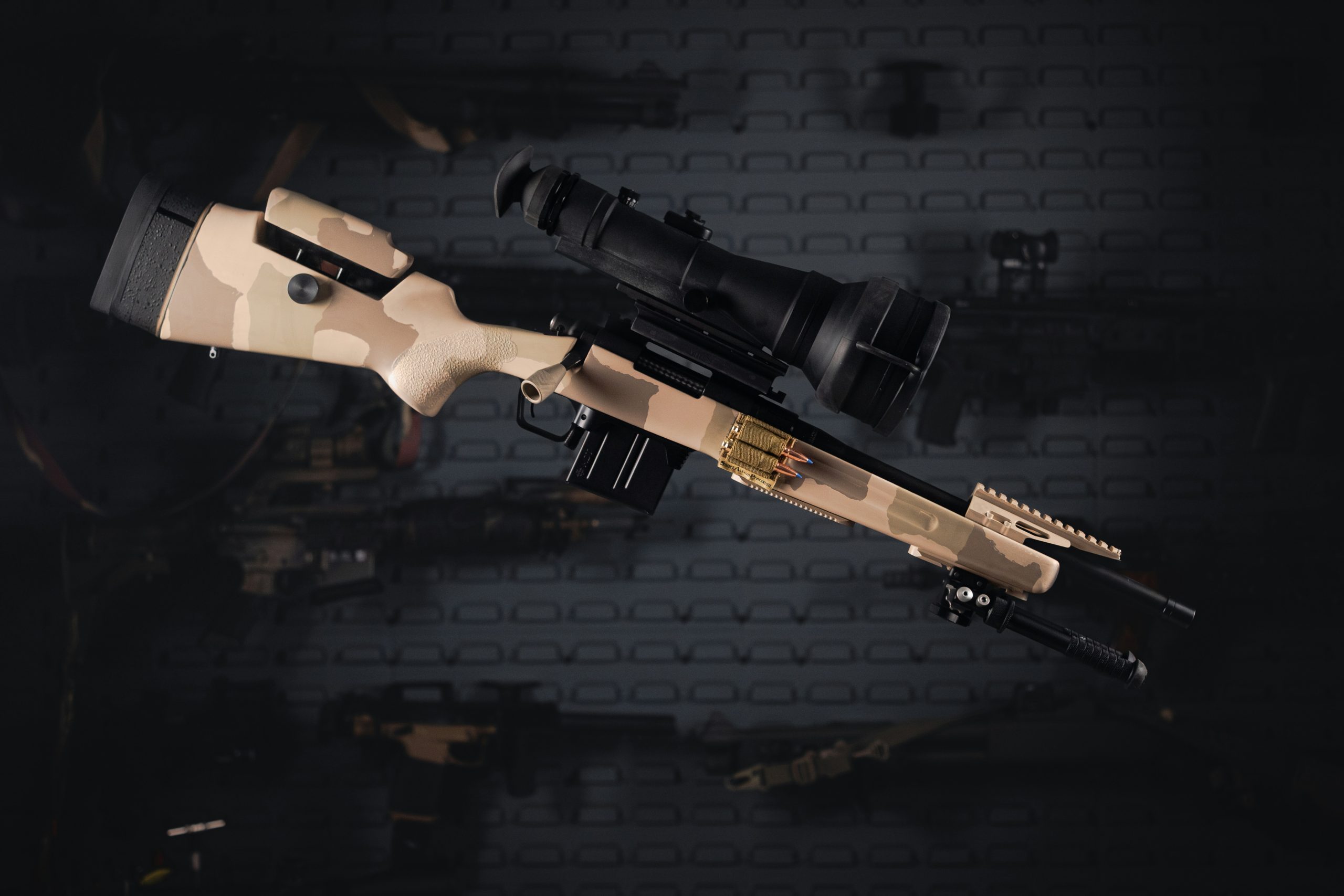
The 7mm Remington Magnum was not created from an entirely new case. Its design belongs to the belted magnum family descended from the .375 Holland & Holland Magnum, with Remington adapting the shortened magnum case for a .284-inch bullet. The case measures about 2.50 inches long, while the overall cartridge length is roughly 3.29 inches. That combination fit standard-length hunting actions and helped make magnum performance accessible without the bulk of a full-length magnum rifle. It was a smart evolution rather than a clean-sheet experiment. That efficient evolution suited the market perfectly.
3. Remington Had a Wildcat Head Start
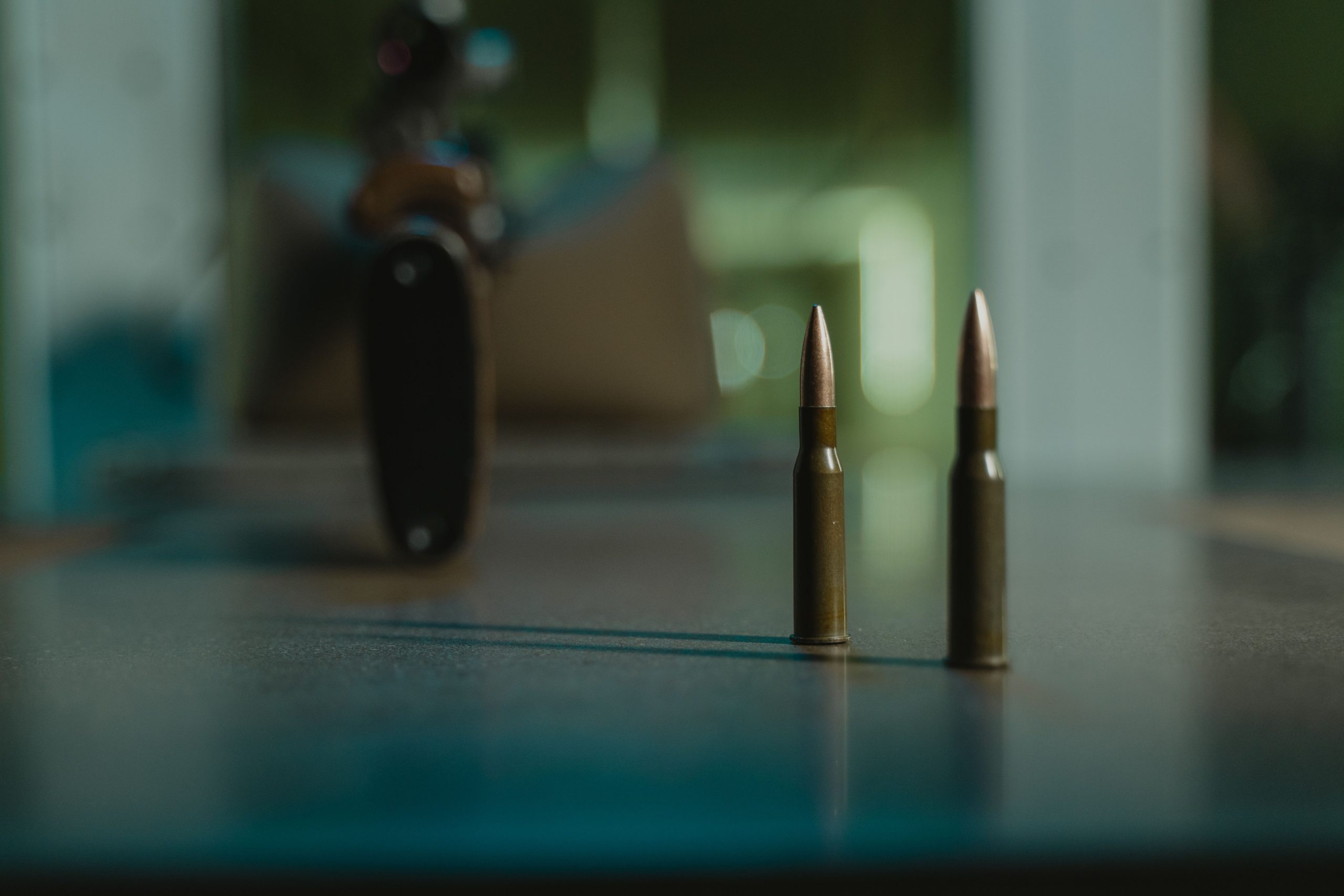
Before the factory cartridge existed, Remington engineers and hunting circles had experience with powerful 7mm wildcats. One influence was Les Bowman’s .280 Remington Magnum, a 7mm concept that impressed Remington personnel. When the company finally commercialized the idea, it standardized the design and called it the 7mm Remington Magnum. That history matters because the cartridge was less a sudden invention than the polished factory version of an idea already being tested by serious hunters. It gave Remington a head start measured in practical field experience.
4. The Model 700 Made It Famous
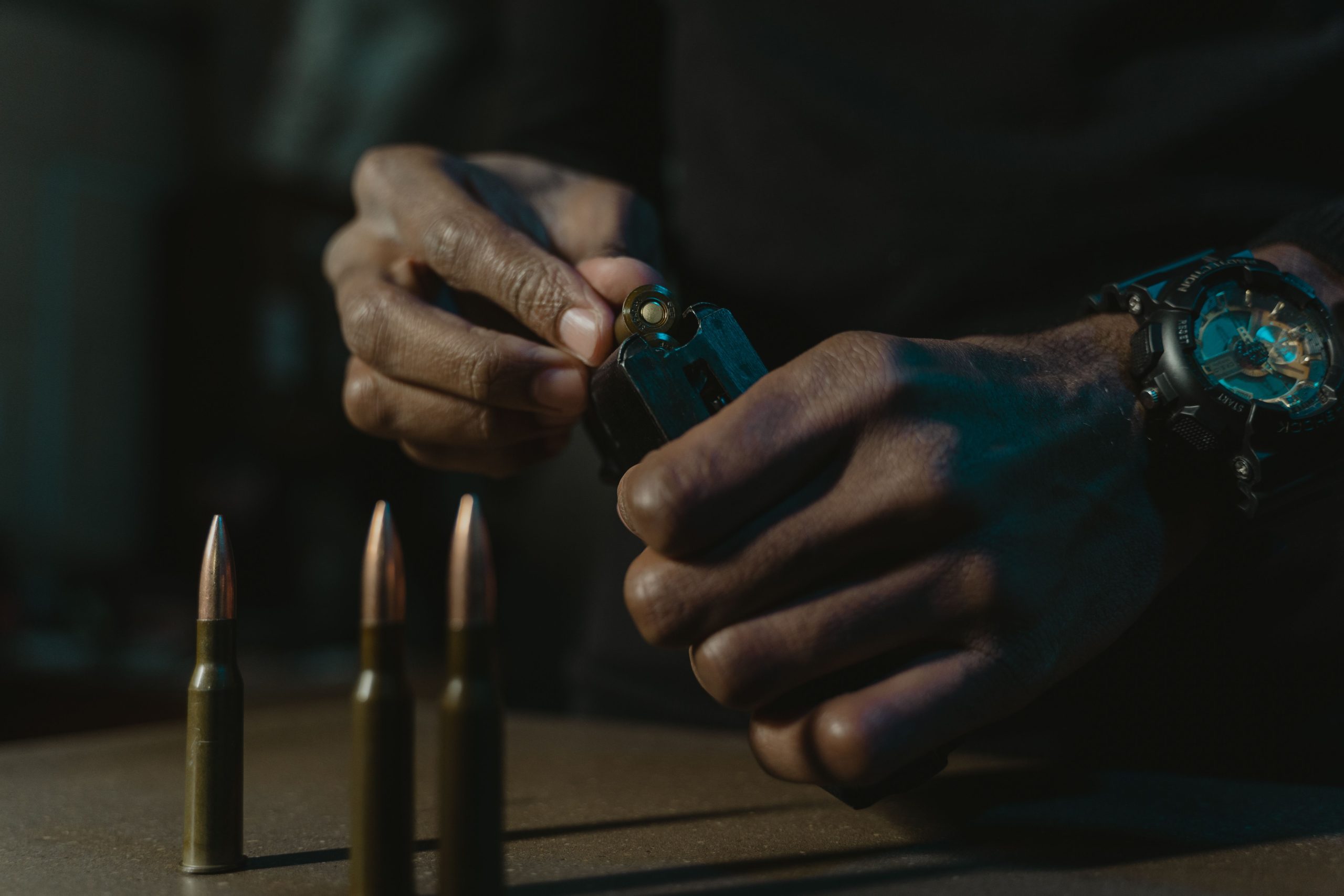
Timing gave the 7mm Remington Magnum an enormous advantage. It debuted in 1962 alongside the new Remington Model 700, creating a rifle-and-cartridge package that hunters could immediately buy. Early Model 700 magnums used 24-inch barrels and had a strong reputation for accuracy and value. The pairing turned a technical cartridge launch into a major sporting event. Instead of asking hunters to adopt an unfamiliar round first, Remington offered the cartridge inside a rifle designed to attract a broad market. That pairing made the new cartridge feel immediately practical.
5. Bullet Weight Changed the Conversation

The 7mm bore gave hunters a broader bullet-weight range than the .264 Winchester Magnum. Typical 7mm Remington Magnum loads included bullets around 140, 150, 160, and 175 grains, with heavier projectiles giving hunters more confidence for elk and other large North American game. That flexibility helped distinguish it from Winchester’s 6.5mm offering, whose common hunting choices were narrower. The cartridge could combine high velocity with a relatively sleek bullet, making it appealing to hunters who wanted one rifle for several game animals. That balance became one of its defining advantages.
6. The Numbers Were Impressive for 1962
Factory performance made the cartridge look exceptional for its era. Depending on load and barrel, 150-grain bullets could exceed 3,000 feet per second, while 175-grain bullets were commonly around the upper 2,700s to roughly 2,800 feet per second. A representative 150-grain load at 3,100 fps produces about 3,200 foot-pounds of muzzle energy. Those figures helped establish the 7mm Remington Magnum as a serious long-range hunting cartridge, although real-world performance varies with ammunition, barrel length, and conditions. For hunters of the period, those were eye-catching numbers.
7. It Quickly Overtook the .264 Winchester
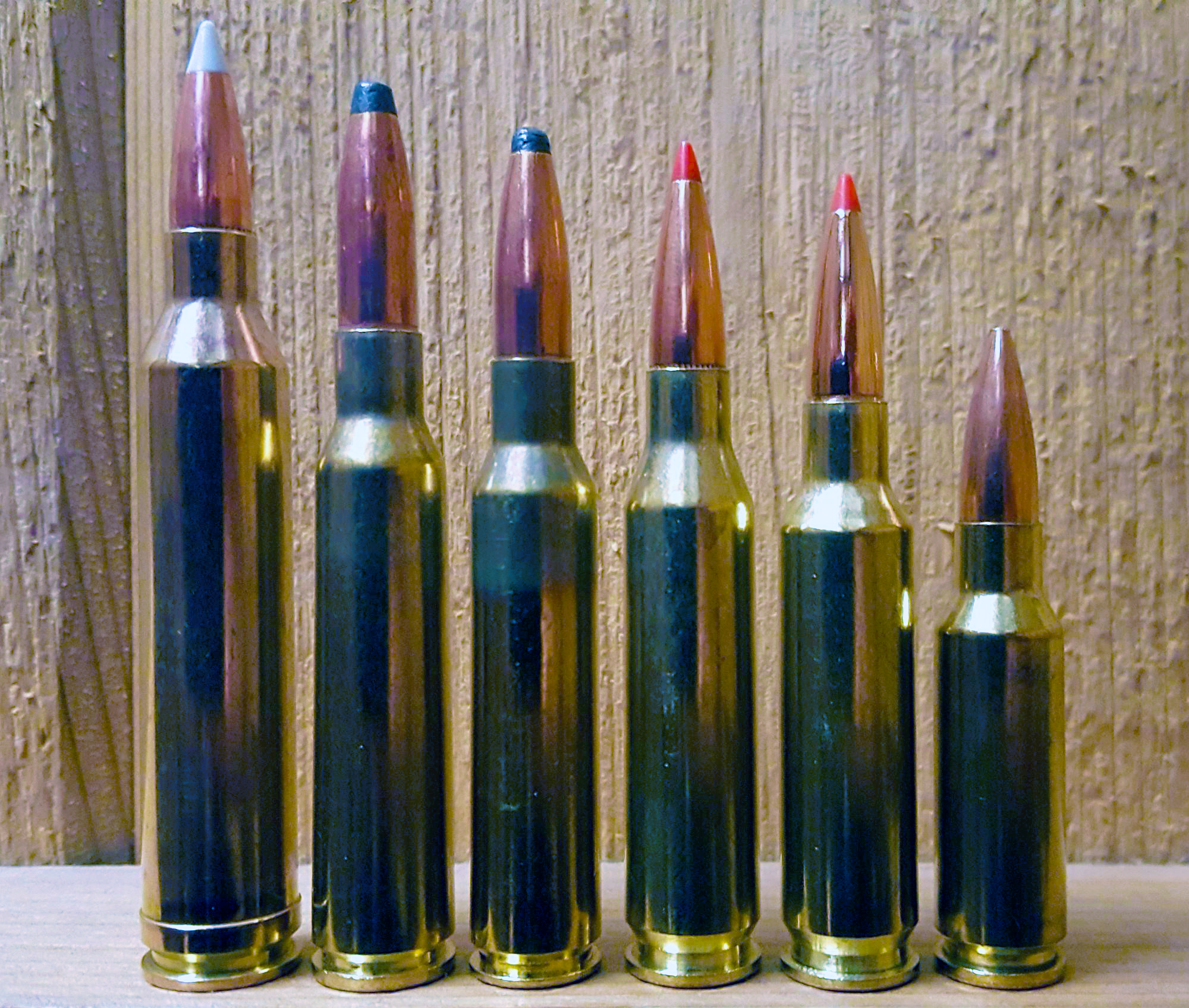
The most dramatic part of the story was what happened after launch. The 7mm Remington Magnum rapidly eclipsed the .264 Winchester Magnum in popularity, despite the Winchester cartridge being only about 3 years older. Hunters appreciated the 7mm’s heavier bullet options, broad game suitability, and availability in the new Model 700. The .264 remained technically capable, but the marketplace had shifted. Remington had found a combination of cartridge size, performance, rifle availability, and marketing that proved remarkably difficult for Winchester to counter.
8. Winchester Answered With the .300 Magnum

The rivalry did not end with the 7mm’s success. In 1963, Winchester introduced the .300 Winchester Magnum, another standard-length belted magnum designed to deliver greater .30-caliber performance. That timing makes the 7mm story especially interesting: Remington’s cartridge arrived first, disrupted Winchester’s momentum in the magnum hunting market, and helped set the stage for the next round of competition. More than 60 years later, the 7mm Remington Magnum remains a landmark cartridge because its success was built on performance, timing and a remarkably effective rifle partnership.