
Some shotguns follow familiar loading arrangements, but lever-action designs can take a very different route. Instead of feeding shells through the bottom of the receiver, these unusual models use a side-loading gate, often paired with a tubular magazine. That layout is especially associated with lever-action .410s and gives these firearms a distinctive blend of old-fashioned mechanics and practical design. Here are eight notable examples, including historic models and modern variants.
1. Marlin Model 410, 1929 Original

The original Marlin Model 410 is the oddball that started this story. Introduced in 1929 as a limited investor incentive, it used a lever action and a side-loading gate rather than the bottom-loading arrangement seen on several classic repeaters. Fewer than 10,000 are believed to have been produced before the model disappeared in the early 1930s. Its light barrel, half-length magazine, and shotgun-like handling made it unusually distinctive for its era. Today, surviving examples are scarce historical pieces, not ordinary field guns. Its rarity makes surviving examples interesting today.
2. Marlin Model 410, 2004 Revival

Marlin revisited the concept in 2004 with a modern lever-action .410 built around its larger 1895-style platform. The revived version retained a side-loading gate, giving it the familiar lever-gun approach to feeding while using a much heavier receiver than the 1929 original. Contemporary descriptions note a substantial build and a comparatively short magazine, which made the gun feel more like a rifle-sized lever action than a light upland shotgun. Its short production run and unusual design have since made it a curiosity among collectors interested in Marlin’s less common experiments.
3. Winchester 9410
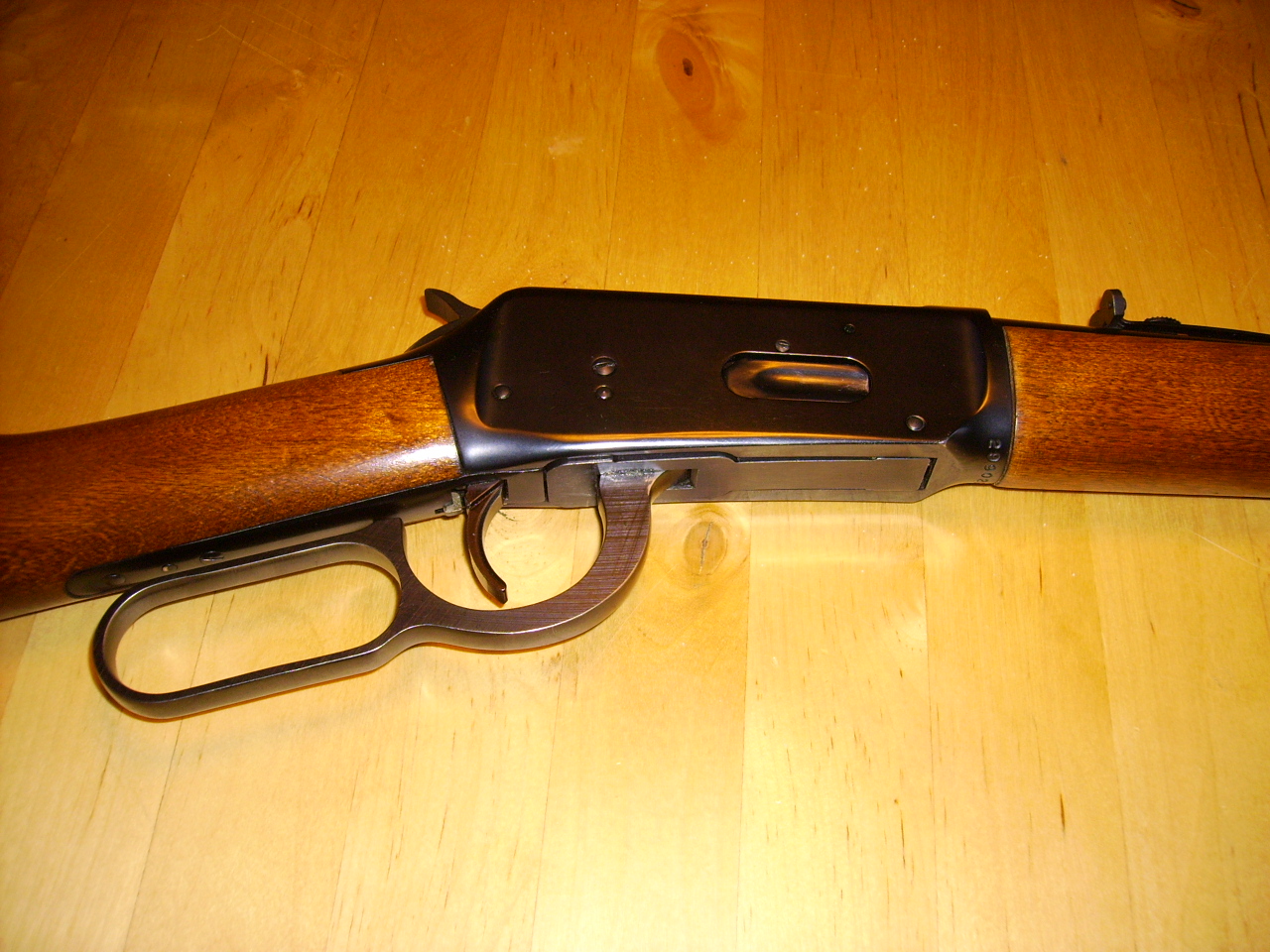
The Winchester 9410 brought the classic Model 94 lever-action format into .410 bore, creating a shotgun that handled much like the company’s famous centerfire lever rifles. Its tubular magazine is replenished through a side gate on the receiver, so shells do not have to be inserted through the bottom of the action. The 9410 was chambered for 2½-inch .410 shells and was offered with a barrel just under 24 inches in some configurations. It remains a familiar example of a traditional side-loading lever shotgun. The side gate also simplifies top-offs.
4. Henry H024-410 Side Gate

Henry’s H024-410 revived the lever-action .410 with a polished brass receiver, walnut furniture, and a tubular magazine paired with a right-side loading gate. The combination is unusual because the shooter gets two distinct loading paths without abandoning the classic Henry tube system. Factory specifications list a 19.8-inch smoothbore barrel, 5-round magazine capacity, and 2½-inch .410 chambering. The side gate is especially notable because it lets the tube remain installed while additional shells are added, while the removable tube preserves Henry’s traditional approach to unloading.
5. Henry H018G-410

The H018G-410 is Henry’s full-size steel-framed lever-action .410, offering a more conventional shotgun profile than the compact Axe variants. Its right-side gate works with a tubular magazine and is designed around 2½-inch shells. Depending on configuration, the gun uses a longer barrel, walnut furniture and interchangeable choke arrangements, making it visually closer to a sporting shotgun than a lever rifle. Henry’s system also retains a removable inner magazine tube, a distinctive feature that separates these guns from many ordinary side-gate lever actions.
6. Henry X Model H018X-410
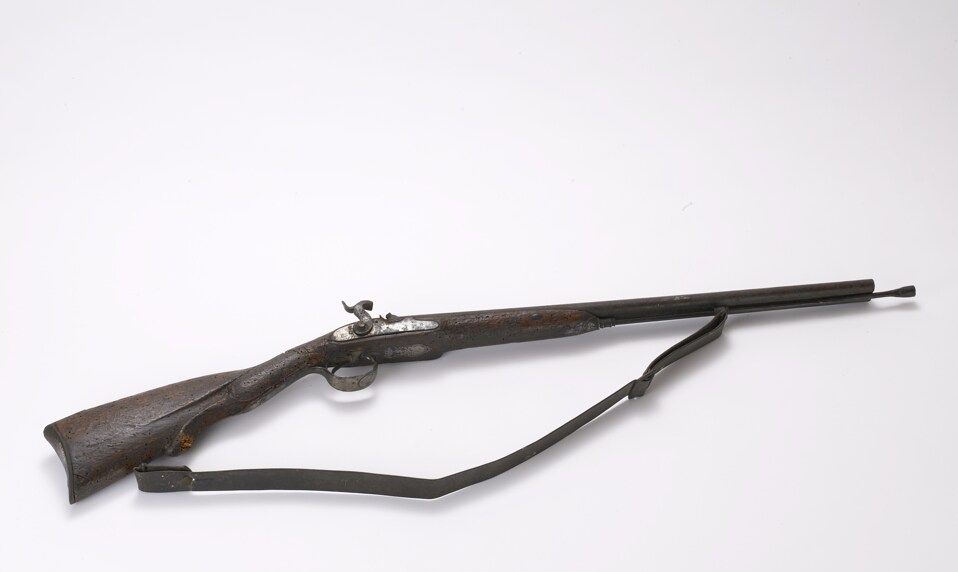
The H018X-410 takes the same basic side-gate concept and gives it a modern synthetic-stock treatment. Its carbon-steel receiver has a right-side loading gate, while the 19.8-inch smoothbore barrel is chambered for 2½-inch .410 shells and accepts Invector-style choke tubes. The design also includes an optics-ready receiver and a fiber-optic front sight, unusual touches on a lever-action shotgun. A tested example used a 3-pound, 14-ounce trigger pull. The result is a compact, contemporary take on a mechanism that otherwise feels distinctly old-school.
7. Henry Brass Axe .410

The Brass Axe shrinks the side-gate Henry formula into a compact firearm with an angled pistol grip, a 15.1-inch barrel, and a five-round tubular magazine. Its polished brass receiver gives it a traditional appearance, but the feeding system is thoroughly modern by Henry standards: shells can enter through the receiver’s side gate while the removable tube remains available as an alternative. It accepts only 2½-inch .410 shells and uses an Invector-style choke tube system. Despite its shotgun ammunition, Henry classifies the Axe as a firearm rather than a conventional shotgun.
8. Henry X Model Axe .410
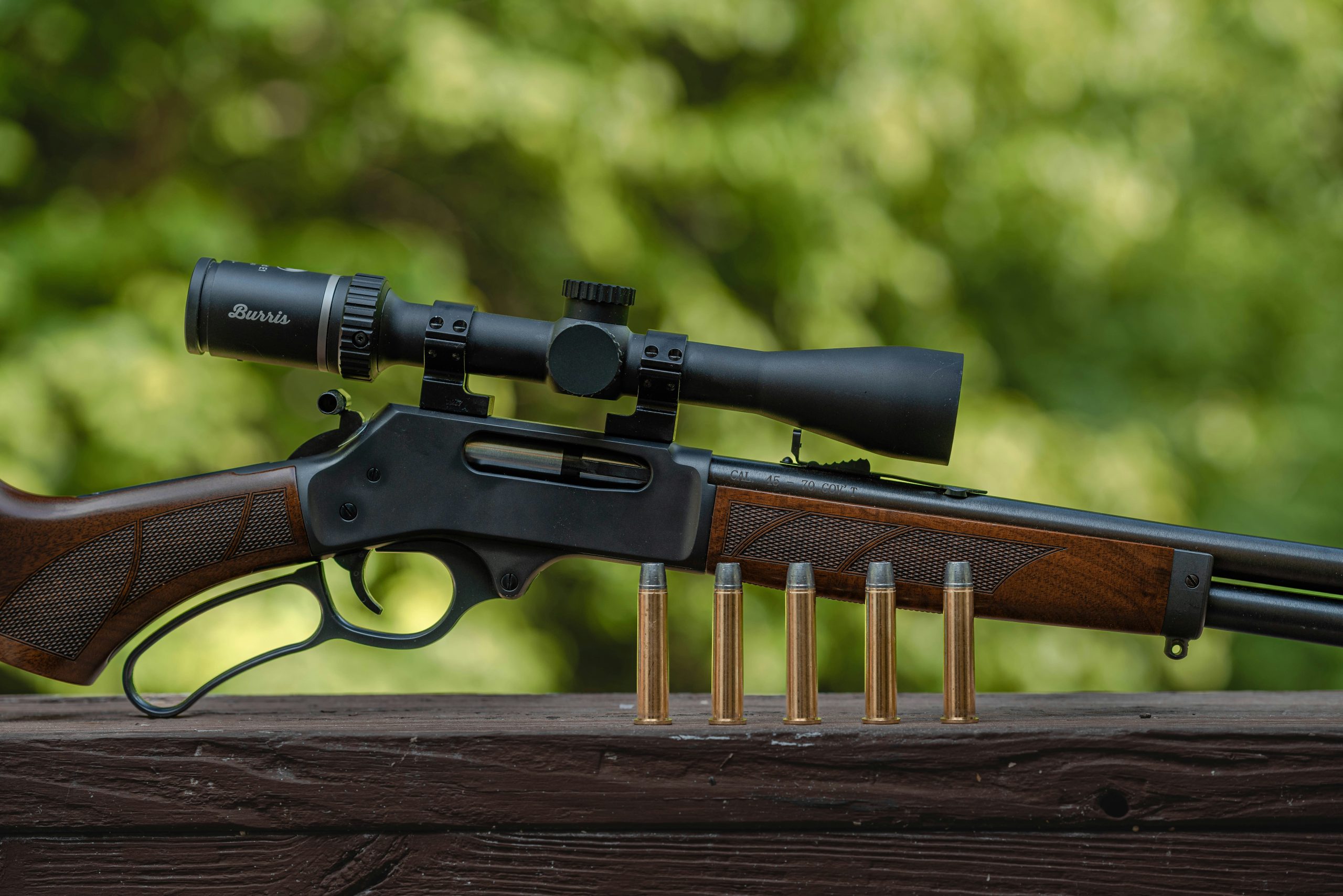
The X Model Axe keeps the same side-gate idea but replaces the Brass Axe’s traditional styling with synthetic furniture and modern mounting features. Its 15.14-inch smoothbore barrel is chambered exclusively for 2½-inch .410 shells, while the tubular magazine holds five rounds, giving a 5+1 capacity. A fiber-optic front sight, Picatinny rail section, and M-LOK attachment points distinguish it from the wood-stocked versions. Like the other Axe variants, it is legally categorized as a firearm rather than a shotgun, making it an especially unusual entry in this side-loading group.