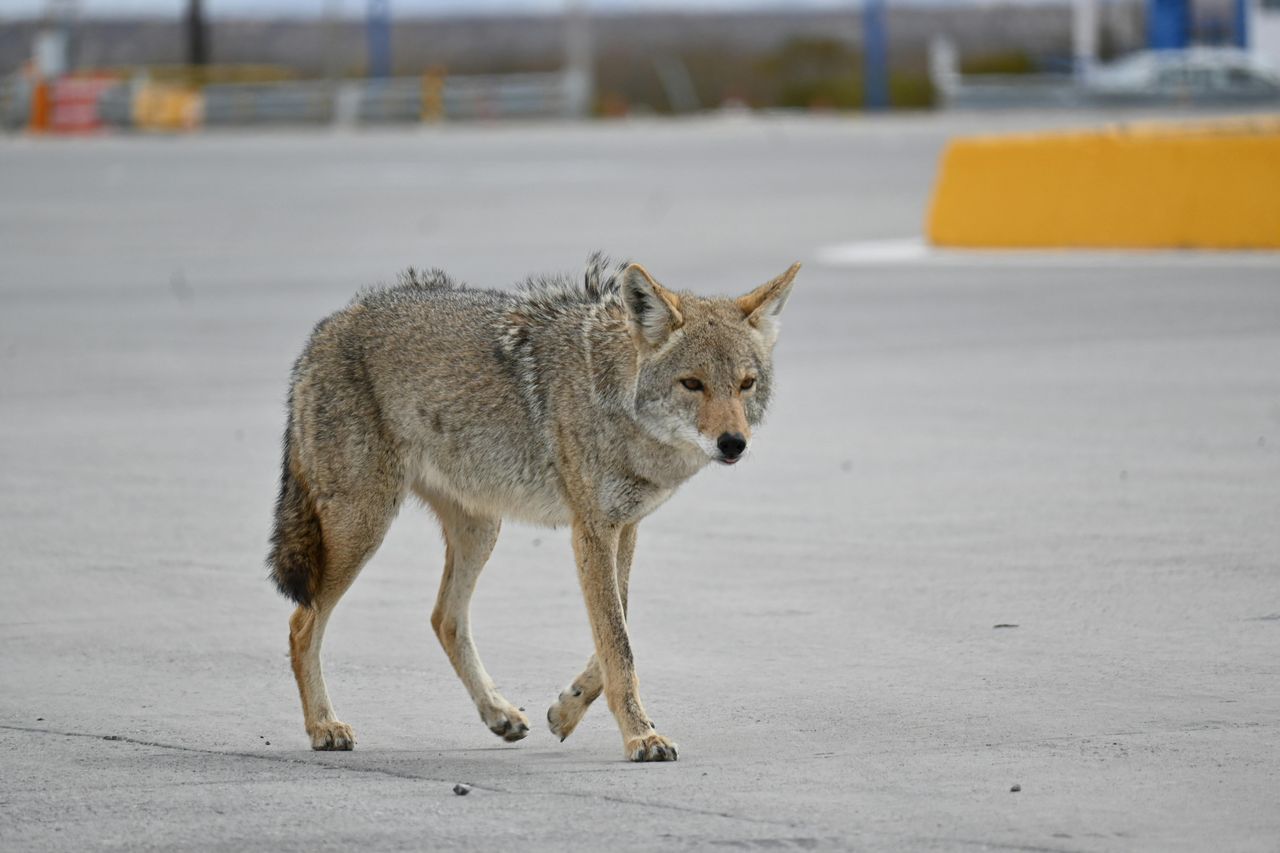
Coyotes have become one of the most adaptable wild animals in America, and that flexibility is putting them in closer contact with people than ever before. In some states, reports of pet attacks, livestock losses, and bold encounters in neighborhoods are becoming harder to ignore. This gallery looks at nine places where coyote issues appear to be growing, and why local residents are paying closer attention.
California
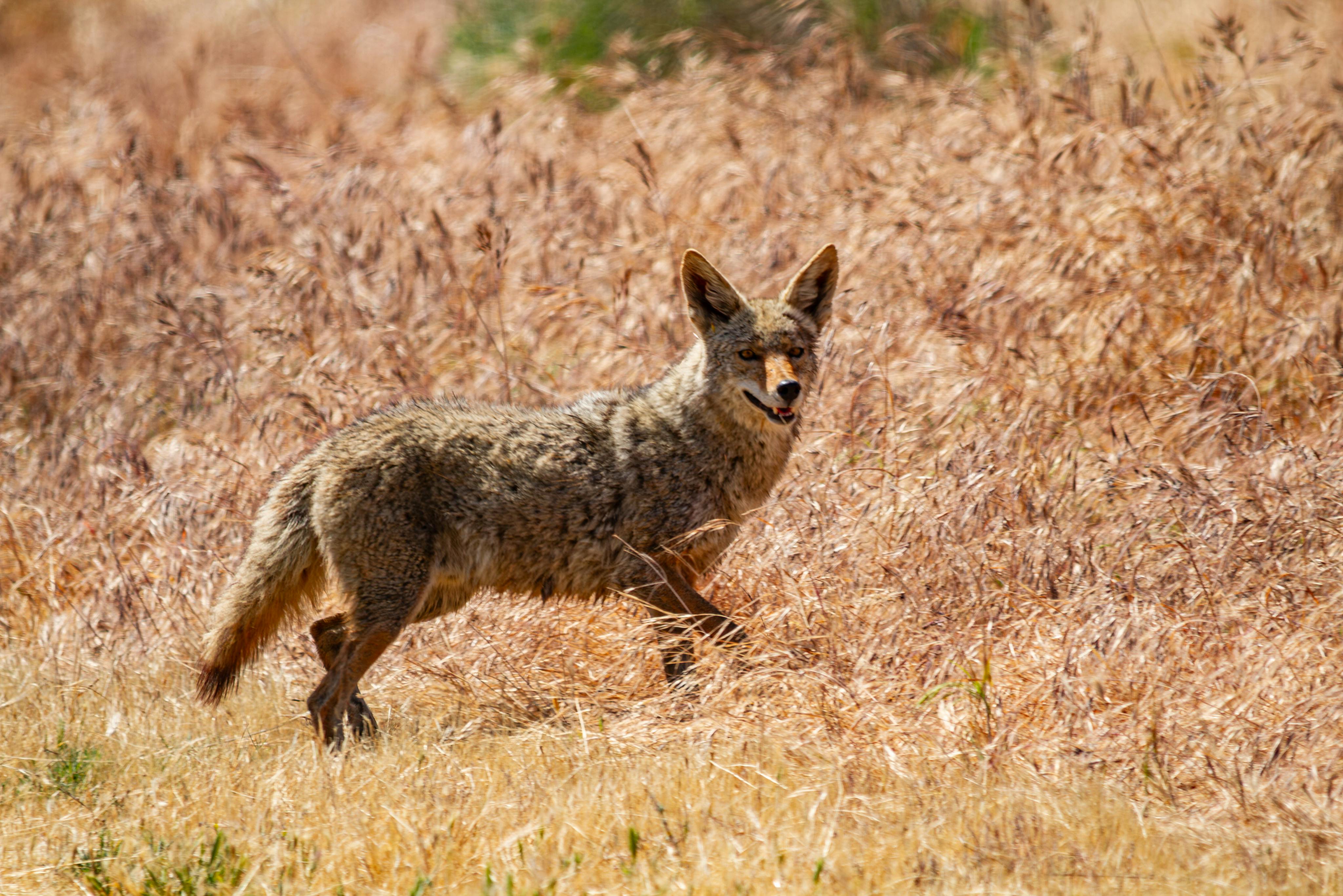
California has long dealt with coyotes, but the concern feels more immediate as the animals turn up in dense suburbs, beach towns, and city-edge neighborhoods. In places around Los Angeles, Orange County, and the Bay Area, residents regularly report sightings in broad daylight, along with missing outdoor cats and small dogs.
The issue is not simply that coyotes are present. Wildlife officials often warn that easy food sources, including unsecured trash, pet food, and even intentional feeding, can make them bolder over time. That shift tends to alarm families who are used to seeing wildlife at a distance, not trotting down the sidewalk.
Texas
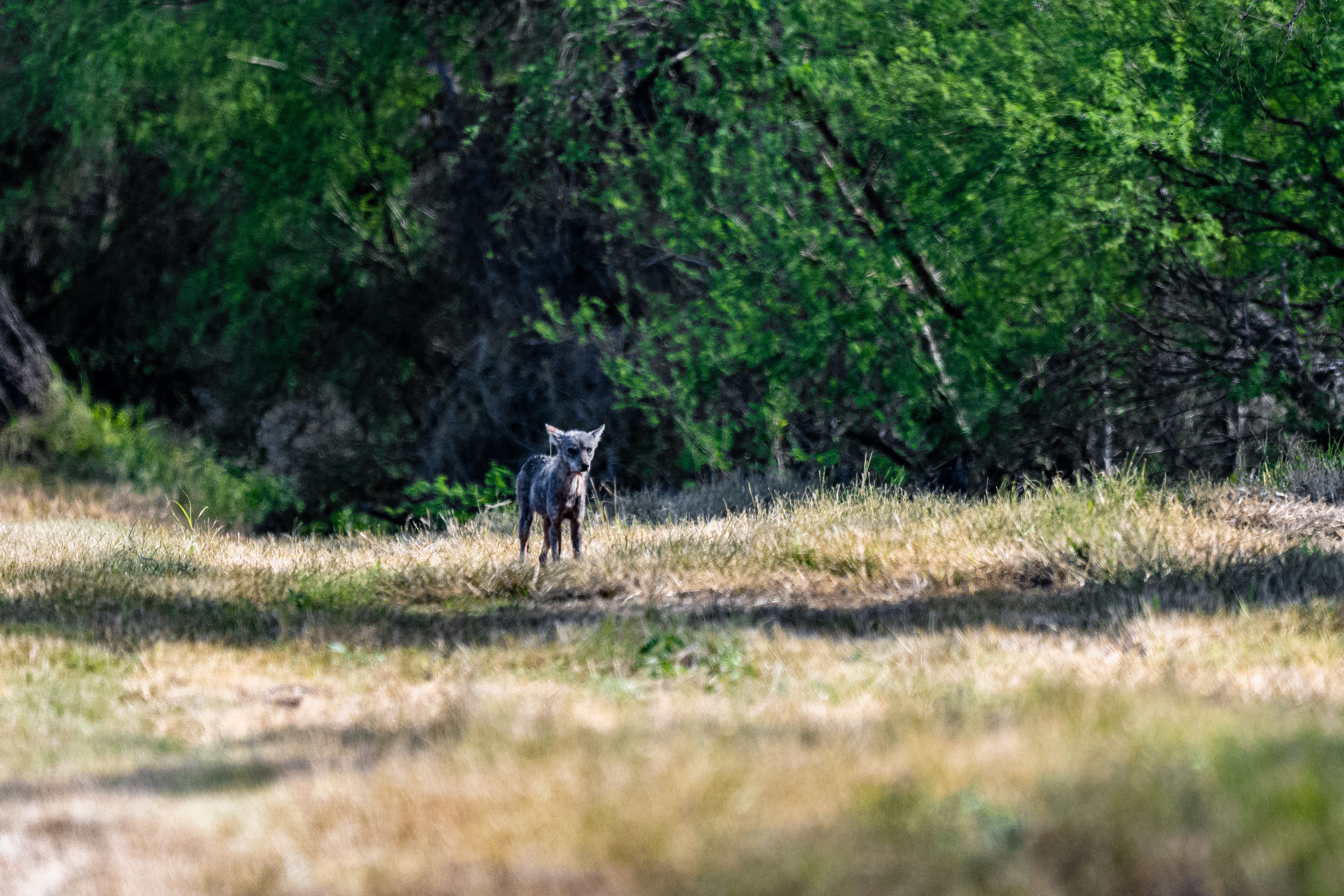
In Texas, coyote trouble stretches across a wide range of landscapes, from ranch country to fast-growing suburbs on the edges of major cities. Ranchers have long viewed them as a threat to calves, goats, and sheep, while homeowners in expanding metro areas are increasingly dealing with sightings near greenbelts, parks, and backyard fences.
That combination makes Texas a particularly complicated case. In rural areas, the concern is often economic and tied to livestock losses. In suburban communities, the worry shifts toward pets and public safety, especially when coyotes appear comfortable around joggers, children, or people walking dogs after dark.
Colorado

Colorado’s coyote conflicts often play out where open space meets housing developments, a common pattern along the Front Range. Residents in Denver-area suburbs and mountain-adjacent communities frequently describe coyotes moving through trails, golf courses, and neighborhood parks with surprising confidence.
Wildlife managers often point out that these animals thrive in fragmented landscapes because they can find shelter, water, and food in a tight radius. That adaptability can make them seem almost invisible until a pet disappears or a daytime sighting sparks a wave of concern on community message boards. In places where people prize access to nature, that tension can feel especially sharp.
Arizona
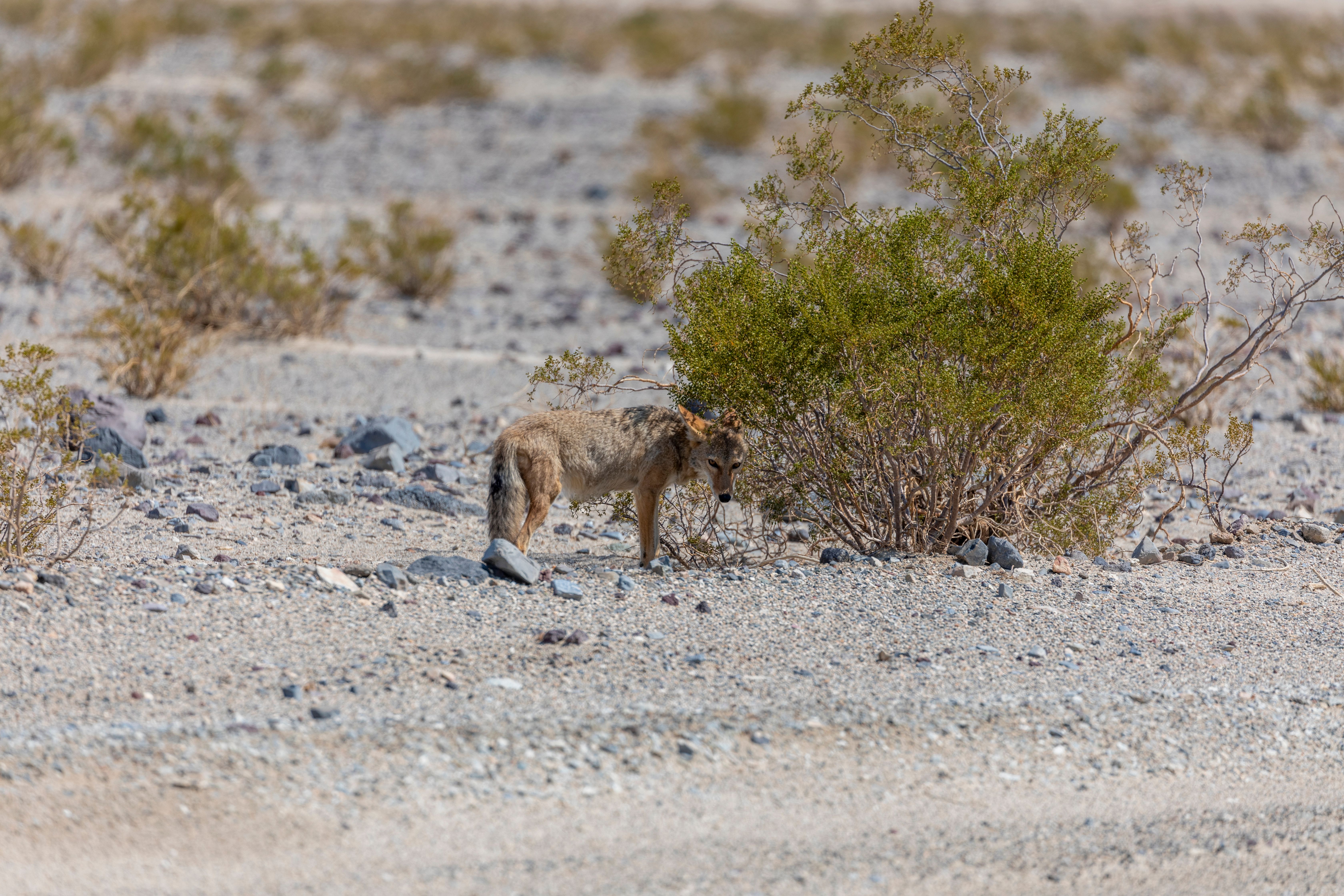
Arizona has seen coyotes become a routine part of life in many desert communities, especially around Phoenix and Tucson. Washes, golf courses, and undeveloped corridors give them natural travel routes, while irrigated landscaping and neighborhood food sources can make suburban areas unexpectedly attractive.
Residents often talk about the uneasy feeling of seeing a coyote slip between block walls or linger near a sidewalk after sunrise. Officials regularly remind people not to leave pet food outdoors and to supervise small animals, because once coyotes begin to associate neighborhoods with easy meals, they can become much more assertive than people expect.
Illinois
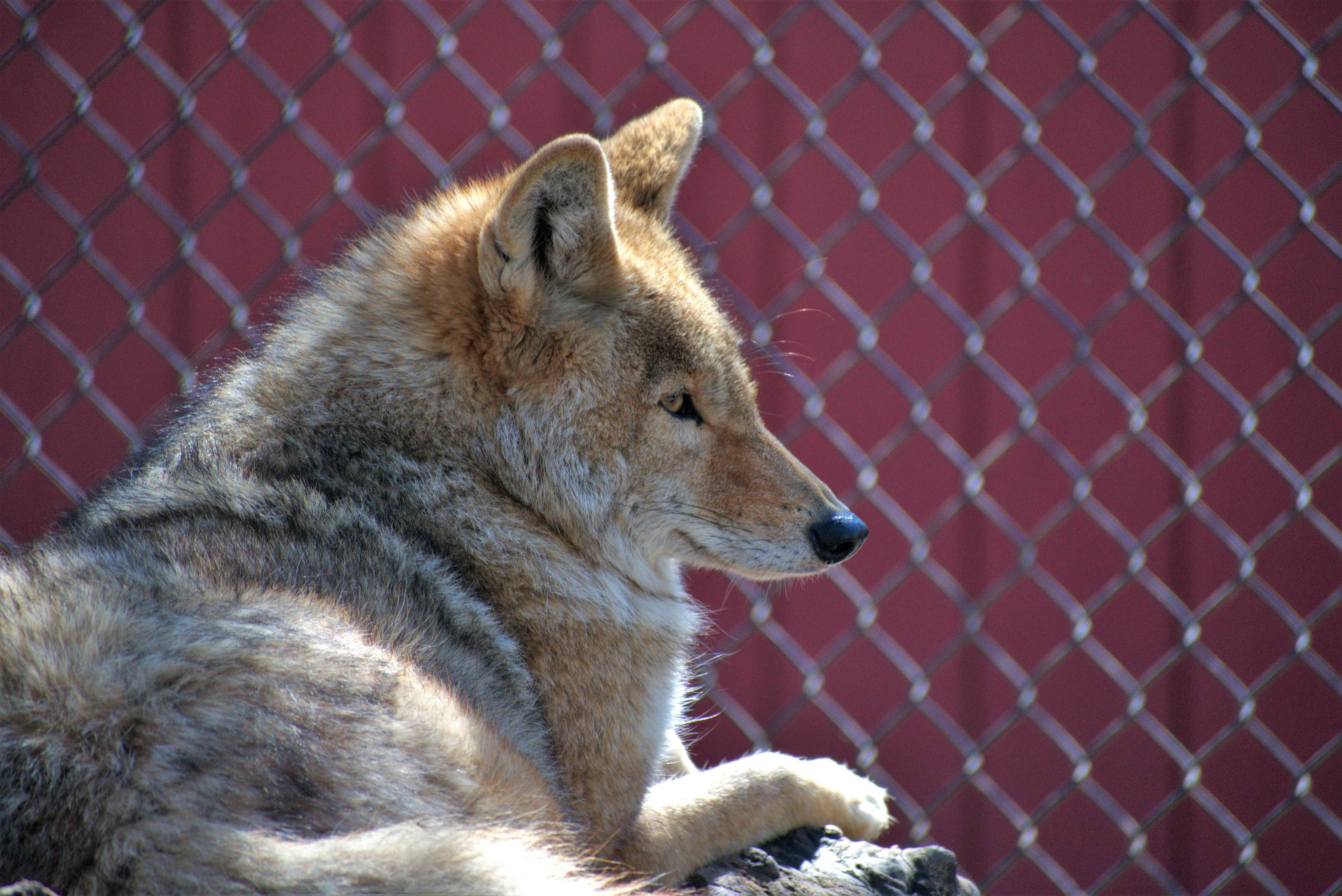
Illinois may not be the first state people think of for coyote issues, but the Chicago region has become a well-known example of urban wildlife adaptation. Coyotes have been documented in forest preserves, railroad corridors, industrial edges, and residential districts, often managing to stay out of sight until an incident draws sudden attention.
That is part of what makes them feel more problematic. Their presence can seem hidden right up until a pet is taken or a school community spots one near a playground. Experts often stress that coyotes usually avoid people, but repeated encounters in such a densely populated setting naturally heighten public anxiety.
Florida

Florida’s coyote population has expanded in ways that continue to surprise many residents, especially in communities better known for alligators and tropical wildlife. Reports now come from suburban developments, wooded edges, and rapidly growing exurban zones where coyotes can move through retention ponds, vacant lots, and roadside vegetation.
The concern often spikes when pets disappear or when coyotes are seen close to school bus stops and neighborhood sidewalks. In a state with constant development pressure, wildlife and people are sharing tighter spaces than before. That overlap has made coyotes a more visible part of everyday life, and not always a welcome one.
Georgia
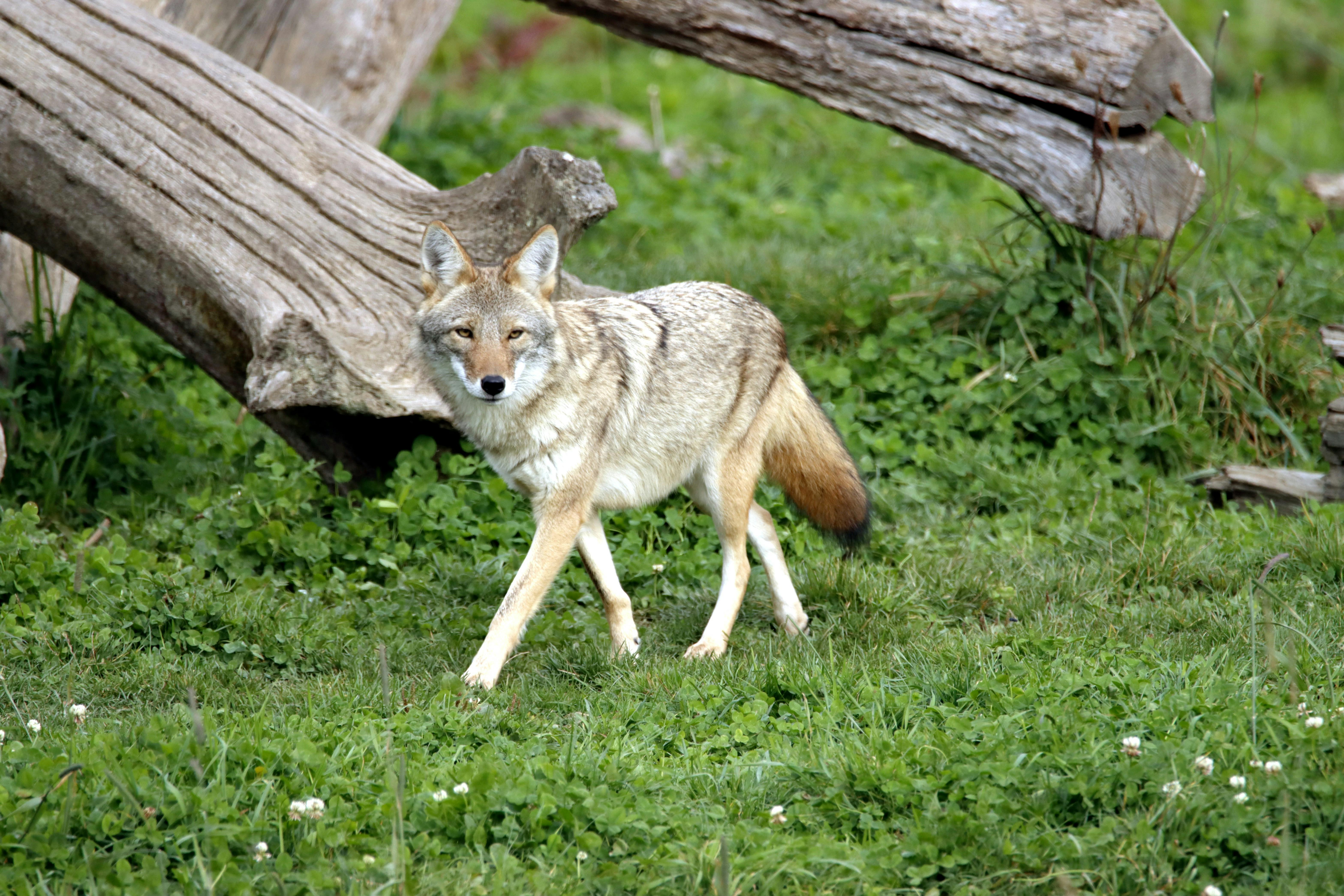
In Georgia, coyote complaints increasingly reflect a mix of rural and suburban pressures. Farmers and landowners have long worried about poultry, goats, and other small livestock, but metro-area growth around Atlanta and other cities has added a different layer, with sightings in subdivisions, parks, and wooded neighborhood buffers.
What unsettles many residents is how ordinary these encounters can feel. A coyote crossing a cul-de-sac at dawn or slipping behind a playground fence is enough to change the tone of a community conversation. Once neighbors begin swapping stories about missing pets, the animal quickly shifts from curiosity to local problem.
North Carolina
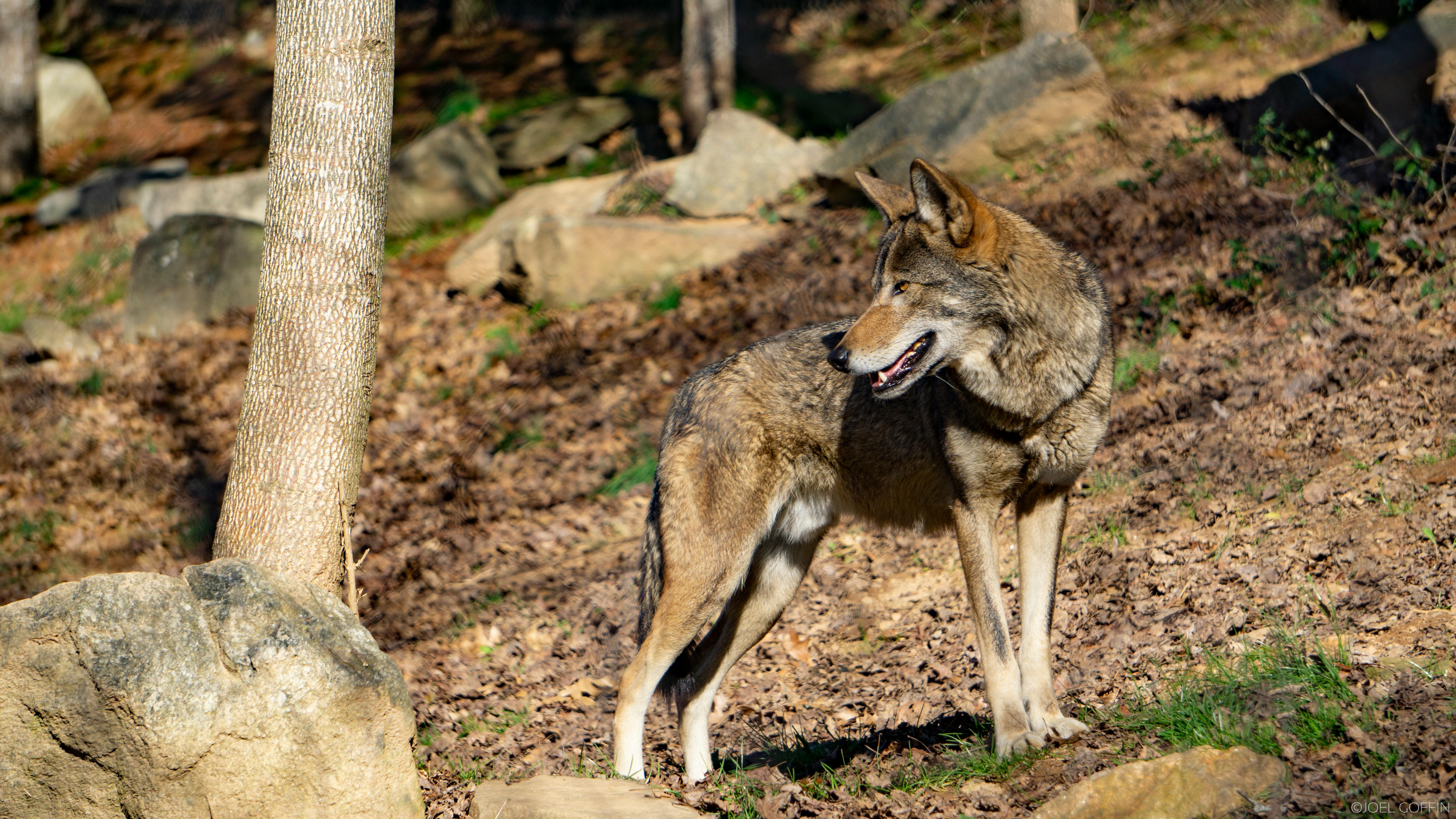
North Carolina has seen coyote concerns rise across both farm country and expanding suburbs. In some areas, hunters and farmers describe pressure on deer populations and small livestock, while homeowners in growing communities report more frequent sightings along greenways, drainage areas, and backyard tree lines.
The state’s pace of development helps explain part of the trend. As fields and forests are divided by roads and housing, coyotes often learn to navigate the seams between human spaces and wild cover. That can leave residents feeling as if the animals appeared overnight, when in reality they have simply become better at living beside people.
Washington

Washington has seen coyote concerns emerge in both the Seattle metro area and smaller cities where greenbelts and natural corridors run directly through neighborhoods. Coyotes are highly skilled at using these spaces, moving along ravines, utility rights-of-way, and park edges while remaining close to food and shelter.
Residents often react most strongly when the animals seem unusually fearless, appearing in daylight or lingering near yards with pets. Wildlife experts usually note that these behaviors can develop when coyotes become habituated to people or food rewards. In communities proud of their outdoor culture, that creates a difficult balance between coexistence and real frustration.