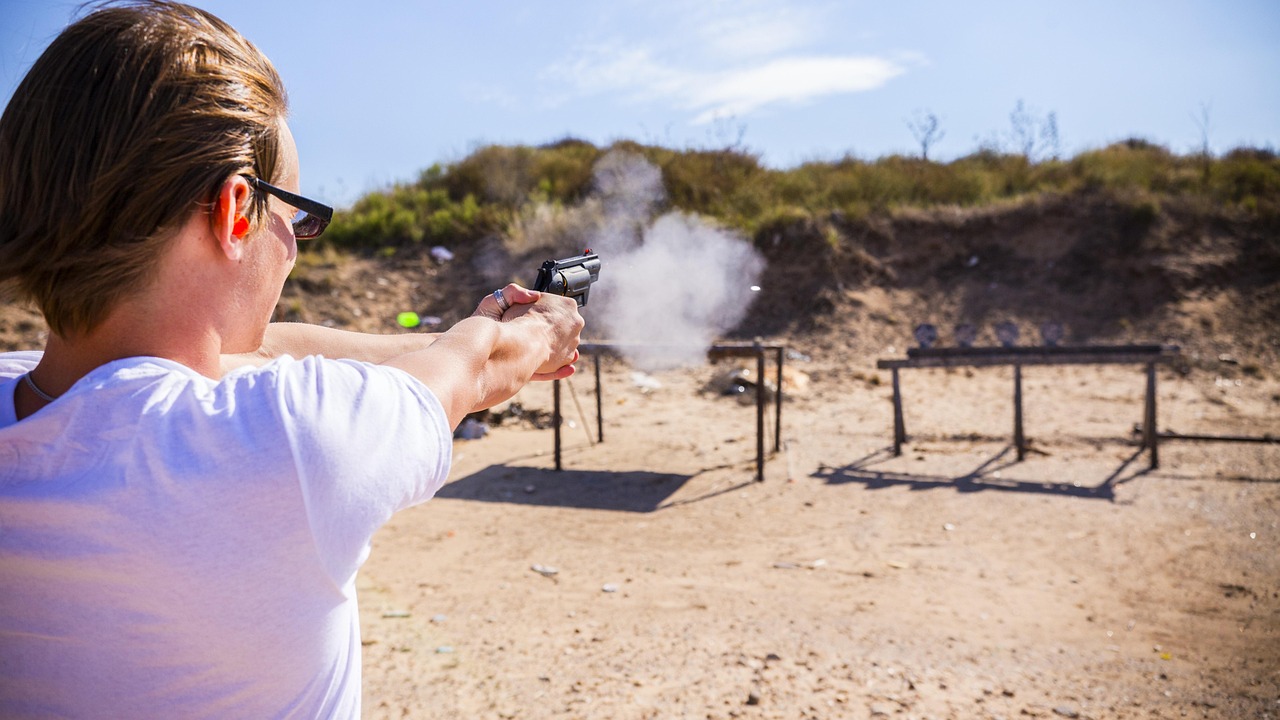
Recoil is not determined by the cartridge alone. The shotgun’s weight, stock geometry, shoulder contact, comb height, grip angle, and recoil pad can all influence how sharply that energy is perceived. Two shotguns firing the same 12-gauge ammunition can therefore feel surprisingly different. These eight stock designs demonstrate how changes in shape and fit can alter comfort, control, and the way recoil reaches the shooter.
1. Monte Carlo Stock
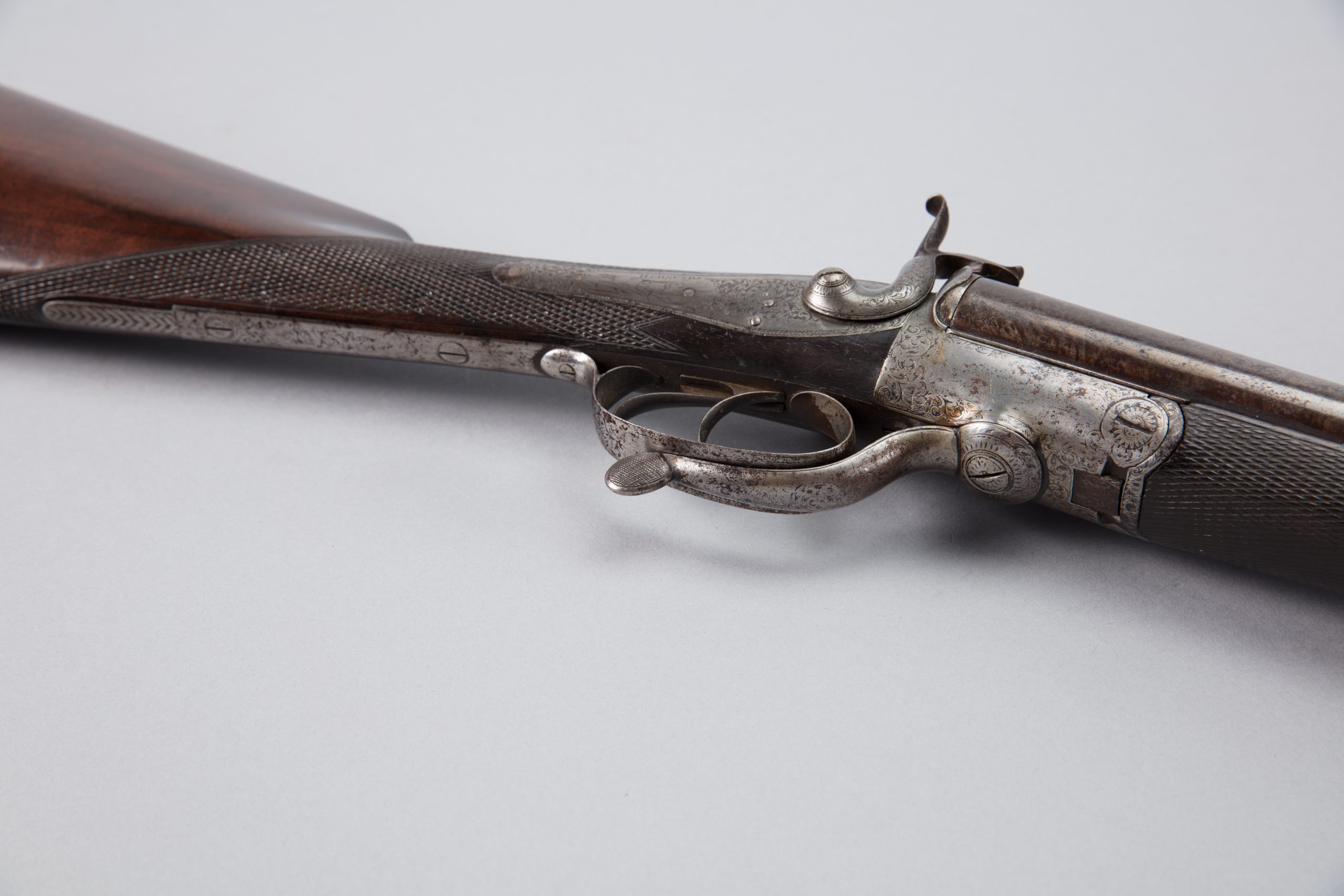
A Monte Carlo stock raises the comb compared with a traditional straight stock, changing where recoil meets the shooter. That altered geometry can help keep the stock planted against the shoulder while reducing harsh contact around the face. It does not remove recoil energy, and fit still matters more than appearance alone. A 12-gauge shell can produce substantial kick, but stock dimensions influence how that impulse is distributed. Even a 1-inch difference in comb height can change comfort, sight alignment, and cheek pressure during repeated shooting.
2. Straight Stock
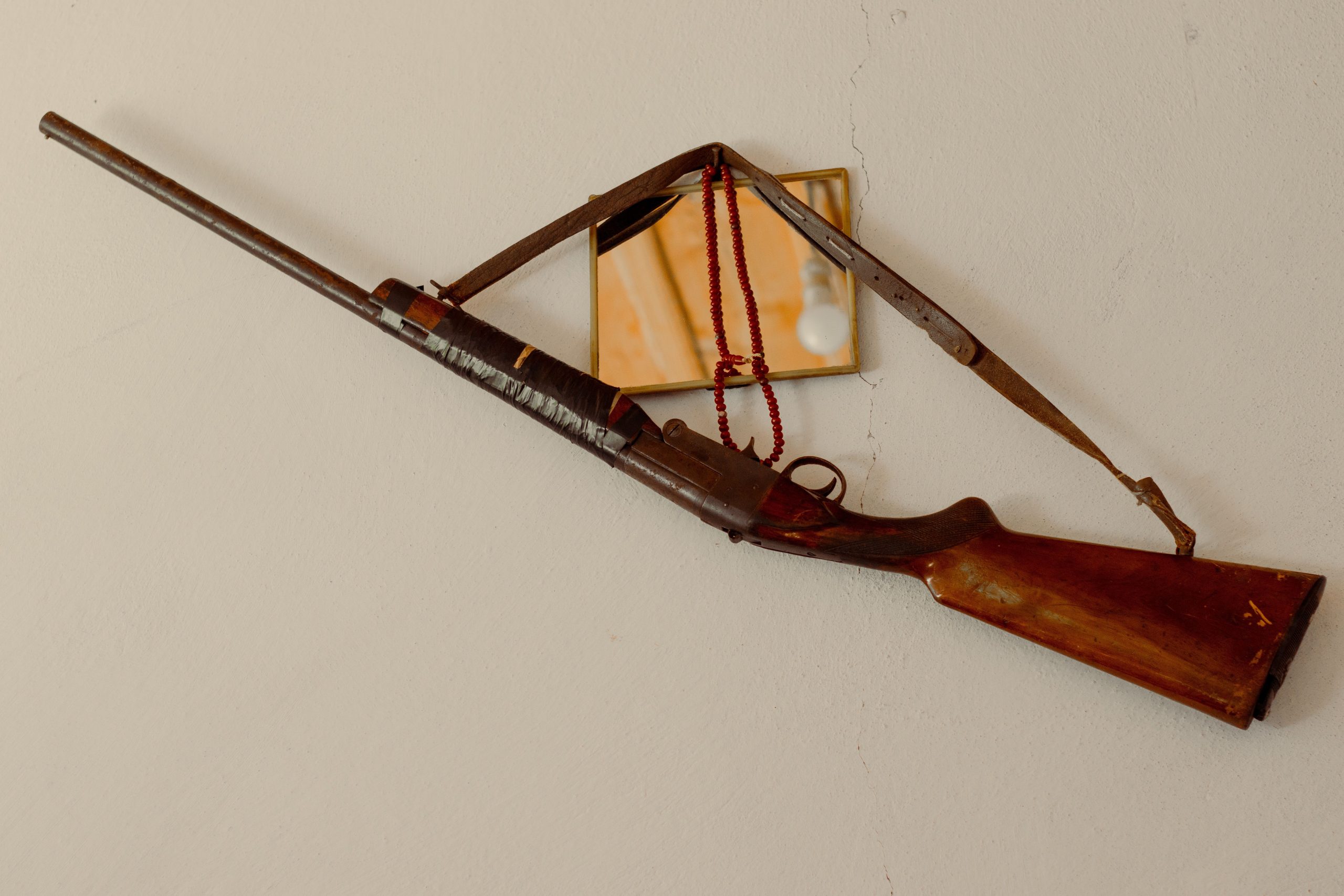
A straight stock keeps the grip and comb relatively low, giving a shotgun a classic profile and a direct feel in the hands. Its geometry can let recoil travel through the shoulder predictably, although perceived kick still depends heavily on fit, weight, and shooting stance. Many traditional side-by-sides use this shape because it supports a quick, natural mount. A well-fitted 14-inch length of pull may feel easier to manage than a poorly fitted stock of identical weight, showing why dimensions matter as much as style. That difference becomes especially apparent during practice.
3. Pistol-Grip Stock
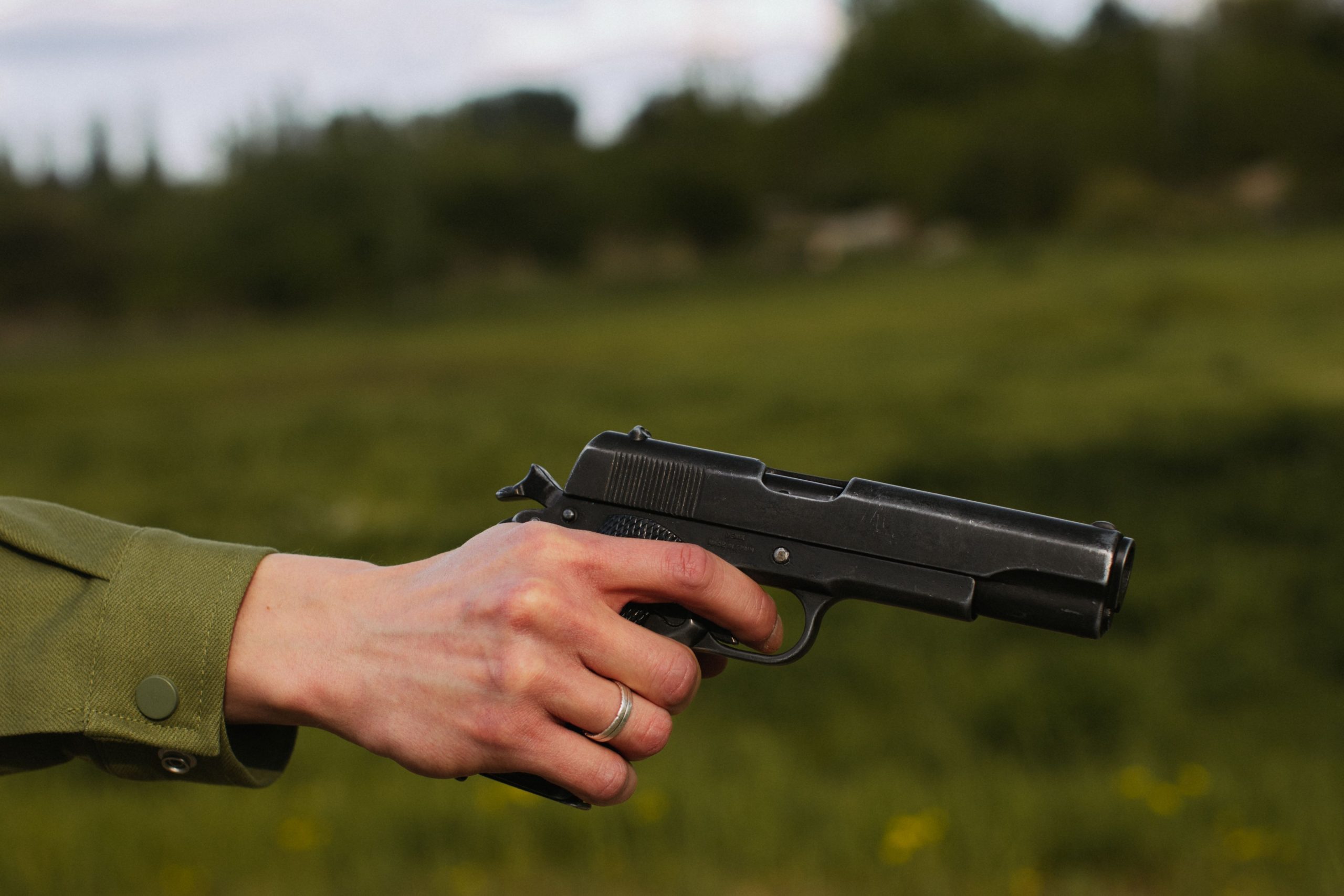
A pronounced pistol grip changes how the hand supports and controls a shotgun during recoil. Instead of relying on a nearly straight wrist, the shooter gets a more substantial grip that can help maintain control as the gun moves rearward. It does not erase recoil because the cartridge still produces its normal impulse. The grip can nevertheless make that movement feel more manageable by improving hand position and alignment. On a 12-gauge weighing about 7 pounds, small stock-fit differences can become obvious after 20 or more shots. Proper fit can matter more than grip shape alone.
4. Adjustable Comb Stock

An adjustable comb lets the shooter change the stock’s cheek position instead of accepting one fixed dimension. That matters because a comb that is too high, too low, or poorly aligned can concentrate pressure against the face and create an inconsistent mount. Changing comb height, and sometimes cast, allows closer fitting to the shooter’s build. A few millimeters can make a meaningful comfort difference. The recoil itself remains unchanged, but better contact can spread pressure more evenly and reduce unpleasant points of impact during a long shooting session.
5. Thumbhole Stock
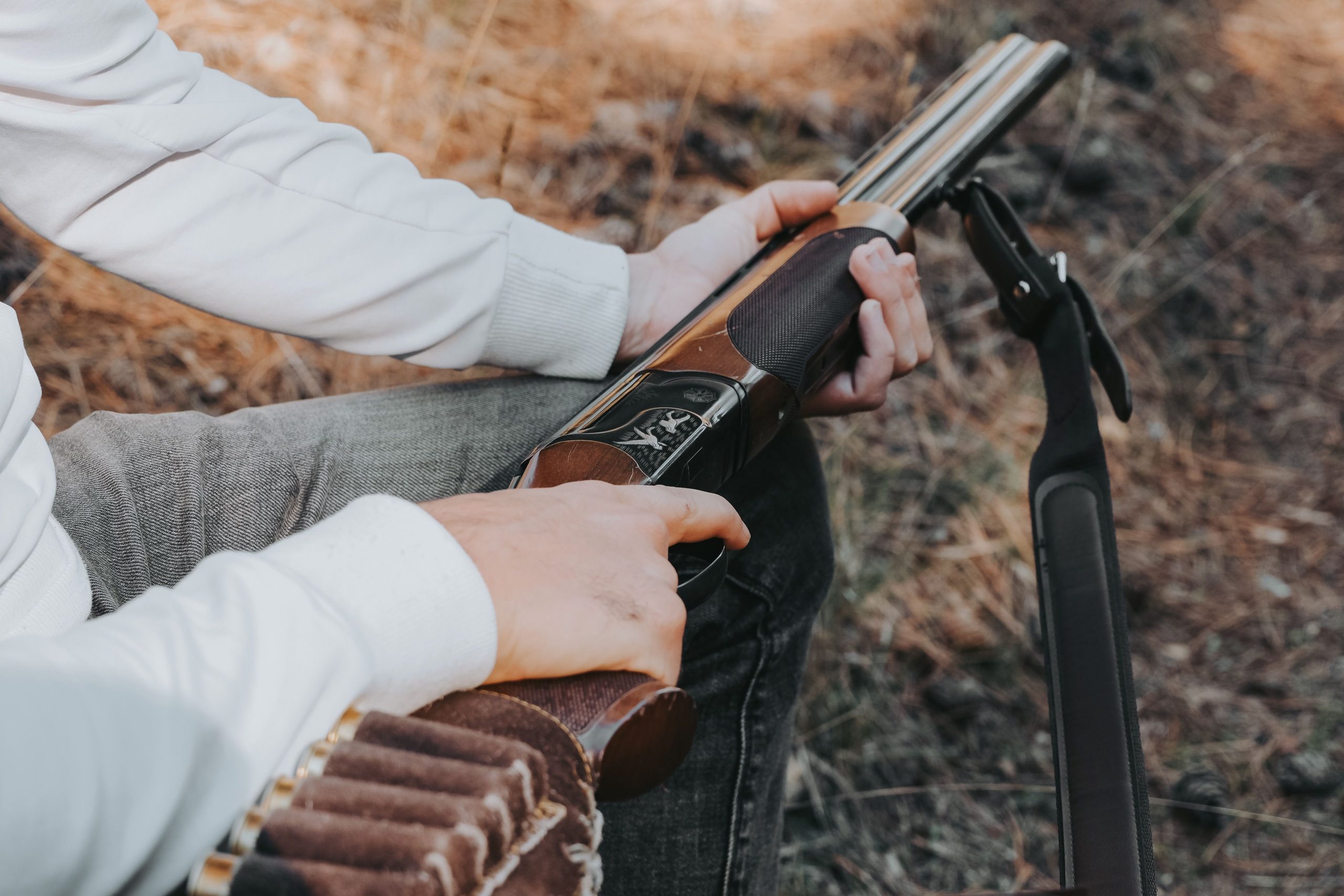
A thumbhole stock encloses the hand more than a conventional pistol grip, creating a distinctive relationship between the trigger hand and the stock. Its geometry can provide a secure, repeatable hold when the shooter’s hand fits it properly. The design does not reduce recoil energy, but it can change how the shooter perceives and controls the gun’s movement. Fit is crucial because a thumbhole that is too tight may become uncomfortable. On a 20-gauge, its effect can be subtle, while a heavier 12-gauge may make the difference easier to notice. It works best when the fit remains comfortable.
6. Recoil-Reducing Stock

Some stocks are designed specifically to soften felt recoil through springs, hydraulic units, moving components, or related systems. Rather than delivering the recoil impulse almost instantly, the mechanism can spread part of that movement over a longer period. The shotgun still generates recoil, but the sensation may become less abrupt. Depending on the design, the system can add several ounces or more than 1 pound to the gun. That added mass can also lower perceived recoil, so the softer feel may come from both the mechanism and the increased weight.
7. Adjustable Length-of-Pull Stock
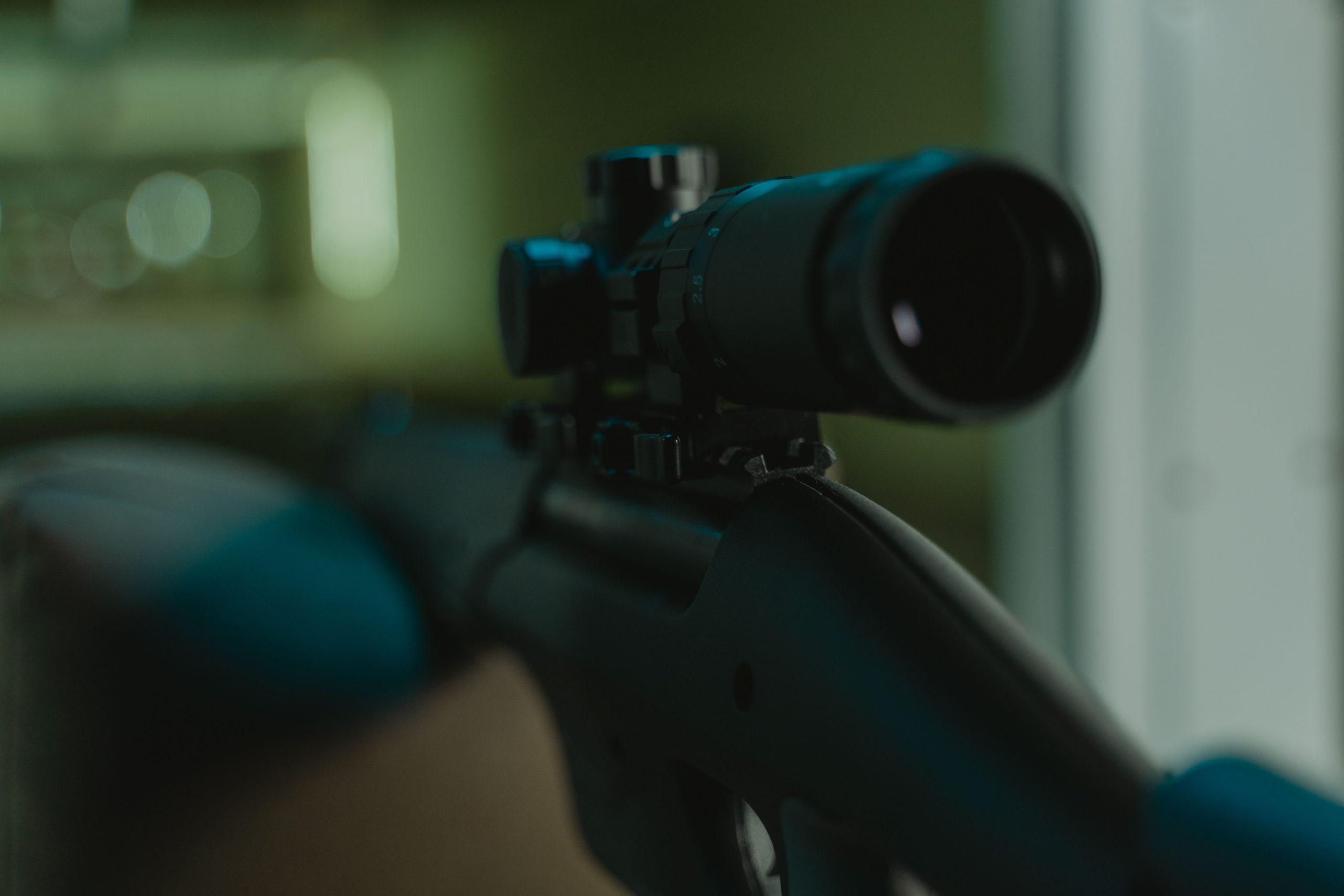
Length of pull is the distance from the trigger to the rear of the butt, and it strongly affects how comfortably a shooter can mount a shotgun. An adjustable stock lets that measurement change instead of forcing everyone into one size. If it is too long, shoulder contact can suffer; if too short, the gun may crowd the shooter. Neither condition changes cartridge recoil energy, but both can make the kick feel worse. A change of roughly 1/2 inch can be surprisingly noticeable, especially during a long session of 25 or more shots. Correct fitting can also improve consistency between shots.
8. Soft Recoil-Pad Stock
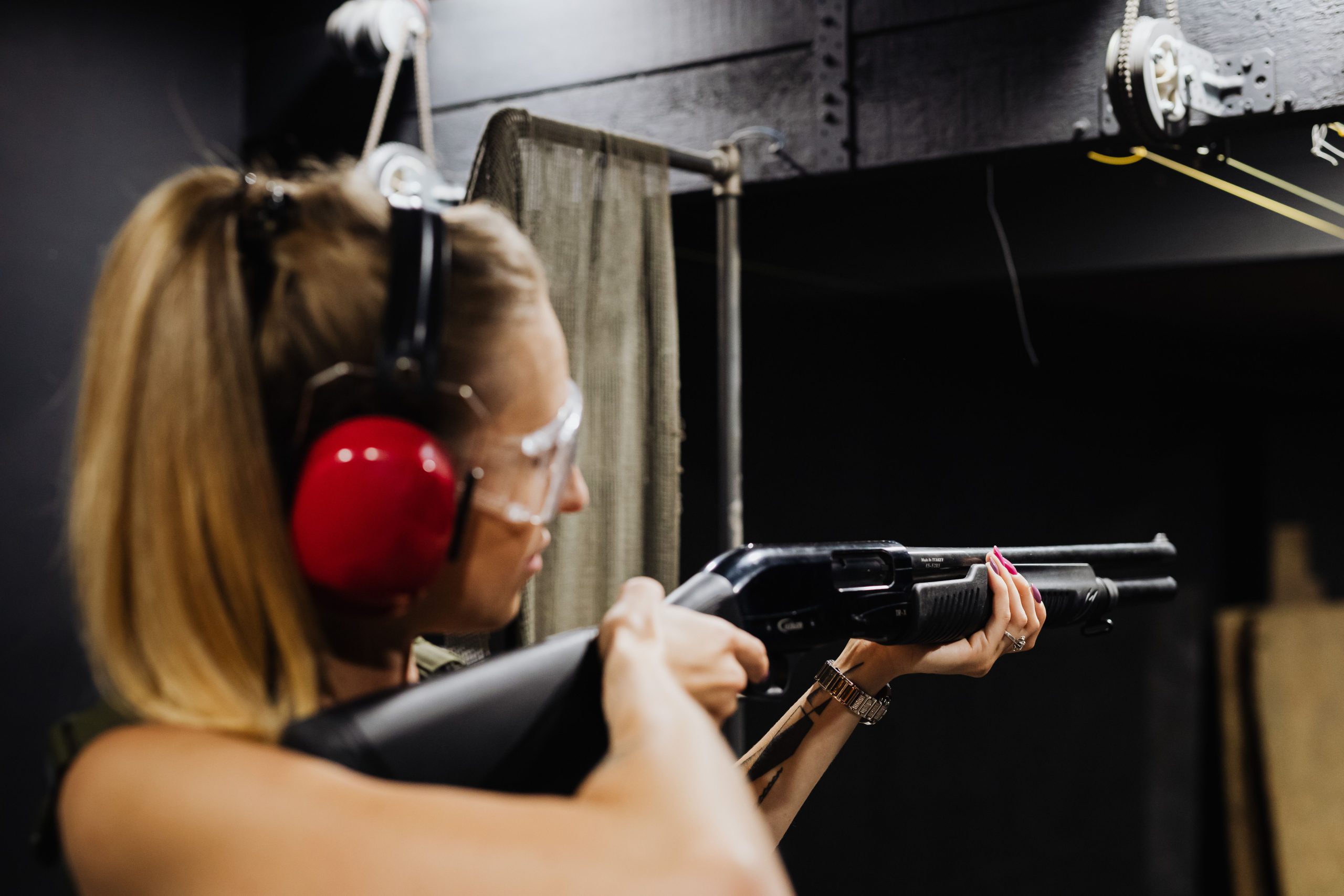
A stock fitted with a thick, compliant recoil pad can change the final stage of recoil by increasing contact area and cushioning the shoulder. Materials differ greatly, so two pads with similar dimensions may feel completely different. The pad also needs to sit squarely against the shoulder rather than touch at an awkward angle. A 7-pound 12-gauge can feel noticeably different after 25 shots when the pad fits correctly. It does not eliminate recoil, but it can reduce pressure peaks and make repeated shooting more comfortable. This matters when comfort matters more than appearance.