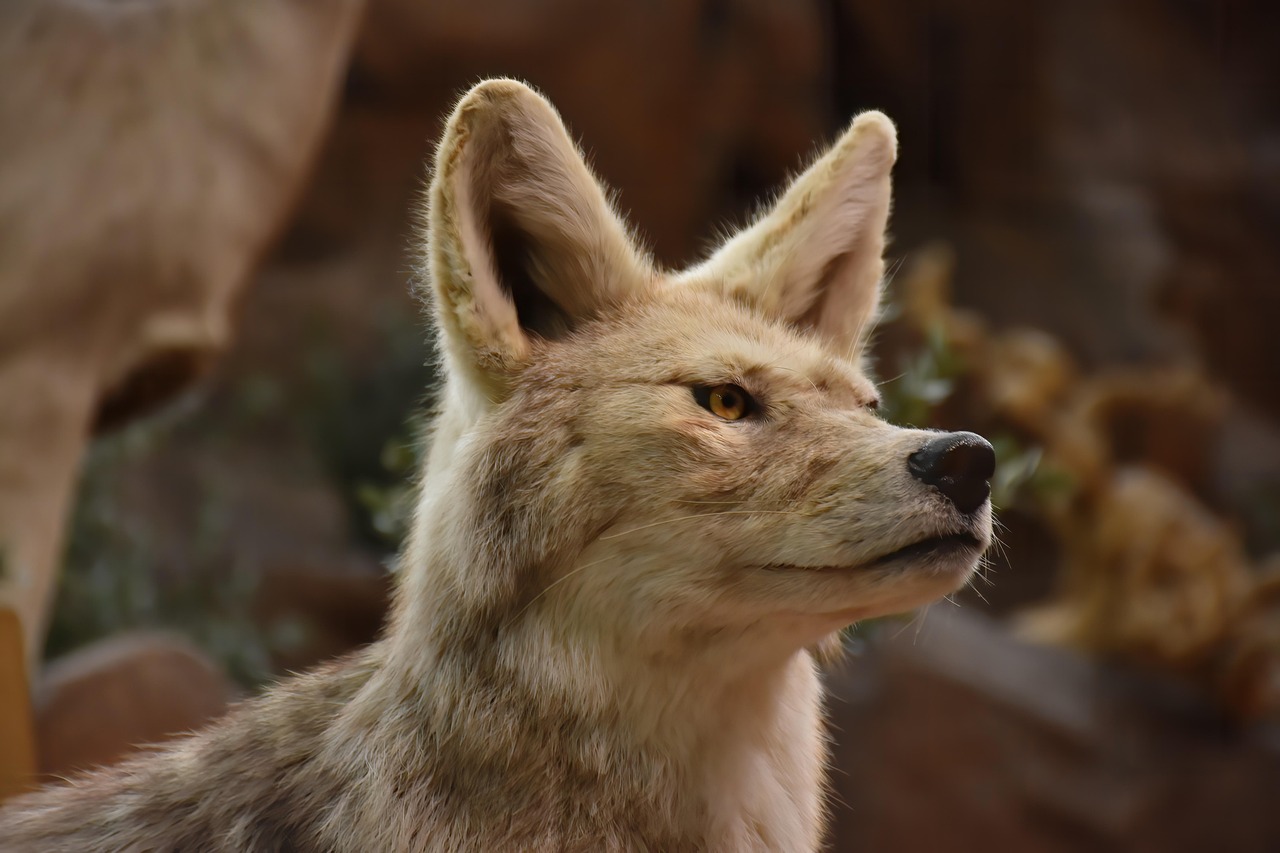
Ask enough experienced coyote hunters what still works, and you’ll hear less hype and a lot more hard-earned preference. The calls on this list aren’t here because they’re flashy or heavily marketed, they’re here because hunters keep reaching for them when they need coyotes to commit. From classic distress sounds to subtler social vocals, these are the sounds veterans rank above the latest sales pitch.
Jackrabbit Distress Call

If there’s one sound veteran coyote hunters almost never dismiss, it’s a good jackrabbit distress. Even in places where jackrabbits aren’t thick, the high-energy panic of this call can flip a predator’s switch fast. It has reach, emotion, and just enough chaos to sound like an easy meal that won’t last long.
Hunters like it because it covers a lot of situations without feeling overly specialized. On windy days, across open country, or when you need to pull from distance, this is still a go-to. Experienced callers often say it’s less about brand names and more about whether the sound feels raw, urgent, and believable when it leaves the call.
Cottontail Distress Call

The cottontail distress call stays near the top of almost every serious predator hunter’s list because it simply keeps producing. It has a familiar, natural pitch that coyotes seem to trust, especially in country where small rabbits are a regular part of the menu. It’s the kind of sound that rarely feels out of place.
Seasoned hunters appreciate how versatile it is. You can run it soft in tighter cover or push it harder across a field edge and still sound convincing. That flexibility matters more than packaging or buzzwords, and it’s why many hunters rank a well-tuned cottontail call above newer products promising instant action.
Rodent Squeaker Call

Rodent squeaks don’t have the drama of louder distress calls, but experienced coyote hunters know that subtle can be deadly. When a coyote hangs up, circles wide, or just won’t fully commit, those tiny squeals can be the final nudge. They suggest vulnerability without making the setup feel overplayed.
This call shines when the action is close and every movement matters. Veterans often keep one ready for the last few minutes of a stand, especially after larger prey sounds have done the heavy lifting. It’s not about volume or spectacle here. It’s about realism, control, and the kind of finishing touch that turns a sighting into a shot opportunity.
Pup Distress Call
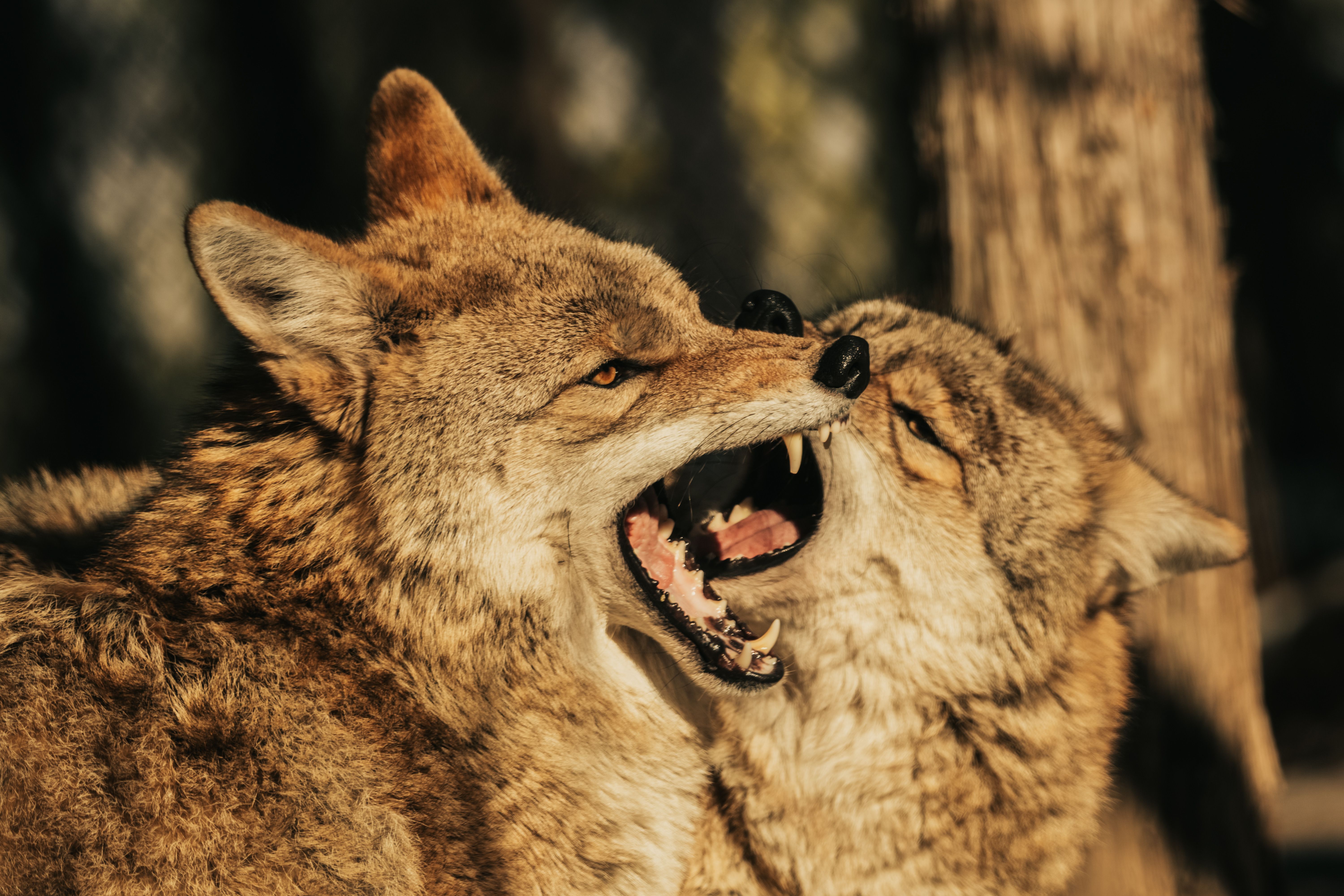
Few sounds create urgency like a coyote pup distress call. Hunters who have spent years watching coyote behavior say this one can trigger a fast, emotional response when standard prey distress loses its edge. It taps into curiosity, dominance, and territorial instinct all at once, which makes it especially powerful later in the season.
The key is using it with confidence and timing, not as a gimmick. Experienced callers often save it for stubborn stands or as a change-up after rabbit sounds. When it works, it can work in a hurry. That kind of reaction is exactly why seasoned hunters keep ranking it ahead of trendier calls with bigger ad budgets.
Female Invitation Howler

A female invitation howl is one of those calls experienced hunters respect because it speaks the coyote’s own language. Instead of sounding like prey, it leans into social behavior and seasonal instinct. During breeding periods especially, this call can pull in coyotes that might ignore distress sounds they’ve already heard too often.
Hunters rank it highly because it feels strategic rather than random. A good invitation howl isn’t loud just for the sake of being loud—it’s smooth, measured, and believable. Veterans often use it to start a stand or to shift the mood when prey sounds aren’t producing. That versatility gives it lasting value beyond whatever new gadget happens to be trending.
Interrogation Howl Call

The interrogation howl earns a place on lists like this because it helps hunters locate and engage coyotes without immediately sounding aggressive. It’s a cleaner, more neutral vocalization, and experienced callers use it to start a conversation rather than pick a fight. That can matter when coyotes are cautious or heavily pressured.
What seasoned hunters like most is the information it can reveal. A response tells you where coyotes are, how they’re moving, and sometimes how committed they might become. Used well, it sets up the rest of the stand with purpose. That practical value is exactly why many hunters trust it more than heavily marketed calls built around pure volume.
Ki-Yi Call

The ki-yi call has long been respected by coyote hunters because it can trigger a response that feels part curiosity and part confrontation. It mimics a hurt coyote, and that emotional edge can bring animals in that aren’t reacting to ordinary prey distress. In the right hands, it’s a serious tool, not just an old-school trick.
Veterans often turn to it after a missed shot, a spooked stand, or when they suspect territorial coyotes are nearby. It can sound vulnerable, competitive, and chaotic all at once. That layered reaction is hard to replicate with trendy, one-note calls, which is why experienced hunters still rank a good ki-yi among their most trusted options.
Bird Distress Call

Bird distress calls don’t always get the same spotlight as rabbit sounds, but plenty of experienced hunters swear by them when coyotes have heard everything else. The frantic, high-pitched flutter of a bird in trouble can feel fresh, especially on pressured ground where common sounds start blending together. Sometimes different is exactly what opens the door.
Hunters value this call because it adds realism without overcomplicating the stand. It works well as a change of pace and can be especially useful in mixed habitat where birds are part of the everyday soundscape. That natural fit gives it staying power, and it’s why many veterans keep it close despite all the newer products fighting for attention.