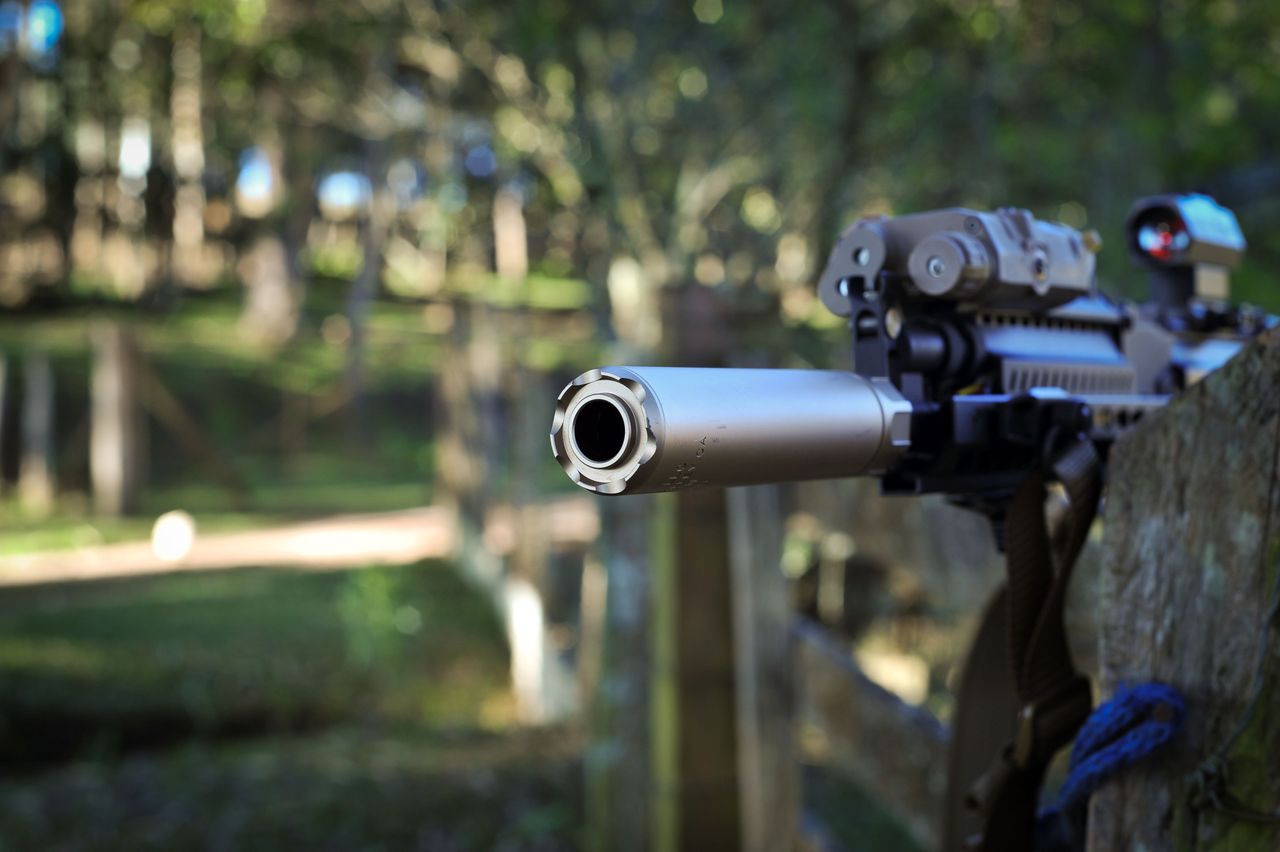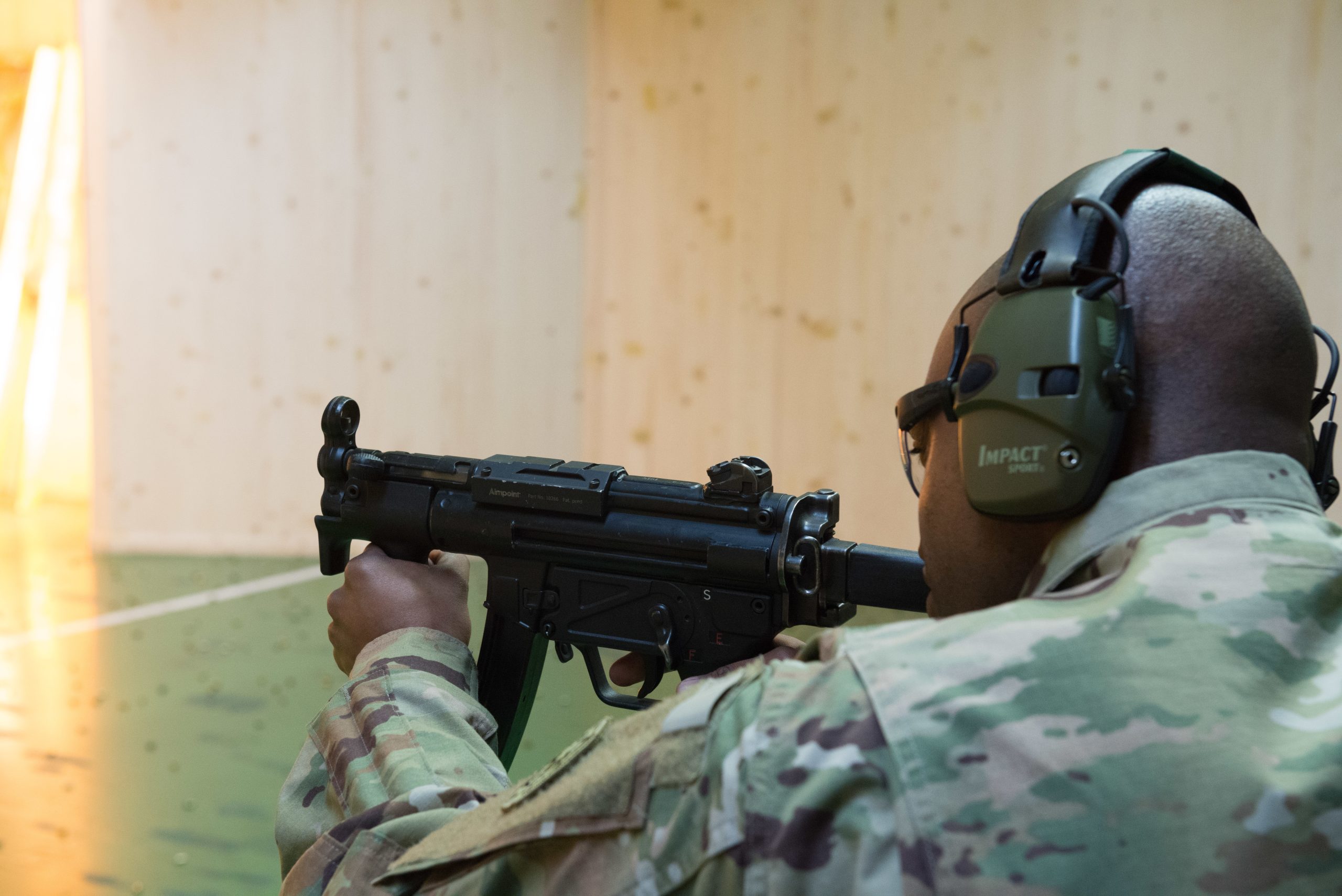
The HK MP5 is one of those firearms whose price can seem puzzling until its history and engineering are examined closely. A modern 9 mm platform can cost far less, yet the genuine HK version continues to command a substantial premium. The reason is not one magical feature. It is a combination of specialized manufacturing, distinctive mechanics, German production, decades of professional use, limited availability, and a name that has become almost synonymous with the classic submachine gun. Here are eight factors that help explain the extraordinary price attached to authentic HK examples and the civilian SP5.
1. Precision Manufacturing Is Part of the Price
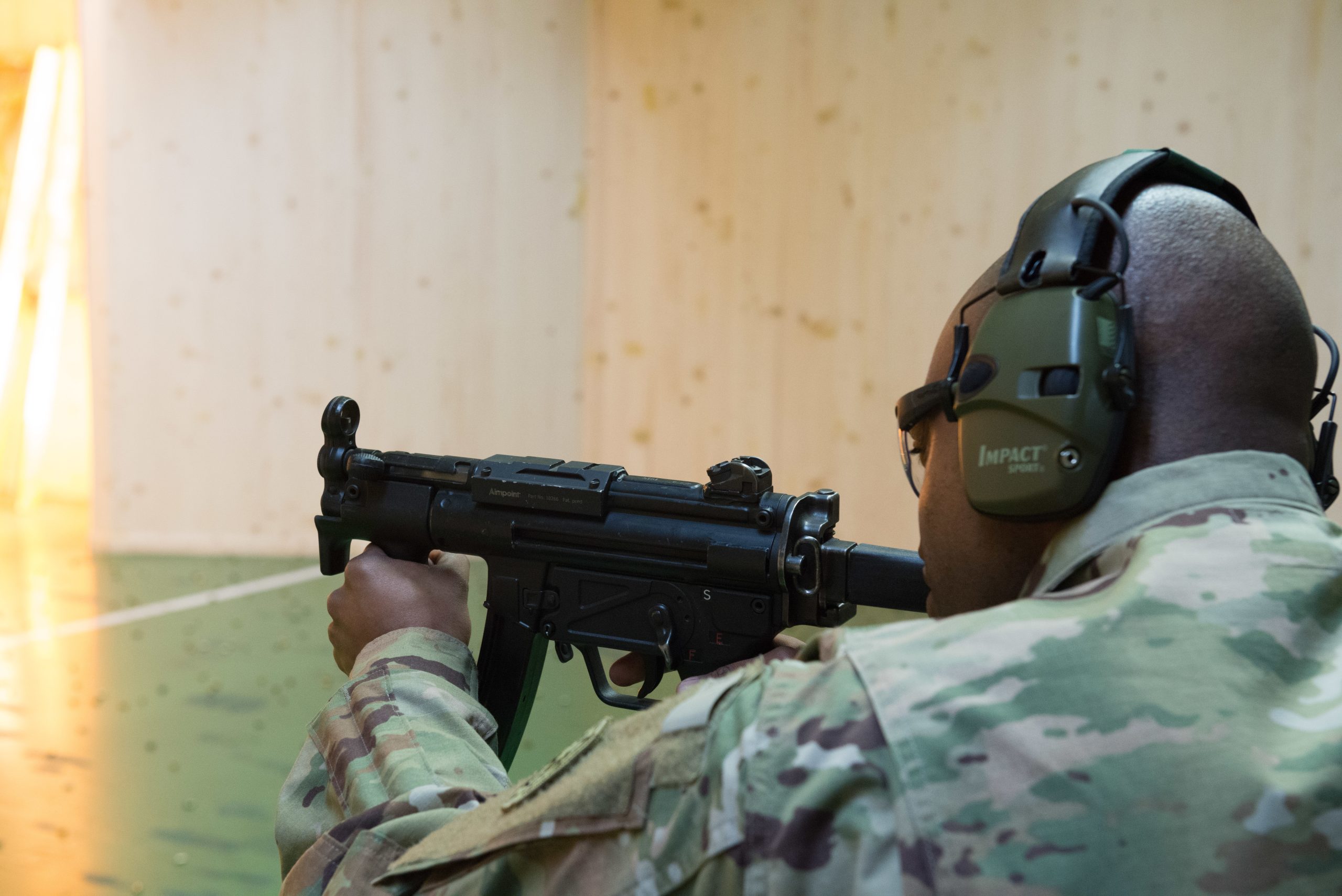
The MP5 was never designed as a bargain weapon. Its reputation grew from a manufacturing philosophy built around close tolerances, carefully finished components, and a roller-delayed system inherited from HK’s earlier G3 work. The civilian SP5 still reflects that approach: HK says it is made at the Oberndorf factory on the same lines and by the same workforce that has produced MP5s for years. The result is a product with substantial machining and inspection behind it. That helps explain why a 9 mm platform can command a premium rather than selling like a mass-market pistol-caliber. This level of finish adds cost, but it also helps explain why the rifle has retained a premium reputation.
2. The Roller-Delayed Action Is Not a Simple Blowback
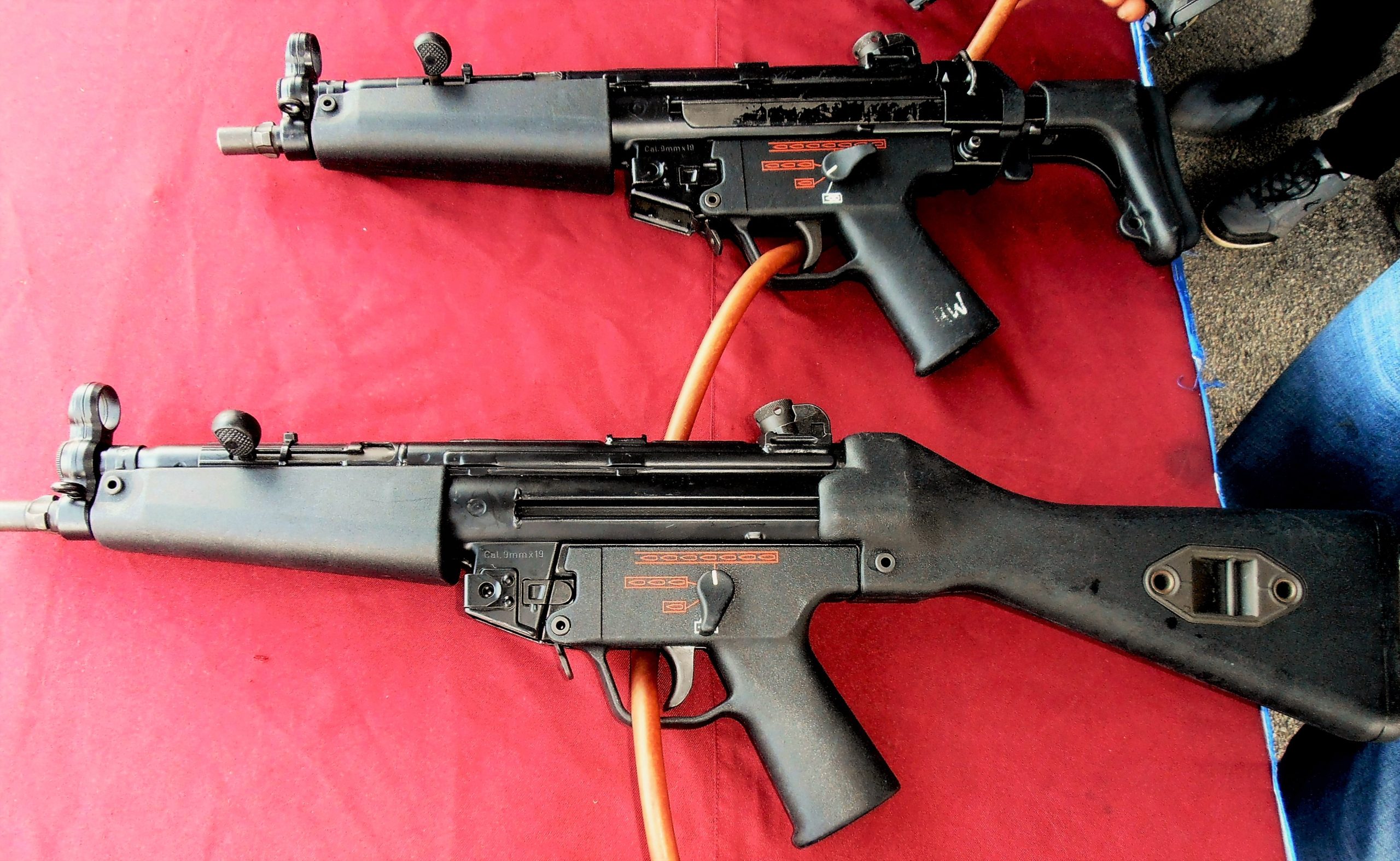
One major secret behind the MP5’s cost is its unusual operating system. Instead of using the straightforward blowback arrangement common on many 9 mm firearms, the MP5 uses roller-delayed blowback and fires from a closed bolt. HK describes the system as a defining feature because it contributes to controlled recoil and precision. The mechanism traces its lineage to the G3, making the design part of a larger HK engineering tradition. That sophistication brings more specialized components and fitting than a basic action. In short, buyers are paying for an engineering solution that has remained distinctive for decades. That complexity is part of the premium.
3. The MP5’s Reputation Was Built Over Decades
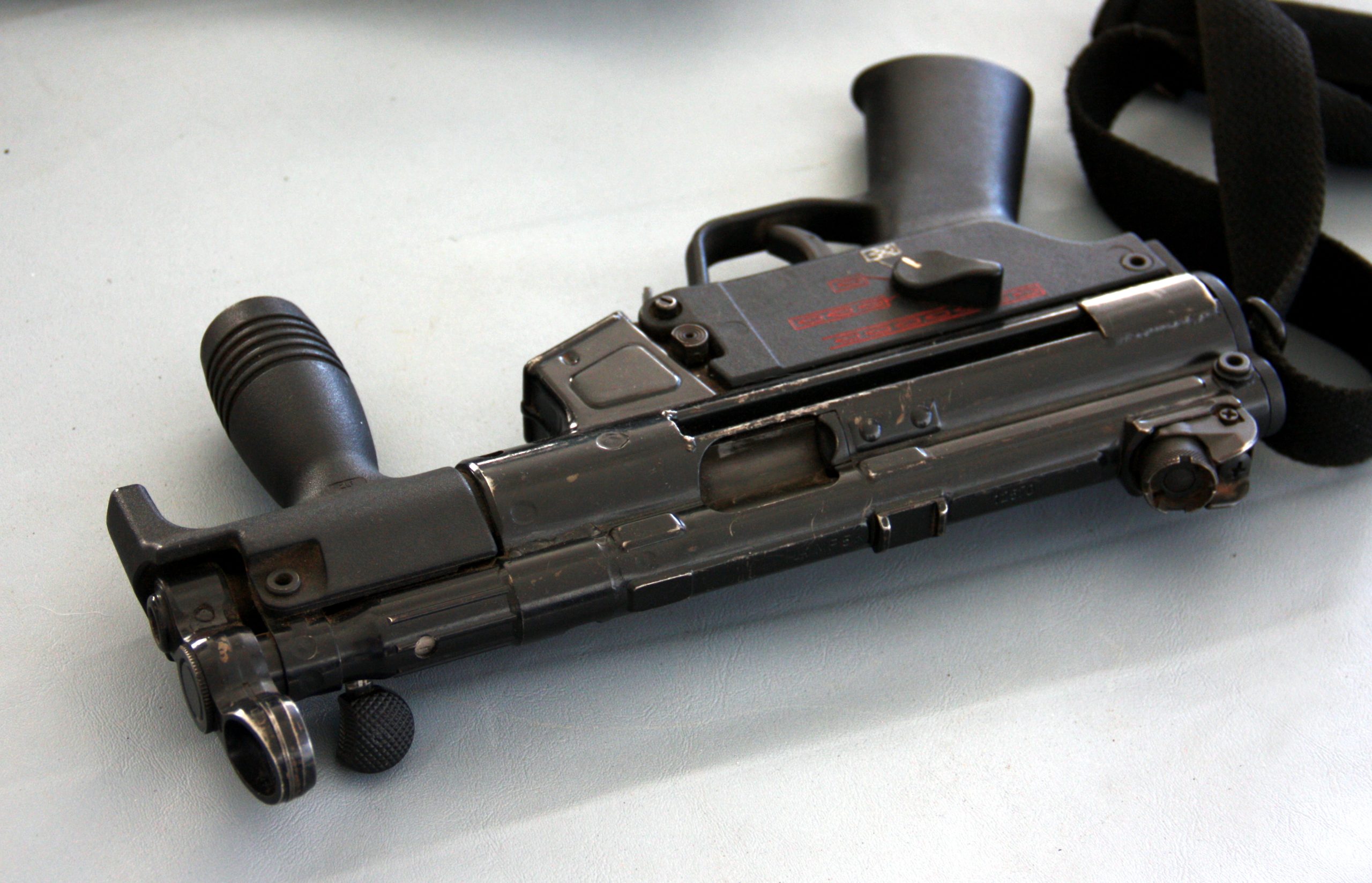
Price is also influenced by something that cannot be stamped onto a receiver: history. The MP5 emerged from 1960s development and went on to become one of the best-known submachine guns in military and police service. HK currently describes it as the world’s most popular submachine gun, while emphasizing its long record of reliability and precision. That reputation has created a collector and enthusiast market around authentic HK examples and civilian SP5 models. A product with decades of institutional use and recognition naturally carries more brand value than a newer design with similar basic dimensions. Its history therefore adds market value.
4. Authentic HK Production Is Different From a Generic Clone
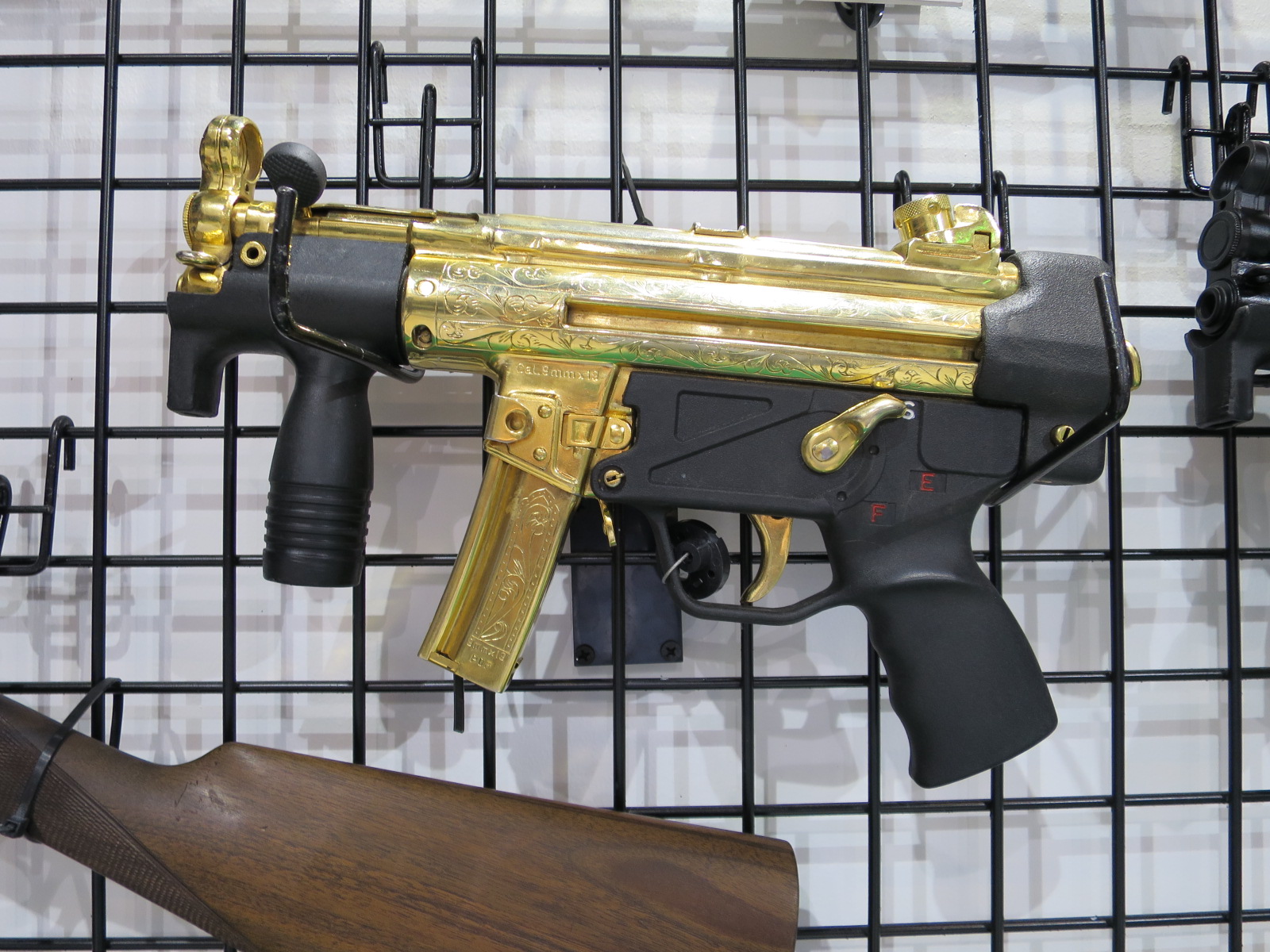
The MP5’s popularity produced a large family of copies and related designs, but an original HK product occupies a different place in the market. HK’s SP5 was introduced as a civilian semi-automatic version that retains critical MP5 characteristics, and the company says it is built in Germany using its established production infrastructure. That matters because the price reflects provenance as well as function. A buyer is not simply paying for a 9 mm firearm; they are paying for an authentic product connected directly to the manufacturer that created the platform. The HK markings therefore carry real commercial weight. That provenance is part of the premium.
5. The Civilian SP5 Preserves the Formula
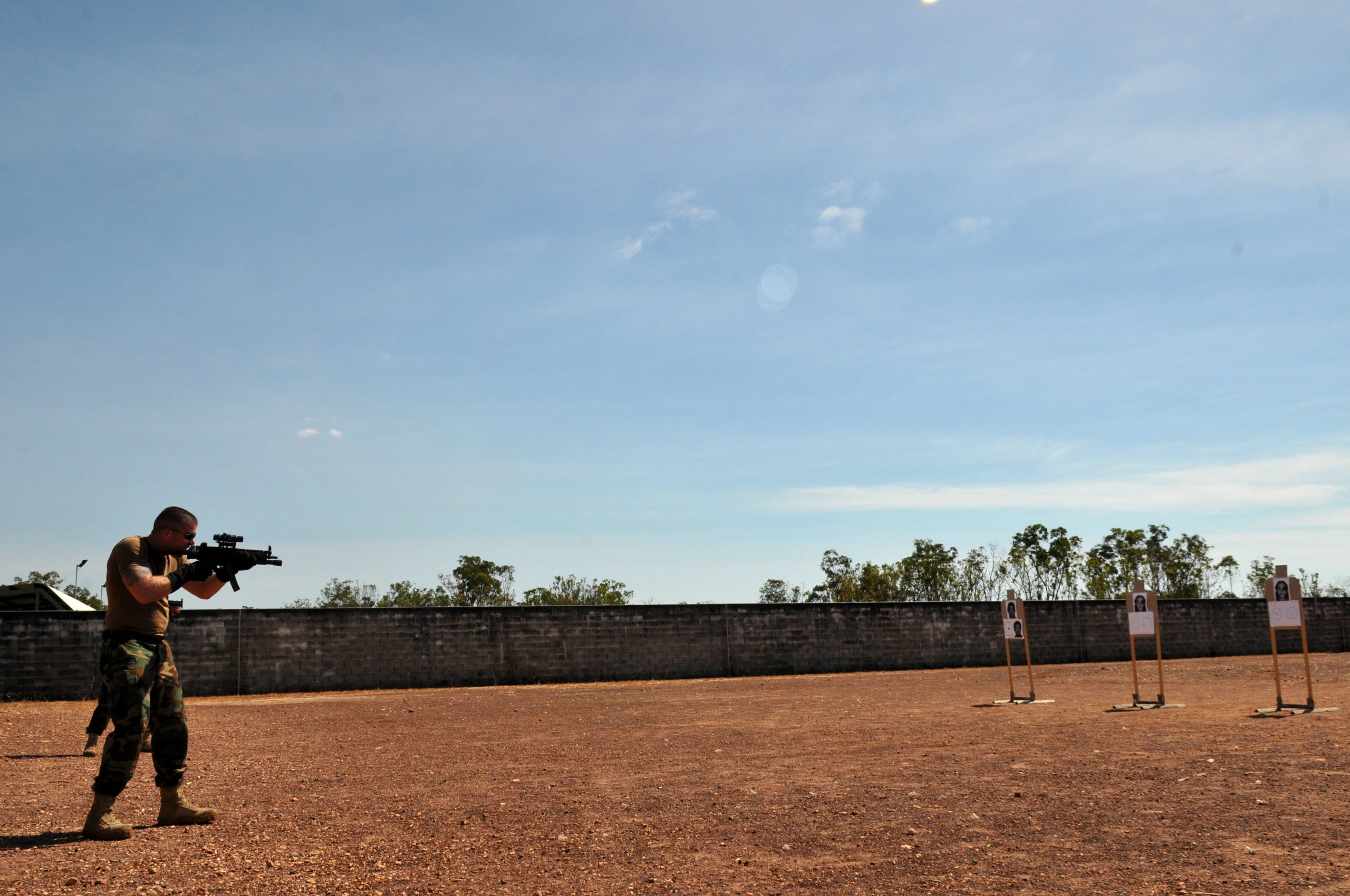
Today’s closest factory-made civilian connection to the MP5 is the SP5, and its specifications show how closely HK preserved the original concept. It is chambered in 9×19 mm, operates with roller-delayed blowback, and is offered with 10-, 15-, or 30-round magazine options depending on market and configuration. HK lists the standard SP5 with a 225 mm barrel, while the SP5K uses a 115 mm barrel. The company originally launched the SP5 in the United States at a $2,799 MSRP. That starting figure alone shows how authenticity, German manufacture, and the MP5 name combine to create a premium product. Those details reinforce its premium identity.
6. The Brand Carries a Serious Premium
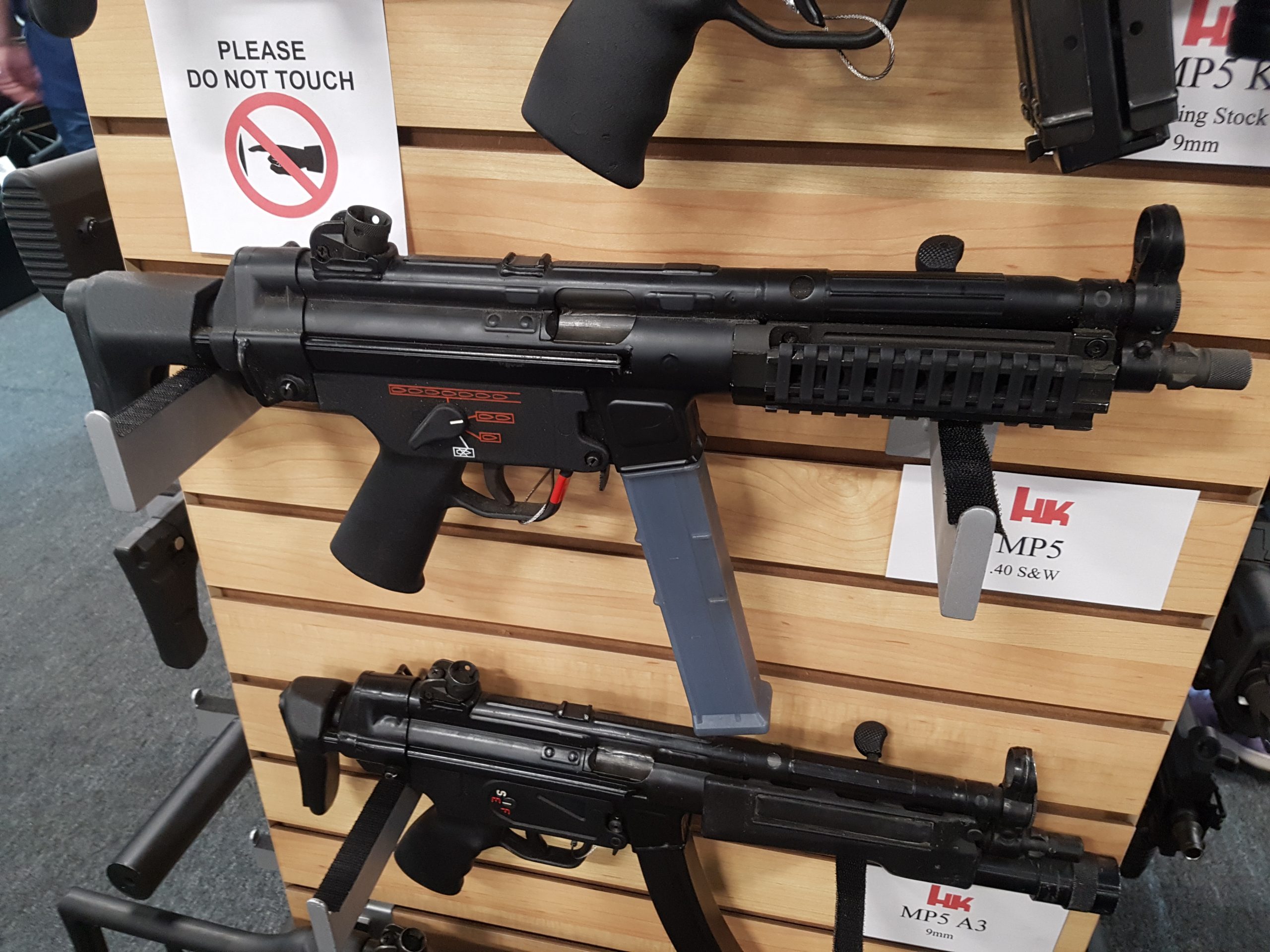
Heckler & Koch has positioned the MP5 family as a high-end professional platform rather than an inexpensive recreational product. Its current specifications list the full-size MP5 at roughly 800 rounds per minute and describe versions such as the MP5, MP5 SD, and MP5 K for different professional roles. Civilian buyers cannot simply purchase the original select-fire military configuration in the same form, so the SP5 serves as the legal semi-automatic counterpart in applicable markets. That distinction, combined with limited production and strong demand, helps maintain a price far above ordinary 9 mm carbines. That support also strengthens its premium position.
7. Limited Supply Can Make the Price Feel Even Higher
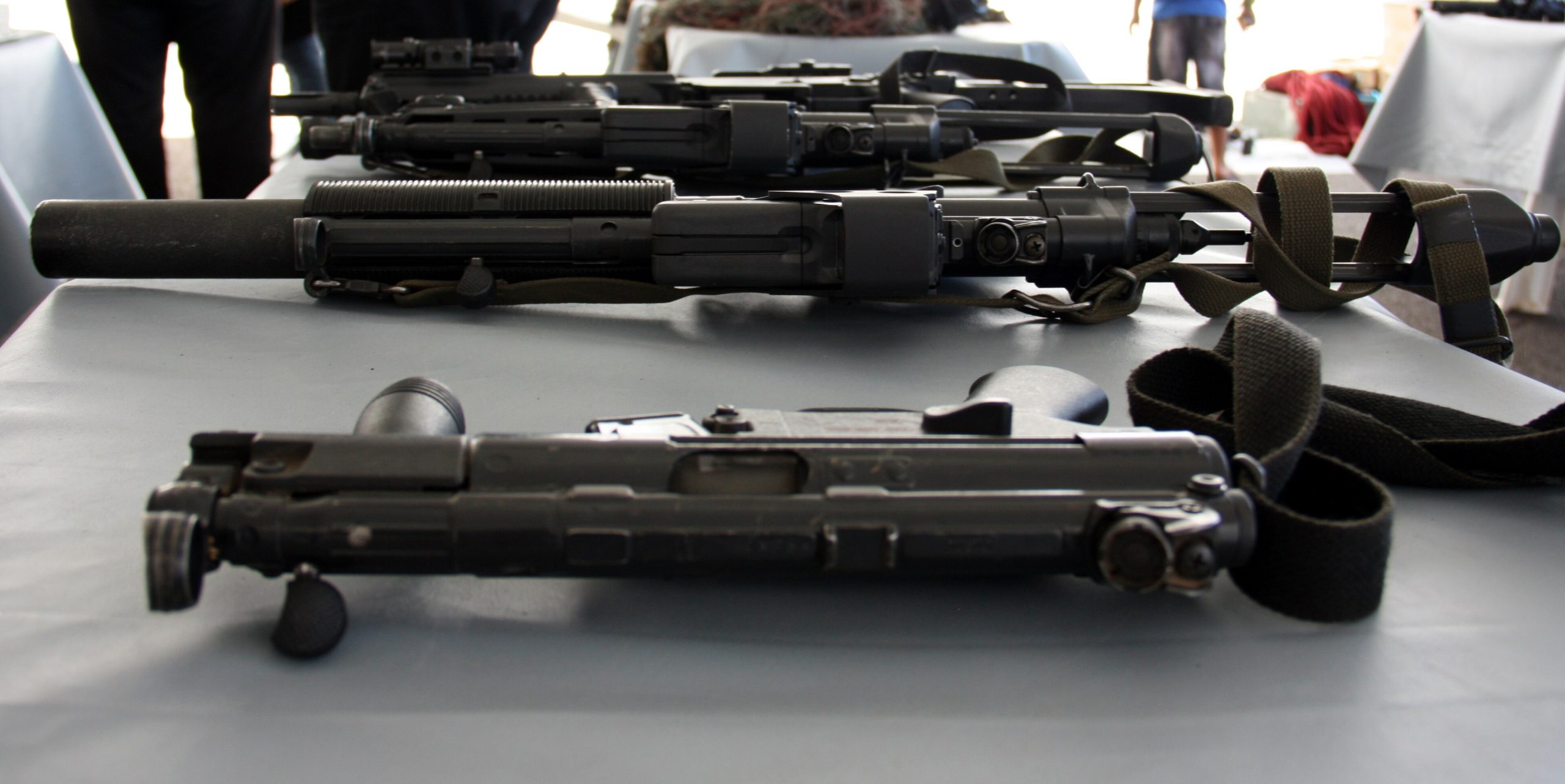
Another part of the mystery is availability. The MP5 is not produced like a mainstream consumer firearm, and genuine HK examples can be harder to find than less expensive alternatives. HK’s own business figures show continued demand across its product portfolio, while the company has also invested heavily in modernizing production. In 2020, HK said an investment package exceeding €25 million included 17 new machines and projected a 50 percent increase in MP5-family production. Even with greater capacity, the combination of specialized manufacturing, demand, and a famous name can keep authentic examples expensive. Scarcity can therefore affect collector pricing.
8. You Are Buying a Legacy, Not Just a 9 mm
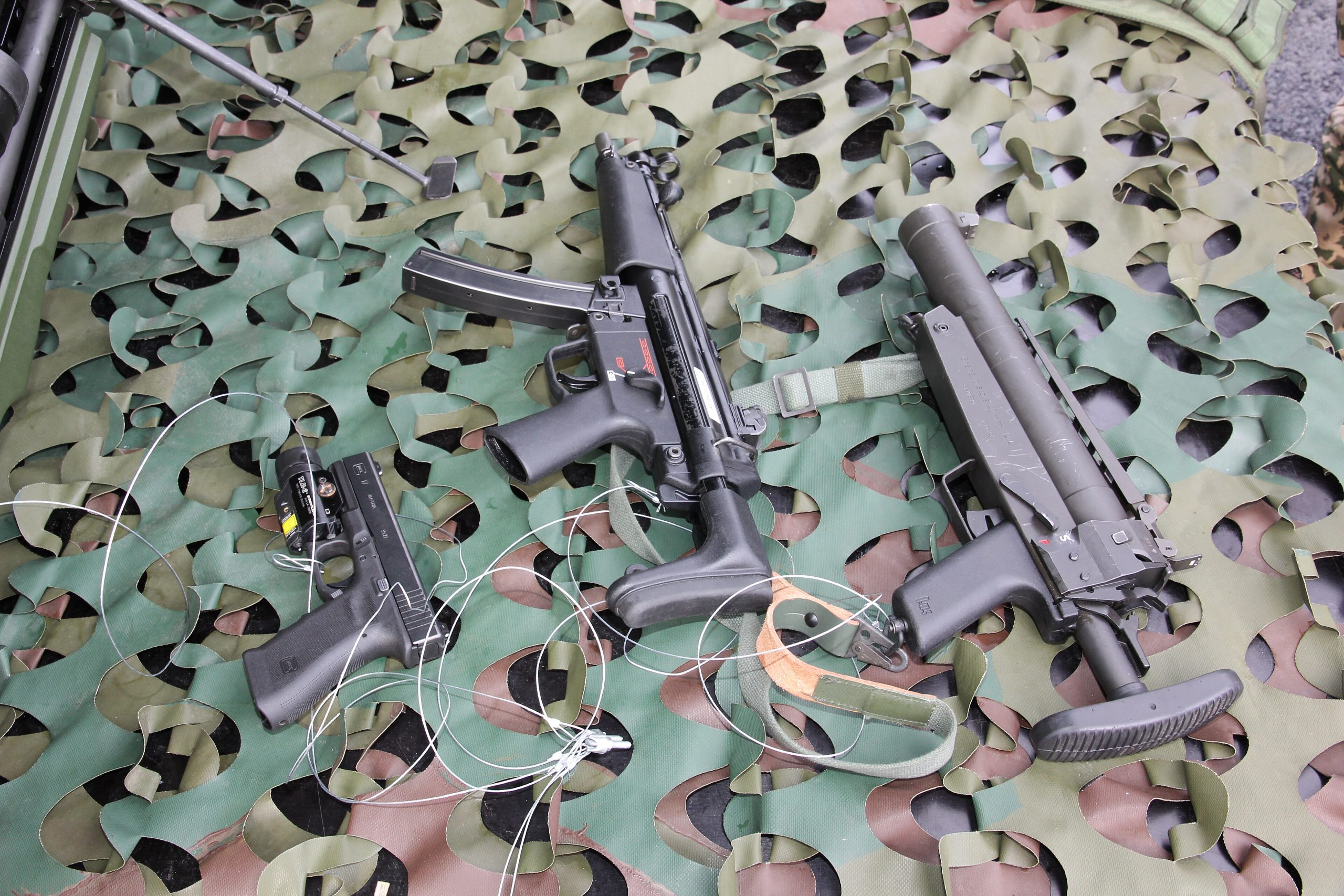
The biggest secret behind the MP5’s price is that its value cannot be measured by specifications alone. A modern 9 mm platform can offer similar magazine capacity, compact dimensions, or semi-automatic operation for dramatically less money. What the HK version adds is a documented design lineage, specialized roller-delayed engineering, German production, decades of professional service, and an instantly recognizable identity. HK’s current SP5 remains tied to a platform whose development began in the 1960s. That combination makes the price easier to understand: the premium reflects craftsmanship and heritage as much as the basic. That legacy is what cheaper alternatives cannot reproduce.