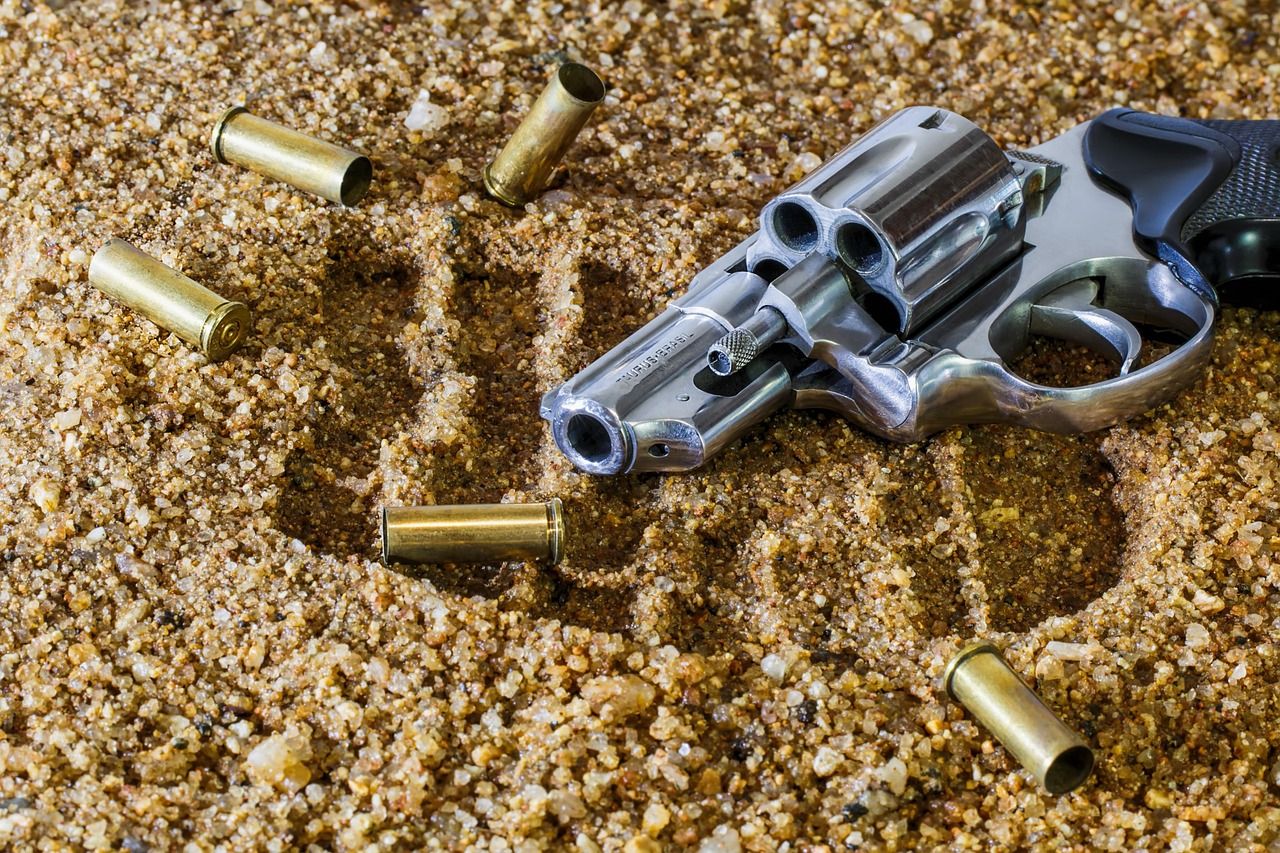
Some revolver cartridges were built for regular range time, field carry, and a whole lot of trigger pulls. But rising ammunition prices, limited production runs, and niche demand have turned several old favorites into calibers many shooters now ration instead of really enjoying. Here are eight revolver rounds that increasingly feel too expensive to shoot the way they were meant to be shot.
.357 Magnum
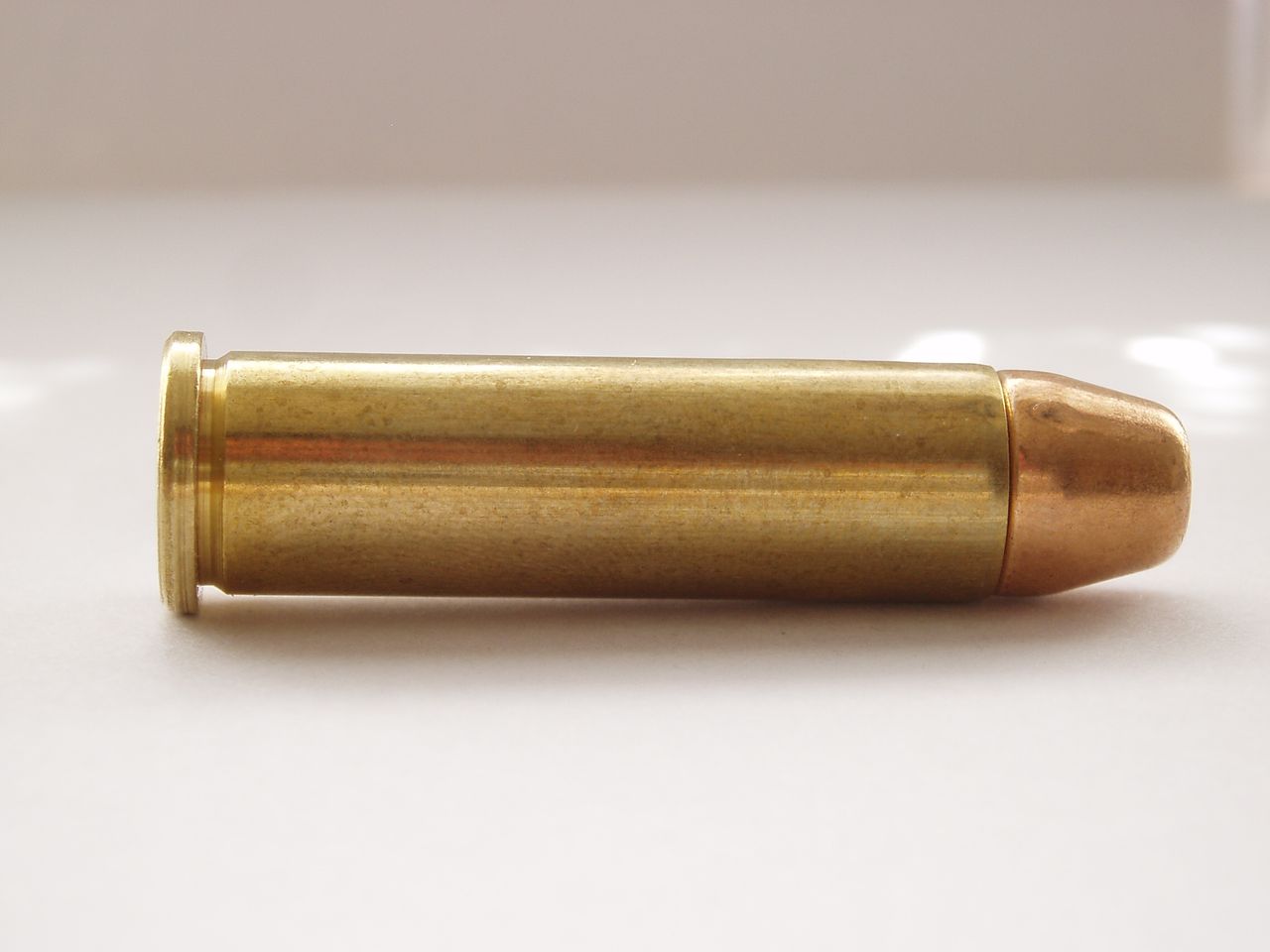
The .357 Magnum still has one of the strongest reputations in revolver history. It is versatile, effective, and endlessly fun in medium and large frame wheelguns, which is exactly why its rising ammo cost feels so noticeable. A cartridge this iconic practically begs for long range sessions, not a cautious box or two before packing up.
Factory loads now span everything from soft-shooting target rounds to premium defensive and hunting loads, and the price spread can be startling. Even basic range ammo often sits high enough that many shooters end up practicing with .38 Special instead.
That workaround helps, but it also changes the experience. The .357 was made to bark, flash, and run hard, and more owners are saving that full-power thrill for special occasions.
.44 Magnum
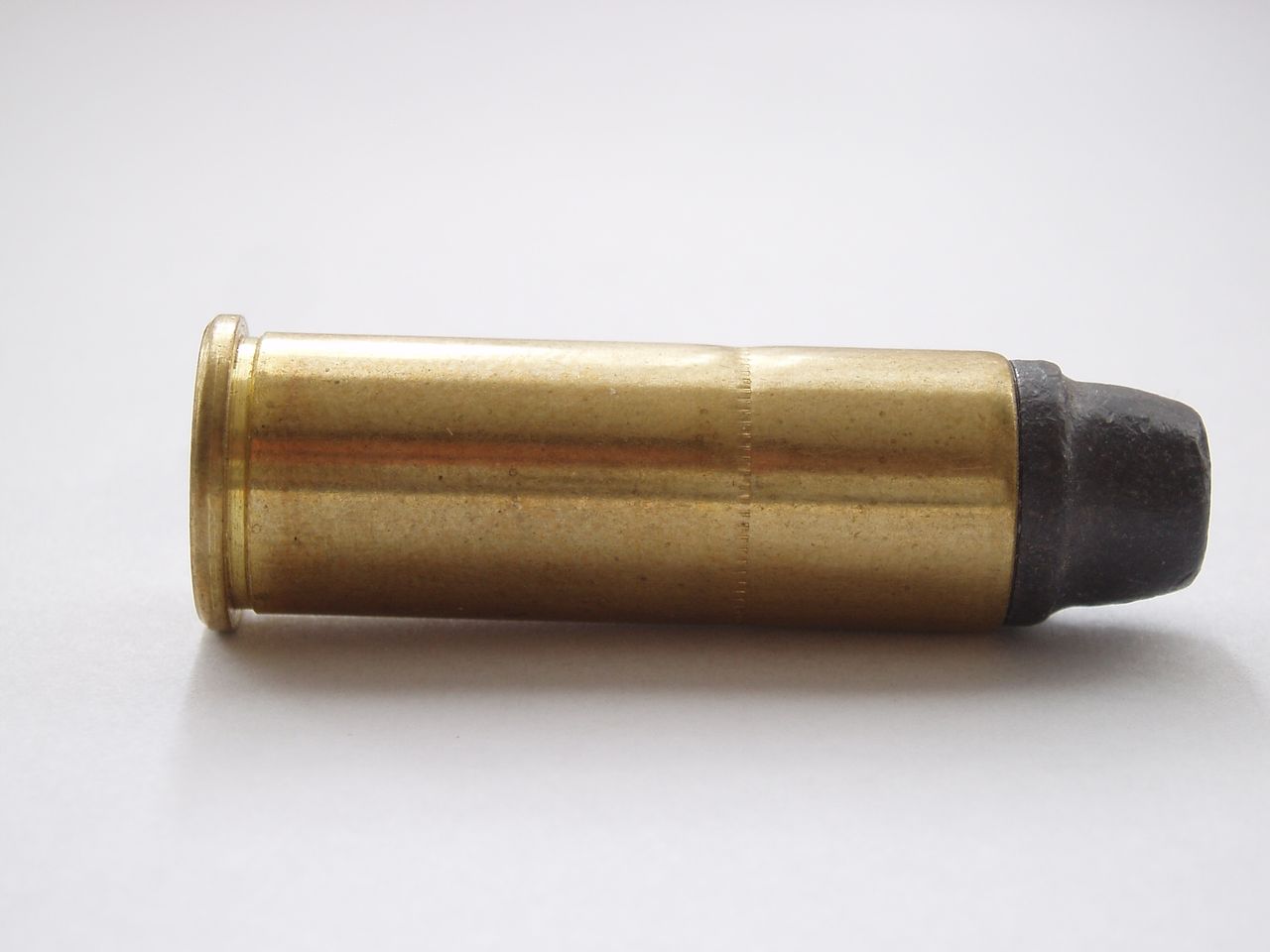
Few cartridges capture big-bore revolver drama like the .44 Magnum. It was built for serious hunting, backcountry protection, and pure range excitement, the kind of round you shoot because you want to feel every bit of that recoil and report.
That fun comes with a painful receipt now. Full-power .44 Magnum loads often carry premium pricing, and even casual plinking with factory ammo can turn into an expensive afternoon faster than most shooters expect.
Yes, .44 Special can soften both recoil and cost in compatible revolvers, but that is not really the same story. The .44 Magnum earned its legend at full tilt, and those full-throttle sessions are getting harder to justify regularly.
.45 Colt
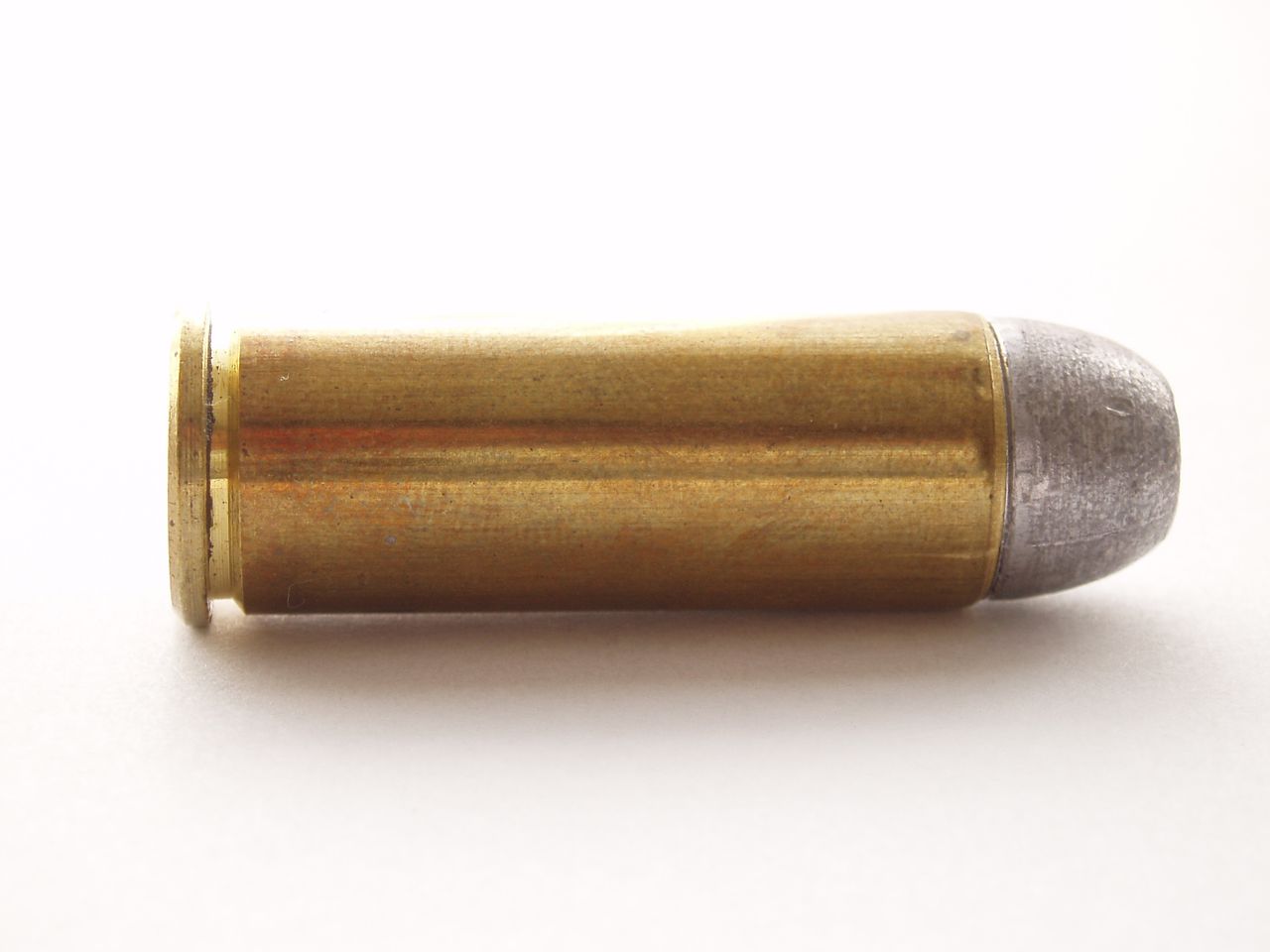
The .45 Colt has never been just another cartridge. It carries frontier history, cowboy-action appeal, and surprising versatility in modern revolvers, especially when loaded for stronger guns. It is the kind of round people want to shoot often because it feels tied to a whole tradition, not just a firearm.
Unfortunately, factory ammunition prices can be steep, especially for quality loads with consistent performance. Between standard pressure cowboy-style boxes and heavier hunting loads, the cost per trigger pull adds up quickly.
That matters because the .45 Colt shines with repetition. It is a round that invites leisurely range days and old-school enjoyment, but more shooters now treat each cylinder like it is a little more precious than it used to be.
.41 Magnum
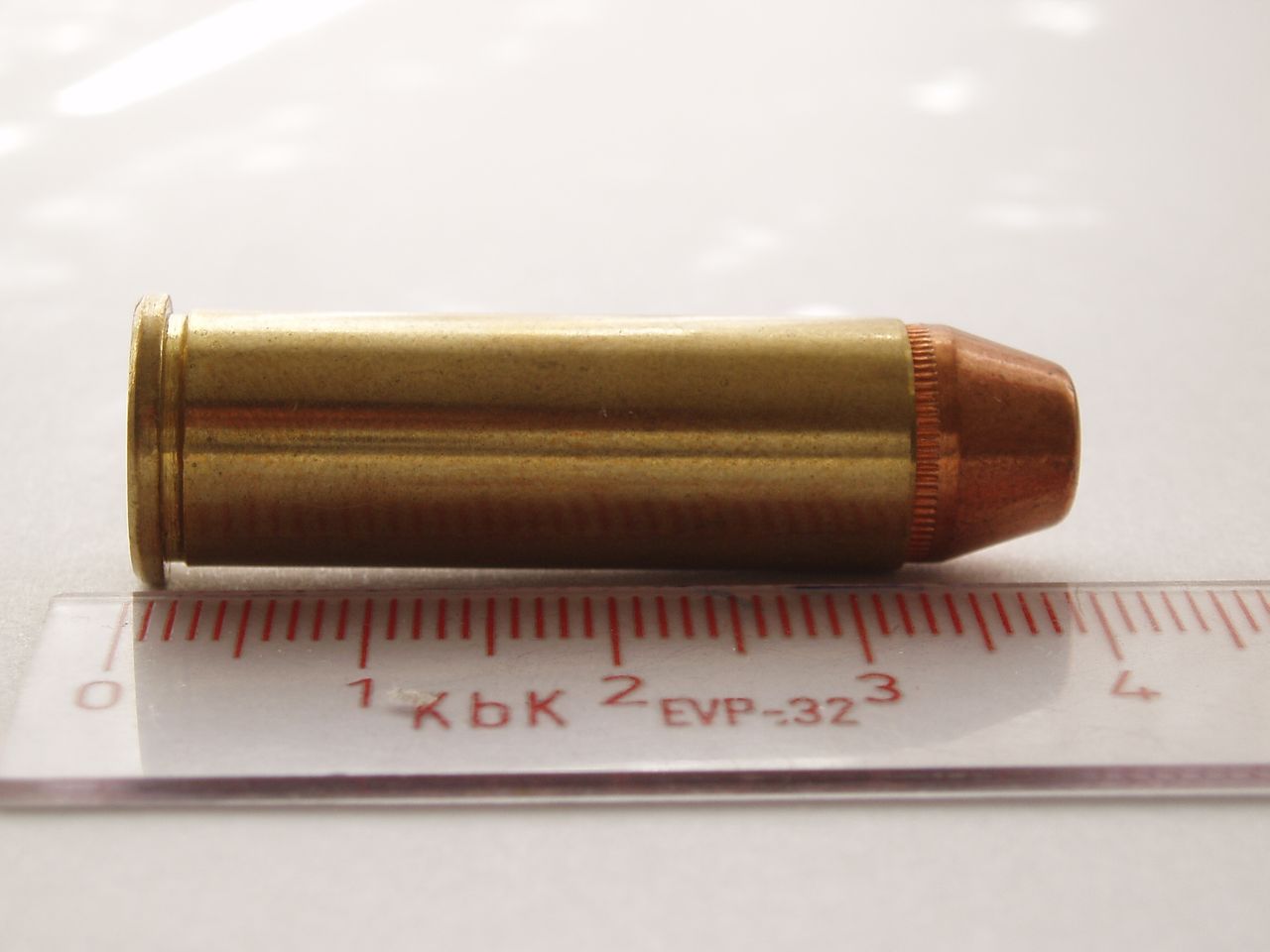
The .41 Magnum has always lived in a strange middle ground, admired by enthusiasts yet never embraced as widely as .357 or .44 Magnum. That smaller audience is part of the problem today, because limited demand often means fewer choices on shelves and less price competition.
When you do find it, factory ammo can feel downright boutique. That is frustrating for a cartridge that was supposed to offer a smart blend of power, flatter shooting performance, and shootability in the field.
For dedicated fans, the .41 still makes perfect sense. But for the average owner, the cost of feeding it regularly can turn a practical working caliber into something that sees more admiration than actual range time.
.327 Federal Magnum
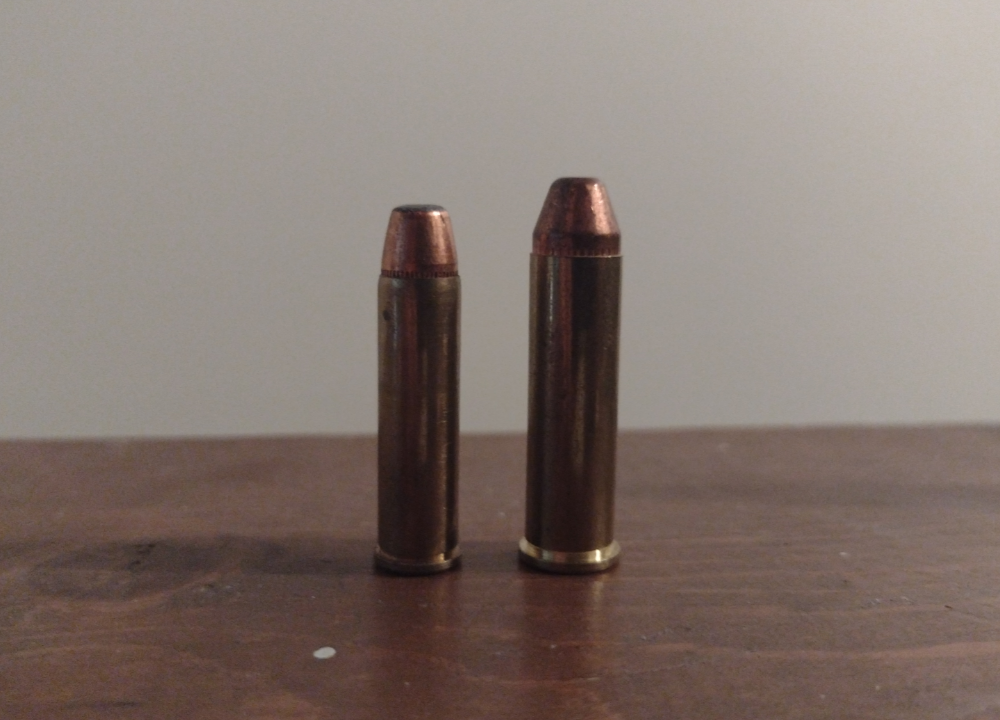
The .327 Federal Magnum does a lot right. It offers impressive velocity, mild-to-moderate recoil compared with larger magnums, and often an extra round in the cylinder, which gives small and medium revolvers real appeal.
Its challenge is not performance. It is availability and cost. Because it remains a niche cartridge, factory loads can be expensive and spotty, which discourages the kind of frequent shooting that would help more people appreciate what the round actually does well.
That creates a frustrating cycle. Owners know the .327 is useful and fun, but every range session feels like a budgeting exercise. A cartridge designed to be practical starts behaving more like a specialty item, and that changes how often it gets fired.
.454 Casull
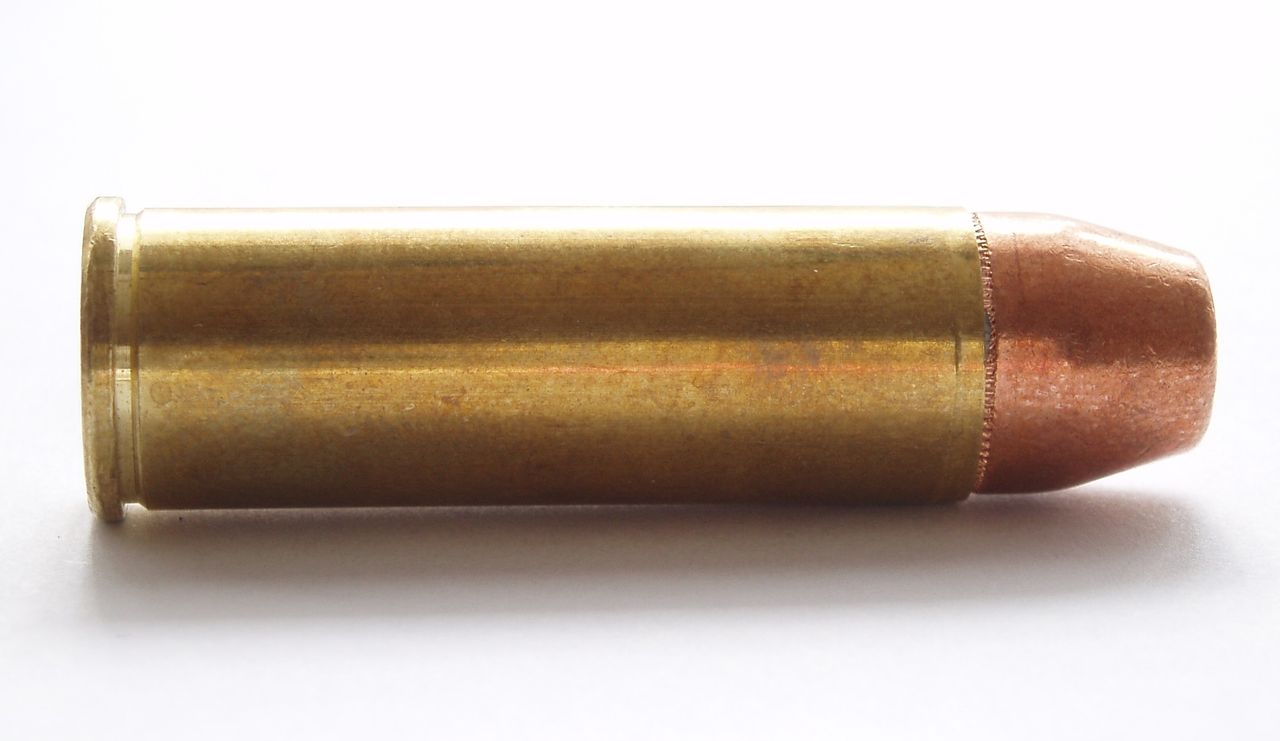
Nobody buys a .454 Casull expecting cheap fun, but even by magnum standards this one can be punishing at the register. It is a powerhouse cartridge made for hunters, wilderness defense, and shooters who genuinely want extreme revolver performance.
That performance comes with premium ammunition pricing, and it often climbs even higher because the market is narrower than mainstream handgun calibers. A few cylinders of factory loads can cost what a much longer session would in other revolver cartridges.
Many revolvers chambered for .454 can also shoot .45 Colt, which helps keep them active. Still, the Casull itself was meant to be unleashed, and more owners are reserving that thunder for a handful of rounds rather than a full day of shooting.
.500 S&W Magnum
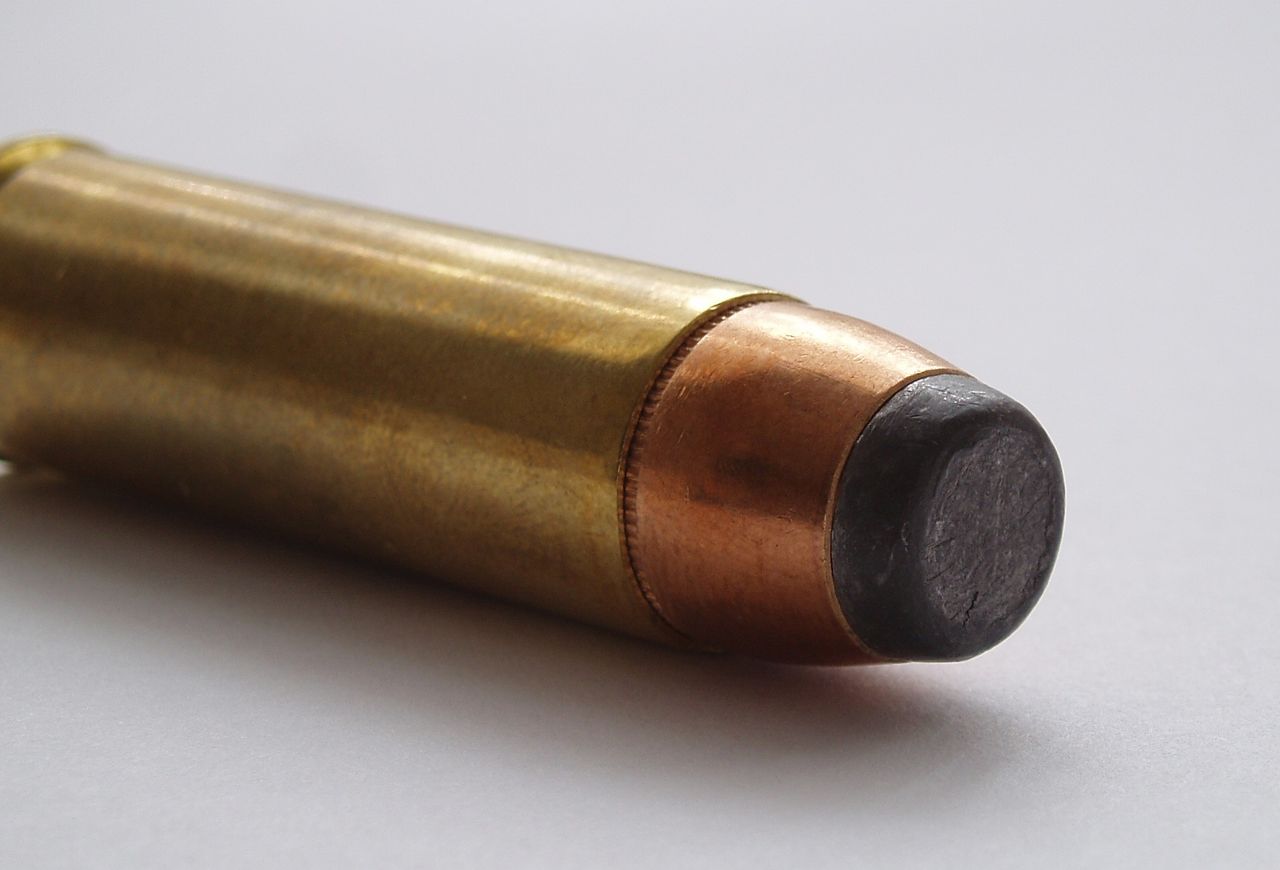
The .500 S&W Magnum is the kind of cartridge people talk about with a grin and a wince. It represents excess in the most entertaining revolver way possible, delivering huge energy, dramatic recoil, and a shooting experience that feels unforgettable even after a few rounds.
What it does not deliver is affordability. Factory ammunition for .500 S&W Magnum is famously expensive, and that price reality turns many range trips into short demonstrations instead of extended practice.
In a way, that changes the whole point of owning one. This is a cartridge built around spectacle and serious power, yet its cost often limits it to novelty status. People still love it, but they love it in very carefully counted shots.
.32-20 Winchester
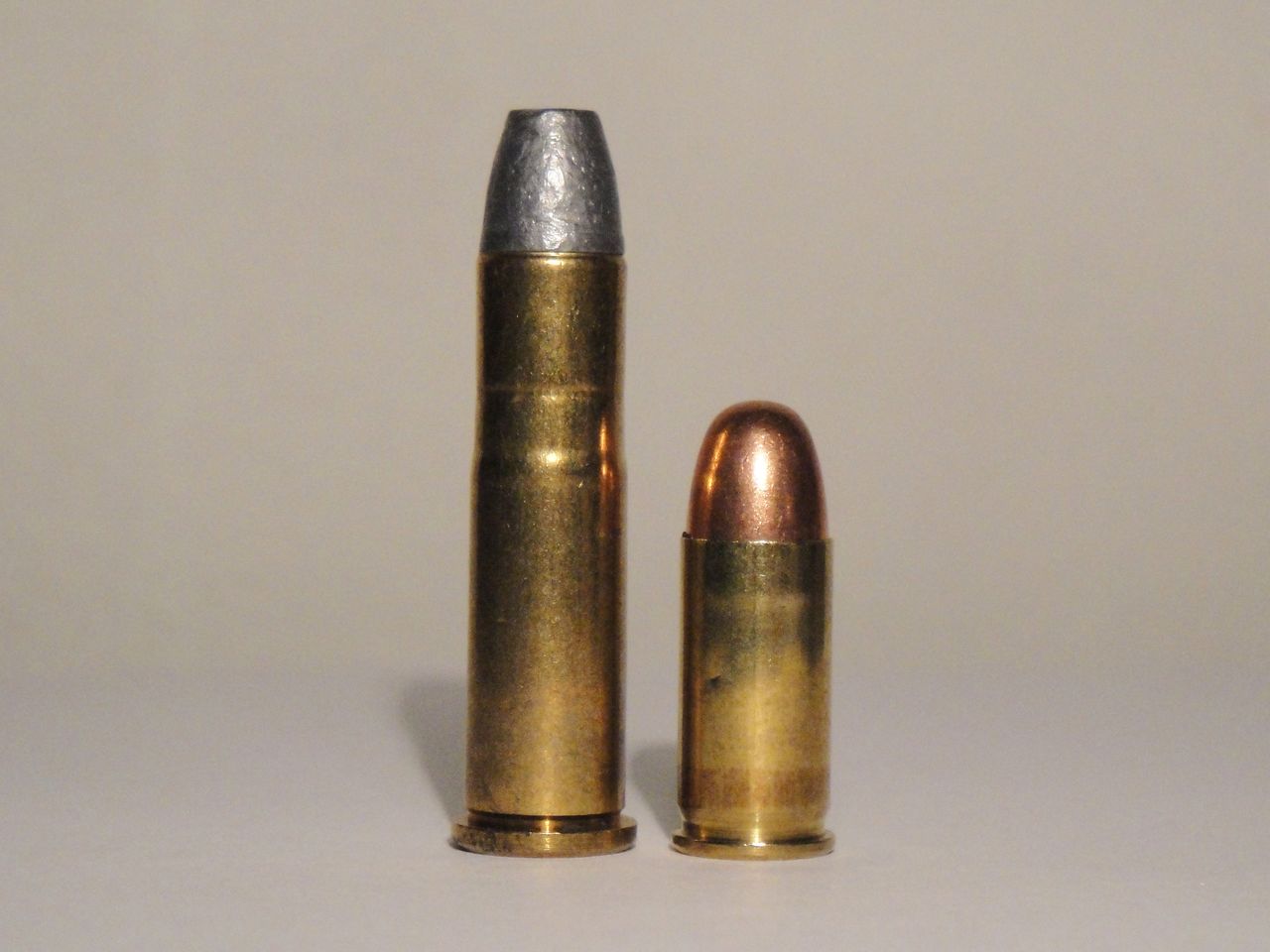
The .32-20 Winchester is a reminder that expensive shooting is not only about high-powered modern magnums. This old cartridge has deep roots in both revolvers and rifles, and for collectors and cowboy-era fans, it offers a charming link to another period of American shooting.
That charm is now paired with scarcity and cost. Factory ammunition is often limited, sometimes hard to find at all, and rarely priced for casual, high-volume use. When it appears, buyers tend to know they should grab it while they can.
That is a shame because historic cartridges deserve more than occasional ceremonial use. The .32-20 was once a practical working round, and today it is more likely to be shot sparingly, with every box feeling like part range ammo and part collectible.