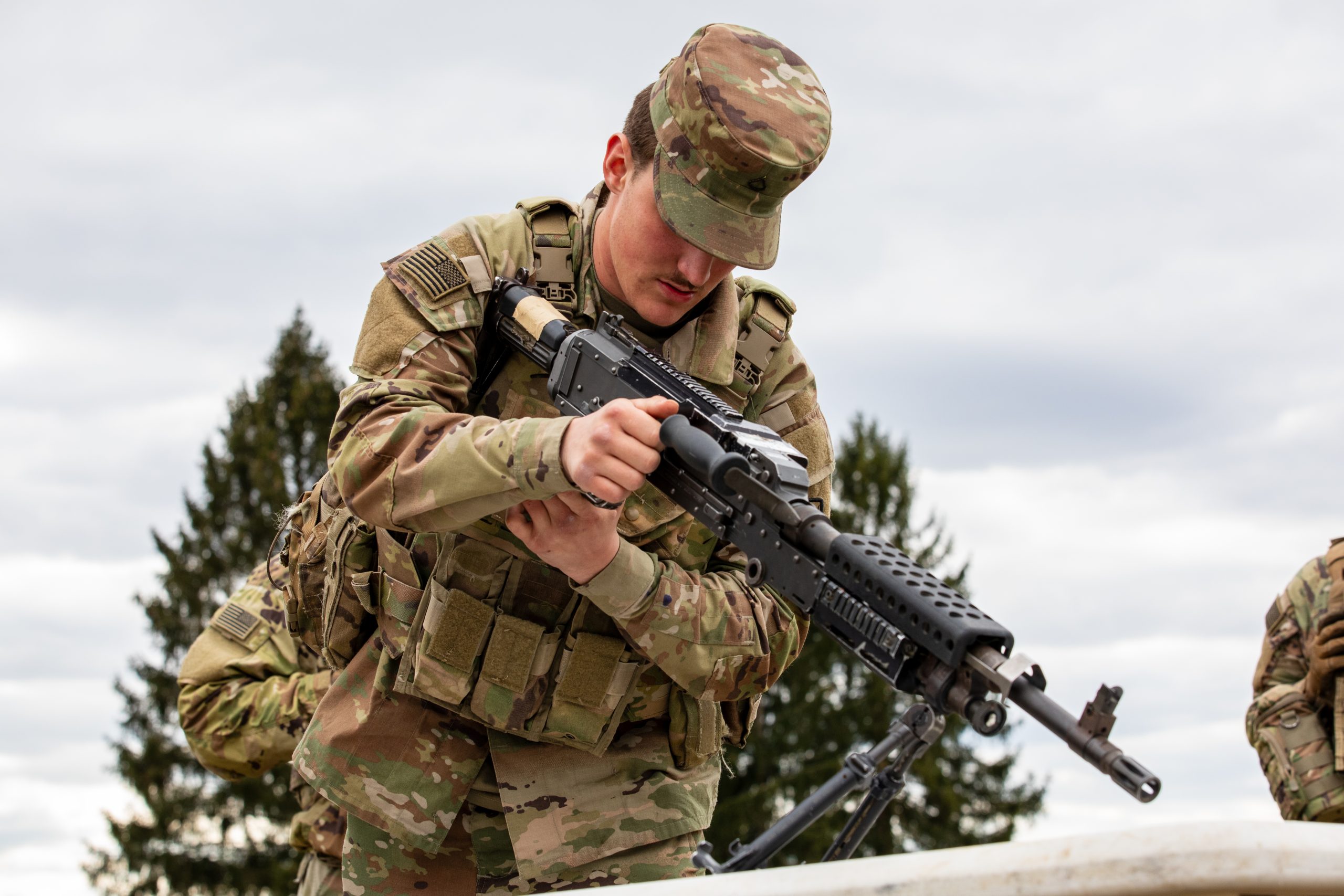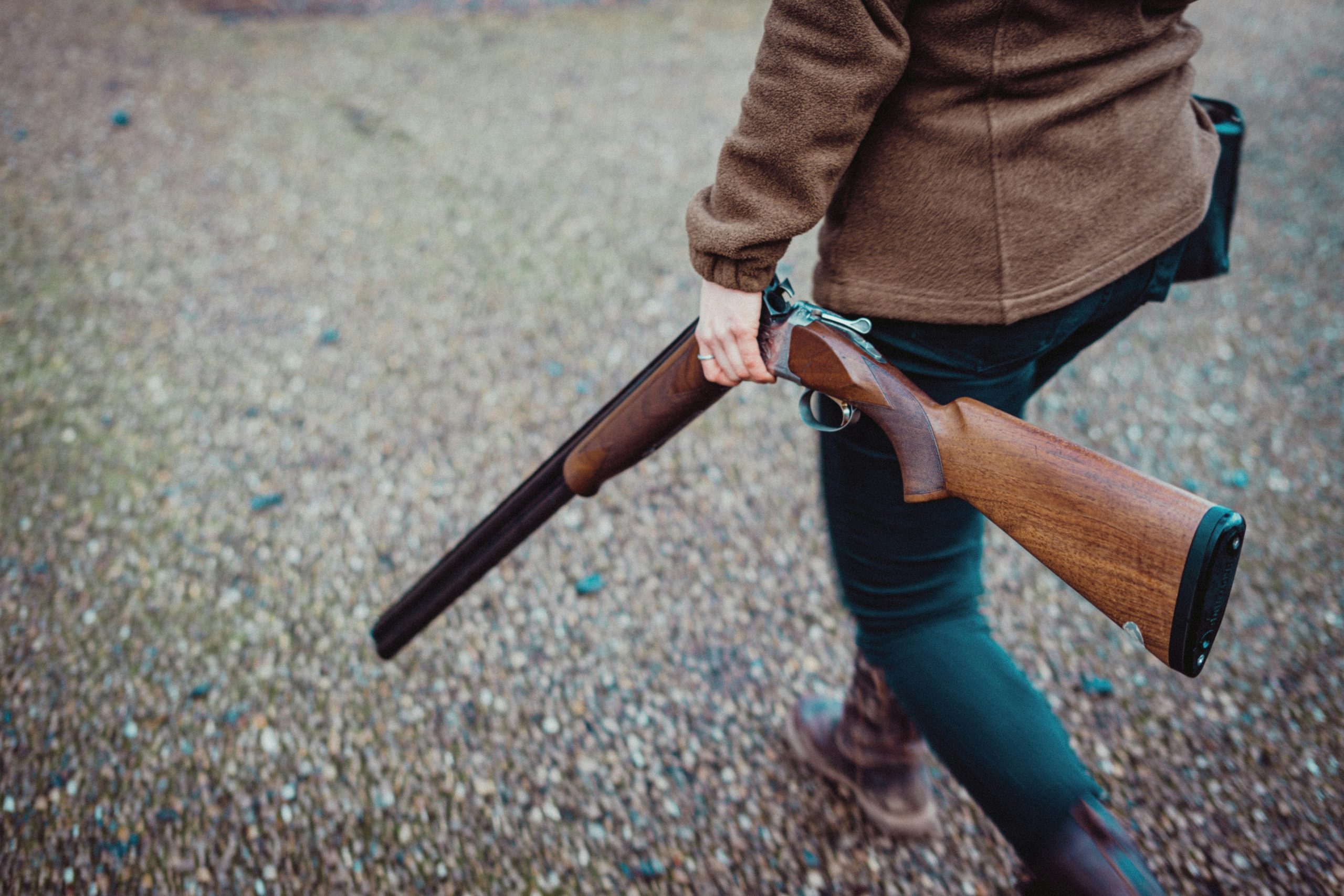
Left-handed shooters have more choices today than they once did, but rifle design still often favors right-handed users. The issue is not simply comfort. Ejection direction, bolt placement, safety controls, stock geometry, and long-term parts availability can all influence whether a rifle feels natural from the left shoulder. Some southpaw shooters are happy to adapt, while others prefer a rifle designed around their shooting position from the beginning. Here are 8 reasons certain rifles are avoided entirely.
1. Right-Side Ejection Can Be Uncomfortable
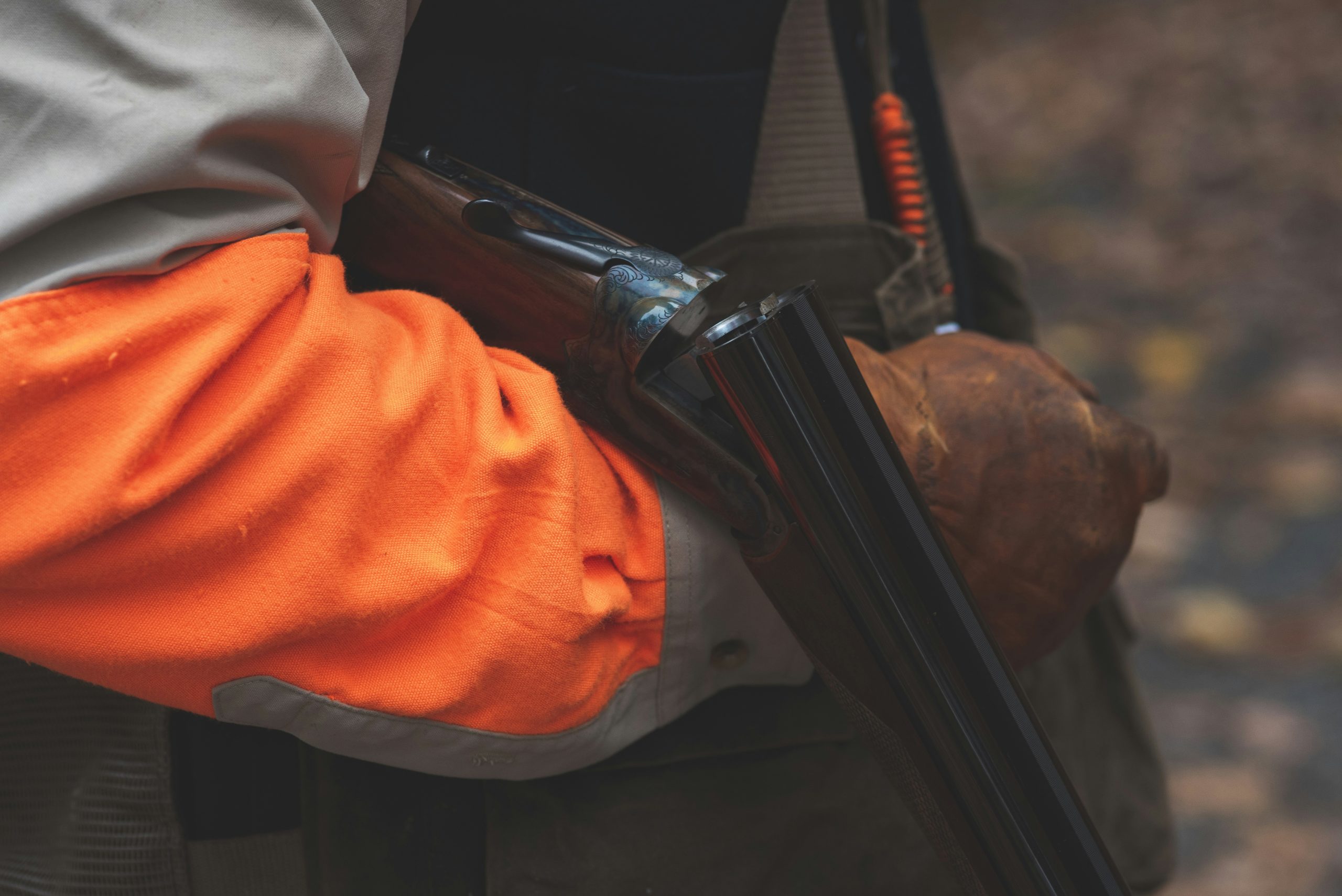
A conventional right-ejecting rifle can send spent cases across the space in front of a left-handed shooter. On some designs, a brass deflector reduces the problem, but it does not make the layout truly mirrored. For a southpaw who fires from the left shoulder, repeated ejection near the face can become distracting, especially during a long session. That is why some shooters avoid right-ejecting rifles altogether and look for left-ejecting, bottom-ejecting, or genuinely bilateral designs over time.
2. Bolt Handles Can Fight the Shooter

A traditional bolt-action rifle places its bolt handle on the right side because it was designed around a right-handed shooting position. A left-handed shooter may need to move the operating hand across the rifle or change grip before cycling the action. That extra movement can feel slow and awkward compared with a mirrored bolt. With 1 simple change, placing the bolt on the left, the operating motion becomes much more natural for a southpaw. For a hunter working the action repeatedly, that difference can matter over dozens of cycles.
3. Safety Levers May Be Hard to Reach
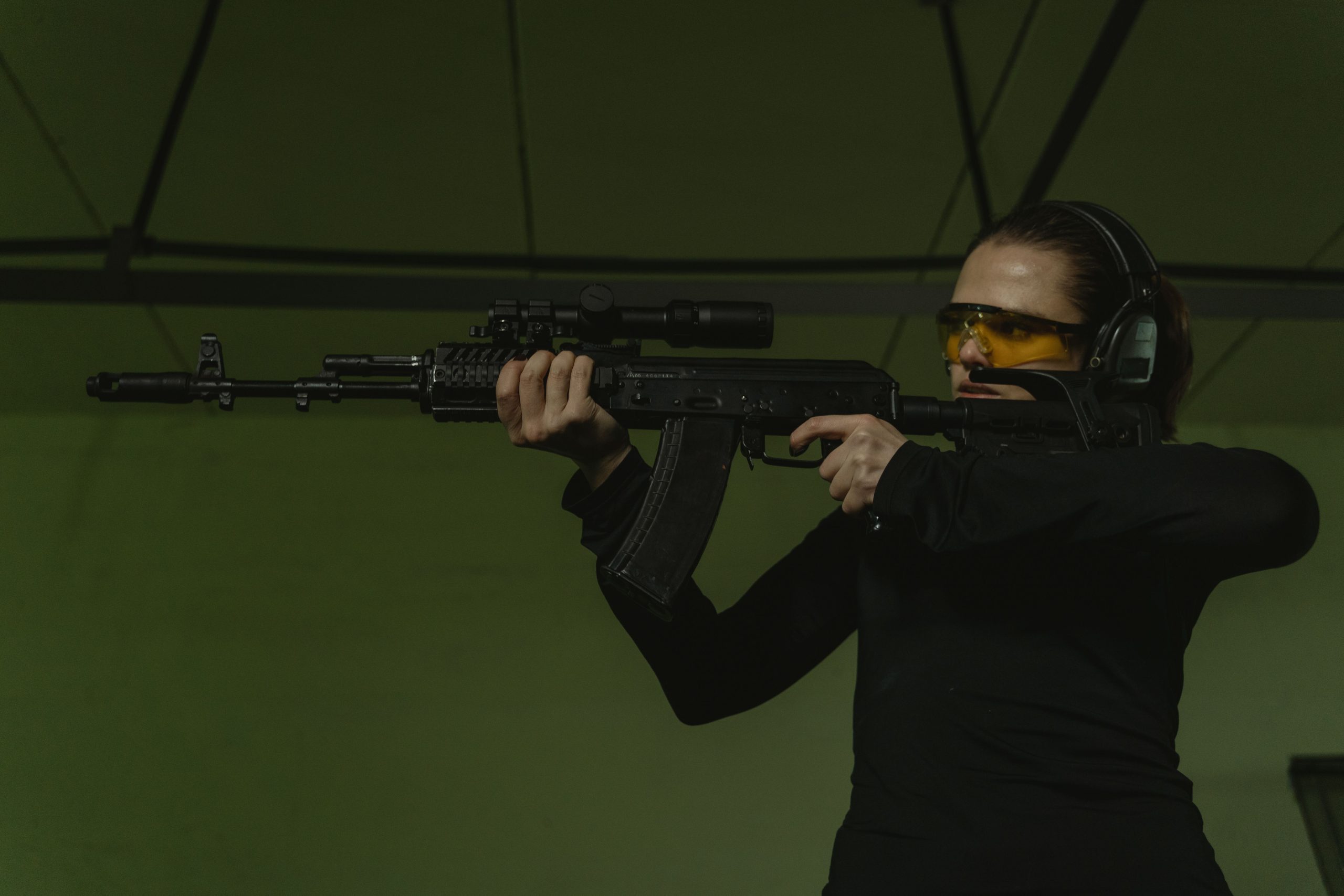
A safety should be easy to identify and operate without forcing the shooter to make an awkward hand movement. On many conventional rifles, the selector or safety is positioned primarily for the right-handed thumb. Some left-handed shooters can adapt, while others find the motion disruptive enough to reject the rifle. Ambidextrous or reversible controls solve much of this problem, but a rifle with only 1 usable side can remain an uncomfortable choice for frequent left-shoulder shooting. That small issue can become a repeated annoyance.
4. Stock Shape Can Work Against the Face

A rifle can have excellent controls and still feel wrong if its stock is shaped for the opposite shoulder. Some stocks have a cheekpiece, comb shape, or cast designed around right-side use. When a left-handed shooter mounts such a rifle on the left shoulder, the cheek weld may feel unnatural, and the head position can suffer. For a shooter spending 2 hours at the range or hunting, that mismatch can become tiring. A mirrored stock often feels far more natural. The difference becomes obvious during a full day outdoors.
5. Charging Handles May Favor One Side

Semi-automatic rifles often place their charging handle or release controls where right-handed users can reach them naturally. A left-handed shooter may have to change hand position or reach around the receiver, depending on the design. Modern rifles increasingly offer ambidextrous controls, but not every model does. If a rifle requires several awkward movements for a basic manipulation, a left-handed shooter may reasonably choose another platform that keeps the important controls accessible from either side.
6. Malfunction Access Can Be Less Natural
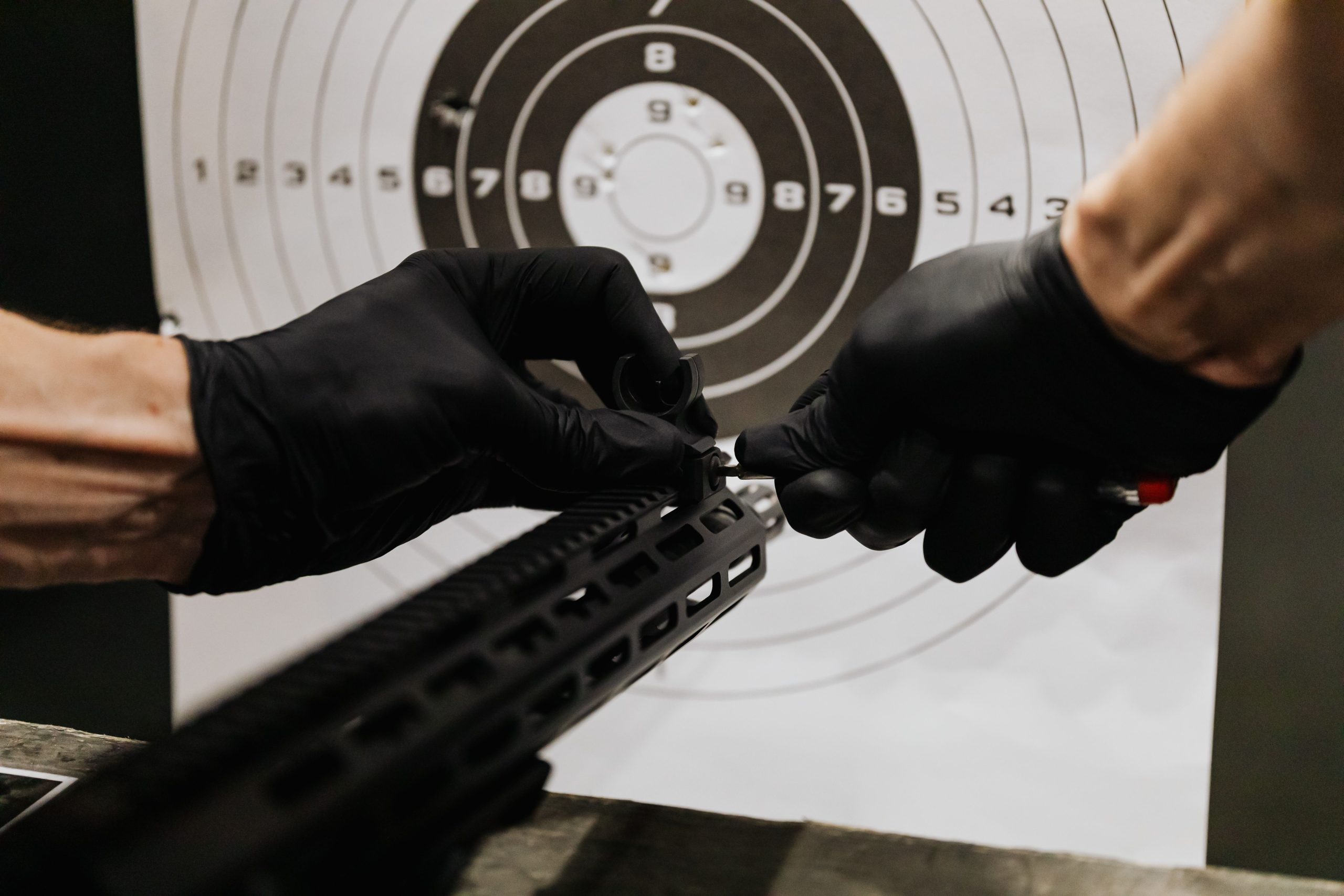
When a rifle needs attention after a stoppage, control placement matters because the shooter must maintain safe handling while diagnosing the problem. A right-oriented design can force a left-handed user into unfamiliar hand movements around the receiver. That may not matter during slow practice, but it can become frustrating when repeated drills expose the same ergonomic weakness. For this reason, some southpaws favor rifles with 2-sided controls, predictable access points, and an ejection system that does not direct cases toward the shooter.
7. Optics and Cheek Weld Can Reveal Poor Fit
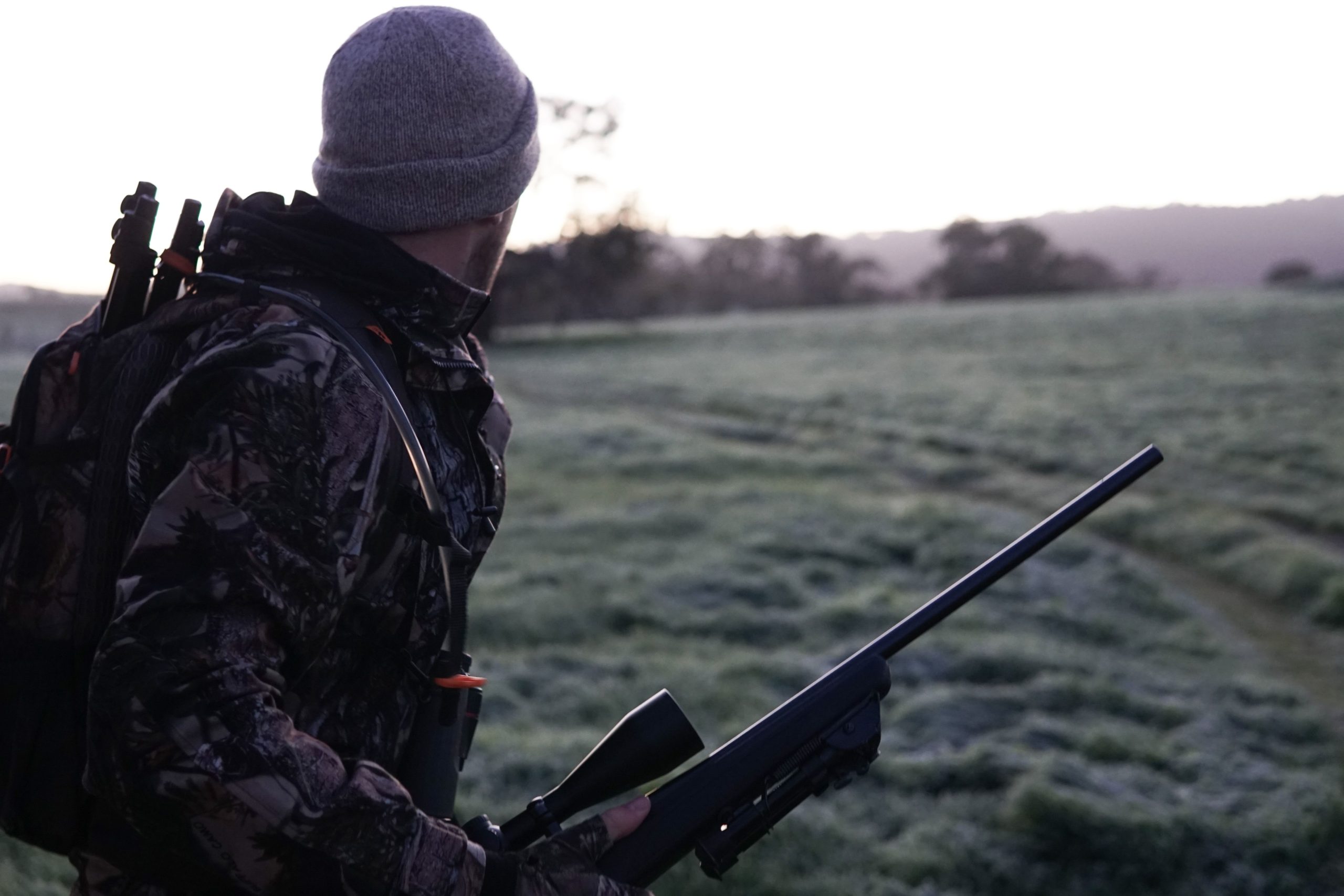
A rifle may appear left-friendly until an optic, cheek rest, or other accessory changes how the shooter mounts it. A right-handed stock shape can leave a left-handed shooter searching for a comfortable head position, while a fixed cheekpiece may interfere with natural alignment. Even a small mismatch becomes obvious over 1 long range session. Shooters who spend hours behind a scope often prefer a rifle whose stock geometry, eye position, and controls are designed around the left shoulder from the beginning.
8. Limited Left-Hand Models Affect Long-Term Choice
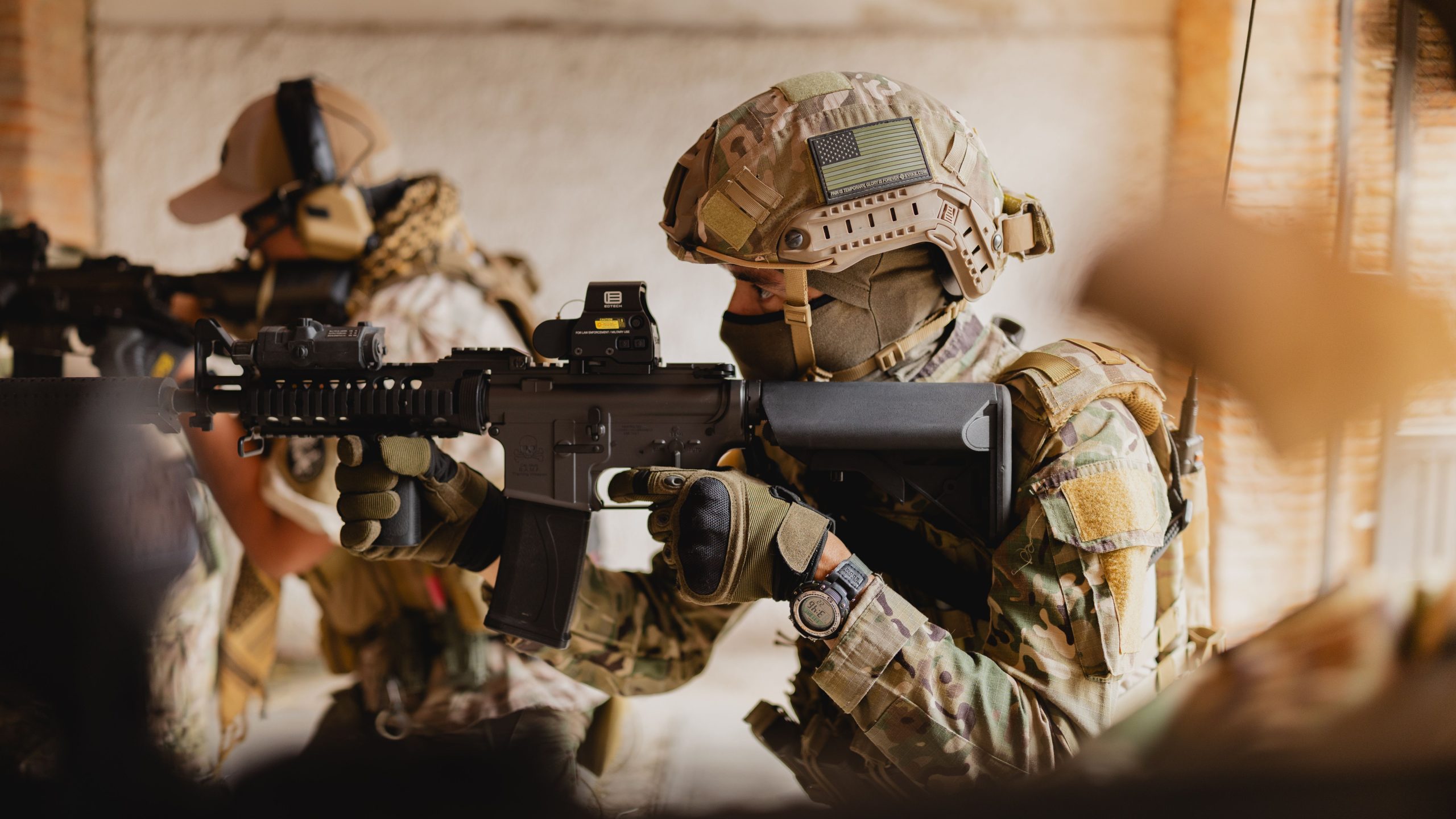
Availability itself can make certain rifles unattractive to left-handed shooters. Dedicated left-hand versions exist, but they are often offered in fewer configurations than their right-hand counterparts. That can affect caliber, stock, finish, spare parts, and accessory choices. A shooter planning to keep a rifle for 10 years may therefore avoid a design with unusual proprietary parts or limited support. A widely supported, genuinely ambidextrous platform can sometimes be the more practical long-term choice.