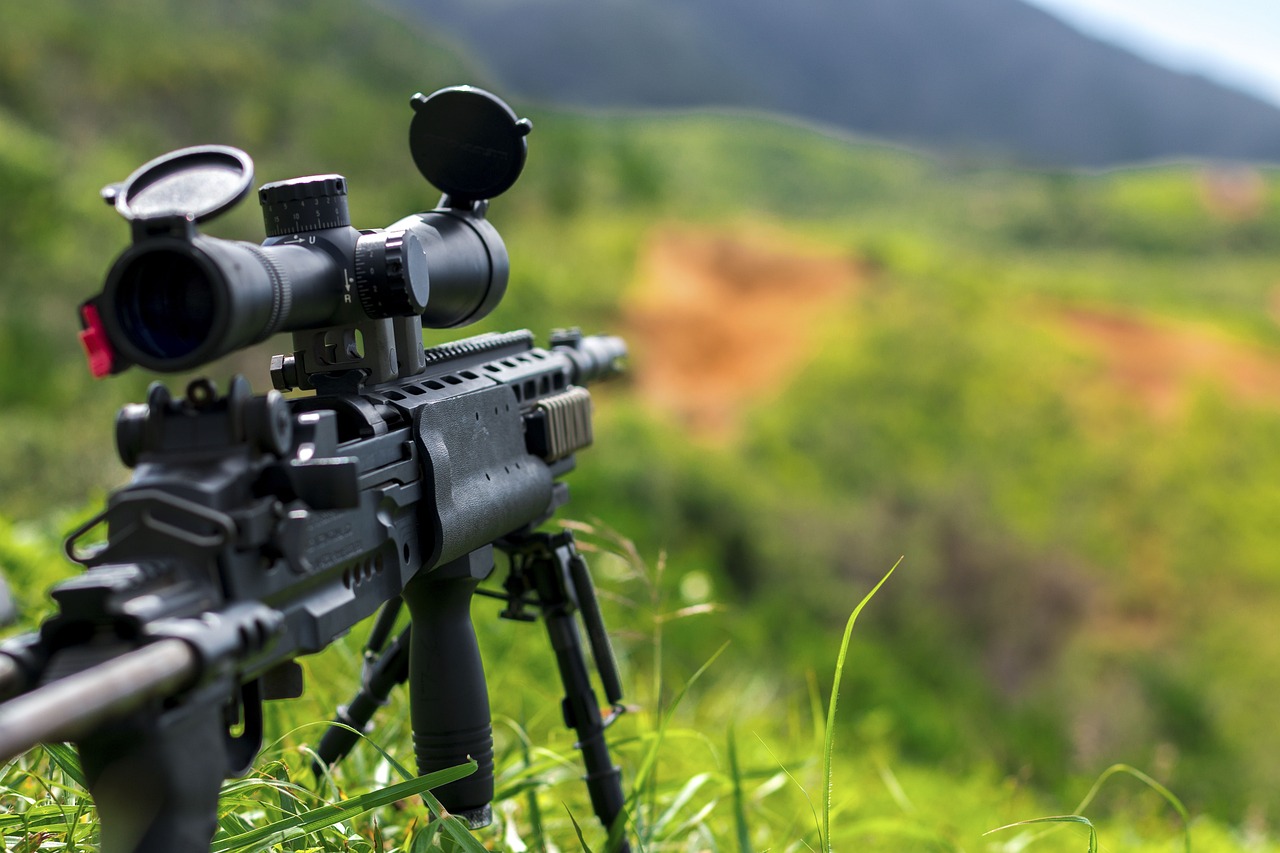
In long-range shooting, a bipod is not just a place to park the rifle between shots. The right one can change how the gun loads, tracks, and settles into recoil, which is why experienced precision shooters often talk about immediate gains after swapping out a weak setup. This gallery highlights eight bipods that regularly come up in those conversations, along with the real-world traits that make them stand out from the very first session.
Atlas BT46 Nc Cal
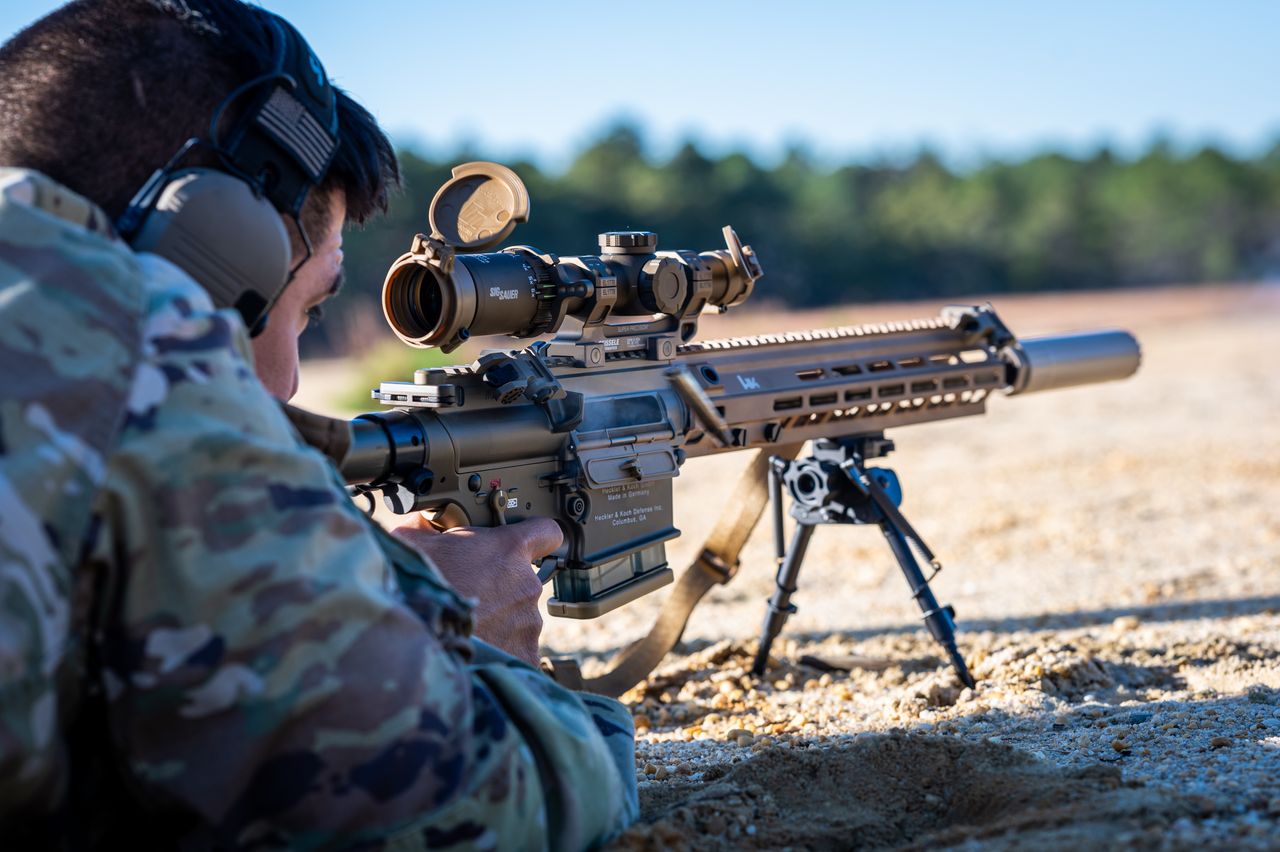
Among precision shooters, the Atlas BT46 NC CAL has a reputation for feeling refined the moment it hits the rifle. Its adjustable leg positions and solid lockup give shooters a more planted front end, especially when they are trying to build a repeatable prone position on uneven ground.
What people often notice first is how predictable it feels under recoil. Instead of a vague hop or twist, the rifle tends to track in a straighter line, which makes spotting impacts easier and follow-up corrections less rushed.
It is also a favorite for shooters who want flexibility without excess bulk. The package feels purpose-built, and that confidence tends to show up quickly on target.
Harris S Brm
The Harris S-BRM remains one of the most familiar names in precision shooting for a reason. It is simple, proven, and surprisingly effective when shooters want a dependable bipod that adds stability without introducing a lot of complexity at the front of the rifle.
Many shooters say the immediate difference is less about flashy features and more about consistency. The spring-loaded legs deploy fast, the stance feels trustworthy, and the rifle settles into a practical shooting rhythm that is easy to repeat over a long day at the range.
For many setups, it is the classic answer that still works. That straightforward reliability is exactly why it continues to earn loyal fans.
Accu Tac Fc 5 G2
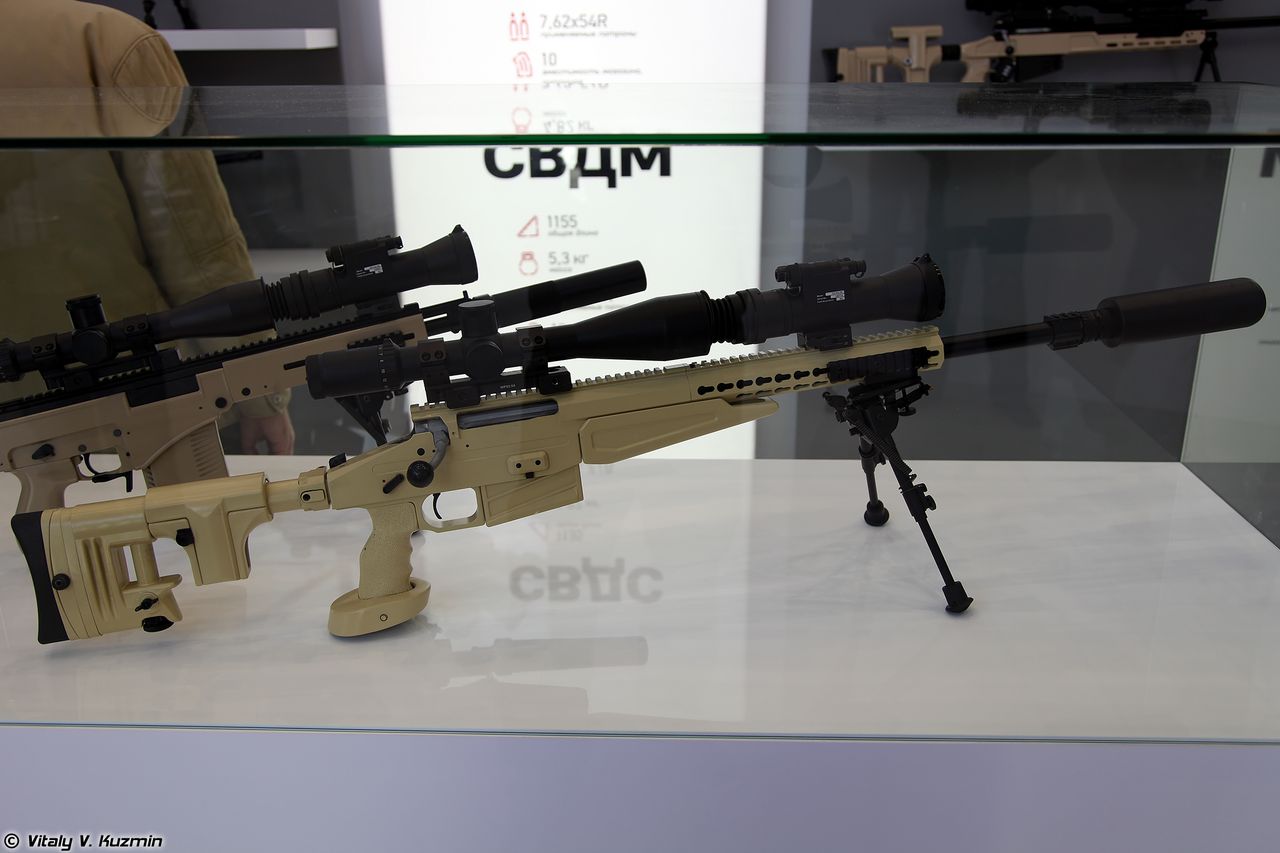
The Accu-Tac FC-5 G2 is the kind of bipod shooters describe with one word first: solid. From the first session, its wide, low-slung feel can make a rifle seem more anchored, which is especially appealing to shooters chasing a flatter recoil impulse and cleaner target tracking.
Its forward-leaning competition style is a big part of the appeal. The design encourages a stable load into the bipod, helping the rifle resist wandering as the shot breaks and recoil moves through the system.
That immediate sense of structure is what wins people over. It feels built for precision work, and serious shooters tend to appreciate that confidence right away.
Thunder Beast Bipod
Thunder Beast is best known in many circles for suppressors, but its bipod has also drawn serious praise from precision shooters who want premium engineering without unnecessary weight. The result is a support system that feels crisp, controlled, and highly intentional from the first outing.
Shooters often point to how smoothly the rifle behaves once the bipod is loaded. The front end stays composed, and that can translate into a more readable recoil cycle, better sight picture retention, and more confidence between shots.
There is also an unmistakable sense of quality in the fit and finish. For shooters who value precision gear that feels dialed-in, that matters immediately.
Warne Skyline Precision Bipod
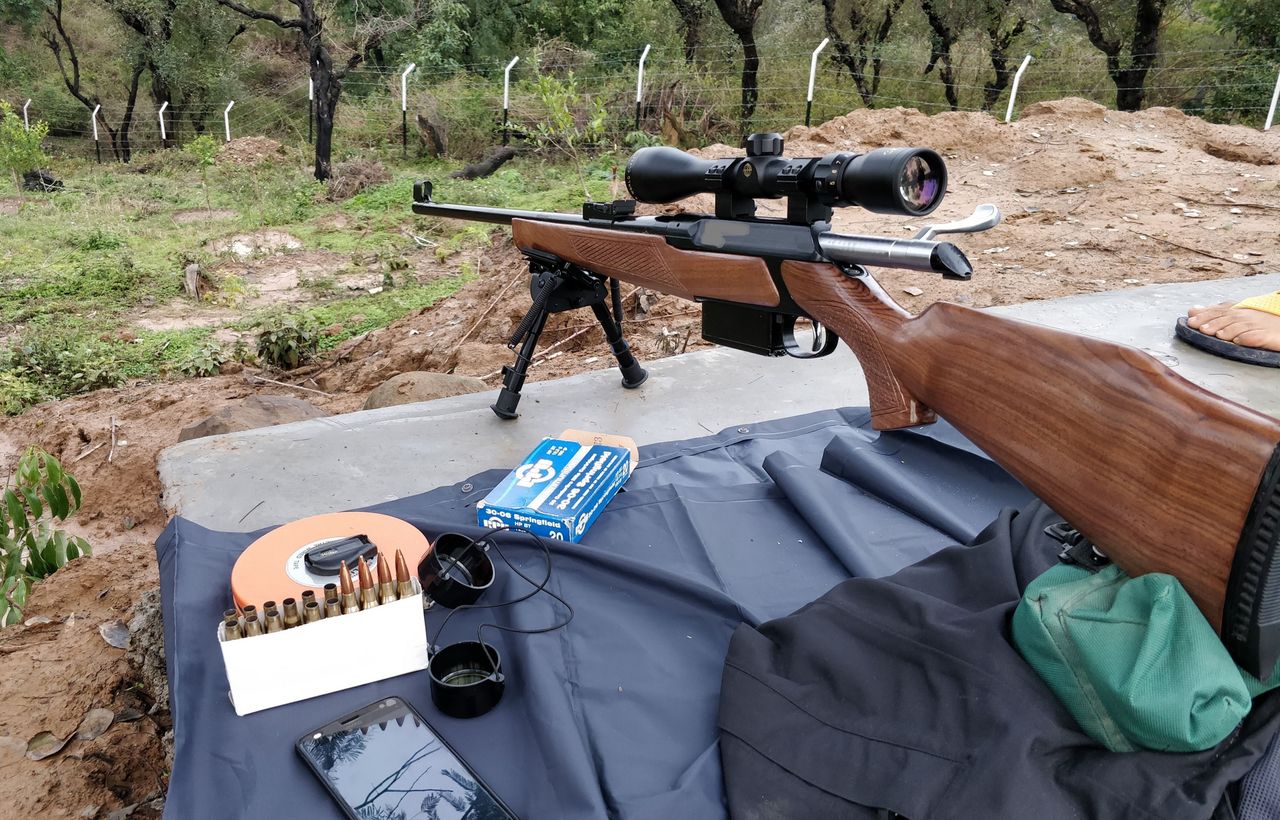
The Warne Skyline Precision Bipod is often praised by shooters who want a competition-ready platform with lots of adjustment and a notably stable footprint. Right away, it gives the impression that the rifle is sitting on a more serious foundation, especially from prone or a bench.
Its broad stance and modular feel are a major part of that first-session impact. Shooters frequently say the rifle tracks more naturally and feels less twitchy, which helps them stay on glass and read misses or impacts with less guesswork.
It also appeals to tinkerers who like to fine-tune their setup. That blend of adaptability and stability is a strong combination for precision work.
Magpul Bipod
The Magpul Bipod tends to surprise shooters who expect something basic and get something more capable. Its appeal starts with practical design, manageable weight, and a feel that is more stable than many people anticipate the first time they take it to the range.
For shooters moving up from a bargain bipod or an improvised front support, the change can be immediate. The rifle stops feeling wobbly and starts behaving in a more predictable way, which is often enough to tighten groups and improve confidence quickly.
It may not be the most specialized option in the field, but it delivers meaningful performance. For many shooters, that first-session improvement is exactly the point.
MdT Cyke Pod Gen 2

The MDT CKYE-POD Gen 2 has become a standout in precision rifle circles because it offers a remarkable range of adjustment while still feeling competition-focused. Shooters often notice right away how easily it adapts to awkward terrain, barricade-adjacent positions, and subtle height changes.
That adjustability is not just about convenience. It helps the shooter build a more natural point of aim faster, and that can have a direct effect on steadiness, sight picture, and how relaxed the rifle feels before the shot.
The design also carries a premium, purpose-built vibe that many enthusiasts appreciate. It looks advanced, but more importantly, it performs in a way that feels immediately useful.
Spartan Javelin Pro Hunt Tac
The Spartan Javelin Pro Hunt TAC stands out for shooters who want a lighter, more packable rifle support without giving up serious performance. Its quick-attach concept and streamlined profile make it especially attractive for people balancing field use with genuine long-range capability.
What makes an immediate impression is how little clutter it adds to the rifle until it is needed. Once attached, shooters often find the front end steadier than expected, with enough rigidity to support clean shots from prone and other practical positions.
It is not the traditional heavy competition bipod, and that is exactly its charm. For mobile shooters, the first-session benefit can be convenience and control arriving together.