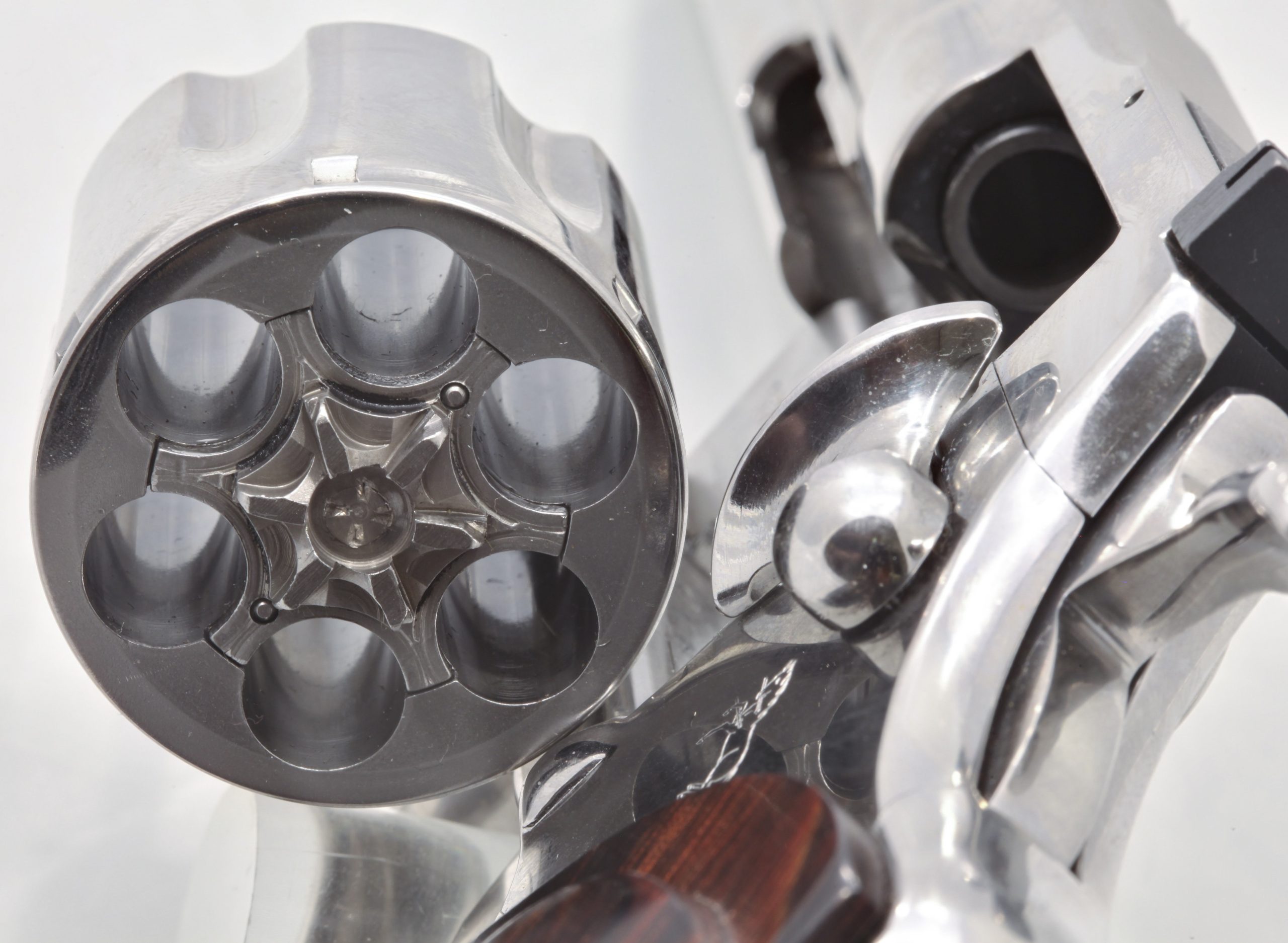
Firearm values do not always explode because of movies, celebrity ownership, or internet hype. Sometimes collectors gradually discover that a discontinued model is scarcer than expected, that original examples are disappearing, or that a particular configuration has become difficult to find. That kind of appreciation can happen quietly for years. The figures below should be viewed as illustrative market evidence, not guaranteed investment returns, because condition, originality, configuration, provenance, and auction timing can dramatically change what an individual firearm is worth.
1. Colt Python
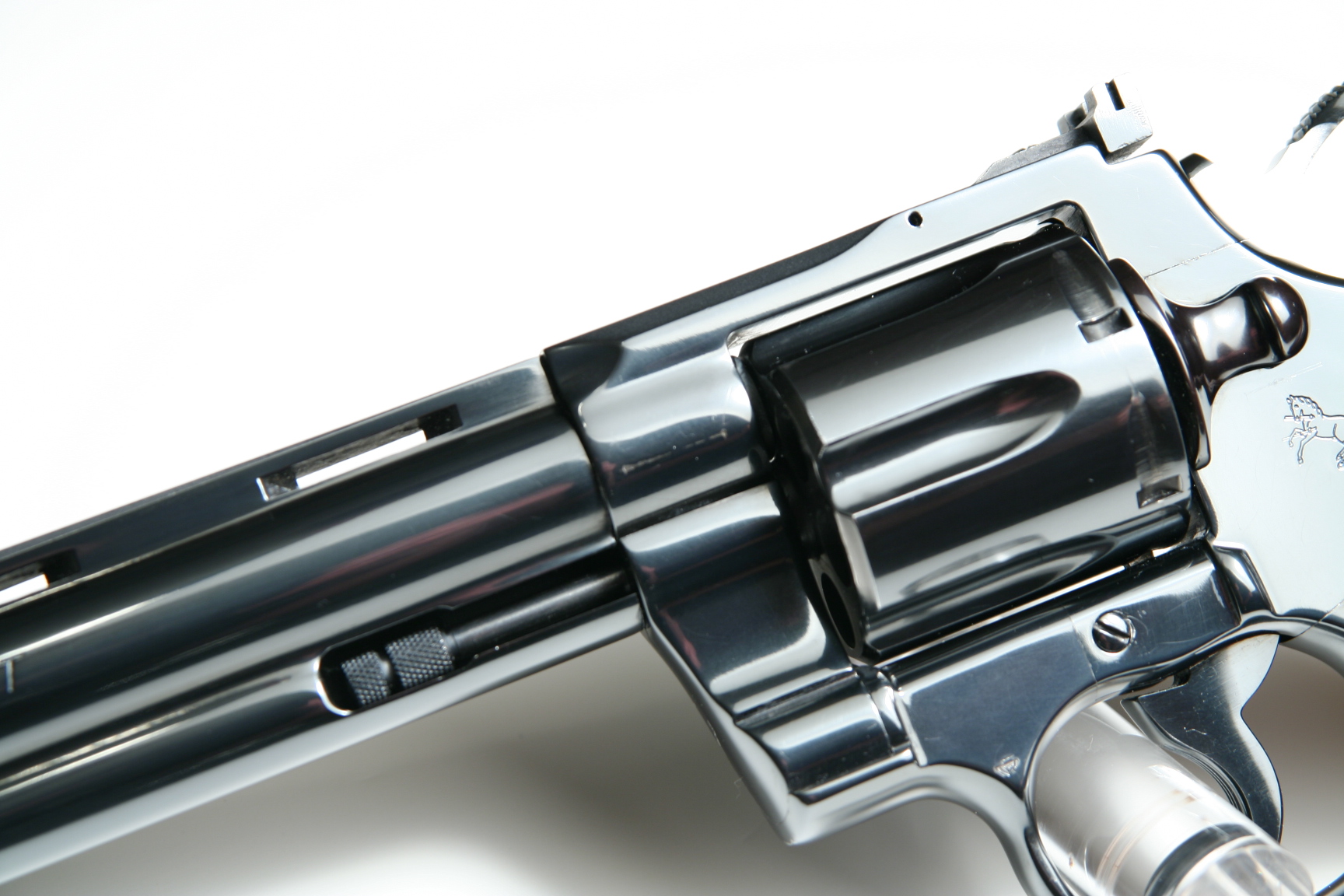
The original Colt Python is one of the clearest examples of a collector firearm appreciating without requiring a constant news cycle. Introduced in 1955, the premium revolver eventually became highly sought after after original production ended in 2005. Rock Island Auction records show the average price for ordinary very-good-to-excellent examples climbing from roughly the low-$1,000 range in the early 2010s to more than $3,300 in recent years, comfortably exceeding a 2X increase. First-year examples are a completely different category: only 299 were produced in 1955, and auction averages reached nearly $30,000 in 2021.
2. Pre-1964 Winchester Model 70
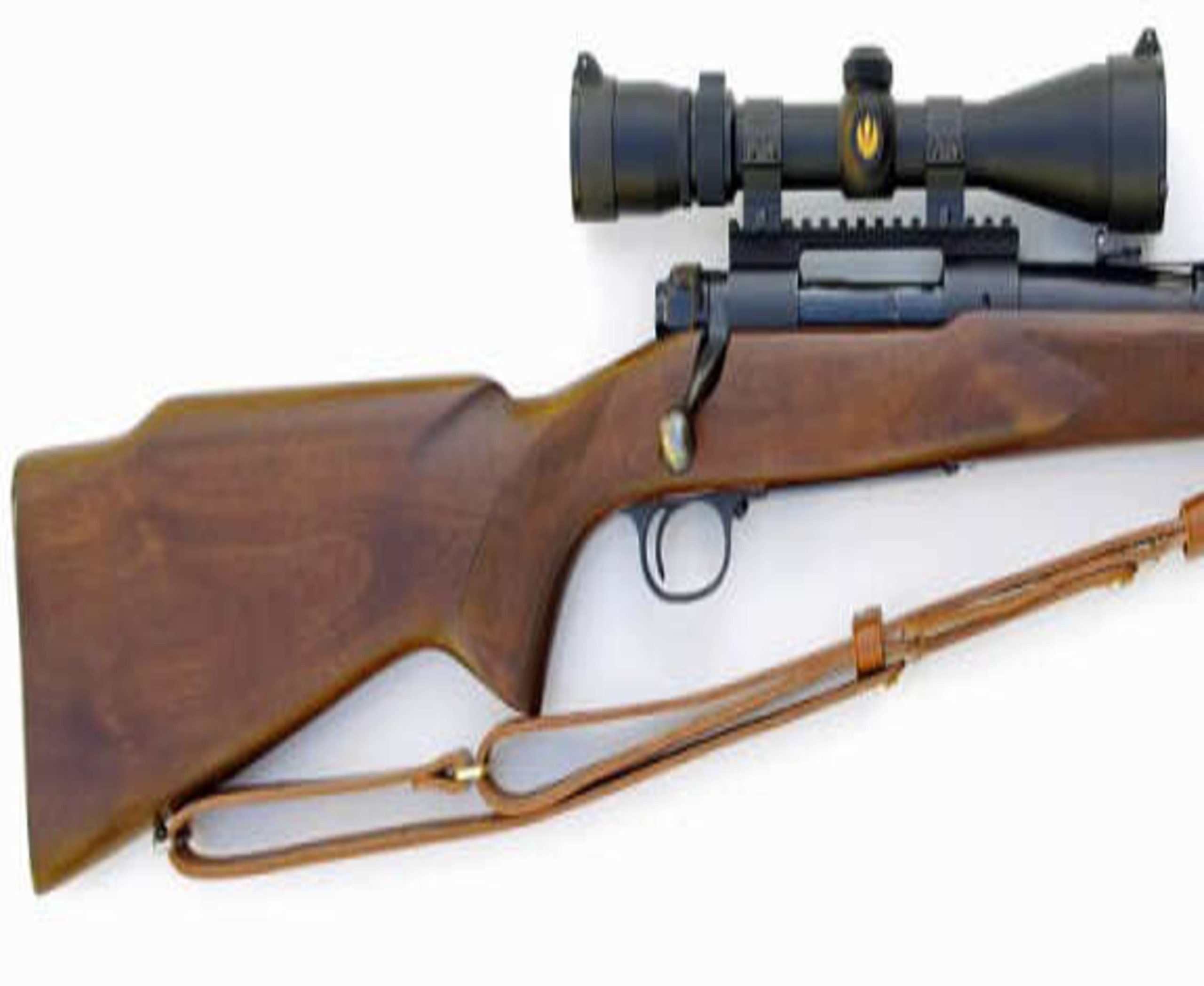
The pre-1964 Winchester Model 70 has benefited from a collector preference that quietly strengthened over decades. Produced from 1936 through 1963, these rifles are particularly valued for their controlled-round-feed action, machining, and original configuration. Current auction guidance commonly places standard pre-64 examples around $1,500 to $5,000, while rare calibers and exceptional condition can push prices considerably higher. Older auction results show how unusual examples can separate themselves dramatically: a rare pre-64 Featherweight in 7mm Mauser brought $12,650, while a pair of highly embellished rifles once sold for $51,750. The biggest gains usually belong to scarce, original variants.
3. Browning Auto-5 Sweet Sixteen
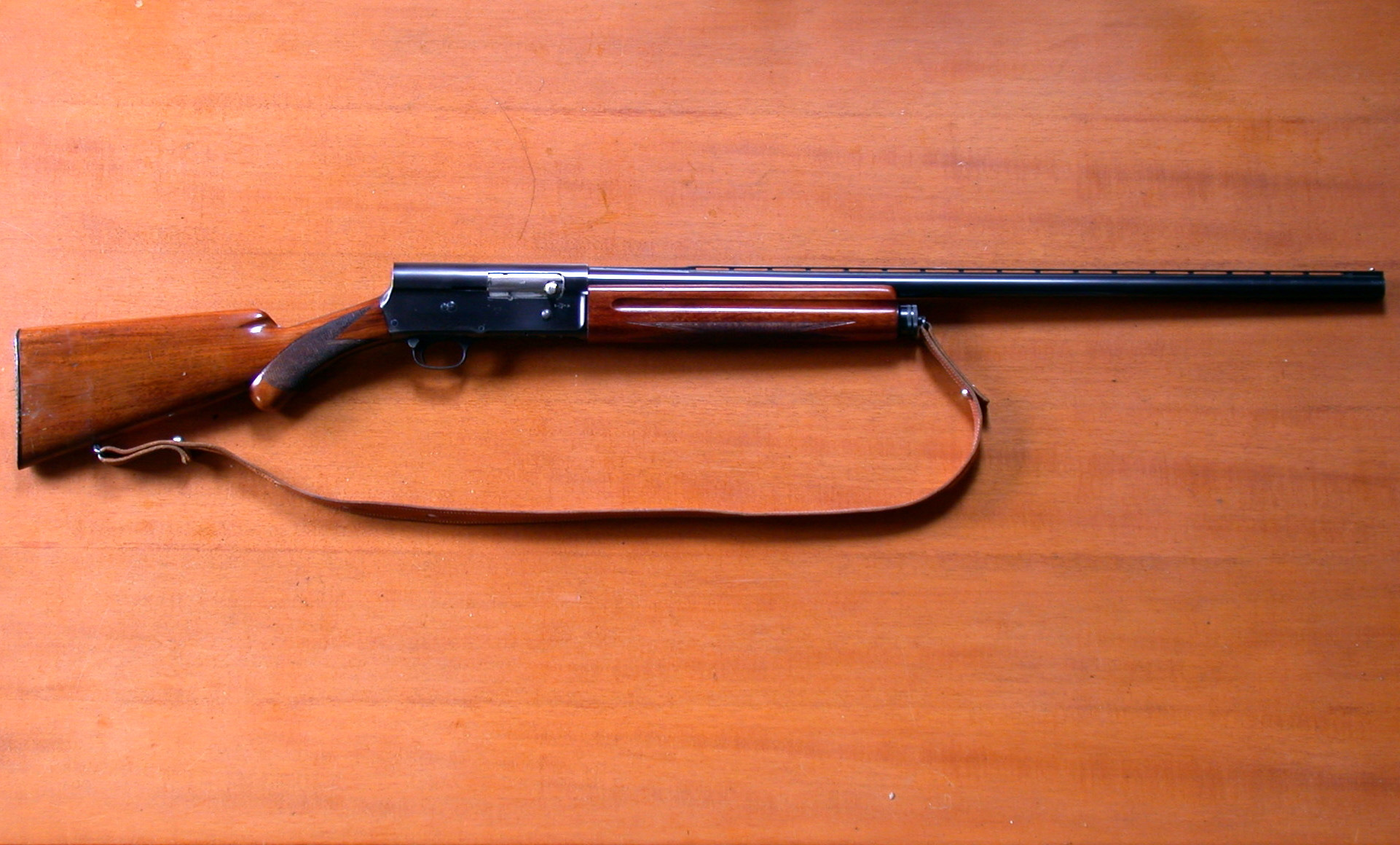
The Browning Auto-5 quietly developed from a working shotgun into a serious collector category. John Browning’s design appeared in 1902 and remained in production until 1998, giving the model an unusually long 96-year production history. Ordinary Auto-5 examples can still be relatively affordable, but Belgian-made guns, early examples, and especially the Sweet Sixteen command substantially higher prices. Current auction guidance puts many standard guns around $500 to $1,500, while desirable Belgian and Sweet Sixteen examples can reach $2,000 to $6,000 or more. That spread shows why identifying gauge, country of manufacture, grade, and originality matters more than simply knowing the model name.
4. Colt 1900 Automatic Pistol
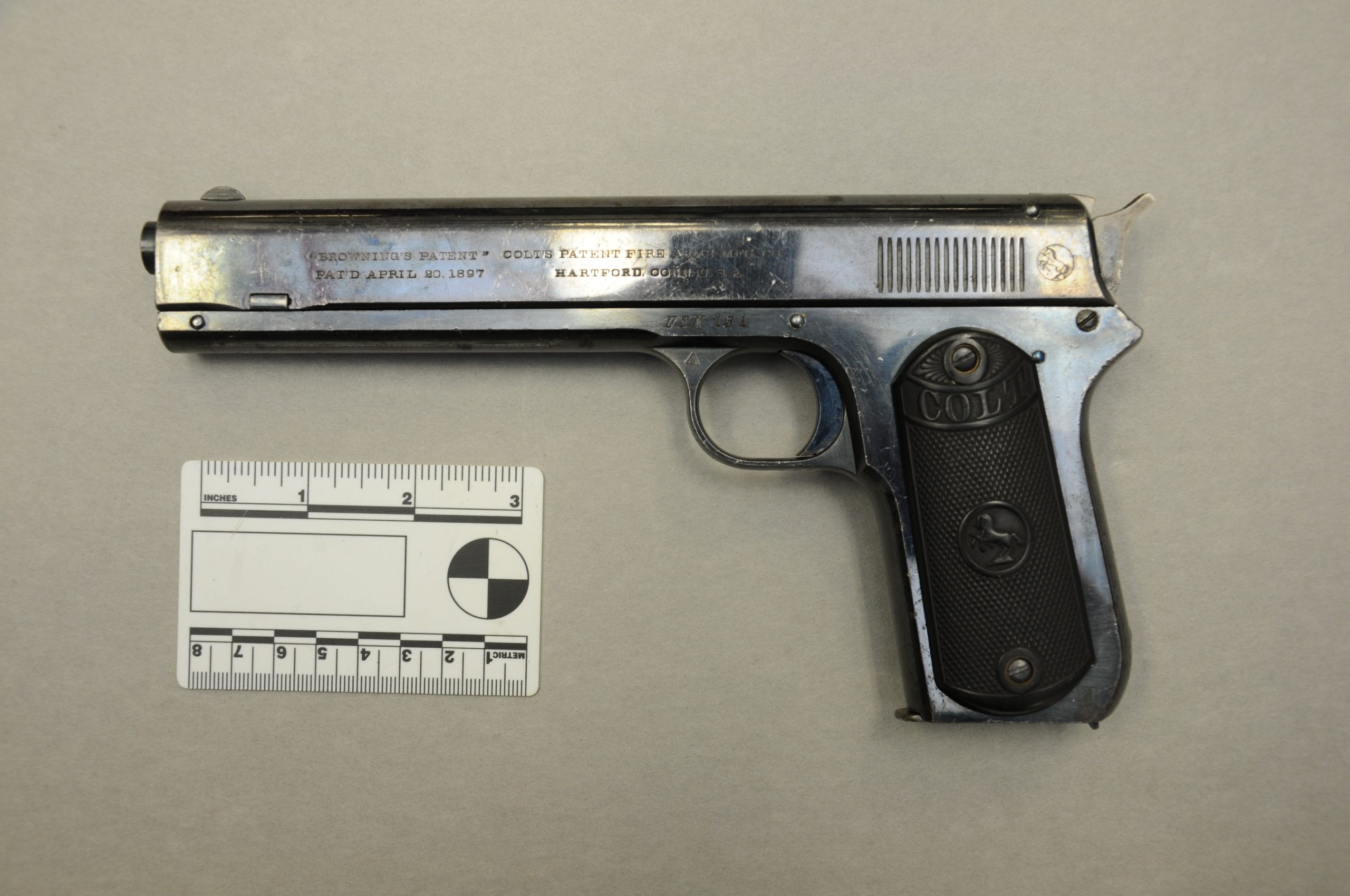
The Colt Model 1900 has experienced the kind of appreciation that is easy to overlook because ordinary examples are extremely uncommon. It was Colt’s first commercially produced self-loading pistol, making early serial numbers particularly interesting to collectors. Auction results demonstrate how dramatically rarity can affect the market. One U.S. Army first-contract example with serial number 93 and its holster sold for $43,125, far above its original estimate of $25,000 to $37,500. Another historically important early example reached $21,850. These are not representative prices for every Model 1900, but they show why documented military contracts, extremely early serial numbers, original accessories, and provenance can transform a relatively obscure handgun into a major collectible.
5. Singer M1911A1
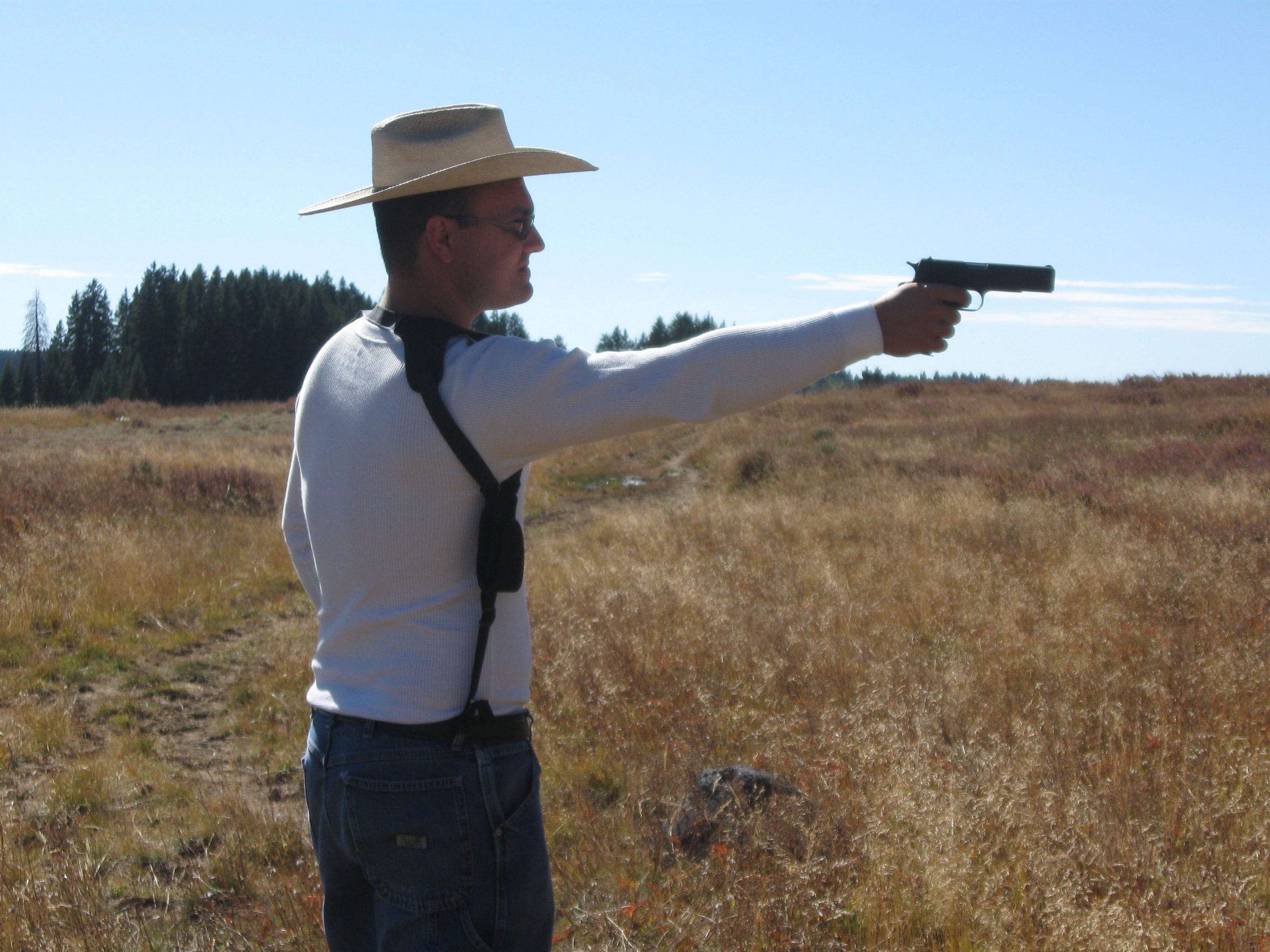
The Singer-contract M1911A1 is a perfect example of scarcity quietly overwhelming ordinary market expectations. Singer produced only about 500 M1911A1 pistols during World War II, making these handguns dramatically rarer than standard wartime 1911 production. Their value comes from the unusual contract history as much as the pistol itself. In one Rock Island Auction result, a rare Singer example reached $34,500. That number is far removed from the prices associated with ordinary military-surplus 1911 pistols. The important point is that the appreciation is tied to production quantity, markings, originality, and historical documentation. A common-looking pistol can therefore belong to an entirely different collecting tier when its factory history is exceptionally scarce.
6. Winchester Model 42
The Winchester Model 42 occupies an interesting corner of the collecting market because it combines the popularity of the Winchester name with a specialized .410 shotgun format. Modern auction data places typical Model 42 examples around the low thousands, with one recent dataset showing a median around $1,880 across more than 100 recorded sales. High-grade or unusually configured examples can rise much further. Its value is driven by factors such as condition, original finish, grade, and configuration rather than publicity. That makes it a useful example of quiet appreciation: collectors do not need a major movie appearance to create demand when a discontinued model has a strong reputation and a limited pool of desirable original examples.
7. Winchester Model 21
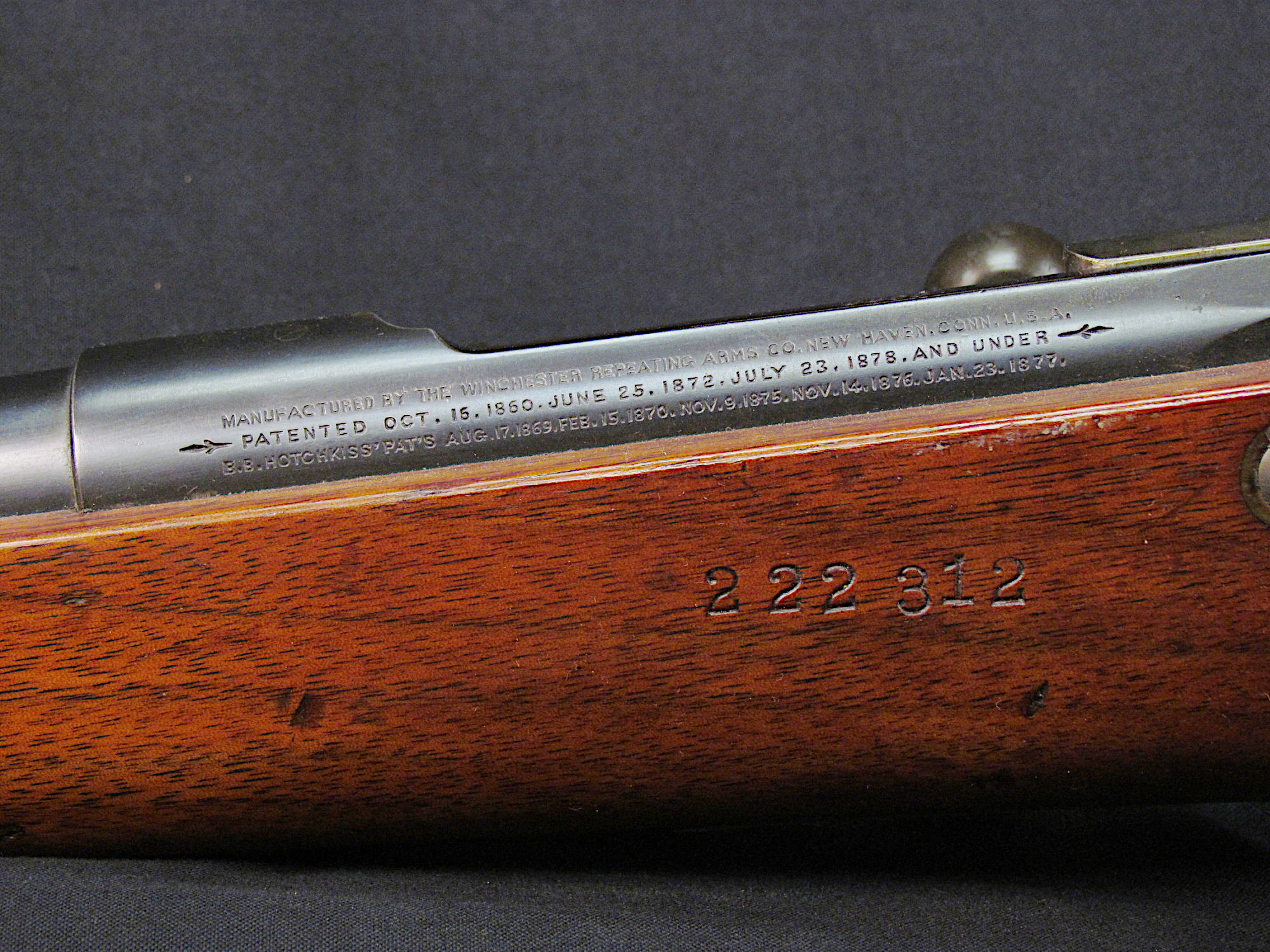
The Winchester Model 21 is another firearm whose collector value has been built largely through reputation, craftsmanship, and scarcity rather than mainstream attention. Introduced as a premium American double gun, the Model 21 was produced in relatively limited numbers compared with mass-market sporting firearms. Recent auction data places the median around $4,994 across more than 130 recorded sales, although individual examples vary enormously according to grade, engraving, provenance, and condition. A spectacularly decorated gun can move into an entirely different price bracket. For collectors, that distinction is crucial: the model name establishes a baseline, but originality and factory configuration often determine whether an example is merely desirable or genuinely exceptional.
8. Winchester Model 61

The Winchester Model 61 is a good example of a classic rifle whose appreciation can happen steadily rather than spectacularly. Introduced in 1932 as Winchester’s hammerless slide-action .22, it became popular with shooters but later attracted collectors interested in early production, uncommon chamberings, and original condition. Recent auction data covering more than 100 sales places the median around $2,280. That figure does not mean every Model 61 doubled in price, because condition and configuration create substantial differences between individual rifles. Still, its long production history, recognizable design, and increasingly scarce untouched examples give collectors several reasons to pay premiums without requiring a major media-driven trend.