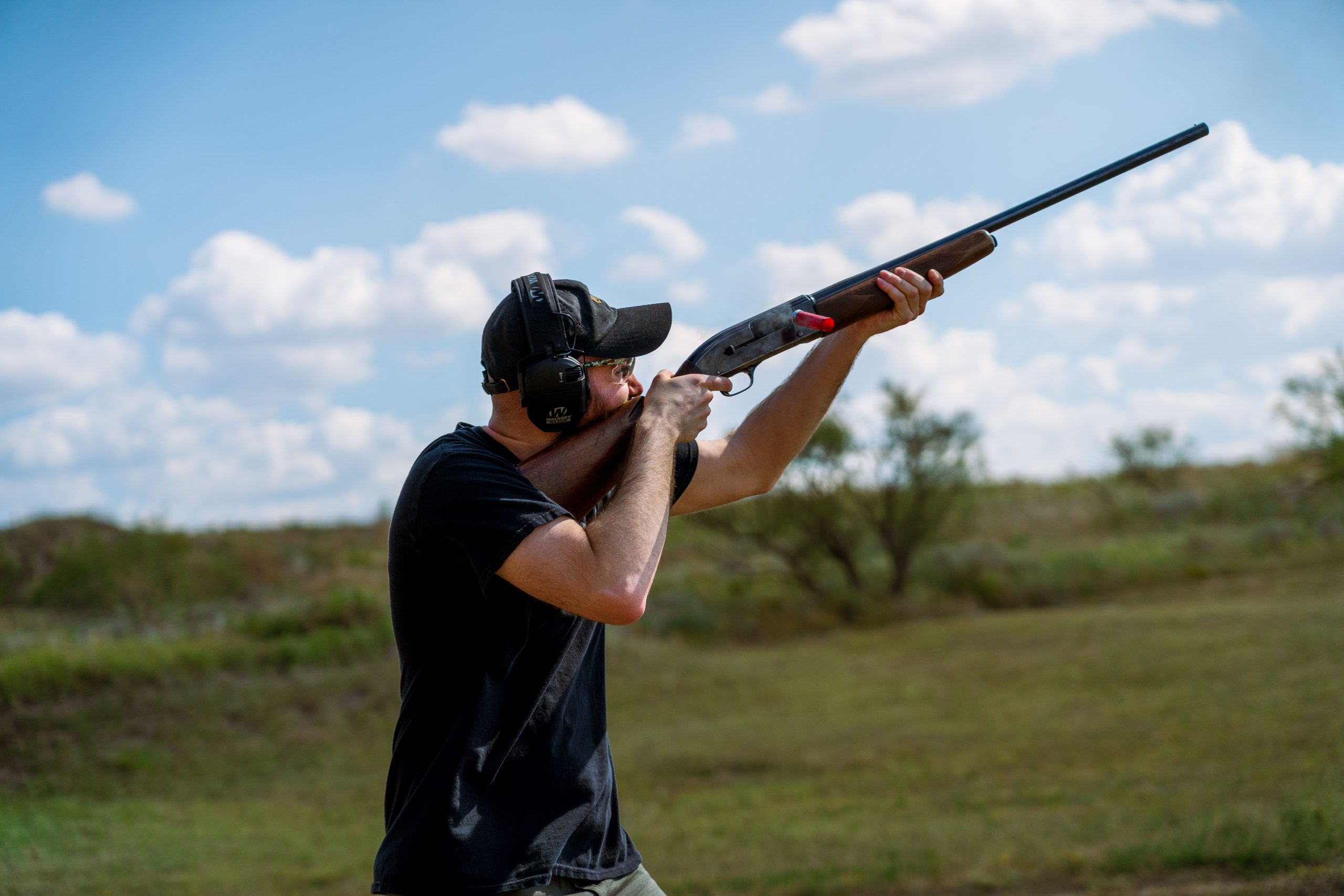
Krieghoff shotguns occupy an unusual corner of the sporting-gun world, where engineering, customization, and craftsmanship can matter as much as raw performance. The German maker’s K-80 and K-20 families are particularly associated with serious clay competition, while hunting variants bring the same design philosophy into the field. Their reputation is not simply about rarity or luxury pricing. Krieghoff builds guns around individual fit, balance, and discipline, with configurations that can be extensively tailored. That combination helps explain why acquiring a new example can feel more like commissioning a precision instrument than ordering an ordinary shotgun.
1. The K-80 Is Krieghoff’s Flagship Competition Shotgun
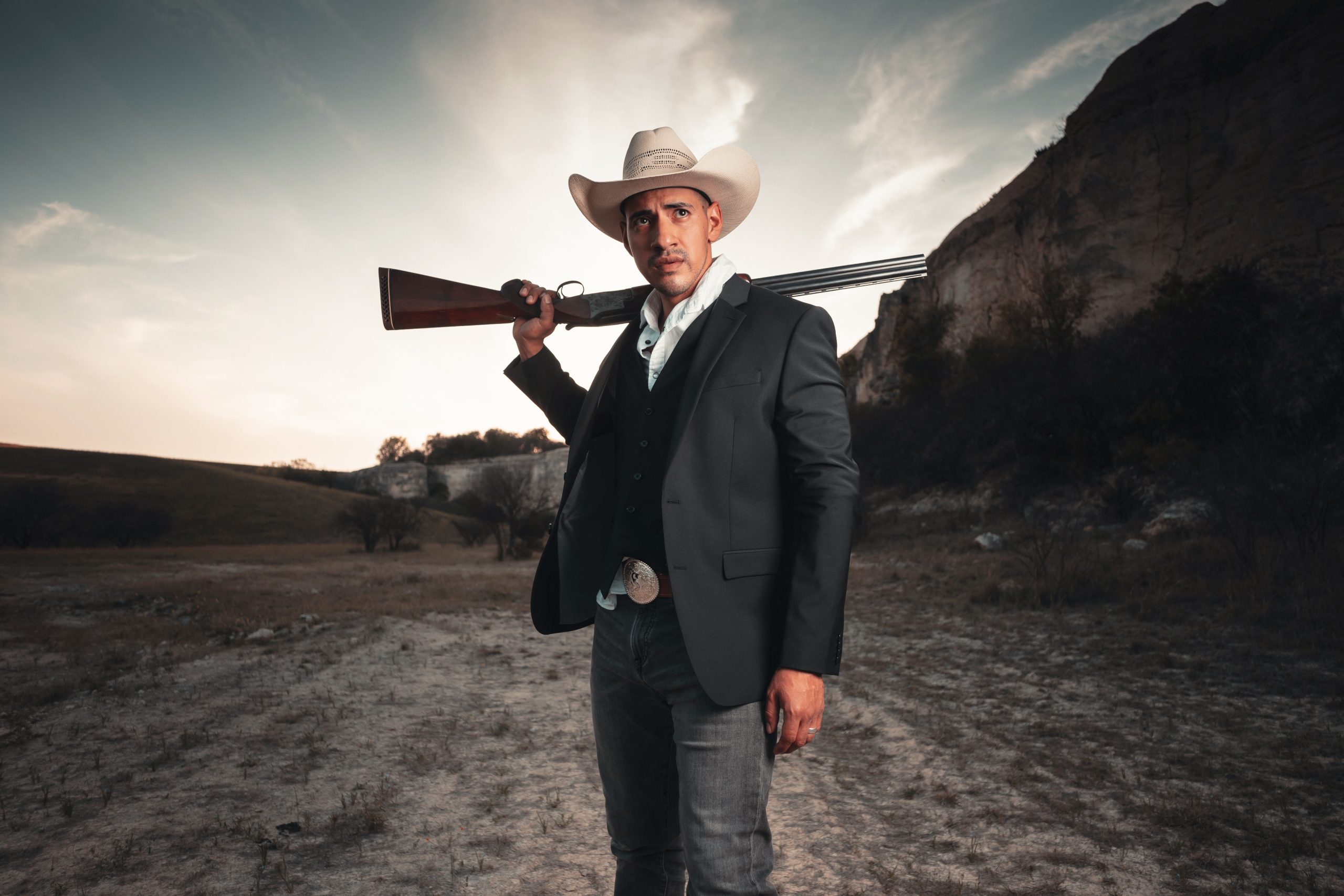
The K-80 is the model that most clearly defines Krieghoff’s modern reputation. Designed for serious clay competition, it is offered in configurations covering trap, skeet, and parcours disciplines rather than being a single-purpose gun. The company emphasizes its long-standing position among international target shooters, while its design allows substantial adaptation to individual requirements. The K-80 lineup includes at least 3 major discipline families and multiple specialized versions, including the ProTrap, Trap Special, Sporting, Skee,t and Parcours variants. That breadth is a major reason the model has remained relevant for decades.
2. The K-20 Is Not Simply a Smaller K-80
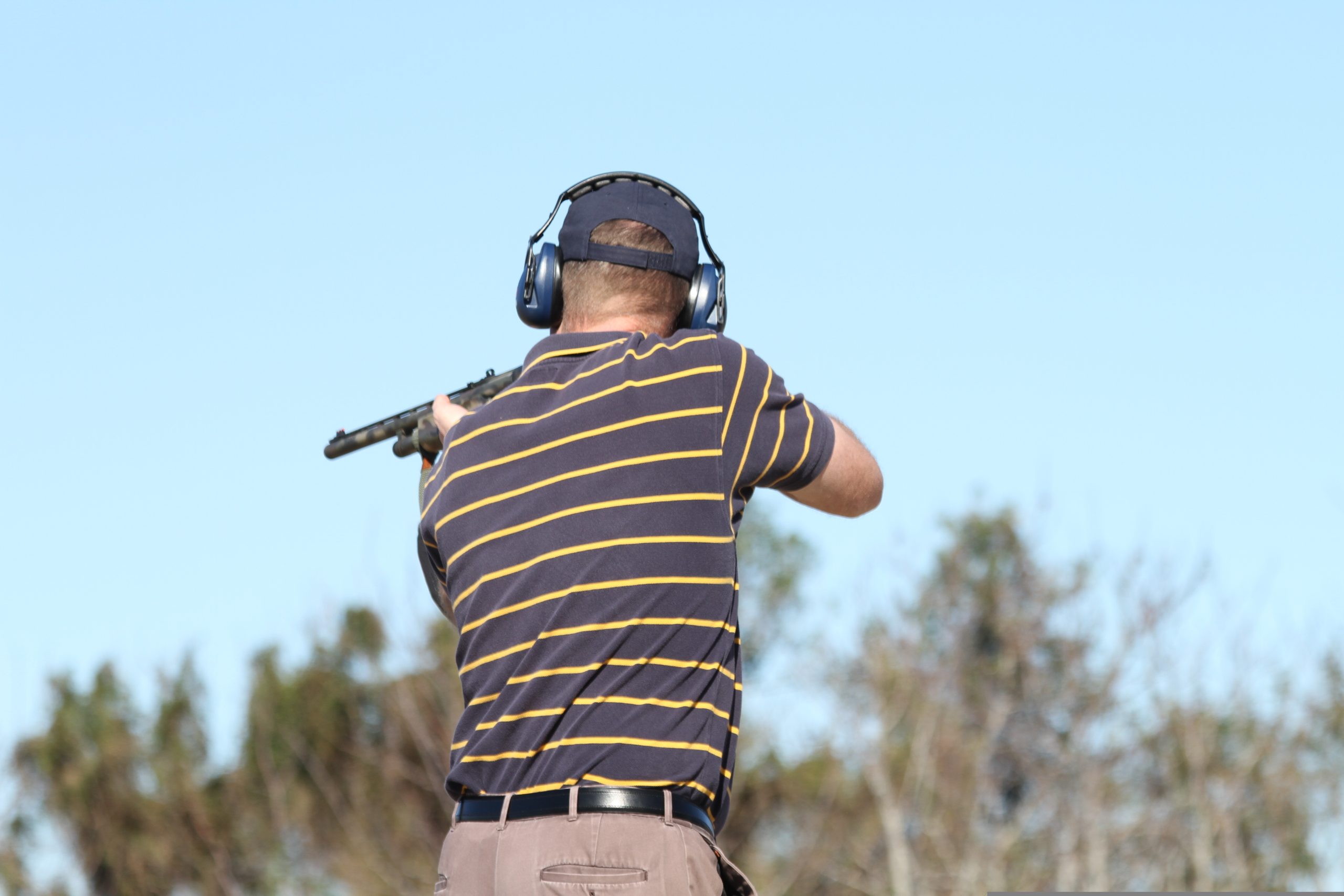
One of the more interesting details is how seriously Krieghoff approached the smaller-gauge K-20. Rather than putting smaller barrels onto a conventional K-80-sized receiver, the company designed the K-20 around the 20-gauge cartridge from the beginning. Krieghoff describes it as slimmer and lighter while retaining the important features of its larger sibling. Current specifications show 20- and 28-gauge versions, with sporting barrels offered in 30- and 32-inch lengths. Some K-20 configurations also extend to .410 bore, making the family unusually broad for a premium competition platform.
3. Balance Can Be Tuned With Surprisingly Small Weights
Krieghoff’s approach to balance goes far beyond simply choosing a barrel length. Its Balance System allows shooters to alter the gun’s handling with removable weights. The company lists barrel weights of up to 3 additional pieces, each weighing 1.4 ounces, beneath the forearm. The stock can also accept up to 5 additional 1-ounce weights, while a heavier stock bolt adds another 1.4 ounces. In total, Krieghoff states that stock weight can be increased by as much as 6.7 ounces, allowing the shooter to alter the feel without replacing the entire stock.
4. Stock Fit Is Treated as Part of the Gun, Not an Afterthought
Krieghoff’s famous philosophy is essentially that the barrel sends the shot while the stock determines how naturally the shooter aligns with it. That thinking explains the extensive stock-adjustment options found on its competing guns. The K-80’s adjustable comb can move approximately 5/8 inch, or 15 mm, upward and about 3/16 inch, or 5 mm, laterally. An adjustable butt plate can also alter pitch, drop, toe, heel, and cast. Even standard guns can be ordered with left- or right-hand stocks, giving fit a surprisingly central role in the design.
5. A K-20 Sporting Can Still Be a Substantial Competition Gun
The smaller K-20 does not mean a featherweight sporting toy. Krieghoff’s published specifications list its 20-gauge sporting barrels at approximately 3 pounds 6 ounces for a 30-inch set and 3 pounds 7 ounces for 32-inch barrels. The 28-gauge versions are slightly lighter, while the .410 models provide another small-bore option. The barrels use 3-inch chambers and five choke-tube options in the listed sporting configuration. Those numbers show how the K-20 balances compact handling with enough mass for serious clay shooting and controlled movement.
6. The K-80 Has Been Built Around Multiple Clay Disciplines
Rather than forcing one configuration into every competition, Krieghoff offers distinct K-80 variants for different styles of shooting. Trap models are built around targets launched away from the shooter, while Skeet configurations address fast-crossing targets and Parcours versions accommodate varied target trajectories. The current lineup includes at least 3 major categories—Trap, Parcours and Skeet—with several specialized models underneath them. That specialization matters because stock dimensions, barrel characteristics, and sighting preferences can change substantially between disciplines.
7. Some K-20 Barrels Are Remarkably Light for Their Length
Barrel length does not automatically tell you how heavy a Krieghoff will feel. The company lists K-20 sporting barrels in 30- and 32-inch lengths, yet the 30-inch 20-gauge barrel set is approximately 54.5 ounces, or 3 pounds 6 ounces. The 32-inch version is about 55 ounces. Krieghoff also uses different barrel construction approaches for particular models; its K-20 Parcours employs a soldered side rib that permits a thinner barrel wall. The goal is a lively, balanced gun rather than simply removing weight wherever possible.
8. The Price Is Only Part of Why Buyers May Have to Wait
The idea of a Krieghoff waitlist being longer than a car loan captures something important, although exact delivery times vary by configuration, dealer,r and production schedule. These guns are highly configurable, and the company explicitly emphasizes individualized stock fit, discipline-specific setups, and balance adjustment. Its current sporting catalog spans numerous K-80 and K-20 variants rather than a handful of fixed packages. That customization helps explain why ordering one is fundamentally different from buying a mass-produced shotgun. The real attraction is having a gun configured around the shooter rather than accepting one generic specification.