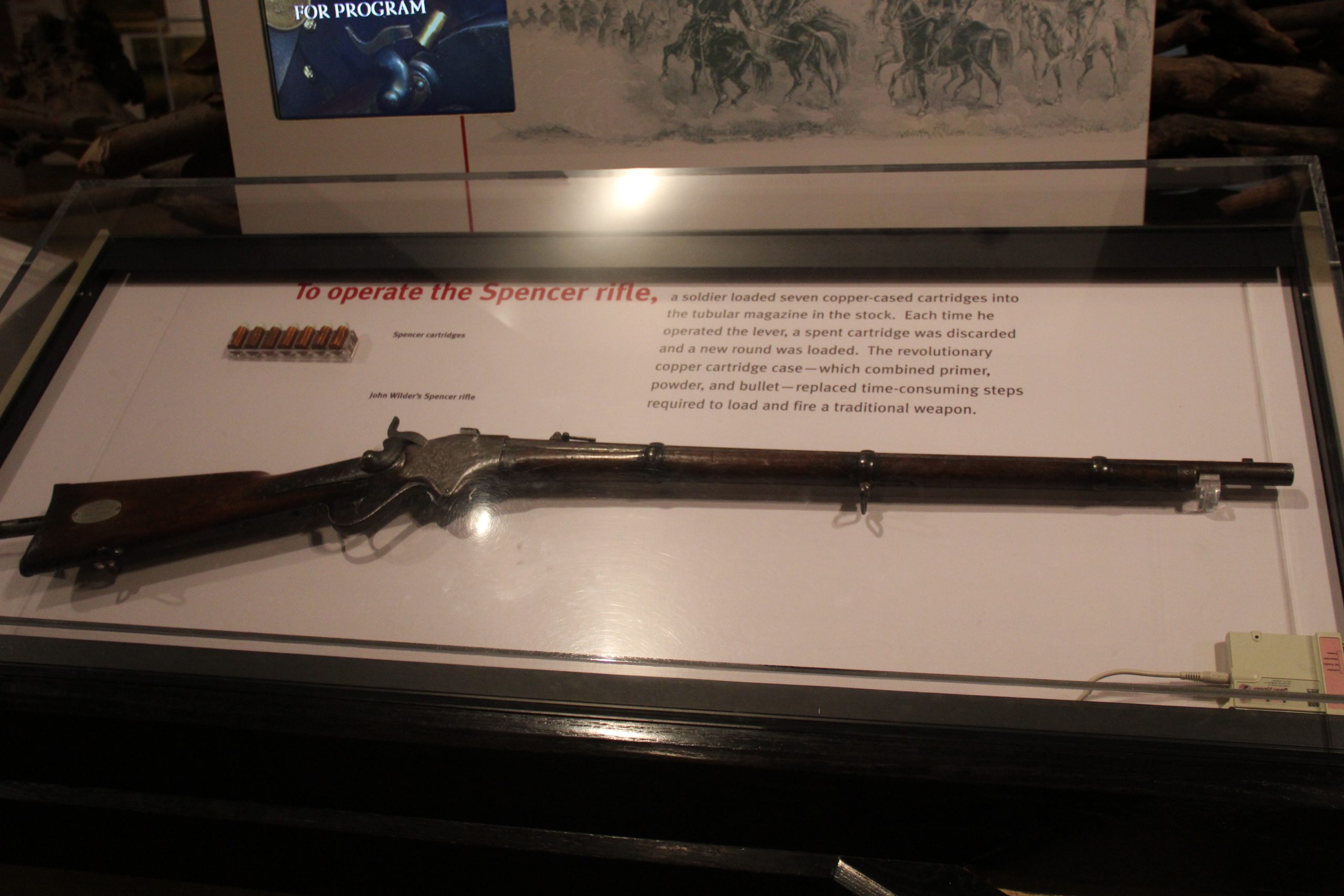
The Spencer repeating rifle occupies an important place in American firearms history, particularly during the Civil War. Developed when most military rifles still required individual loading after every shot, it introduced a practical combination of metallic cartridges, a repeating mechanism, and an unusual magazine hidden inside the wooden stock. Its seven-round capacity gave soldiers a considerable advantage over conventional single-shot firearms. However, there is much more to the Spencer than its reputation for rapid fire. From its unusual ammunition designation to its connection with Abraham Lincoln, several details reveal just how innovative this 19th-century design really was.
1. Its Magazine Was Hidden Inside the Stock
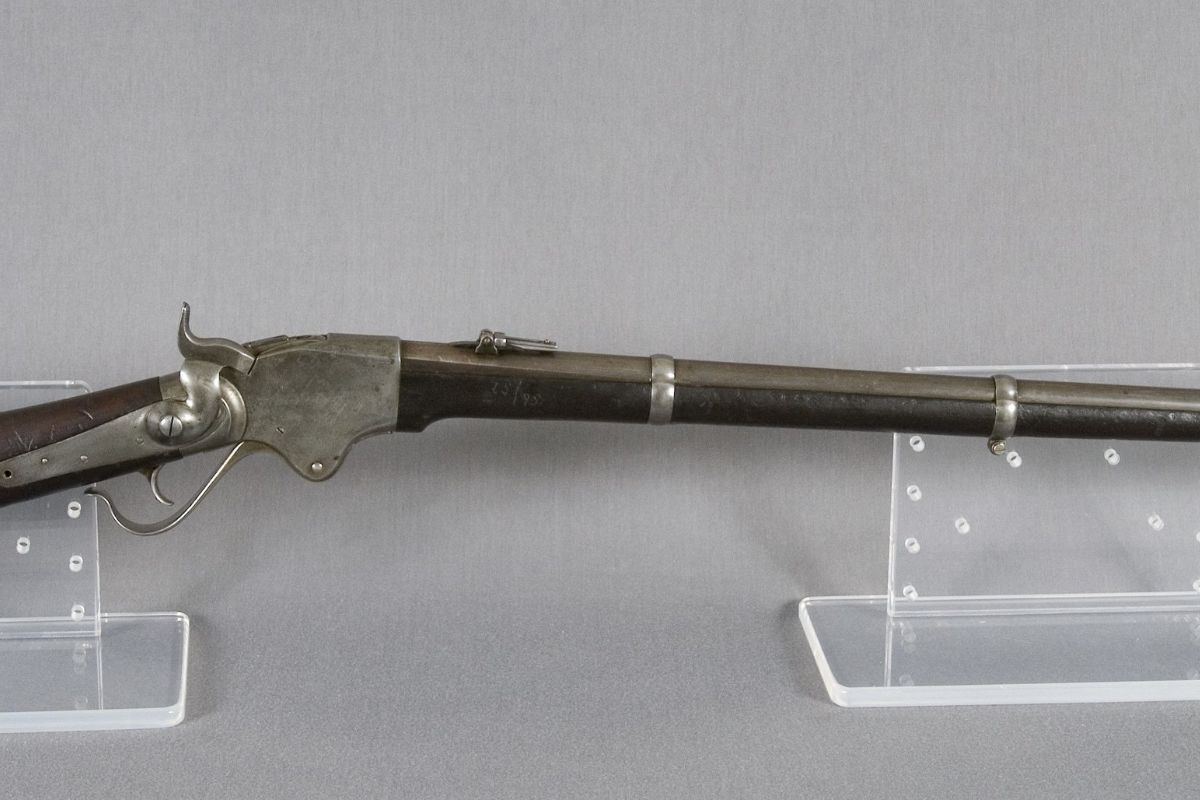
The Spencer’s most surprising feature was where it stored its ammunition. Instead of placing a tube beneath the barrel, designer Christopher Miner Spencer fitted a spring-loaded magazine inside the wooden buttstock. The standard military pattern held 7 metallic cartridges, keeping the rifle’s profile relatively uncluttered while giving soldiers several shots before reloading. A follower pushed the cartridges forward as the action used them. This arrangement was unusual for its era and helped distinguish the Spencer from single-shot breechloaders and muzzleloading muskets. It also meant that the stock was more than a shoulder support: it was an essential part of the rifle’s feeding system.
2. The Famous .56-56 Label Does Not Mean a .56-Caliber Bullet
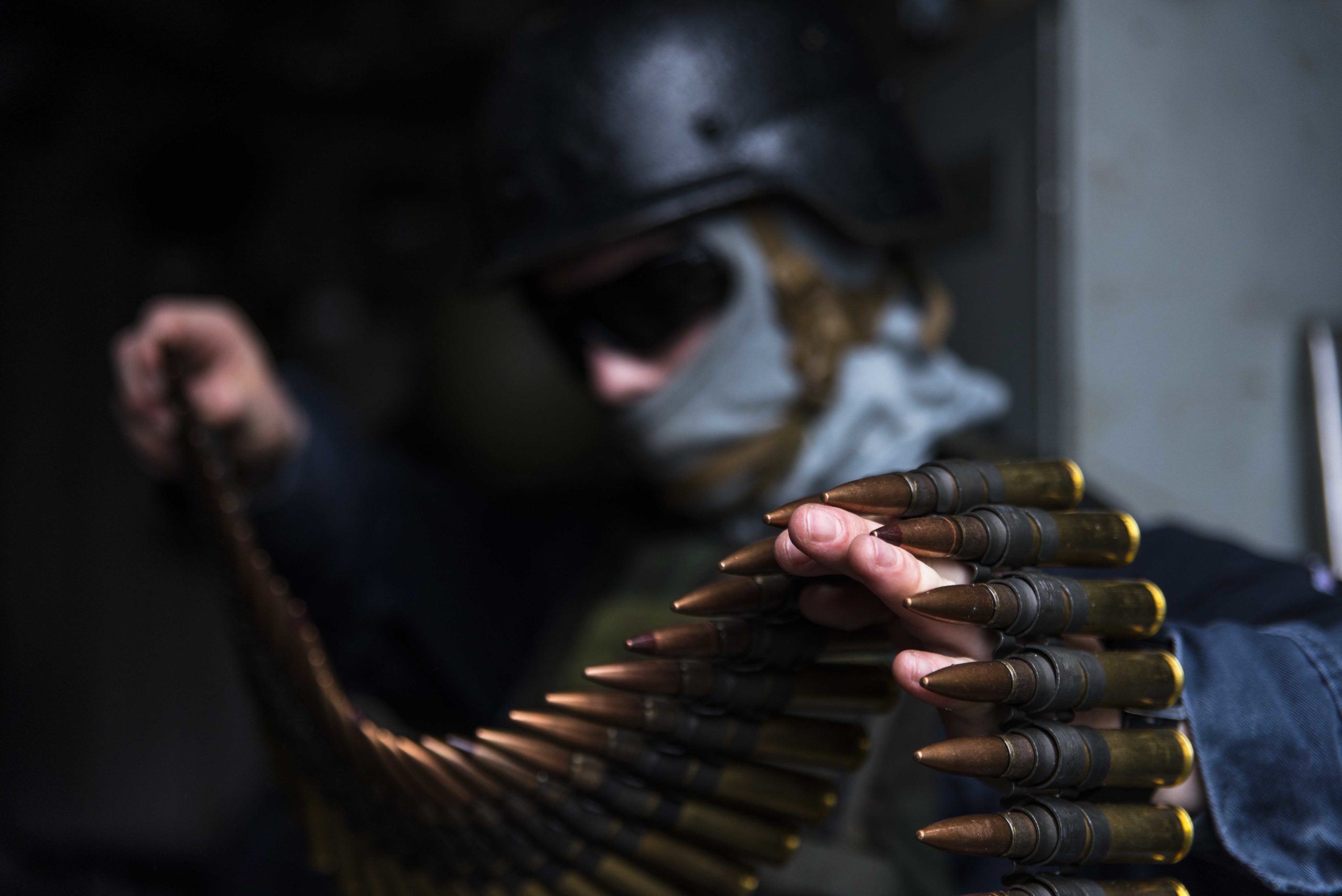
The standard Civil War Spencer was commonly described as a .56-56 rimfire, but that label can confuse modern readers. The figures referred to case dimensions, not the actual bullet diameter. The projectile was approximately .52 caliber, which is why museum descriptions often identify the arm as a .52-caliber rifle. Its metallic rimfire cartridge combined the powder, bullet, and priming system in one unit, a major practical change from paper cartridges and separate percussion caps. The exact ammunition designation matters when identifying original examples: the name on a cartridge box does not translate directly into the bullet diameter. Different Spencer chamberings also appeared later.
3. The Lever Did Not Cock the Hammer Automatically
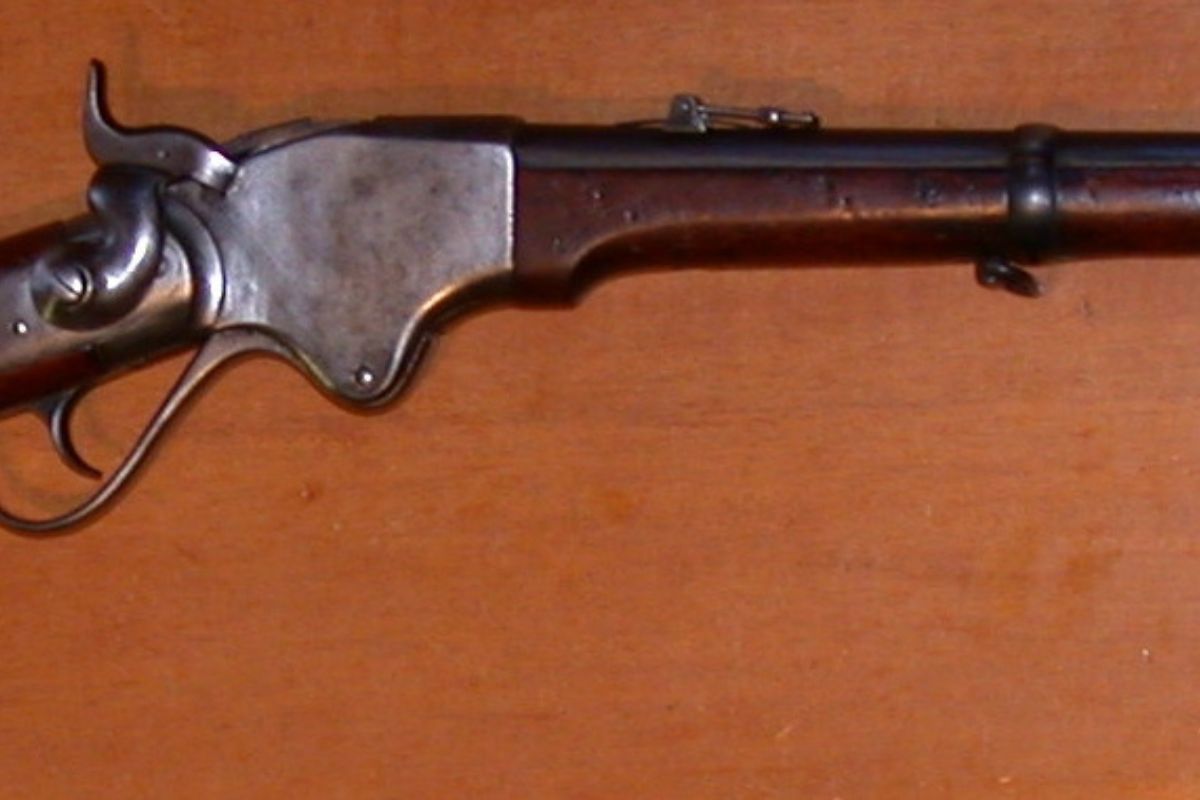
Although the Spencer is often grouped with later lever-action rifles, its operating routine had an important difference. Moving the trigger-guard lever cycled the breech mechanism, extracted the fired case, and brought another cartridge into the chamber. The shooter still had to cock the external hammer manually before each shot. The standard magazine held 7 rounds, so the rifle offered a substantial increase over a single-shot arm, but it was not a modern self-cocking repeater. Remembering this distinction helps explain both its strengths and its handling. The lever managed feeding and extraction; the hammer remained a separate step in preparing the rifle to fire.
4. It Reached the Battlefield Later Than Its 1860 Name Suggests
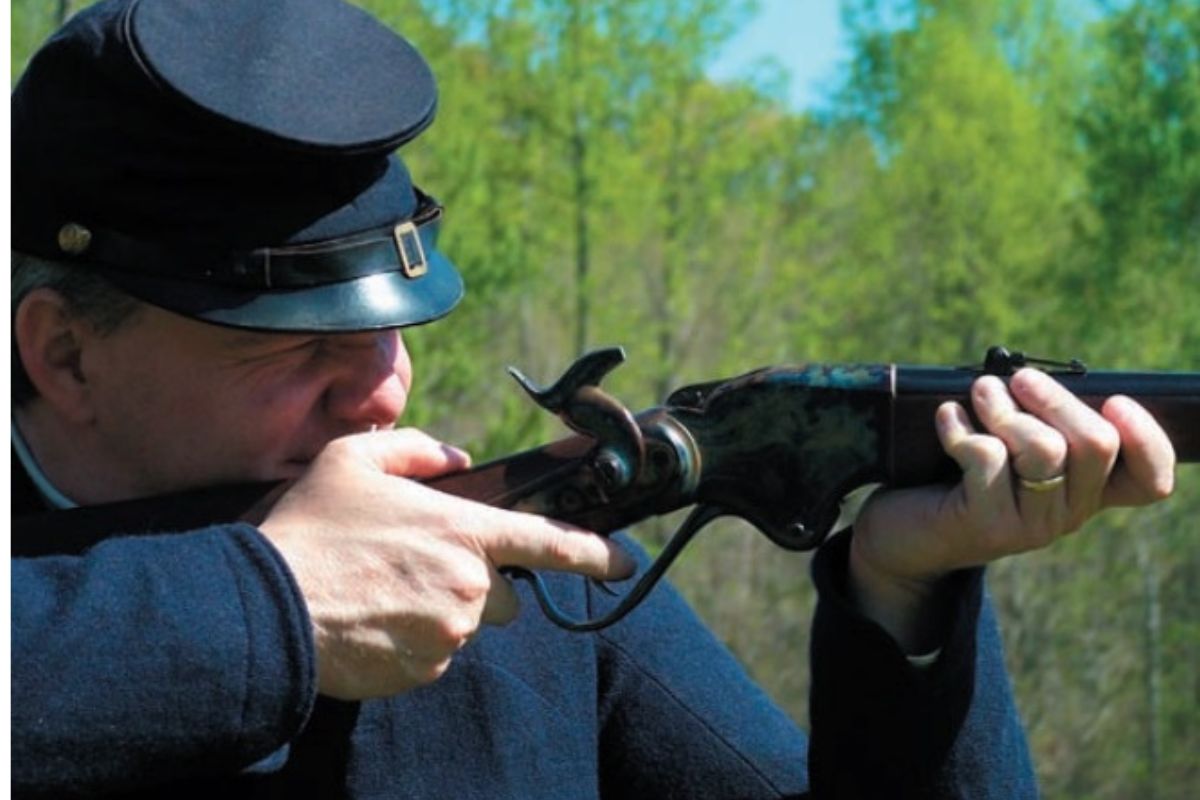
The Model 1860 name refers to the design period, not the date when large numbers reached Union troops. Christopher Miner Spencer patented his repeating-rifle idea in 1860, but government acceptance took time. The weapon underwent demonstrations and trials before meaningful Army issue, and Spencer rifles became prominent in combat during 1863. One well-known early test came at Hoover’s Gap, Tennessee, on June 24, 1863, where Union troops equipped with repeaters gained a reputation for rapid fire. The gap between invention and battlefield adoption is a useful reminder that a promising design still needed testing, contracts, production, and military approval before it could change a campaign.
5. The Carbine Was Especially Useful to Union Cavalry
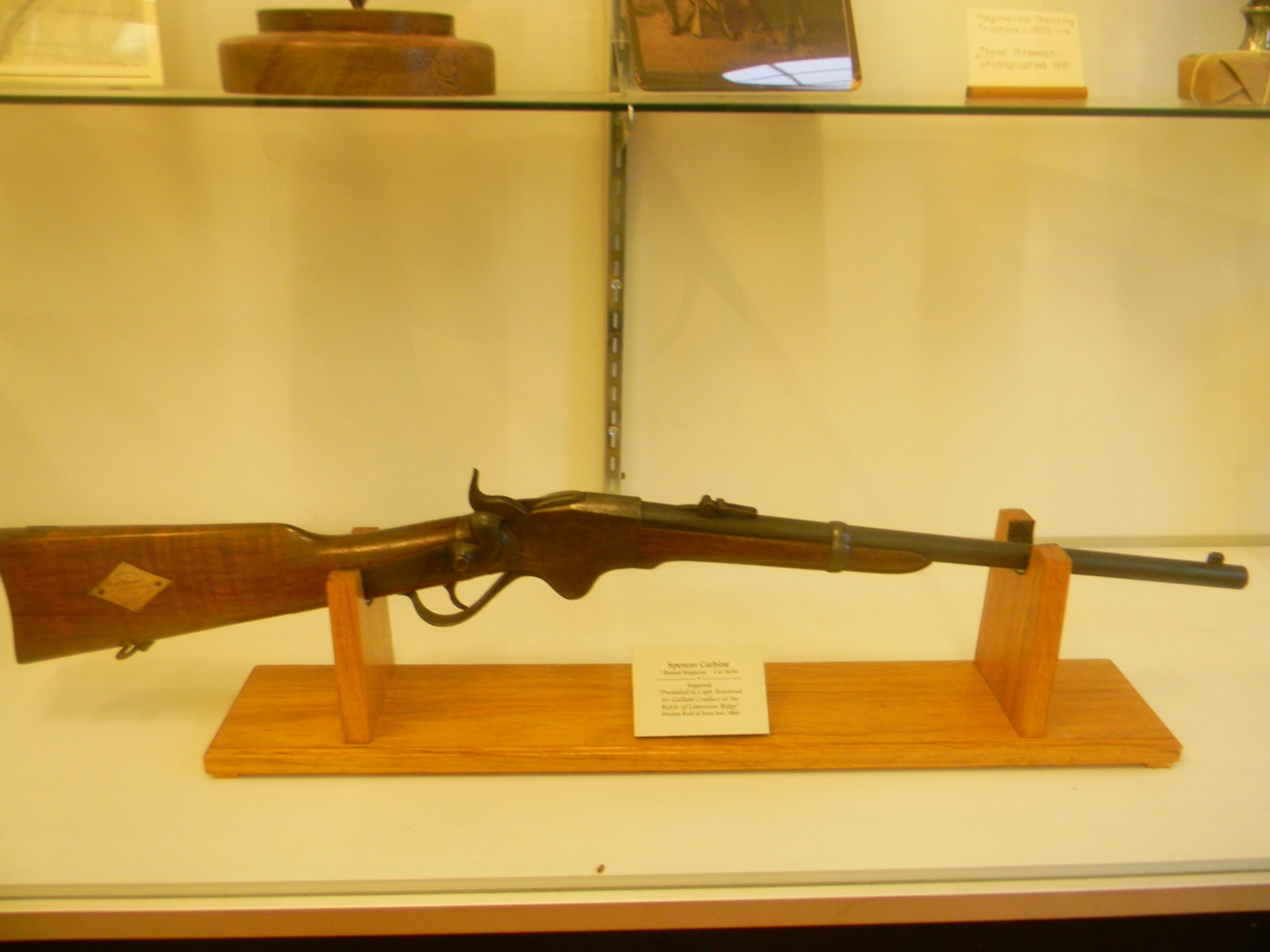
The Spencer appeared in both full-length rifle and shorter carbine forms, and the carbine became particularly associated with Union cavalry. A mounted soldier could carry it more conveniently than a long infantry rifle, while its 7-shot magazine reduced the need to reload after every discharge. Common military descriptions put the carbine at about 39 inches long, making it handier on horseback than the longer rifle. Its repeating action offered a practical advantage in fast-moving encounters, although ammunition still had to be carried and replenished. The Spencer did not make cavalry invulnerable; it gave mounted troops a compact arm with several ready shots before reloading.
6. Special Cartridge Tubes Made Reloading Much Faster
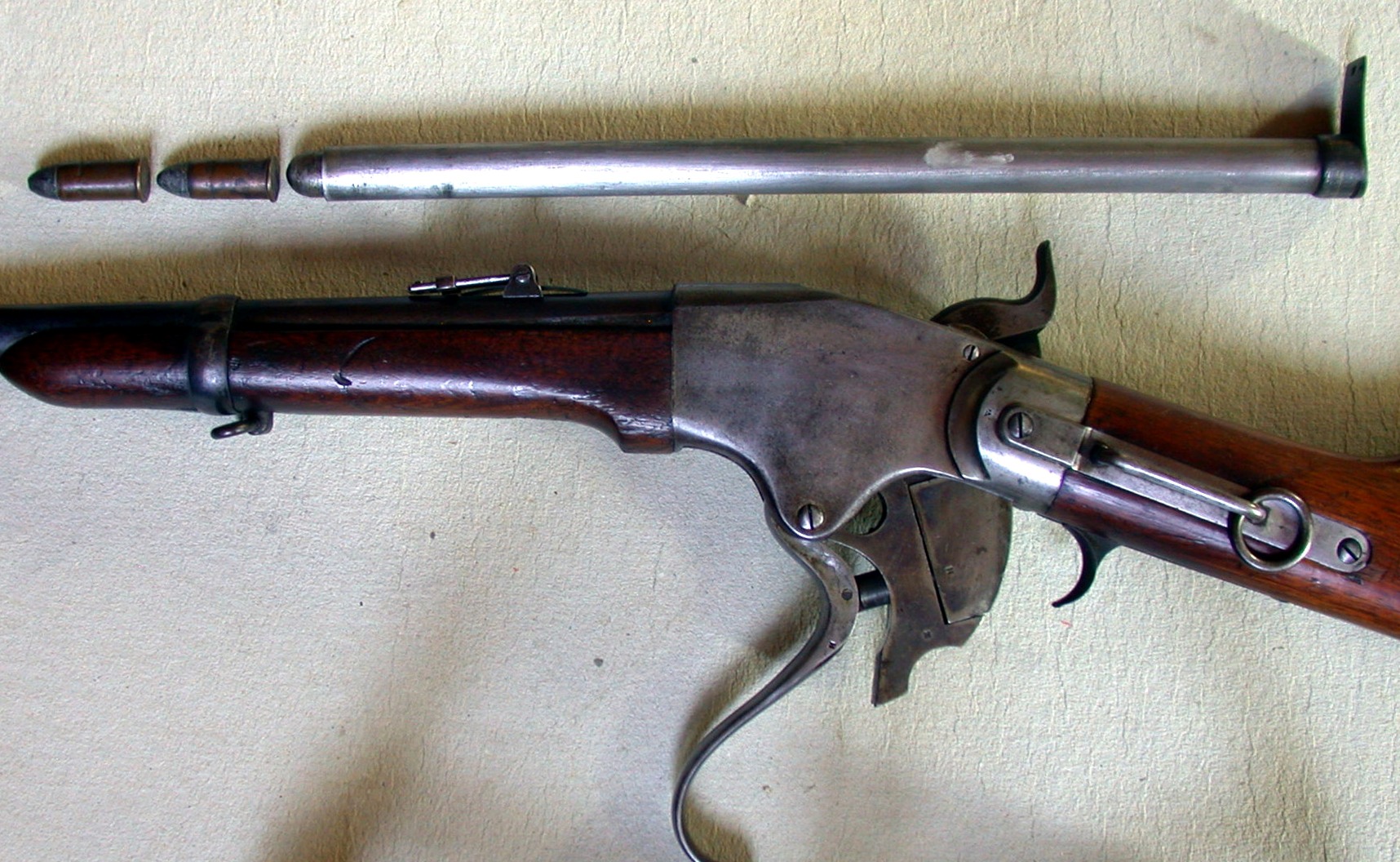
A seven-round magazine sounds useful, but filling it one cartridge at a time could be slow under field conditions. The Blakeslee cartridge box addressed that problem with removable tubes, each carrying 7 Spencer cartridges. Soldiers could carry several loaded tubes and use them to replenish the stock magazine more quickly than handling every round separately. This was an ammunition-carrying system, not a larger magazine fitted permanently to the rifle. It shows how military equipment often develops around a weapon: the Spencer’s practical value depended not only on its mechanism, but also on a way to keep cartridges organized and available during sustained use.
7. Abraham Lincoln Personally Tried One, and the Design Outlived the War
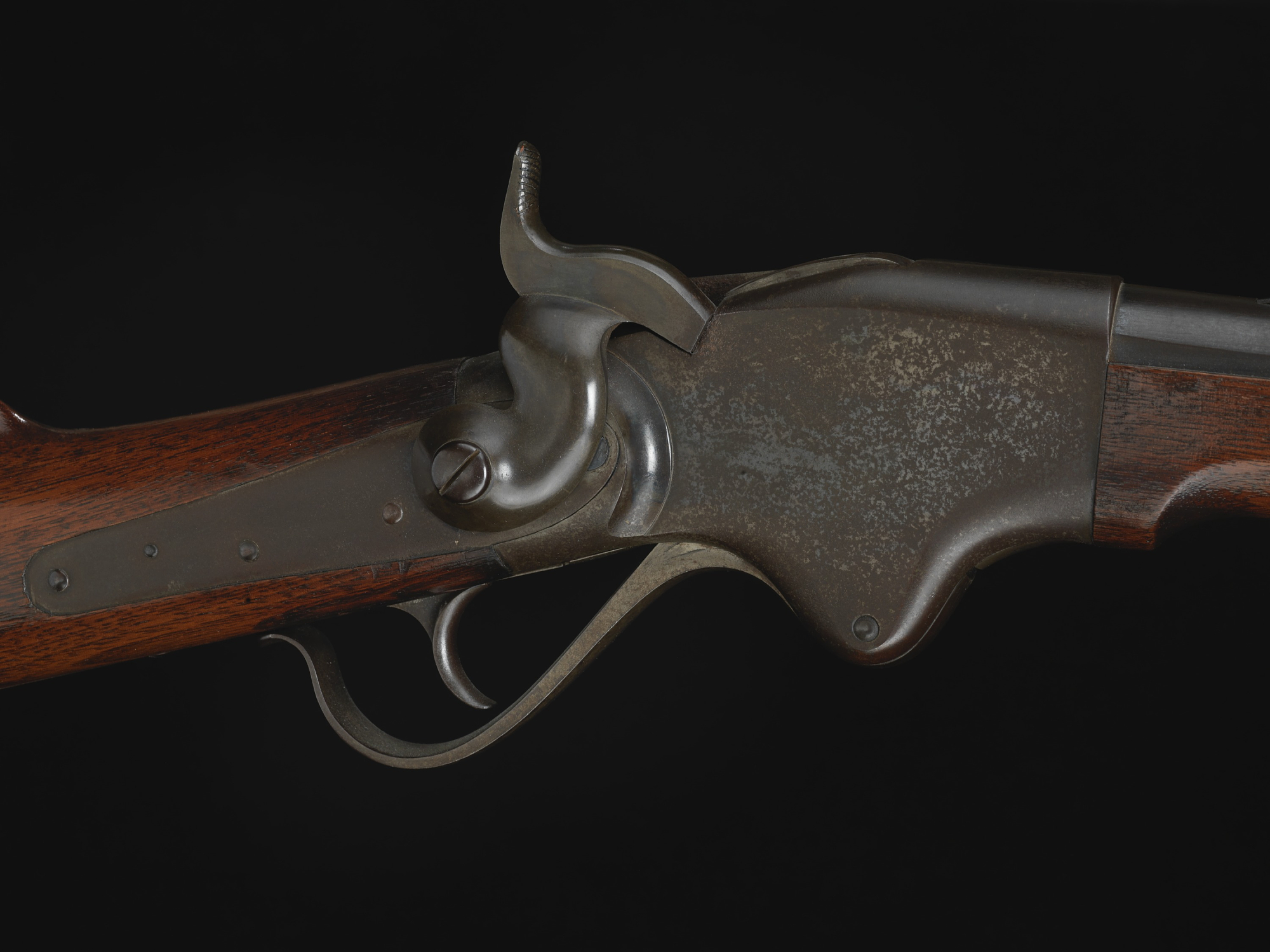
The Spencer attracted attention beyond military units. The Smithsonian’s National Museum of American History records that Abraham Lincoln used a Spencer rifle borrowed from the Navy Department for target practice at the White House. The museum’s example dates to about 1862 and measures 47¼ inches overall. After the Civil War, Spencer carbines continued in frontier service, and some Model 1865 examples gained a magazine cut-off for single-shot use while keeping magazine ammunition in reserve. More than 200,000 Spencer arms were manufactured between 1860 and 1869, according to the Library of Congress, making the design an important chapter in repeating-firearm history.