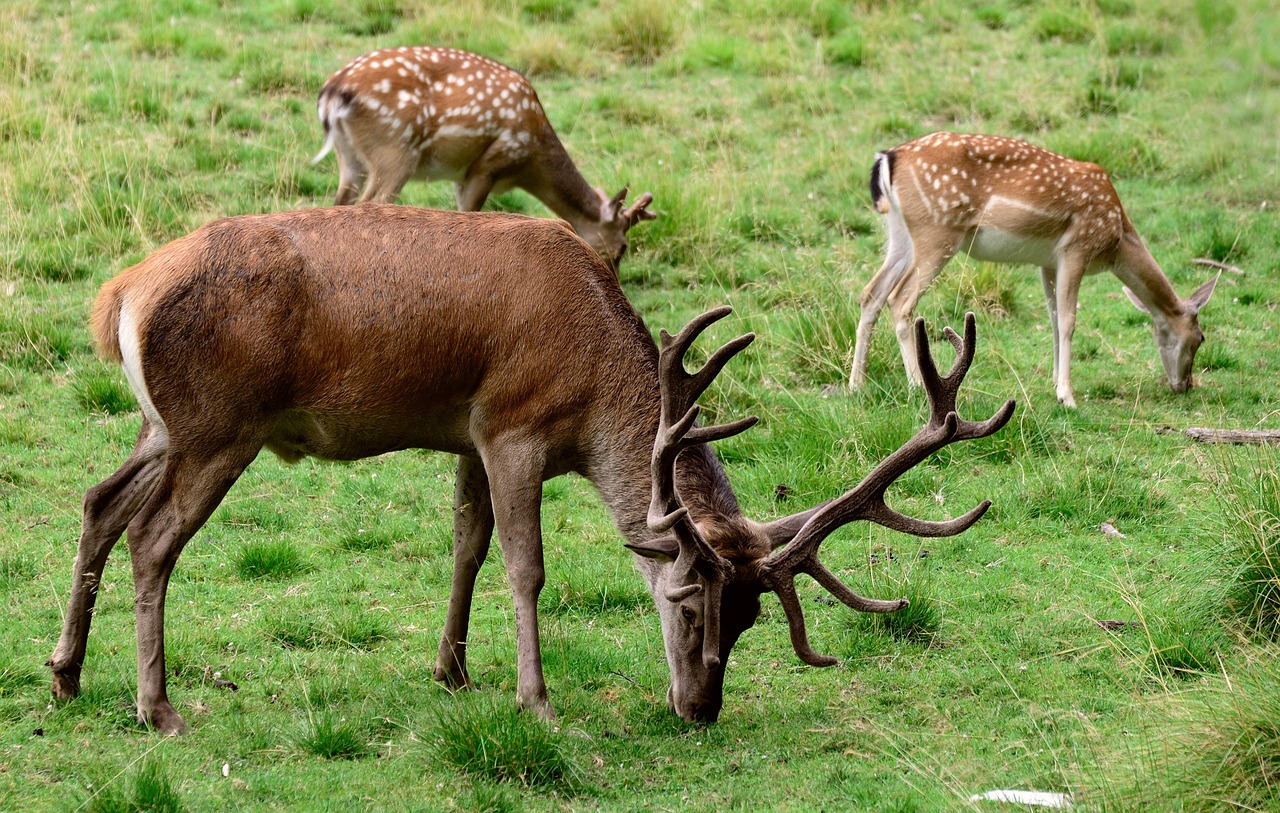
When the landscape dries out, deer do not simply move less or disappear. They often change where they feed, how far they travel, and when they feel safe enough to move, creating patterns that can confuse even experienced hunters. This gallery breaks down seven lesser-known ways drought is altering migration and daily movement, and why understanding those shifts can make the woods look very different.
Water becomes the new travel hub.
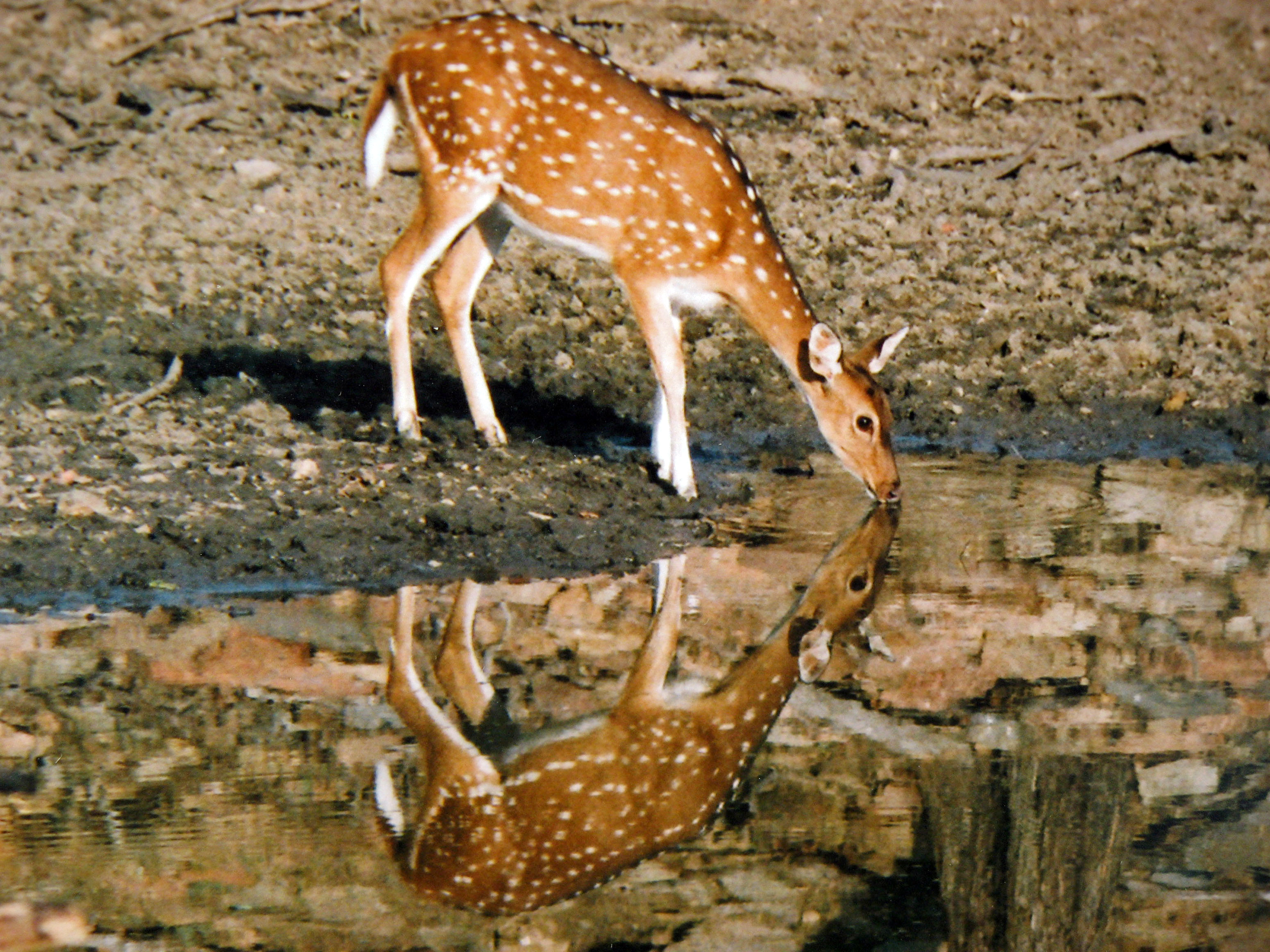
Many hunters still think of food plots and mast trees as the main anchors of deer movement, but drought can flip that script fast. When ponds shrink, creeks stop running, and seeps dry up, the few remaining water sources become gathering points that shape travel routes across an entire property.
That does not always mean deer will stroll openly to water in daylight. More often, they build tighter movement loops around dependable moisture, bedding closer, and using thicker cover to approach. In dry years, a tank, spring, or shaded cattle pond can influence movement as much as a prime feeding area.
Deer often shorten their movements instead of migrating farther

A common assumption is that drought forces deer to roam widely in search of better conditions. Sometimes that happens, especially in the West, but in many whitetail regions, the opposite is more common. Deer often conserve energy by shrinking their daily range and staying close to the best available cover, food, and water.
That change can make a property feel empty even when deer are still there. They may simply be circulating in a smaller pocket with everything they need. Hunters who keep covering ground instead of identifying those concentrated refuge areas can walk right past a pattern that has become more localized, not more spread out.
Traditional crossings can lose importance overnight

Drought changes the landscape in ways that can scramble long-standing setups. A creek crossing that produced year after year may stop seeing action if the channel dries, nearby browse burns out, or the shaded corridor loses its cooling effect. Deer are practical, and they will abandon a classic route faster than many hunters expect.
At the same time, new crossings can appear in places that never mattered before. A fence gap near a surviving water source or a brushy ditch with green growth may suddenly become a high-traffic lane. Dry years reward hunters who scout for current sign instead of trusting a spot because it used to be reliable.
Heat and dryness push more movement into the edges of the day

Hunters know deer like dawn and dusk, but drought can make that pattern even more extreme. When daytime temperatures stay high and shade is limited, deer often avoid unnecessary movement during the brightest hours. They wait for cooler windows when they can feed and reach water with less stress.
That does not just shift movement later in the evening and earlier in the morning. It can also compress activity into shorter bursts, making timing more important than ever. A stand that seems dead for hours may light up briefly near last light because deer are minimizing exposure to heat and dehydration.
Food quality changes can reroute entire local patterns

Drought not only reduces the amount of food on the landscape. It can also lower the moisture and nutritional quality of browse, soft mast, and crops, changing which feeding areas are worth visiting. Deer may bypass a once-productive destination if the forage there has turned tough, sparse, or less palatable.
That is why greener pockets become so important in dry periods. Irrigated fields, creek bottoms with lingering moisture, and north-facing slopes can suddenly attract disproportionate attention. Hunters who focus only on the quantity of food often miss the more important detail: in drought, deer tend to seek the best food available, not just the nearest.
Pressure grows around the few places that still hold resources

As drought concentrates deer around limited water and better forage, it also concentrates people. Ranch traffic, livestock, trail cameras, and hunting pressure can pile onto the same small set of productive spots. Deer respond by becoming more cautious, more nocturnal, and more likely to use cover-heavy approach routes.
This is one reason a great-looking water source may never produce a daylight opportunity. The resource is still important, but the pressure around it may be teaching deer to arrive after dark. In dry conditions, the winning setup is often not directly on the destination, but on a quieter route leading to it.
Young deer and does may shift first, changing buck behavior too
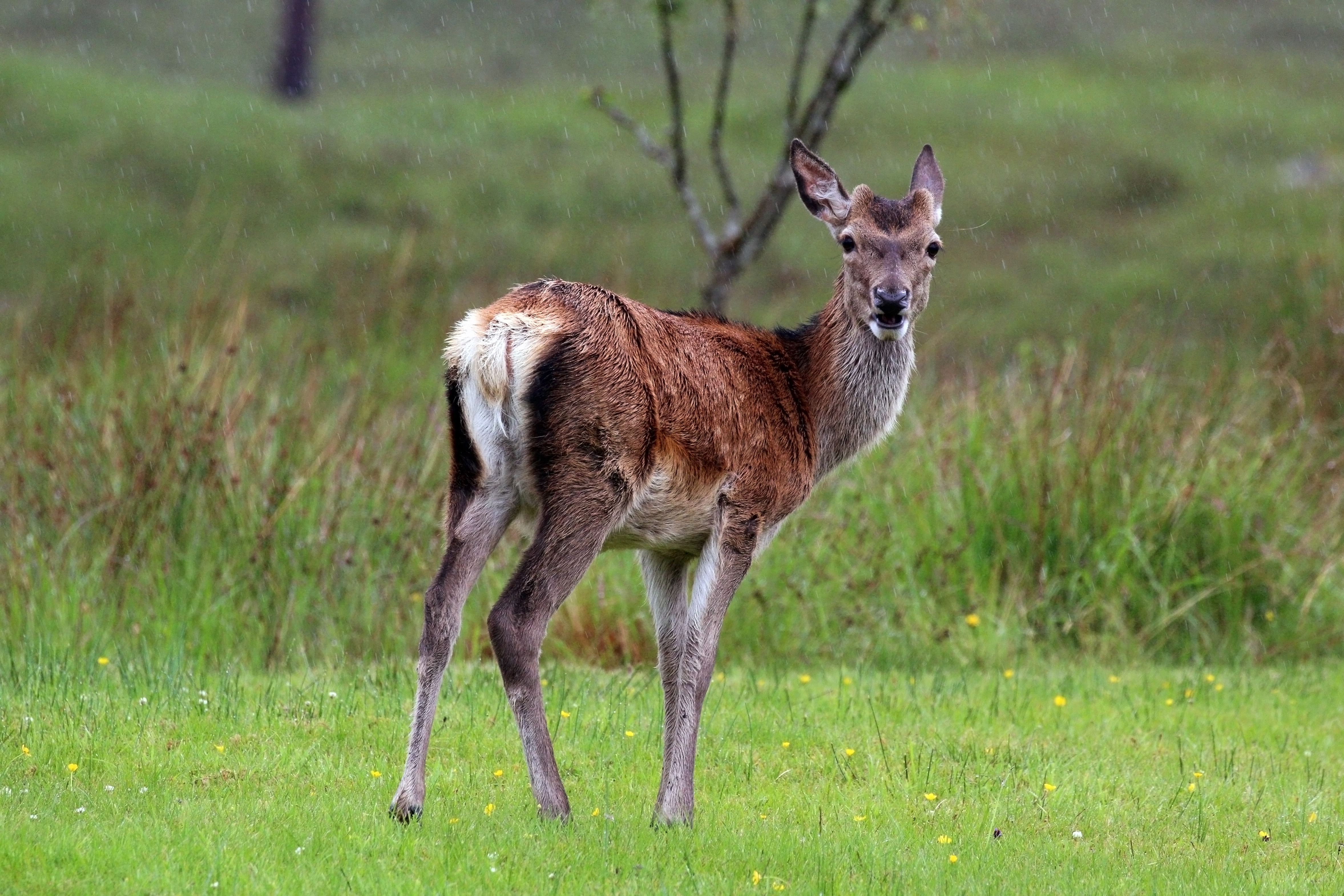
Drought-driven movement does not affect every deer in the same way. Family groups and younger animals often respond sooner to shrinking water and changing forage, relocating to safer, more reliable resource pockets. That matters because bucks frequently adjust in relation to where those deer are feeding, bedding, and traveling.
In other words, a buck pattern can break down even if the buck itself is not reacting directly to the weather. If the social and food landscape around him changes, his route may change with it. Hunters who watch only mature buck sign can miss the broader herd shift that is pulling everything else around.