Talk to enough cabin owners and a pattern starts to emerge: the most dependable off grid power systems are often the ones that look boring on paper. Instead of chasing the newest pitch, experienced owners tend to favor setups that are easier to repair, better matched to real weather, and far more forgiving under daily use. These are the systems people say kept the lights on when the marketing claims fell short.
Ground Mounted Solar Built for Easy Snow Clearing

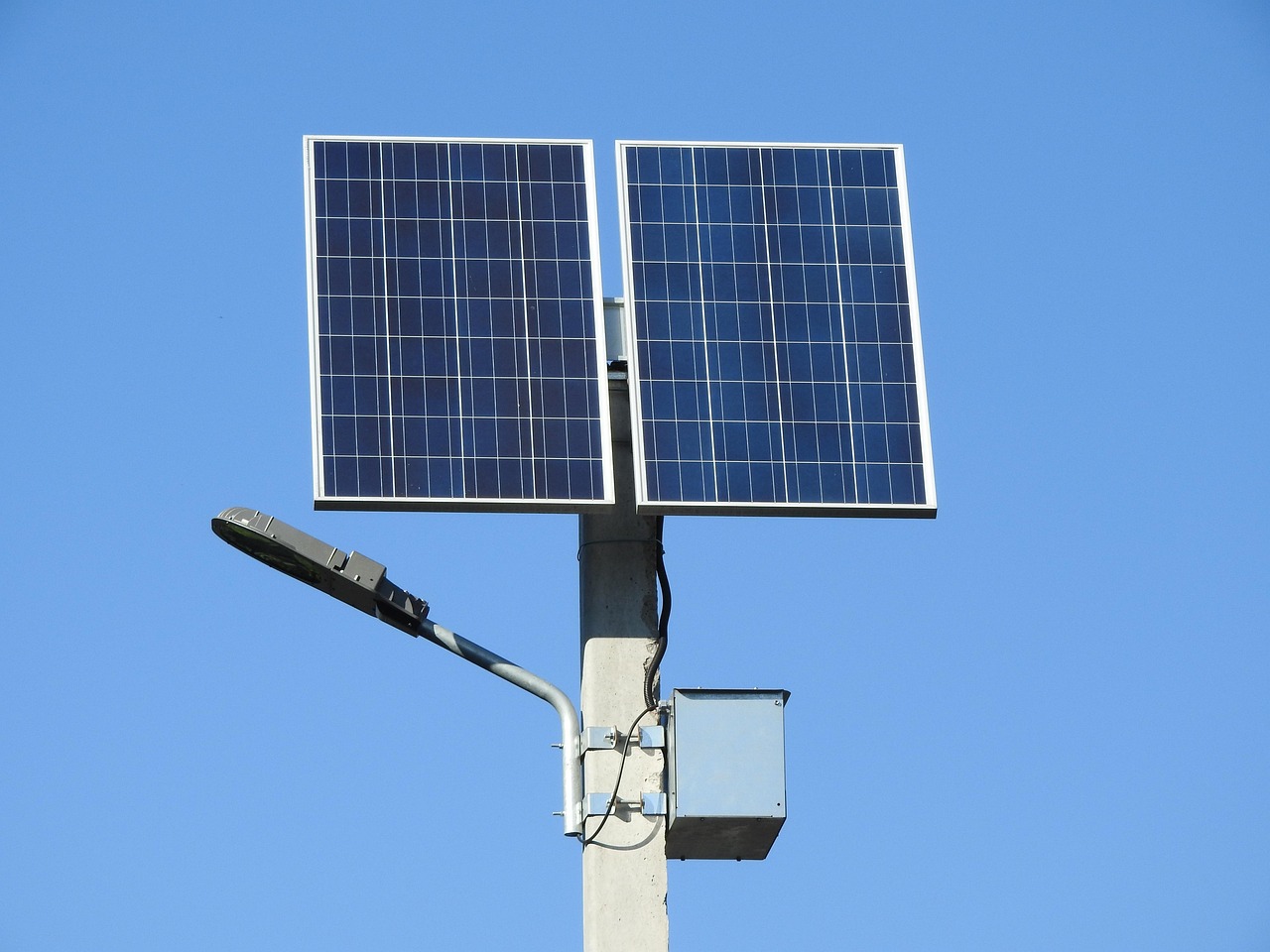
Roof arrays look tidy, but many serious cabin owners swear by ground mounts for one practical reason: access. In snowy regions, being able to brush panels clean in minutes can restore meaningful output long before a roof mounted system would have recovered on its own.
Ground mounted systems also make inspection, wiring checks, and seasonal angle adjustments much easier. Owners say this kind of simplicity matters more over the years than the sleek appearance installers like to advertise. When a system can be maintained without ladders, ice, or risky climbing, it tends to get the care that keeps it productive and dependable.
Lithium Iron Phosphate Batteries in an Insulated Power Room

Cabin owners who upgraded from older battery chemistries often describe lithium iron phosphate as the first change that truly reduced daily stress. The appeal is not just capacity. It is the cleaner charging profile, deeper usable storage, and lower maintenance burden that makes the whole power room feel less like a constant chore.
The systems that earn the most praise are usually installed in insulated spaces where temperatures stay more stable. That combination helps protect performance and simplifies winter operation. Owners say the real win is confidence: fewer routine checks, less fussing with battery health, and a setup that behaves predictably even when the cabin is heavily used for days at a time.
Hybrid Inverter System With Automatic Generator Start

One of the most praised real world setups is the hybrid inverter tied to an automatic backup generator. Cabin owners say this arrangement removes much of the babysitting from off grid living. When battery levels dip or a heavy load arrives, the system responds on its own instead of waiting for someone to notice trouble.
That automation is especially valued during storms, winter absences, or weekends packed with guests. Owners report fewer deep battery drains and much smoother power quality during demanding moments. In practice, they say, this kind of intelligent coordination beats the industry’s all-in-one miracle claims because it respects a simple truth: backup matters, and it works best when it is seamless.
Micro Hydro on a Small Year Round Stream

For cabin properties with reliable moving water, micro hydro is often described as the quiet overachiever. Owners say it may not get the glamour of large solar arrays, but steady 24-hour production can transform an off-grid system from carefully rationed to comfortably usable.
What impresses people most is consistency. Even a modest turbine can keep batteries topped up through long nights and gray days when solar underperforms. Cabin owners who have it often call it their favorite source because it works while they sleep, while it rains, and while winter light disappears. In the right location, they say, nothing marketed to them came close to that kind of dependable output.
Propane Generator Paired With Solar for Seasonal Cabins

Not every cabin needs a complex year round setup, and experienced owners are often blunt about that. For seasonal use, a solar system backed by a propane generator can outperform more ambitious designs simply because it matches how the property is actually used.
Propane stores well, starts reliably, and supports heavier tools or cabin loads when needed. Owners say the beauty of this arrangement is its realism. Solar covers the quiet daily basics, while the generator handles spikes, maintenance days, or shoulder season weather without forcing expensive overbuilding. In their view, the best system is not the most impressive one. It is the one that delivers dependable comfort without constant tinkering.
Low Voltage DC Circuits for Essential Loads

A surprising number of practical cabin owners still praise dedicated DC circuits for essentials like lighting, communications gear, and some pumps. They say this stripped down layer of resilience matters most when the main inverter is offline, under repair, or simply being spared during low power periods.
The advantage is not nostalgia. It is efficiency and redundancy. By keeping core functions on a direct, low voltage path, owners can preserve battery power and avoid unnecessary conversion losses. Many describe it as a backup philosophy rather than a throwback technology. When everything else feels more complicated than promised, a few reliable DC loads can make an off grid system feel calm, flexible, and genuinely prepared.
Diesel Generator and Battery Charging for Heavy Workshop Loads

Cabin owners who run welders, compressors, sawmills, or large pumps often say the industry’s solar-only messaging does not reflect their reality. For serious workshop use, a robust diesel generator tied into a battery charging system remains one of the most respected solutions because it handles punishing loads without pretending every task should fit a lifestyle brochure.
These setups shine when power demand is intense but intermittent. The generator does the hard charging and supports equipment directly, while batteries carry quieter household loads afterward. Owners say this split approach saves wear on the rest of the system and keeps expectations honest. It may not be the prettiest answer, but for real work in remote places, they say it consistently delivers.