Machine guns designed decades ago are appearing in current defense discussions for surprisingly modern reasons. Some are receiving fresh contracts, others are being upgraded, and a few are becoming useful benchmarks as militaries search for lighter or more adaptable replacements. The stories behind these weapons show that age alone does not determine whether a machine gun remains relevant. Continued production, modernization, changing battlefield requirements, and compatibility with established ammunition are all keeping several famous designs in the spotlight.
1. FN M240
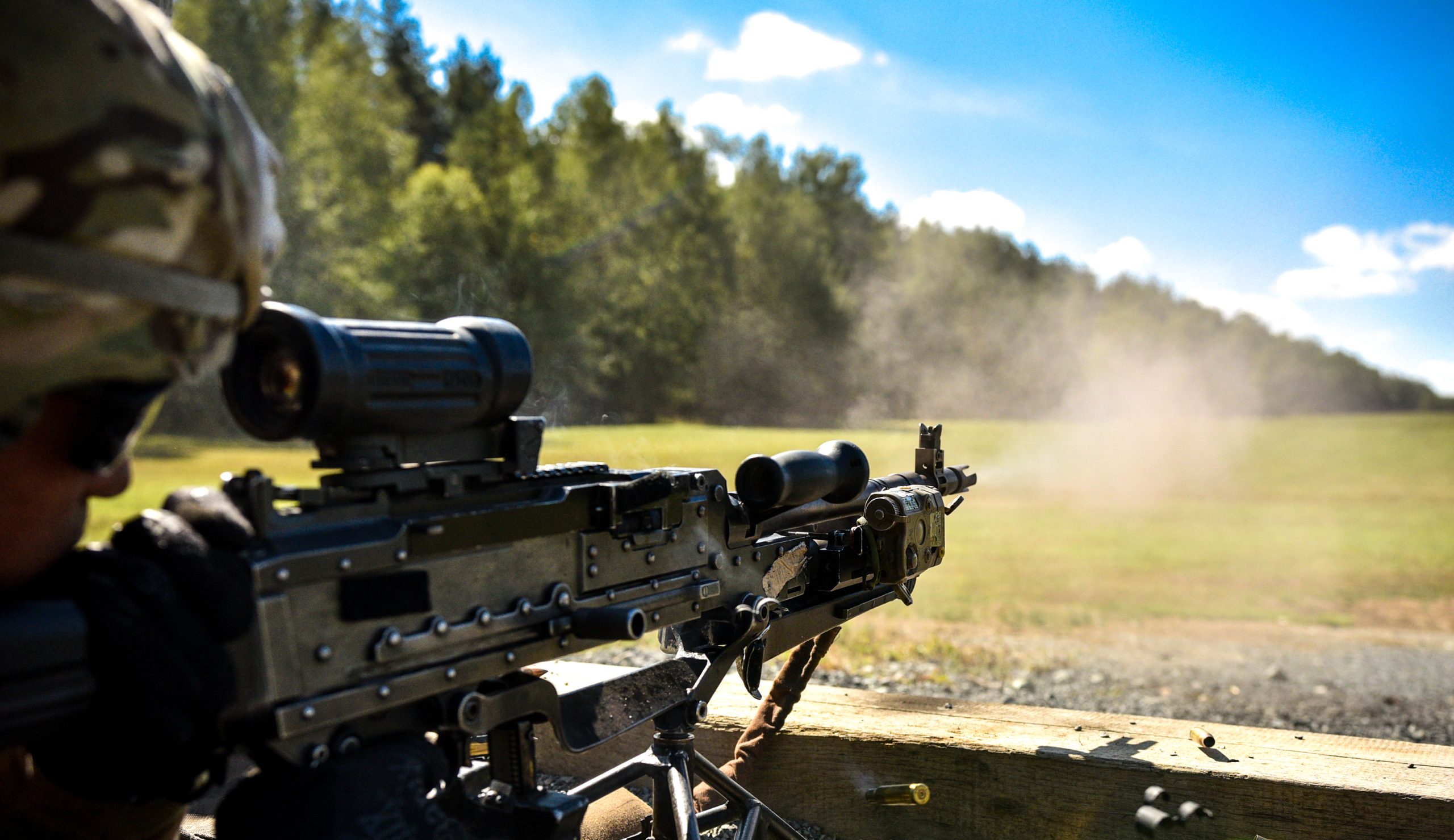
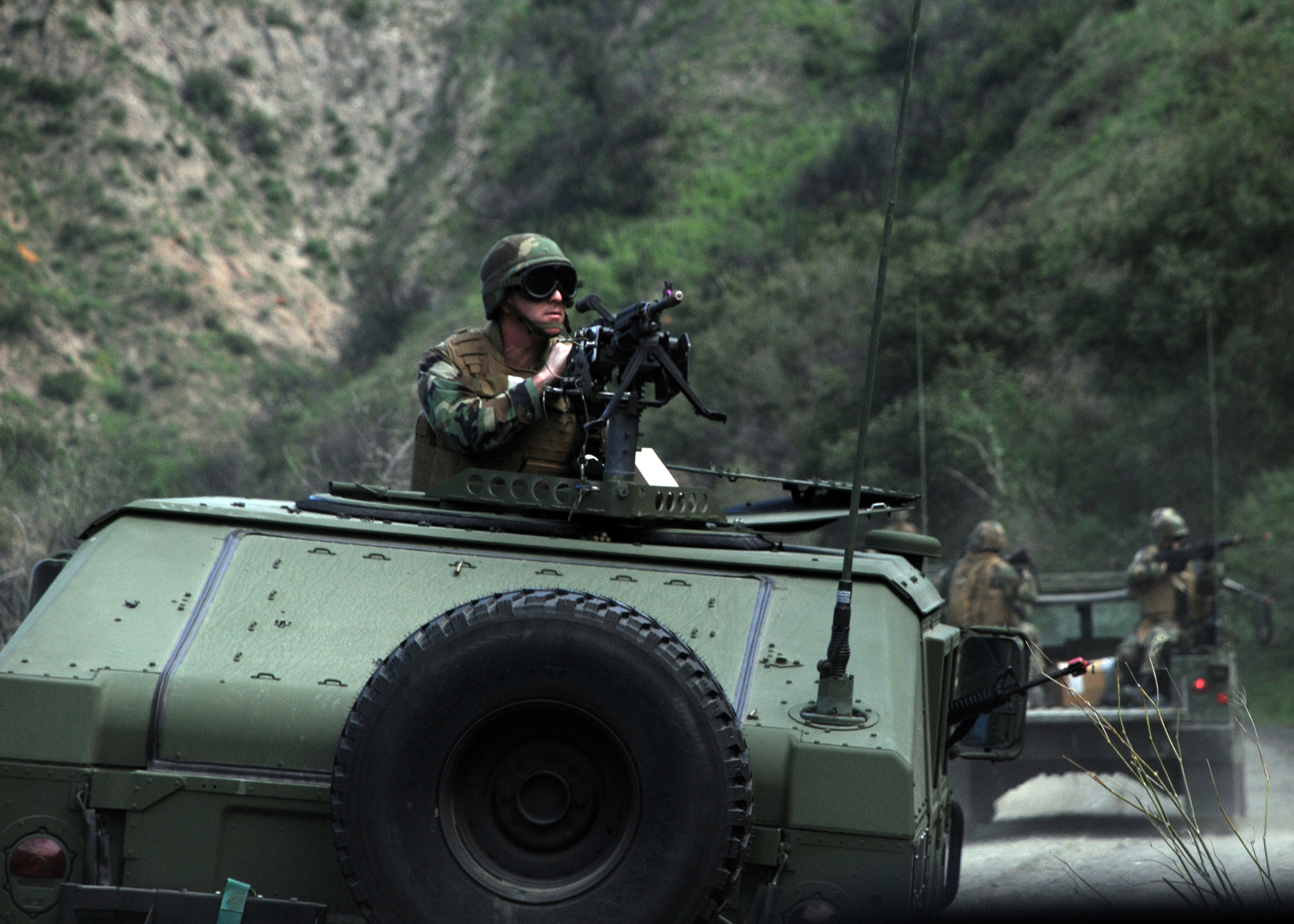
The FN M240 is suddenly receiving fresh attention because the U.S. military is still investing in a design that has been around for decades. In March 2026, FN America announced a $9.9 million contract from the U.S. Army and Navy for M240B machine guns. The platform fires 7.62×51mm NATO ammunition and has a listed maximum range of 3,725 meters. First adopted in U.S. service from the late 1970s, the M240 has expanded from vehicle use into infantry and other roles. Its continued procurement shows that proven medium machine guns remain relevant even as militaries pursue lighter weapons and new technology. Continued procurement keeps the platform relevant.
2. FN MAG
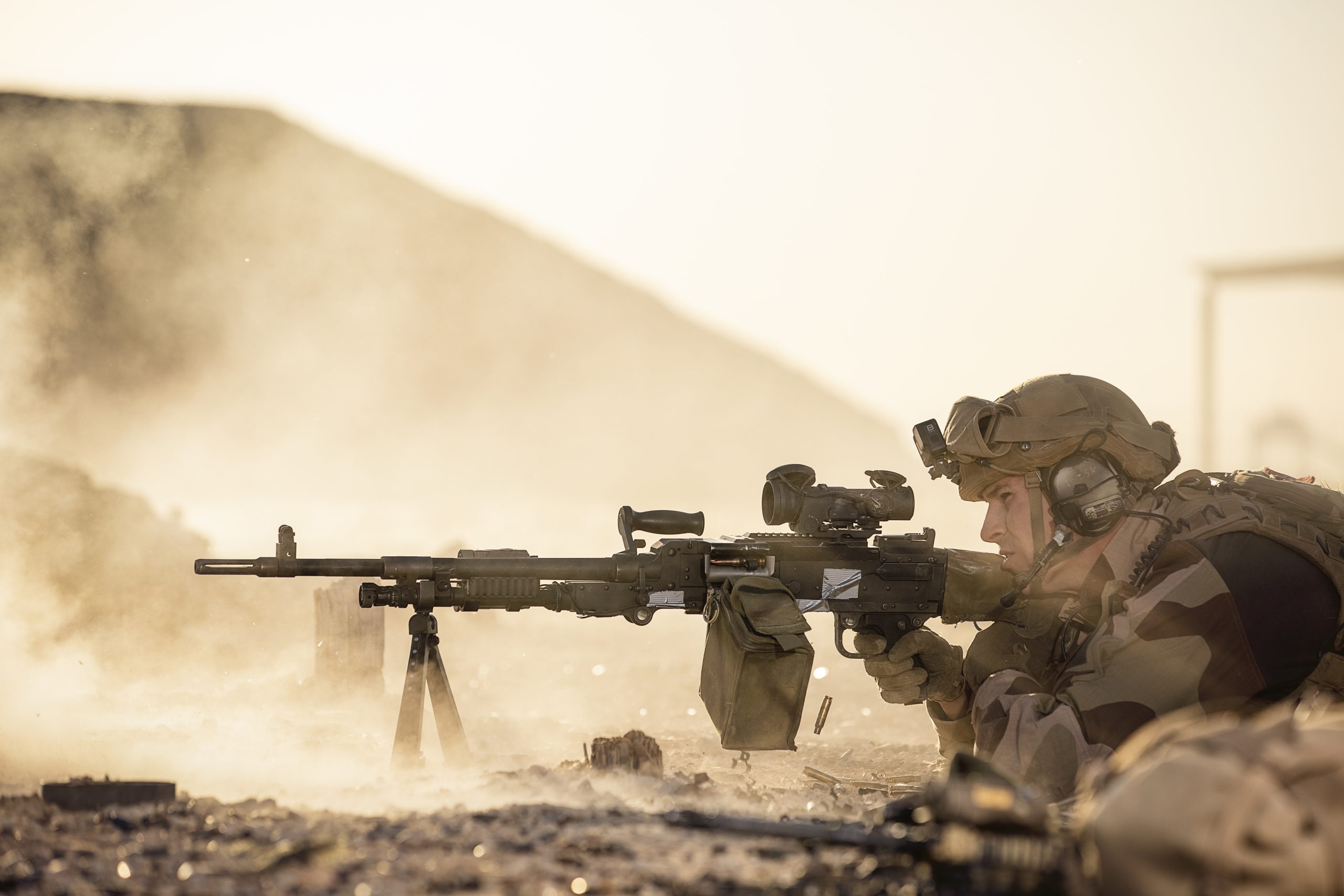
The FN MAG is another veteran machine gun attracting attention because its basic design continues to receive updates rather than being pushed aside. Developed after World War II, the 7.62×51mm NATO weapon became widely known through service as the British L7 and American M240. FN says the MAG is still produced and used in infantry, vehicle, aircraft, and naval roles. In May 2026, FN announced new features for the FN MAG, showing that modernization can involve improving an established system instead of replacing it. More than 60 years after its development, the MAG remains part of the conversation about reliable general-purpose machine guns. Modernization can therefore extend a proven design.
3. FN M249
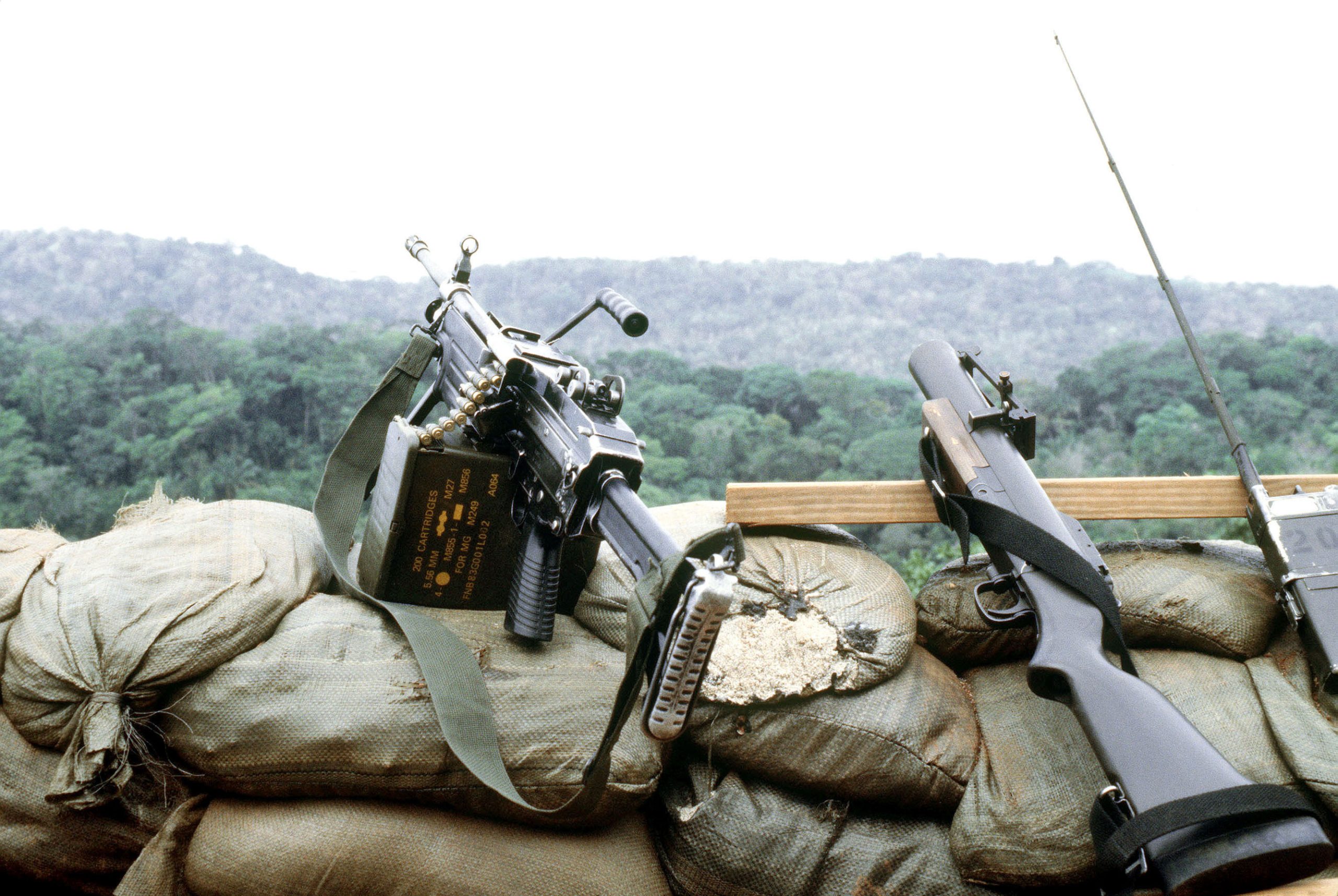
The FN M249 is back in the spotlight for a very different reason: its replacement is being reconsidered around weight. U.S. Special Operations Command is seeking a Flyweight Assault Machine Gun of about 10 pounds in 5.56×45mm NATO to replace the Mk 46, a special-operations derivative of the M249. Field testing is expected to begin in 2028. The M249 itself has served for roughly four decades, combining a rifle-caliber cartridge with belt-fed fire. The new requirement highlights how today’s debate is not simply about firepower. Weight, mobility, materials, and technology are becoming equally important factors in the next generation of light machine guns.
4. FN Minimi 7.62 Mk3
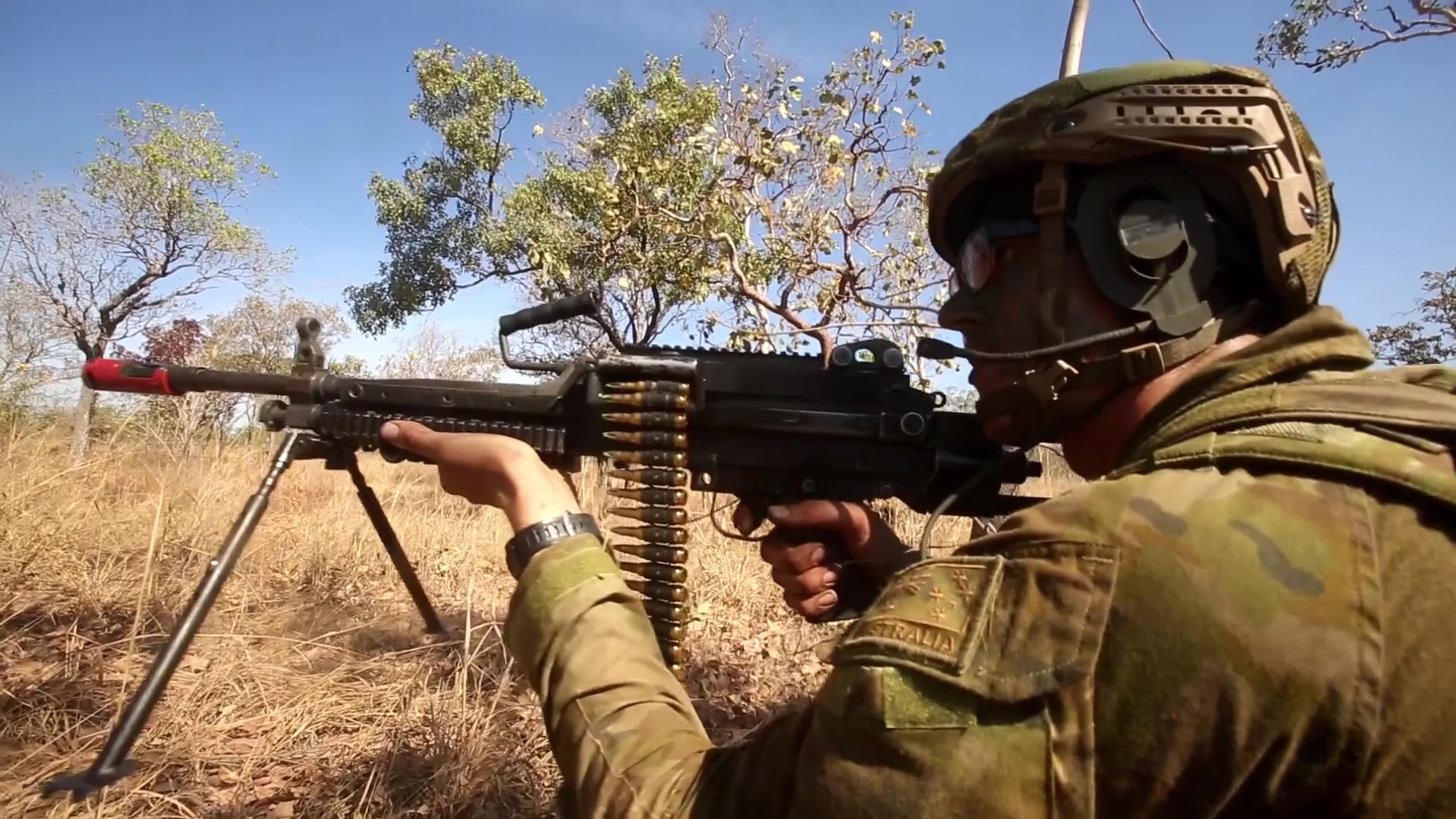
The FN Minimi 7.62 Mk3 is drawing renewed interest as armies look for portable machine guns that retain the reach of 7.62mm ammunition. FN describes the third-generation model as an improved version with better ergonomics and mobility. Its standard barrel is 422mm, and it is offered in Tactical, Para, and Standard configurations. The design also supports a conversion kit for 5.56×45mm NATO ammunition. That flexibility matters because military units increasingly want weapons that can fit different missions without creating completely separate logistics systems. The Minimi name may be familiar, but the current Mk3 is a substantially updated machine gun.
5. Browning M2
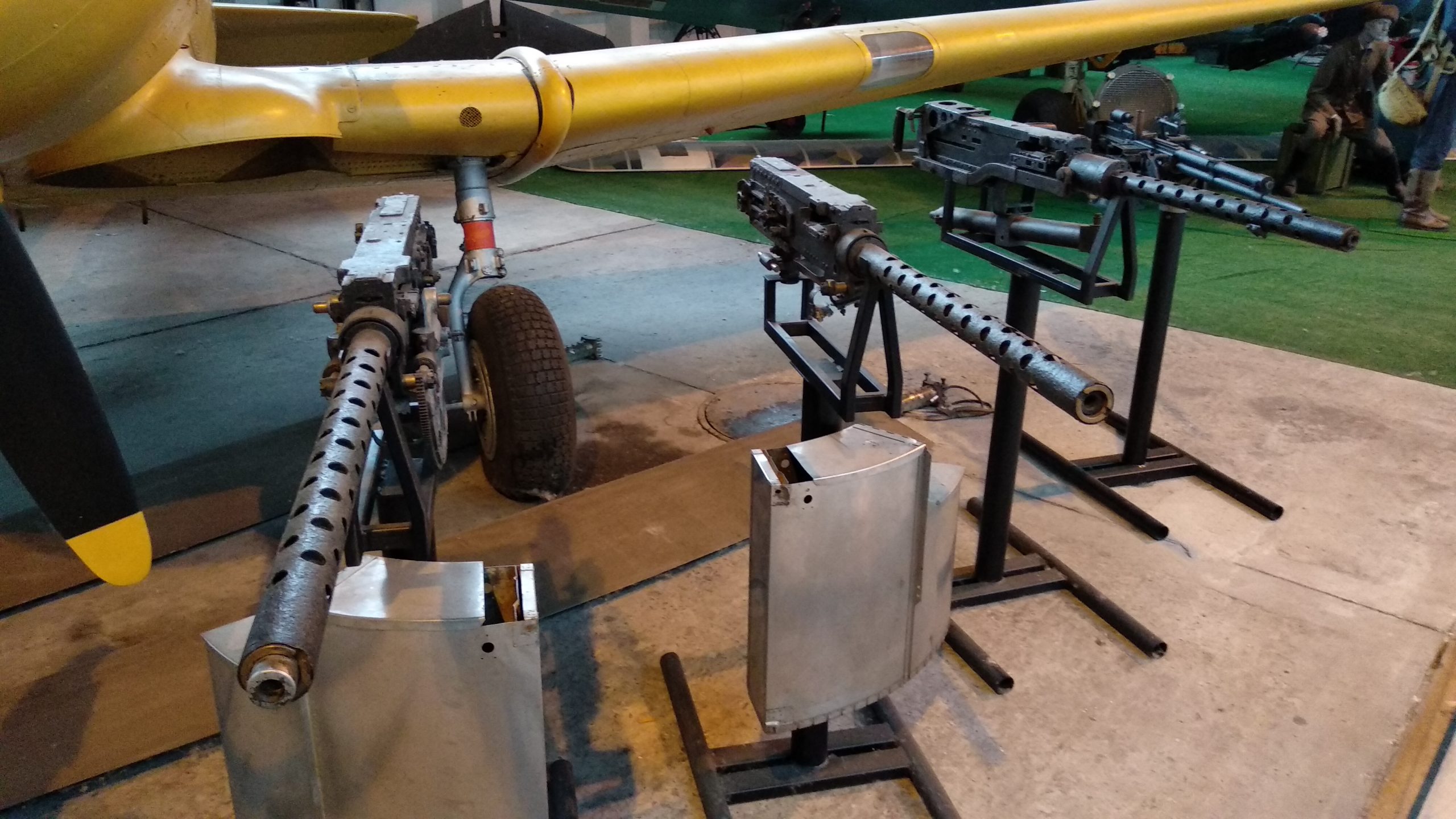
The Browning M2 remains in the news because the basic .50-caliber machine gun continues to receive modernization rather than retirement. The weapon uses the 12.7×99mm NATO cartridge, and modern versions such as the M2A1 incorporate improvements over earlier M2 configurations. FN lists its M2HB-QCB ground version at roughly 600 rounds per minute, while its M3 variant reaches about 1,100. The M2 family has been adapted for ground, vehicle, naval, and aviation applications. Its long service life illustrates a recurring military pattern: when an old weapon still fills an important role, upgrading components and integration can be more practical than replacing the entire system.
6. MG3
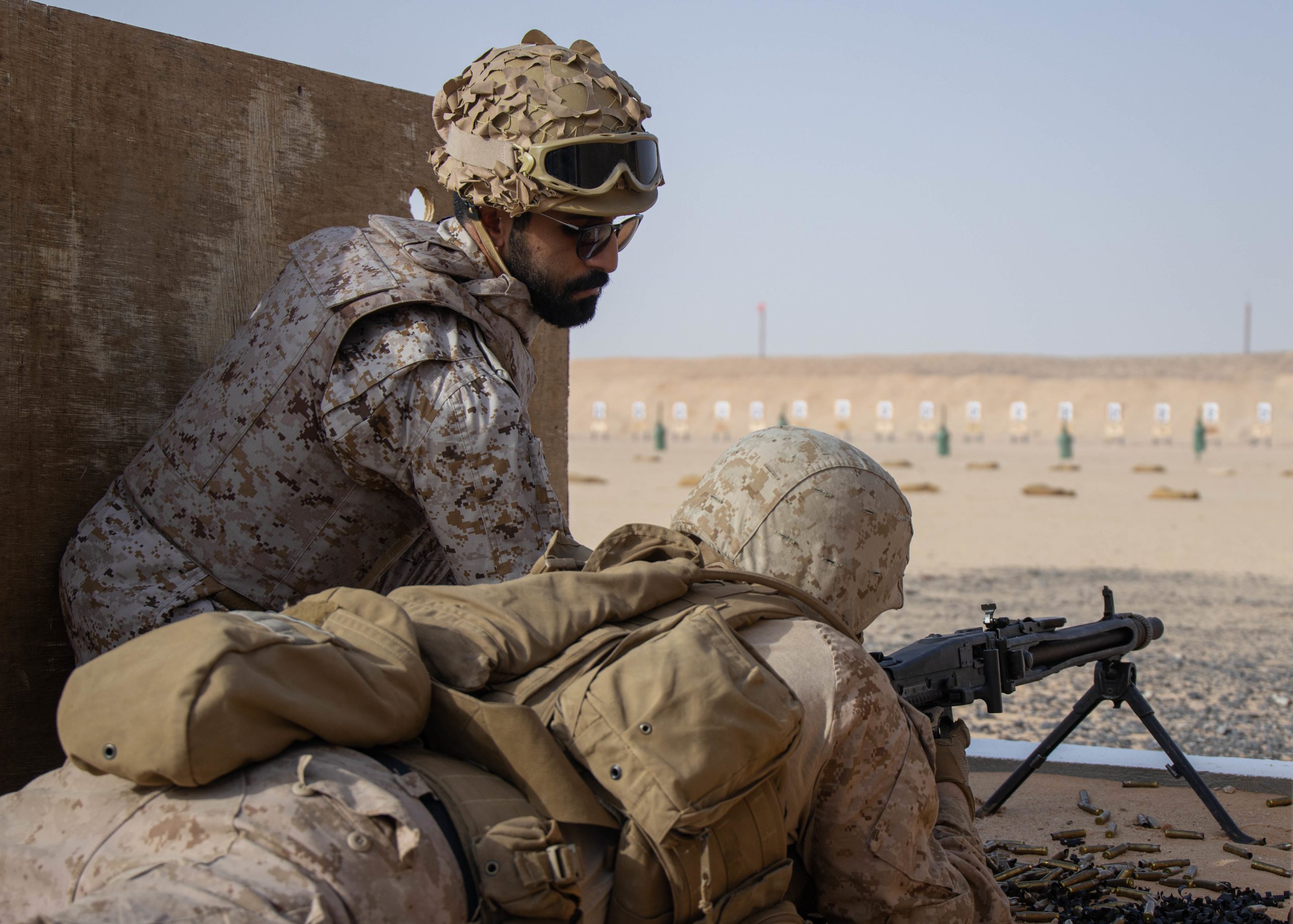
Germany’s MG3 is back in the conversation largely because its replacement highlights just how long the older design has remained useful. Introduced by the Bundeswehr in 1969, the 7.62mm MG3 can fire up to 1,200 rounds per minute and weighs about 11.5 kilograms in the standard configuration. It remains in service with many Bundeswehr units, including vehicle and air-defense roles. The weapon’s continuing presence is notable because Germany is gradually moving toward the MG5. That transition has made the MG3 a reference point for comparing traditional high-rate fire with newer priorities such as controllability, modularity, and easier integration with modern equipment.
7. Heckler & Koch MG5
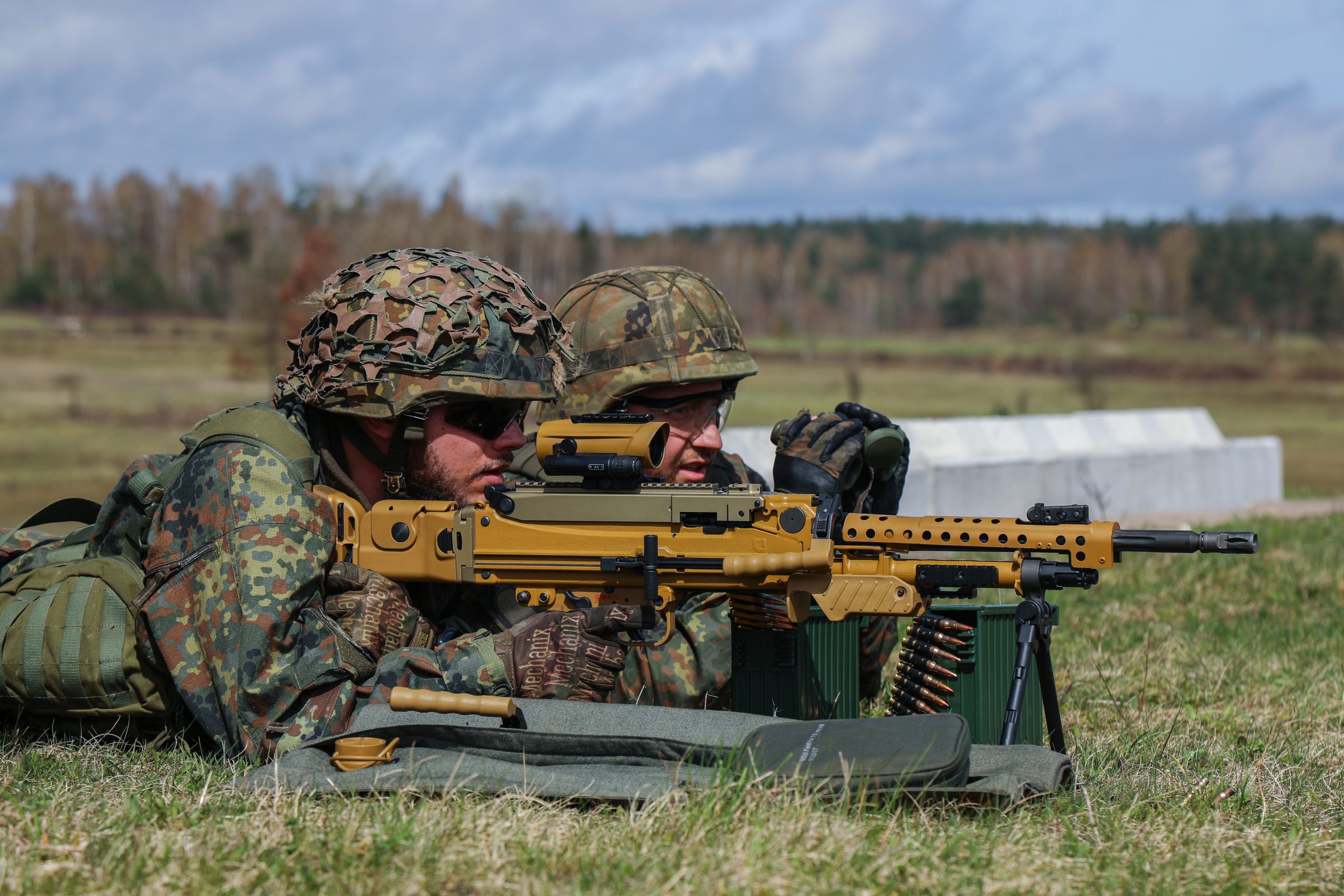
The Heckler & Koch MG5 is making news because it represents the modern successor to one of Europe’s most recognizable machine guns. Germany’s Bundeswehr is gradually replacing the MG3 with the 7.62×51mm MG5, and Heckler & Koch announced that the 15,000th MG5 was delivered in 2025 under a framework agreement allowing up to 22,672 weapons. The Bundeswehr lists the standard MG5 at 12.4 kilograms, with a 550mm barrel and a cyclic rate of 800 rounds per minute. Its emergence shows how machine-gun modernization is shifting toward modularity, ergonomics, optics, and controlled fire while retaining the established 7.62mm cartridge. It now anchors Germany’s machine-gun transition.