The Marlin Camp Carbine has a loyal following, but many of its most interesting details get lost behind nostalgia and rising prices. This handy little rifle was more than just a fun plinker. For collectors, its design choices, variants, and quirks tell a much richer story than its modest reputation suggests.
It was designed around handgun magazine compatibility
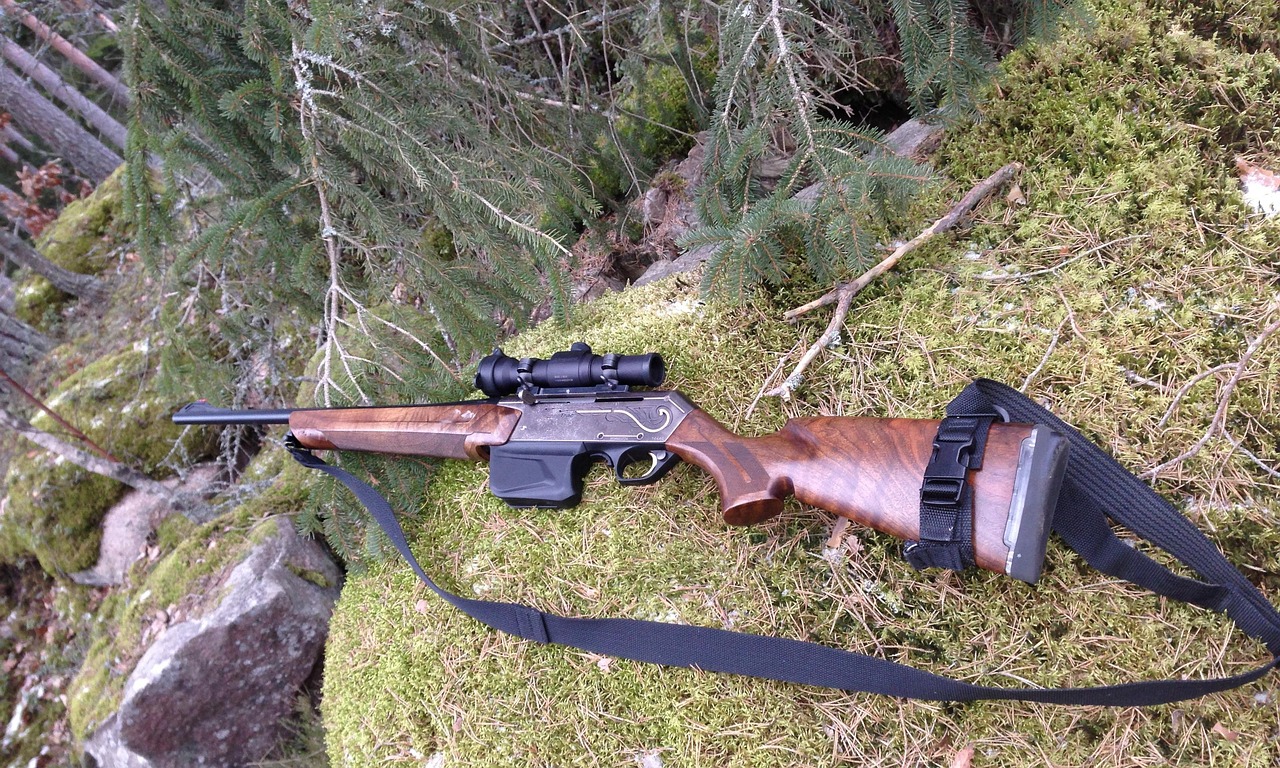
One of the smartest things about the Marlin Camp Carbine was also one of its biggest selling points. The Camp-9 used Smith & Wesson Model 59 series magazines, while the Camp-45 used M1911-pattern magazines. That made the carbine immediately practical for shooters who already owned compatible pistols and gear.
Collectors sometimes focus on finish, condition, or box labels and forget how forward-thinking that idea was. Long before modern pistol-caliber carbines made magazine sharing a major marketing hook, Marlin was already there. It gave the rifle a real-world usefulness that still stands out today, especially to enthusiasts who appreciate period innovation.
The Camp-9 and Camp-45 have very different collector appeal
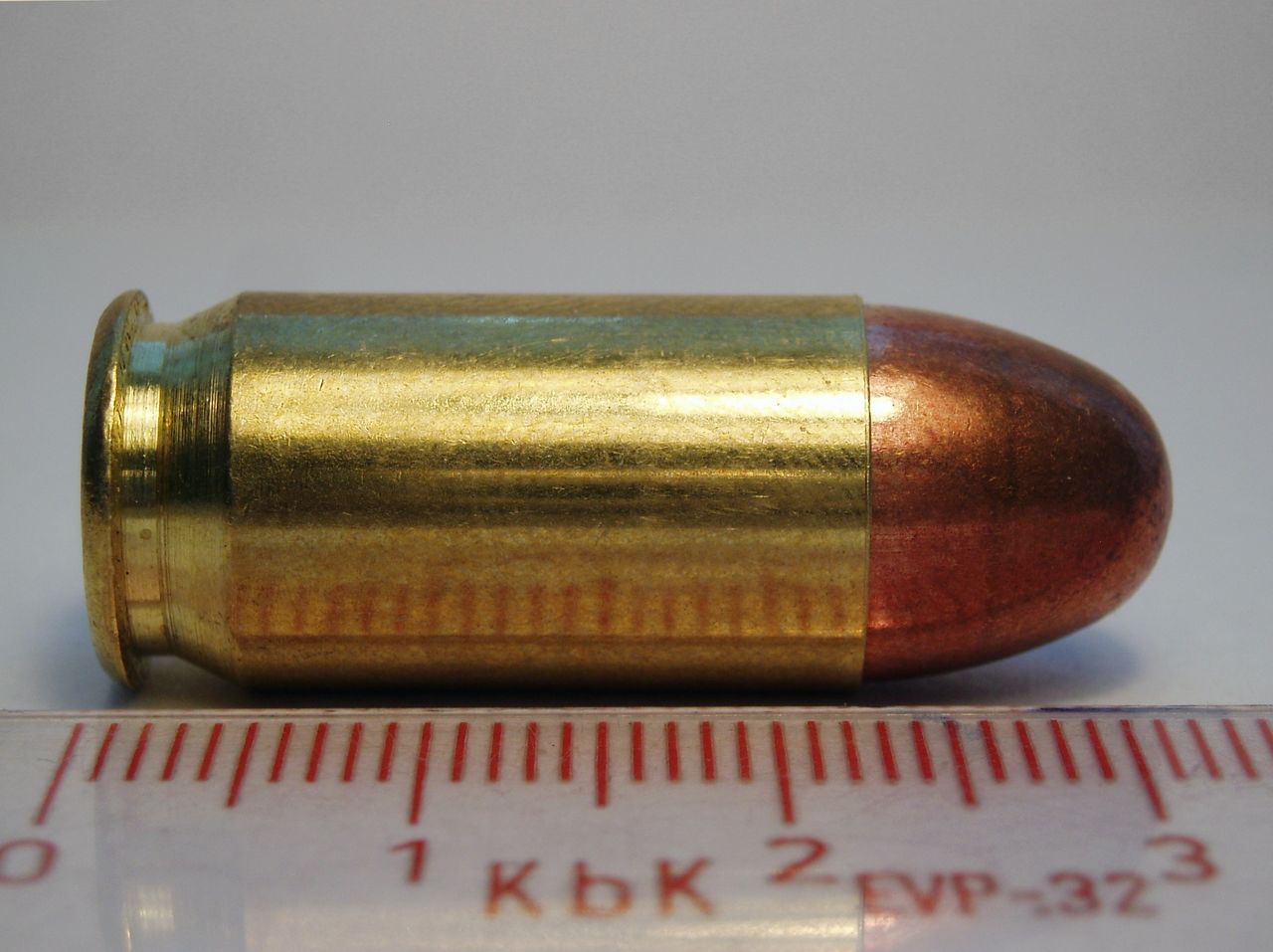
At a glance, the two versions look like close siblings, but the market does not always treat them equally. The Camp-9 is generally easier to find and often gets more attention from shooters who want a light, affordable range piece. The Camp-45, by contrast, tends to feel scarcer and can stir stronger interest among collectors.
Part of that comes down to production numbers and part of it comes from personality. A .45 ACP carbine in this trim has a certain charm that feels distinctly American. When buyers compare examples side by side, the Camp-45 often seems like the more unusual prize, even when both rifles share the same basic design language.
Its simple blowback action shaped the entire shooting experience

The Marlin Camp Carbine was not built around a complicated operating system. It relied on a straightforward blowback action, which helped keep the design simple and dependable. That simplicity is part of the rifle’s appeal, but it also influenced recoil feel, wear patterns, and the need for proper spring maintenance over time.
Collectors who only see a tidy walnut-stocked carbine can miss what is happening under the hood. The rifle’s character at the range comes directly from that mechanism. It feels a little different from later pistol-caliber carbines that use updated systems, and that mechanical identity is a big reason longtime owners remember these rifles so fondly.
The recoil buffer is a small part with outsized importance
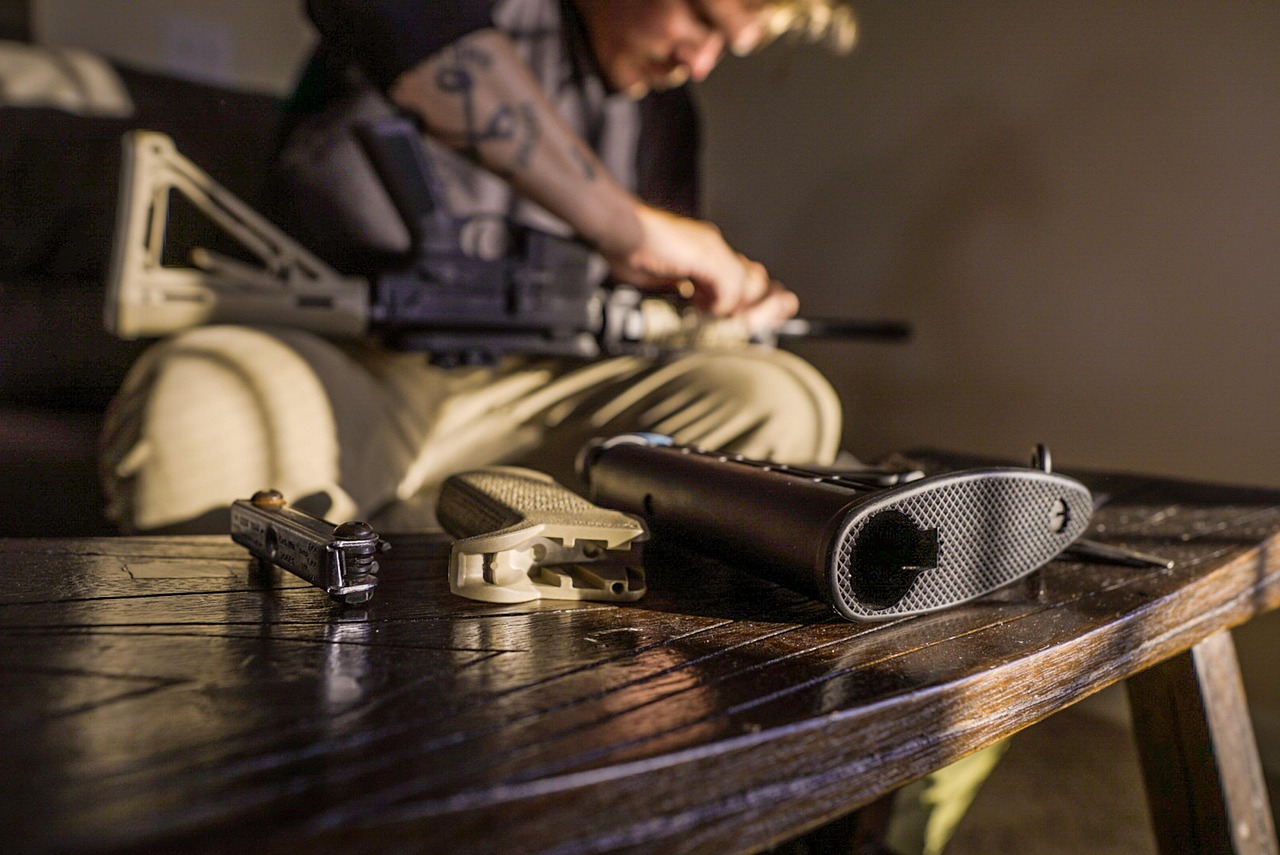
Ask experienced owners what new buyers overlook, and the recoil buffer comes up fast. This modest component can deteriorate with age, especially on rifles that sat for years or were fired heavily without updated parts. When it fails, it can contribute to excess stress inside the gun and turn a nice shooter into a project.
That matters to collectors because originality is not the whole story with a Camp Carbine. A rifle that looks excellent externally may still need attention before it should be fired. Savvy buyers often check whether the buffer and recoil spring have been replaced, since responsible maintenance can preserve both function and long-term value.
Aftermarket stocks changed how many surviving rifles look
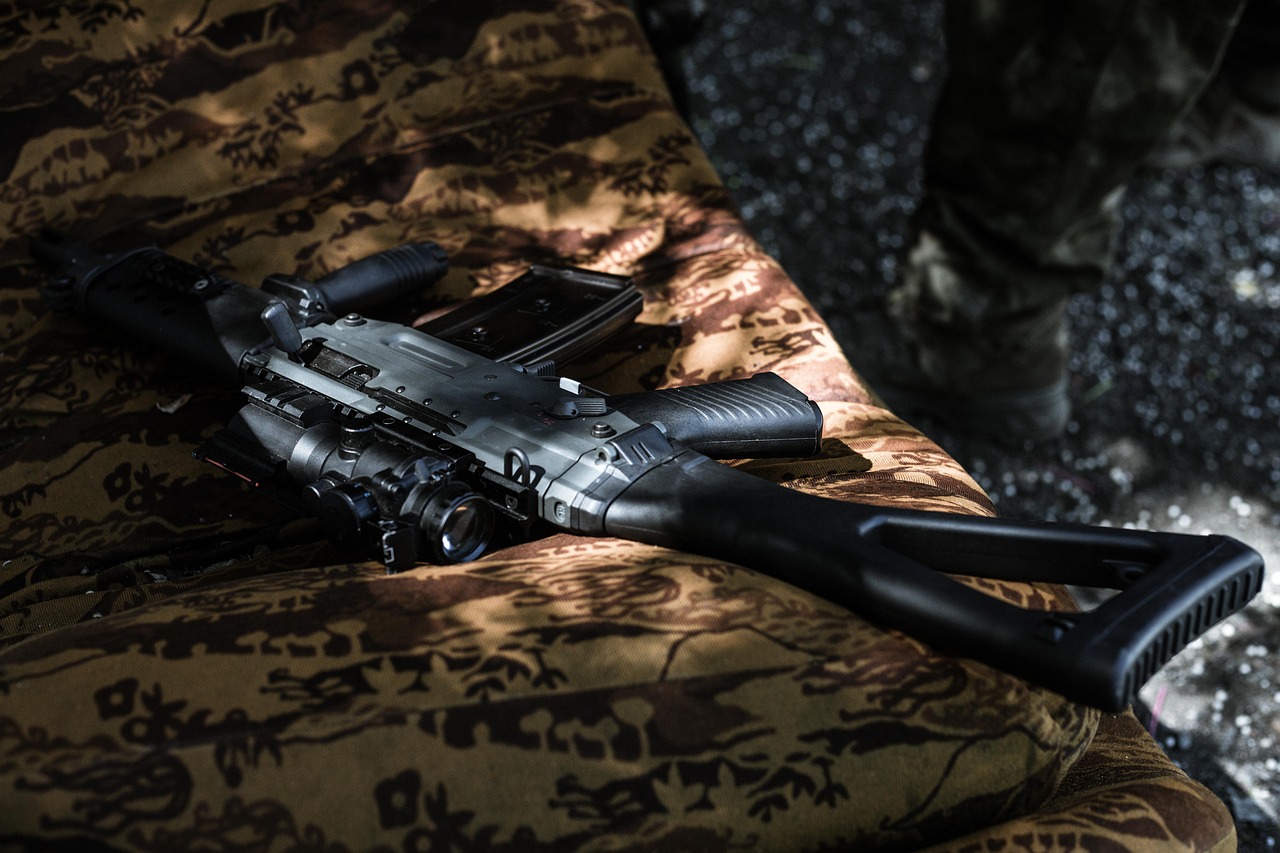
A surprising number of Marlin Camp Carbines no longer wear their original factory furniture. Over the years, owners swapped stocks for synthetic options, folding styles, or other aftermarket setups that made the rifle feel more tactical or more rugged. Those changes reflected the tastes of the time, but they also complicated today’s collector market.
For purists, an original wood stock in solid condition carries real appeal. A modified rifle may still be a fine shooter, yet it often lands in a different category when value is discussed. That means collectors should pay close attention to fit, finish, and originality, because a carbine’s stock can tell a big part of its personal history.
It arrived before the current pistol-caliber carbine boom
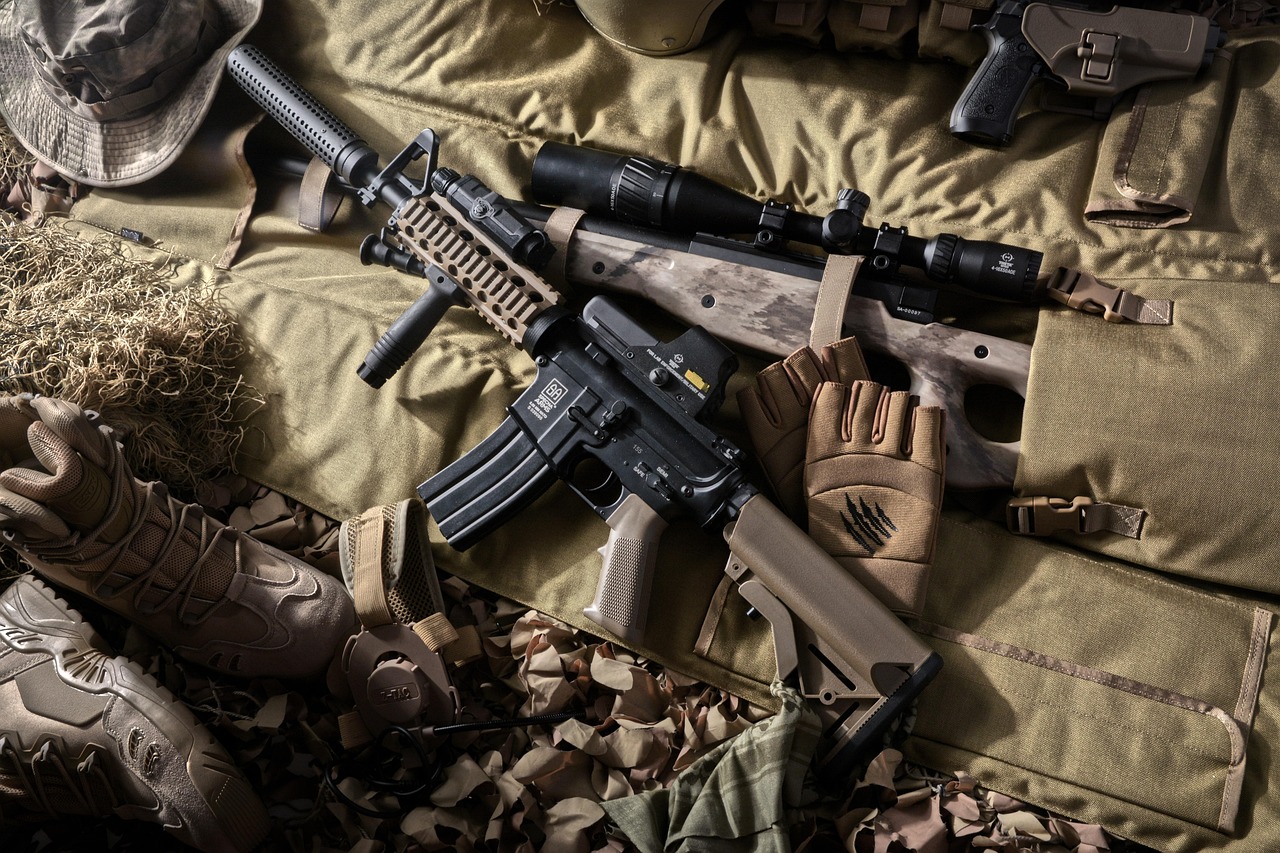
Today, pistol-caliber carbines are everywhere, and the concept feels thoroughly modern. The Marlin Camp Carbine reminds collectors that the formula had real commercial traction decades earlier. It offered handy size, mild report, affordable ammunition in its day, and the convenience of handgun-caliber shooting in a shoulder-fired package.
Seen in that light, the rifle looks less like a quirky leftover and more like an early mainstream entry in a category that later exploded. That timing gives it historical interest beyond brand loyalty. Collectors who connect it to the broader evolution of American sporting arms often come away with a deeper appreciation for just how timely Marlin’s idea really was.
Condition issues often hide in the details collectors skip
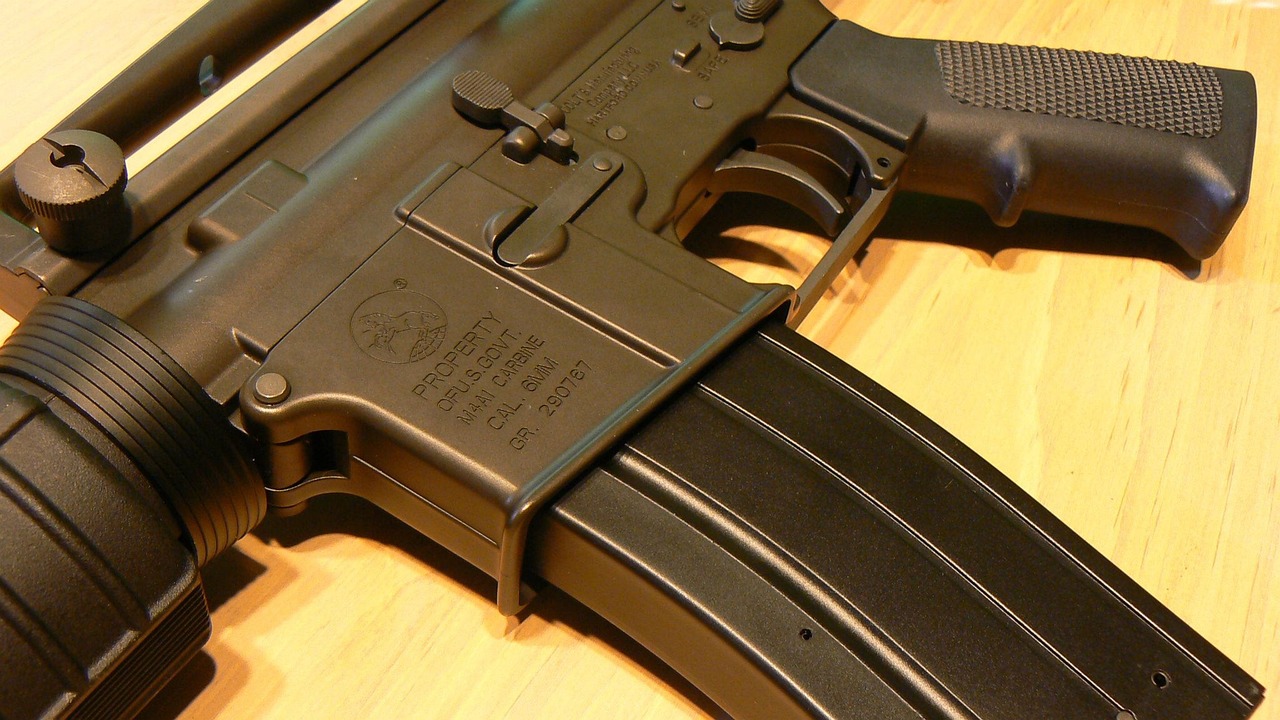
With the Camp Carbine, the obvious checklist items matter, but the small details matter just as much. Magazine fit, cracked stocks near stress points, worn feed components, and improvised repairs can all affect desirability. A rifle can photograph beautifully and still reveal problems the moment it is handled by someone who knows where these guns typically age.
That is why serious buyers tend to slow down with this model. They look past the finish and toward the signs of use that speak to maintenance and storage habits. In a market where nostalgia can push quick decisions, patience usually pays off. The best examples are not just clean. They are honest, intact, and mechanically reassuring.