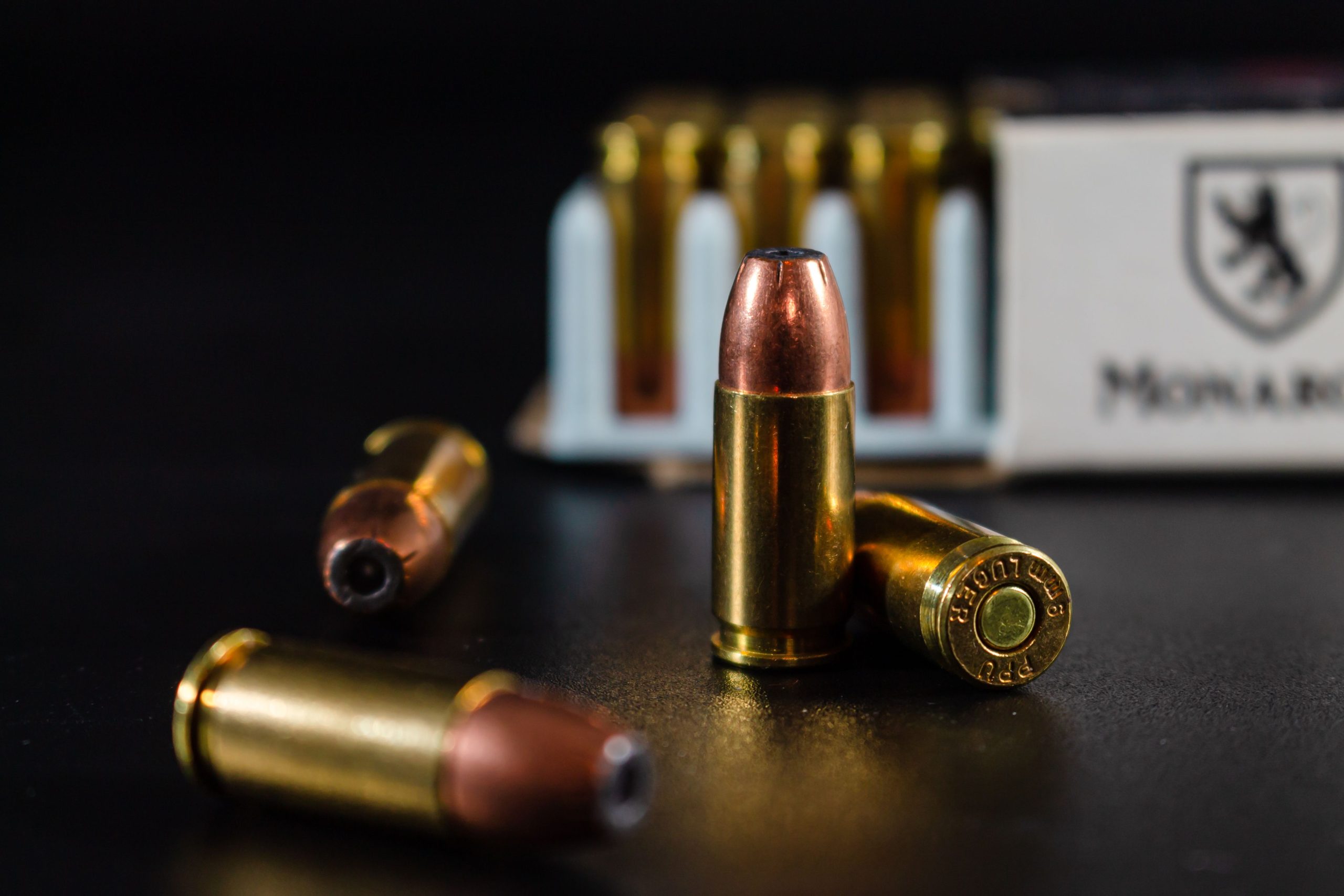
For decades, lead was the standard material in hunting ammunition because it was affordable, dense, easy to shape, and proven in the field. That picture is changing. Copper rifle bullets, steel and bismuth shot, tungsten loads, and new regulations are giving hunters more alternatives than ever. At the same time, concerns about fragments in carcasses and game meat are keeping the lead question alive. Here are 7 ammunition changes helping push that debate back into the spotlight.
1. Solid Copper Is Moving Into More Hunting Loads
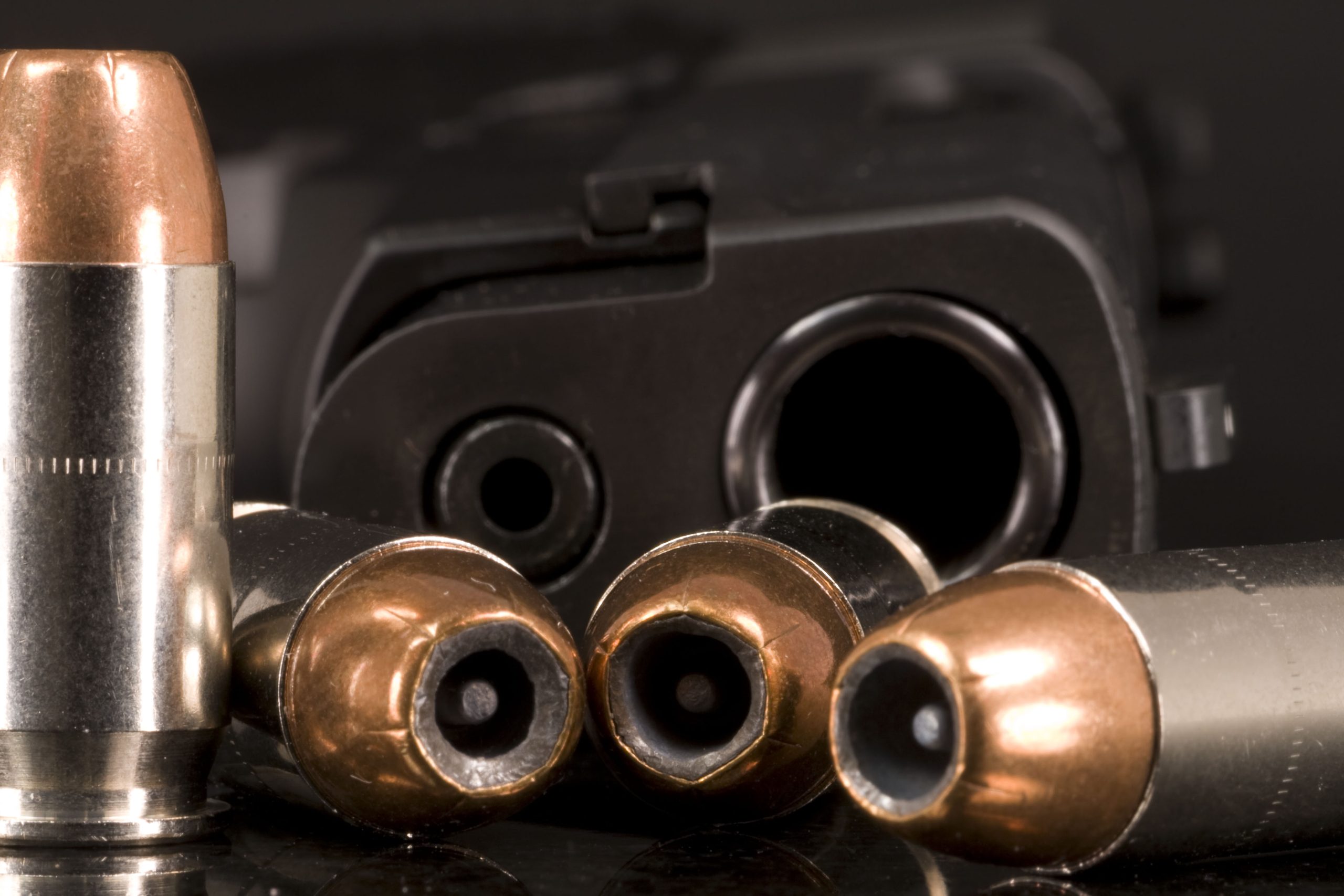
Solid copper bullets are no longer a niche option. More hunting loads now use monolithic copper or copper alloys, giving hunters a practical way to reduce lead in the field. Copper has a density of about 8.96 g/cm³, compared with roughly 11.34 g/cm³ for lead, so a copper bullet often needs a different shape or length to reach a similar weight. Modern designs compensate with controlled expansion and high weight retention. A 2023 study found that tested copper bullets retained more than 98% of their weight, while lead designs ranged from 13% to 97%. This matters most when game is processed for food.
2. Copper Bullets Are Changing the Fragment Debate
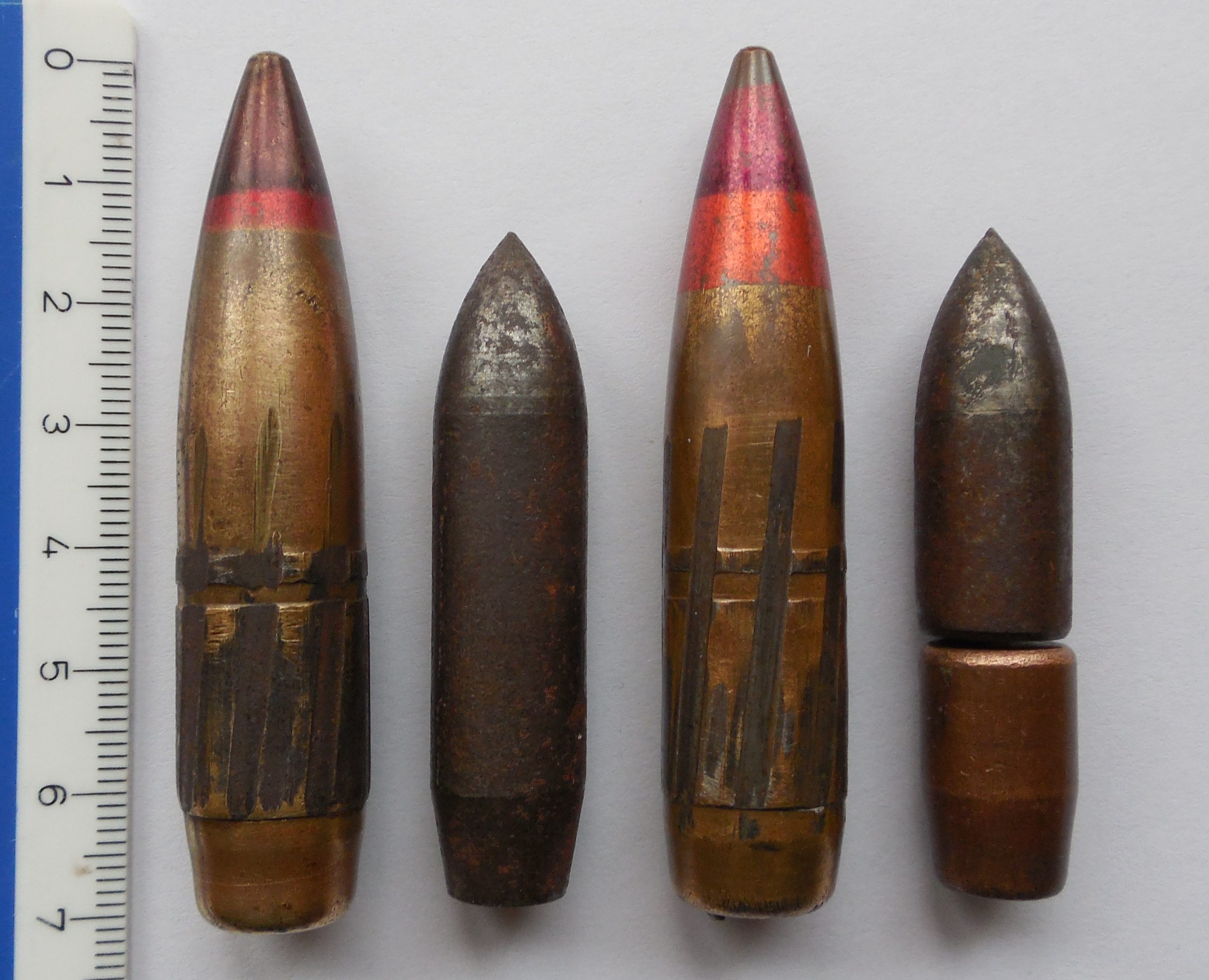
Traditional lead-core bullets can shed numerous fragments when they expand inside game, and some fragments may remain outside the main wound channel. Monolithic copper designs generally retain much more of their original mass, which can reduce the amount of bullet material left in edible meat or carcass remains. That difference is bringing an old ammunition question back into focus: hunters are increasingly judging a bullet not only by accuracy and expansion, but also by what it leaves behind. In one 2023 test, copper bullets showed greater than 98% weight retention.
3. Non-Toxic Shot Keeps Expanding Beyond Waterfowl
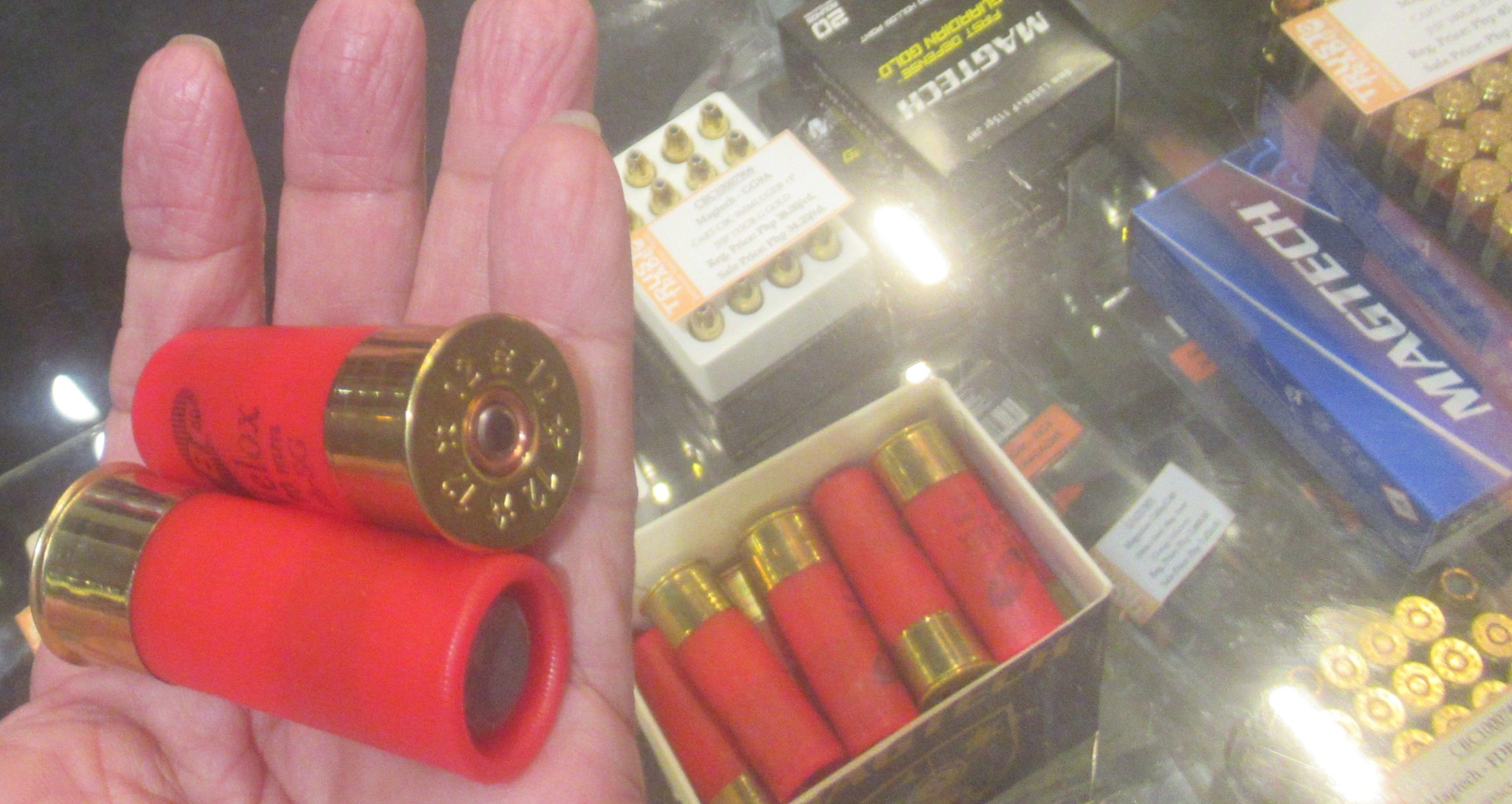
Lead-free shotgun ammunition is no longer limited to one narrow corner of hunting. Steel, bismuth, and tungsten-based shot are available for different applications, while regulations have already made non-toxic shot familiar to waterfowl hunters. In the United States, federal waterfowl rules have required non-toxic shot since 1991. Tungsten is especially dense, at about 19.3 g/cm³, compared with lead at about 11.34 g/cm³, allowing smaller pellets to retain substantial downrange energy. The wider menu is keeping the lead discussion active for upland birds and other game.
4. Tungsten and Bismuth Are Adding New Choices
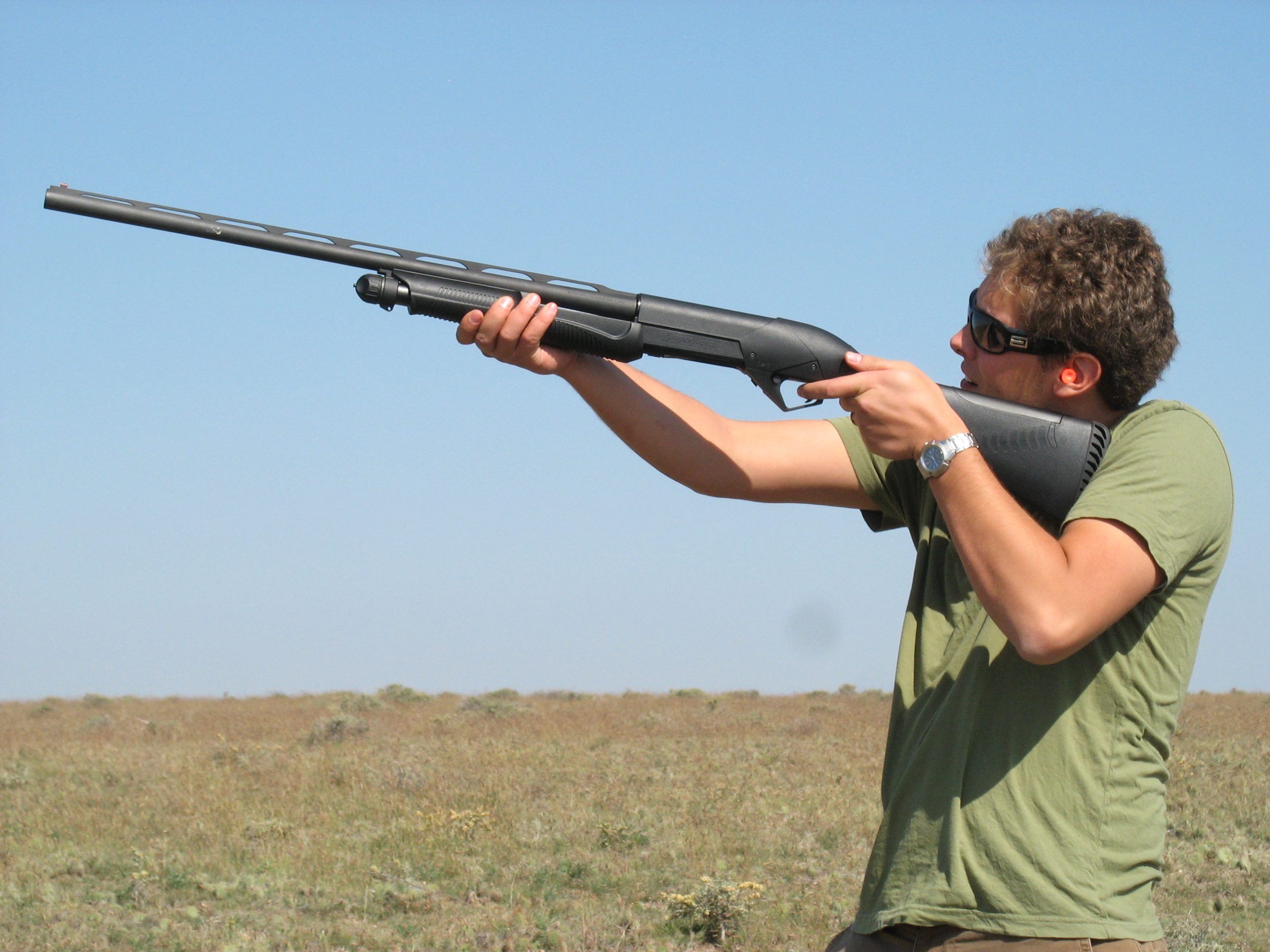
Tungsten and bismuth are helping reshape the shotgun side of the debate because each solves a different problem. Tungsten offers very high density, while bismuth provides a softer alternative that can work in many older shotgun applications when properly approved and matched to the firearm. Modern tungsten loads can use smaller pellets without simply accepting the lower density of steel. Bismuth alloys commonly include tin to improve durability. With lead at about 11.34 g/cm³, tungsten near 19.3 g/cm,³ and bismuth around 9.78 g/cm³, the material choices are far from interchangeable.
5. Ammunition Rules Are Making Lead a Hunting Issue Again
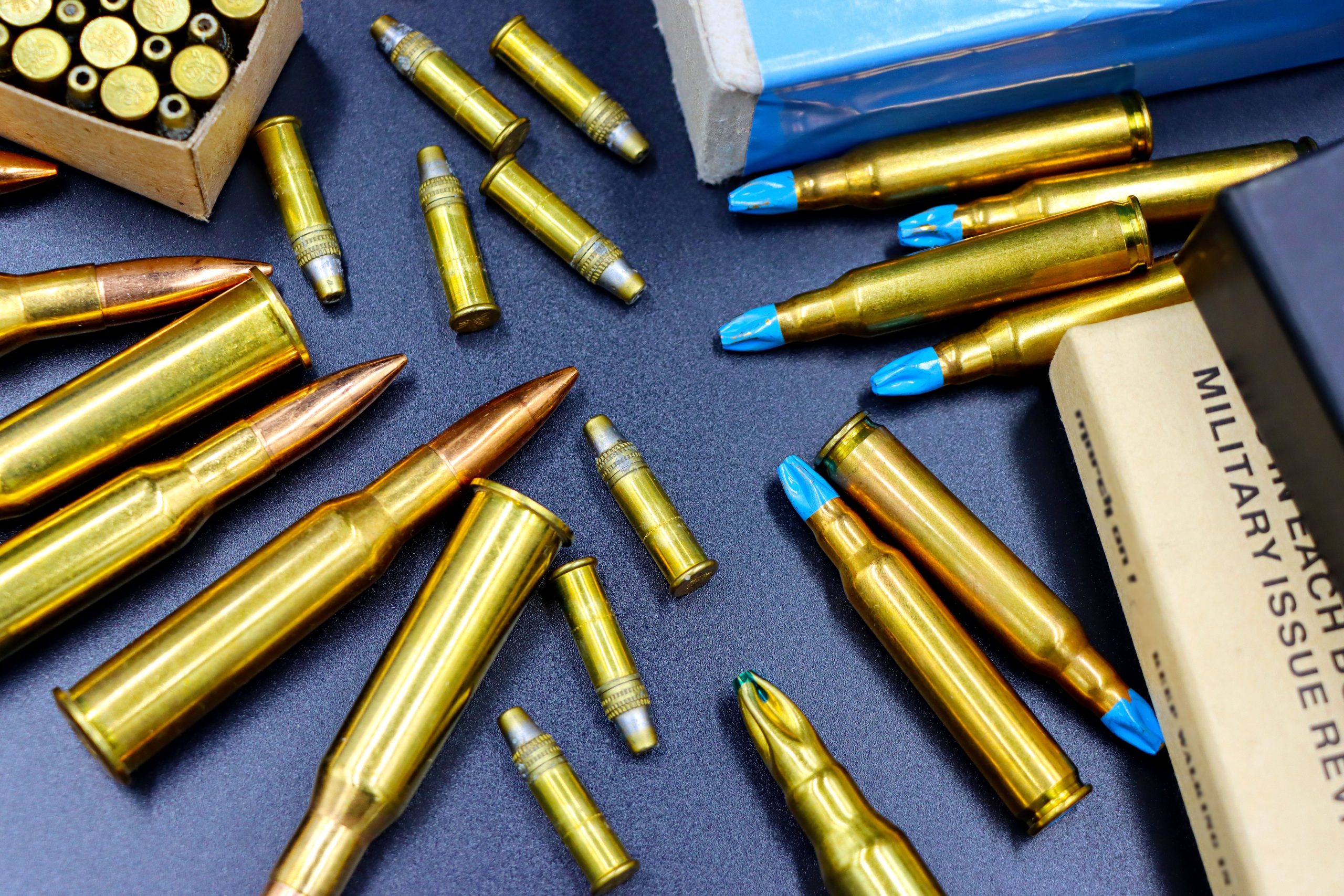
Changes in hunting regulations are turning ammunition composition into a more visible part of trip planning. Waterfowl hunters have dealt with non-toxic shot requirements for decades, while some states and specific hunting areas have introduced additional lead restrictions or programs. California, for example, requires nonlead ammunition for take of wildlife statewide, with the rule phased in by 2019. In 2026, the U.S. Fish and Wildlife Service is offering incentives at 26 refuges in 19 states. Local rules still matter, so hunters must check the regulations for the exact season and area.
6. Manufacturers Are Making Lead-Free Loads Easier to Find
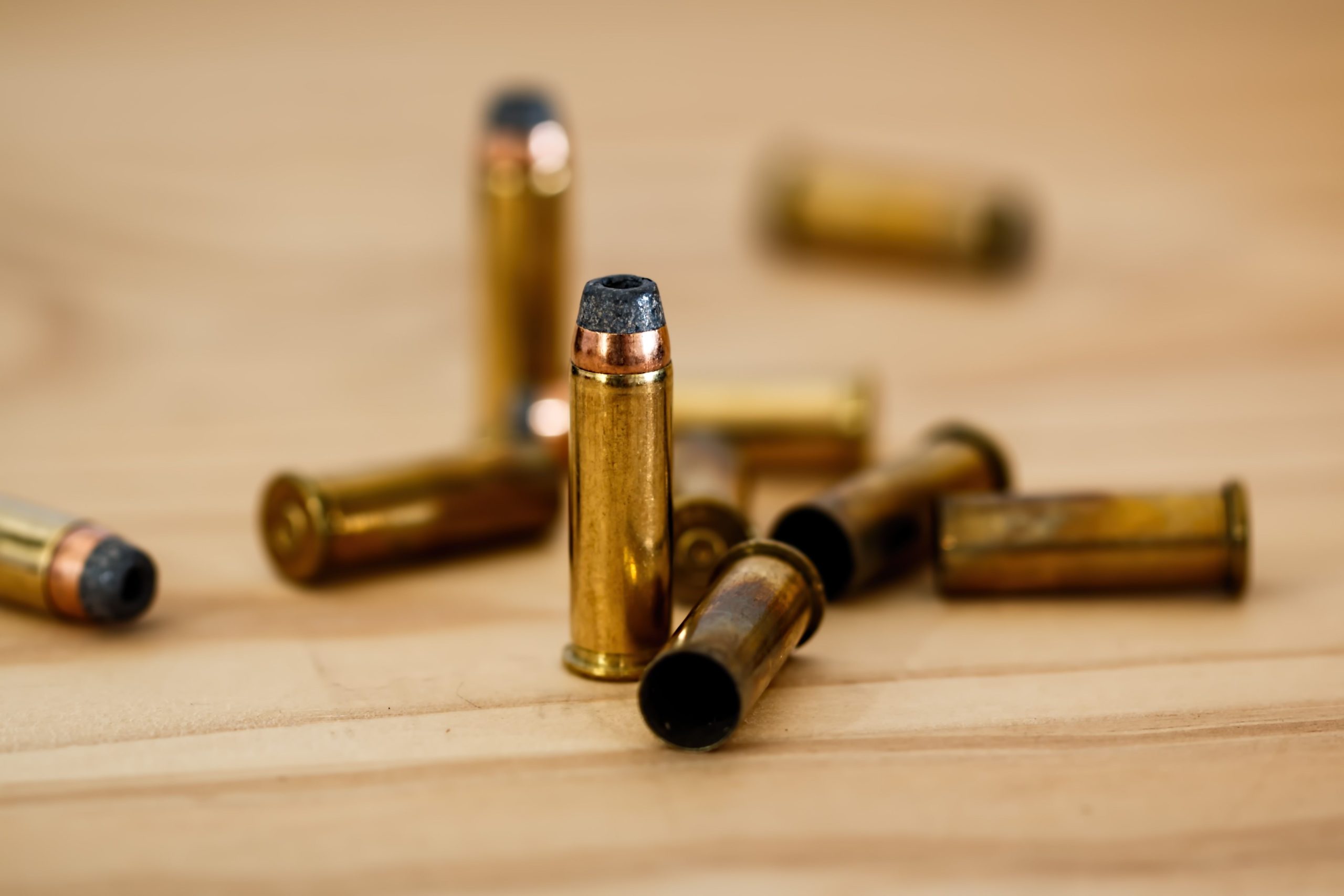
Availability is one reason the lead debate looks different today than it did a generation ago. Major ammunition makers now offer lead-free rifle bullets and shotgun loads in many common hunting applications, giving hunters more options without having to build specialized ammunition themselves. The U.S. Fish and Wildlife Service says its 2026–2027 incentive program covers 26 refuges in 19 states, with rebates of up to $50 per rifle box and $25 per shotgun or muzzleloader box. The growing supply does not erase price differences, but it makes switching more practical.
7. Game Meat Is Bringing the Debate to the Table

The lead discussion is no longer only about what happens at the moment of impact. Lead fragments can remain in carcasses and gut piles, where scavenging wildlife may encounter them, and fragments in harvested meat can be difficult to see. A Canadian government review notes that consuming contaminated game can raise blood lead levels, while wildlife can also be exposed through carcass remains. That has pushed ammunition choices into conversations about food as well as conservation. The issue is especially relevant when hunters share venison or other game with several people.