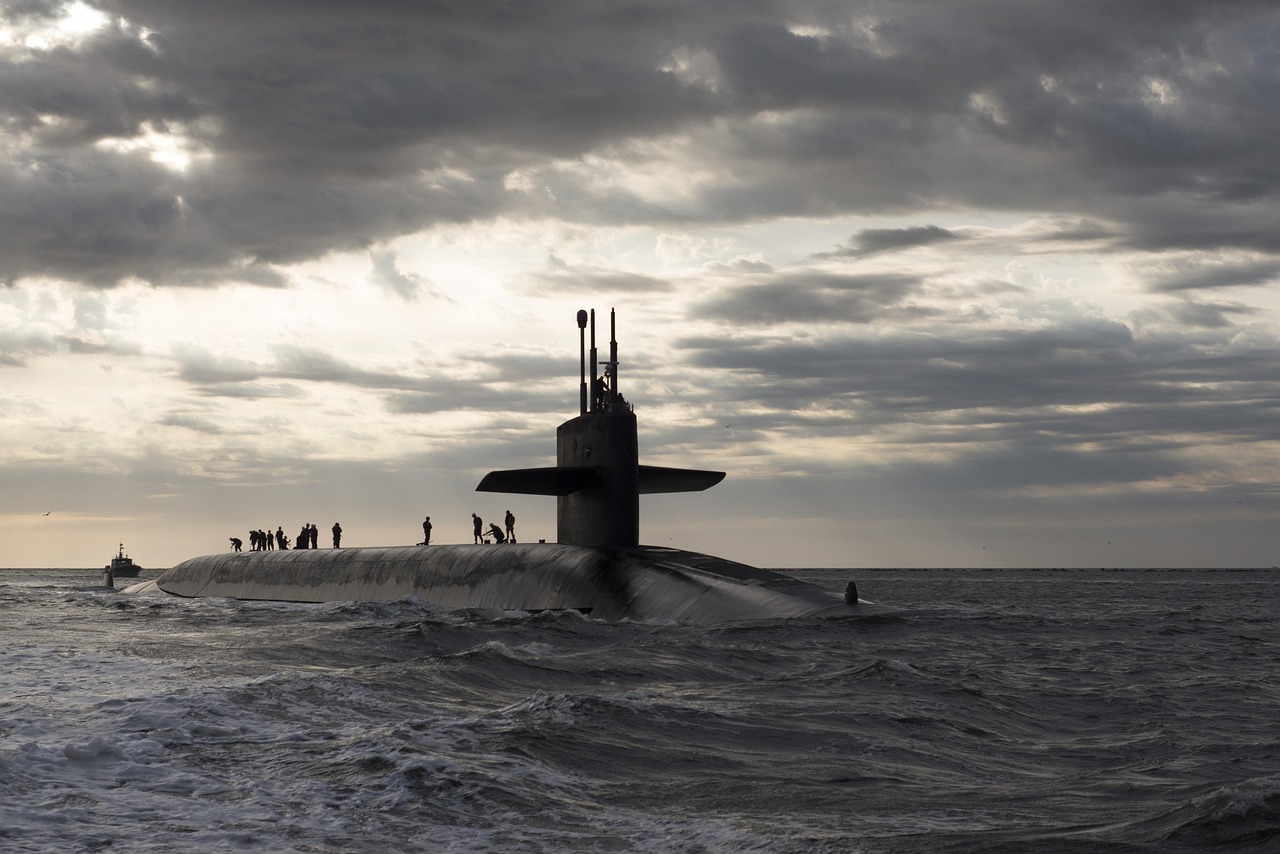
World War II submarines were built around torpedoes, stealth, and survival underwater, but crews still made room for a surprising collection of small arms. These weapons were not just emergency extras; they filled real needs during boarding parties, rescues, beach landings, and the grim possibility of fighting on the surface. Here’s a closer look at six firearms commonly found aboard submarines and why sailors wanted them close at hand.
M1911 pistol
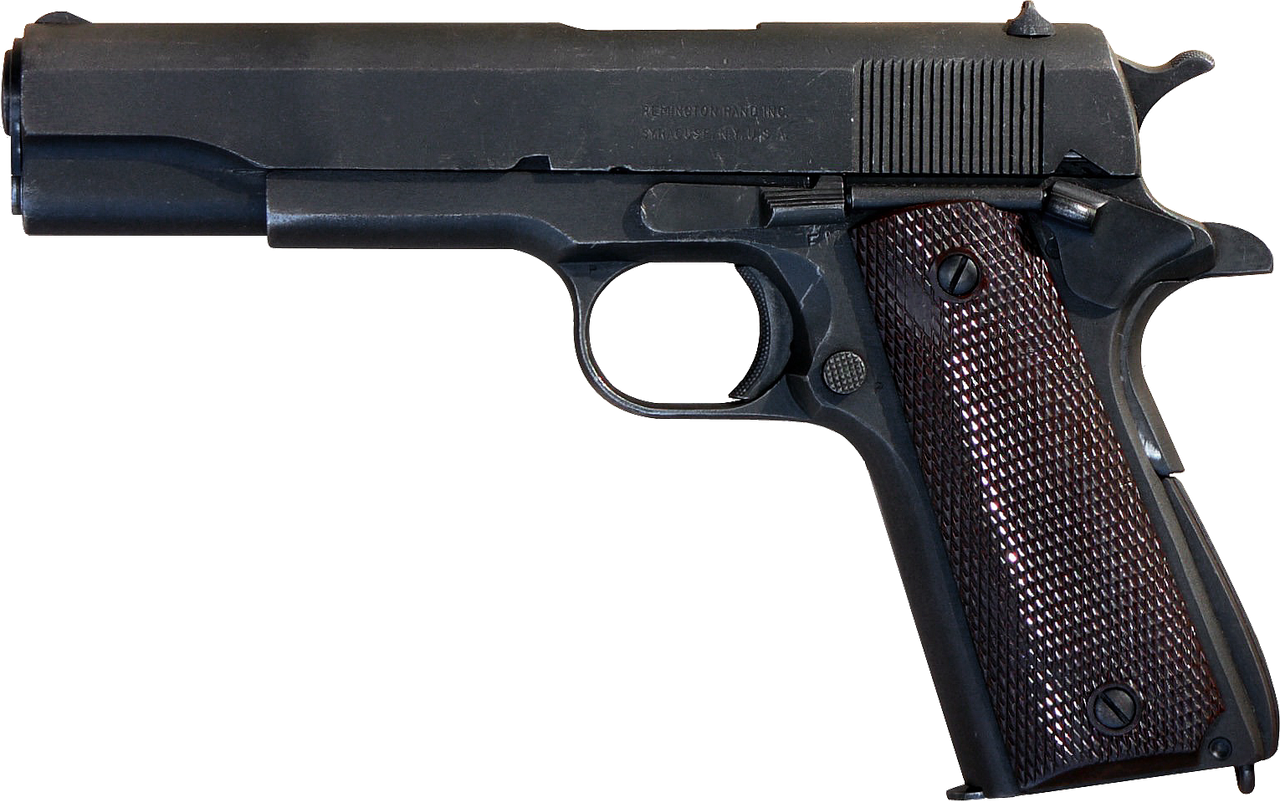
The M1911 was a natural fit for submarine service because it was compact, familiar, and easy to stow in cramped quarters. Officers, petty officers, and watch standers could carry it without it getting in the way of ladders, hatches, and machinery.
On a submarine, a sidearm was less about dramatic gunfights and more about immediate personal defense. If a boarding party went over to inspect a small vessel, or a sailor had to move topside in uncertain conditions, a pistol offered reassurance in a package small enough to live in a drawer or holster.
Crews also valued the .45’s reputation for ruggedness. Salt air, oil, and tight spaces were hard on everything aboard, so a dependable handgun mattered.
M1 carbine
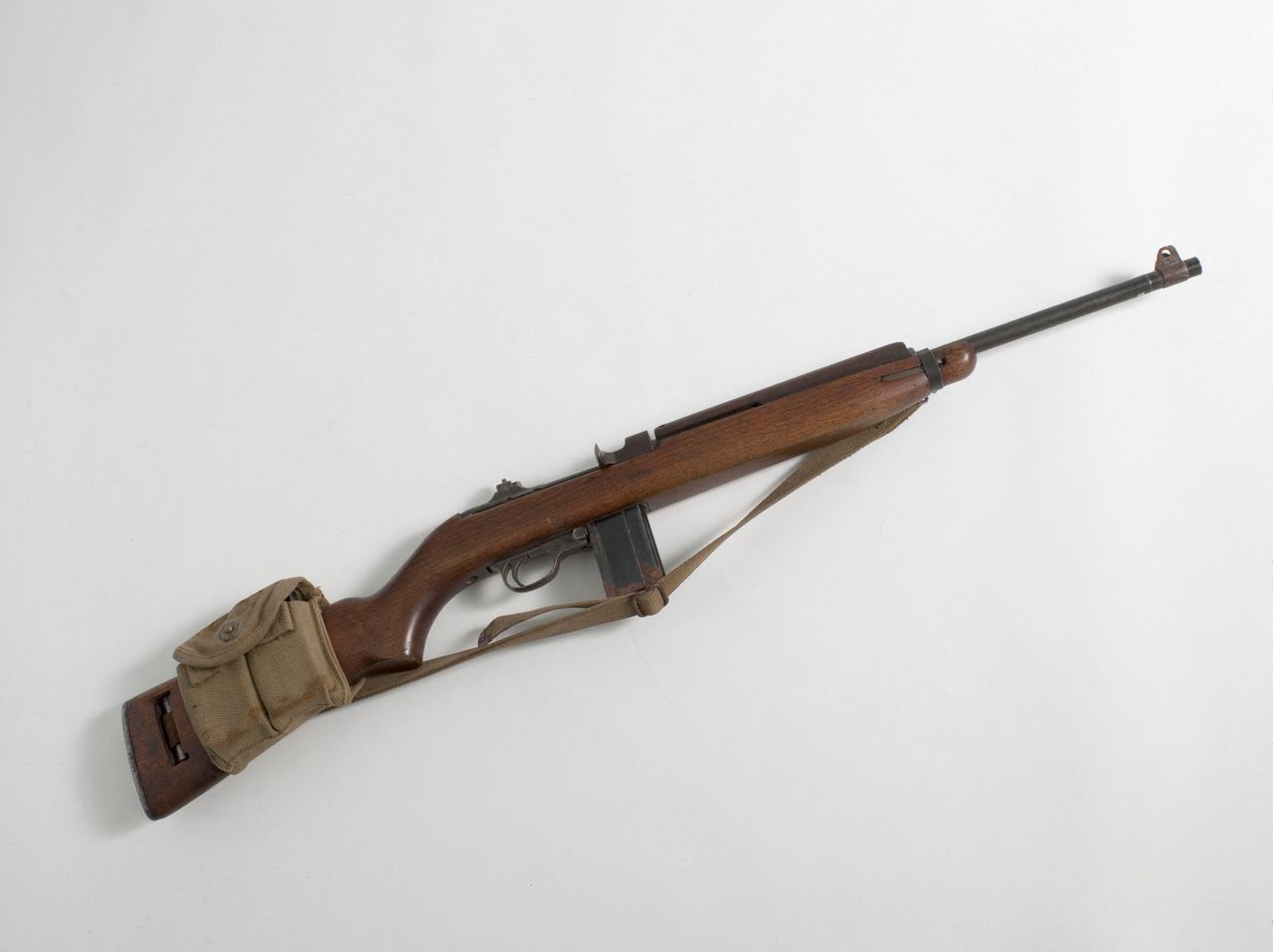
The M1 carbine hit a sweet spot submariners appreciated immediately. It was lighter and handier than a full-size rifle, yet it gave sailors much better reach and accuracy than a pistol when operating on deck or ashore.
That made it especially useful for prize crews, landing parties, and security details. If a submarine stopped a small craft, sent men to inspect wreckage, or put sailors ashore for a brief mission, the carbine offered practical firepower without the bulk of a larger infantry weapon.
Its manageable recoil also helped. On a wet, rolling deck where footing could be uncertain, a light shoulder arm was far easier to handle than a long service rifle with a full-power cartridge.
Thompson submachine gun
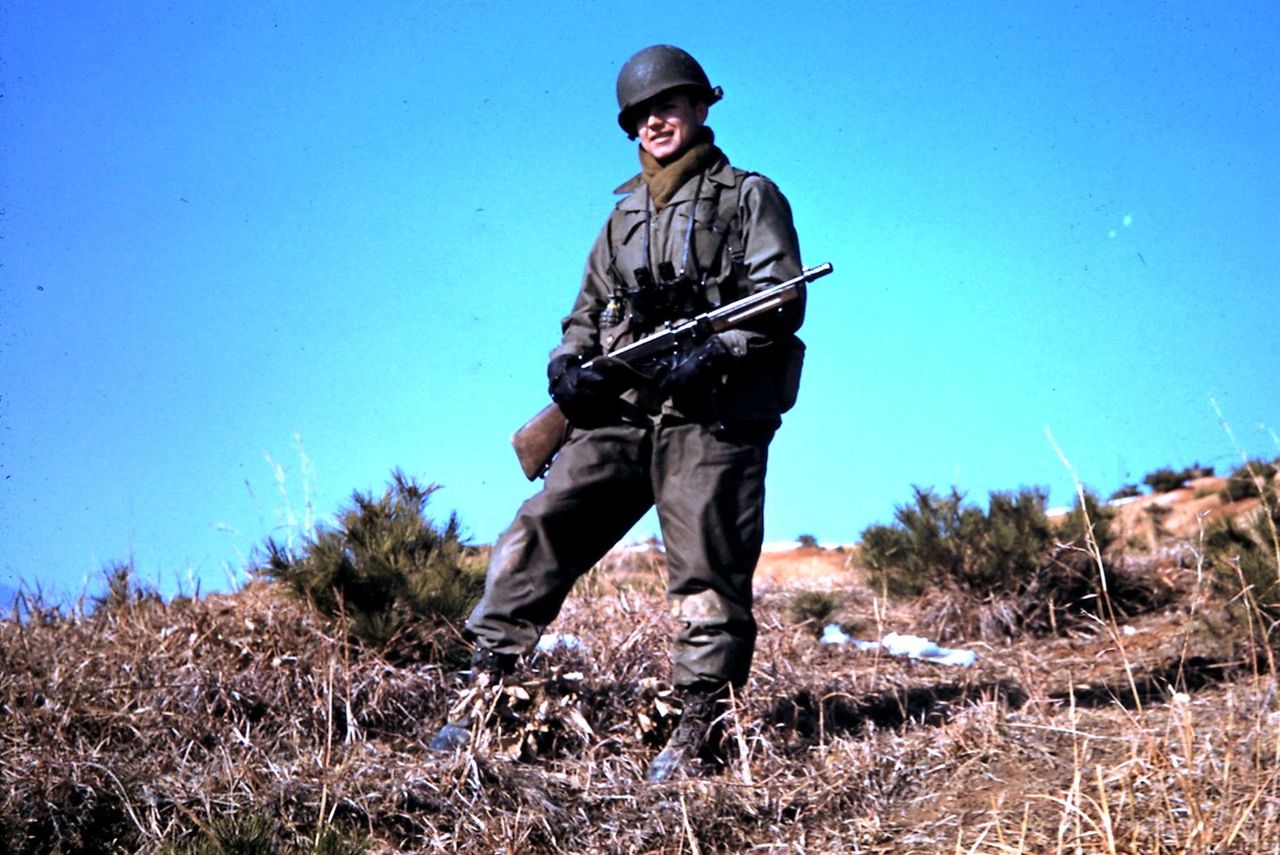
The Thompson had obvious appeal aboard submarines because it delivered a lot of firepower in a compact package. In the close confines of a vessel, and in the equally tight spaces of a boarded ship, that kind of short-range punch was easy to understand.
Submariners saw it as a weapon for emergencies and intimidation alike. A boarding party carrying Thompsons looked serious, and if resistance appeared suddenly in a cramped engine room or wheelhouse, the gun was built for exactly that kind of fight.
Its drawbacks were real, though. The Thompson was heavy, and ammunition took up valuable room. Even so, many crews liked having one or two aboard because the weapon projected confidence when situations turned tense fast.
M1 Garand
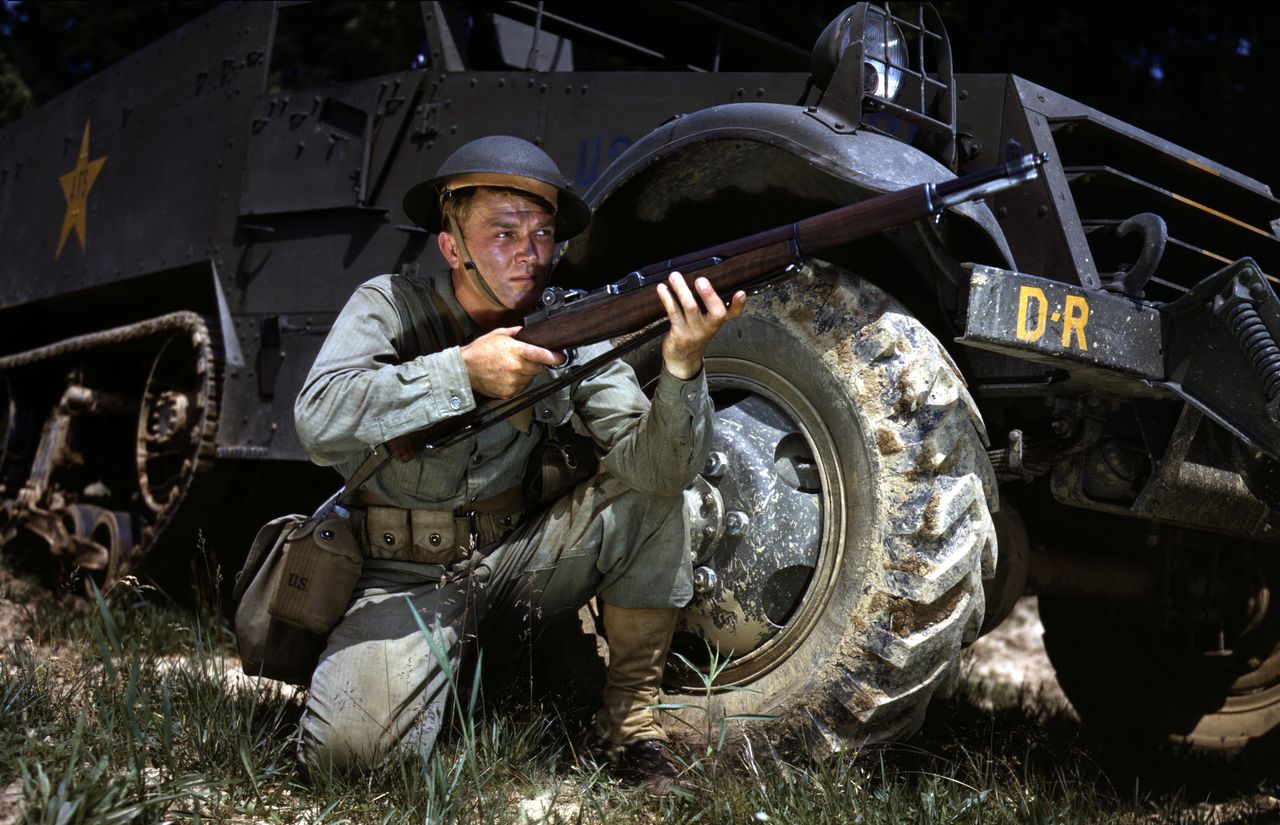
The M1 Garand was larger than ideal for submarine life, but some crews still wanted full-power rifles on hand. When range and penetration mattered more than convenience, the Garand offered a level of authority lighter arms could not match.
That could be useful during shore parties, guard details around captured survivors or prisoners, and any situation where submariners feared they might have to engage beyond pistol or carbine distance. On isolated patrols, crews often preferred having options rather than relying on a single type of firearm.
The Garand also carried psychological value. It was the standard American battle rifle, and bringing one aboard meant the crew had a proven infantry weapon if events forced them into a fight far from torpedoes and the safety of depth.
12-gauge shotgun
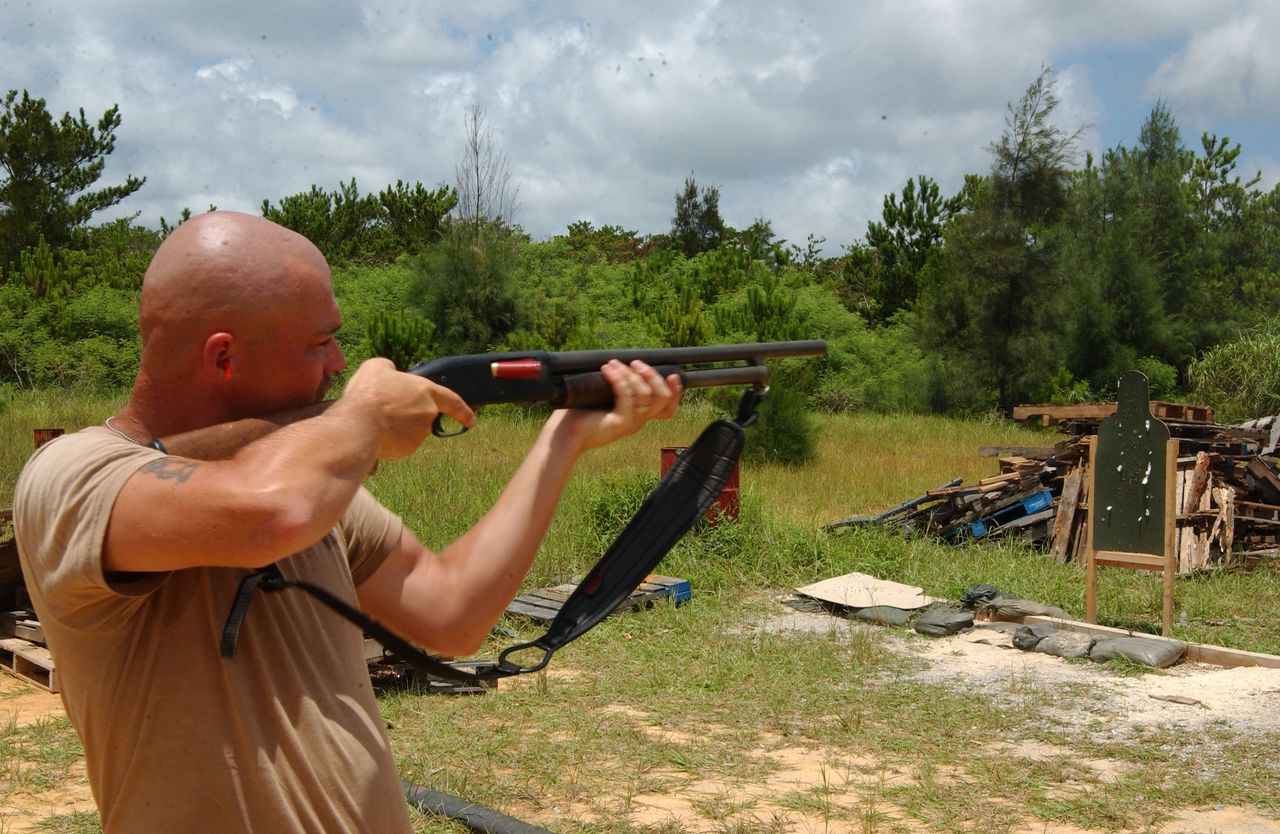
A shotgun may seem like an odd submarine weapon, but crews had practical reasons to want one nearby. In close quarters, on a small deck, or during a boarding action where ranges were short, a 12-gauge was powerful, simple, and instantly persuasive.
It could also serve utility roles beyond combat. Naval personnel often valued shotguns for guard duty, for dealing with threats at very short range, and in some theaters even for survival tasks if men found themselves stranded ashore after an emergency.
For submariners, simplicity counted. A shotgun was straightforward to operate under stress, and that mattered on a vessel where many men were specialists first and only occasional users of small arms second.
Springfield M1903 sniper or scoped rifle
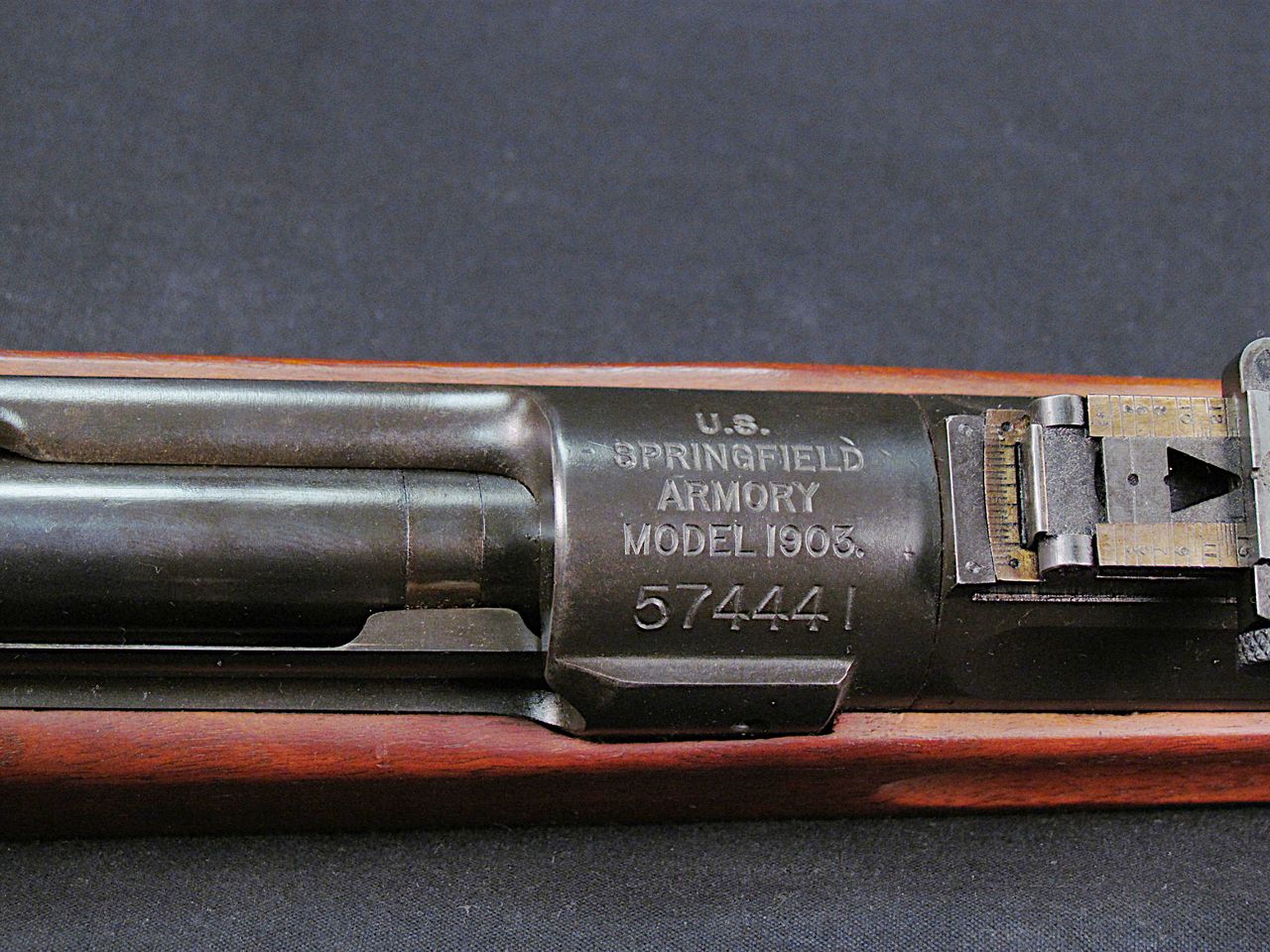
Some submarines carried a scoped rifle or retained older precision rifles because there were moments when accuracy mattered more than volume of fire. A commander observing from the bridge might want a marksman’s tool for a very specific problem rather than a general-purpose arm.
These rifles could be useful for disabling exposed equipment, deterring hostile small-boat crews, or covering a boarding party from a little farther off. On the surface, a submarine was vulnerable, so any weapon that let sailors solve a problem quickly without closing distance had value.
They were never the submarine’s main punch, of course. But crews appreciated specialized tools, and a precise rifle fit the wartime habit of preparing for unlikely situations before they became dangerous ones.