In the Arctic, a rifle was never just a firearm. It was a hunting tool, a line of defense, and often the difference between bringing food home or coming back empty-handed. This gallery looks at six rifles commonly linked with trappers and fur traders, exploring how reliability, weight, ammunition, and weather resistance shaped what people carried into the cold.
Winchester Model 1894
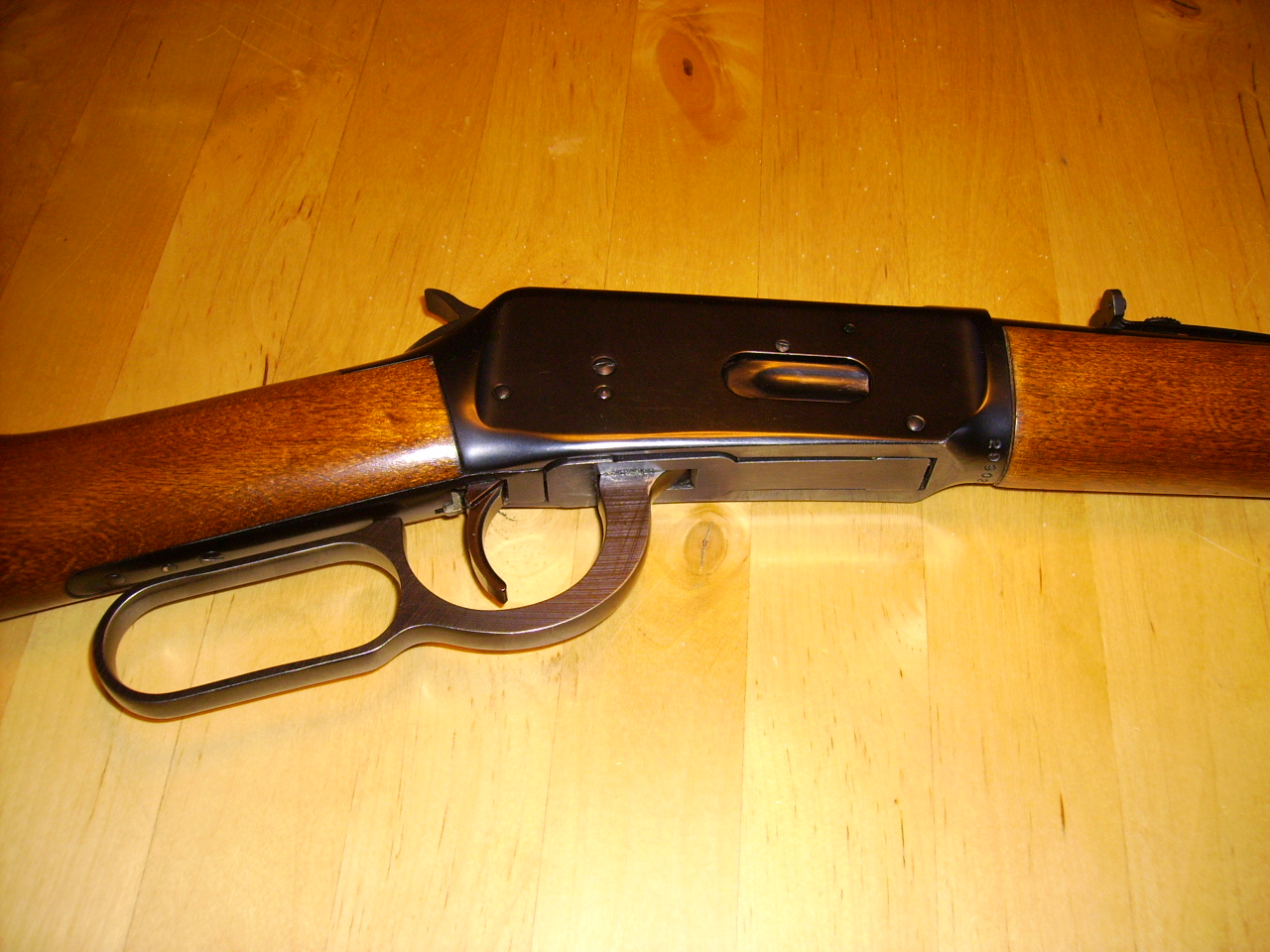
The Winchester Model 1894 earned a reputation as a practical working rifle, and that mattered deeply in the North. Light enough to carry on long traplines and fast to shoulder when game appeared suddenly, it fit the daily rhythm of people who covered serious ground in punishing weather.
Chamberings like .30-30 gave trappers a useful balance of power and manageable recoil. It was not the biggest rifle in camp, but it handled caribou, wolves, and many everyday tasks with confidence.
Its lever action also appealed to users who valued quick follow-up shots. In remote country, simple familiarity could be just as important as raw firepower.
Winchester Model 1886
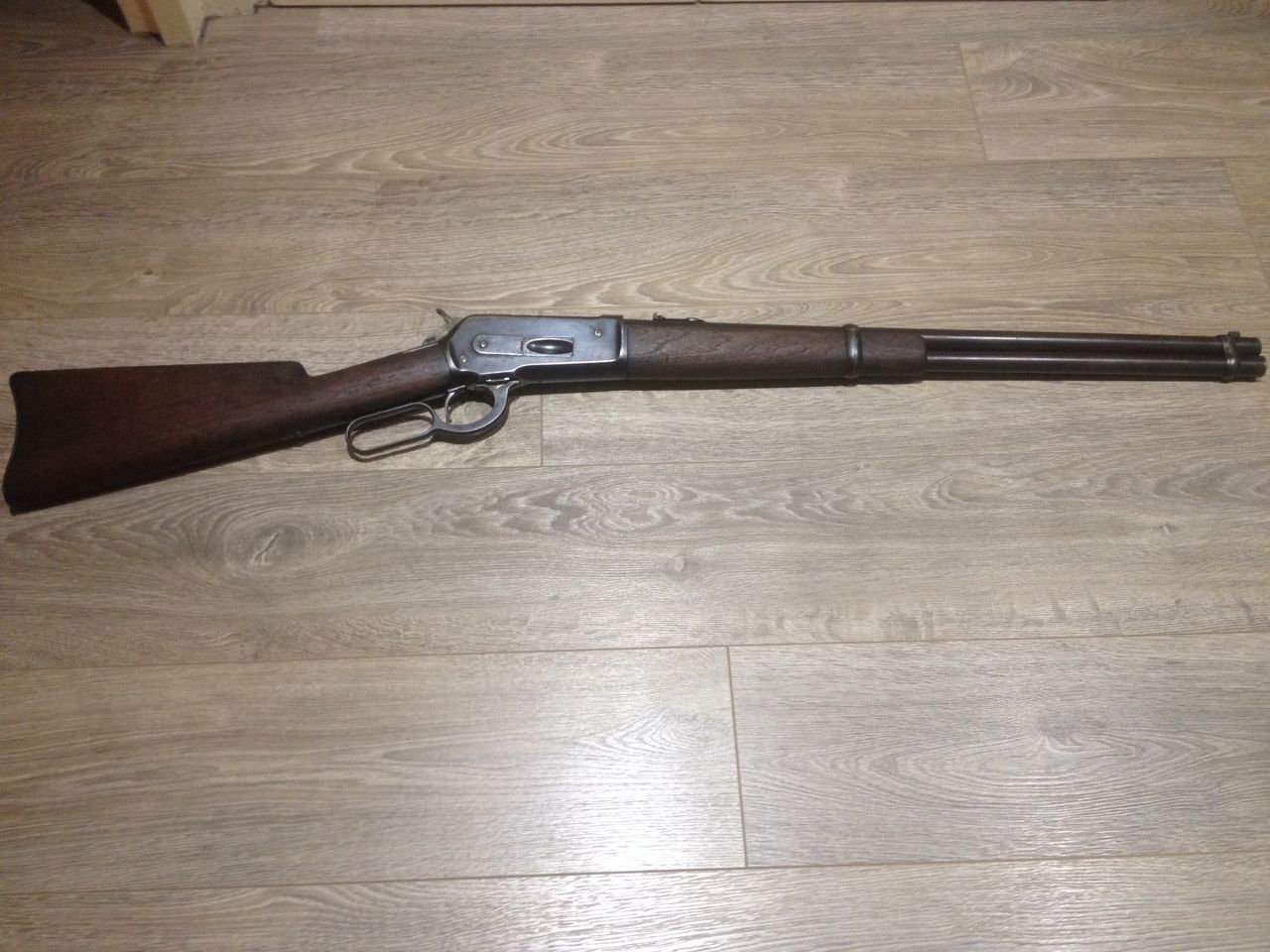
Where larger animals were a real possibility, the Winchester Model 1886 brought more authority. Built for bigger cartridges, it was the sort of rifle a trapper or trader might choose when the country demanded extra confidence against moose, bear, or other heavy game.
That added strength came with extra weight, and in the Arctic every pound had a cost. Even so, many experienced outdoorsmen accepted the burden because they trusted the rifle when conditions turned serious.
Its heavy hitting chamberings made it a tool for people who wanted one gun to do difficult work. In a remote landscape, reassurance had value all its own.
Savage Model 99
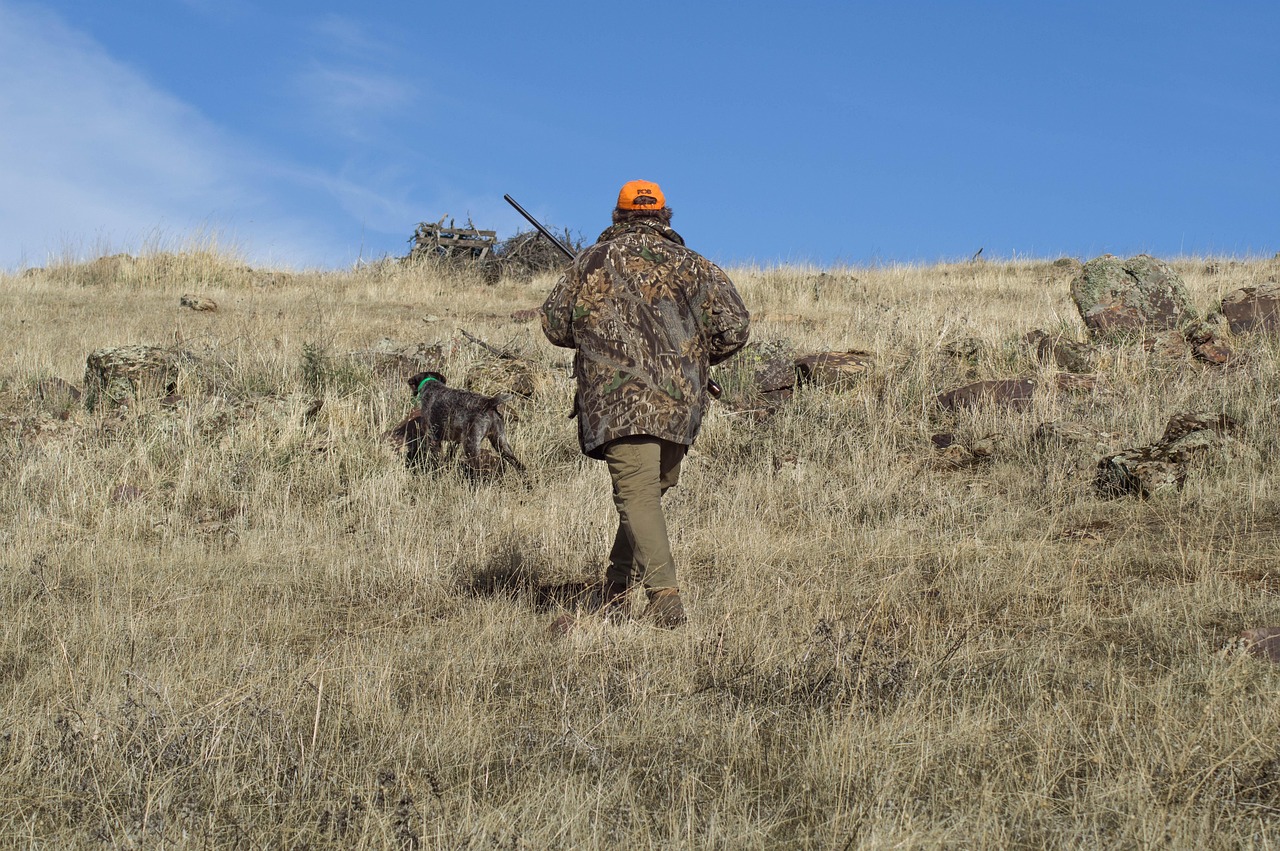
The Savage Model 99 offered something a little more modern in feel, while still remaining rugged enough for hard country. Its sleek lever action and strong design gave hunters access to higher-performance cartridges than many older lever guns could comfortably handle.
For trappers and traders who wanted reach across open tundra or frozen river corridors, that extra ballistic edge was appealing. A rifle like this could bridge the gap between fast-handling woods guns and more specialized long-range pieces.
It also carried a certain elegance without being delicate. In the North, handsome machinery only stayed respected if it proved itself in wind, frost, and constant use, and the Model 99 often did.
Lee-Enfield Sporter
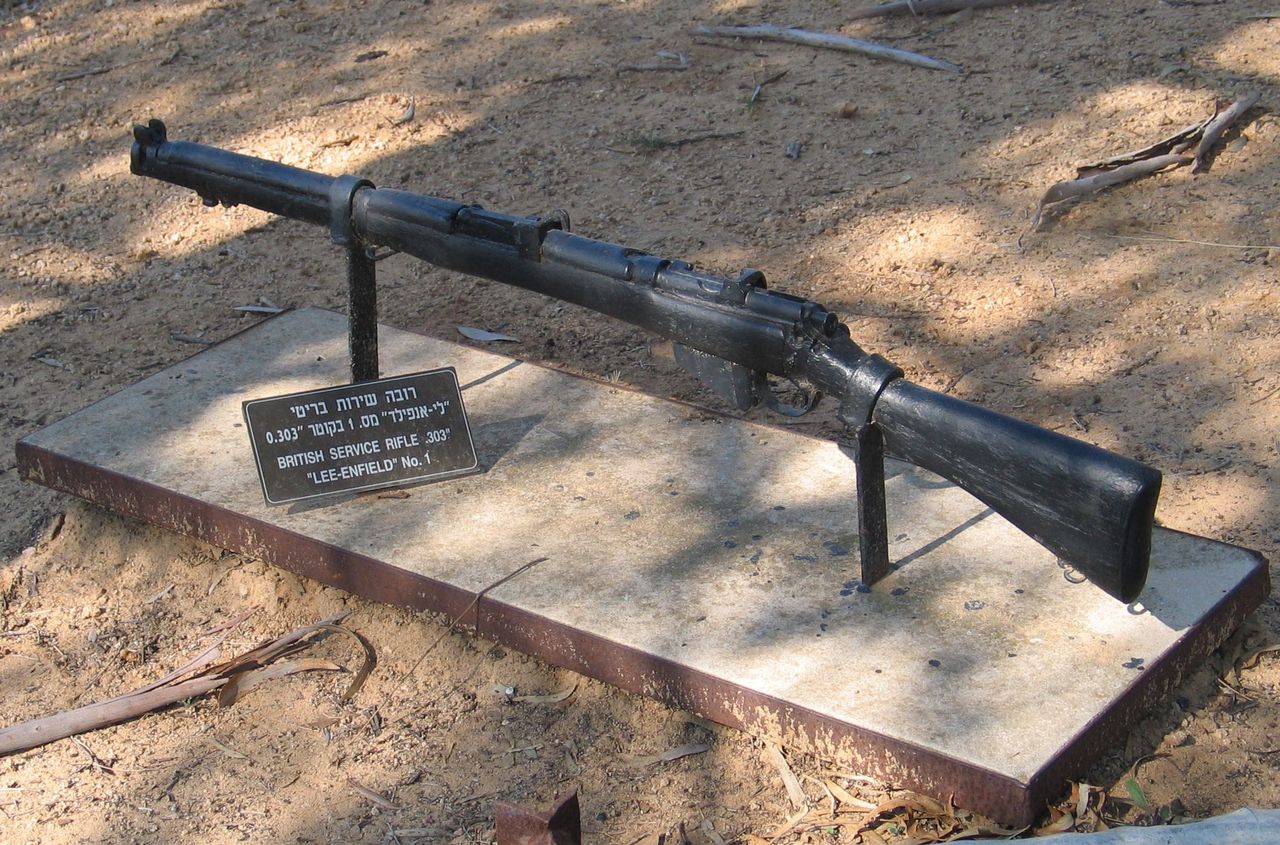
Surplus Lee-Enfield rifles, often cut down or sporterized, found a second life in remote northern communities. They were available, affordable, and chambered in .303 British, a cartridge with enough punch for a wide range of practical hunting needs.
The action was famously smooth, and the rifles had a hard-earned reputation for functioning under rough treatment. For people living far from gun shops and spare parts, that kind of reliability counted for a lot.
A sporterized Lee-Enfield might not have looked glamorous, but glamour rarely mattered on the trapline. What mattered was a rifle that fired when asked and could ride for miles in a sled, canoe, or scabbard.
Remington Model 8
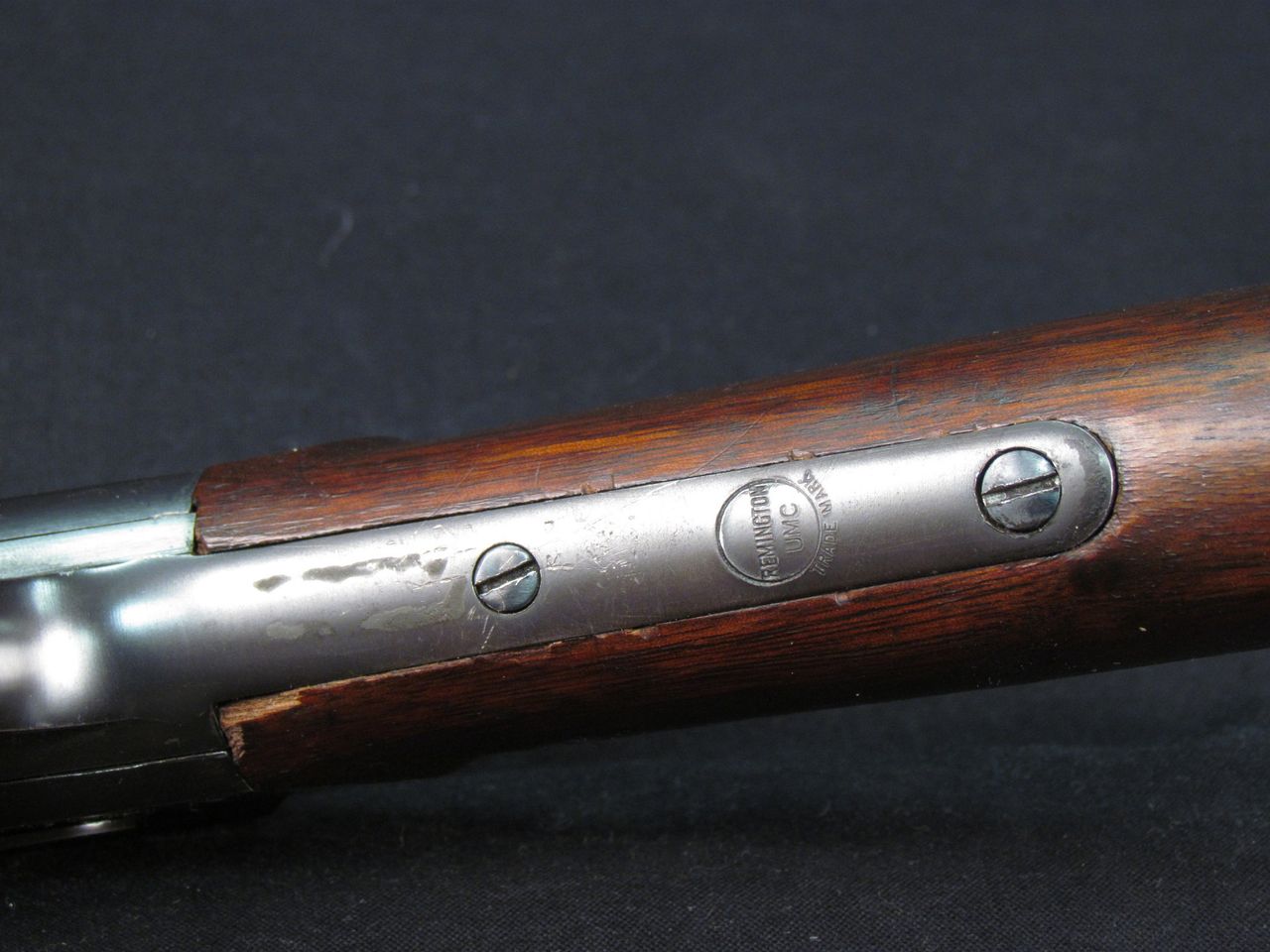
The Remington Model 8 stands out because it brought semi-automatic firepower into an era when many working hunters still relied on repeaters of a different kind. Designed by John Browning, it offered quick follow-up shots that could be useful when game moved fast or danger came close.
Its profile was unusual, and it was never the most common rifle in every northern camp, but it had devoted users. Chamberings such as .35 Remington gave it real authority on medium to large game.
In the Arctic, any mechanical complexity had to justify itself. The Model 8 did that for people who valued speed and who trusted the rifle enough to carry it beyond settled country.
Marlin Model 1895
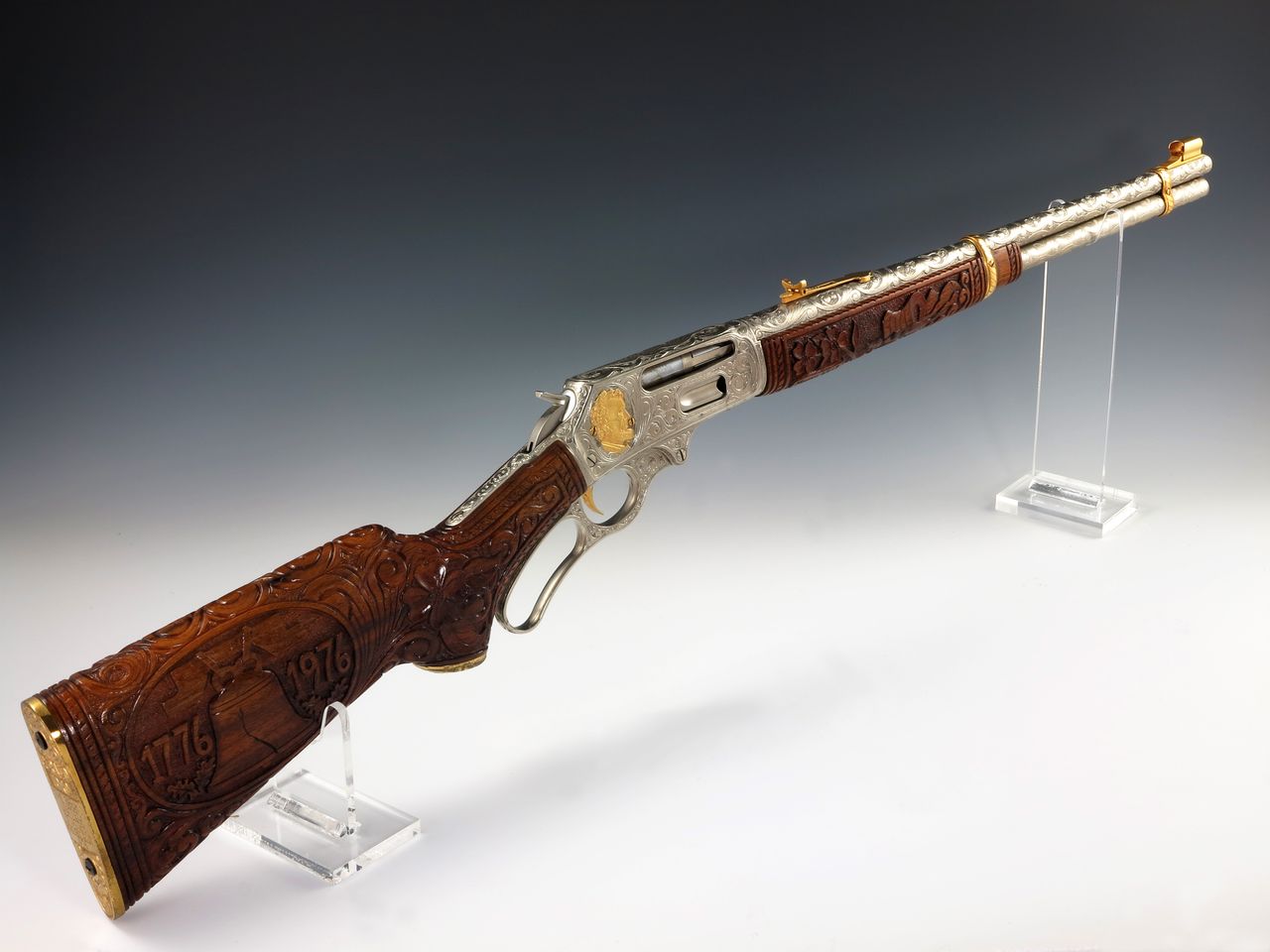
The Marlin Model 1895 represented the heavy end of the lever-action spectrum, and that was exactly the point. In bear country or in places where a hunter wanted a blunt, decisive answer at close to moderate range, a big-bore Marlin made immediate sense.
Its solid-top receiver and sturdy construction helped build a reputation for toughness. For a trapper moving through brush, timber, or broken river edges, the rifle felt compact enough to carry while still delivering serious stopping power.
No one called it a light rifle, and no one expected it to be. It was chosen for moments when authority mattered more than elegance, and northern life offered plenty of those moments.