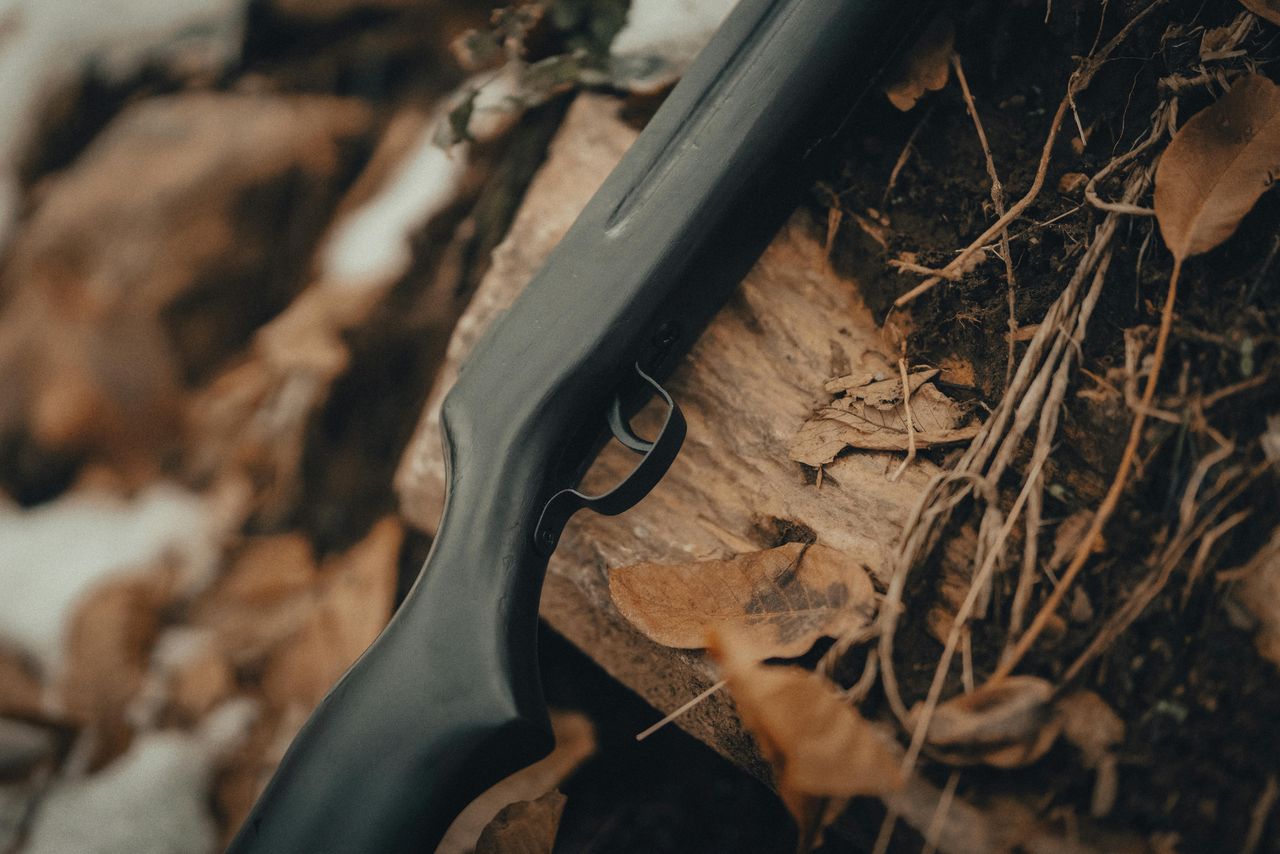
Dense timber changes the rules of hunting. Shots are close, angles are awkward, and animals can appear like ghosts for only a moment before vanishing again. In that kind of cover, the Browning BLR brings a few practical advantages that many bolt action hunters do not fully appreciate until the woods get tight and the window gets small.
Fast follow-up shots in cramped cover

In thick timber, a deer can flash through a gap, pause for a heartbeat, and lunge back into the brush before a hunter fully settles in. That is where the BLR feels unusually at home. Its lever action lets the shooter keep the rifle shouldered and cycle quickly without the larger up-and-back movement a bolt gun demands.
That matters more than many people expect when branches, brush, and heavy sleeves are all competing for space. A short second chance often becomes a real one because the rifle is ready again almost immediately. In woods where opportunities are measured in seconds, that smooth repeat shot can be the whole story.
Less movement when an animal is already watching

One of the sneakiest problems in close cover is not making the first shot. It is making any extra movement at all once an animal is alert. A bolt action often asks the shooter to lift the handle, pull rearward, and drive the gun back into battery. In open country that is routine. In timber, it can look like a flag waving.
The BLR helps keep the rifle in the pocket of the shoulder while the hands do less obvious work. That smaller visual signature can be a real edge when a buck is peering through saplings and trying to decide whether to explode out of there. Sometimes the best advantage is simply looking quieter.
Better handling around branches and awkward shooting lanes
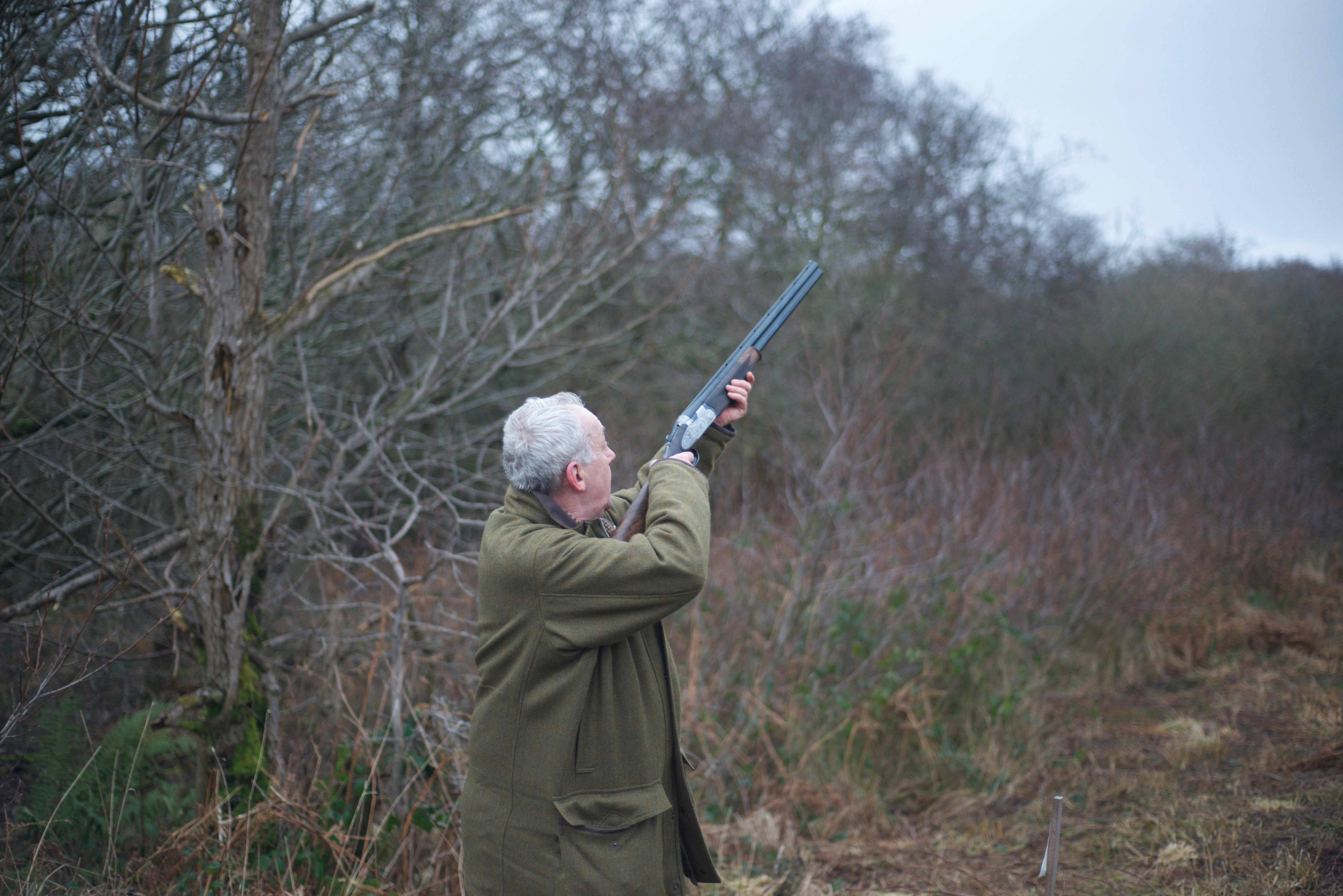
Timber hunting rarely gives you a clean benchrest pose. More often, you are twisted around a trunk, leaning off a hillside, or threading a shot through a narrow opening no wider than a truck mirror. In those positions, every inch of rifle manipulation starts to matter, and bulky motion gets punished fast.
The BLR’s handling can feel especially useful here because it stays compact in action and quick in the hands. You do not need as much room to run the gun, and that can be a gift when a branch is brushing your sleeve or a tree trunk is inches from the bolt side. In ugly positions, practical ergonomics suddenly become big advantages.
Magazine-fed versatility with pointed hunting bullets

A lot of people still think lever actions only make sense with traditional flat or round nose loads. The BLR changes that conversation because its box magazine allows the use of pointed bullets in modern hunting cartridges. That means timber hunters are not giving up ballistic efficiency just because they prefer a lever gun’s speed and handling.
In real woods hunting, that versatility matters more than it sounds on paper. Maybe the day starts in dark cedar cover and ends on a logging road or a beaver meadow where a longer shot opens up. The BLR can move through both worlds comfortably, which makes it less of a niche rifle and more of an all-around tool.
Quick balance when the shot appears at bad angles
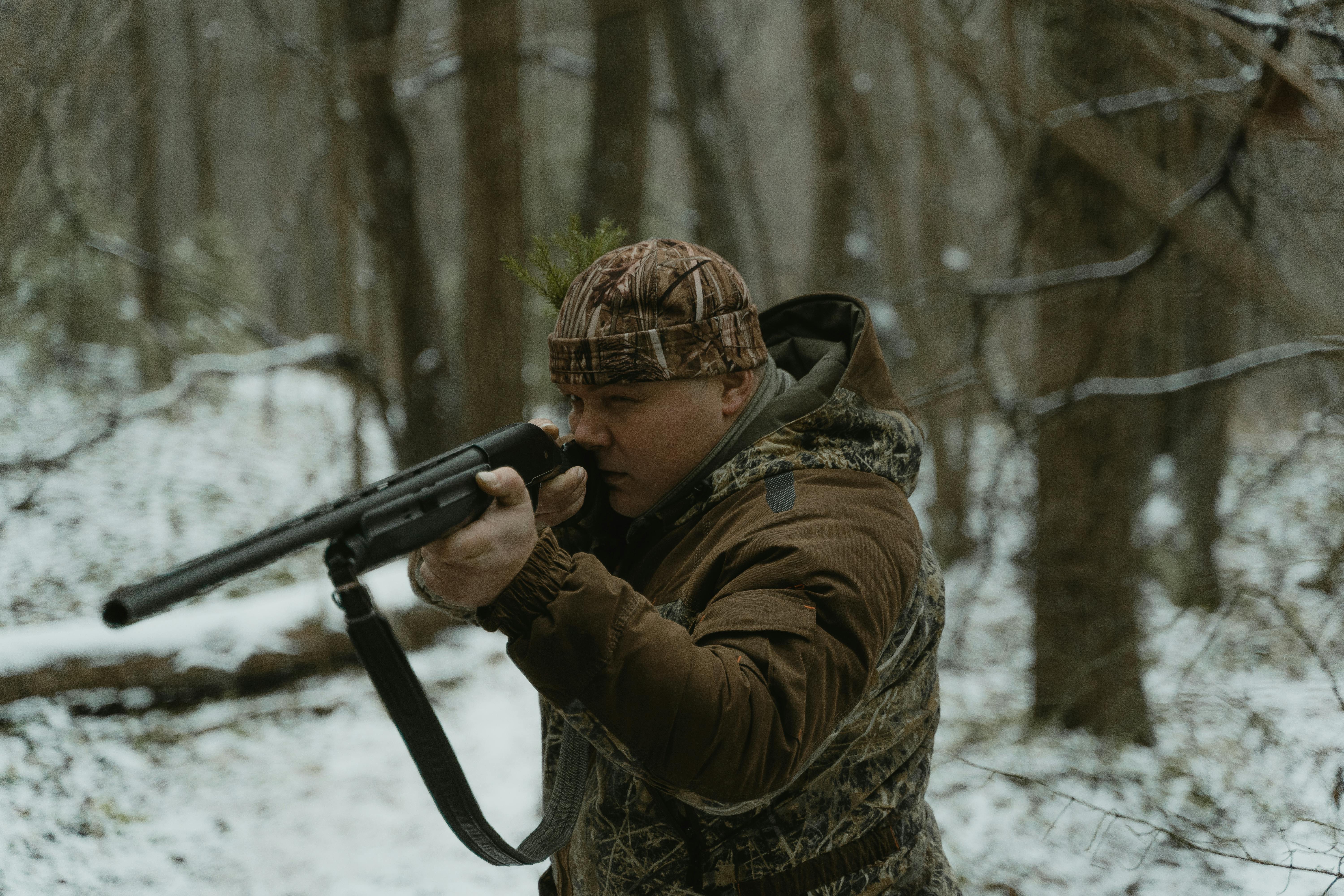
Animals in thick cover almost never arrive broadside in perfect light with all the time in the world. They slip past quartering away, step downhill beneath a stand, or appear suddenly uphill through a mess of limbs. In those moments, a rifle that comes up naturally and balances well can save precious fractions of a second.
The BLR has long appealed to hunters who want a fast, lively feel in the hands without stepping down to a less capable cartridge. That combination pays off when the shot angle is inconvenient and the window is shrinking. In dense timber, balance is not a luxury. It is often the difference between reacting cleanly and reacting too late.