Ask a rural hunter and an urban concealed carrier to define the perfect handgun, and you will likely hear two very different answers. That is not because one side is wrong. It is because their environments, priorities, and daily risks shape what feels useful, safe, and trustworthy in completely different ways.
Distance changes everything
In rural hunting country, a handgun may be judged by how well it performs beyond the kinds of distances most city carriers ever imagine. Accuracy at longer range, enough power for animals, and sights that stay usable outdoors can matter more than slimness or pocket comfort.
For urban concealed carriers, most thinking revolves around very close encounters in tight, chaotic spaces. A pistol that points fast, carries easily, and works at short defensive distances often feels ideal. When people start from totally different engagement ranges, they are bound to picture a different perfect handgun.
Power means different things

A hunter may want a handgun chambered for heavier, harder hitting rounds that can deal with tough animals or serve as a backup in remote country. In that world, recoil is often accepted as part of getting the job done, especially when the gun is not being carried discreetly under everyday clothing.
Urban carriers usually define practical power in a more balanced way. They tend to value controllability, faster follow-up shots, and ammunition that performs well without making the pistol too large or difficult to manage. To them, the best handgun is not the most powerful one. It is the one they can run well under stress.
Size is either a burden or a benefit
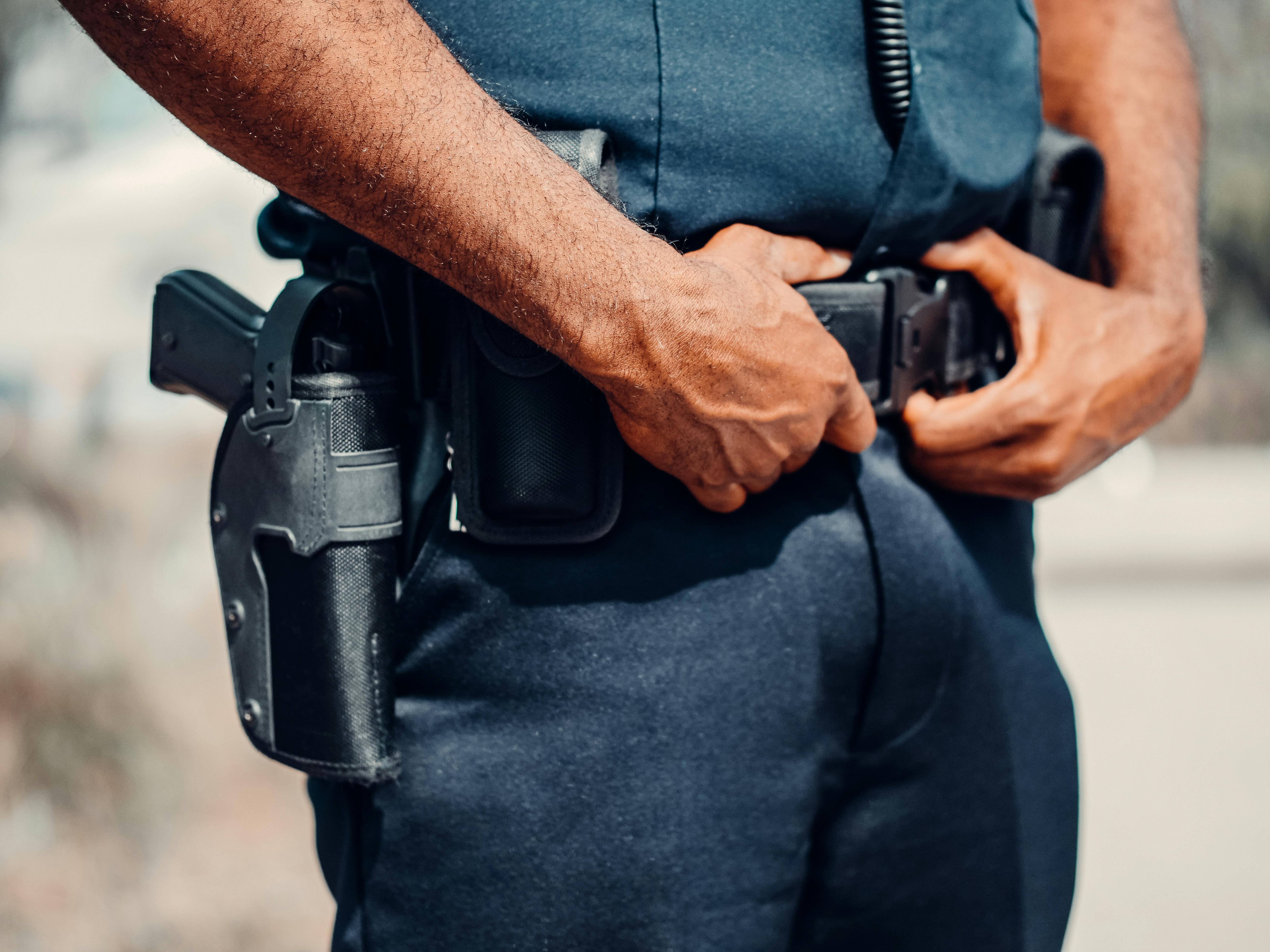
Out in rural settings, a larger handgun can feel like an advantage rather than a compromise. Longer barrels can improve sight radius and velocity, and bigger grips can make stout loads easier to control. If the gun rides in a chest rig, belt holster, or vehicle, bulk may barely register as a problem.
In a city, every extra inch and ounce gets noticed. A concealed carrier may spend ten or twelve hours trying to keep a handgun hidden, comfortable, and accessible. The perfect sidearm in that context is often the one that disappears under normal clothes without constant adjustment or printing. Convenience is not vanity there. It is what keeps the gun actually carried.
Capacity matters for different reasons

Many hunters are comfortable with lower-capacity handguns, especially if they favor revolvers or large-caliber pistols intended for backup use in the field. Their focus may be on a few deliberate shots, not the possibility of a fast-moving confrontation involving multiple threats in a crowded environment.
Urban concealed carriers often think more about magazine capacity because city self-defense scenarios can feel less predictable. A compact handgun that still holds a healthy number of rounds can offer reassurance without becoming too bulky. Neither view is irrational. Each one grows from a different picture of what danger looks like and how quickly things might unravel.
The carry method shapes the gun
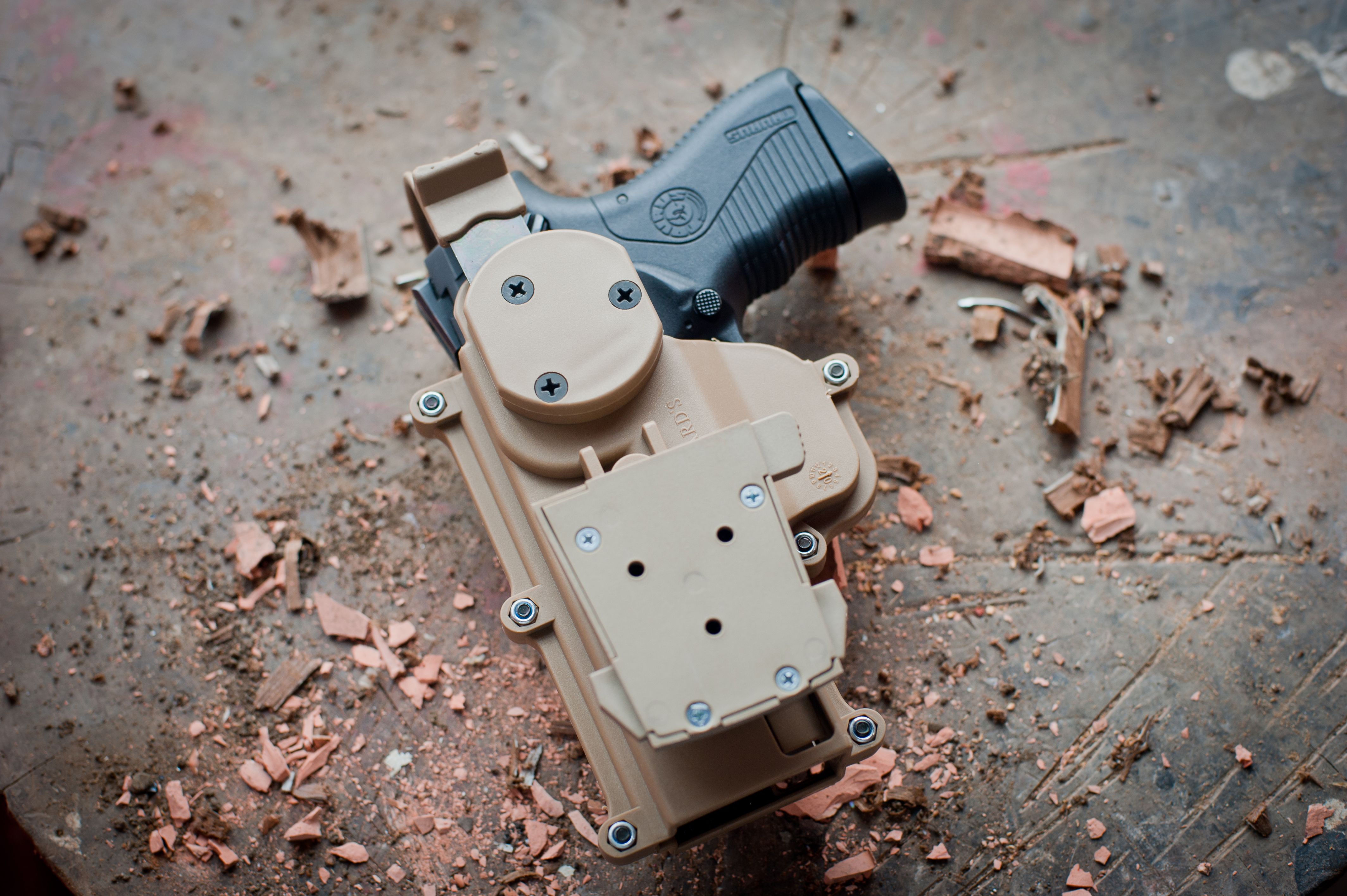
A person who hunts or spends time on remote land may carry openly in a sturdy belt holster, chest rig, or even in a pack. That opens the door to heavier frames, longer barrels, and optics-ready setups that would be awkward for daily concealment in town.
Urban concealed carriers live by a stricter standard. The gun has to fit an inside-the-waistband holster, work with office clothes or summer wear, and remain accessible in a hurry. Once carry style enters the conversation, the perfect handgun stops being an abstract object and becomes a piece of gear shaped by routine, wardrobe, and movement.
Reliability gets tested in different environments
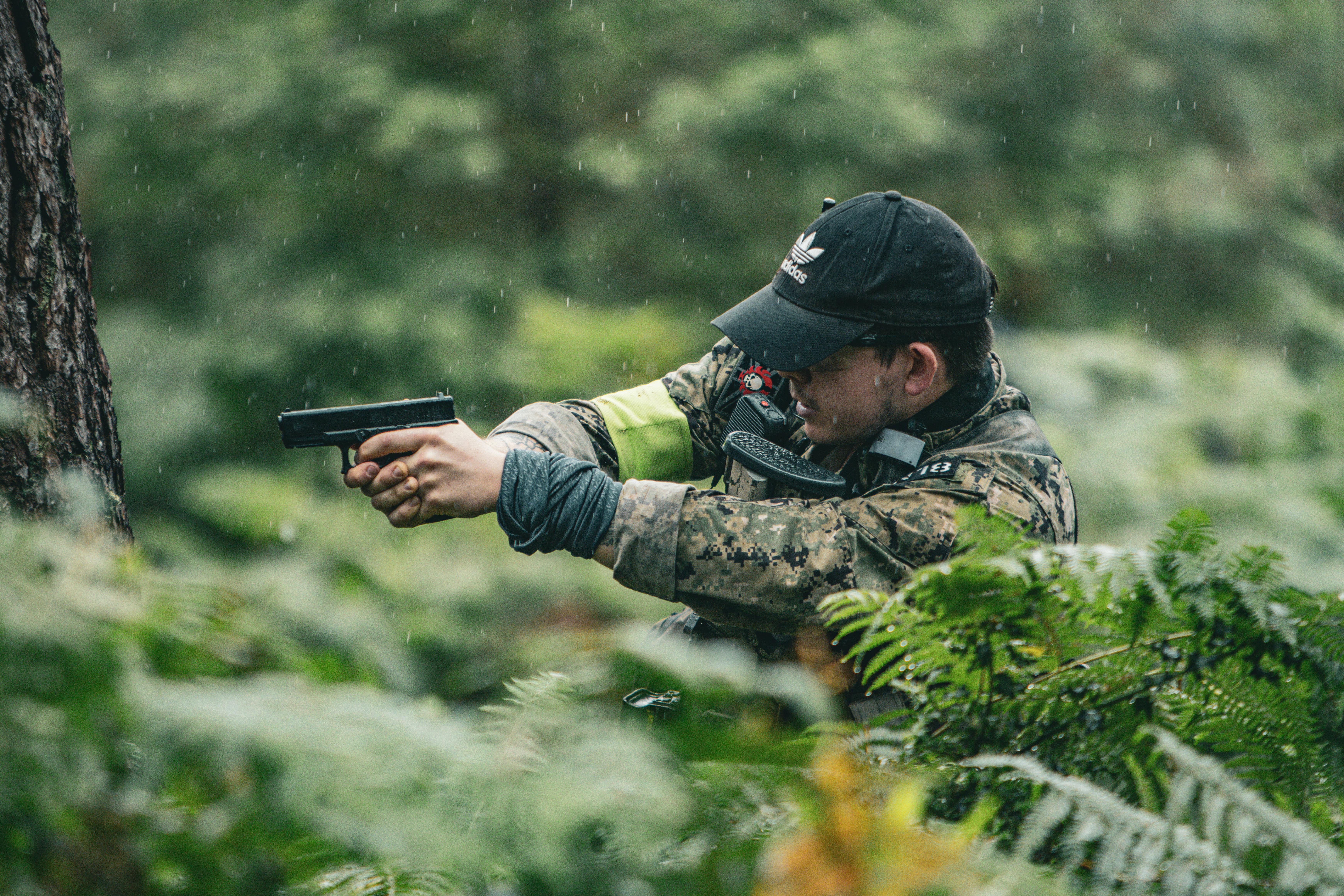
Hunters worry about mud, rain, dust, cold, and long hours outdoors. A handgun that can shrug off rough weather and keep working after bouncing around on an ATV or brushing through heavy cover earns real respect. Finish, grip texture, and simple rugged construction can become deciding factors.
Urban carriers care deeply about reliability too, but their version includes lint, sweat, daily movement, and consistent function after frequent holster wear. They may prioritize a pistol with a strong track record in defensive training classes and routine concealed carry. The setting changes the stress test, so it also changes what kind of reliability feels most meaningful.
Sights and optics serve different priorities

A rural hunter may favor adjustable sights, an optic, or a longer sight radius to help place careful shots in changing light and uneven terrain. The handgun is not just for emergency use. It may be expected to perform as a deliberate field tool where precision has real consequences.
Urban concealed carriers often lean toward fast, highly visible defensive sights that are easy to acquire at close range. They may like optics too, but only if the setup stays compact, durable, and easy to conceal. Once again, the disagreement is not really about taste. It is about whether the gun is meant for measured distance work or sudden close-quarters defense.
Training habits push design preferences
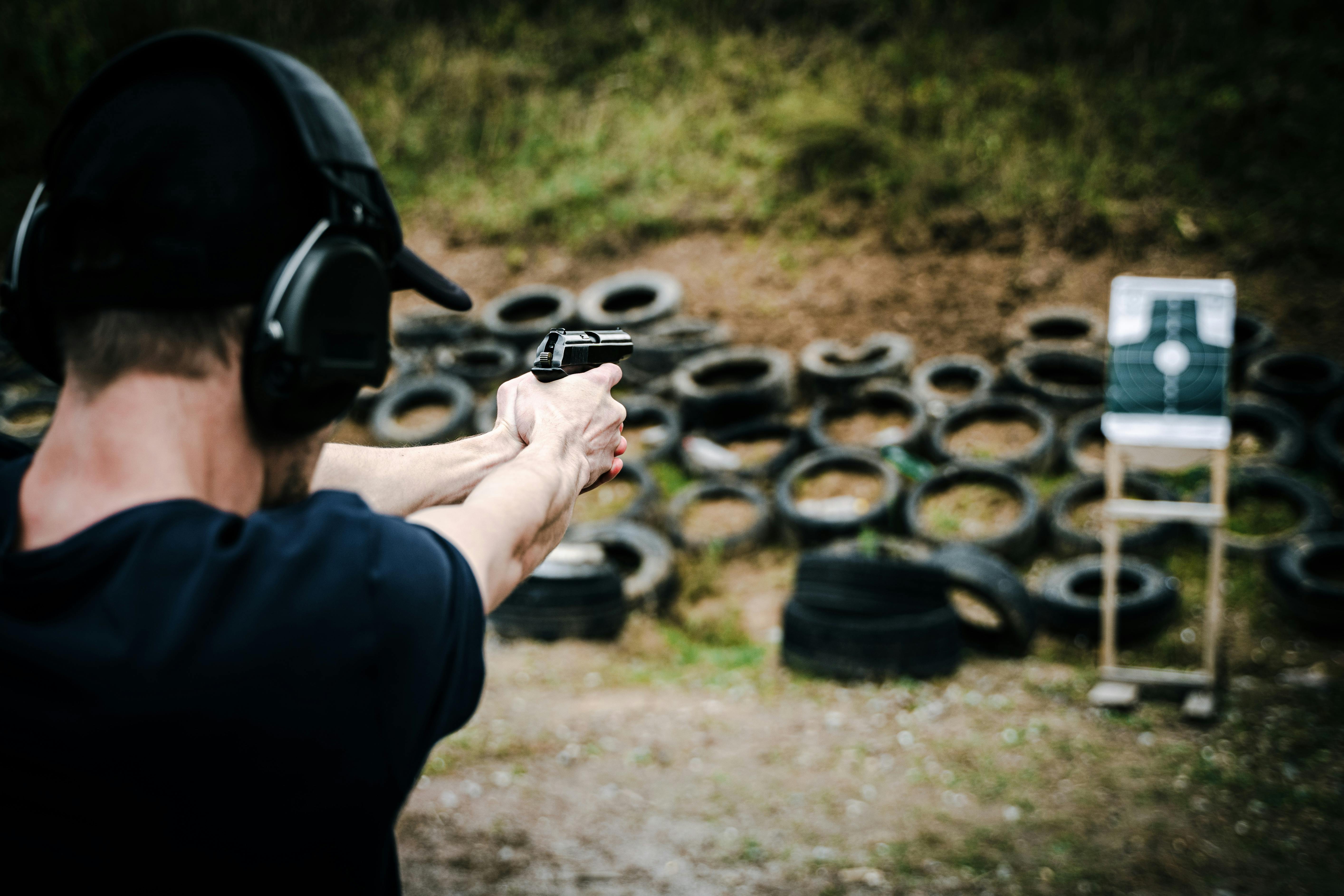
Hunters often build handgun opinions around field use, seasonal practice, and familiarity with a particular caliber or platform they trust outdoors. If someone has long relied on a big-bore revolver or a robust semi-auto in remote country, that experience naturally shapes what they consider dependable and worthwhile.
Urban concealed carriers usually think in terms of draw stroke, retention, reloads, and rapid defensive drills. They may want a handgun that supports frequent range sessions and modern carry techniques without beating up the shooter. The more people train for different jobs, the more their ideal sidearm starts to look like a reflection of that training.
Risk feels personal in different ways

For a rural hunter, the imagined threat might be an injured animal, a predator at close range, or being far from help when something goes wrong. In that mental landscape, a handgun can symbolize self-reliance, backup power, and preparedness in isolated places where immediate assistance may not exist.
For an urban concealed carrier, risk is often framed around human threats in parking lots, transit spaces, stores, or apartment buildings. That picture encourages priorities like concealability, fast access, and manageable recoil in tense, crowded settings. When people carry for different kinds of fear and responsibility, they end up defining perfect in deeply personal, incompatible ways.