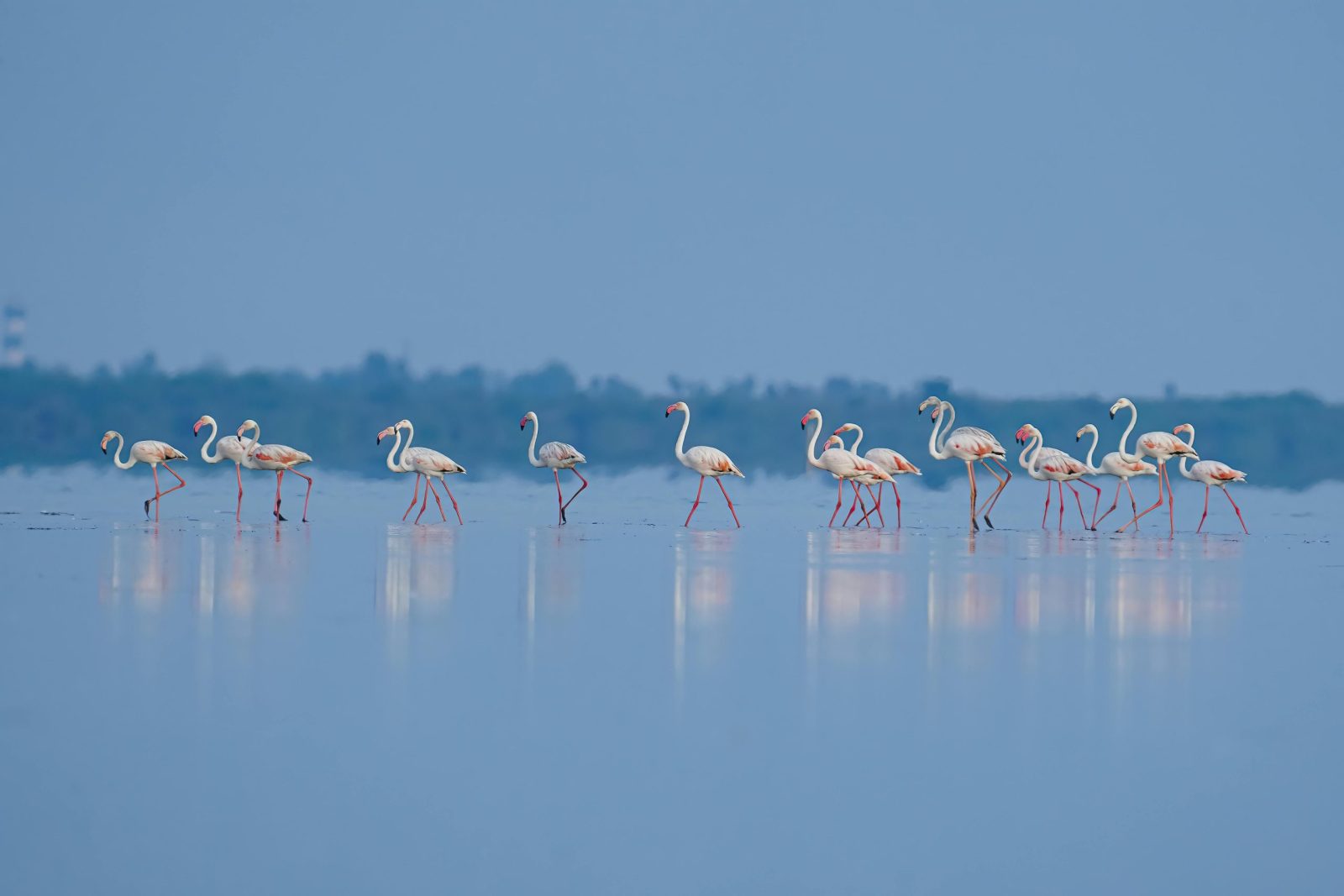
You can experience more than dramatic peaks when hiking the Continental Divide Trail because this route doubles as one of the best birdwatching corridors in North America. Stretching from Mexico to Canada, it passes through forests, deserts, and alpine meadows filled with life. You’ll spot flashes of color and hear songs echoing between ridges as birds thrive across this varied landscape, adding beauty and rhythm to every mile of your journey.
Mountain Bluebird
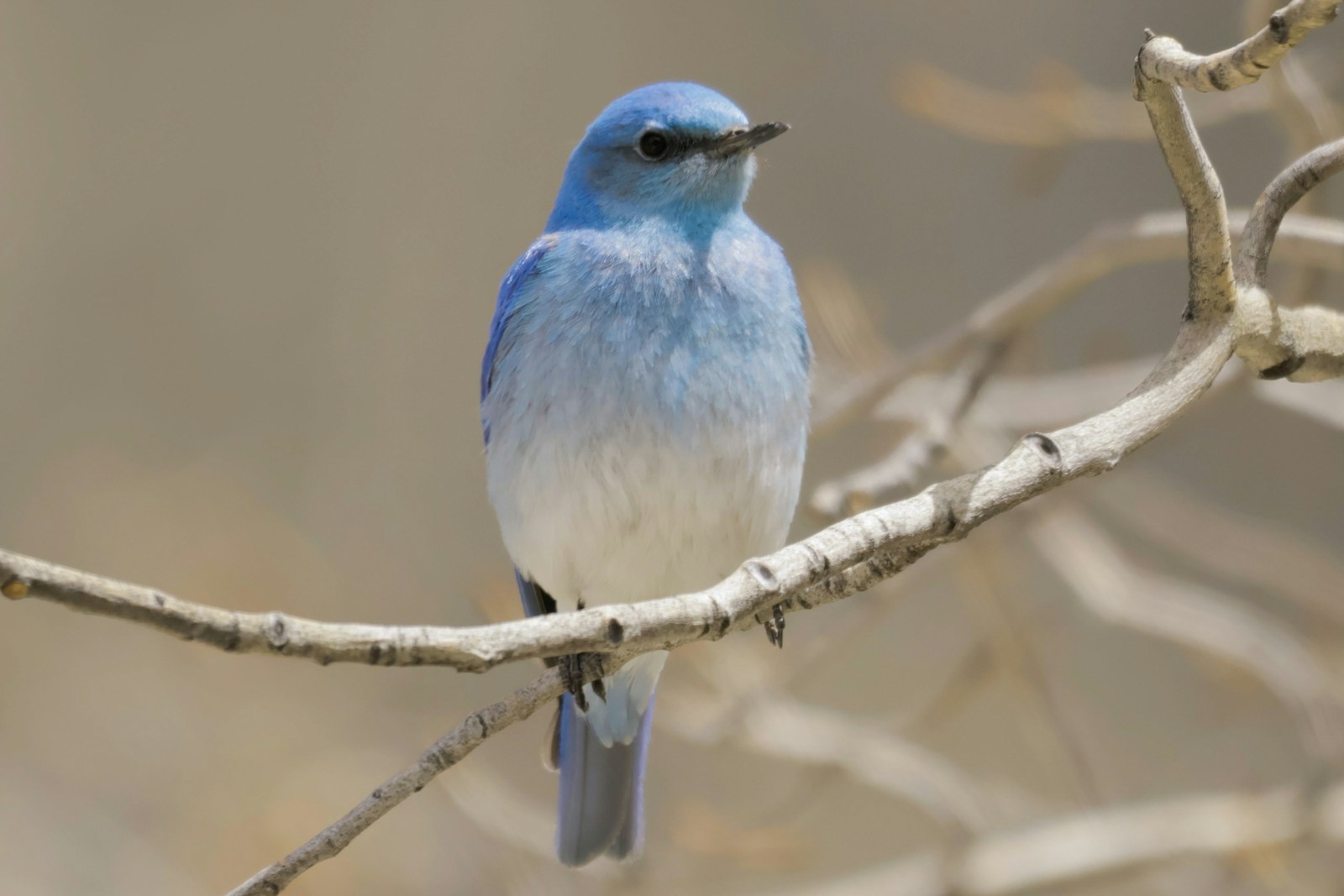
You can easily identify the Mountain Bluebird by its brilliant sky-blue feathers shining brightly against rocky slopes and open meadows. Often seen perched on fence posts or gliding gracefully after insects, it symbolizes the spirit of the high country. Its vibrant hue adds a splash of joy to the rugged wilderness, reminding you how color and life thrive even in the toughest mountain conditions.
Clark’s Nutcracker
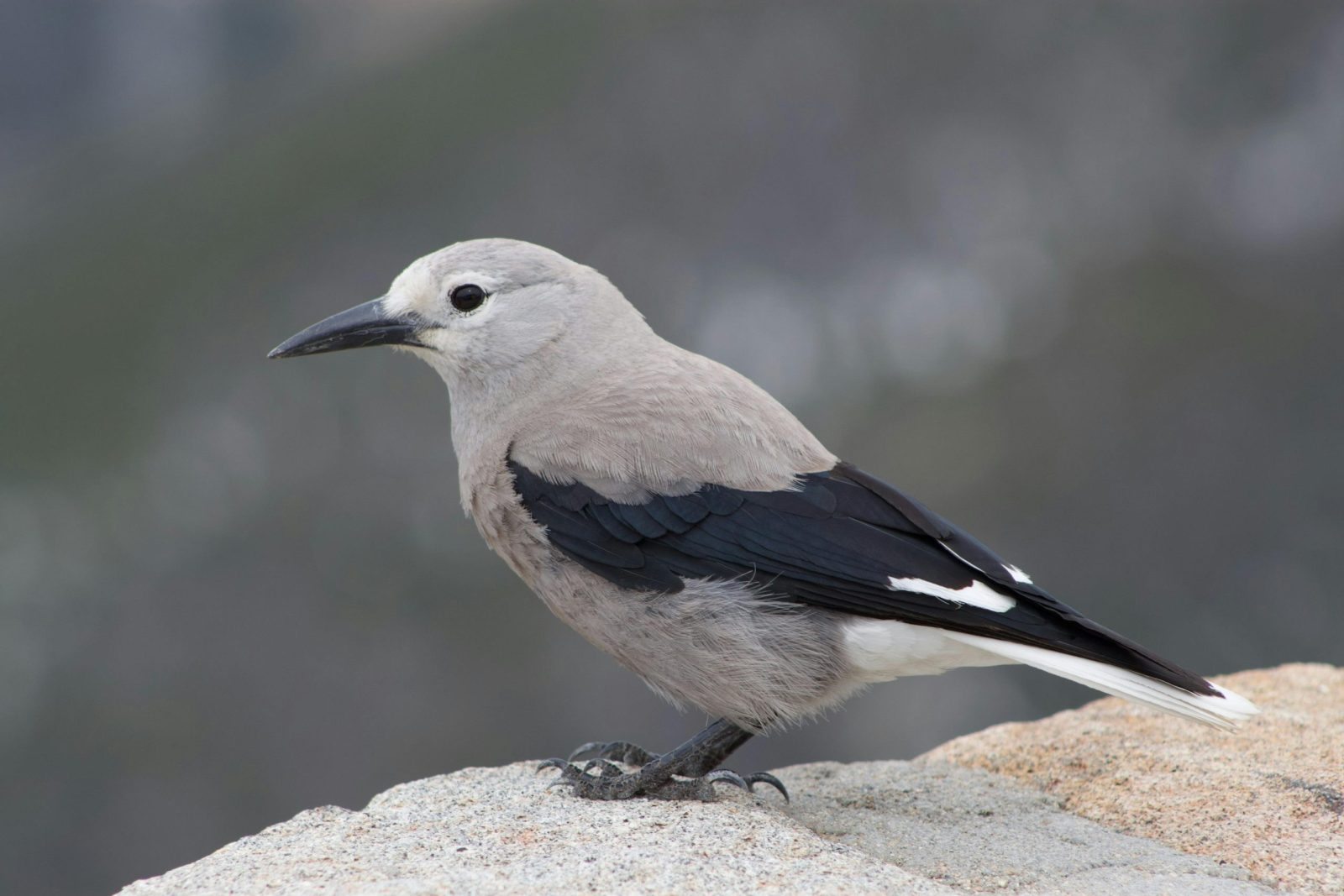
You should look for the Clark’s Nutcracker in high pine forests where its loud calls carry across the slopes. This smart bird hides pine seeds underground and later helps forests regrow when some are forgotten. Its black and gray feathers blend with the landscape, but its constant movement and energy make it hard to miss while trekking through alpine terrain.
American Dipper
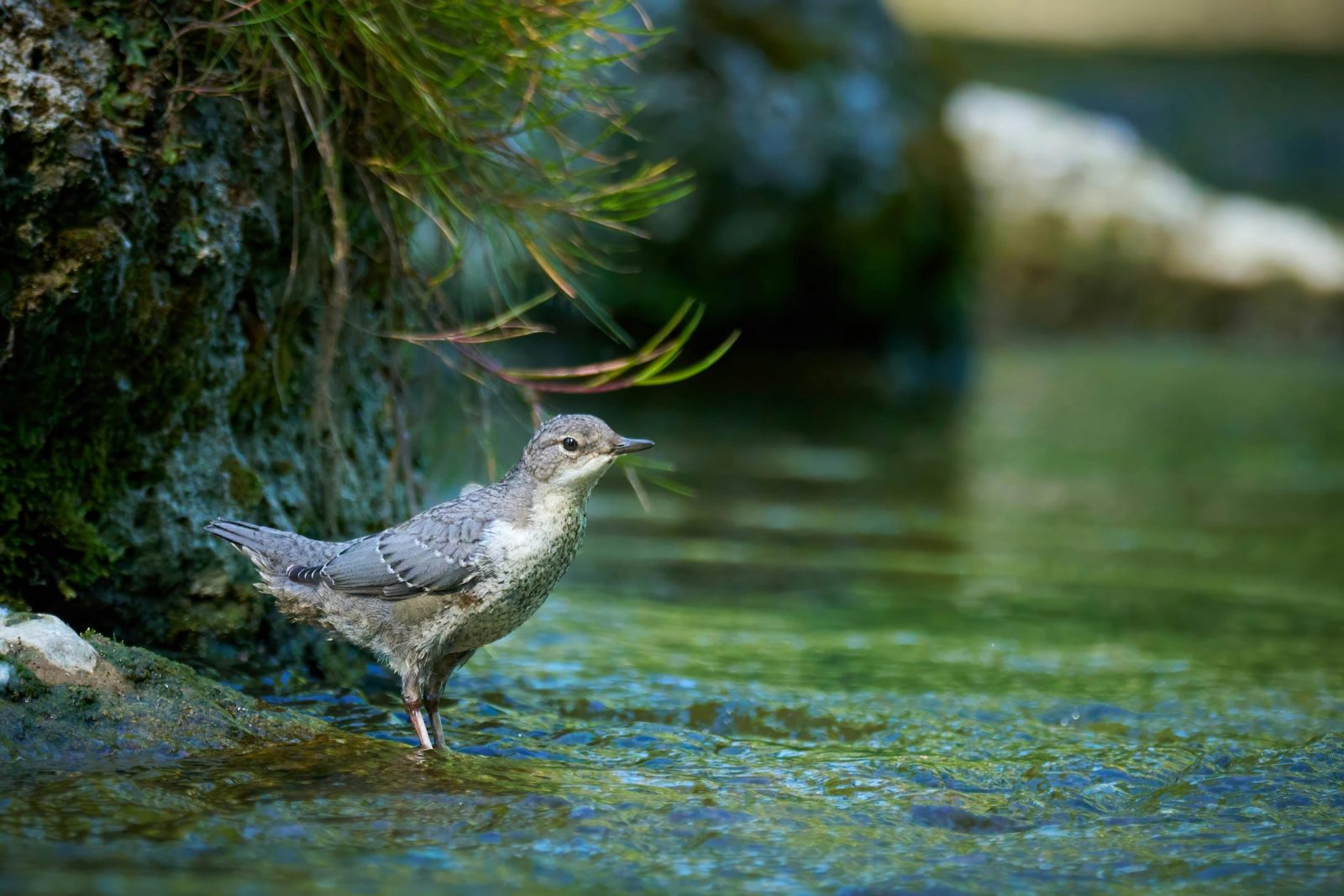
You can spot the American Dipper near rushing streams, where it bobs along the rocks before diving straight into icy water. It is the only North American songbird that swims underwater, searching for insects and larvae. Watching this small gray bird brave strong currents teaches you how life adapts perfectly to even the coldest and most unpredictable mountain habitats.
Western Tanager
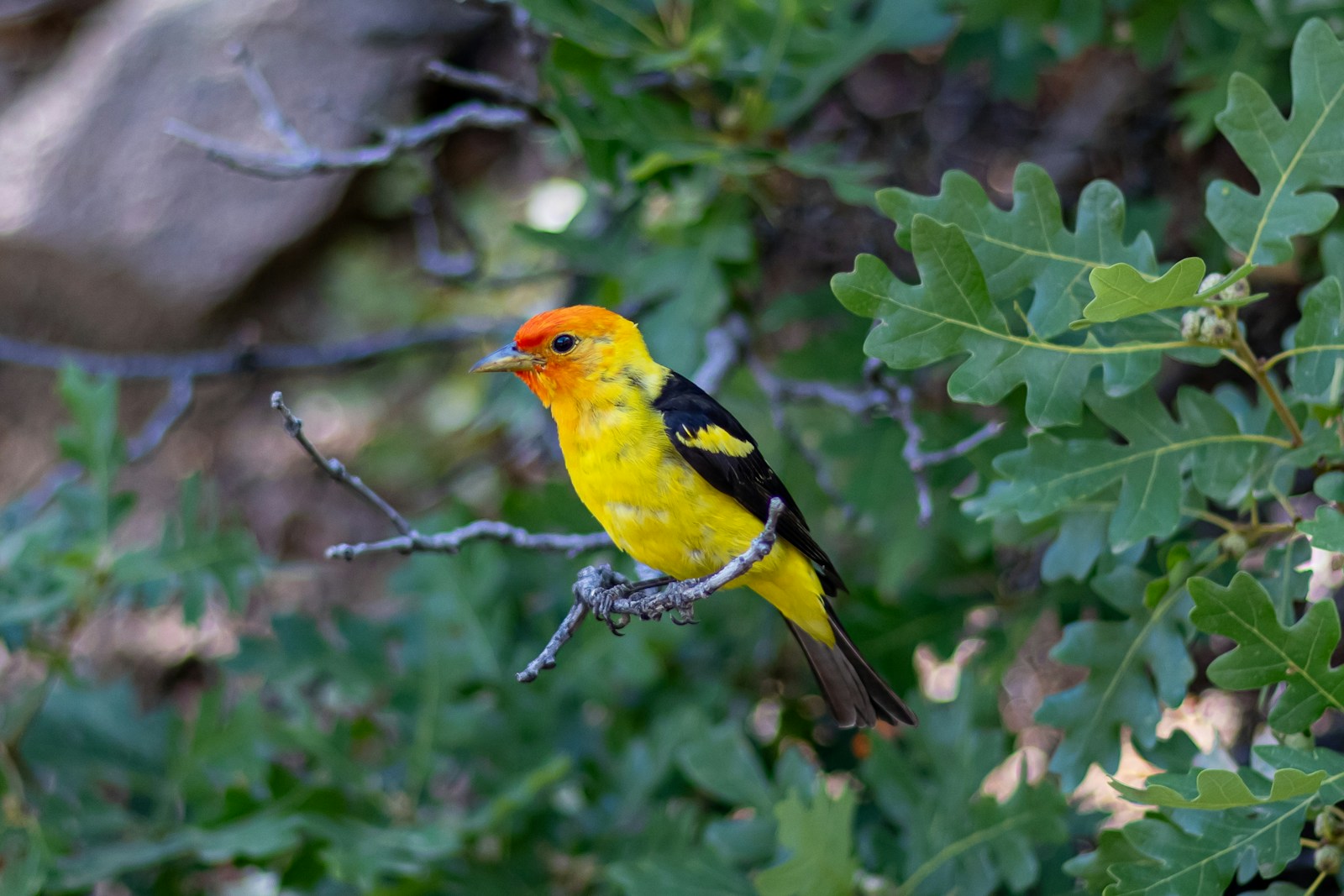
You should stop and admire the Western Tanager, glowing in red, yellow, and black among the green treetops. These colorful songbirds stay busy catching insects or feasting on berries, often high in the canopy. When sunlight hits their feathers, it’s as if a piece of summer fire dances above the forest, reminding you of the wild’s vibrant diversity.
Golden Eagle
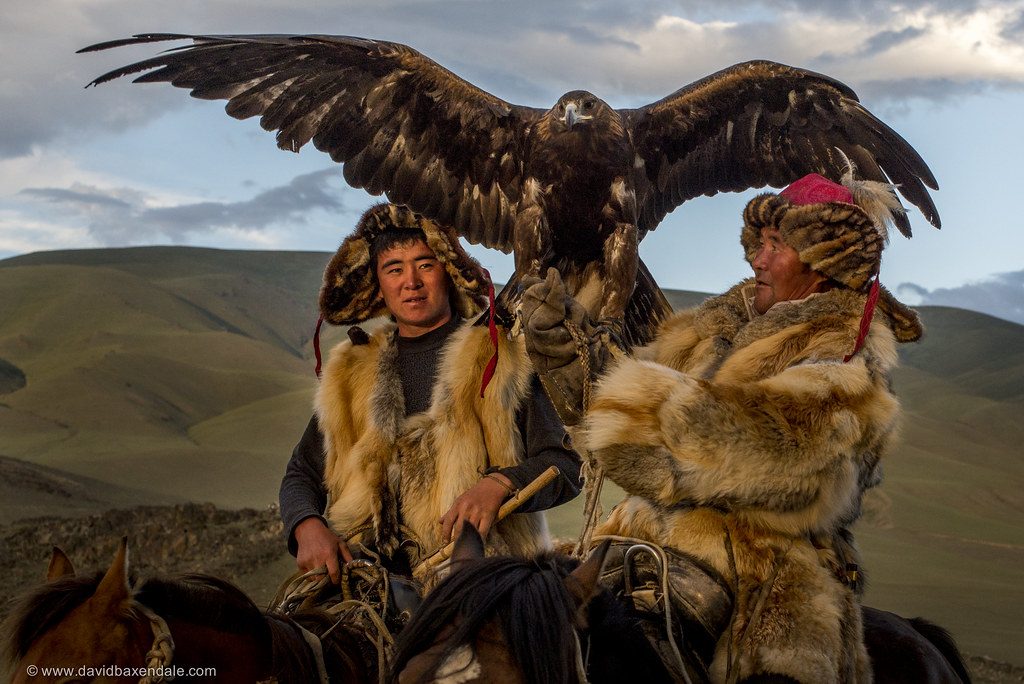
You can witness the majestic Golden Eagle soaring over open ridges with unmatched power and grace. With its wide wingspan and sharp vision, it spots prey from far above and controls the mountain skies. Seeing one glide effortlessly against a backdrop of endless peaks inspires a deep respect for the untamed beauty of nature’s hierarchy.
Steller’s Jay
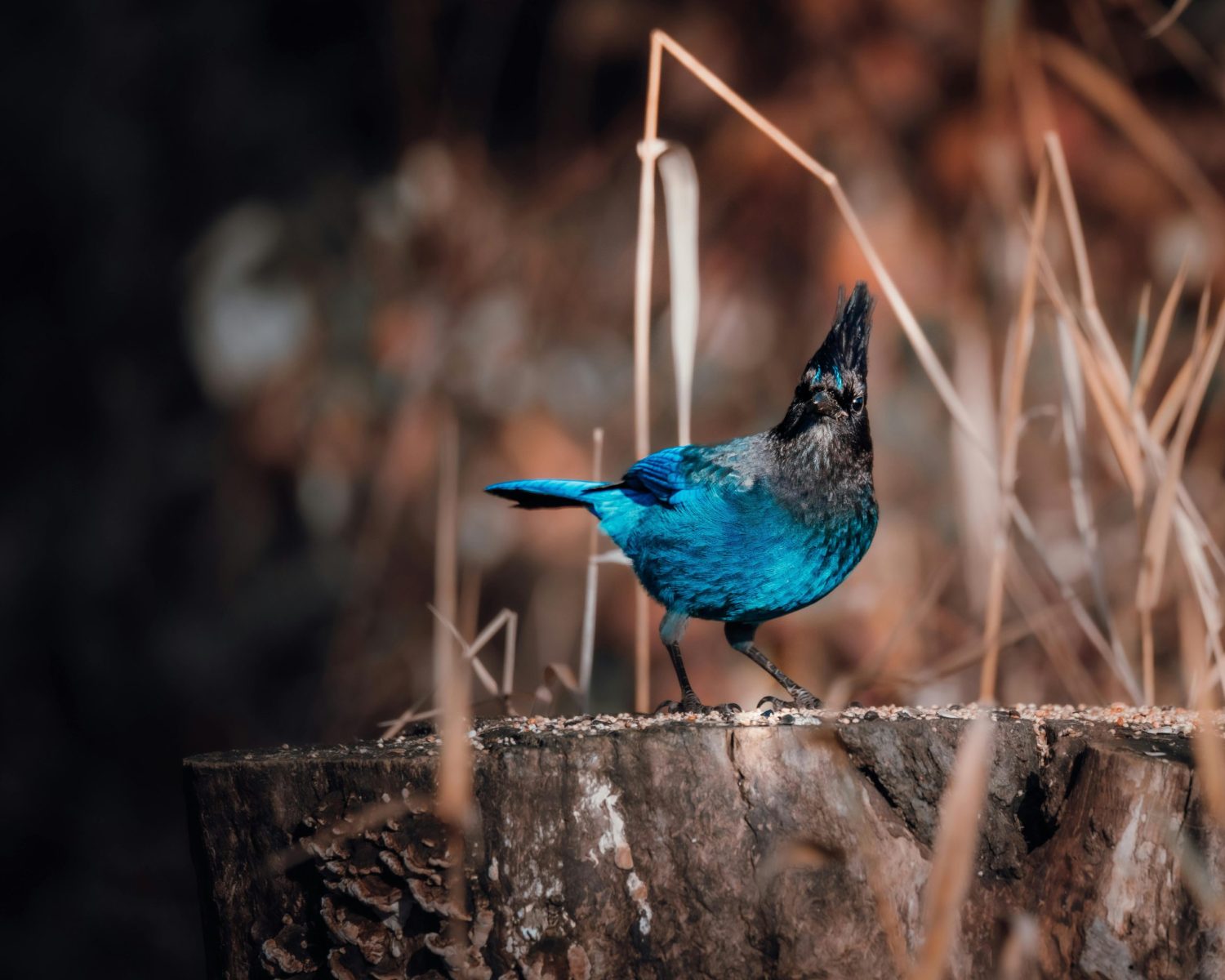
You should listen for the noisy chatter of the Steller’s Jay before you see its striking blue feathers. These curious birds thrive in coniferous forests and are known for their playful, bold personalities. Whether they’re stealing crumbs from campsites or flashing between trees, they add both color and energy to the mountain experience.
Broad-tailed Hummingbird
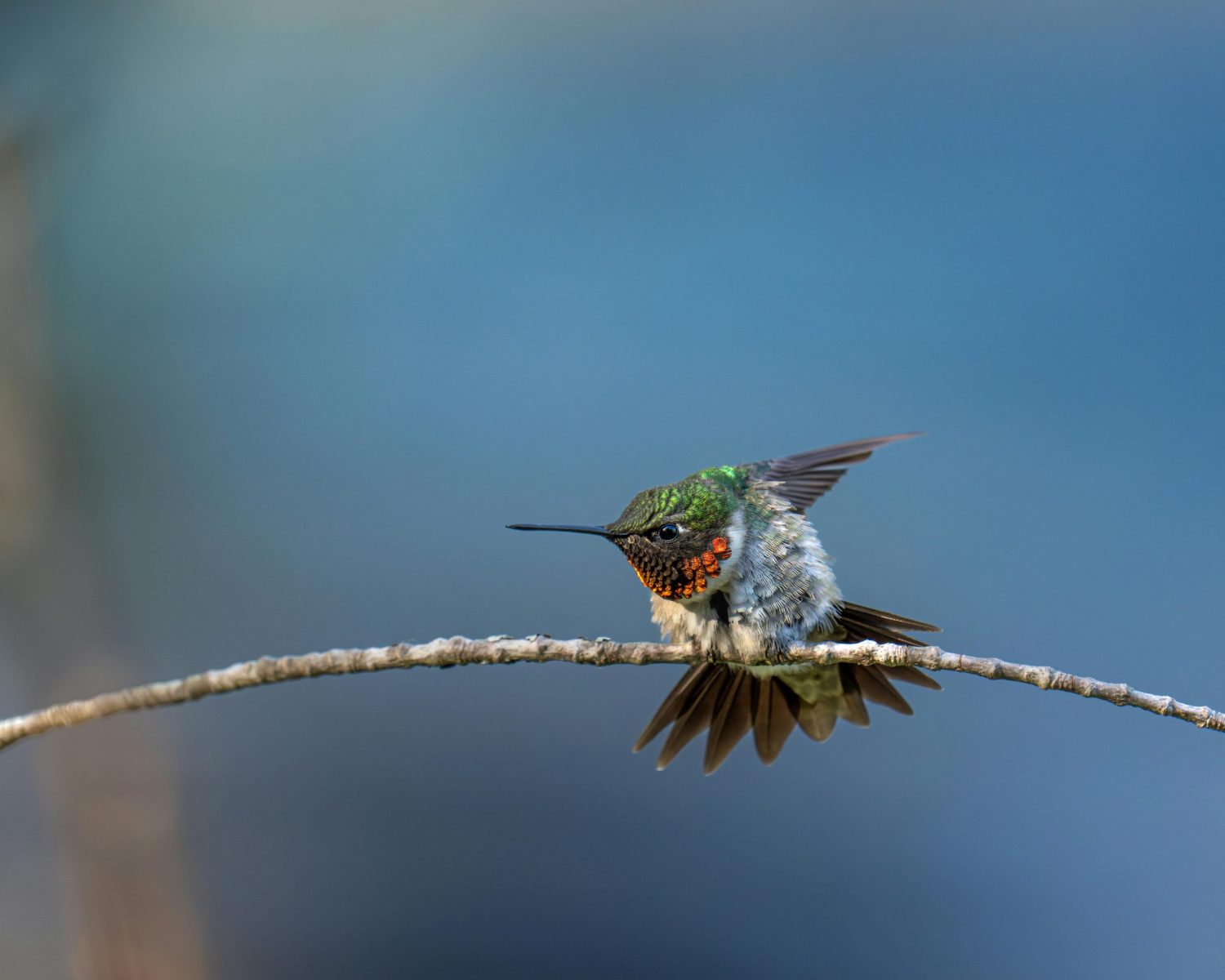
You can catch the quick shimmer of the Broad-tailed Hummingbird as it hovers among wildflowers. Its iridescent green feathers and rose-colored throat sparkle in the sunlight while its wings hum softly in motion. Despite their tiny size, these birds migrate great distances, showing how determination and grace can exist even in the smallest creatures.
Great Horned Owl
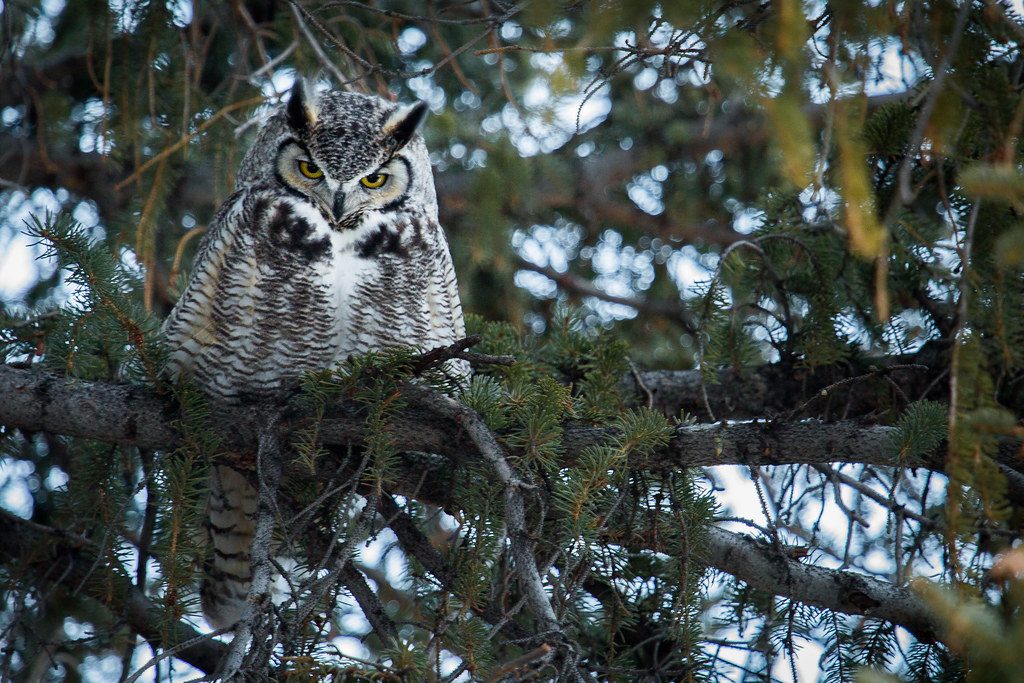
You should listen for the deep, haunting call of the Great Horned Owl at dusk. This silent hunter dominates the night skies with unmatched skill, using keen vision and stealth to thrive across forested and open landscapes. Spotting one resting on a branch under moonlight brings a thrilling reminder of how alive the wilderness remains after dark.
Peregrine Falcon
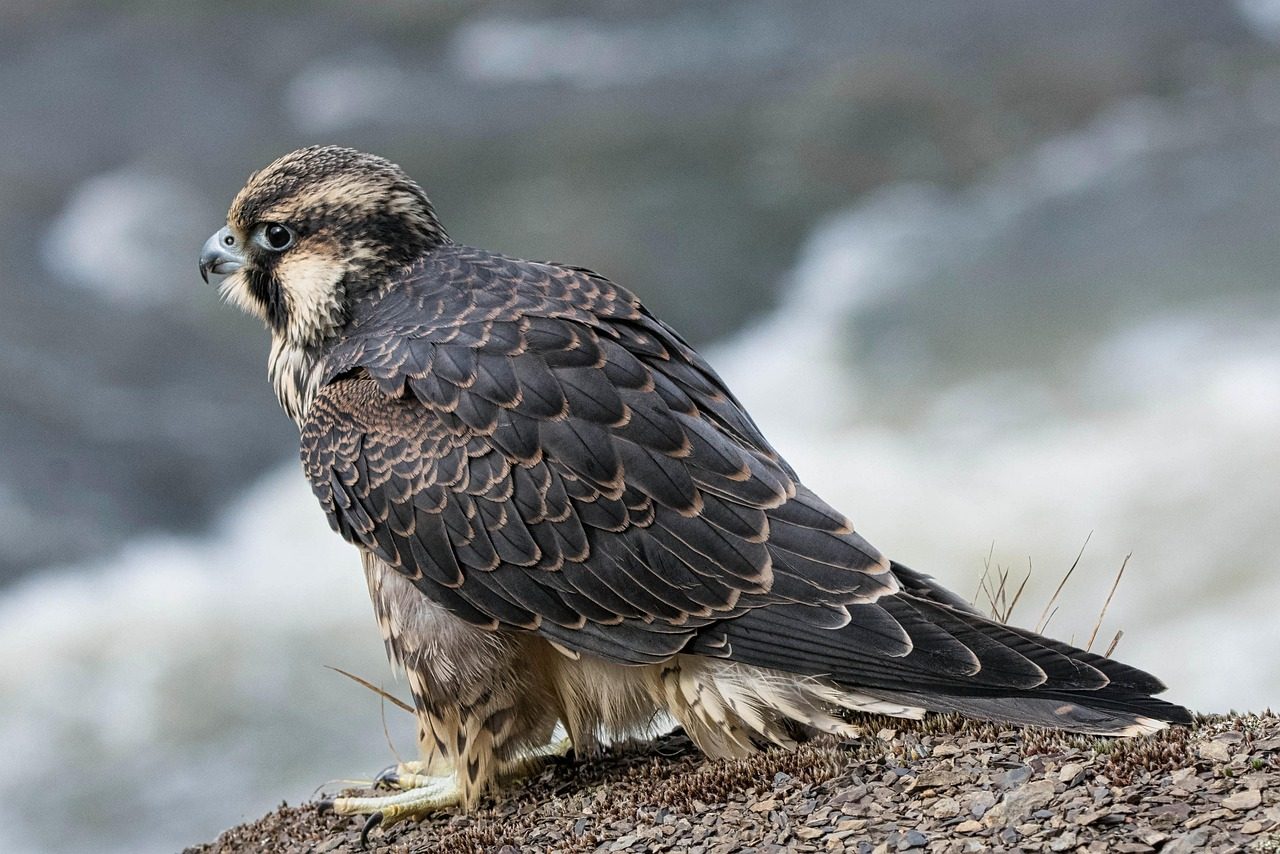
You can marvel at the Peregrine Falcon, one of the world’s fastest birds, as it dives through mountain air with astonishing speed. Once endangered, this predator has made a powerful comeback and now nests along high cliffs. Watching it slice through the wind captures the strength and resilience of wildlife reclaiming its place in the wild.
Northern Flicker
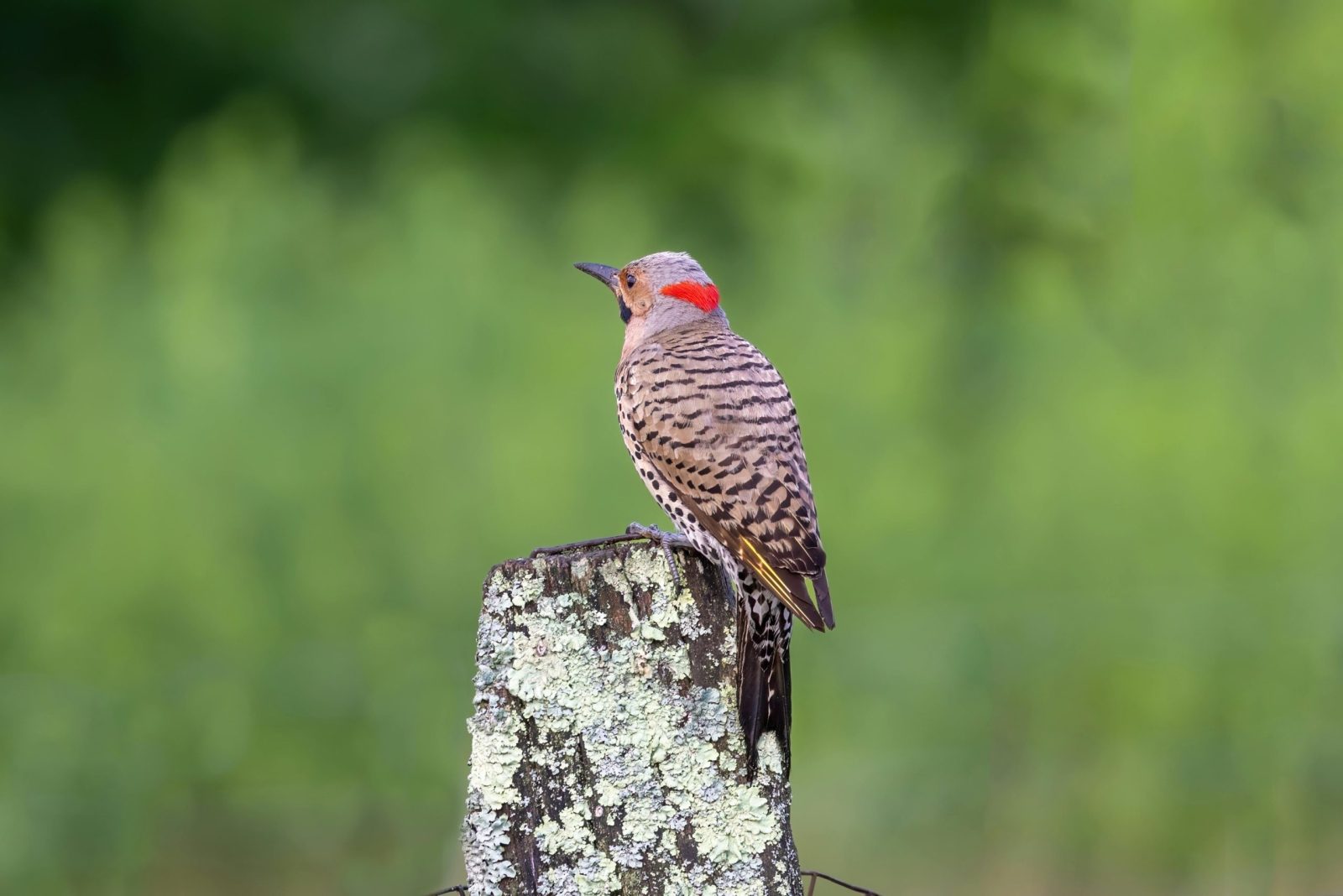
You should look for the Northern Flicker’s spotted plumage and bright underwings as it forages on the forest floor. Unlike most woodpeckers, it often searches for ants rather than drumming on trees. Its cheerful call echoes across meadows, and its flashes of orange or yellow add a warm contrast to the deep greens of the backcountry.
Red Crossbill
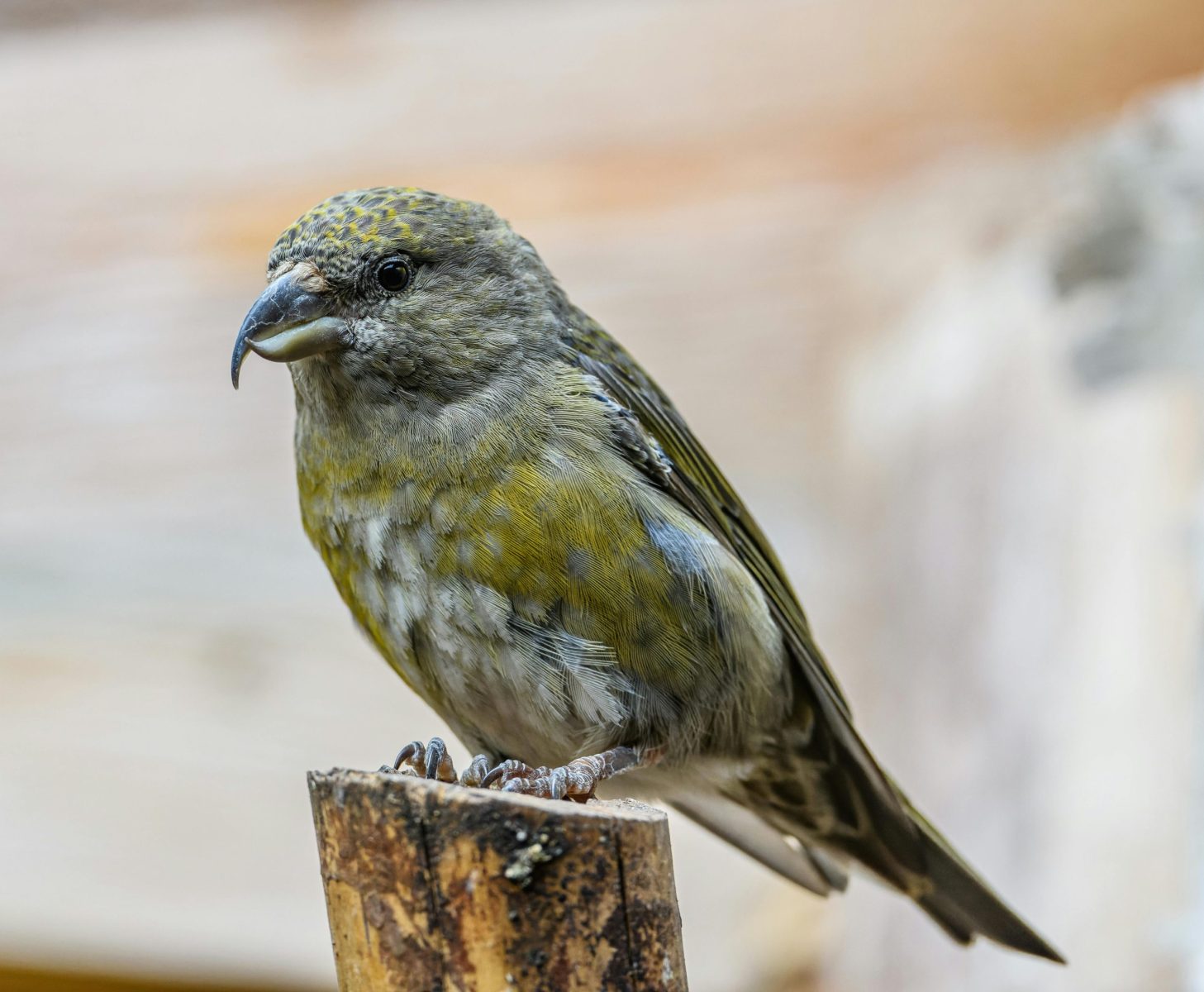
You can observe the Red Crossbill near coniferous forests where its unique crossed bill pries open pinecones for seeds. These birds often travel in flocks, their calls ringing through the treetops like musical notes. Their unusual feeding method shows nature’s clever adaptability and how species evolve perfectly for their environment.
Northern Harrier
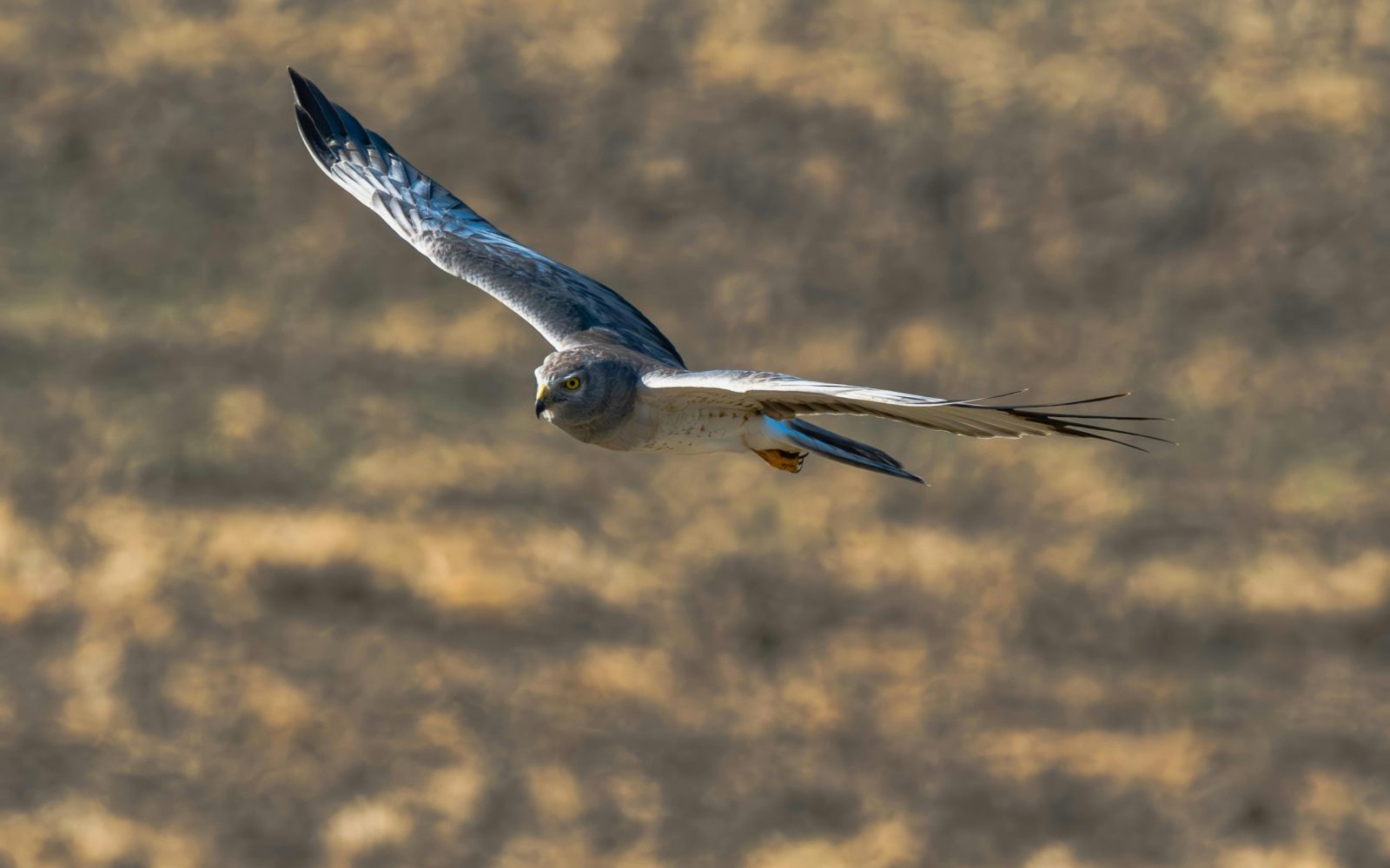
You should watch open grasslands for the Northern Harrier gliding low with wings held in a V shape. Its owl-like face helps detect the slightest sounds of prey moving below. Graceful and patient, it’s a master of stealth hunting, demonstrating how survival blends precision with quiet observation in the natural world.
White-crowned Sparrow
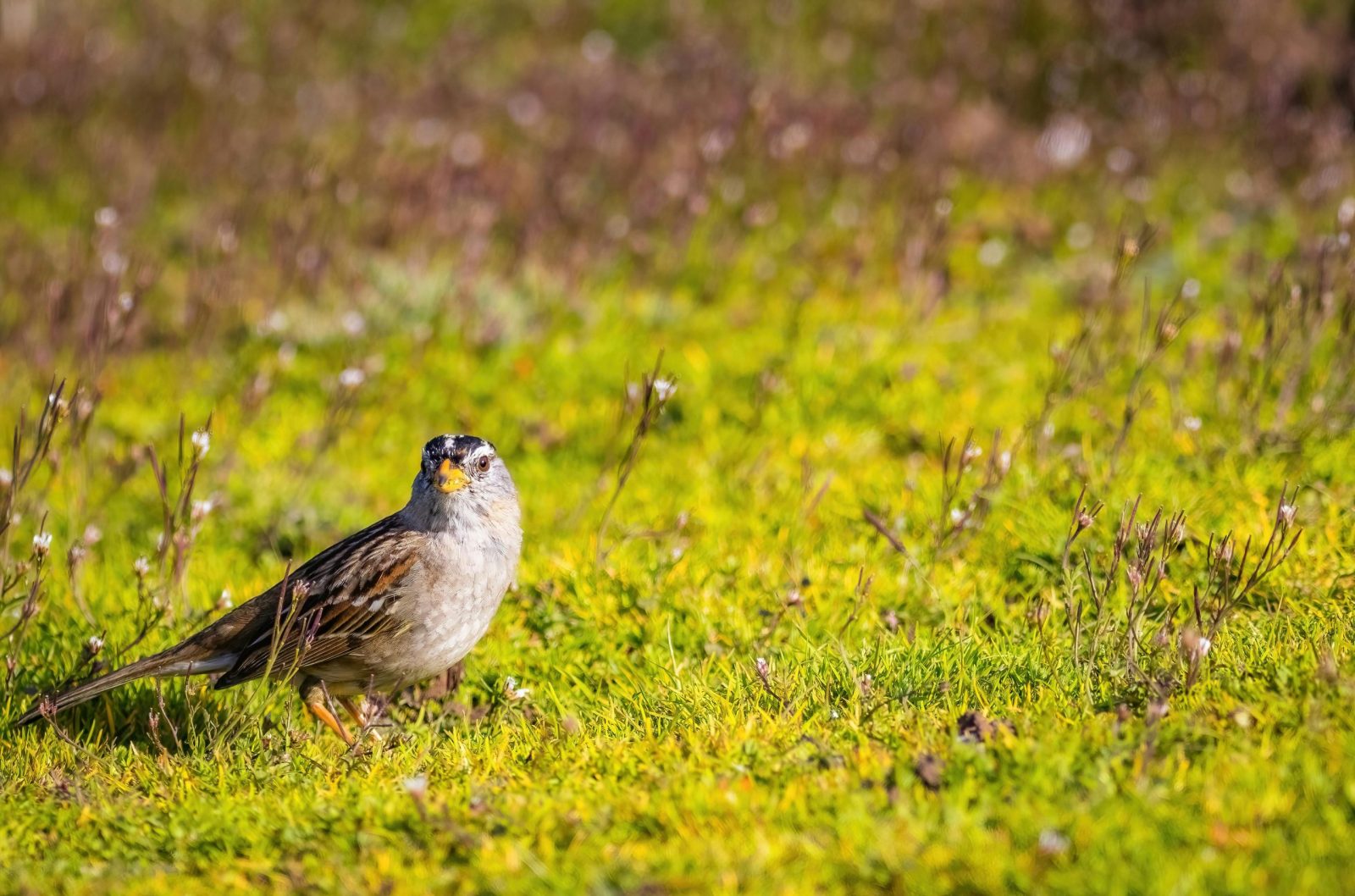
You can spot the White-crowned Sparrow perched among alpine shrubs, easily recognized by the bold white and black stripes on its head. Its soft, whistling song fills the crisp mountain air each morning. These birds migrate long distances yet always seem at peace among the wildflowers, embodying the rhythm and beauty of high-altitude life.
Bald Eagle
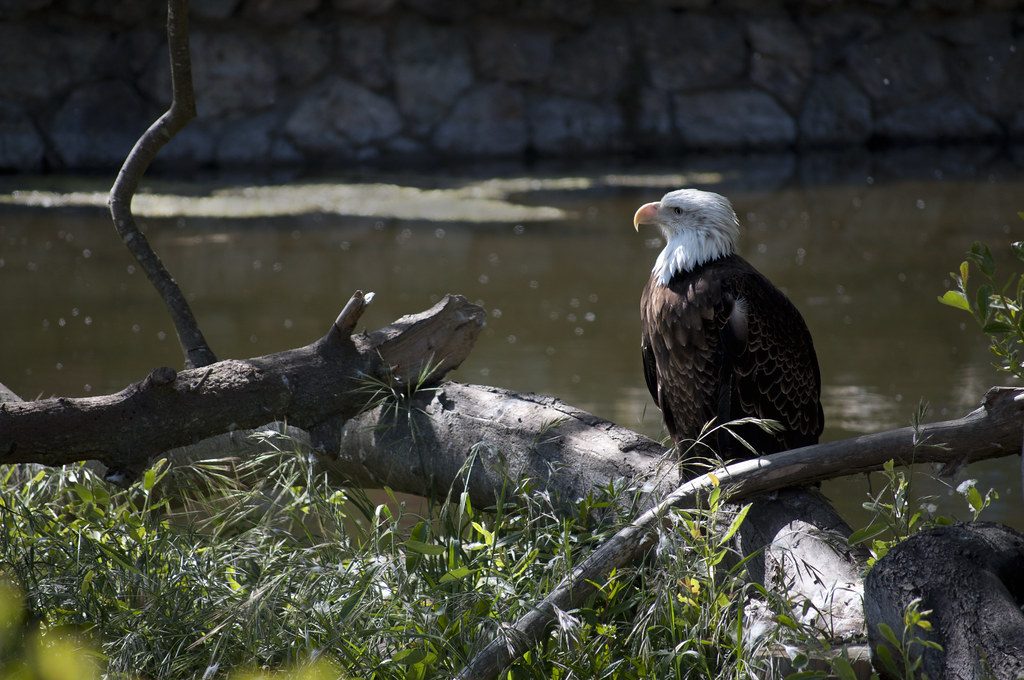
You should save time to look skyward for the Bald Eagle soaring with commanding strength. Often spotted near lakes and rivers, it dives skillfully for fish, its white head gleaming against the blue sky. As America’s national bird, it remains a breathtaking symbol of freedom and a reminder of the wilderness still thriving across the Divide.