Gun culture in cities is often framed around self-defense, range time, and compact practicality. But a quieter shift is underway as more urban buyers borrow cues from rural hunting traditions, from what they wear to the calibers they trust. The result is a market where heritage, field utility, and low-key durability are starting to matter in surprising new ways.
Bolt-Action Rifles Are Earning New Respect

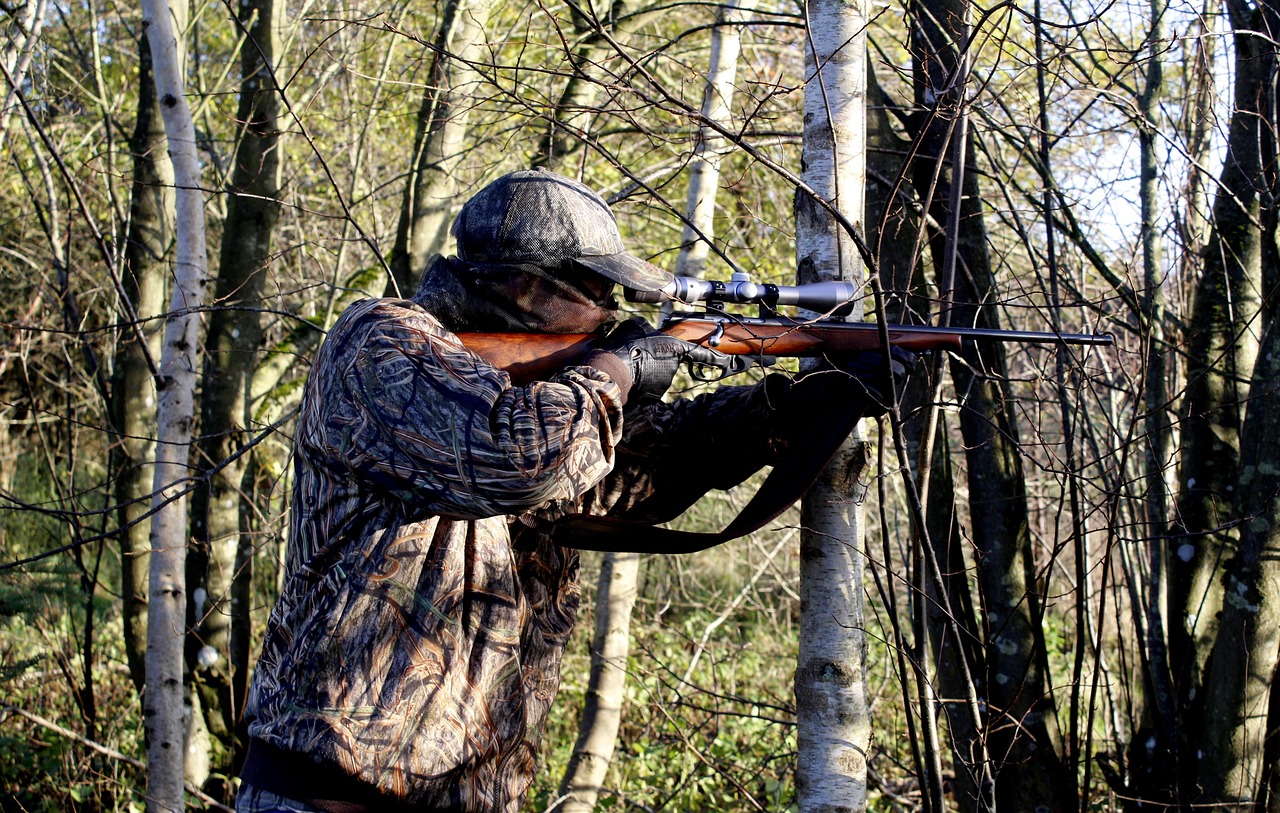
For years, many city buyers gravitated toward platforms associated with home defense or tactical styling. Now, bolt-action rifles are getting a second look, not because they are trendy, but because they signal precision, restraint, and purpose.
That shift owes a lot to hunting culture, where reliability in bad weather and confidence in a single well-placed shot matter more than flash. Urban owners who split time between the range and weekend trips out of town are increasingly drawn to that mindset.
The appeal is practical, too. Bolt guns often feel easier to learn, simpler to maintain, and more rooted in marksmanship than in image.
Wood Stocks Feel Premium Again
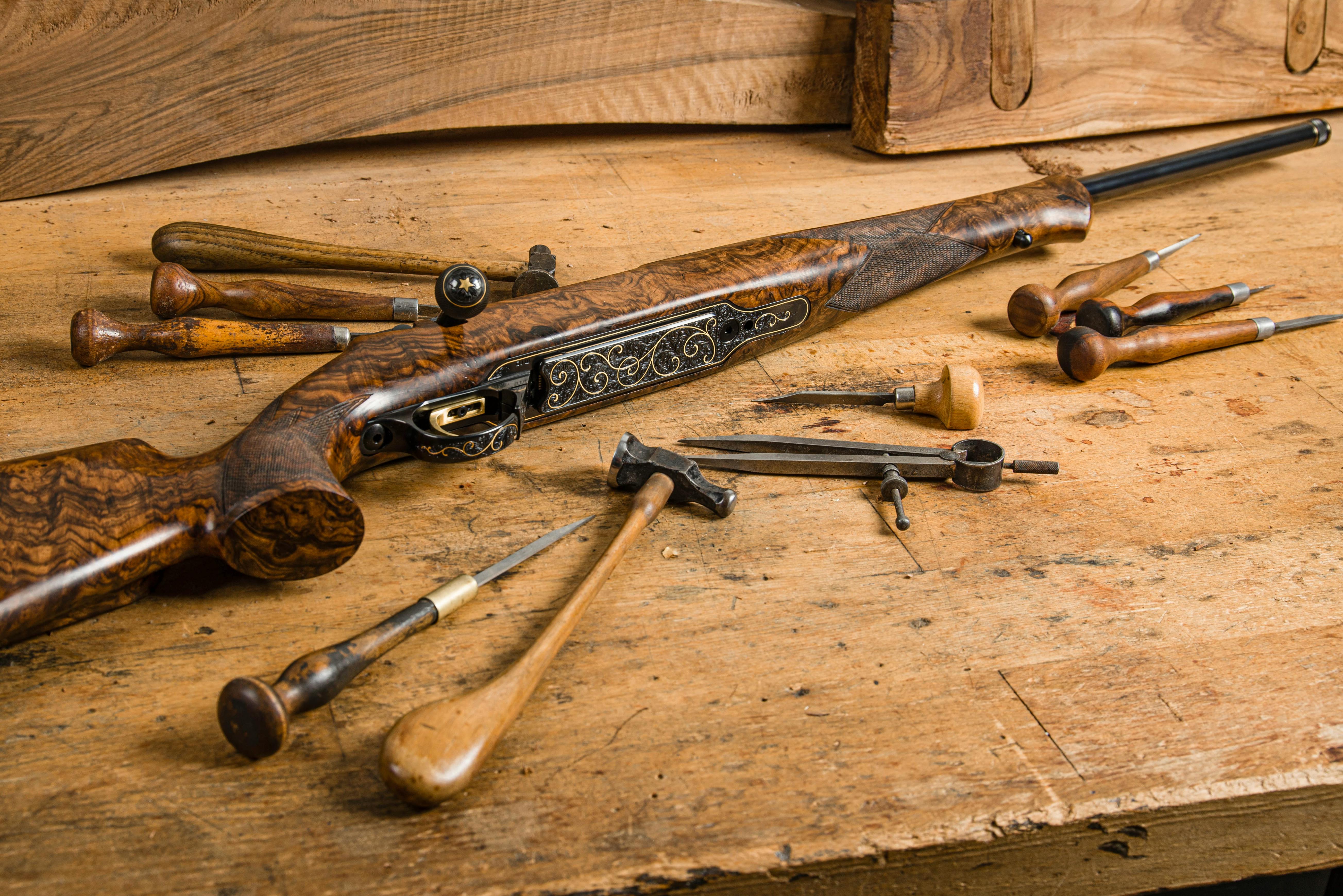
Synthetic stocks still dominate plenty of shelves, but wood is no longer being treated as old-fashioned by default. Among urban buyers, walnut and laminated stocks are returning as symbols of craftsmanship rather than nostalgia alone.
Rural hunting traditions have always kept wood-stocked rifles in circulation, especially in families that pass firearms down over generations. That heritage gives the material an emotional weight that polymer cannot quite replicate.
In cities, that translates into a taste for gear that looks refined and ages gracefully. A wood stock suggests care, tradition, and a firearm built to be kept, not just upgraded and replaced.
Scopes and Binoculars Are Moving Up the Shopping List

Urban gun buyers once tended to focus first on the firearm itself, then maybe magazines or a case. Increasingly, they are budgeting for optics and binoculars earlier, reflecting a more field-oriented approach to shooting.
That habit comes straight from hunting, where seeing clearly is often as important as shooting well. Good glass shapes everything from target identification to ethical decision-making, and hunters have long treated it as a core purchase, not an accessory.
In cities, the same thinking shows up at the range and beyond. Better optics promise more deliberate shooting, better observation skills, and a stronger emphasis on patience over speed.
Soft Cases and Field Bags Are Gaining Ground

Hard cases still have their place, especially for travel and storage, but soft cases and field bags are attracting more attention in urban markets. They feel less industrial and more adaptable to the way people actually move through cars, stairwells, and small apartments.
Hunters have relied on soft goods for decades because they are easier to carry, quieter in the field, and better suited to a day that includes walking, waiting, and changing weather. That practicality is now resonating with city owners.
The appeal is subtle but real. A waxed canvas case or rugged field bag can hold gear without looking overly specialized, which matters to buyers who value discretion as much as convenience.
Layered Clothing Matters More Than Tactical Uniformity

Many urban gun owners are starting to shop more like hikers and hunters than like hobbyists building a uniform. Instead of matching tactical sets, they are looking for layers that handle cold mornings, changing weather, and long hours outdoors.
That outlook comes from the hunting world, where comfort can shape performance just as much as equipment can. Quiet fabrics, breathable insulation, and weather-resistant shells are valued because they make time in the field more manageable.
In city settings, the same gear works for range trips, road travel, and general outdoor use. It feels multipurpose, which is often more appealing than clothing designed to communicate a single identity.
Boots Are Becoming Part of the Gun Purchase Mindset

A firearm purchase used to be treated as a standalone event, with footwear barely entering the conversation. Now, more urban buyers are thinking in terms of complete outings, and that means sturdy boots are becoming part of the broader shopping equation.
Hunters have always known that a bad day often starts with bad footwear. Cold feet, poor traction, and long miles on uneven ground can ruin concentration long before a shot is ever taken.
City owners who travel to outdoor ranges or take occasional hunting trips are adopting the same logic. Good boots represent preparedness, but they also signal a shift toward seeing shooting as an outdoor practice, not just an indoor activity.
Practical Calibers Are Winning Over Exotic Ones

There is a growing preference for cartridges with a long hunting pedigree rather than niche rounds that generate buzz online. Urban buyers are increasingly asking what is available, versatile, and proven instead of what is newest or most specialized.
That is classic rural hunting logic. Hunters tend to trust calibers that can be found in ordinary stores, perform predictably, and have decades of field credibility behind them. Familiarity is a feature, not a compromise.
This buying pattern reflects maturity as much as tradition. People want ammunition they can source consistently and understand thoroughly, especially when their use spans range work, training, and occasional trips into the field.
Suppressor Interest Is Tied to Hearing and Courtesy

In many urban conversations, suppressors were once framed mostly through pop culture or tactical imagery. Increasingly, buyers are seeing them through a more rural lens, as tools for hearing protection, comfort, and consideration for others nearby.
That perspective has long existed in hunting circles, where reducing blast can make a day afield safer and less punishing. It also reflects the idea that responsible shooting includes minimizing unnecessary disturbance when possible.
For urban owners, especially those training regularly, that logic feels refreshingly practical. Interest is less about fantasy and more about preserving hearing, reducing fatigue, and making repeated range sessions more manageable over time.
Heritage Brands Carry More Weight

Brand loyalty in gun buying is not new, but the kind of loyalty is changing. Urban consumers are showing more interest in companies known for field use, generational trust, and products that have earned reputations slowly rather than through aggressive marketing.
Hunting traditions play a big role here because rural buyers often treat a firearm brand like a family recommendation. A name associated with dependable seasons in rough weather can carry more credibility than one built mainly on style.
That sensibility is spreading beyond rural communities. In cities, heritage branding now suggests steadiness and authenticity, especially to buyers who want gear that feels grounded in real use instead of online hype.
Used Guns Look More Appealing Than Before

The used gun rack used to be easy for some buyers to ignore, especially those chasing the latest release. But the hunting tradition has always made room for secondhand firearms, and that attitude is influencing urban shoppers in visible ways.
In rural settings, a used rifle often represents value, continuity, and mechanical trust rather than compromise. If it held zero, cycled smoothly, and served someone well for years, that history can actually make it more desirable.
Urban buyers are warming to that logic as prices rise and craftsmanship becomes harder to find at entry levels. A clean used hunting rifle can offer character, quality, and a sense of permanence that brand-new options sometimes lack.
Storage Choices Are Leaning Toward Function Over Show

Display-oriented storage has obvious appeal, but more buyers are moving toward simple, durable solutions that prioritize protection, access, and organization. That preference echoes the hunting household approach, where gear is often stored for utility first and admiration second.
In rural homes, firearms storage has traditionally been tied to seasons, routines, and practical readiness. The goal is to keep equipment secure, dry, and easy to prepare before an early morning departure.
Urban owners are adopting that same mentality in closets, apartments, and compact homes. They want safes, cabinets, and organizers that fit real life, not just setups that look impressive in a product photo.
Buying Habits Are Shifting From Identity to Utility

The biggest influence may be less about any single product and more about a broader change in attitude. Urban gun owners are increasingly shopping with the same questions hunters ask: Will this last, will it travel well, and will it still make sense years from now?
That approach tends to favor understated quality over performative design. It rewards gear that works across settings, from the range to a road trip, instead of products built mainly to signal belonging to a tribe.
Rural hunting culture has long centered on usefulness, habit, and trust earned over time. As that ethos spreads, urban buying patterns are becoming less about image and more about quiet confidence in equipment that simply does its job.