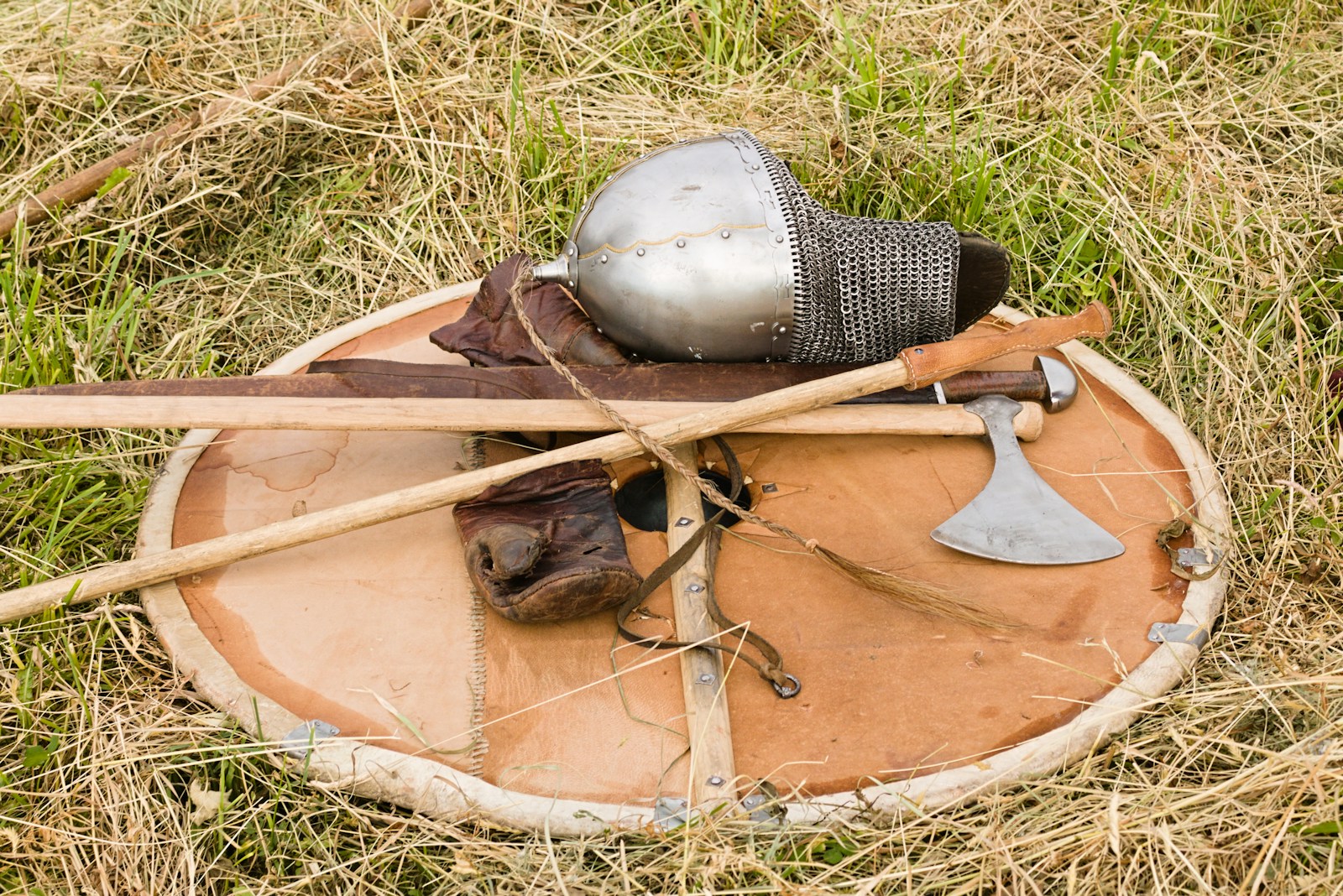
Bushcraft is often seen as an art of mastering the wild, but not everything you hear about survival is true. Over the years, myths have spread through TV shows, movies, and old campfire tales, leaving many adventurers misinformed. Understanding what actually works in the wilderness can make the difference between confidence and confusion. Here are 12 common bushcraft myths that need to be debunked once and for all.
You Can Start a Fire with Two Random Rocks
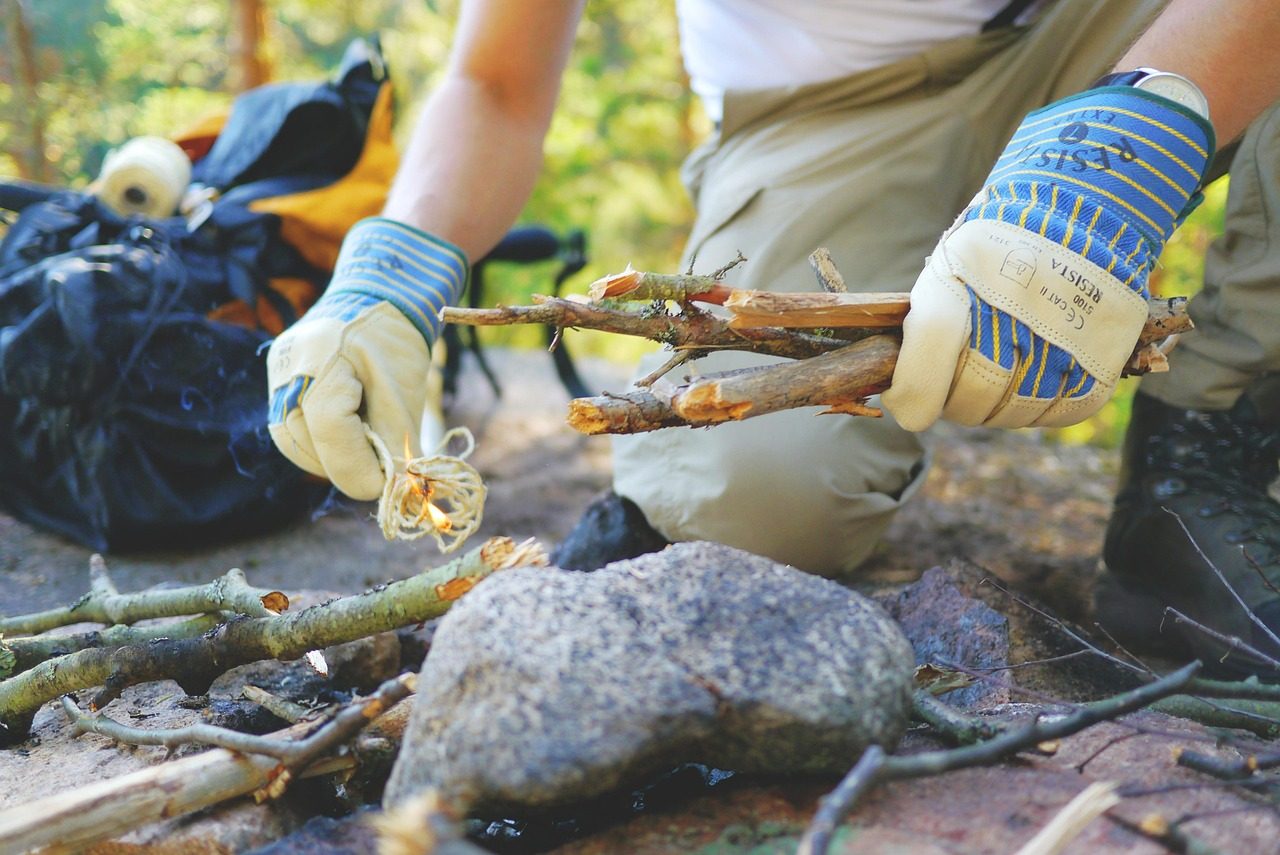
While it looks easy on screen, striking two random stones together rarely creates sparks. Only specific rocks like flint and steel can produce enough friction to ignite tinder. In reality, it takes the right tools, technique, and dry materials. Fire-making is about preparation, not just luck and effort.
Moss Always Grows on the North Side of Trees
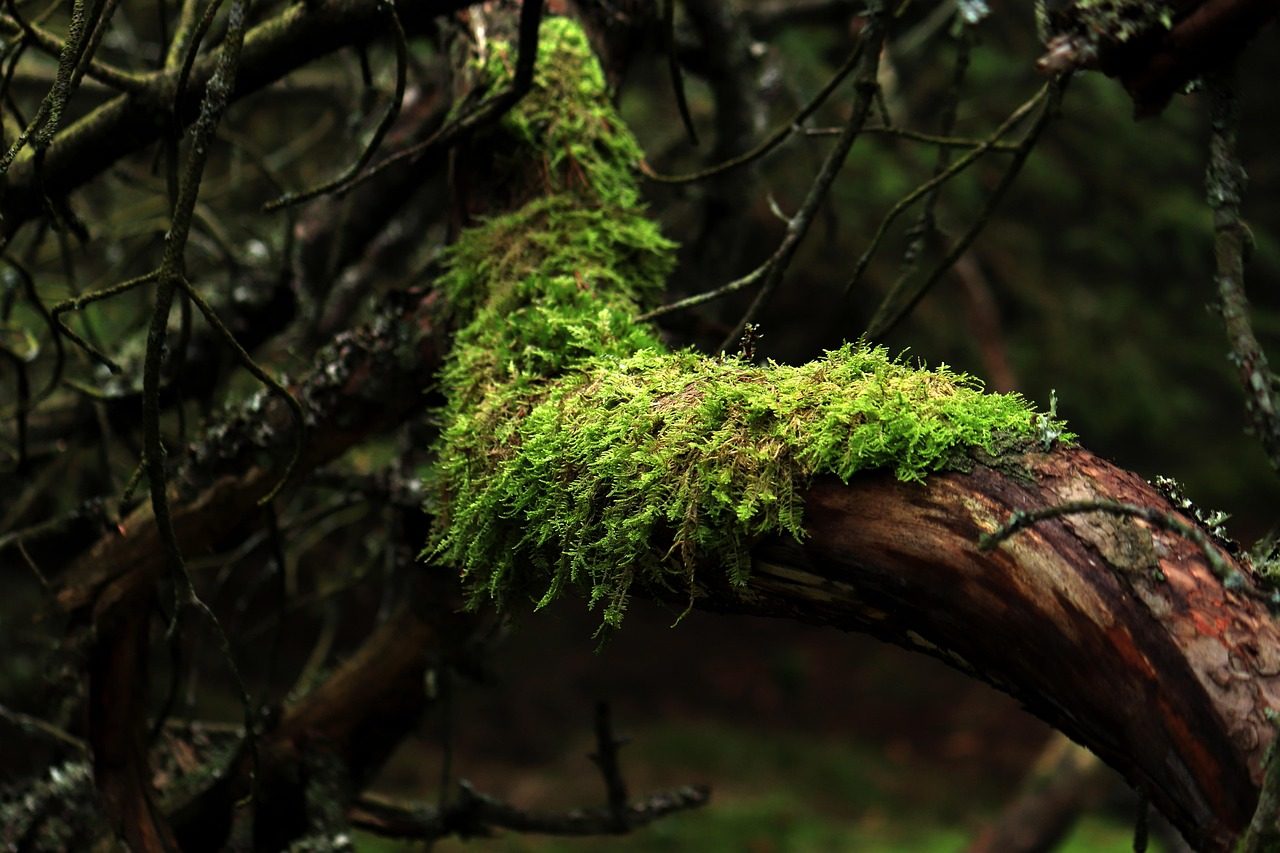
This myth has led countless explorers astray. Moss thrives in moist, shaded areas, not necessarily on the north side. Depending on the environment, it can grow in any direction. A compass or GPS remains your most reliable navigation tool, not greenery growing on bark.
You Can Safely Drink from Any Flowing Stream
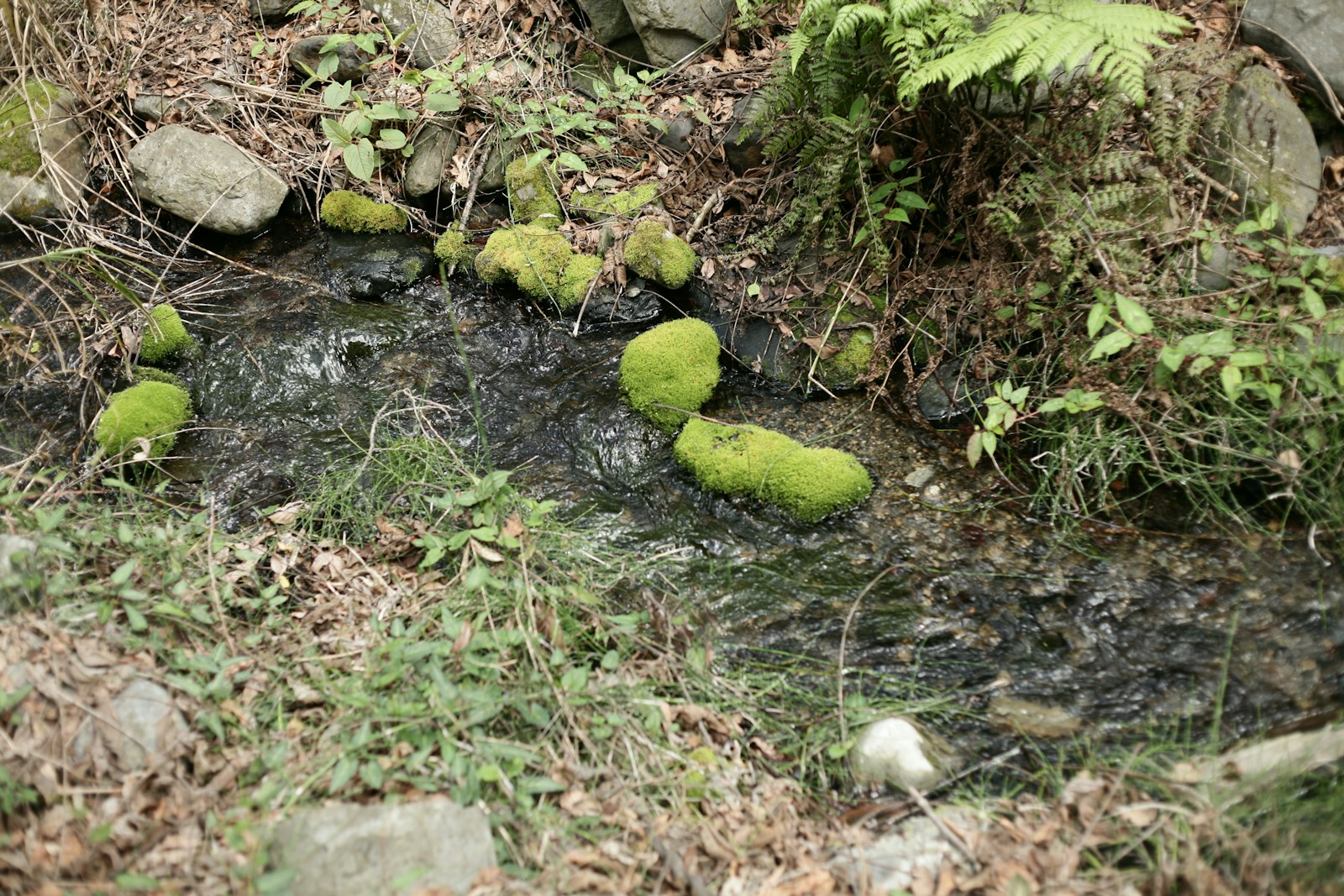
Running water might look clean, but it can still contain harmful bacteria and parasites. Even clear mountain streams can carry contaminants from animal waste or decaying matter. Always filter, boil, or purify your water before drinking it to stay safe.
Eating Snow Is a Good Way to Stay Hydrated
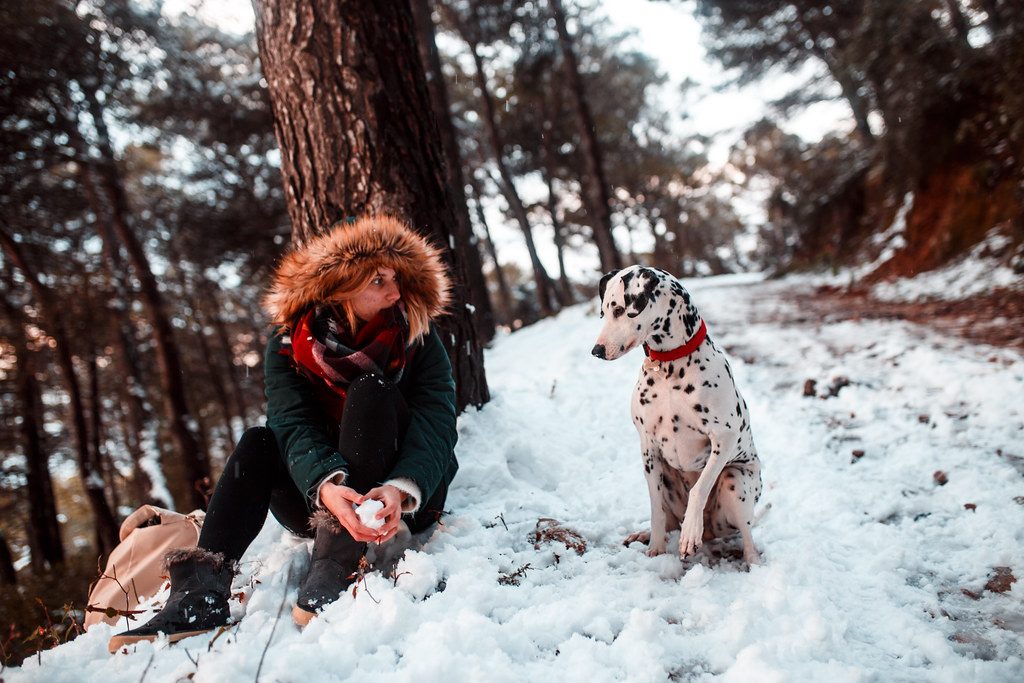
While snow is water, eating it directly lowers your body temperature and can lead to hypothermia. It’s safer to melt snow first before drinking. Keeping your core warm and maintaining hydration the right way is key in cold conditions.
You Should Build a Shelter Right Away
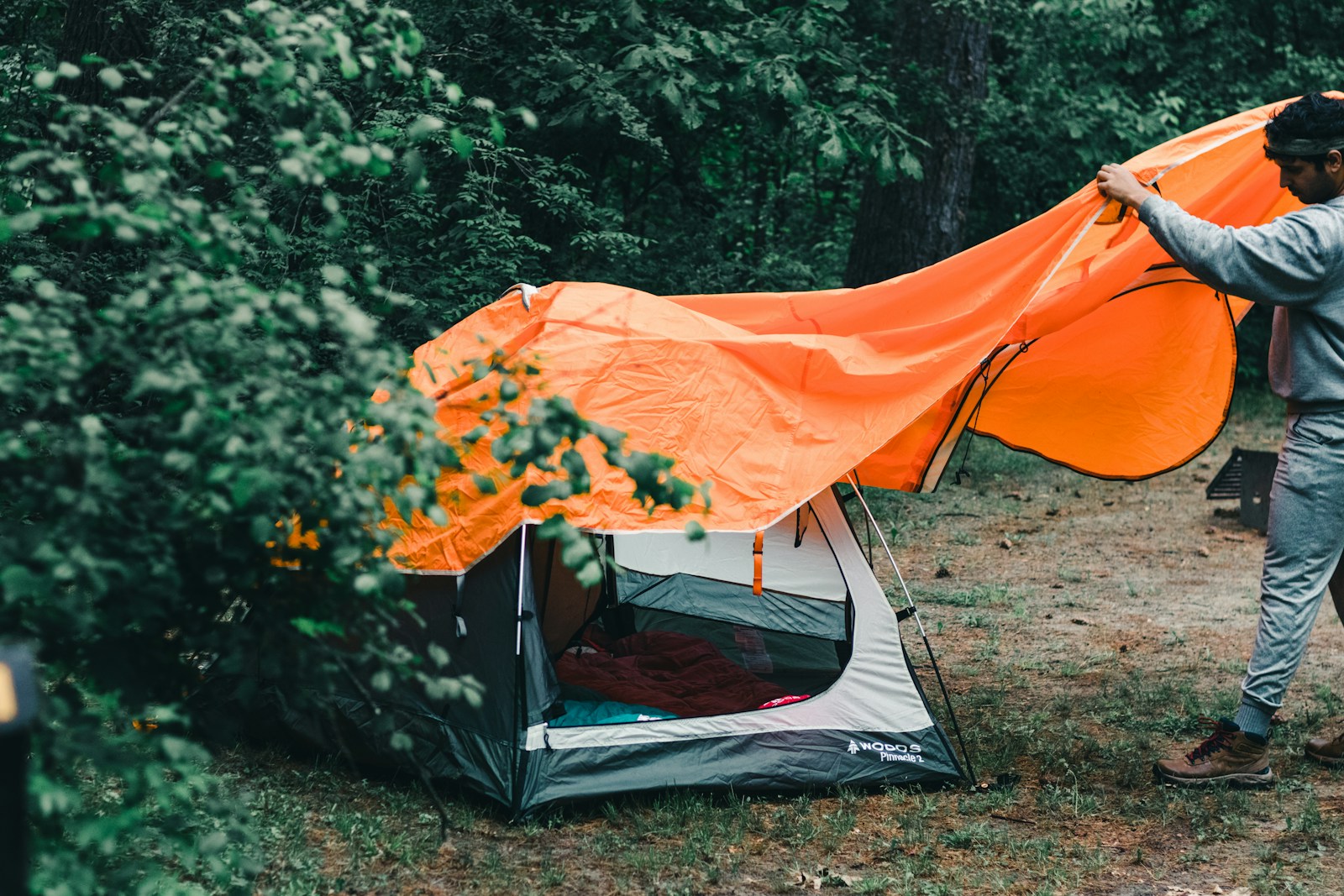
Many beginners rush to build a shelter before assessing their surroundings. The first priority should be safety, finding a dry, level area away from potential hazards like falling branches or flooding. Once that’s done, building an efficient shelter becomes much easier.
Rubbing Sticks Together Can Quickly Make Fire
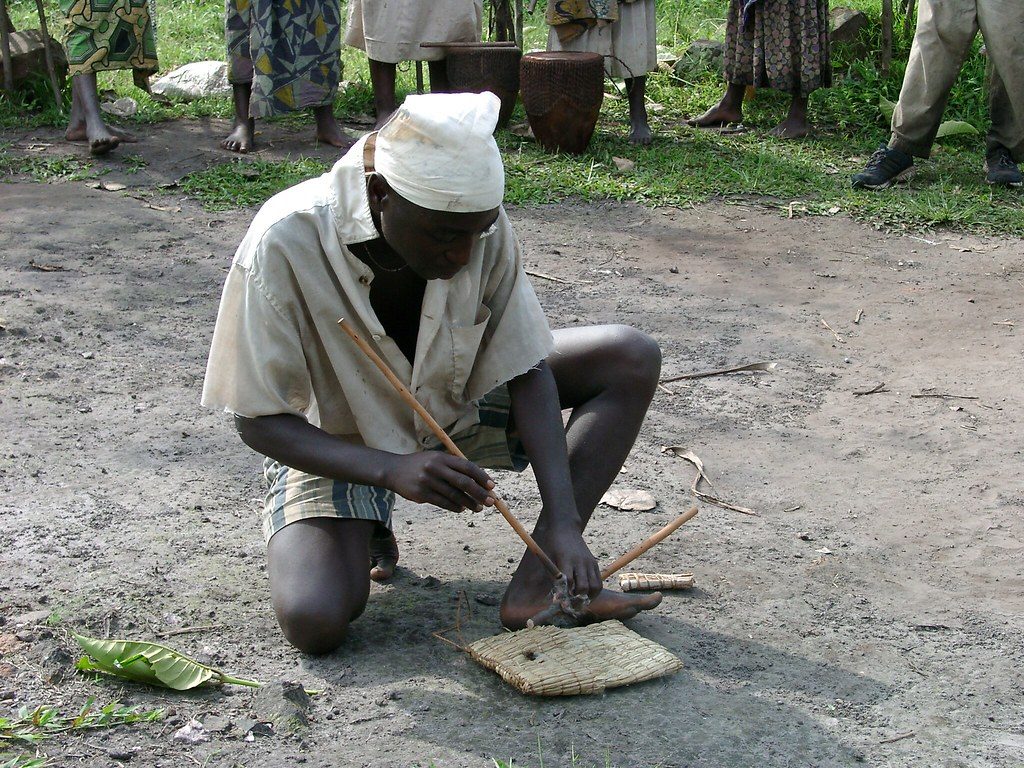
Friction fires are possible, but they’re not as simple as rubbing sticks. It requires specific wood types, patience, and skill developed through practice. Without the right combination of dryness and technique, you’ll only end up exhausted and cold.
Carrying a Big Knife Is Always Better
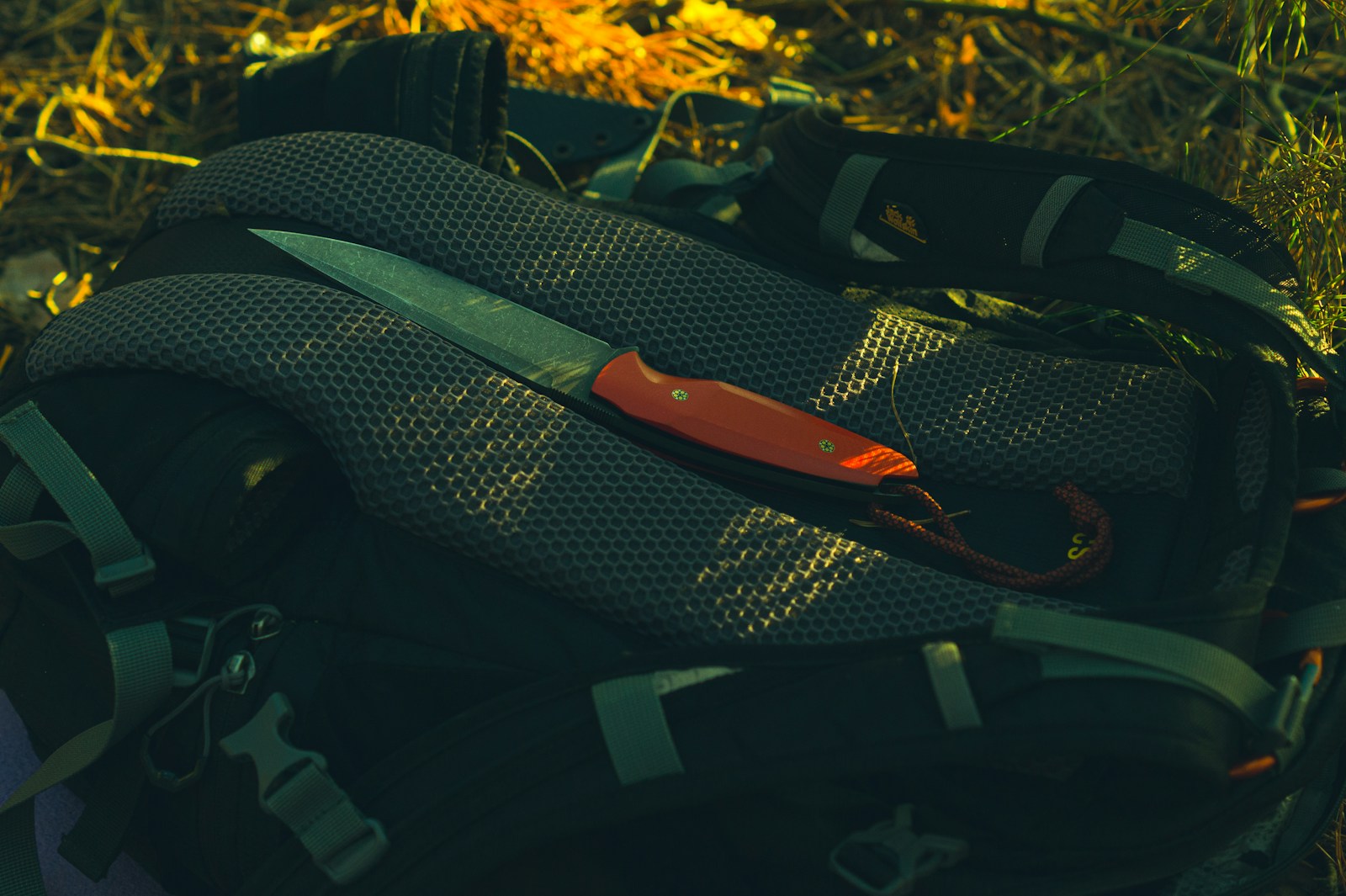
Bigger doesn’t always mean better when it comes to knives. A large blade can be cumbersome and unsafe for detailed tasks like carving or skinning. Most bushcrafters prefer a medium-sized, sharp, and durable knife for versatility in the field.
Animals Will Always Run Away from Humans
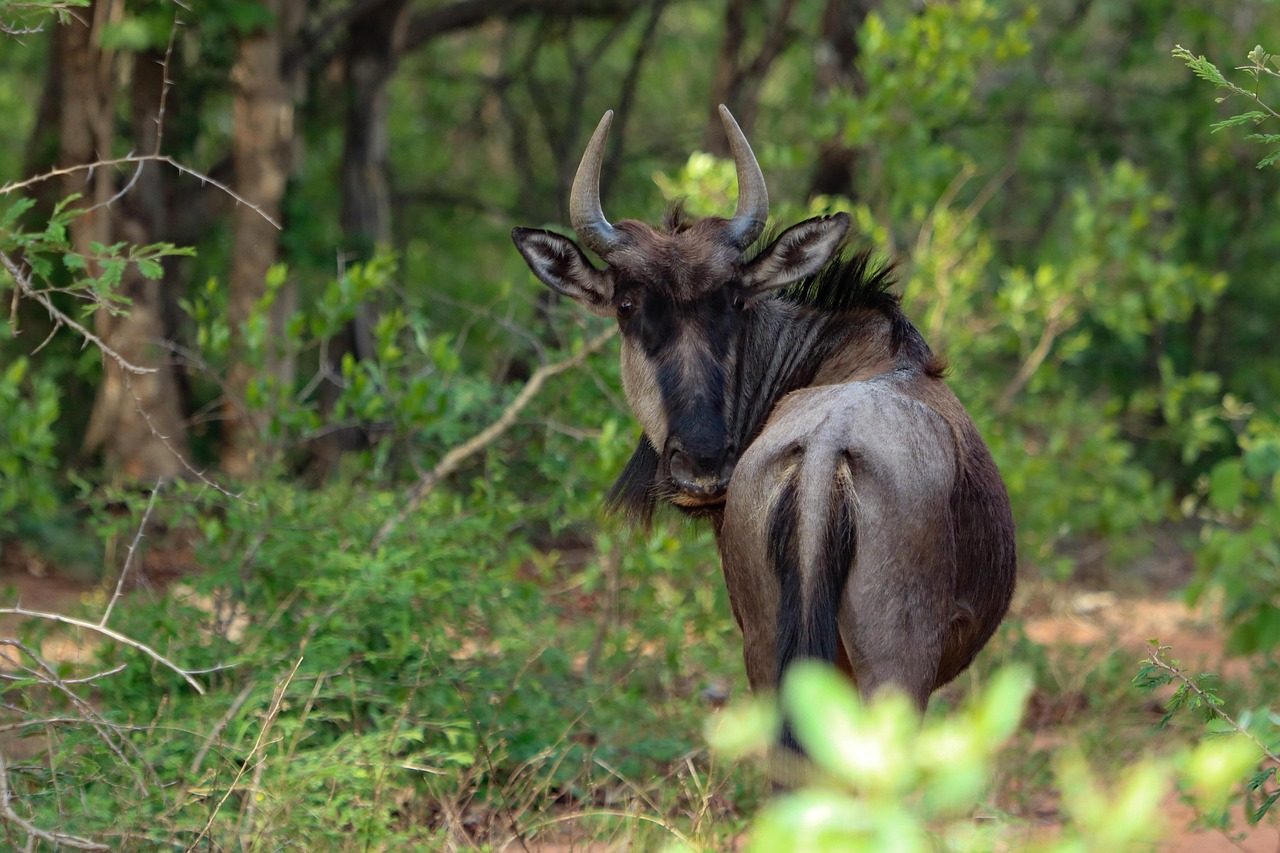
While many animals avoid confrontation, some, especially when protecting young or food, may act aggressively. Bears, moose, and even small mammals can be unpredictable. Staying alert and understanding wildlife behavior is much safer than assuming they’ll flee.
You Can Find Food Easily in the Wild
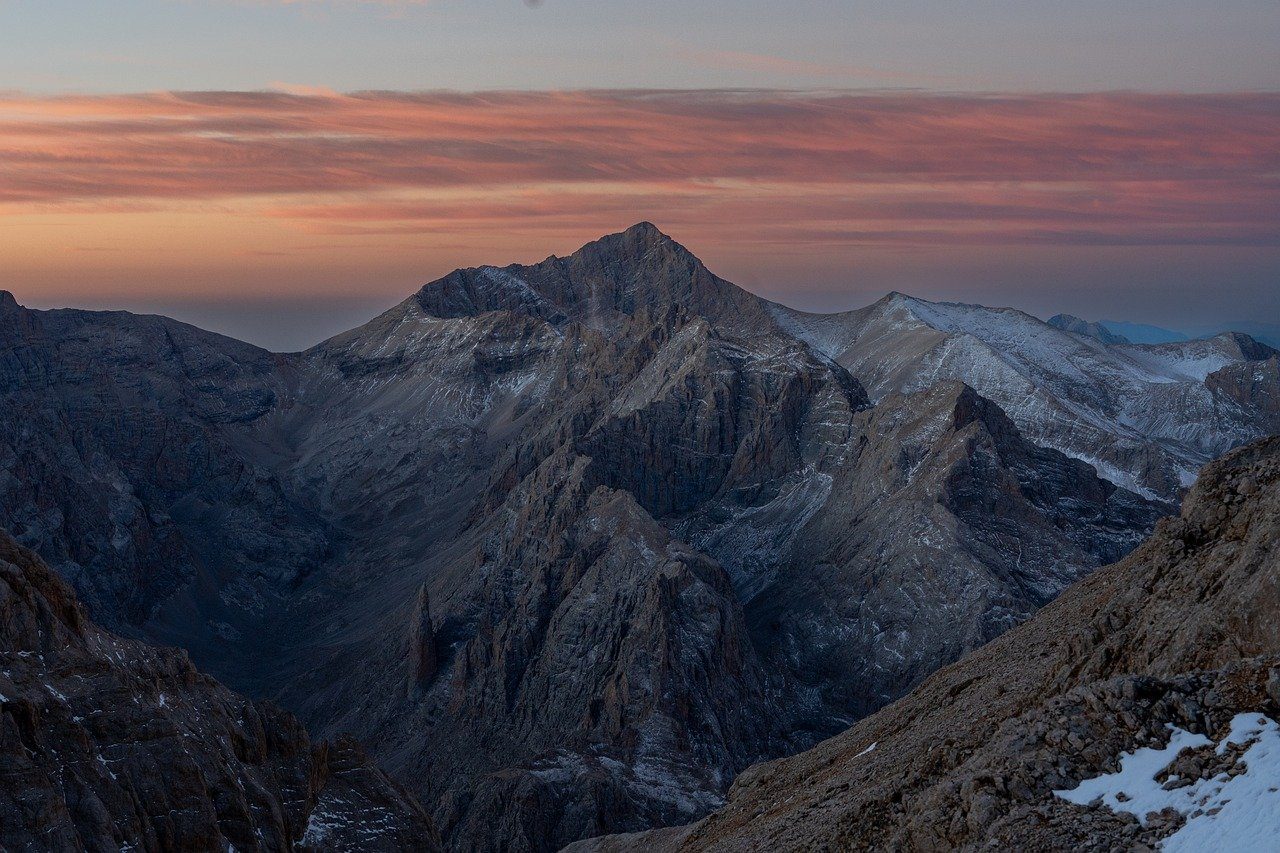
Foraging sounds romantic, but identifying edible plants takes knowledge and experience. Many wild berries and mushrooms are toxic. It’s better to pack emergency rations or learn about local flora before heading out on a long trip.
A Fire Keeps All Animals Away
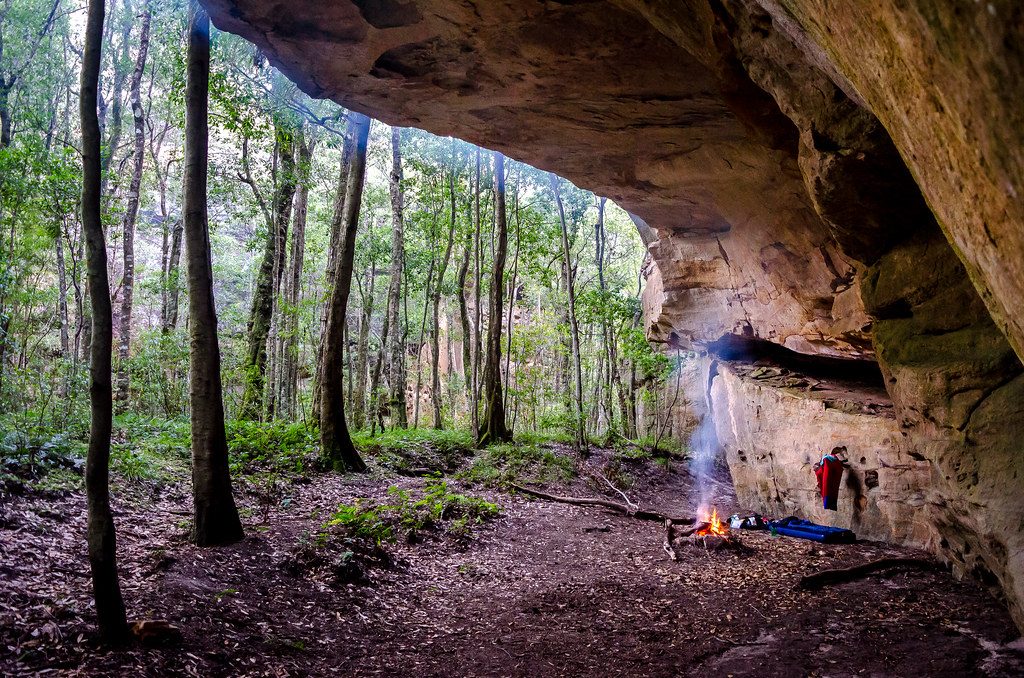
Fire can deter some creatures, but not all. Curious or hungry animals might still approach your campsite, especially if there’s food around. Proper food storage and campsite hygiene are far more effective for staying safe.
Survival Is About Strength, Not Skill
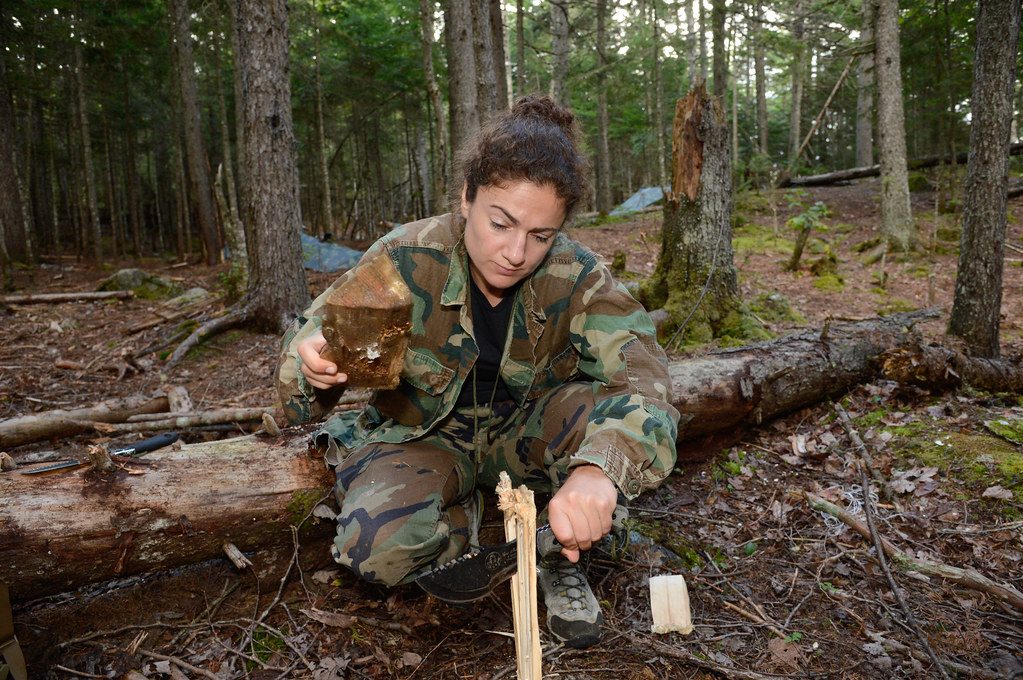
Endurance helps, but bushcraft is more about knowledge and preparation. Knowing how to use your resources wisely, build tools, and stay calm under pressure makes you a true survivor, not sheer muscle power.
All Survival Myths Have Some Truth
Not every myth holds a kernel of truth. Many exist because they sound believable or make for good stories. Separating fact from fiction ensures that when you step into the wild, you’re relying on real skills, not dangerous misconceptions.